News
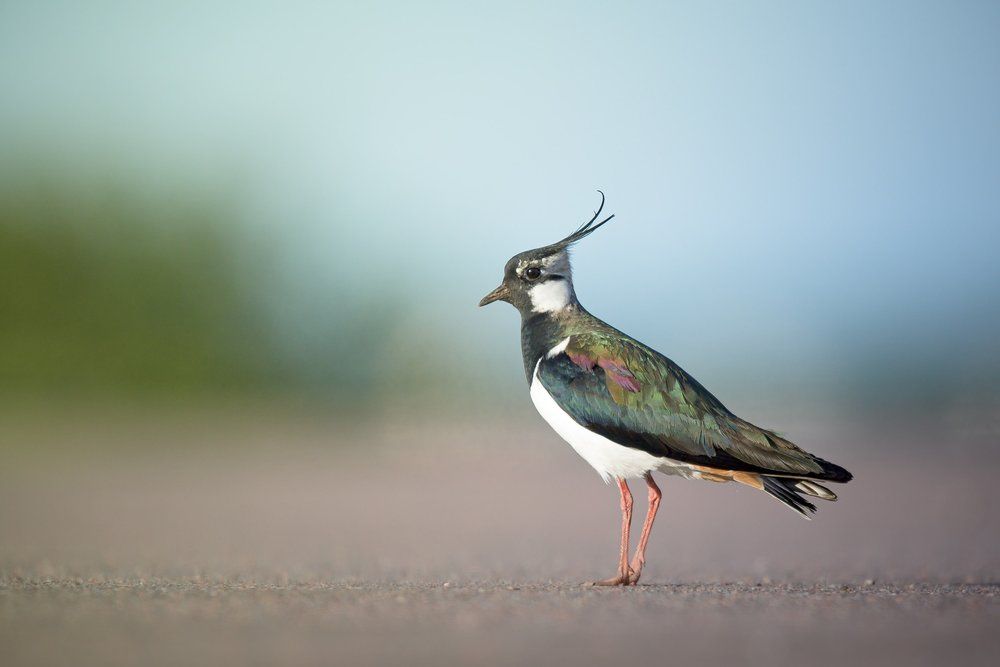
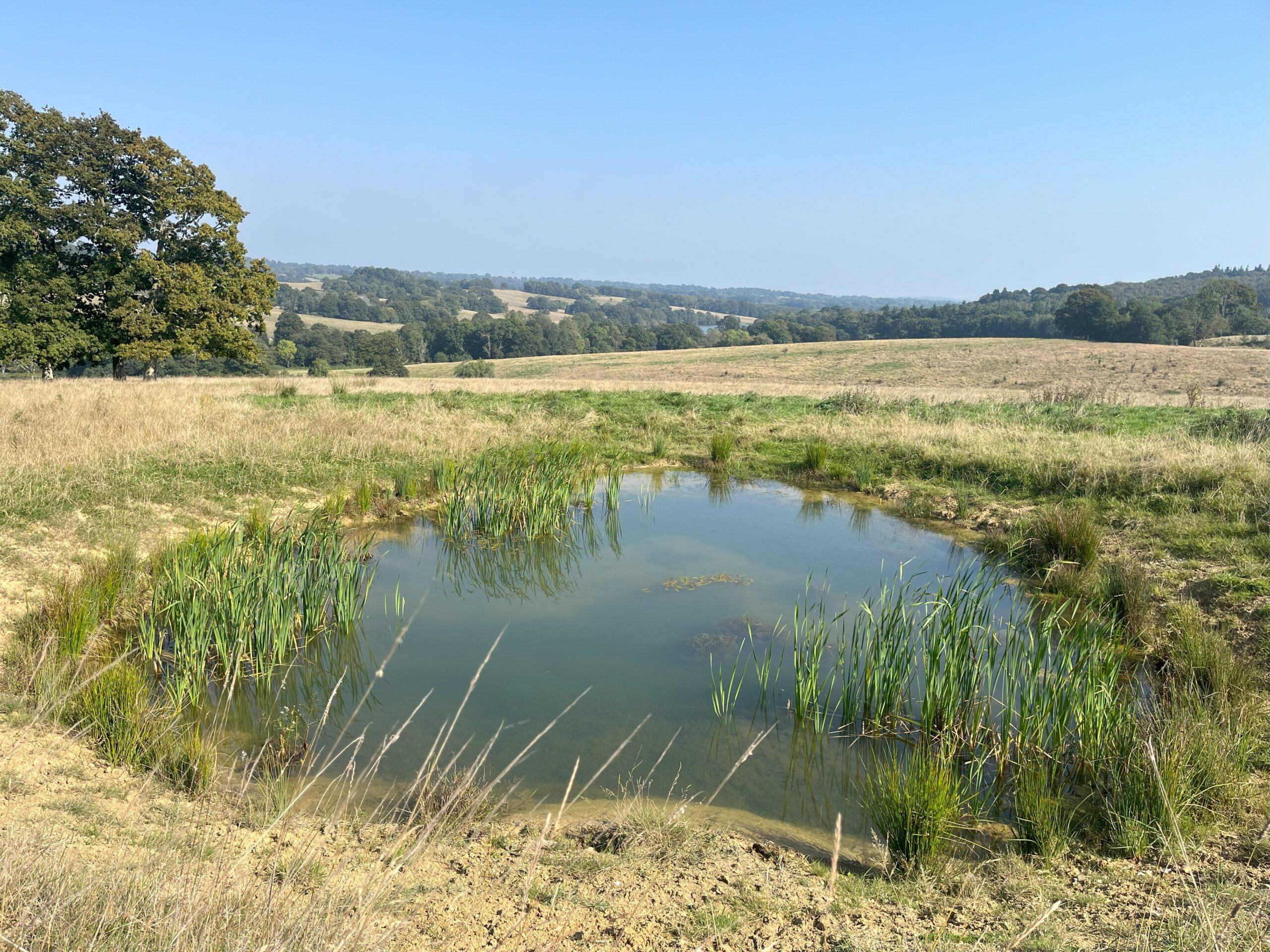
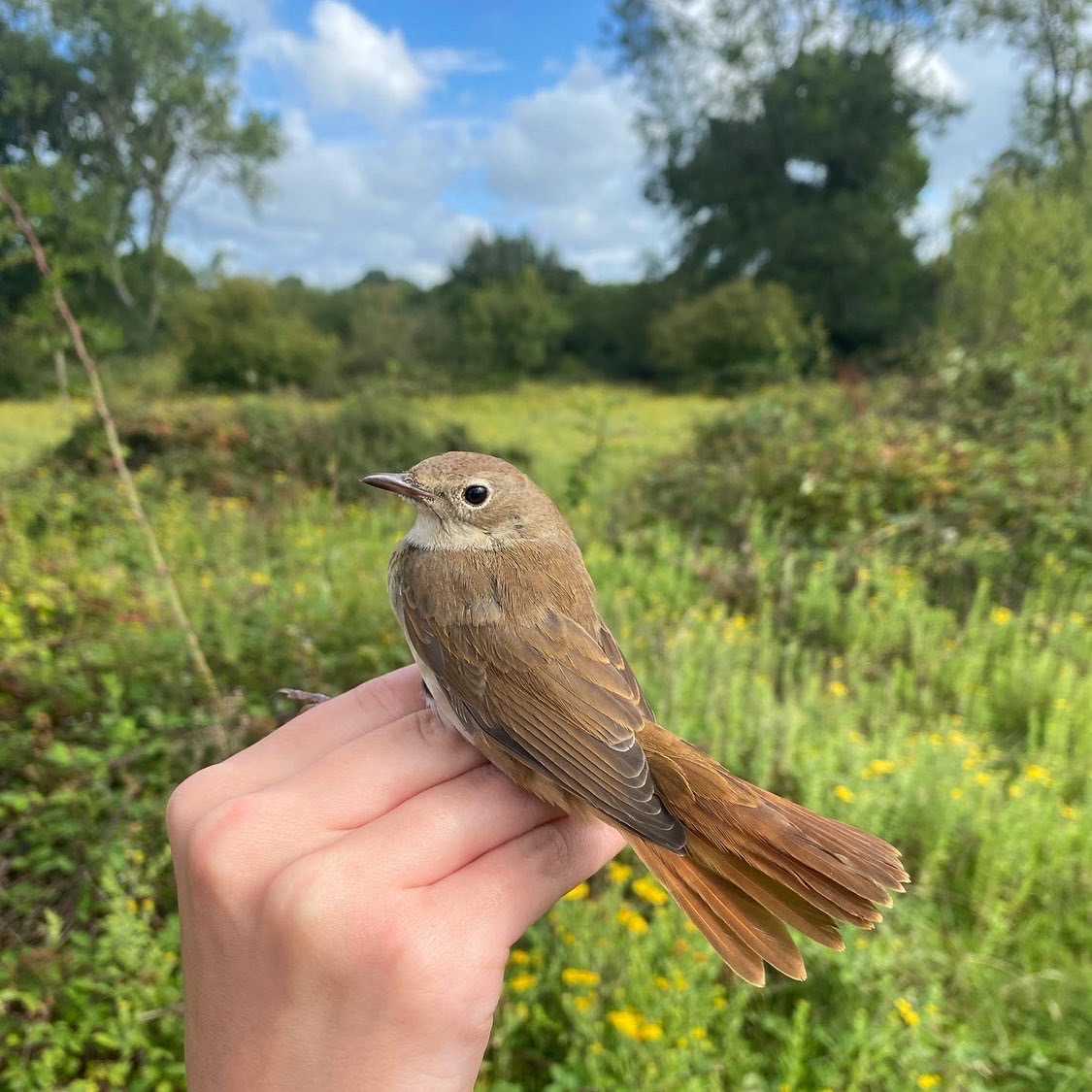
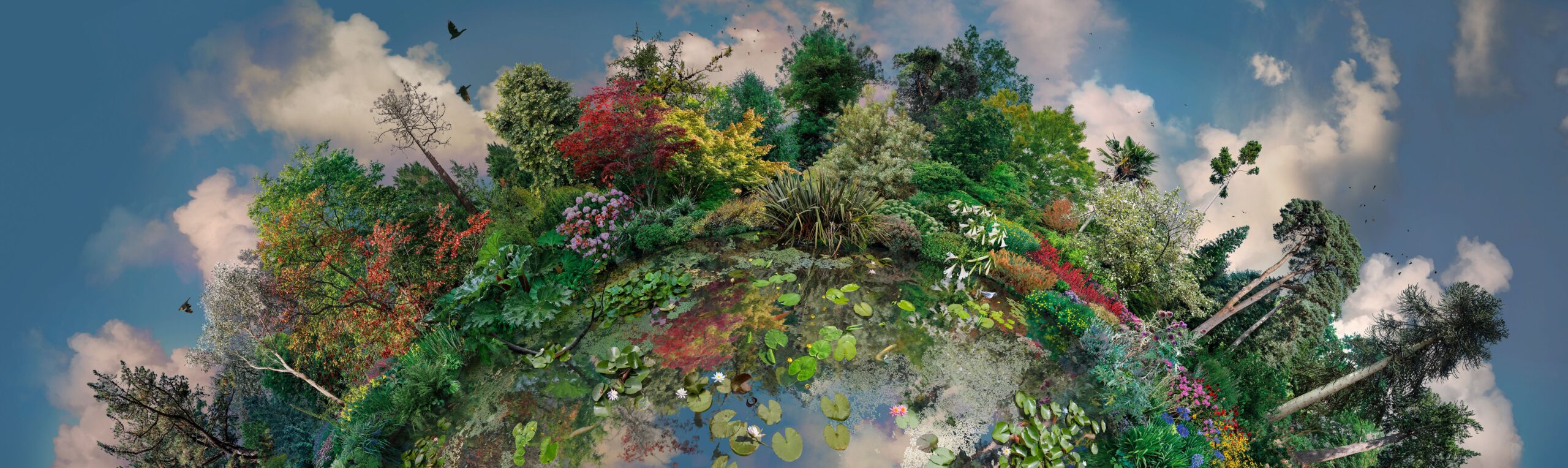
Wakehurst, Kew’s wild botanic garden in Sussex, sits at the centre of the Weald to Waves corridor. This summer, it is preparing to unveil an extraordinary outdoor art installation called Planet Wakehurst.

With the biodiversity crisis taking root in people’s minds, weeds have become a recent topic of interest and discussion. We look at the role native plants play in our gardens and greenspaces.
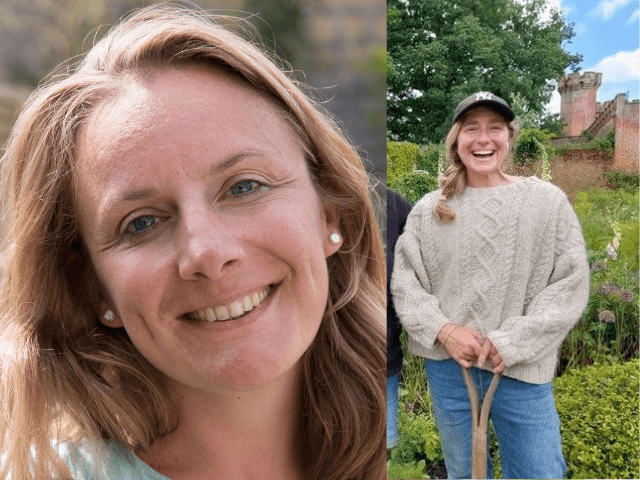
In May, we opened registrations for the Gardens and Greenspaces (G&GS) community, a vital strand of our citizen-led, nature recovery mission to join the dots for wildlife along this Sussex corridor. And to inspire and encourage our new network of gardeners and greenspace guardians, we are delighted to announce two very special G&GS Ambassadors.

The media is overflowing with staggering numbers on species and wildlife populations in decline in countries around the world – and we know that the UK is one of the worst hit. So how can we measure nature decline in Sussex?

Knepp Wildland Foundation has forged a new partnership with Outdoor & Cycle Concepts, the parent company of Cotswold Outdoors, which will raise funds for and awareness of the Weald to Waves project, as well as broader nature recovery efforts.
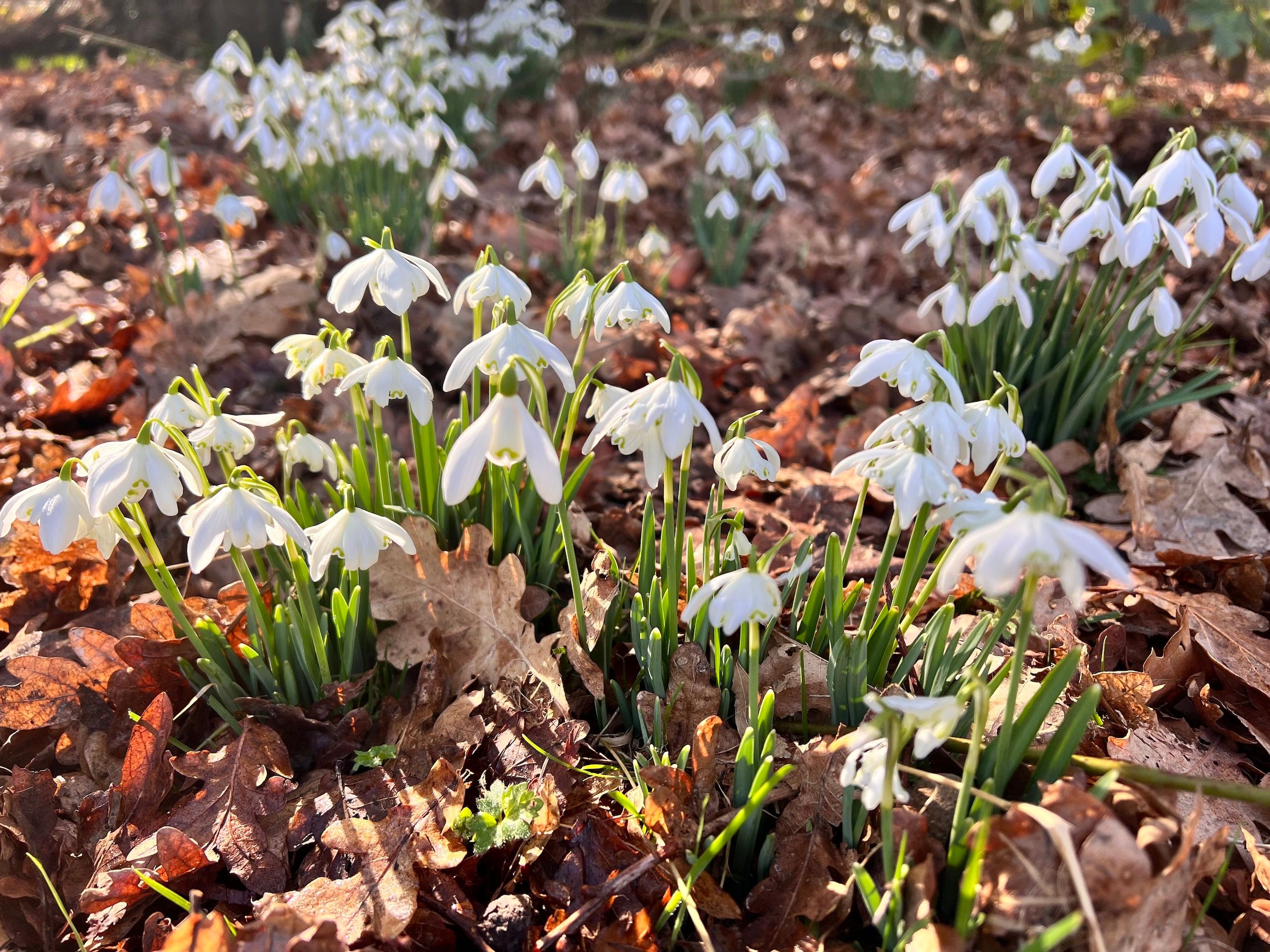
Our first survey on nature in our gardens has been completed by nearly a quarter of members already. We can start to build a picture of what we have to offer wildlife and what is needed to improve connectivity.

In a groundbreaking move to safeguard UK waterways, the River Ouse is poised to become the first English river granted legal rights. Lewes District Council has embraced the concept of recognising the rights of nature, acknowledging the crucial need to protect local rivers. This paves a potential pathway to enhancing the health of ecosystems by affording them legal protections similar to those of human beings.
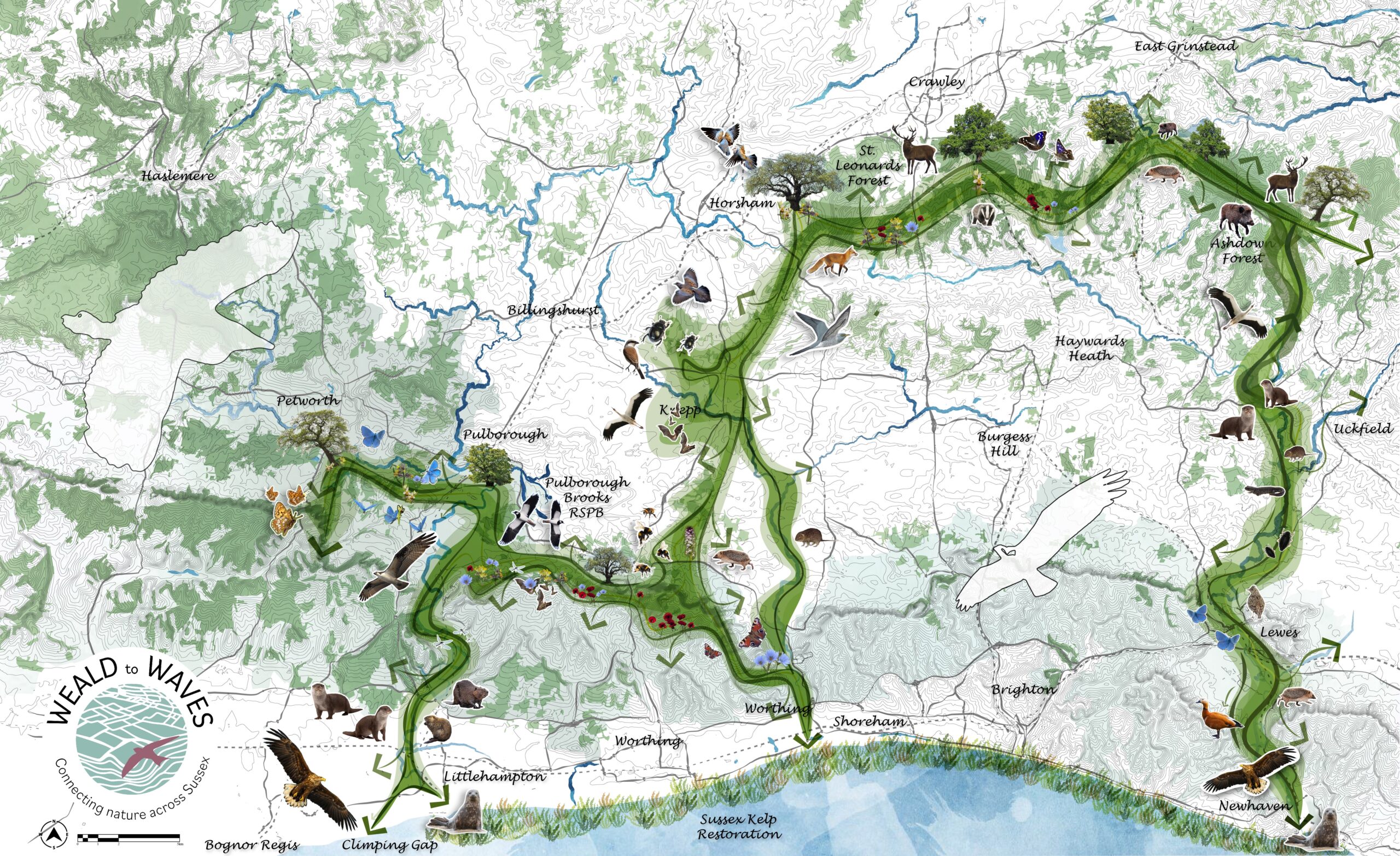
Perhaps first we should ask, why is a corridor important? Traditionally,
conservation has tended to focus on restoring and protecting key areas, such as nature reserves. These core areas are vital for maintaining sustainable populations of wildlife species. However, as human land use has intensified, protected areas have become islands, isolated in the wider landscape. Gradually, species ranges become restricted to these areas, leading to declines, low genetic health, and eventually to local extinctions.
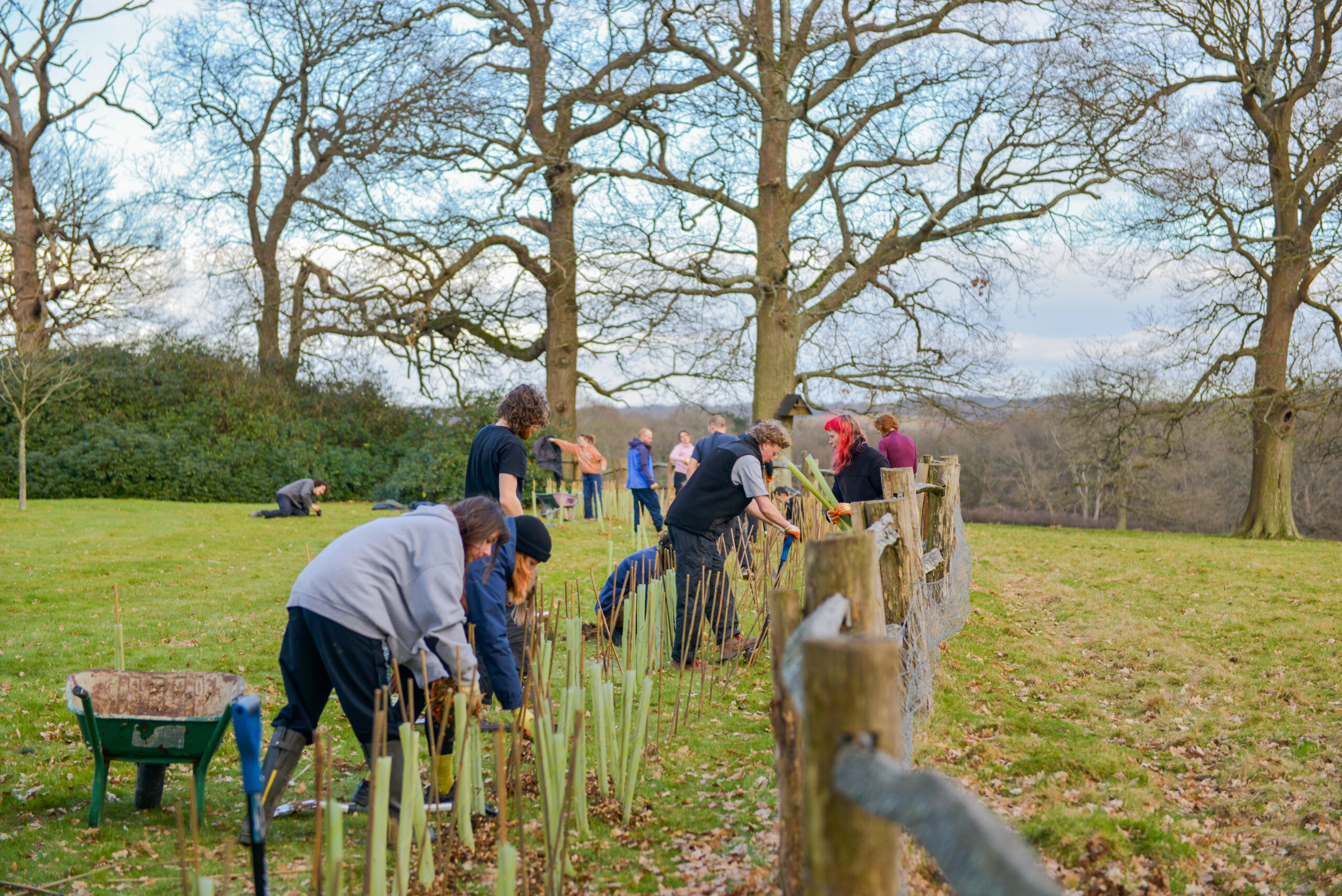
This month, YoungWilders and Weald to Waves are embarking on a new partnership that will harness the energy and commitment of young people passionate about nature to help drive forward W2W’s pioneering nature-recovery corridor work
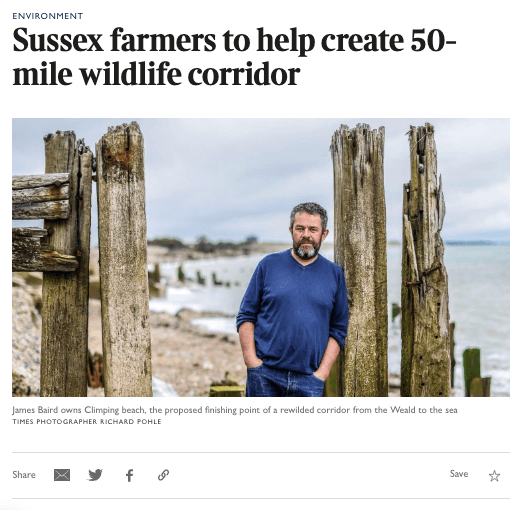
We have been under the spotlight this winter! We’ve had national press visits from the Guardian, the Times, and Defra; all keen to depict the scale and ambition of this citizen-led recovery project.

Rivers can form a critical part of nature corridors. They are home to hundreds of species of plants and animals. The water itself, riverbank vegetation and floodplains combine to offer rich habitats and food sources for birds, mammals, fish and amphibians.
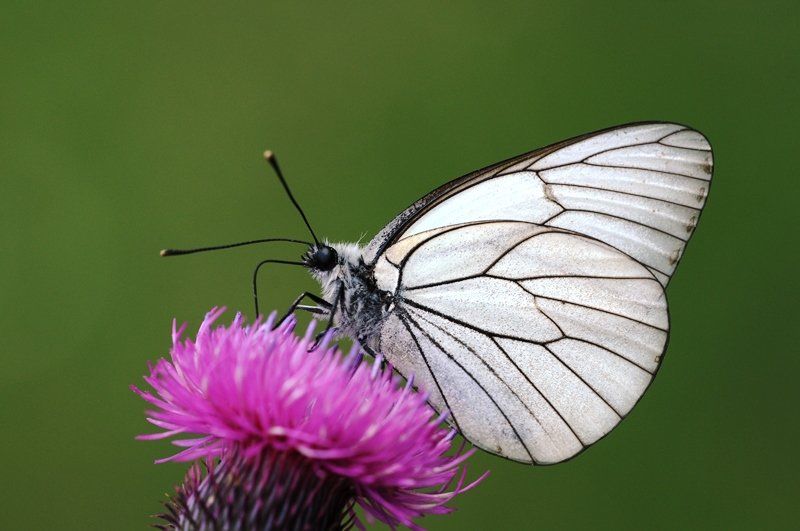
One in six birds has been lost since the 1980s and the crisis is gathering pace. Over the past five years, 80% of butterflies have declined in the UK. Half of all Britain’s remaining butterfly species are now at risk of extinction.