News
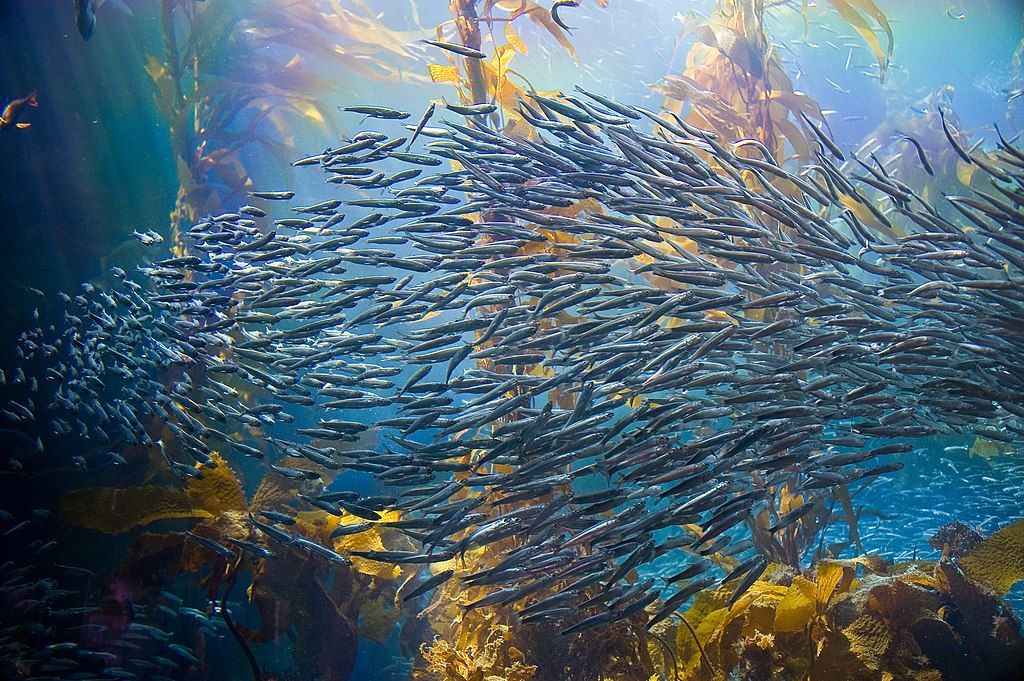
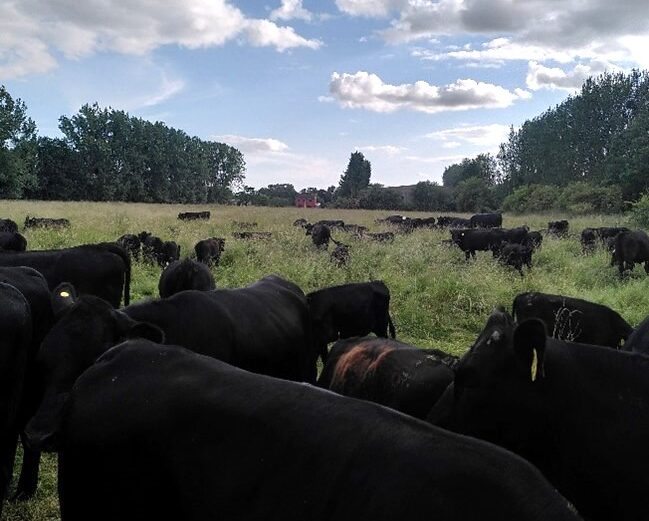
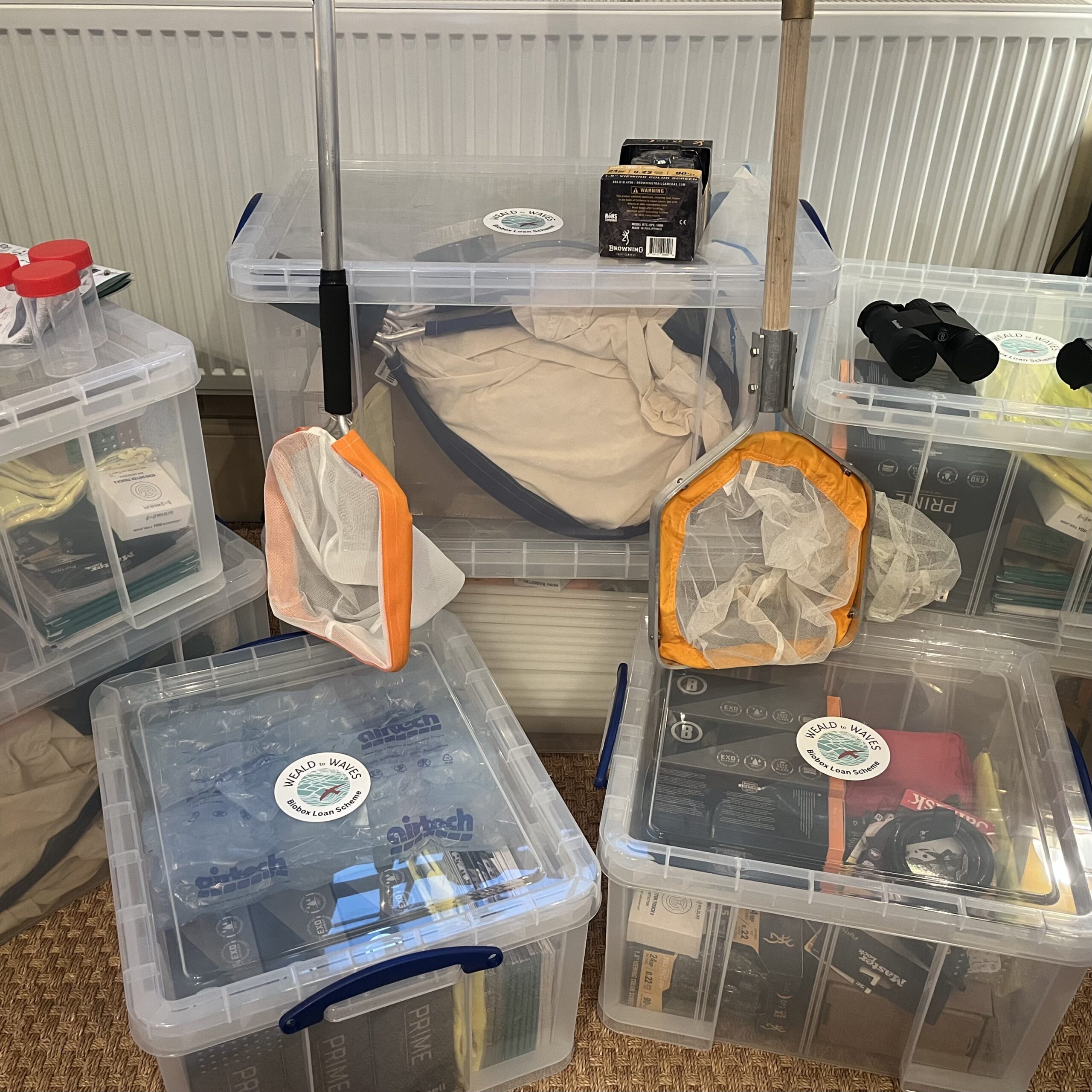
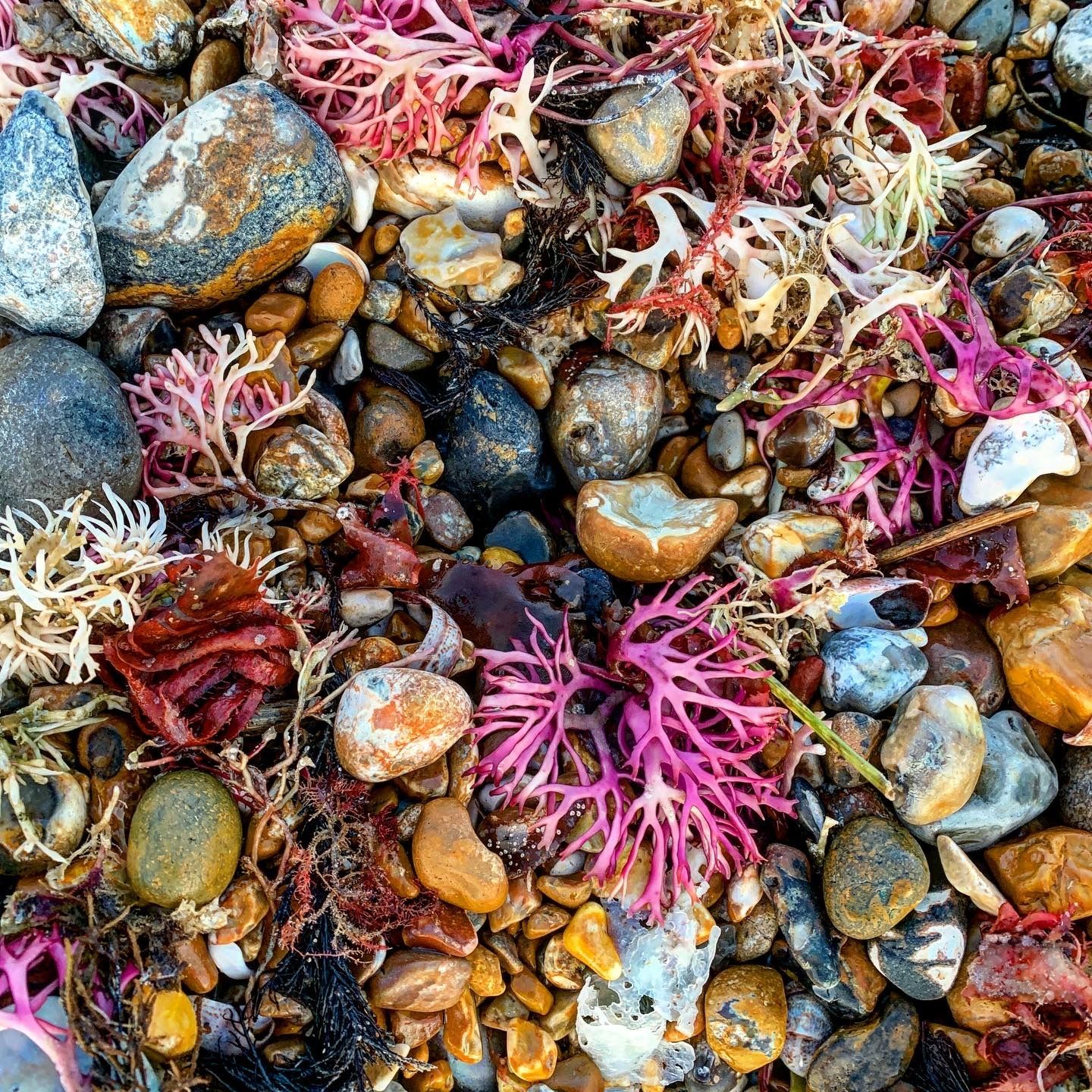
Coastal habitats each offer a unique and vital ecosystem. Explore these diverse environments and the species they support.
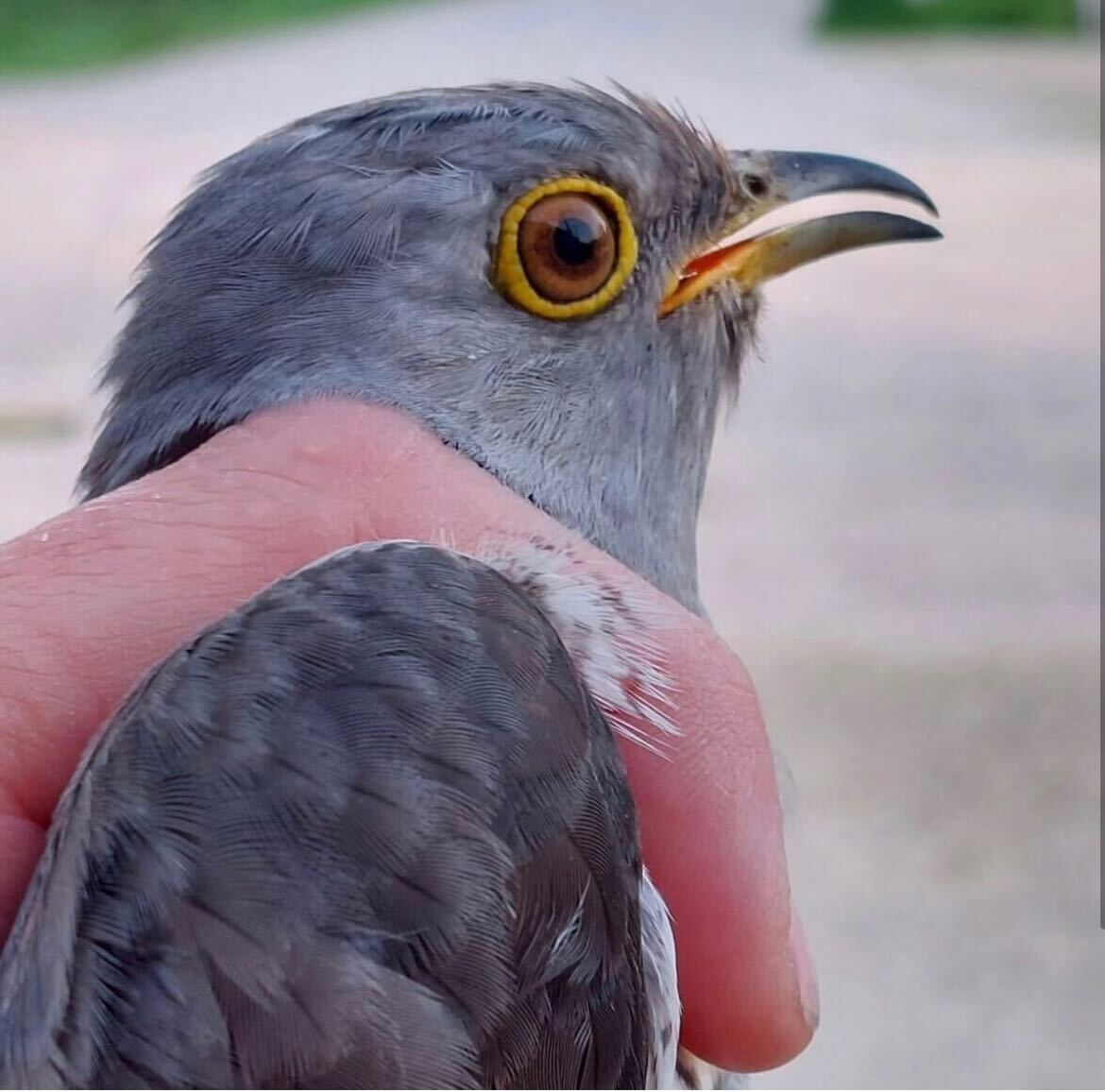
We were delighted to get news of Sayaan, a cuckoo that was tagged at Knepp in May, traveling along the corridor route from Knepp towards the Sussex coast and back up towards Ashdown Forest.
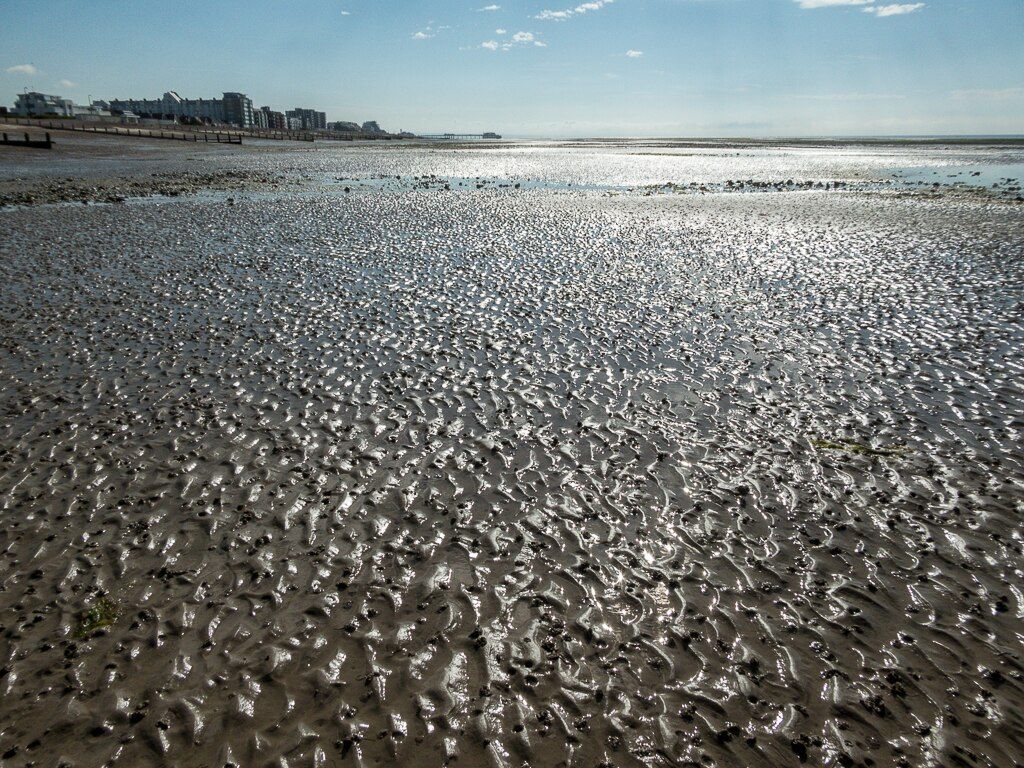
Opportunities for people to access nature are highly variable, especially in our coastal towns.
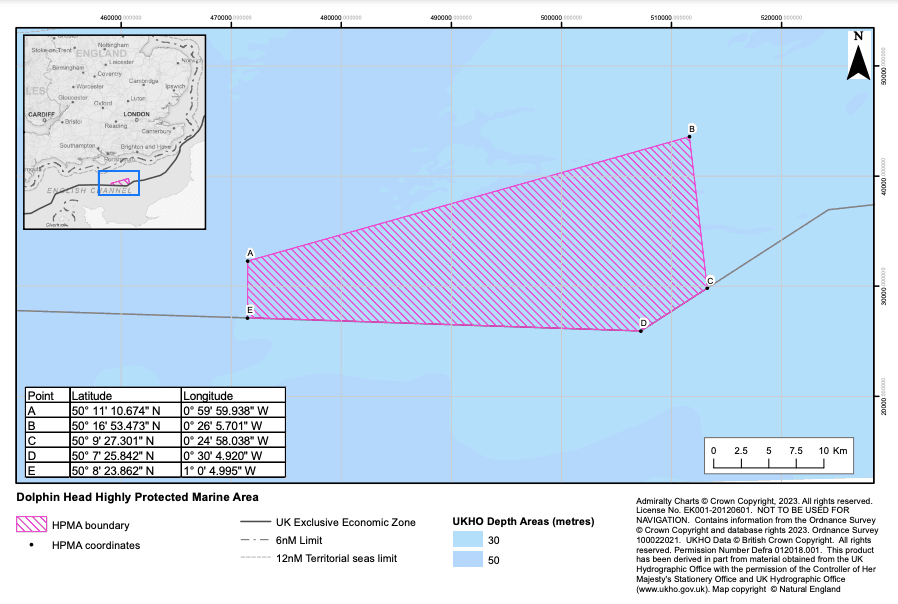
Dolphin Head, off the Sussex coast, has been designated as a Highly Protected Marine Area. It is one of only three English sites to receive this prestigious status.
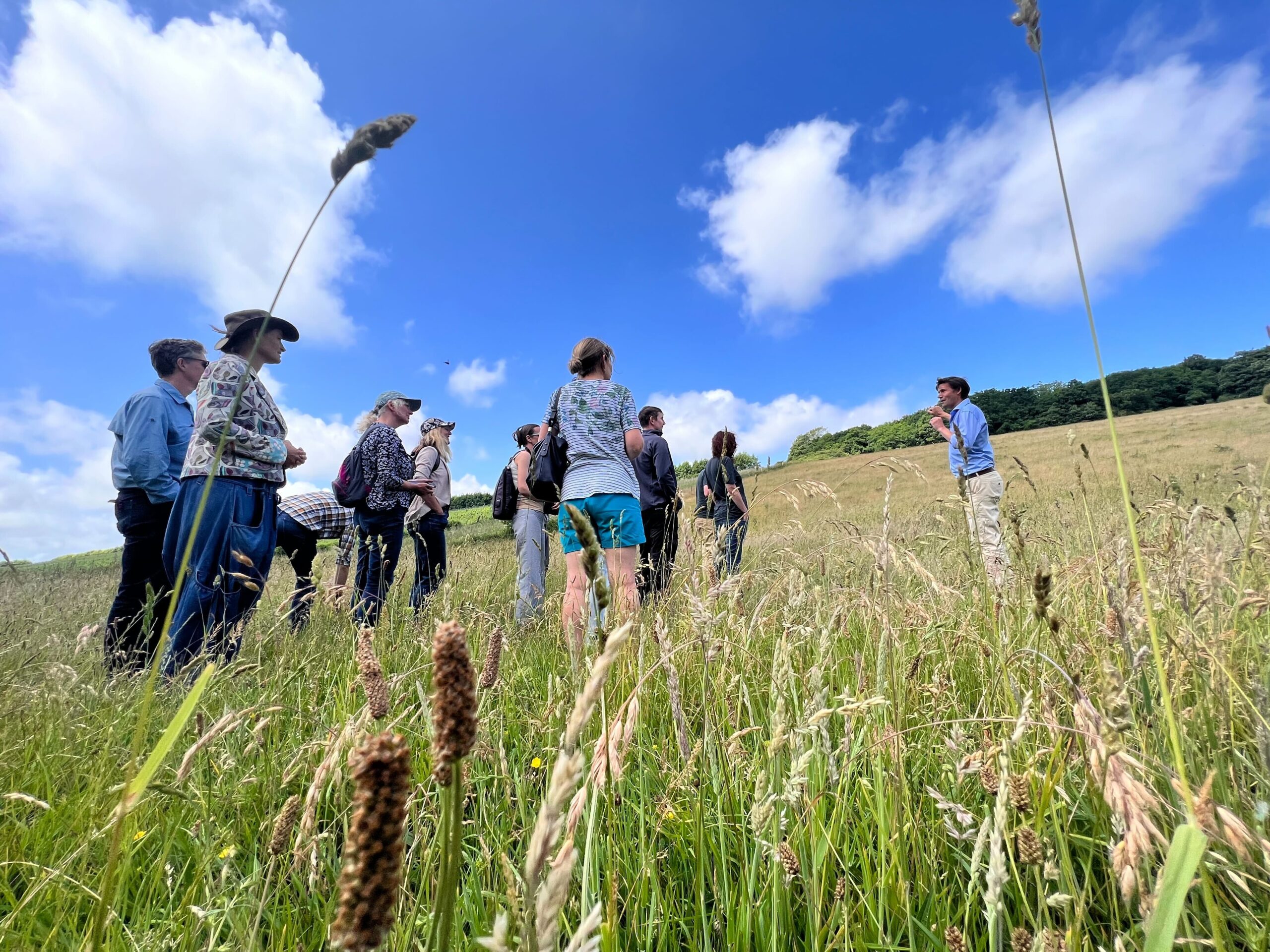
A journey up the Arun arm of the corridor with the Wildlife Trust.
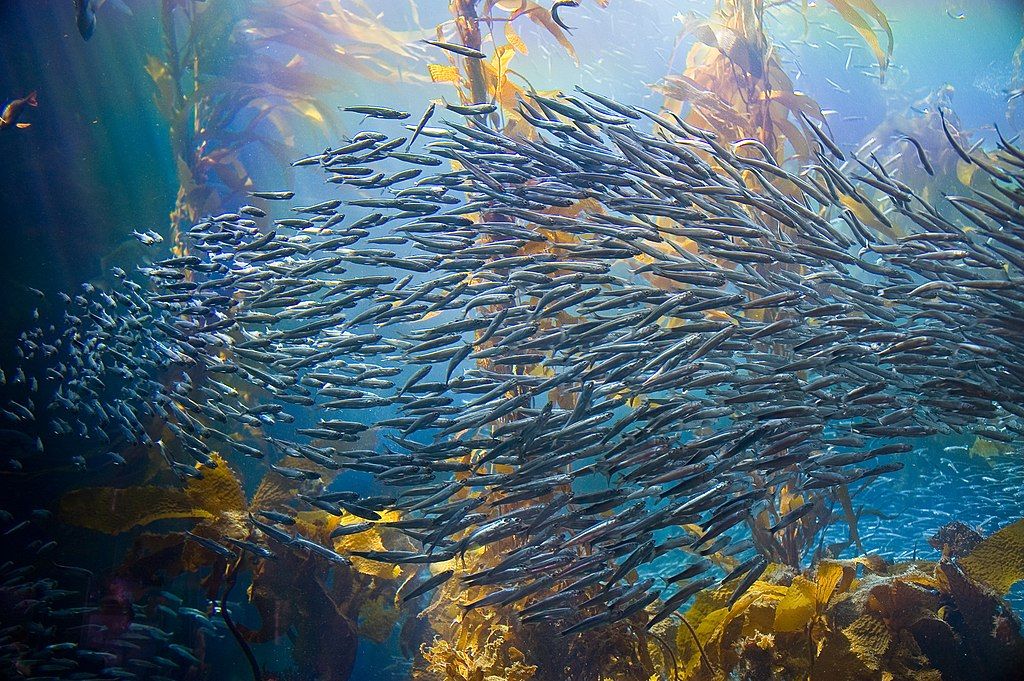
Just as soils and land-based ecosystems have become degraded, so have marine habitats. Sewage is regularly discharged into rivers and seas, agricultural run-off upsets the natural balance of the water, while trawling destroys the seabed and the kelp forests that once flourished.
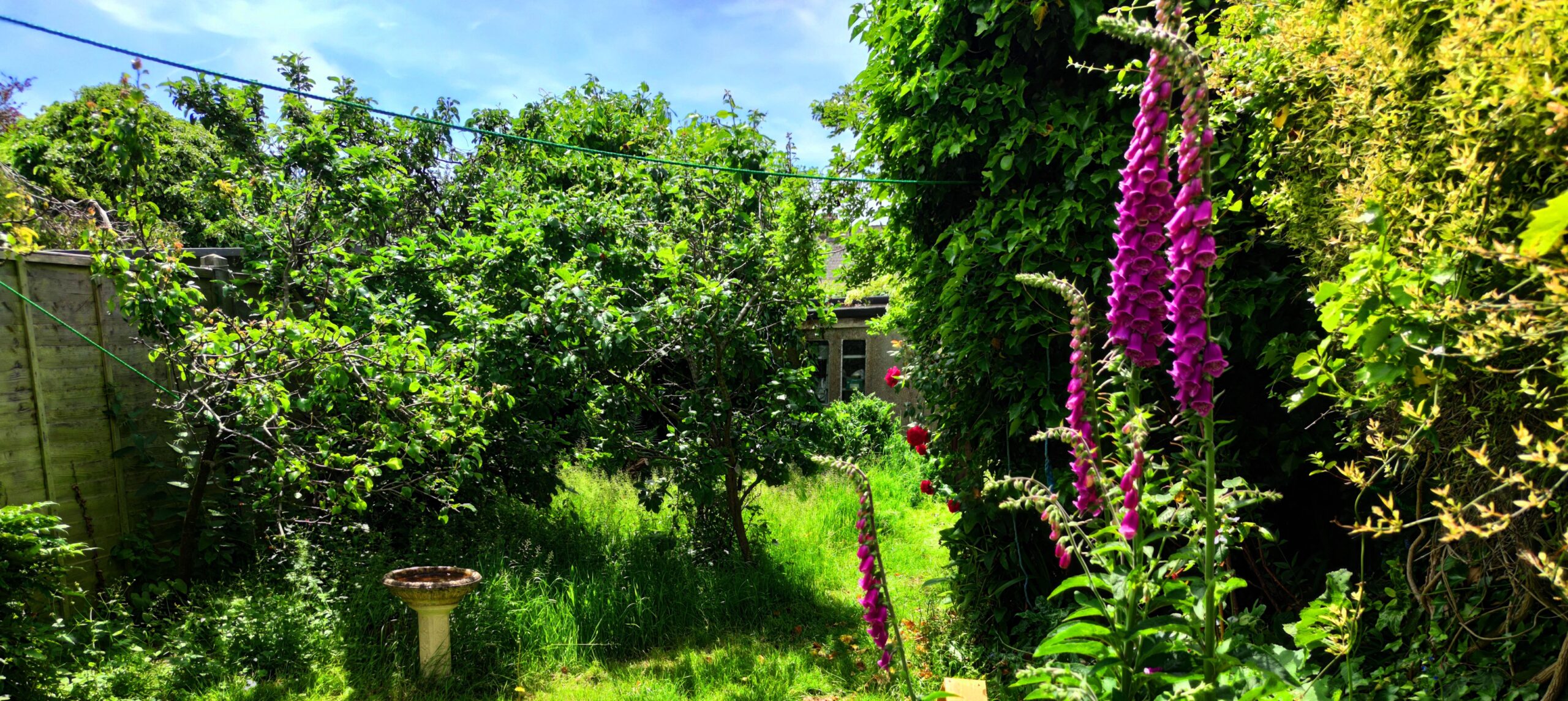
The good news, from my experience, is that a wild garden – especially a mature one – can be extraordinarily resilient and resistant to even very prolonged periods of drought. Even through months of heatwave everything stays green and lush; no plants seem to show stress, and nothing needs watering.
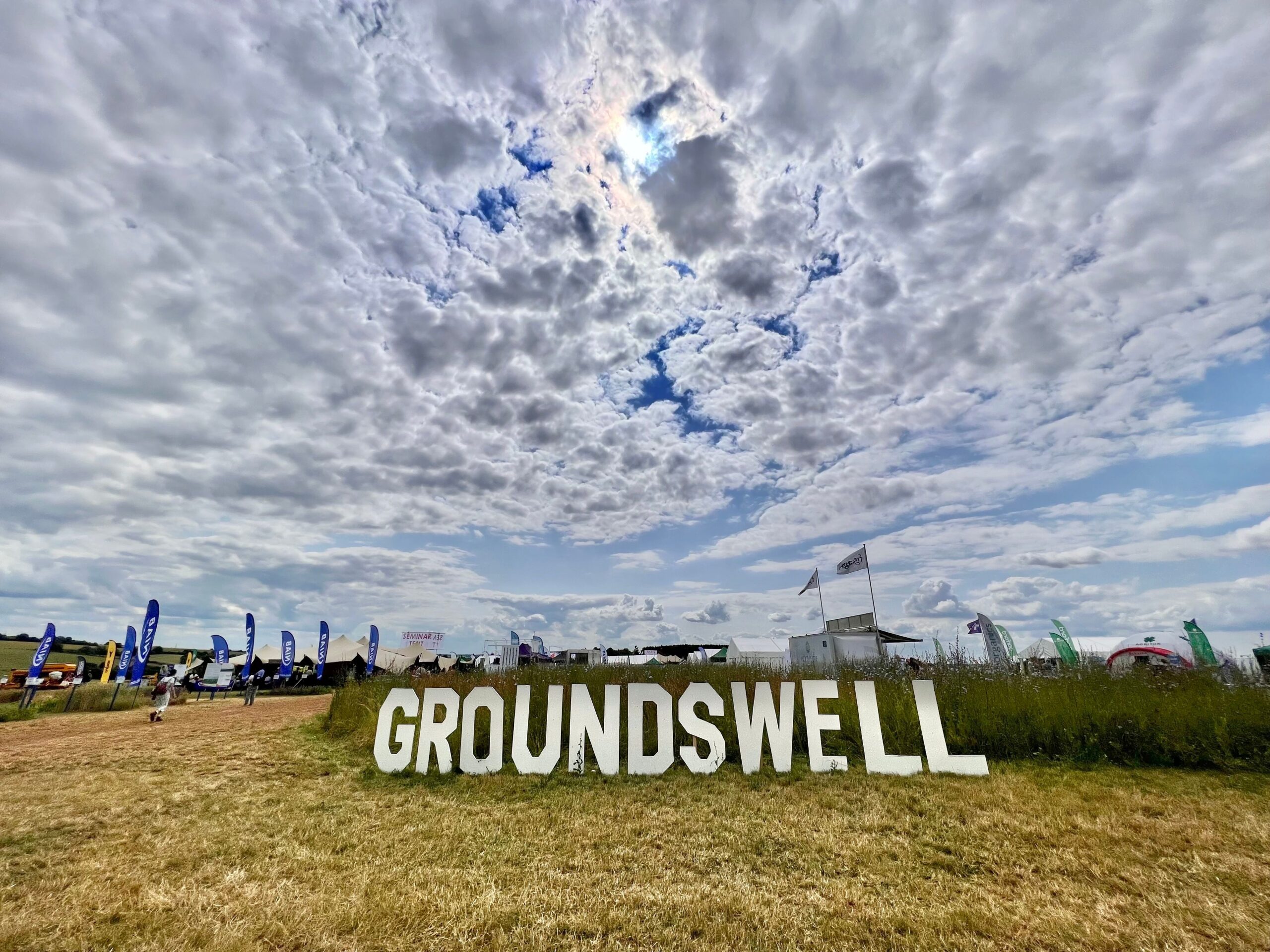
In June, Weald to Waves travelled up to Groundswell, a festival dedicated to celebrating and sharing knowledge on regenerative agriculture.

In an upcoming episode of BBC Radio 4’s Ramblings, Clare Balding embarks on a captivating journey through Ashdown Forest alongside a group of individuals who view this ten-square-mile open access land as a cherished national treasure.
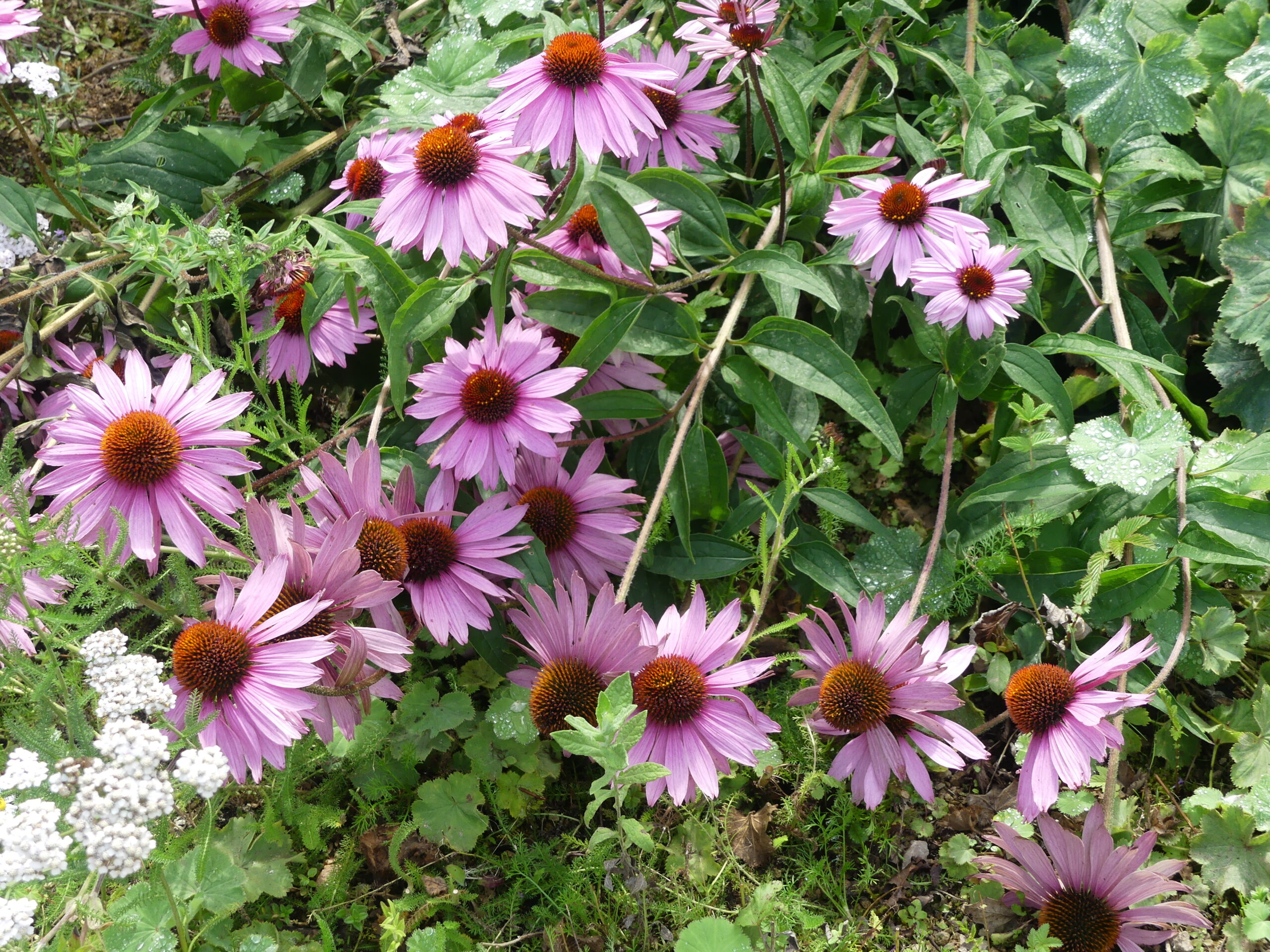
This is your chance to be part of a pioneering project benefitting nature recovery in Sussex and beyond. Your pledges – small or large – will help establish a nationally-significant 100-mile corridor for wildlife, regenerating our local ecosystems for years to come.
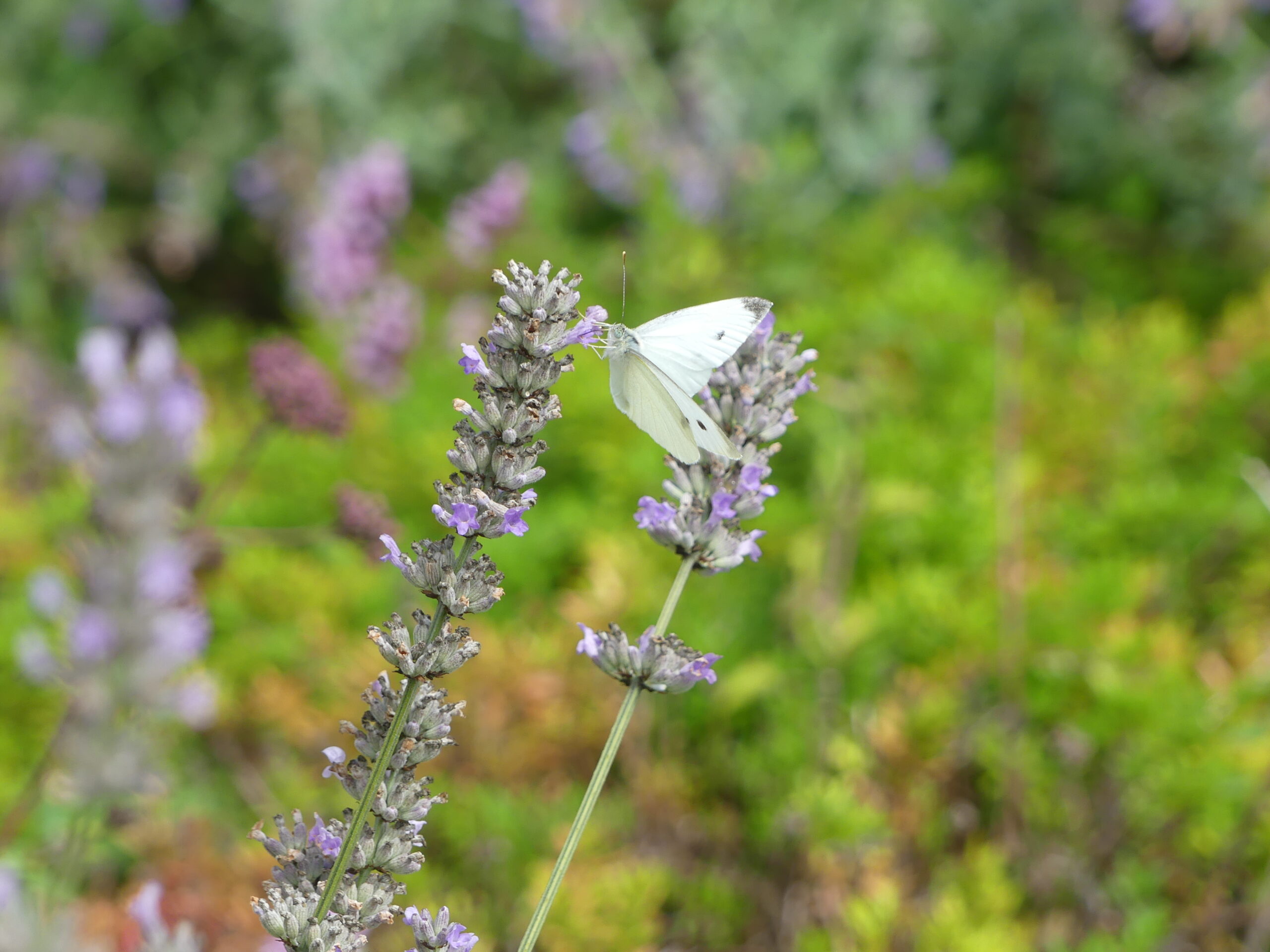
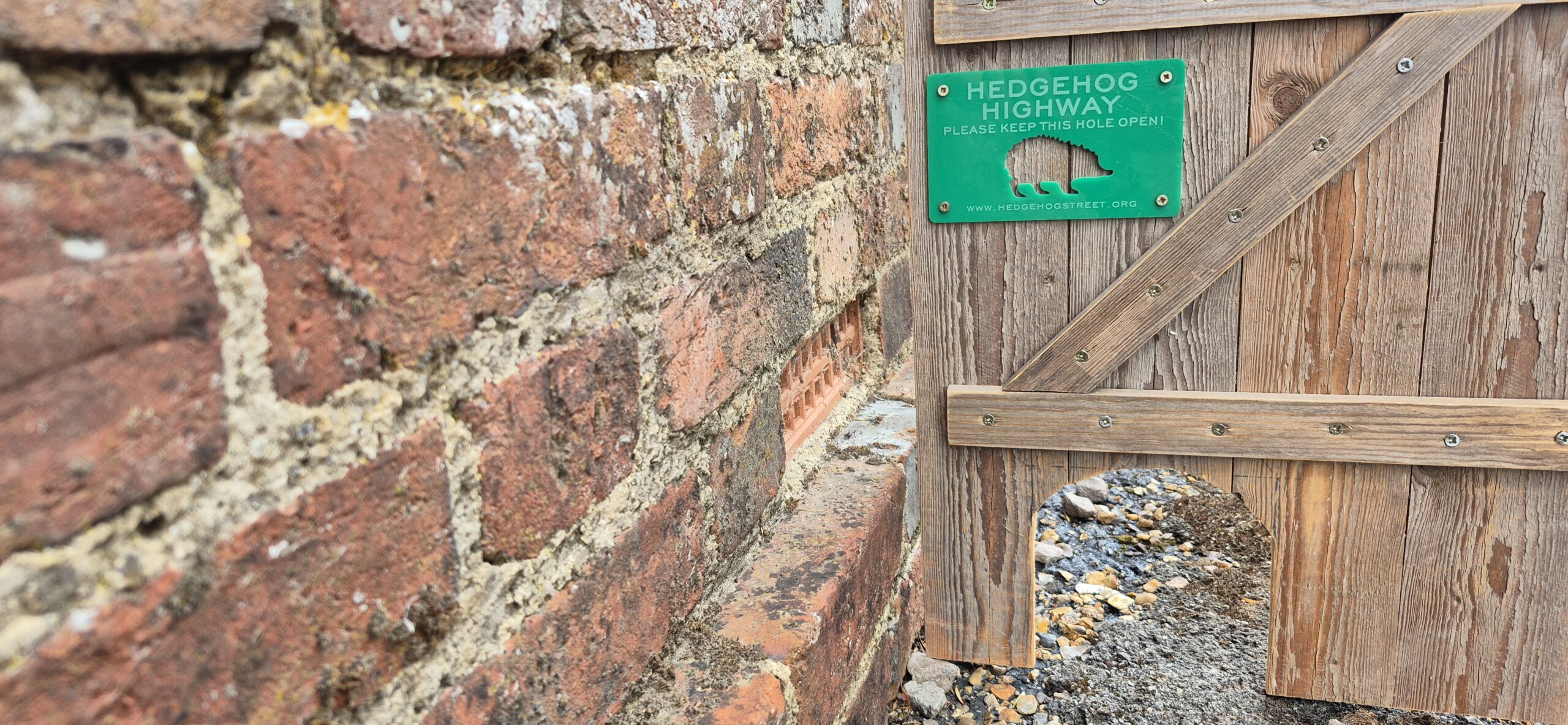
I live in a terraced house in South Portslade, just outside Brighton, and have a modest 40ft garden. In the four years I’ve lived here, I’ve made my garden as welcoming to wildlife as possible, and it’s now teeming with hedgehogs, frogs, toads and newts, along with slow worms, birds and insects. Not bad for a small urban plot.
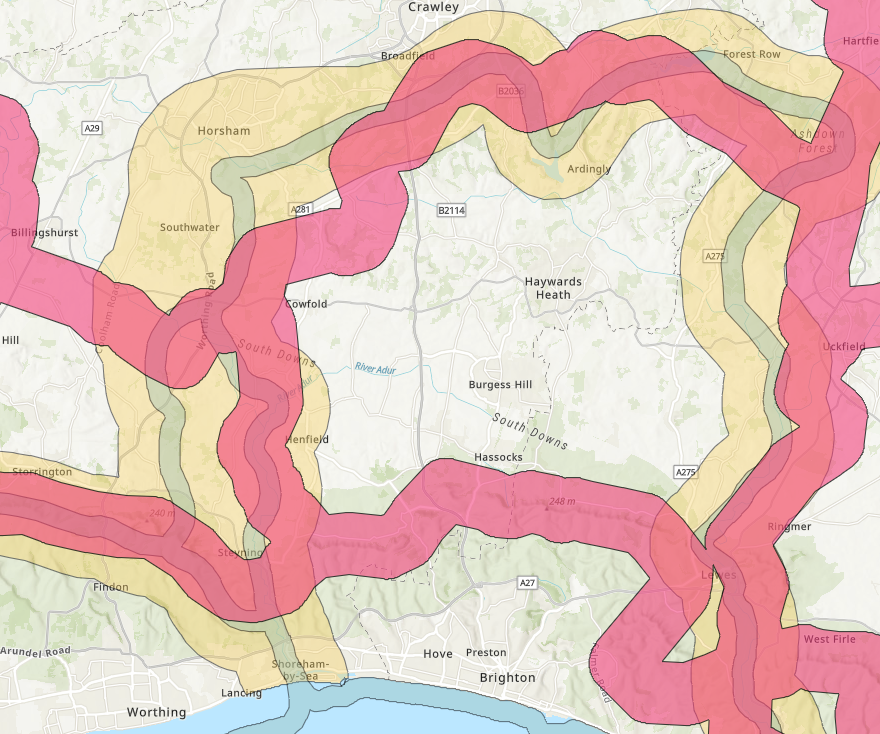
Weald to Waves is a citizen-led project powered by the individuals and groups pledging to take part. As project coordinators, we think a key part of our role is to provide the tools and resources the network needs to support nature recovery along the corridor. Among these tools are the interactive maps on our new website.