News
Welcoming a New Lead for Weald to Waves
by Chris | August 10, 2024 | News, Project News | 0 Comments
We are pleased to be joined by Gareth Williams, the newest addition to the team, bringing a wealth of experience to lead the corridor.
Bringing Back the Black-Veined White Butterfly
by Bonnie Metherell | August 8, 2024 | News, Project News, Species Recovery | 0 Comments
The black-veined white butterfly, with its distinctive black-veined wings and elegant flight, was once a familiar sight in the hedgerows and woodlands of Sussex.
Growing our Network of Farmers and Land Managers
by Chris | August 8, 2024 | Biodiversity, Food Production, News, Project News | 0 Comments
We are pleased to welcome Ryan Ellis as our Landscape Advisor, who has joined the Weald to Waves corridor to develop of network and to find solutions for food production and habitat management that support nature recovery.
Moving On in Lewes – Children’s Rite of Passage Celebrates Local Food
by Caroline Croft | August 7, 2024 | Food Production, News, Youth Engagement | 0 Comments
PATINA (Parents & Teachers In the Arts) is a charity created at the turn of the millennium to give young people in the Lewes District the opportunity to experience and enjoy art, work directly with professional artists and gain a sense of belonging and community through the arts. Their recent “Moving On Parade” focussed on “Welcome To Our Table”, celebrating local food and all the fun of growing, cooking and eating together.
An Introduction to Mob Grazing
by | August 6, 2024 | Biodiversity, Food Production, News | 0 Comments
Mob grazing is a technique used by an increasing number of farmers, enabling livestock farming to boost productivity and biodiversity by mimicking natural grazing behaviours.
February 23rd, 2023
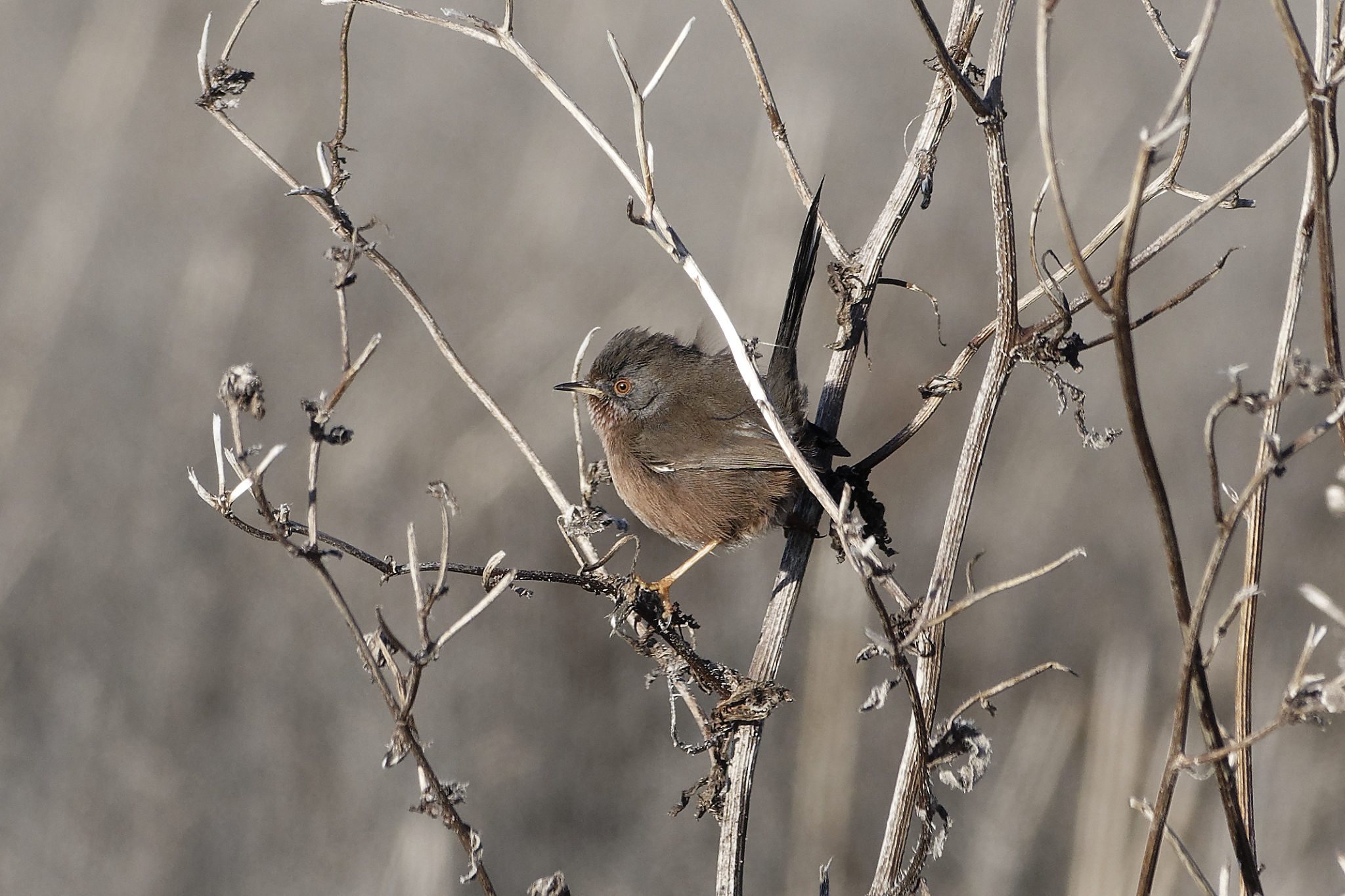
The Dartford warbler is one of the defining species for the conservation of this important area. It’s easily overlooked, sometimes giving itself away by its scratchy song and occasional song-flight. If conditions are right, pairs can raise two, even three broods each summer. Once down to only 10 pairs in the whole of the UK, habitat protection and management, and warmer winters, now mean the UK population is in the thousands.
February 5th, 2023
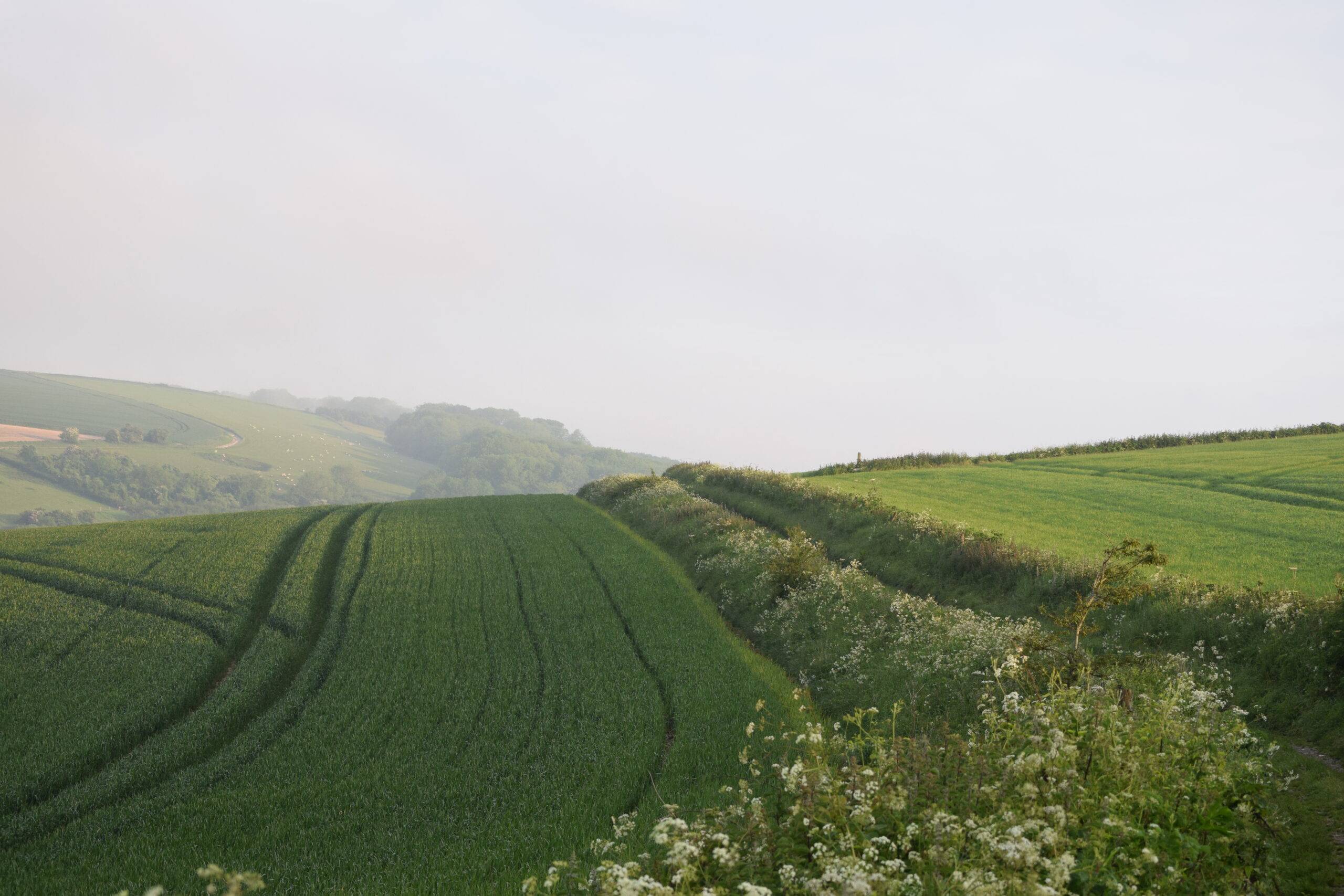
The UN estimates the planet has 60 harvests left, based on the current rate of soil depletion.
February 3rd, 2023
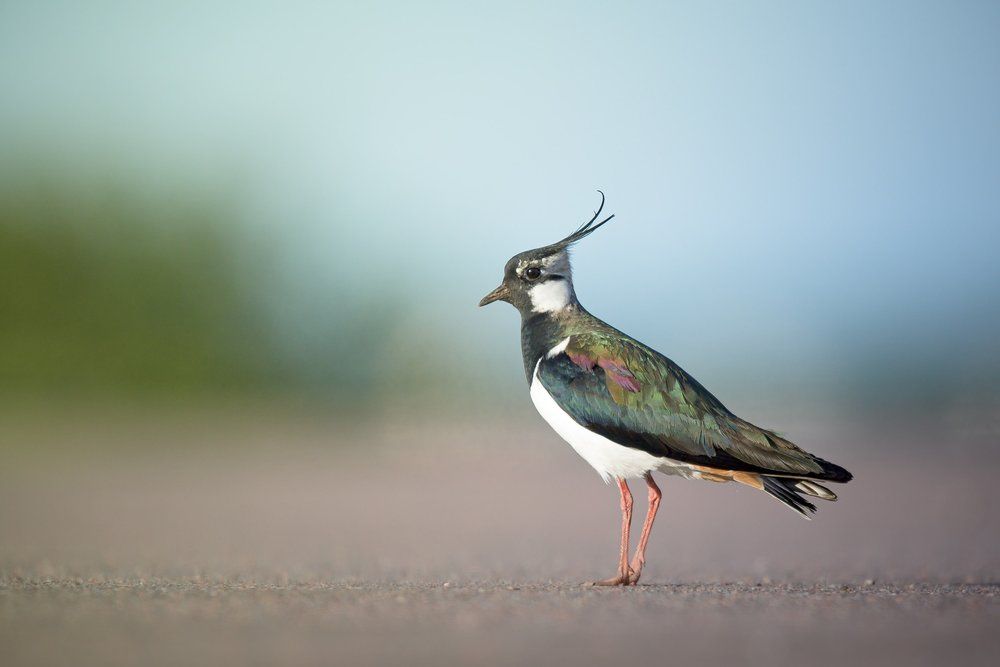
The world is facing a biodiversity crisis that will affect every single one of us. With nature being lost at an unprecedented rate, scientists agree humans are exploiting our planet beyond its limits.
February 3rd, 2023
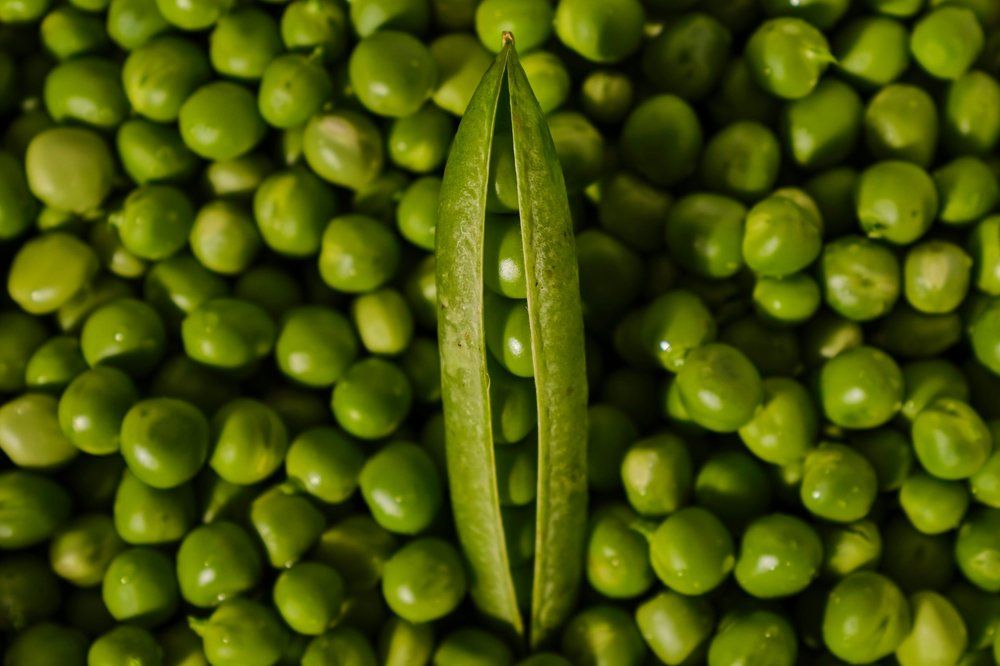
This is an entirely valid concern in these uncertain times – is it possible to sustain food security alongside nature recovery?
February 2nd, 2023
We started the year with a new global commitment to set aside 30% of the planet for nature by the end of this decade.
- « Previous
- 1
- …
- 10
- 11
- 12