Food Production
Capital Grants FAQ: Everything You Need to Know for 2026
by Weald to Waves | May 28, 2026 | Food Production, Landscape Recovery, News | 0 Comments
Planning a Capital Grant application? Read our quick guide to eligibility, funding limits, CSF advice, and education support.
Preparing for SFI26, What You Need to Know
by Weald to Waves | May 13, 2026 | Food Production, Landscape Recovery, News | 0 Comments
With SFI26 and capital grants set to reopen, now is the time to get prepared. This blog sets out key eligibility rules, mapping tips, and common pitfalls to avoid before applications open.
Weald to Waves: Mob Grazing and Soil Health Knowledge Share
by Weald to Waves | May 13, 2026 | Food Production, Landscape Recovery, News, Project News | 0 Comments
Healthy soils are the foundation of resilient farms. We brought together farmers and land managers across the Weald to Waves corridor to explore how adaptive grazing and practical soil health monitoring can help restore and strengthen the land for the future.
Five things we took away from the Oxford Real Farming Conference
by Holly Tuppen | January 14, 2026 | Food Production, Landscape Recovery, News | 0 Comments
From dung beetles to youth education, here are five insights from the Oxford Real Farming Conference shaping the future of farming.
Farming Through Uncertainty: Navigating Policy, Funding and Nature Markets in 2025
by Molly Biddell, Knepp Estate | August 7, 2025 | Food Production, Landscape Recovery, News | 0 Comments
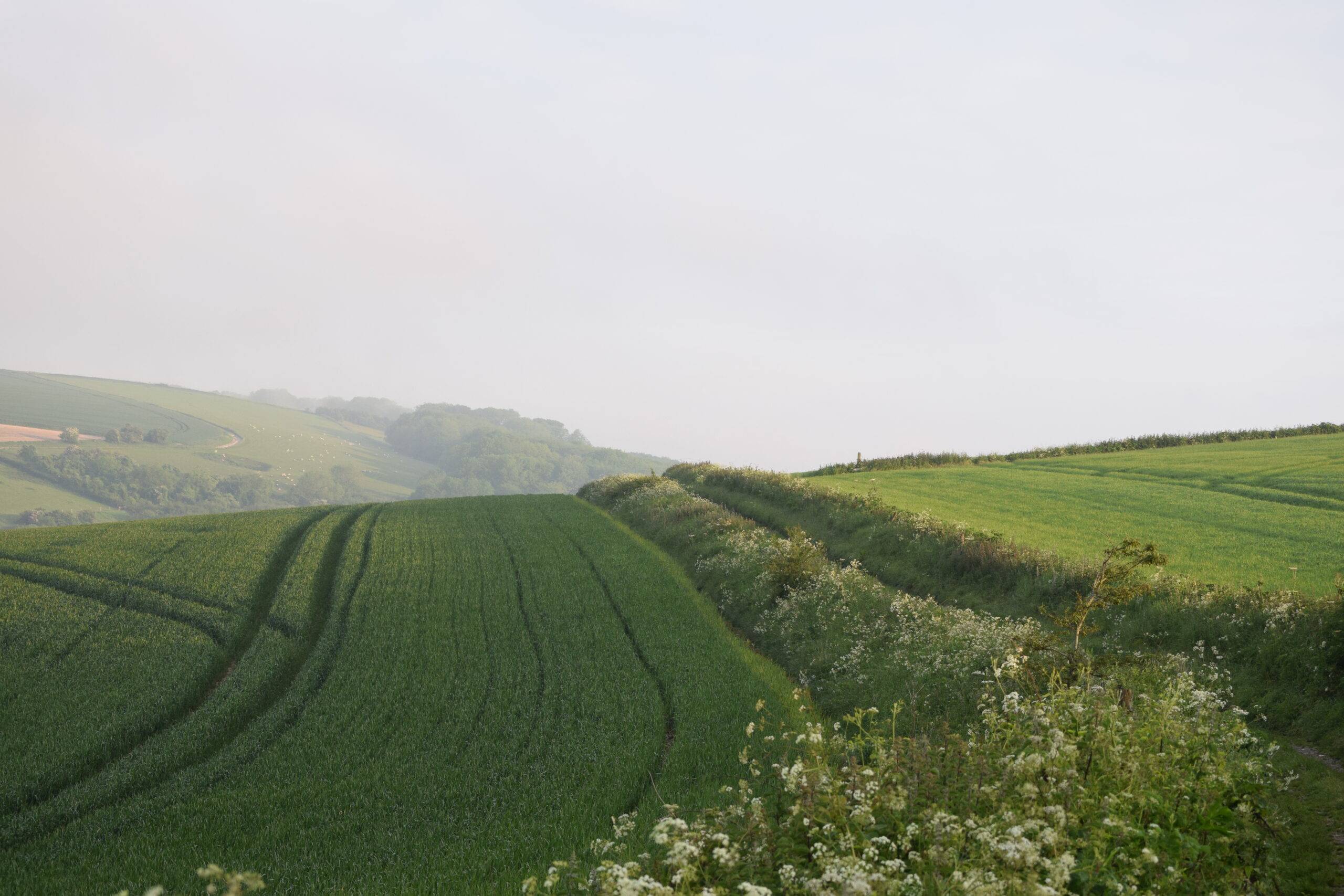
Uncertainty is nothing new for farmers, but 2025 brings major changes. Explore the latest agri-environment schemes and market opportunities.
May 28th, 2026
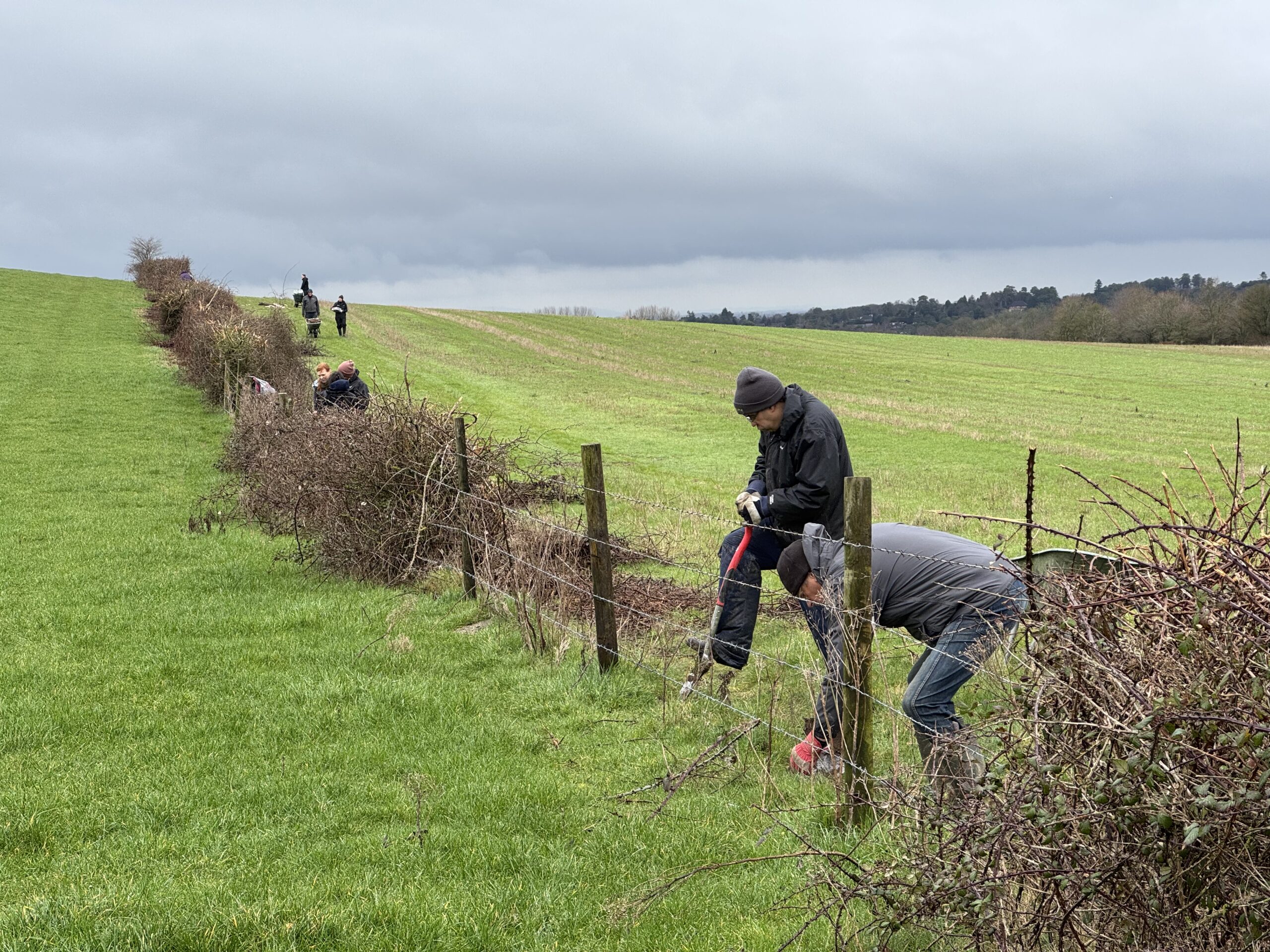
Planning a Capital Grant application? Read our quick guide to eligibility, funding limits, CSF advice, and education support.
May 13th, 2026
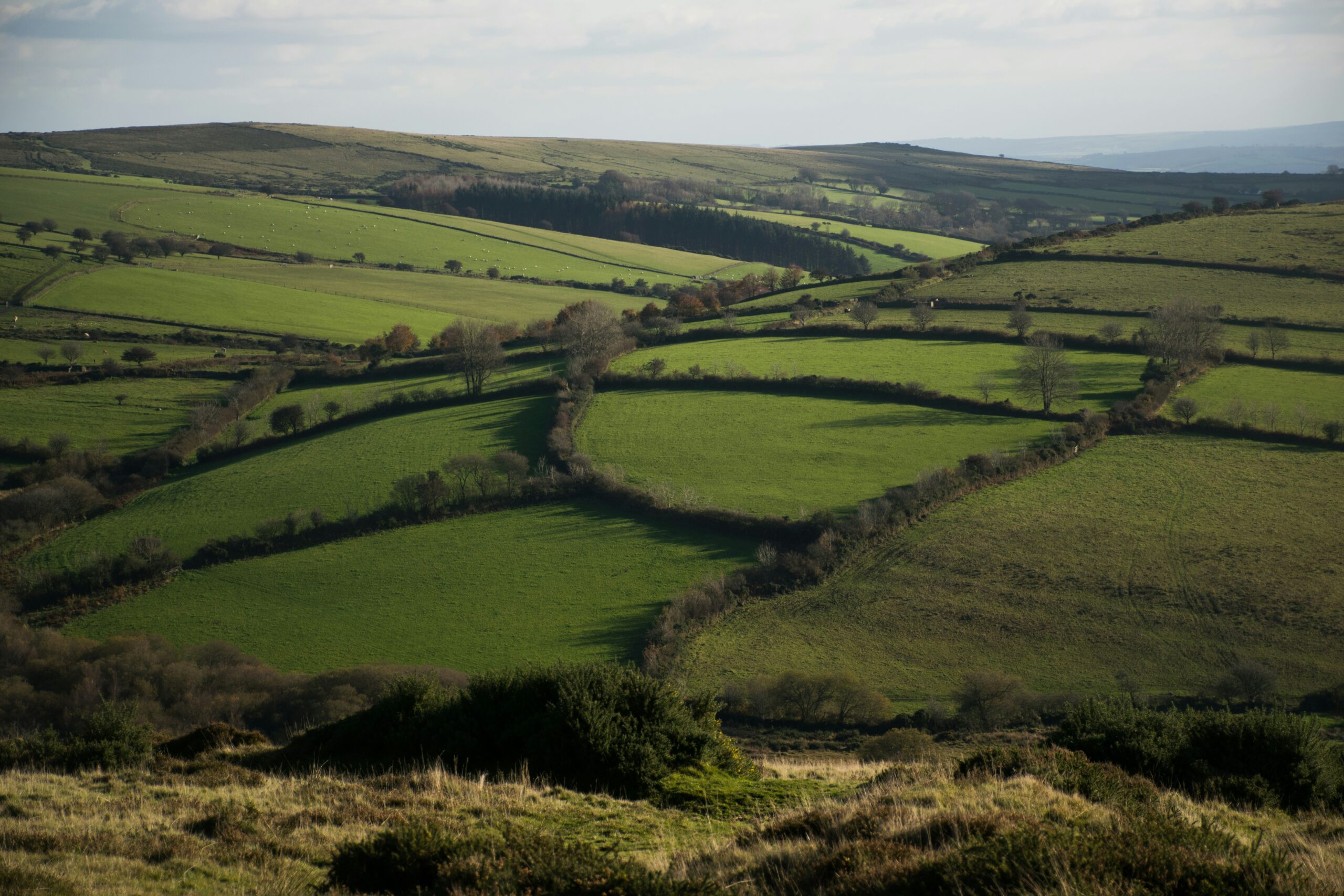
With SFI26 and capital grants set to reopen, now is the time to get prepared. This blog sets out key eligibility rules, mapping tips, and common pitfalls to avoid before applications open.
May 13th, 2026
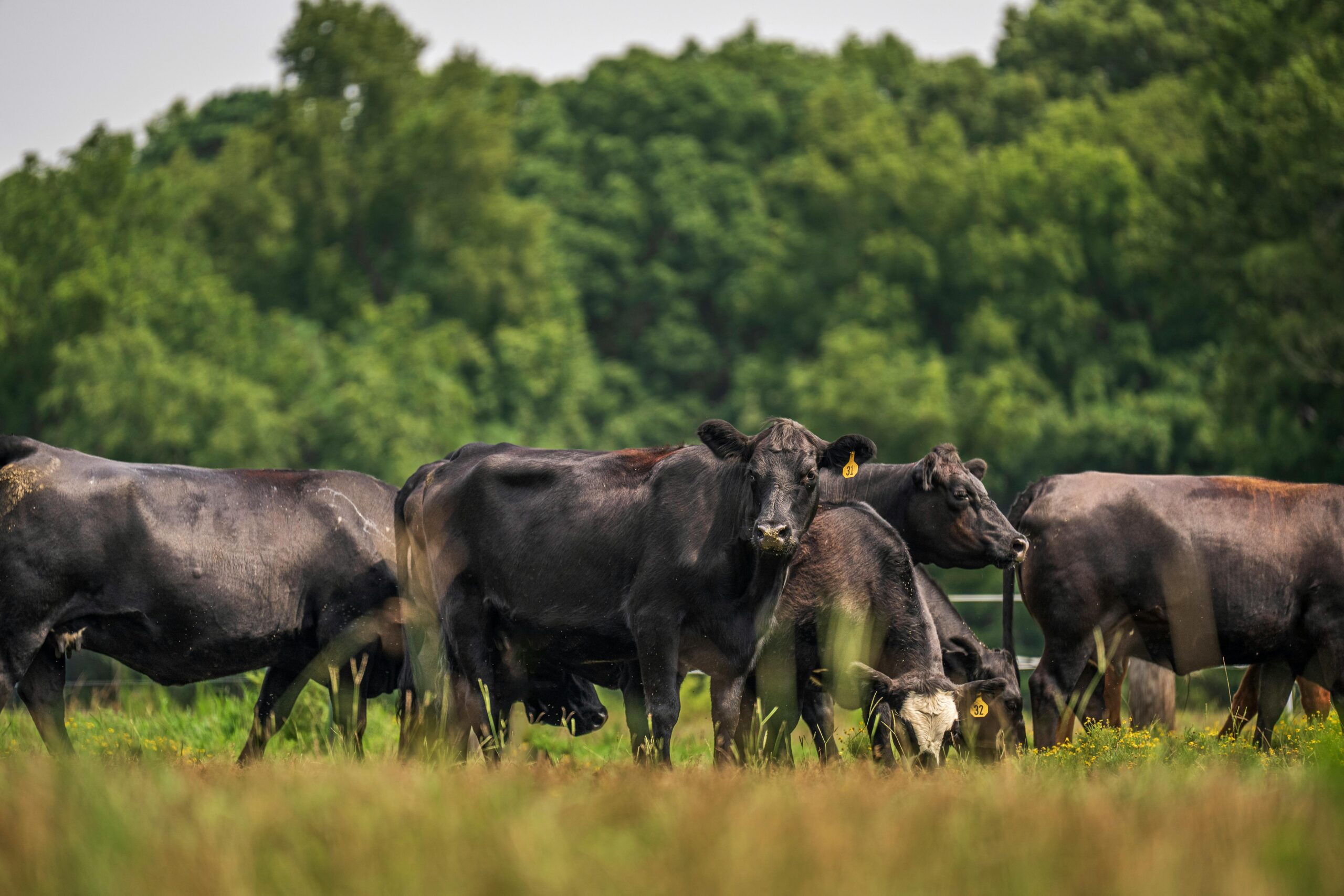
Healthy soils are the foundation of resilient farms. We brought together farmers and land managers across the Weald to Waves corridor to explore how adaptive grazing and practical soil health monitoring can help restore and strengthen the land for the future.
January 14th, 2026
From dung beetles to youth education, here are five insights from the Oxford Real Farming Conference shaping the future of farming.
August 7th, 2025
Uncertainty is nothing new for farmers, but 2025 brings major changes. Explore the latest agri-environment schemes and market opportunities.
August 5th, 2025
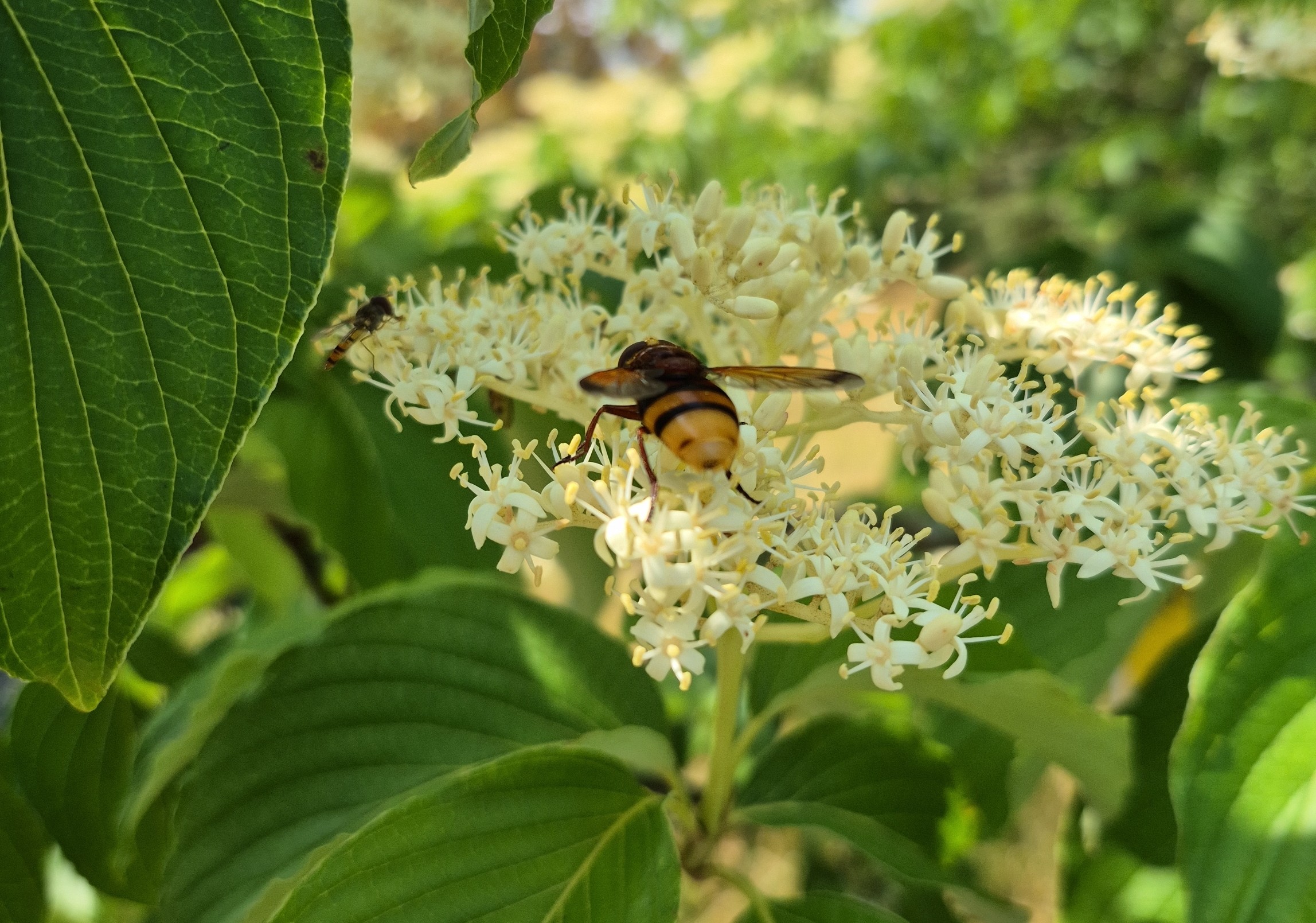
With 97% of wildflower meadows lost in the UK, could trees offer an alternative? Wakehurst is exploring how flowering canopies, with the help of citizen science, can support pollinators.
July 4th, 2025
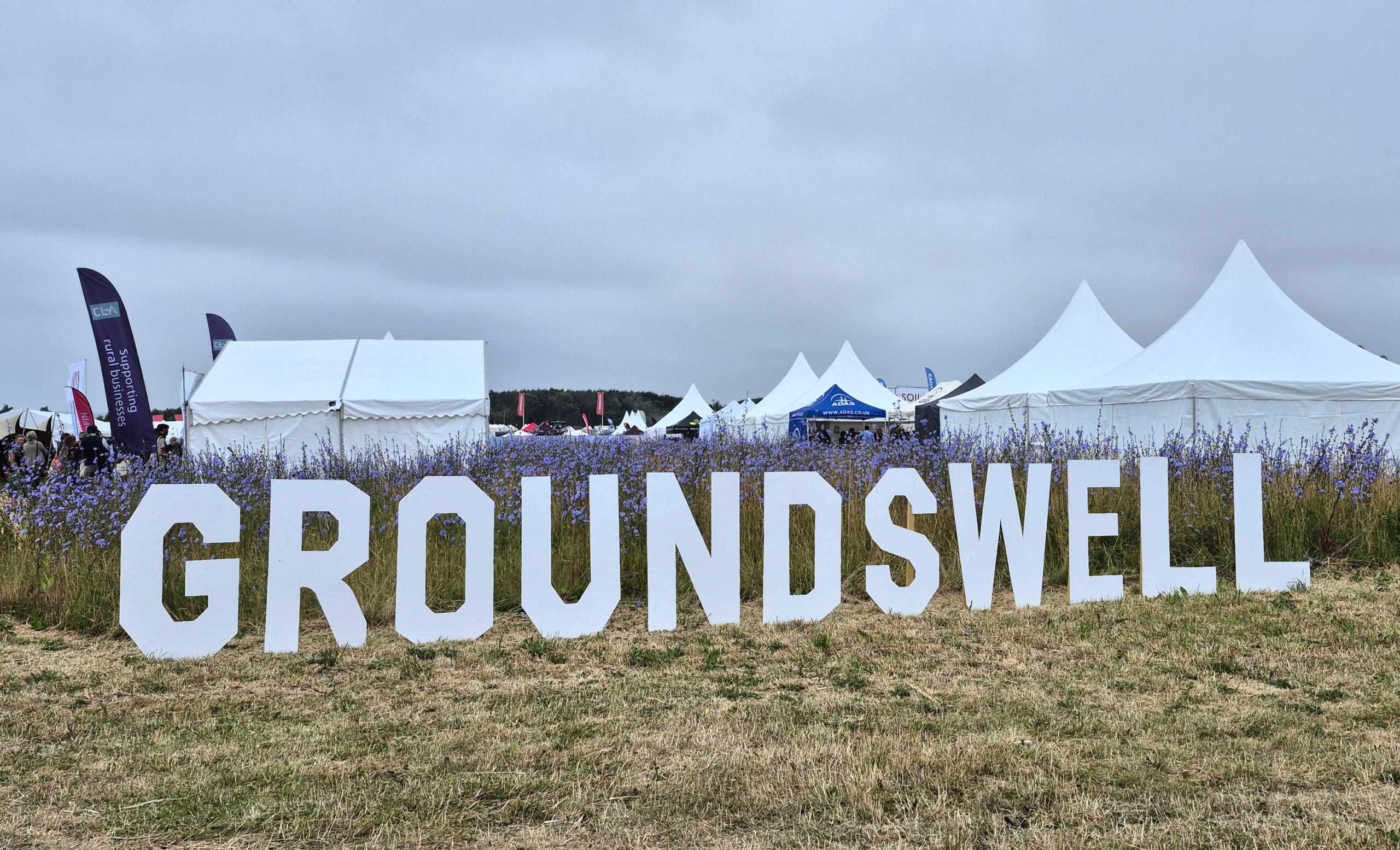
Reflections from Groundswell Regenerative Agricultural Festival 2025: Conversations, connections and the power of shared purpose
May 19th, 2025
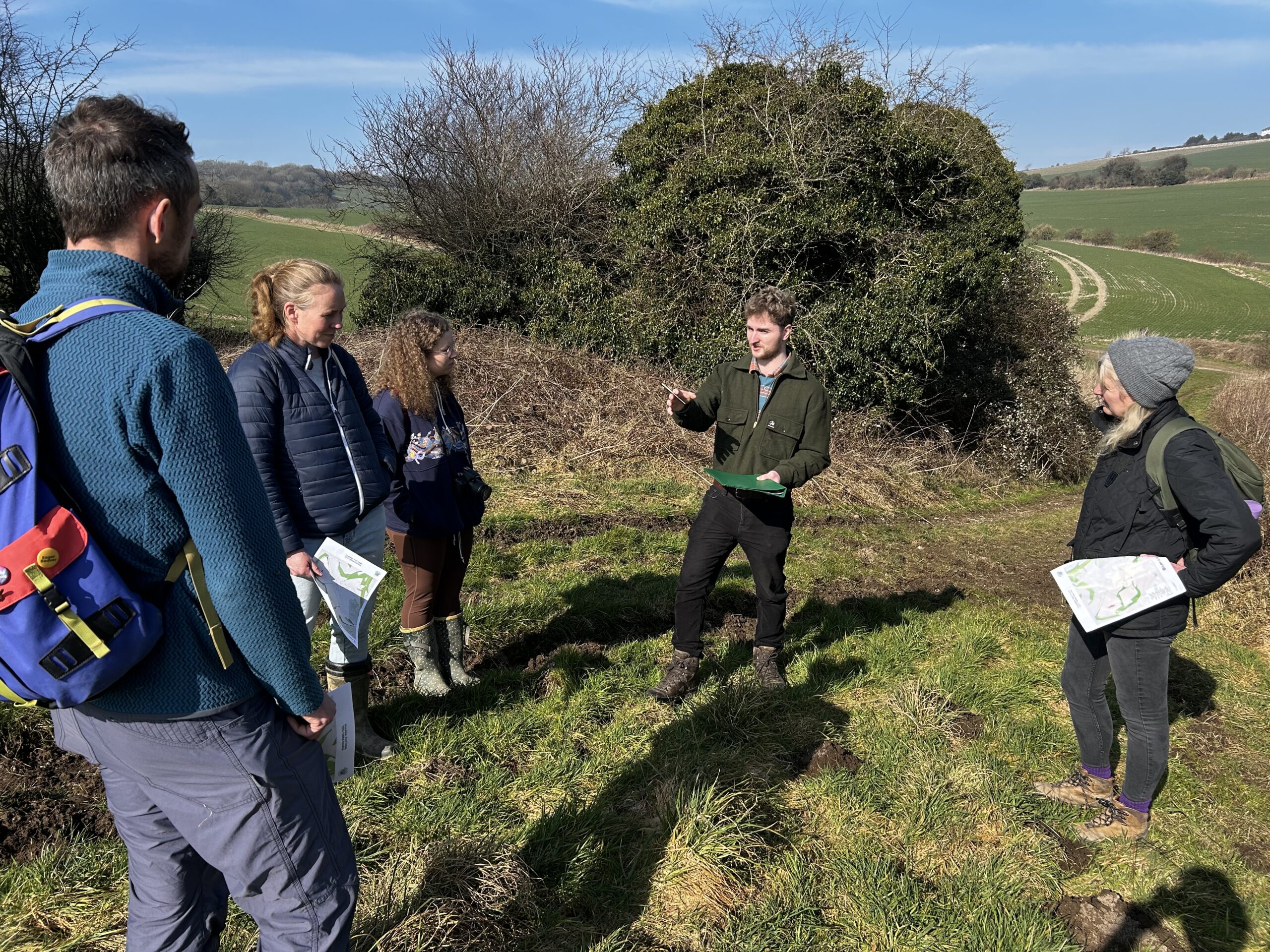
Our free habitat mapping service for land managers in the Weald to Waves corridor offers site visits with advice and mapping to help identify opportunities for nature recovery and improve habitat connectivity across Sussex.
May 13th, 2025
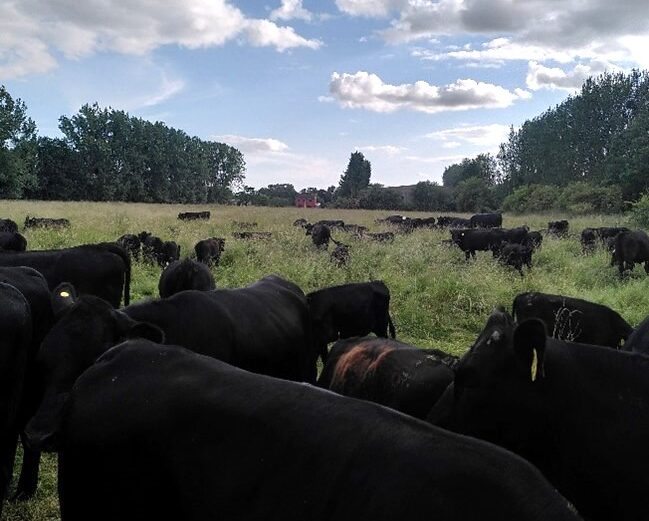
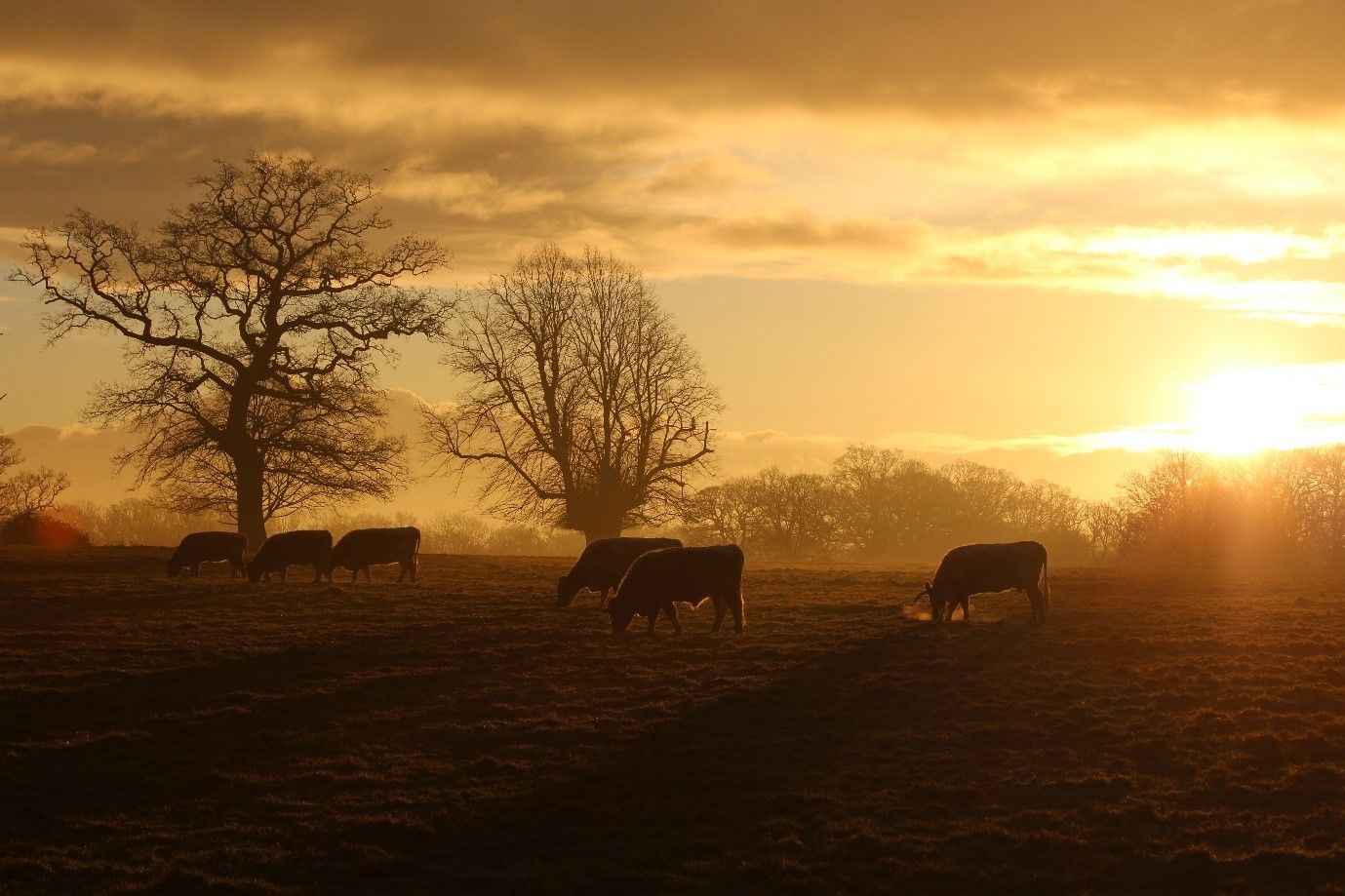
Discover how mob grazing boosts pasture health, livestock welfare and biodiversity, and learn about our new kit loan scheme to help you get started.
May 1st, 2025
Discover how traditional livestock and low-impact farming are playing a vital role in restoring Sussex’s rare chalk grasslands and supporting threatened wildlife, while the closure of small abattoirs is putting this type of management at risk.
April 23rd, 2025
There is something powerful about coming together—farmers, ecologists, conservationists, and community members—to share ideas, challenges, and solutions for the future of our landscapes. _Weald to Waves: How Farmland Birds Can Thrive in Modern Agriculture_ offered an inspiring and practical vision of how farming and wildlife can thrive together.
August 8th, 2024
We are pleased to welcome Ryan Ellis as our Landscape Advisor, who has joined the Weald to Waves corridor to develop of network and to find solutions for food production and habitat management that support nature recovery.


