
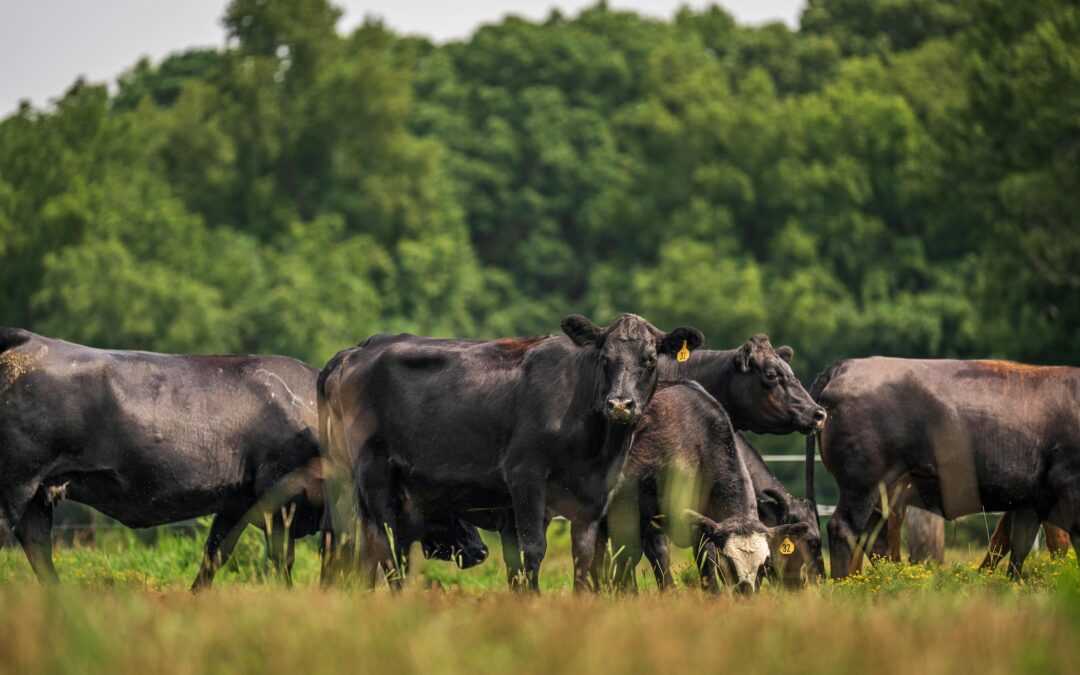
Weald to Waves: Mob Grazing and Soil Health Knowledge Share
In April, the Weald to Waves farming and land management community came together to explore the benefits of adaptive grazing systems and the role they can play in building healthier, more resilient farms.
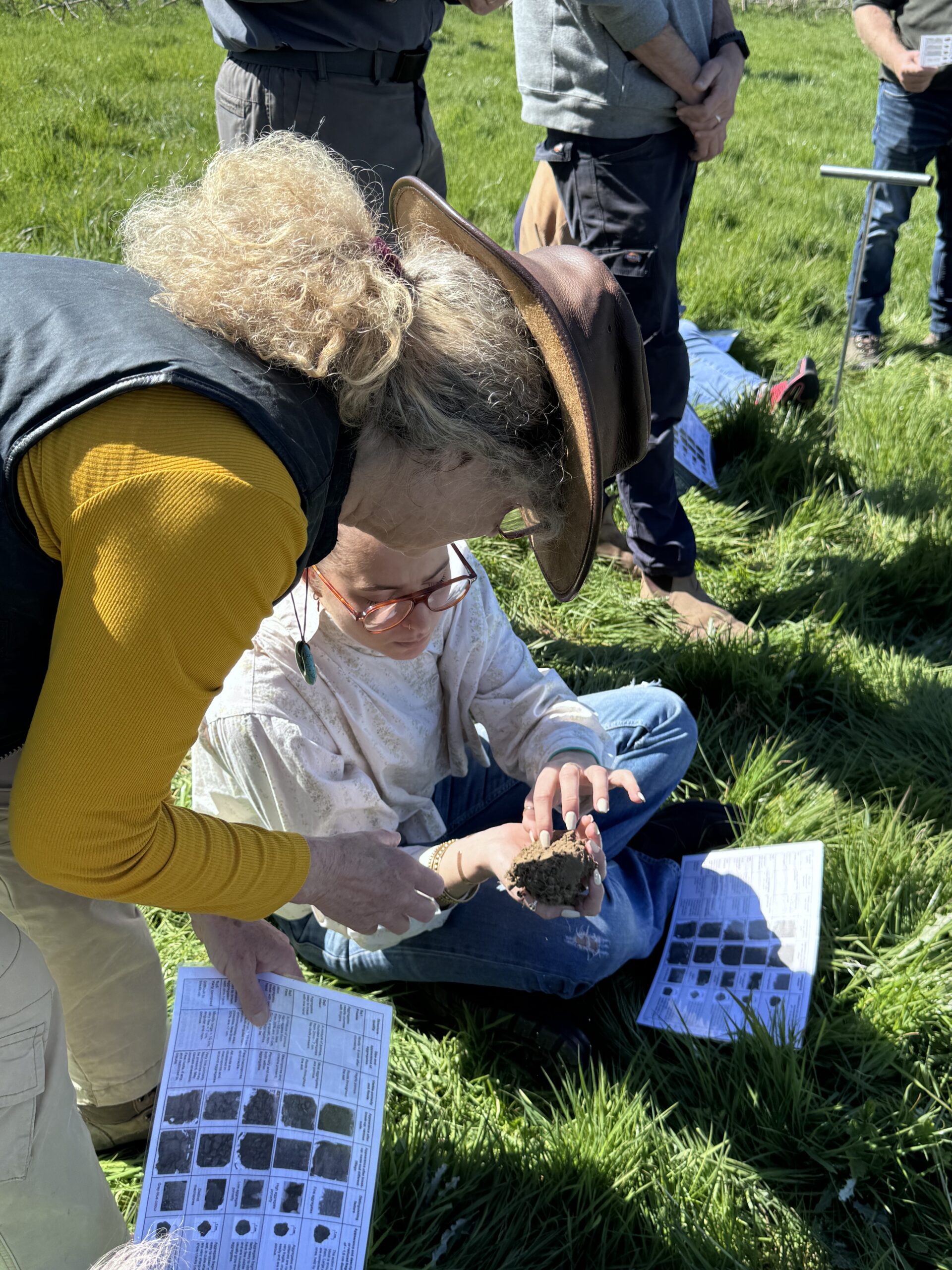
The morning began with a hands on workshop focused on soil health, led by local agronomists Stephen and Alex. Participants spent time digging into the fundamentals of healthy soil, both literally and figuratively, exploring the three core components that underpin soil function. These include the chemical elements within the soil, such as nitrogen and phosphorus, the biological component made up of organic matter and soil life, and the physical structure of the soil itself, which plays a vital role in water storage, infiltration, and wider catchment health.
We were introduced to a range of practical soil assessments from the Soil SmARt Toolkit, developed through a citizen science project in the Western Rother river catchment. The project explored how farmers could independently monitor and better understand soil health on their own land. The toolkit includes simple but effective methods such as VESS soil structure tests and earthworm counts, helping farmers assess soil condition in a practical and accessible way.
Weald to Waves hopes to build on this learning through a future citizen science project involving farming members across the corridor. The aim is to support farmers in monitoring soil health over time, while building a better understanding of how different land management approaches influence soil function across the landscape. We hope to launch the project this Autumn, so if you are interested in getting involved, keep an eye out for further updates.
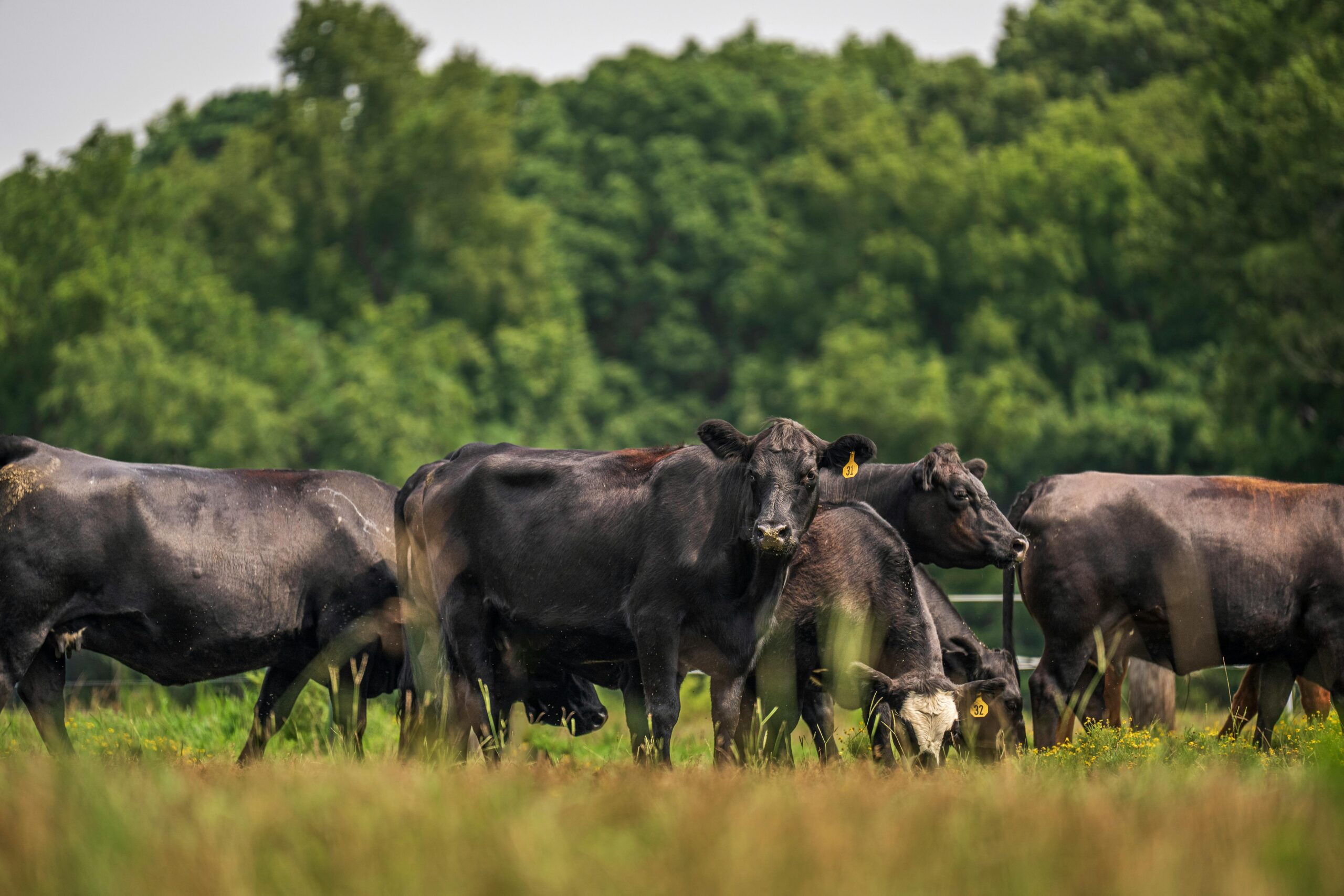
The afternoon focused on our mob grazing kit loan scheme, with a practical showcase of the equipment available to members. The scheme offers farmers the opportunity to trial the infrastructure needed to implement a mob grazing rotation on a regular sized field over an agreed period. By testing systems in a real farm setting, participants can explore whether adaptive grazing approaches work for their land, livestock, and business before committing to investment in equipment themselves. At the end of the trial period, there will also be an option to purchase the equipment directly.
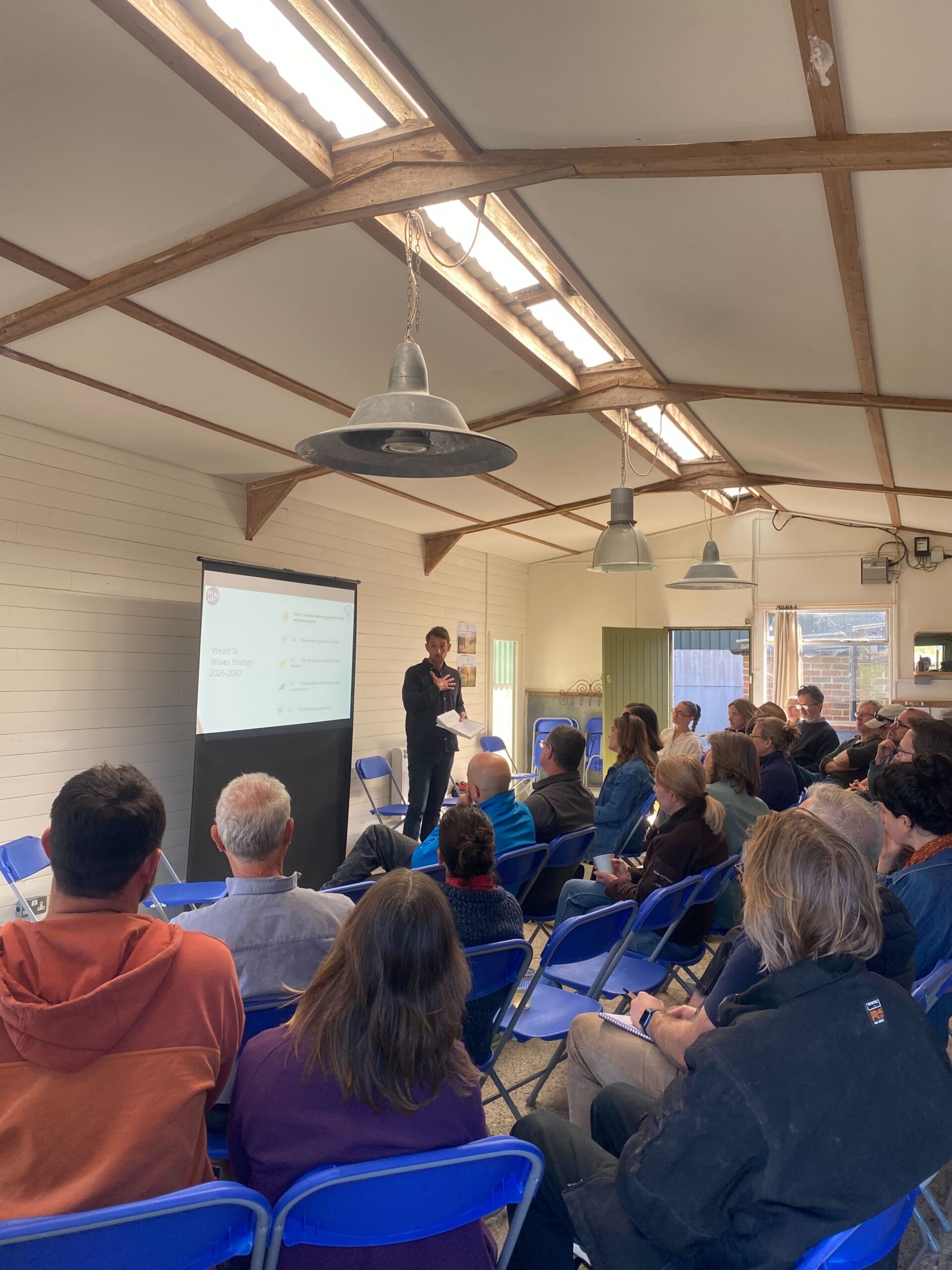
We finished the day with a lively panel discussion and Q&A featuring experienced mob grazing practitioners from across the room. There was a huge amount of knowledge and experience shared throughout the conversation, but some of the key takeaways included:
- Regenerative agriculture is deeply context dependent. The most successful systems are those adapted to the needs of individual farms, landscapes, and livestock.
- Positive changes in soil structure, biodiversity, and resilience often take time. Many practitioners highlighted that the most transformational results may not become fully visible until three to five years after transitioning to adaptive grazing systems.
- Adaptive grazing is a learning journey. Experimentation, flexibility, and learning from mistakes are all part of building a successful regenerative system.
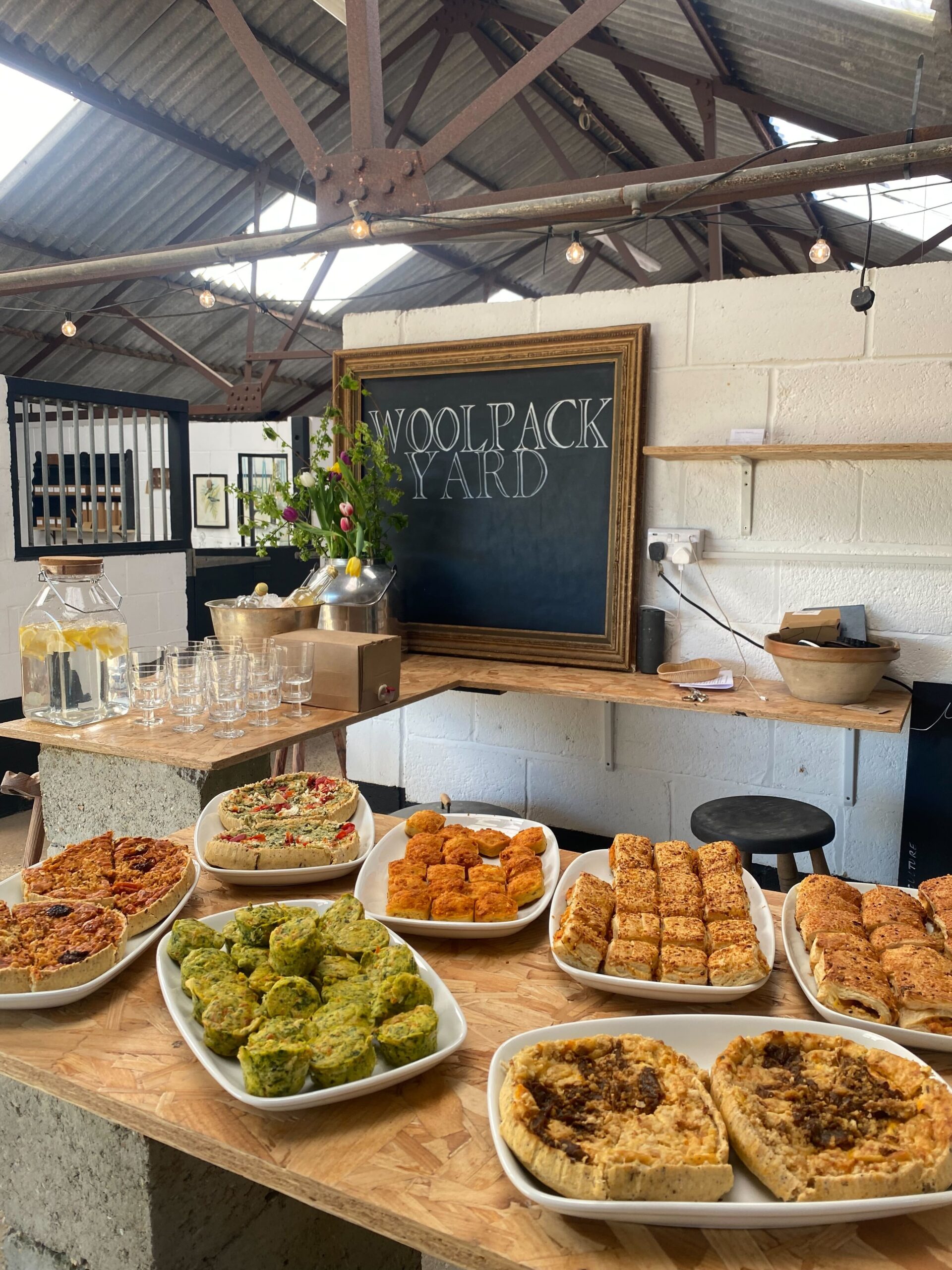
A huge thank you to the brilliant local suppliers who contributed to the day’s lunch, and to Higgidy for supporting the mob grazing kit scheme, sponsoring the event, and pledging their office greenspace to the Weald to Waves corridor.
If you are interested in trialling a mob grazing kit, please get in touch with our Landscape Advisor, or register your interest here.