Food Production

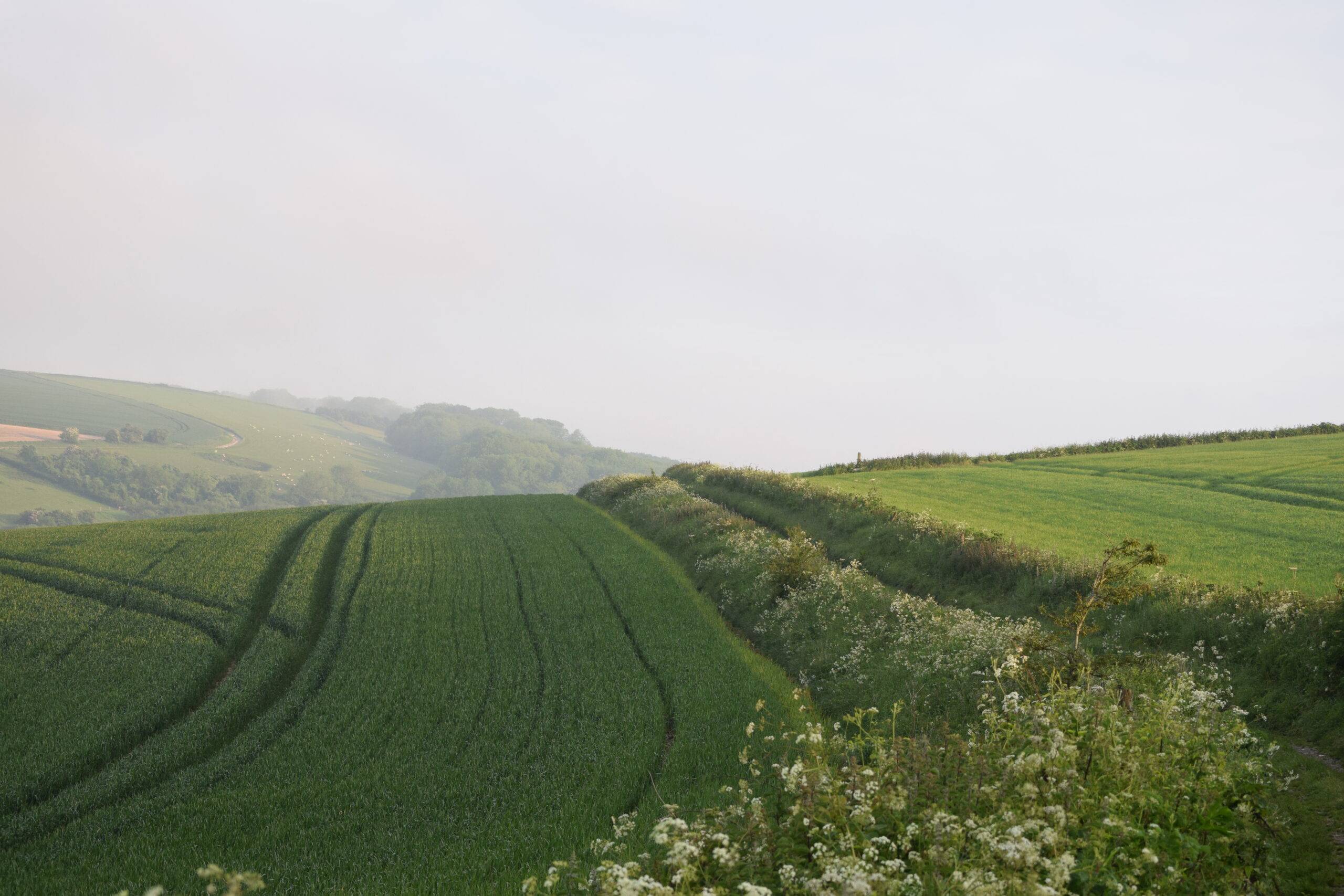
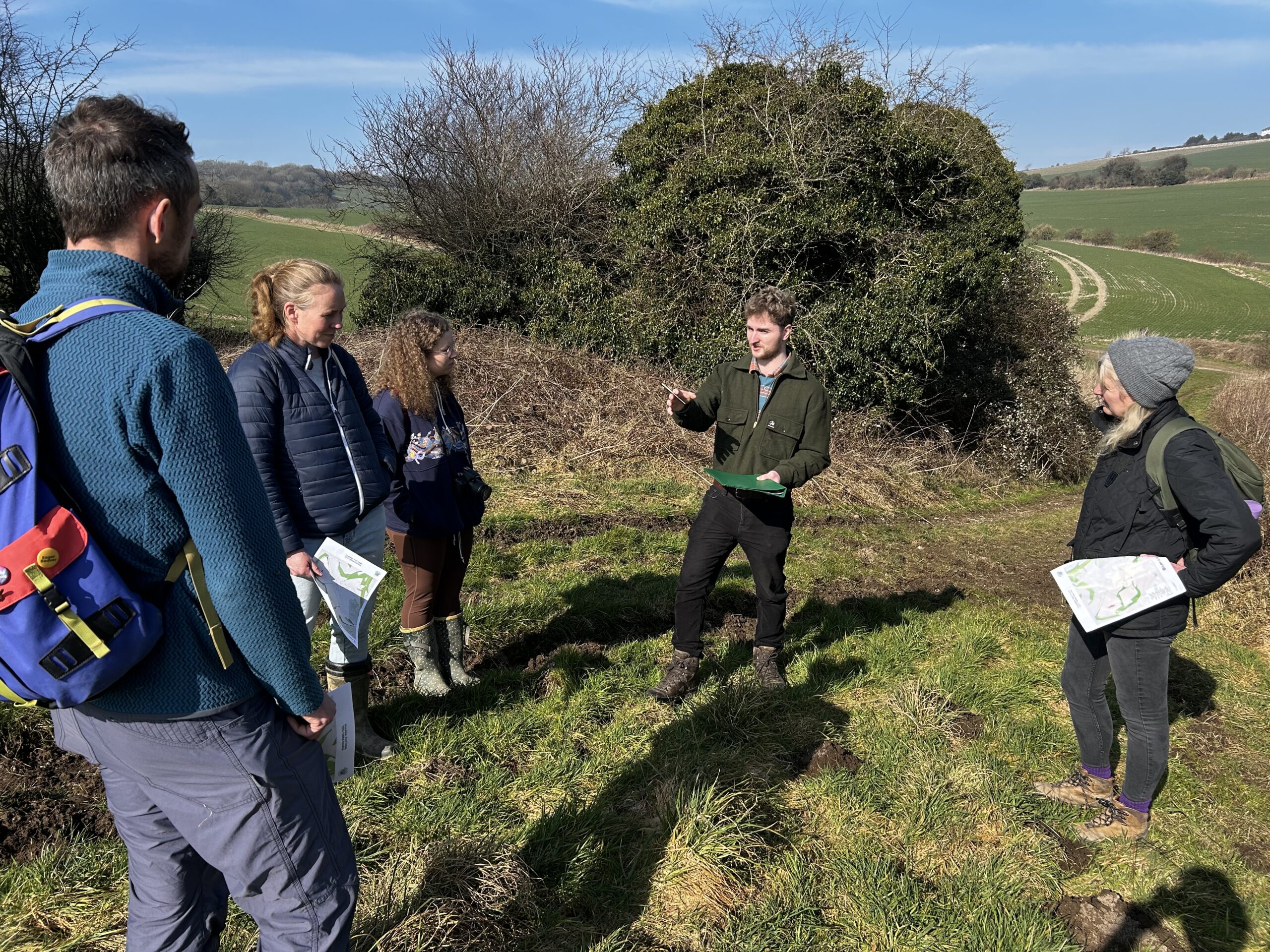
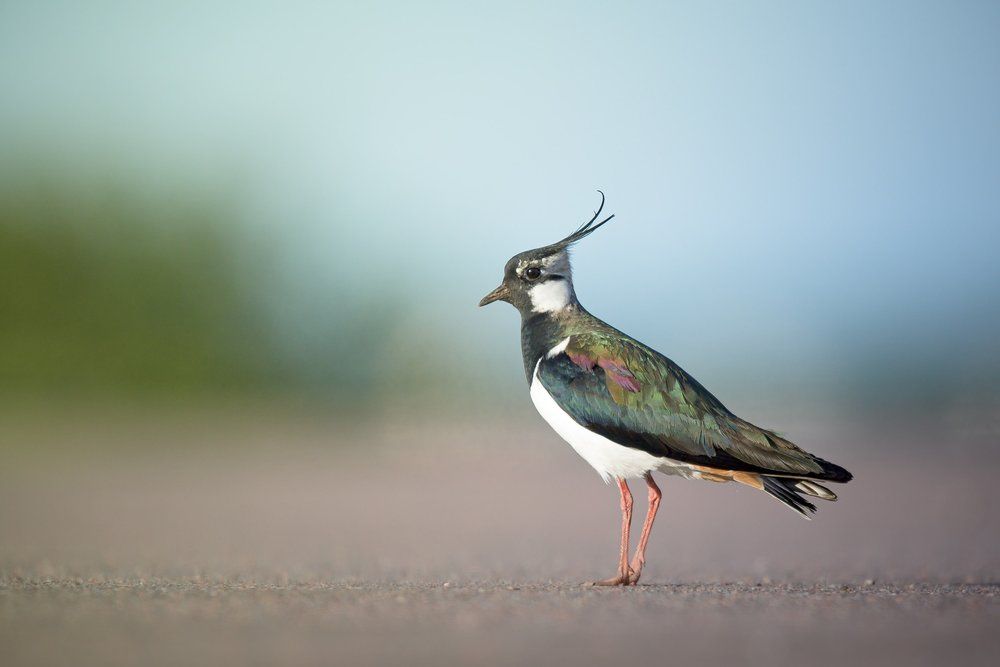
There is something powerful about coming together—farmers, ecologists, conservationists, and community members—to share ideas, challenges, and solutions for the future of our landscapes. _Weald to Waves: How Farmland Birds Can Thrive in Modern Agriculture_ offered an inspiring and practical vision of how farming and wildlife can thrive together.
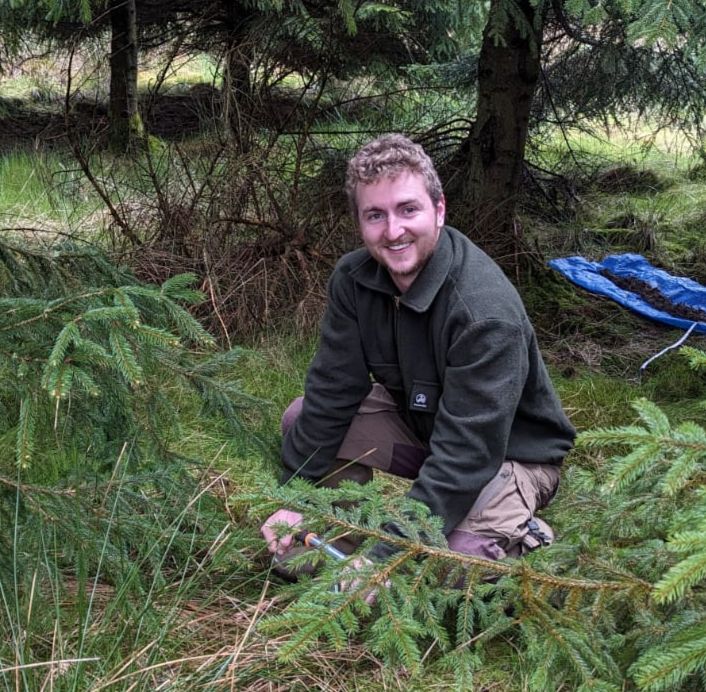
We are pleased to welcome Ryan Ellis as our Landscape Advisor, who has joined the Weald to Waves corridor to develop of network and to find solutions for food production and habitat management that support nature recovery.
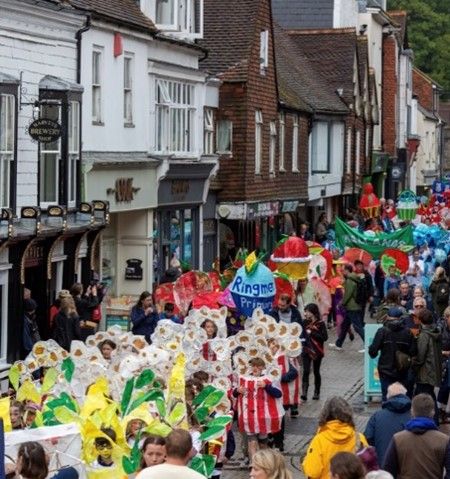
PATINA (Parents & Teachers In the Arts) is a charity created at the turn of the millennium to give young people in the Lewes District the opportunity to experience and enjoy art, work directly with professional artists and gain a sense of belonging and community through the arts. Their recent “Moving On Parade” focussed on “Welcome To Our Table”, celebrating local food and all the fun of growing, cooking and eating together.
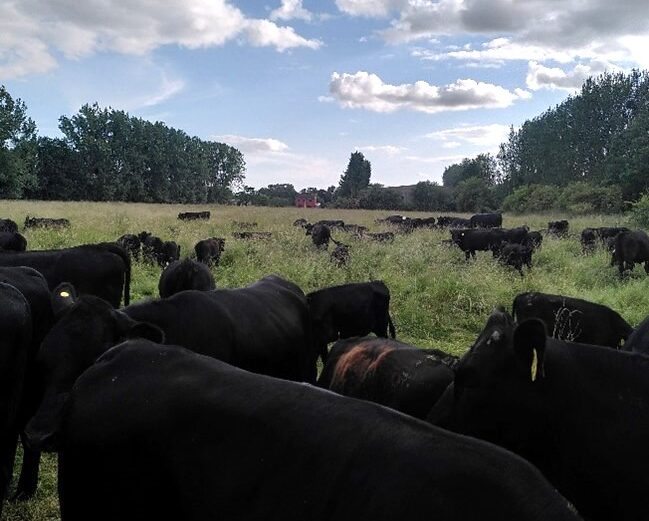
Mob grazing is a technique used by an increasing number of farmers, enabling livestock farming to boost productivity and biodiversity by mimicking natural grazing behaviours.
One of the most important issues affecting our landscape is the interlink between nature and farming. How can we achieve sustainable food production and boost biodiversity? Lydia Baxter, Sussex Wildlife Trust’s Wilder Ouse Project Officer, tells us more about how the project works to support nature and farming.
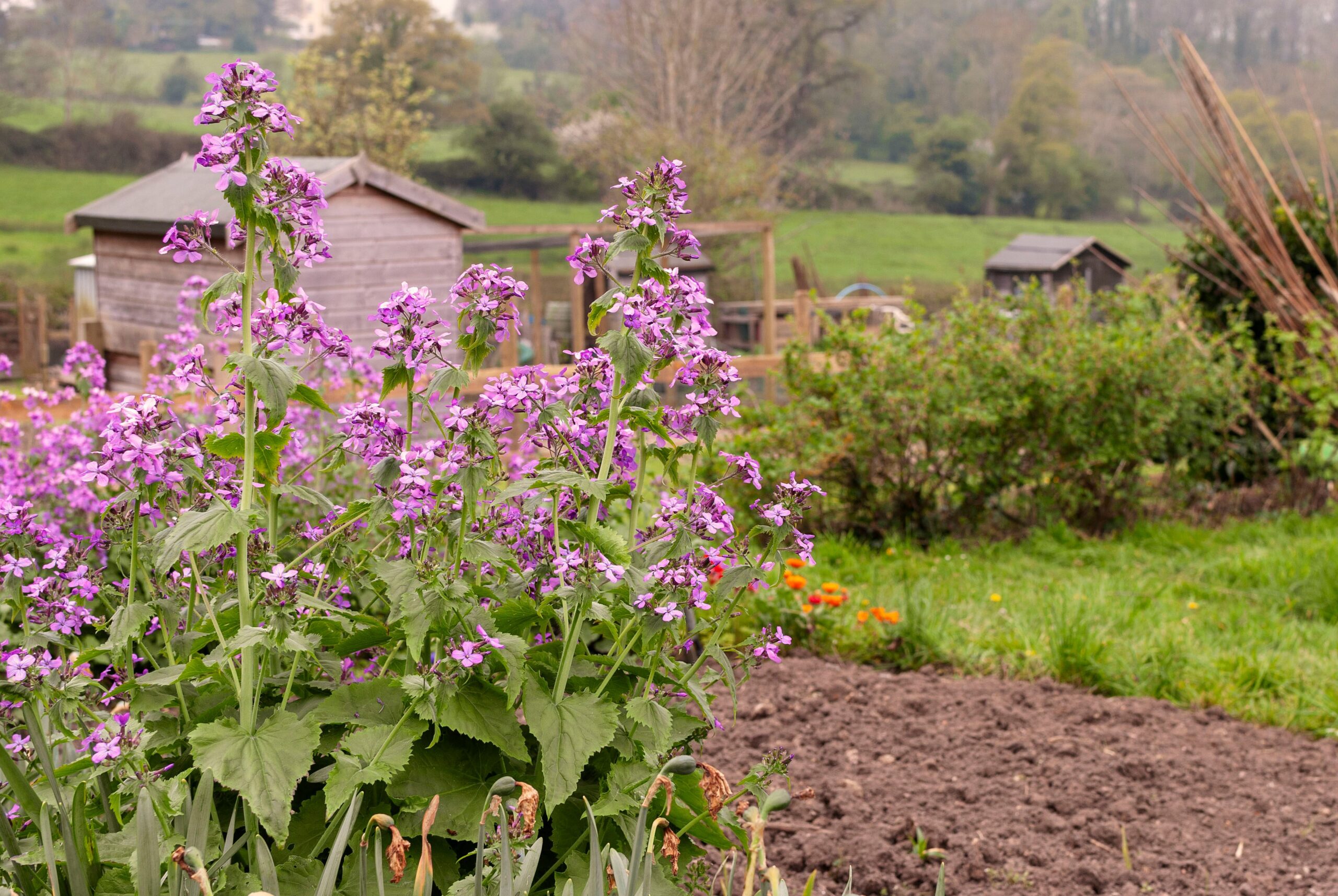
In Sussex, the allotment tradition continues to thrive, not just for recreation and food production, but important urban spaces for nature.
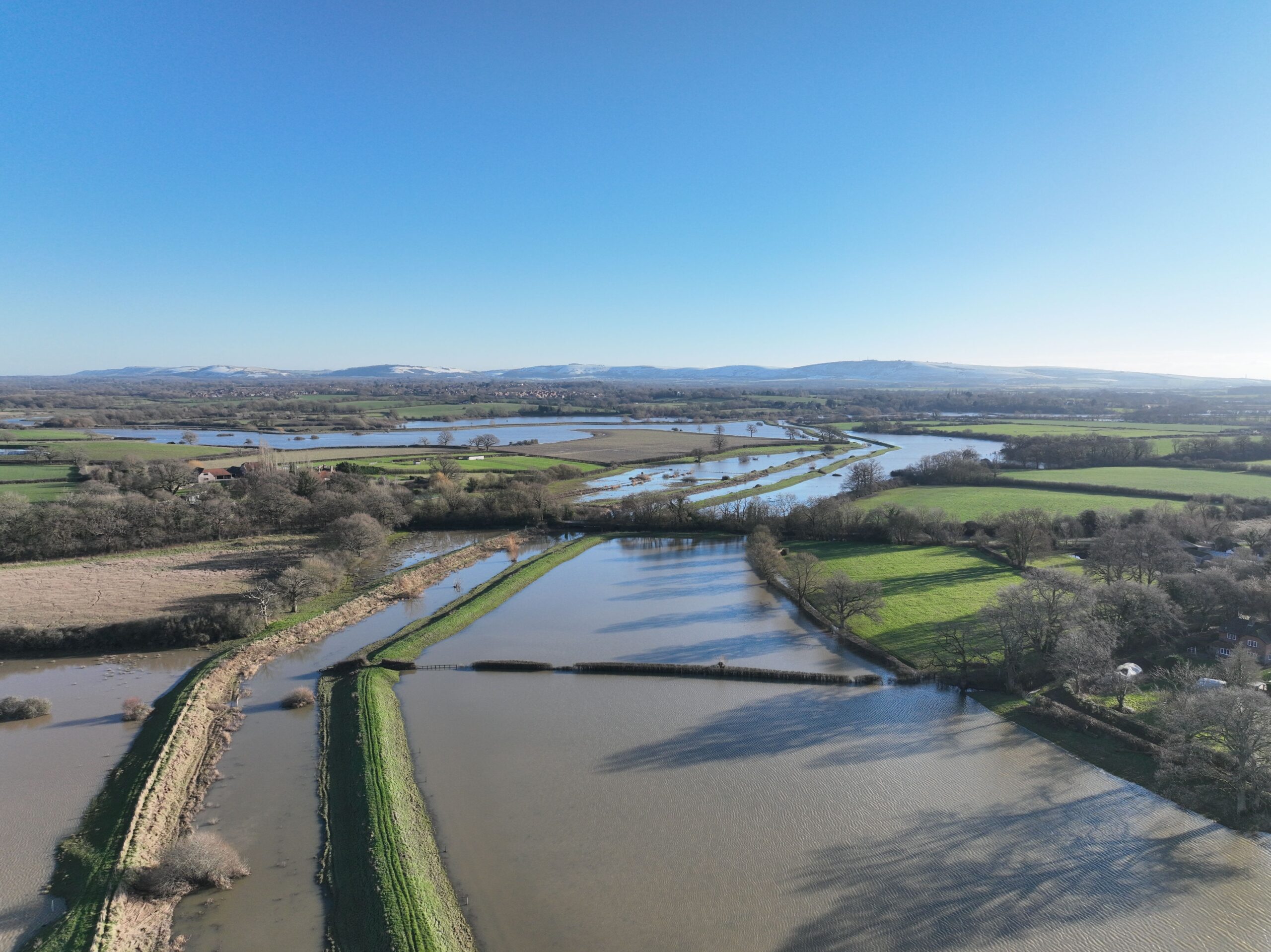
The devastating impact of this winter’s persistent rains has posed significant challenges for farmers across the region. What does this mean for nature recovery?
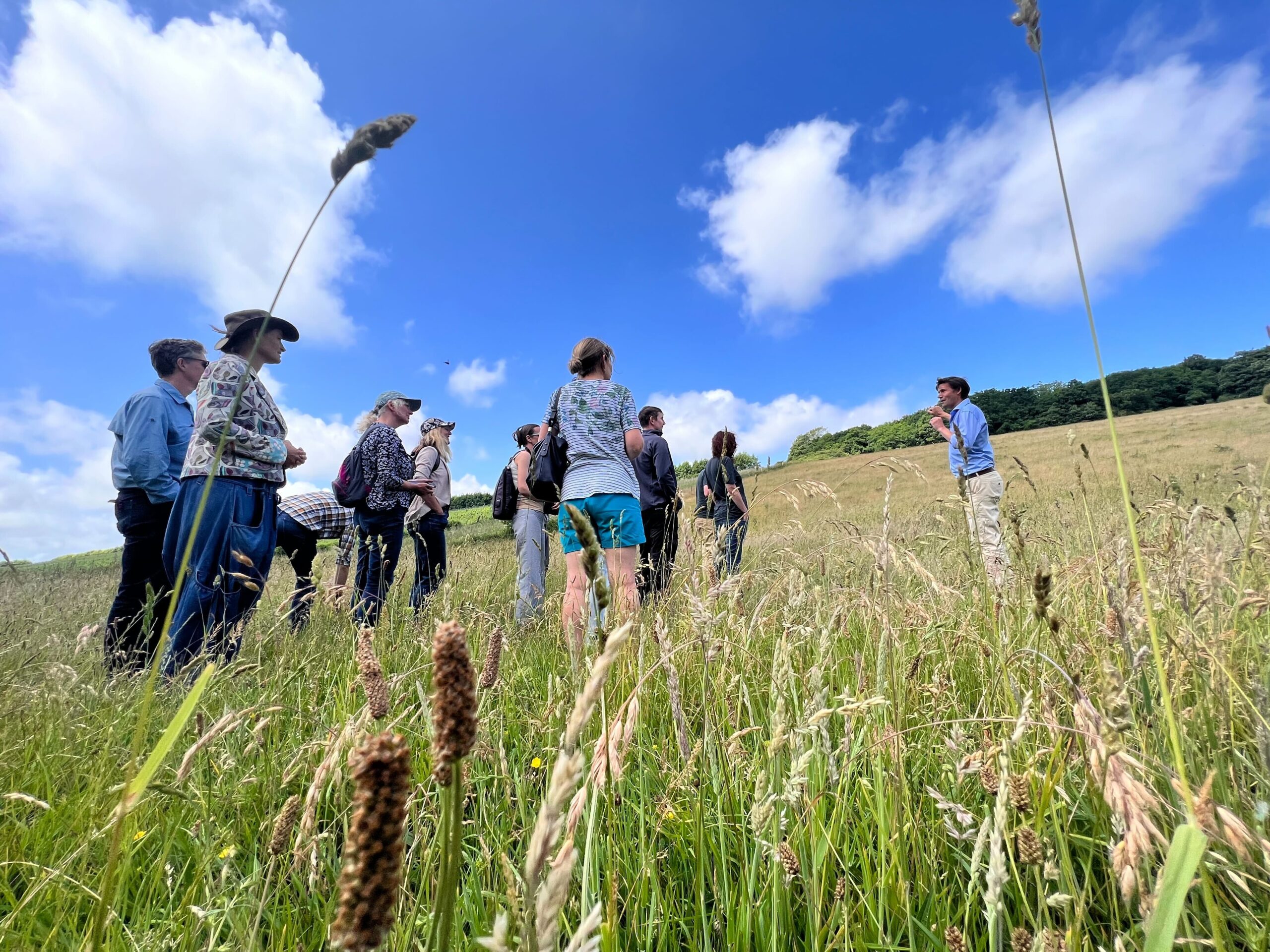
A journey up the Arun arm of the corridor with the Wildlife Trust.
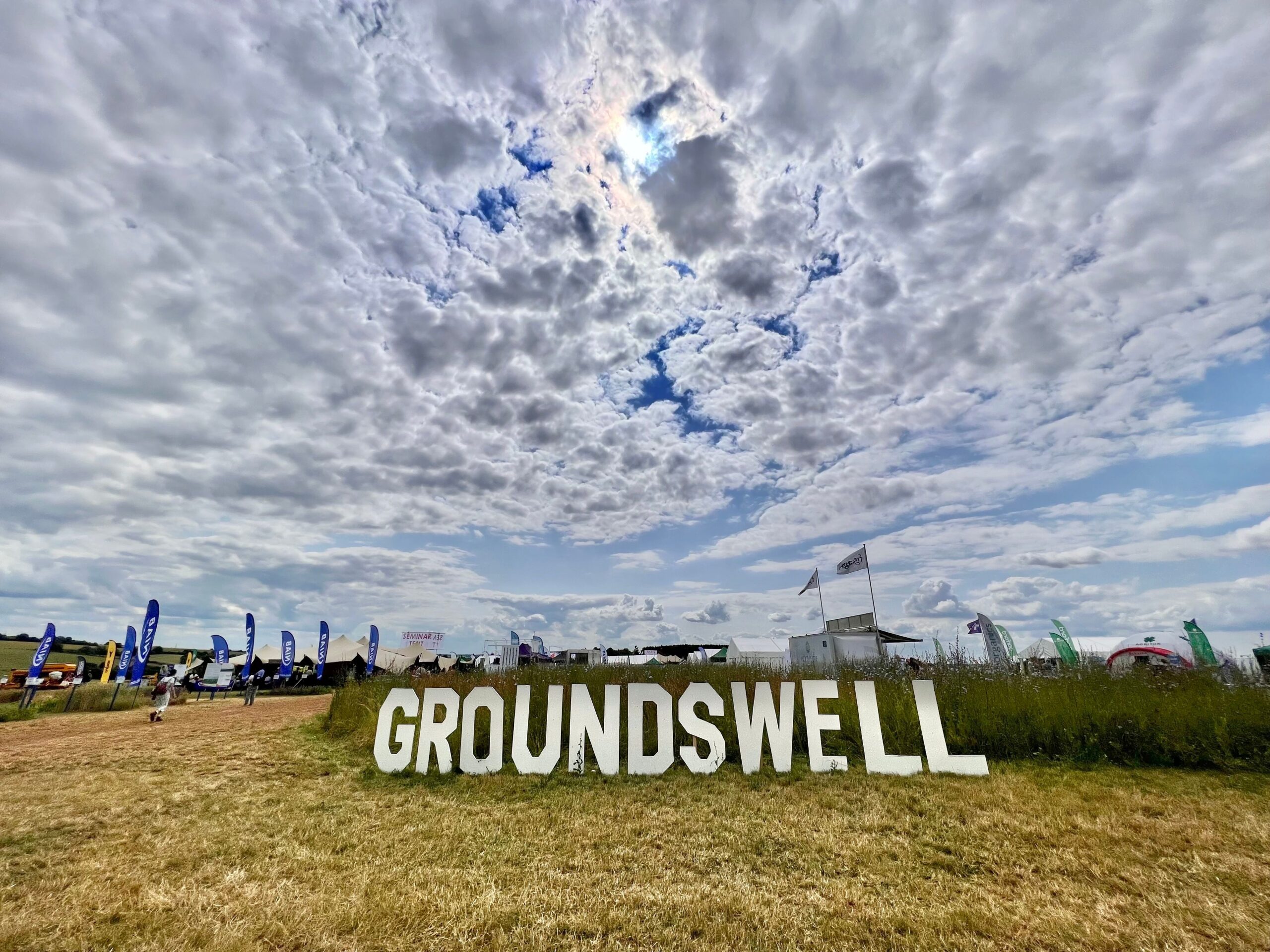
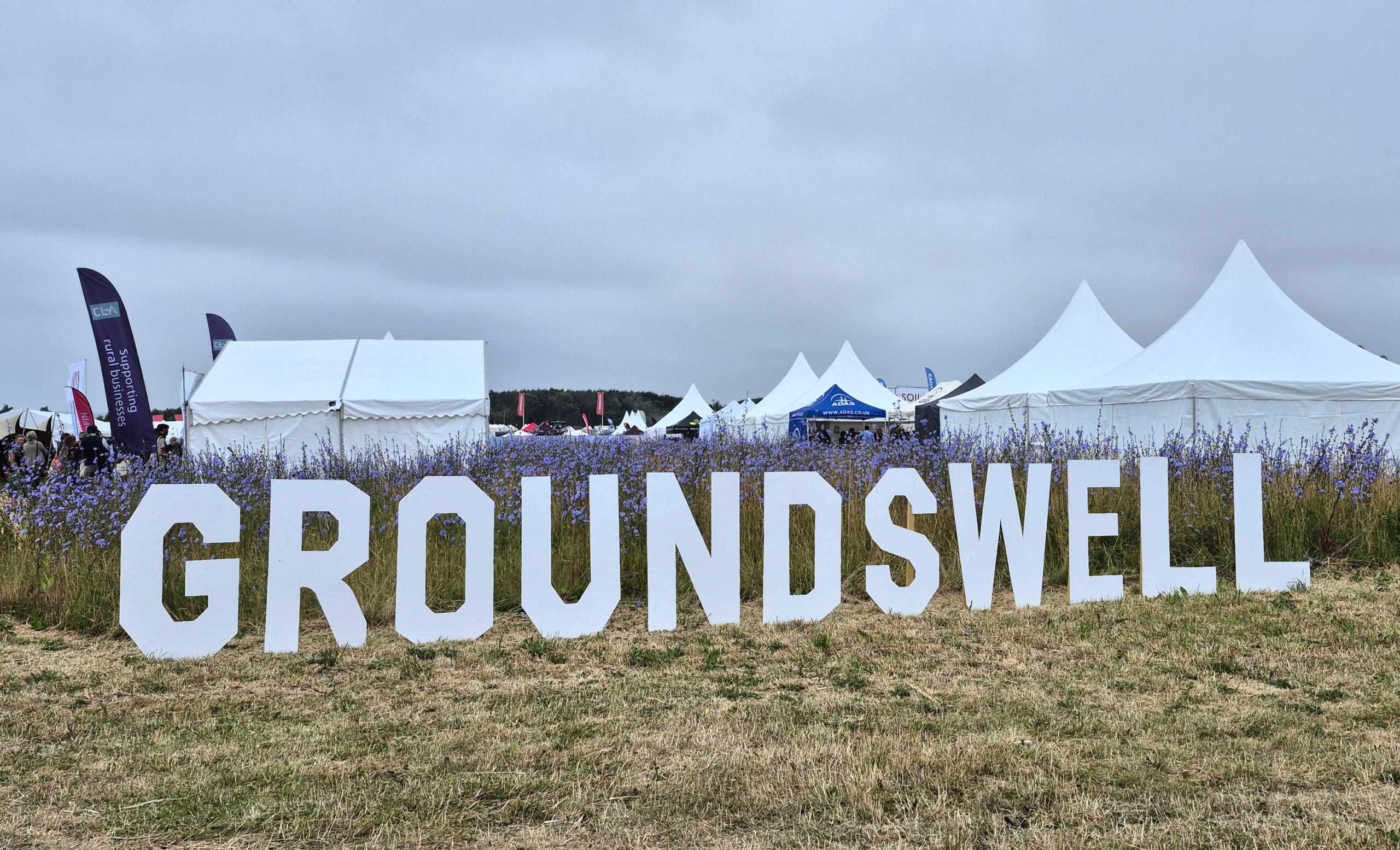
In June, Weald to Waves travelled up to Groundswell, a festival dedicated to celebrating and sharing knowledge on regenerative agriculture.
The UN estimates the planet has 60 harvests left, based on the current rate of soil depletion.
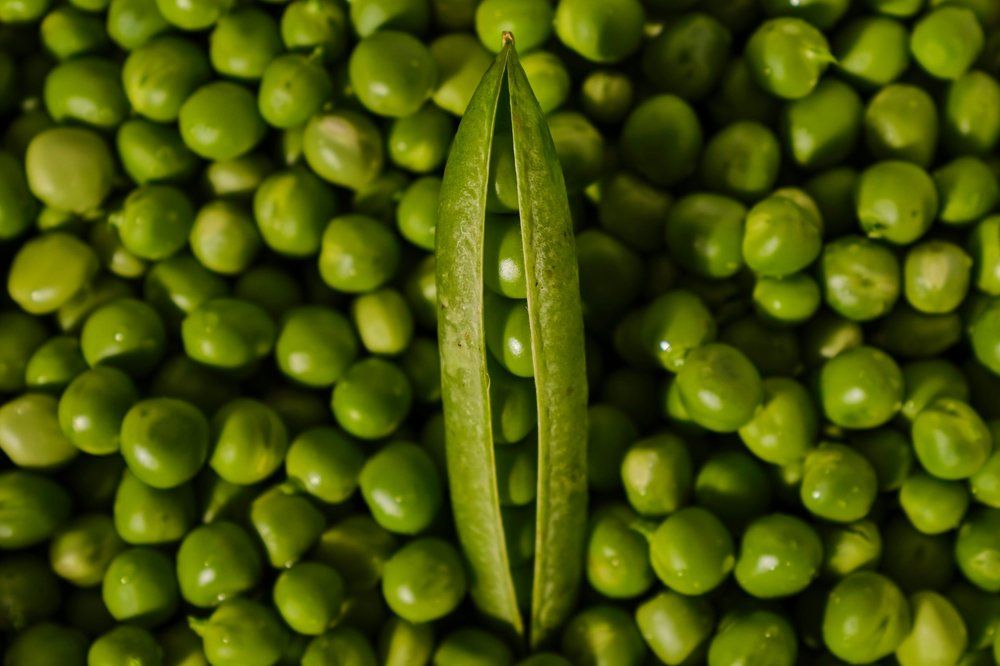
This is an entirely valid concern in these uncertain times – is it possible to sustain food security alongside nature recovery?
- « Previous
- 1
- 2