News
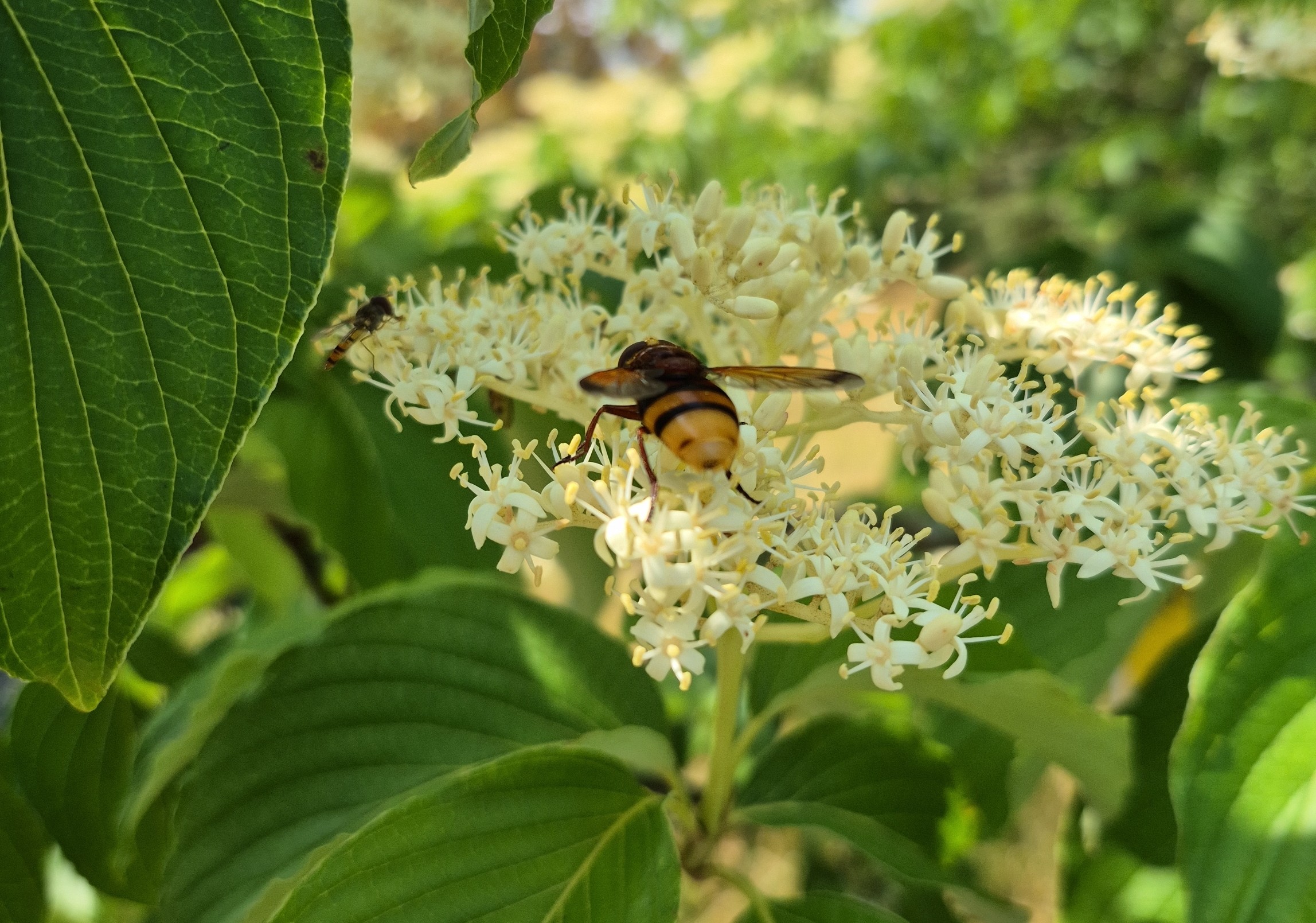
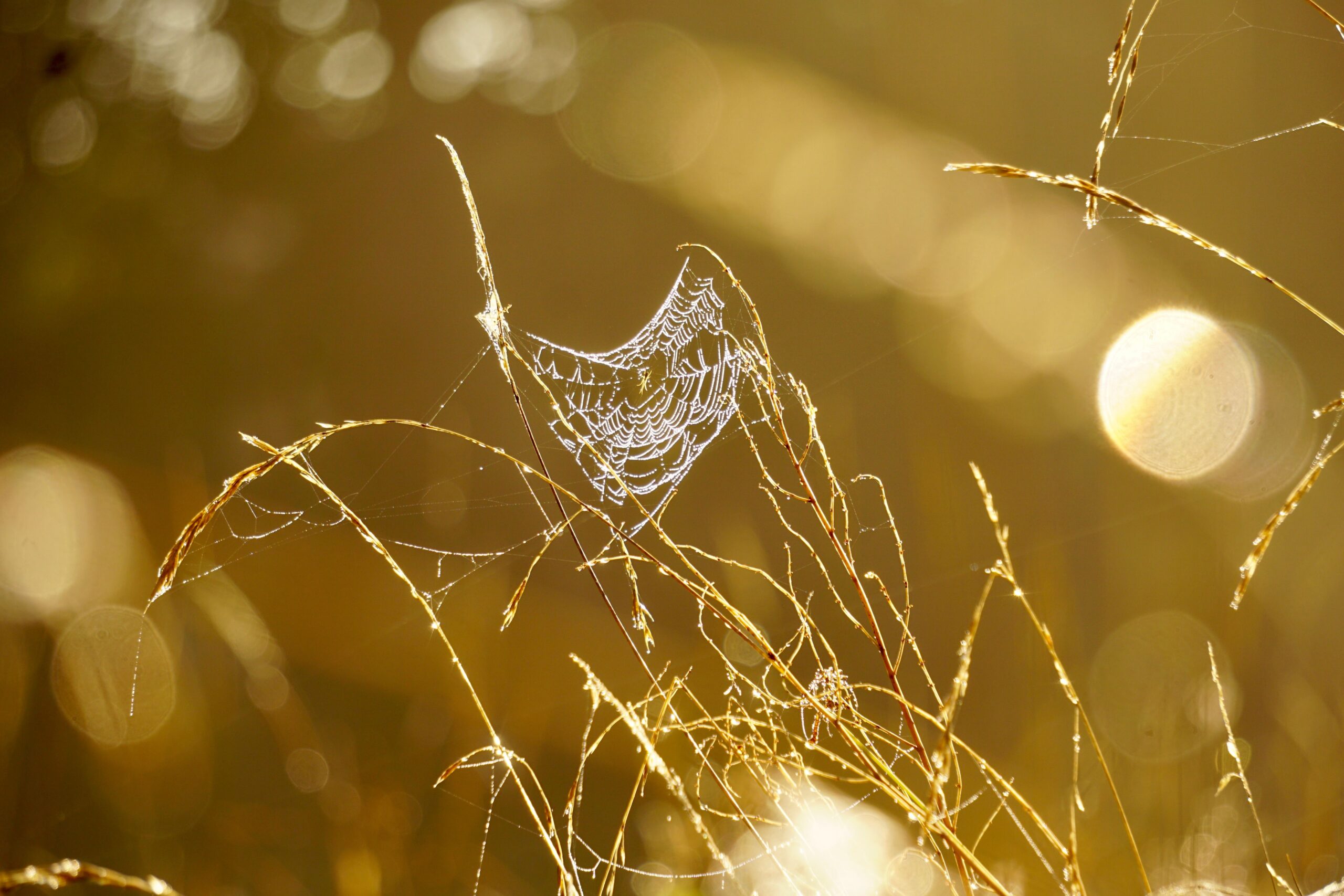
Suzi Turner, Deputy Head Gardener at Knepp and Gardens and Greenspaces Ambassador, on autumn ‘mess’ and how to avoid tidying away hidden habitats.
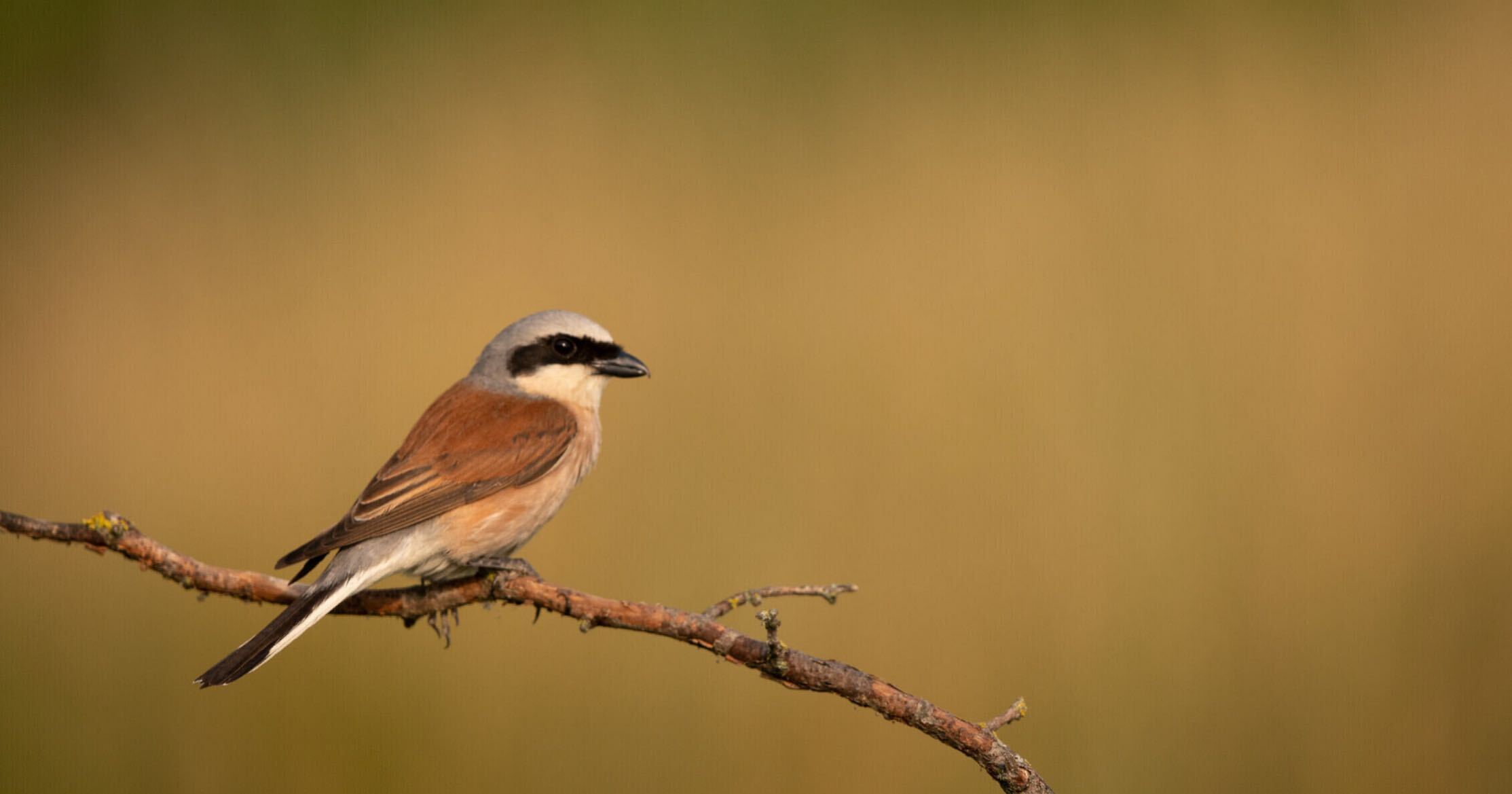
New habitat creation project receives Natural England funding
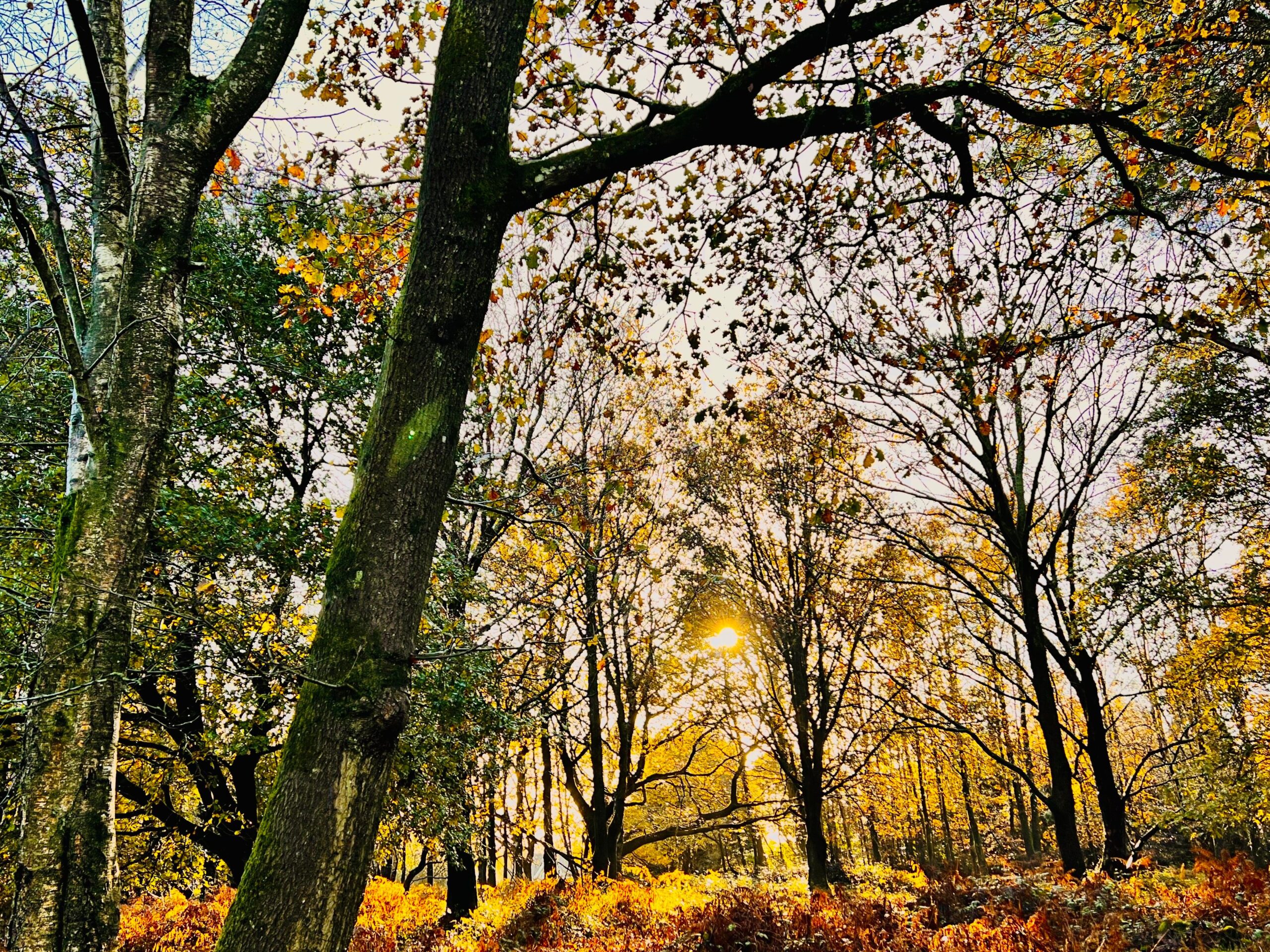
Sussex is one of the most wooded regions in the country. Brush off your boots and explore the best of the autumn colour across the corridor.
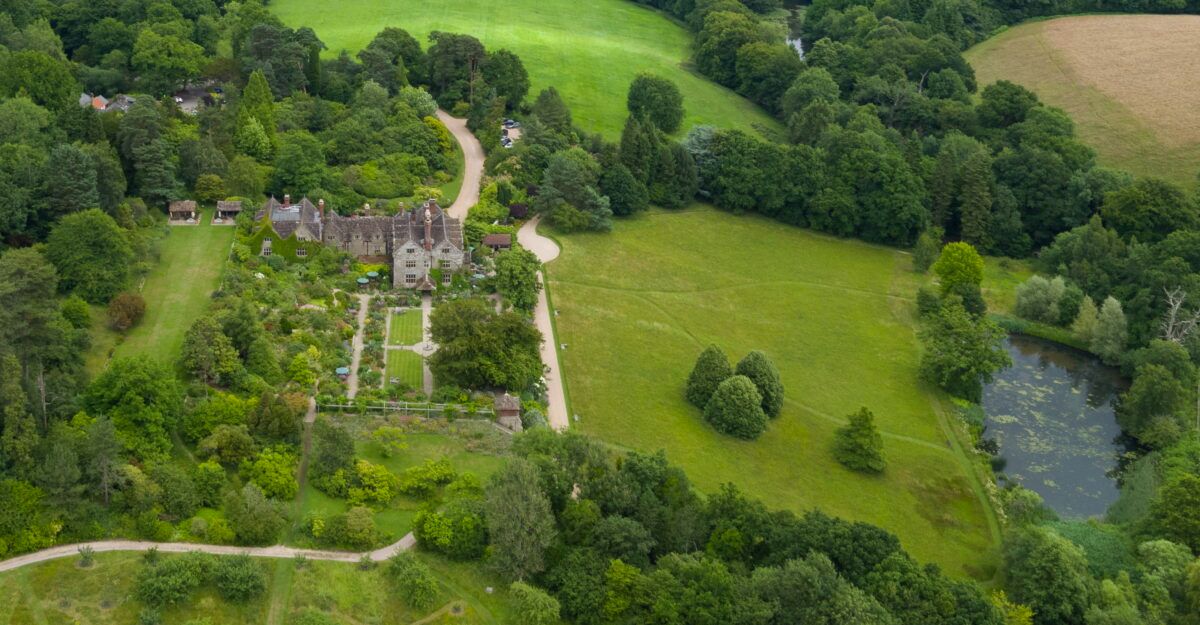
Gravetye joins the corridor, with 600 acres of farmland, woodland and wildlife gardens.
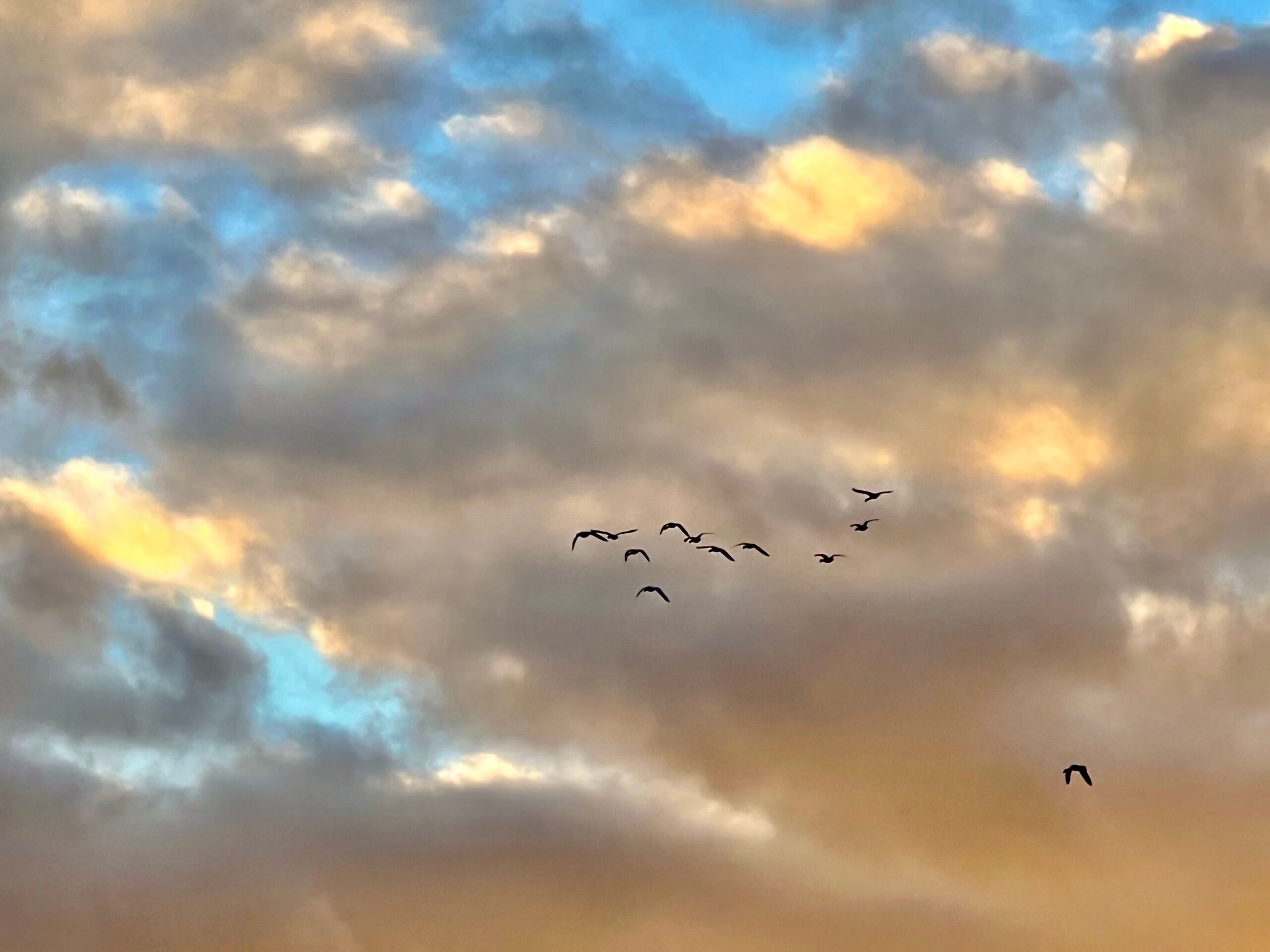
As habitats increase along the corridor, they will provide safe passage for the great autumn bird migration. Ecologist and wildlife guide, Matt Phelps, shares how some species are embarking on their seasonal journey southward.
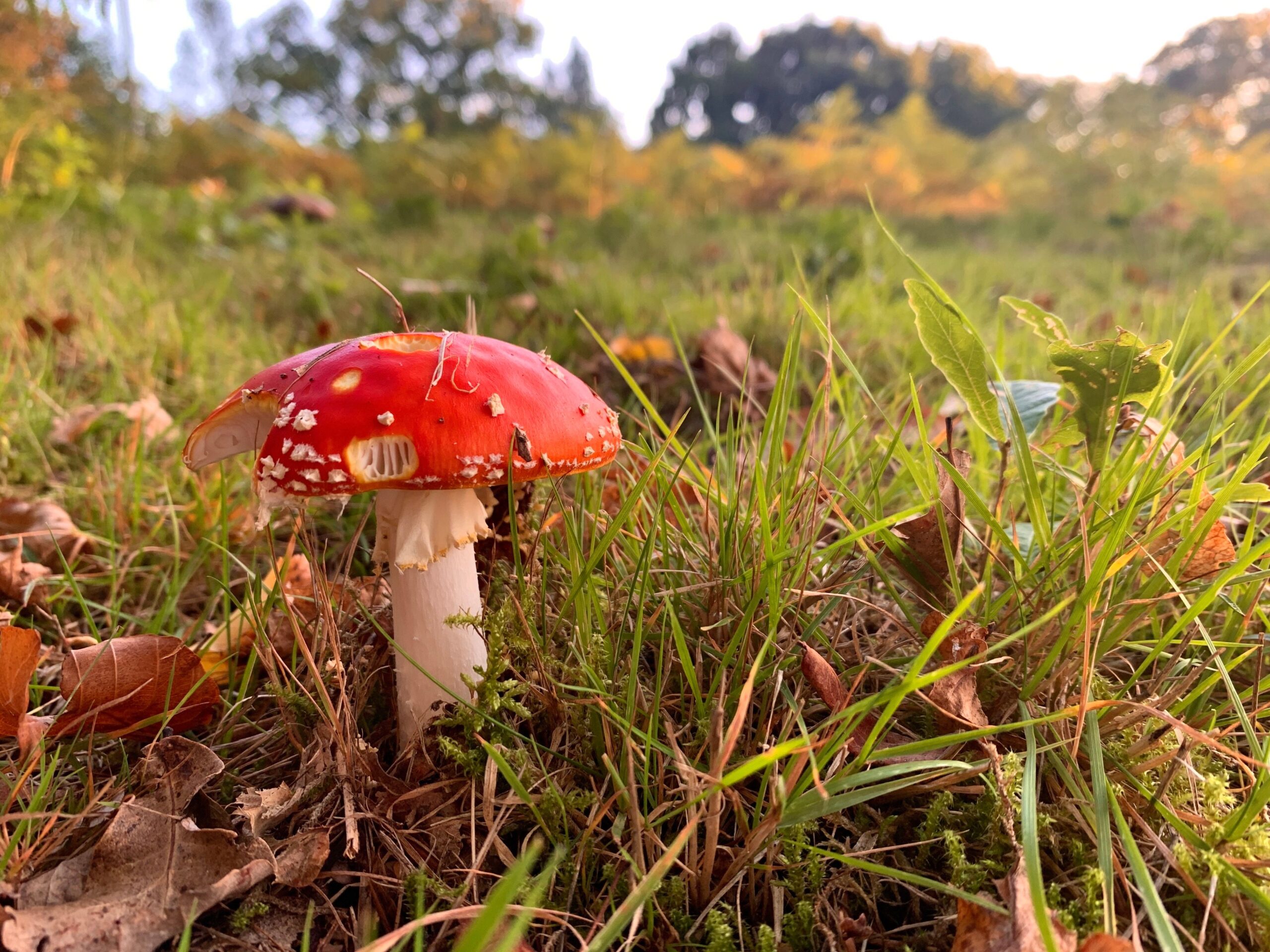
Fungi are a world of their own. Find out about the fascinating role they play in connectivity.
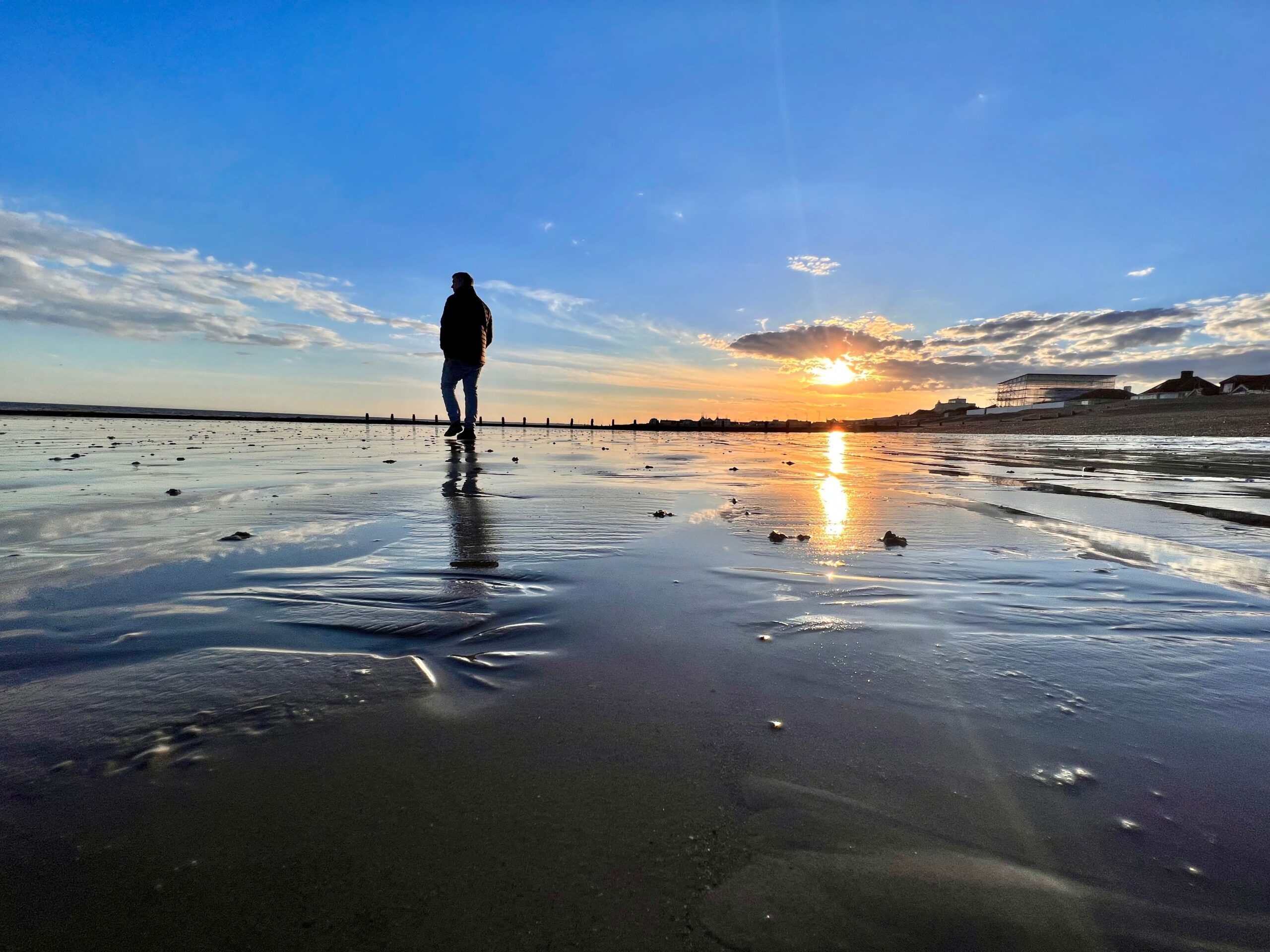
Sussex’s coastline has long been a favourite destination for locals, tourists and wildlife. However, the deterioration of sea water quality in the region has been a growing concern in recent years.
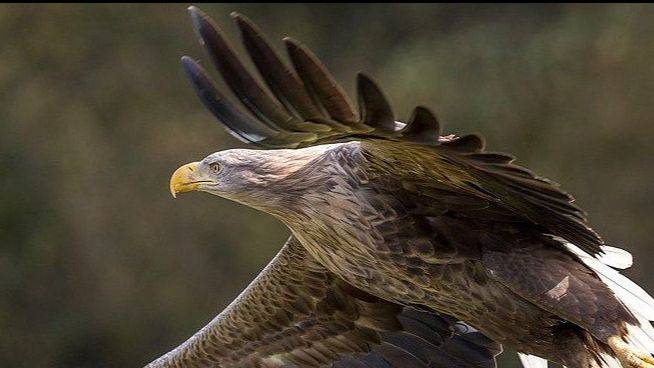
White-tailed eagles, also known as sea eagles, are making a remarkable comeback in the southern region of England after an absence of almost 250 years.
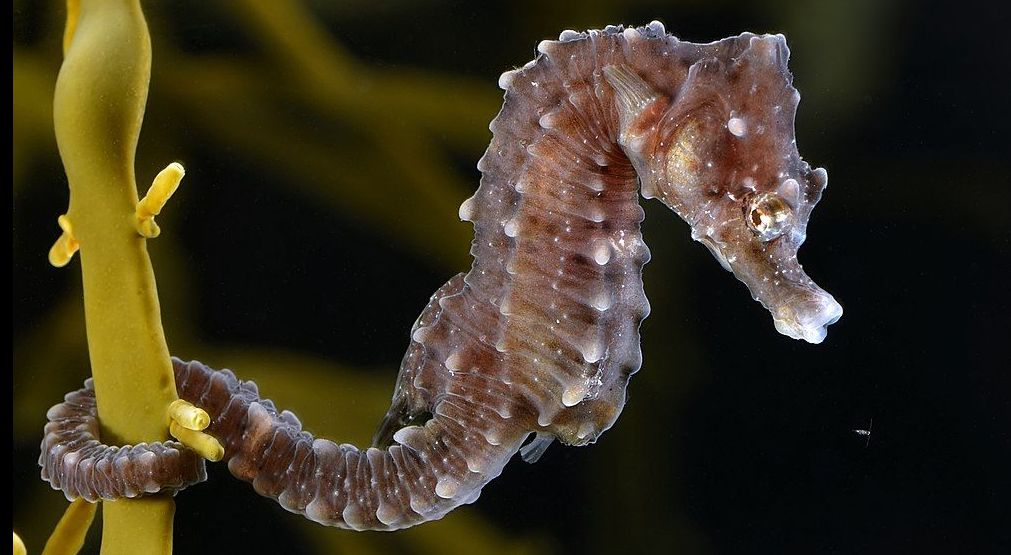
Shining a light on one of Sussex’s two seahorse species, which are facing a range of conservation challenges.
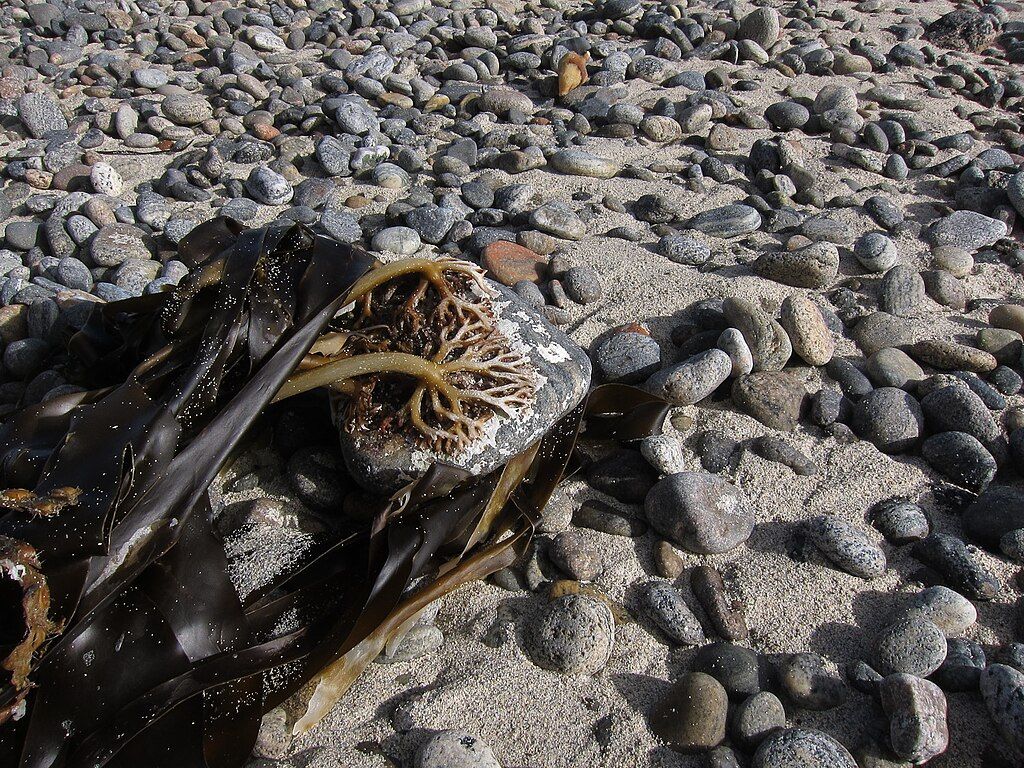
Fancy a spot of kelp combing this summer? The Sussex Kelp Recovery Project would love your help to record sightings of this super seaweed along the Sussex coastline. Plus eggcase hunting, dolphin spotting and more!
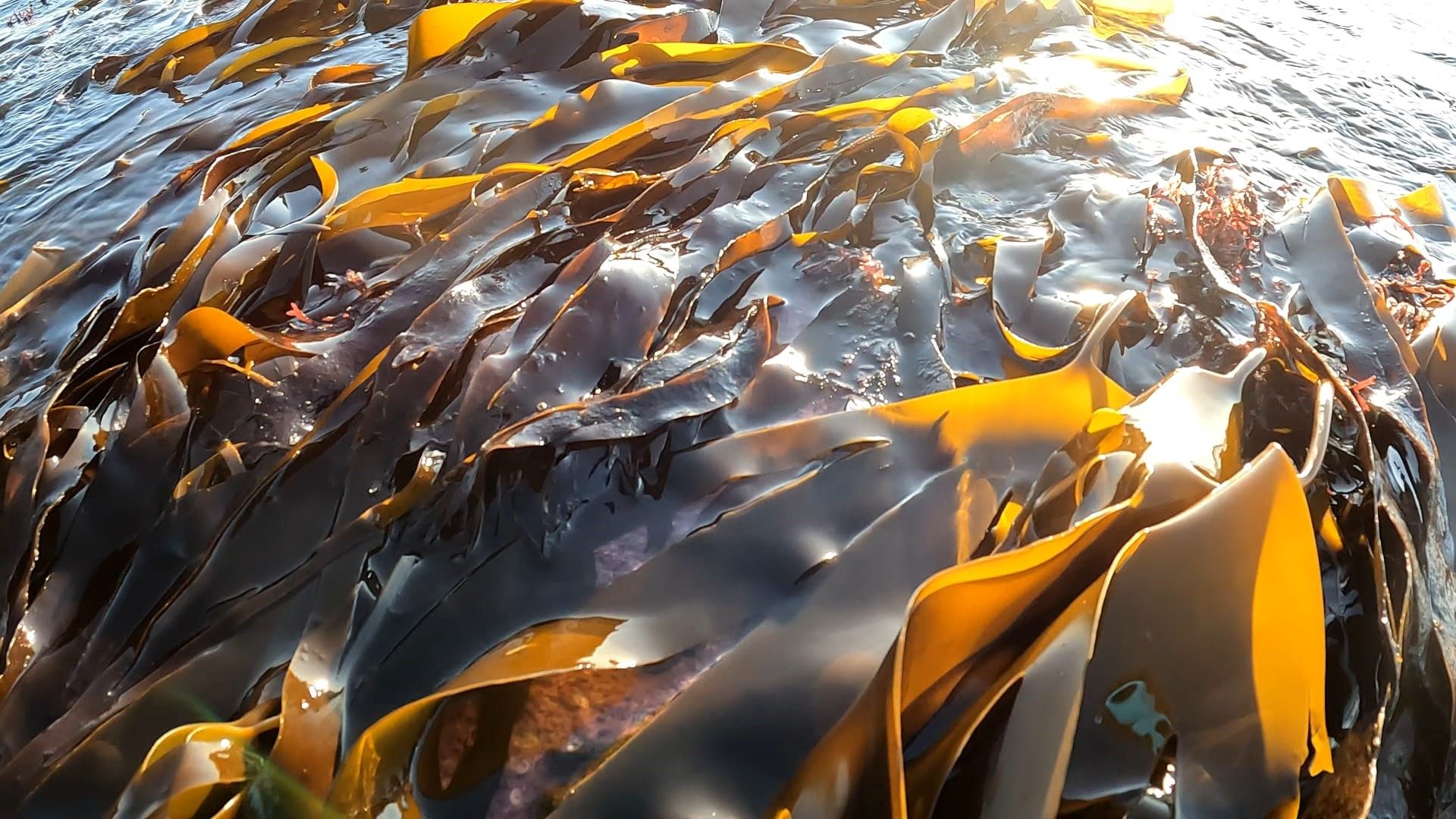
Off the coast of Sussex something amazing is happening. Two years ago the pioneering Sussex Nearshore Trawling Byelaw came into place, pushing bottom-towed trawling 4km off the West Sussex Coast. The changes are now starting to happen.
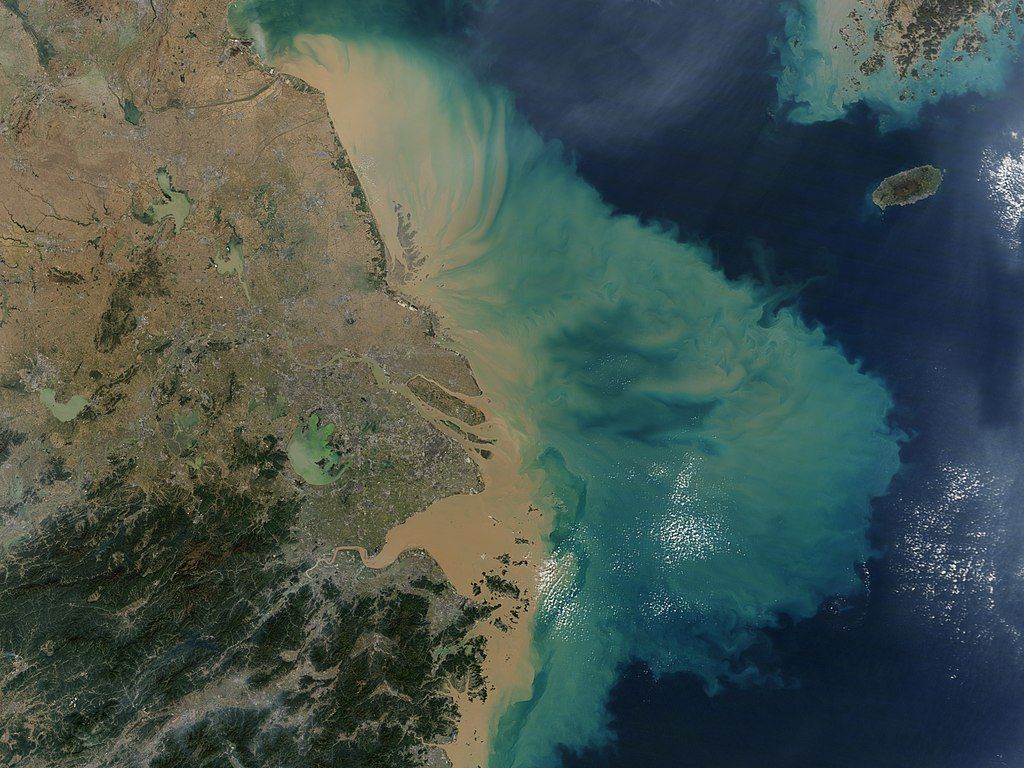
The interface between land and sea is particularly important for marine conservation, going back to the idea of connectivity being central to all of our efforts. While it may not be the first thing that springs to mind when we talk about pollution, sediment is a real problem for our marine habitats.