News
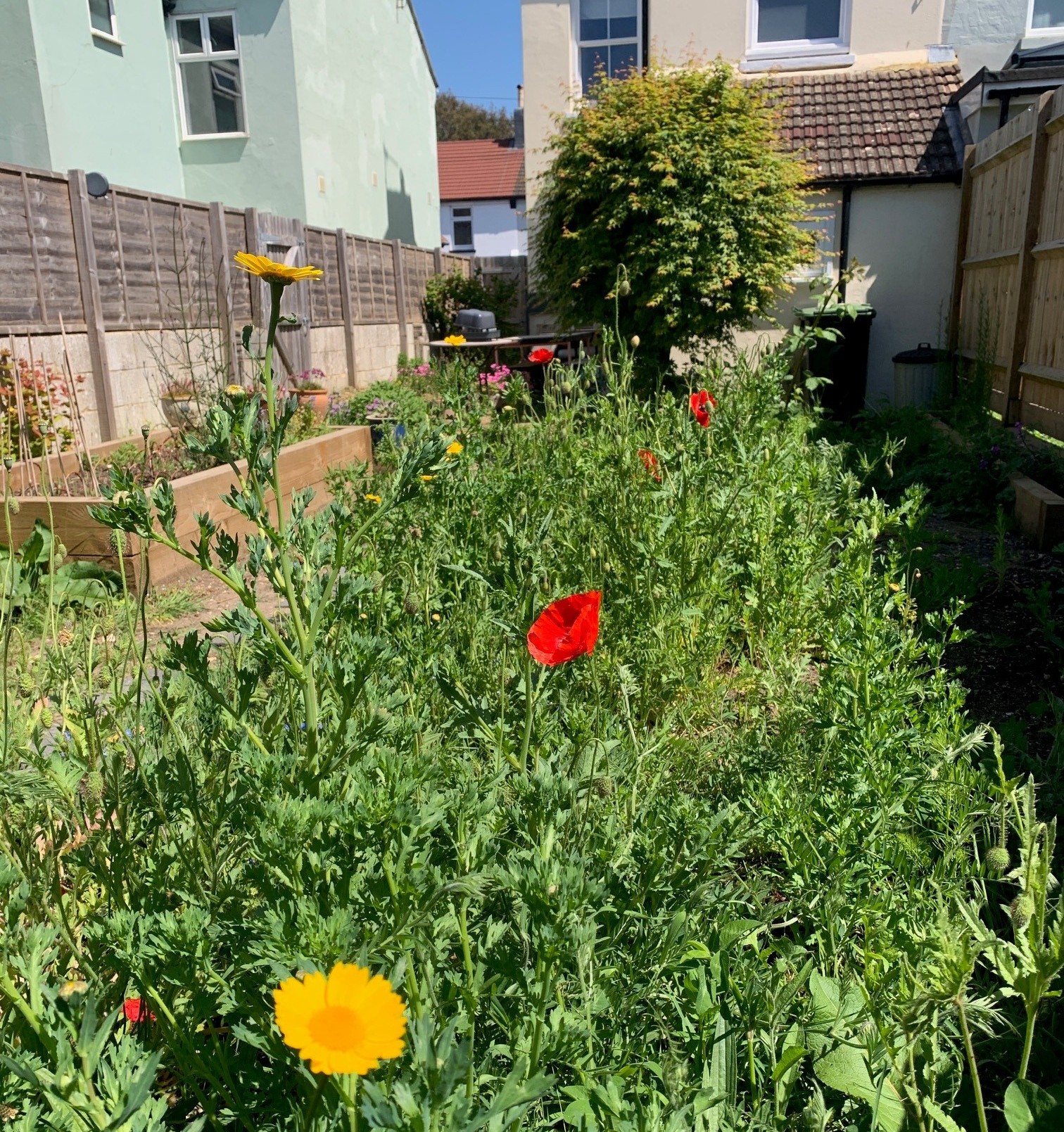


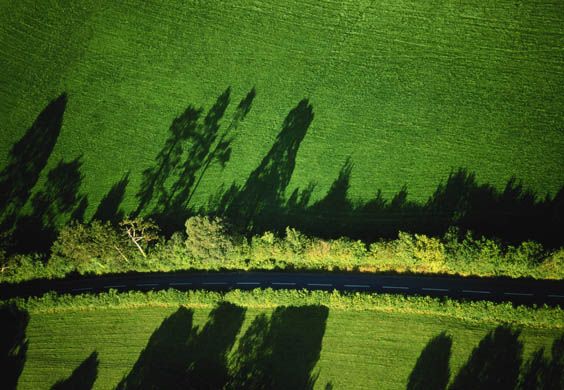
Hedgerows not only provide individual benefits on the lands where they exist but also serve as vital ecological corridors across landscapes, connecting biodiverse areas in a linear fashion. In Sussex, they are integral components of the larger Weald to Waves corridor, creating essential links between habitats and allowing species to move and disperse across a fragmented landscape. By enhancing hedgerow connectivity, we bolster the resilience and continuity of local ecosystems.
Did you catch Alex talking about Weald to Waves at the recent Webinars for the Local Nature Recovery Strategy?
The introduction of Local Nature Recovery Strategies (LNRS) represents a transformative approach to conservation in England. Find out how Weald to Waves is involved in this work.
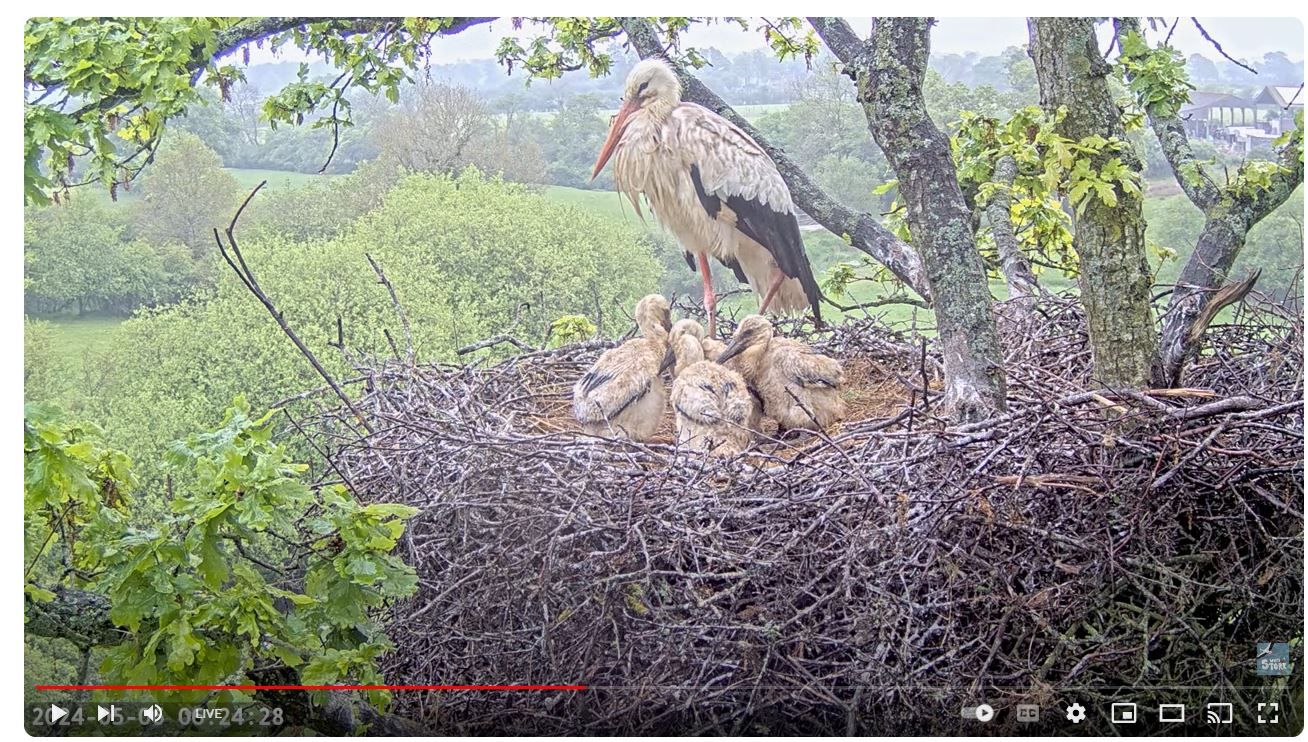
Have you seen the live webcam from the White Stork Project? Tune in to see what is happening on one of the colony’s nests.
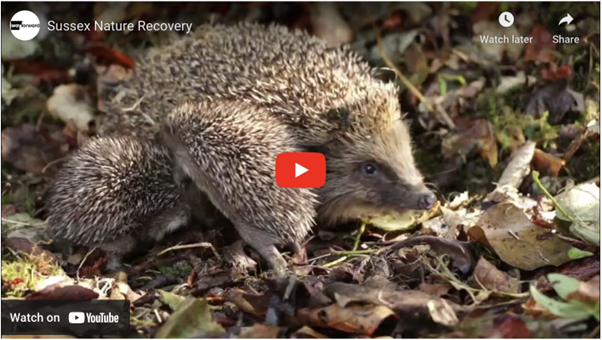
Have you heard about the Local Nature Recovery Strategies? Find out more about ways to get involved with planning for nature recovery across Sussex.
One of the most important issues affecting our landscape is the interlink between nature and farming. How can we achieve sustainable food production and boost biodiversity? Lydia Baxter, Sussex Wildlife Trust’s Wilder Ouse Project Officer, tells us more about how the project works to support nature and farming.
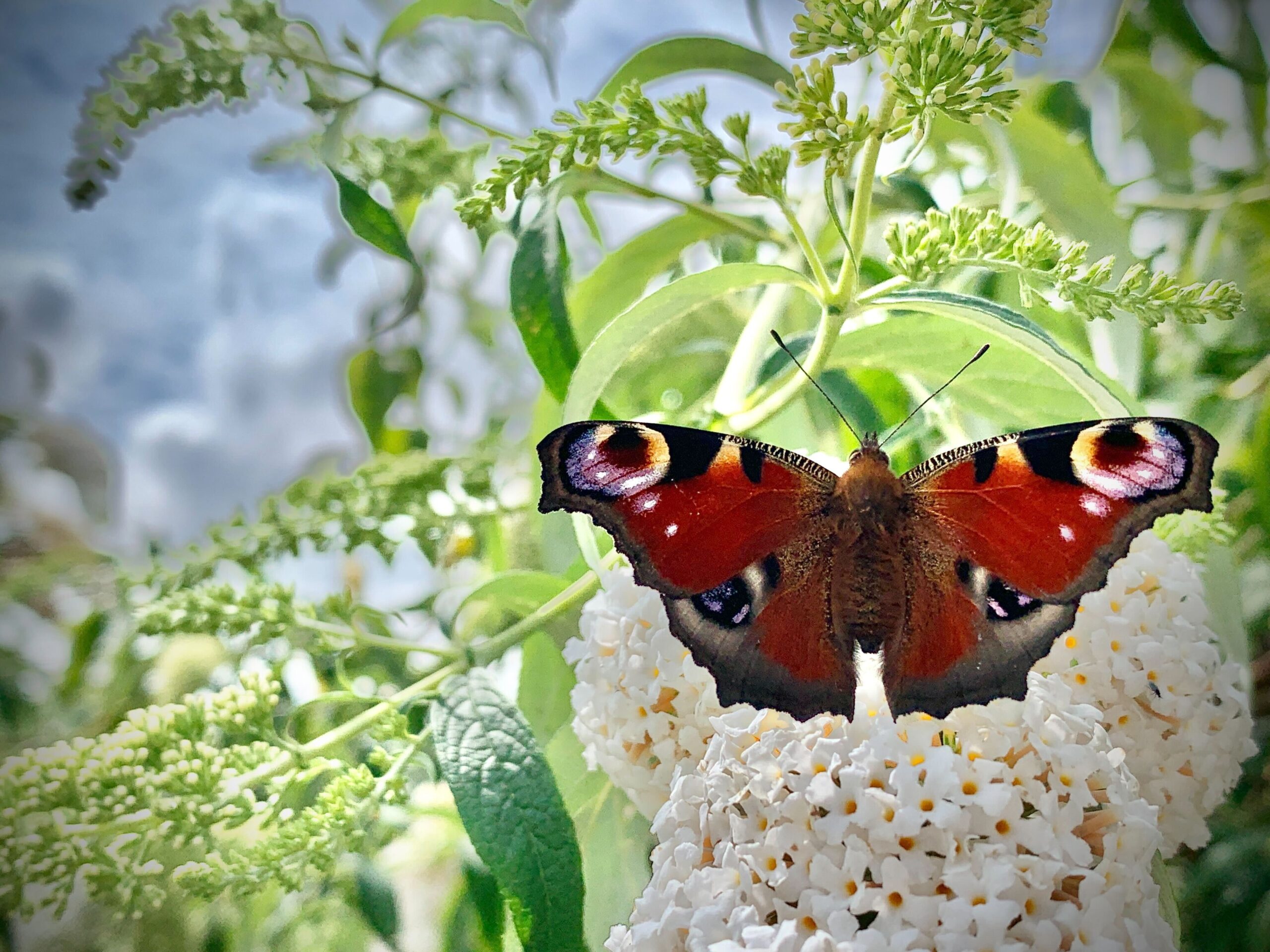
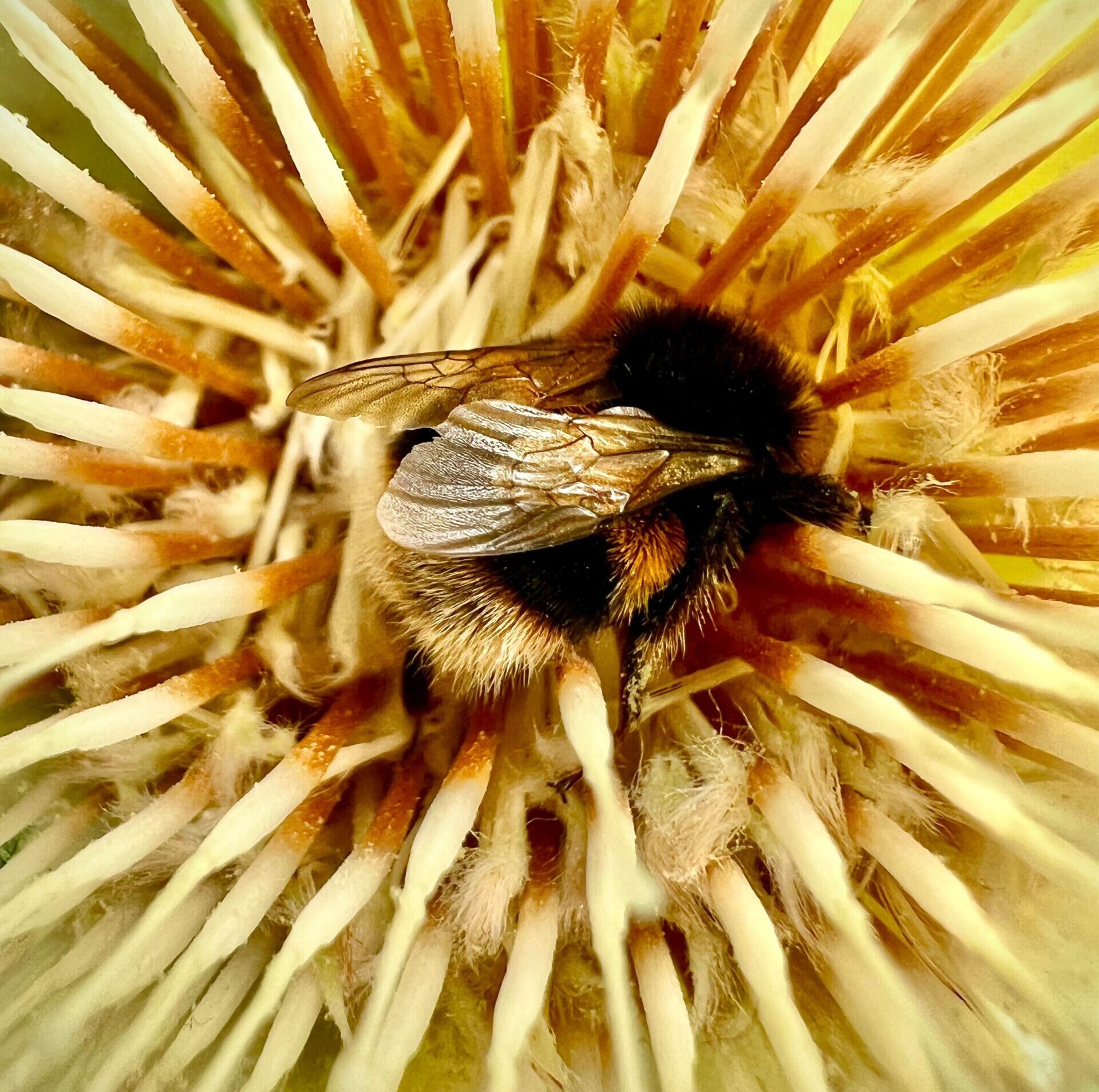
Pollinating insects play an essential role in maintaining the health of our ecosystems. Here’s how you can contribute to supporting these vital members of our ecological community by developing habitats that attract and sustain them.
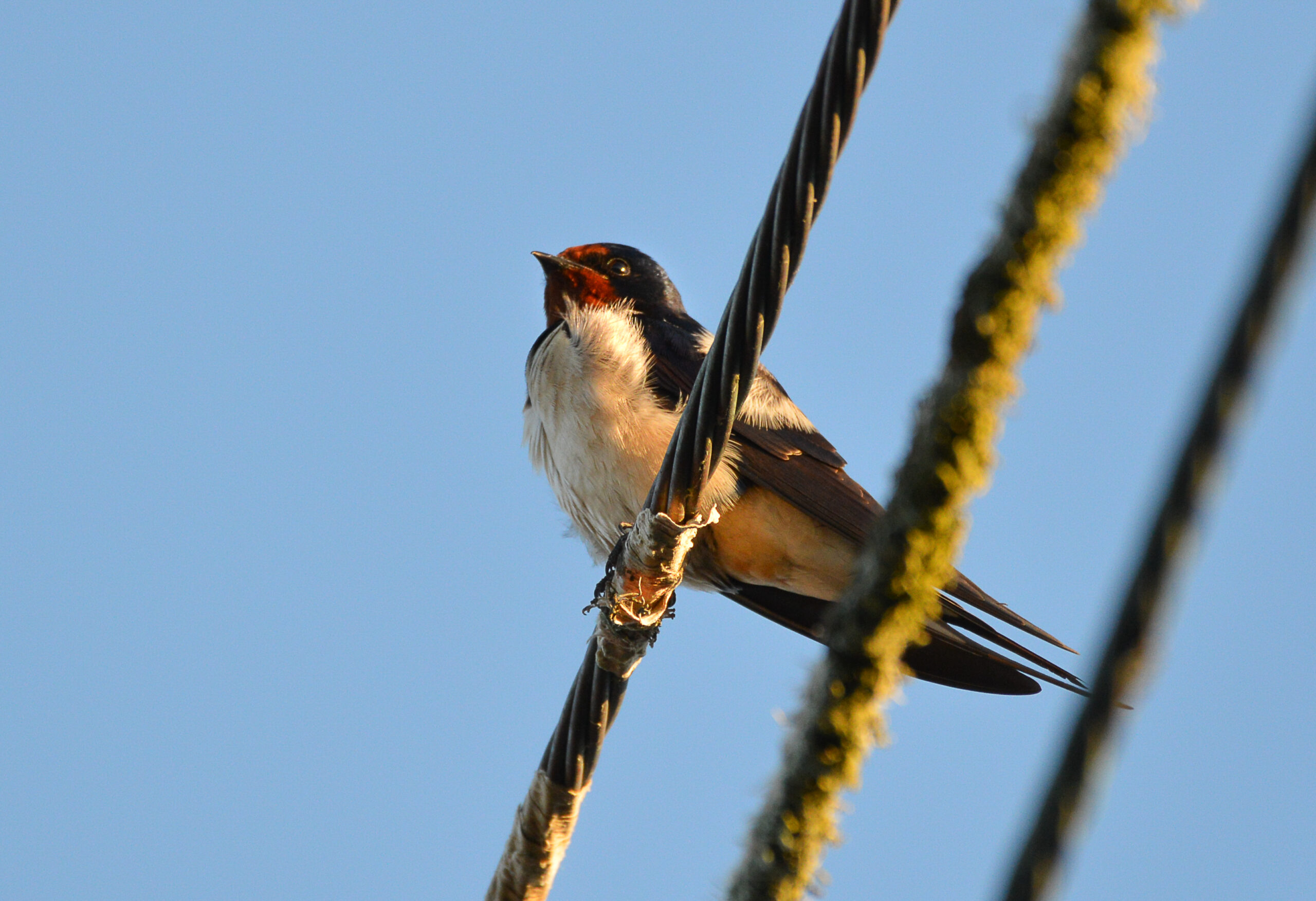
Have you seen your first swift this year? Matt Phelps updates us on the incredible migration patterns of the bird species appearing across Sussex.
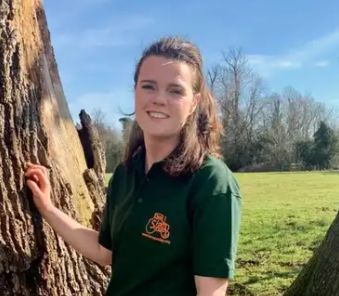
We are thrilled to announce that Molly Biddell has joined the W2W team as a key advisor on Nature Based Solutions across farms and landholdings within the corridor.
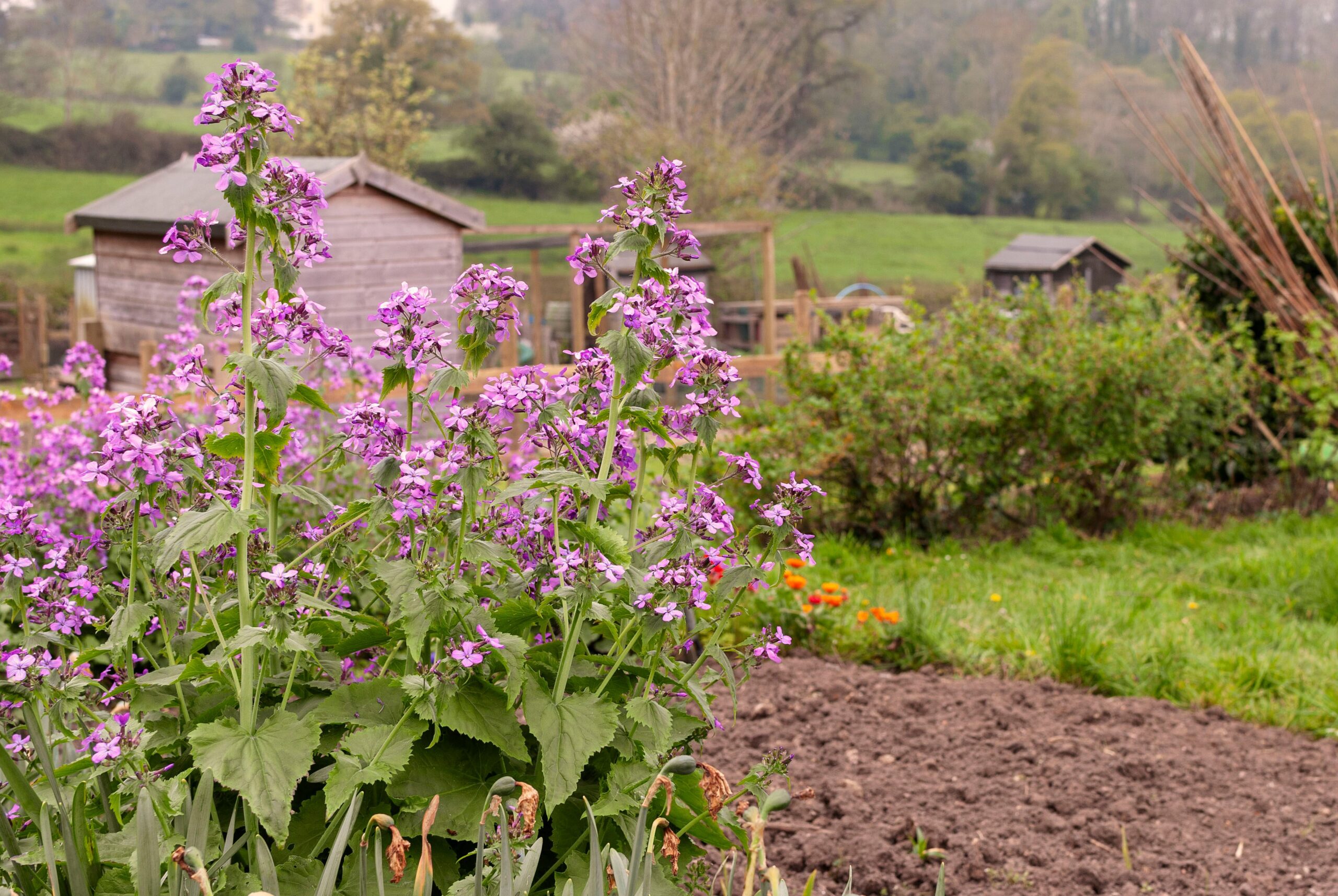
In Sussex, the allotment tradition continues to thrive, not just for recreation and food production, but important urban spaces for nature.
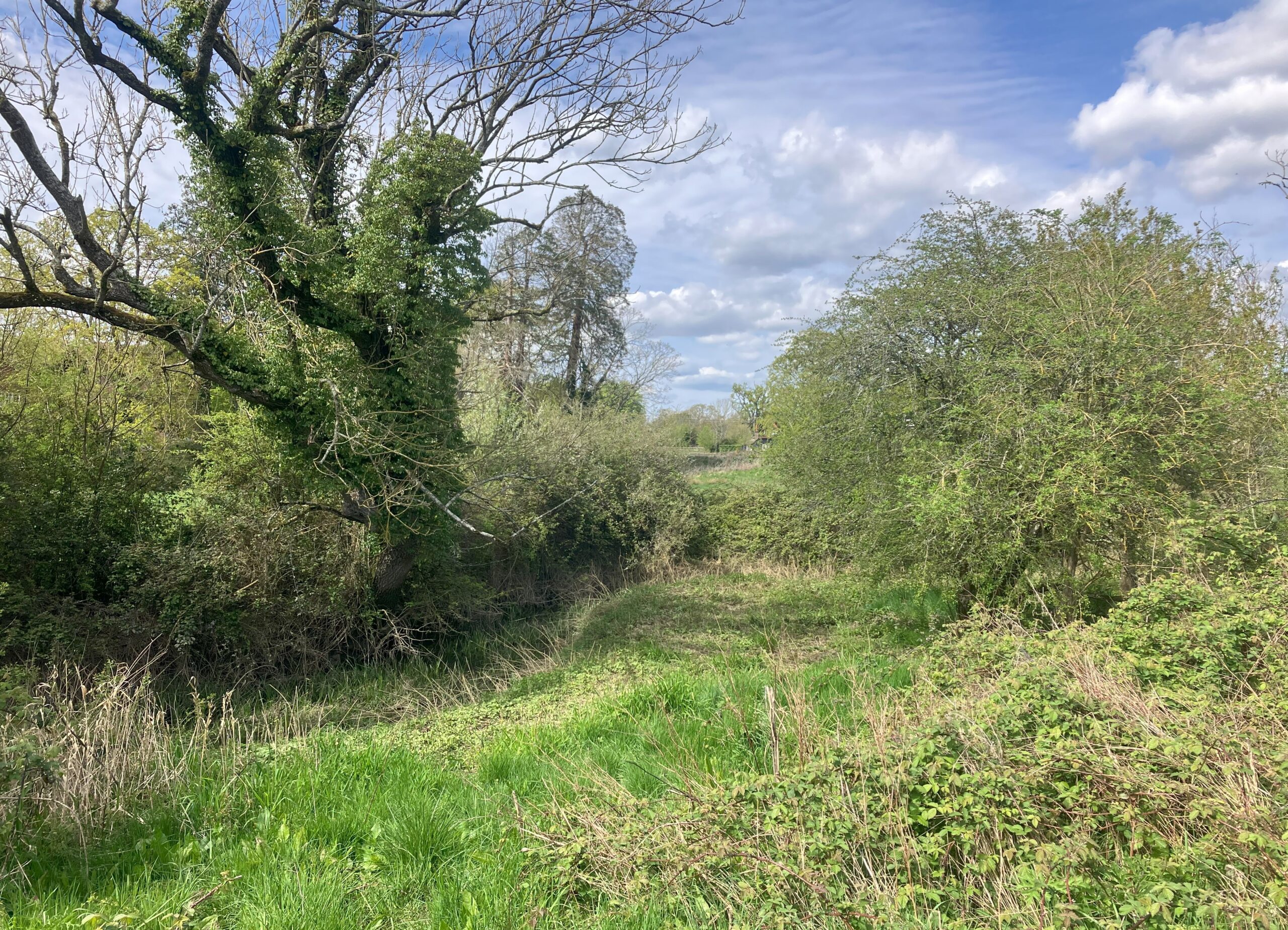
The Scrubland Superheroes project is in full swing, creating “stepping stones” of scrub habitat along the corridor. Project Officer Rachel Bicker lets us listen in on her work monitoring birdsong at one of her target sites.
Shoresearch is The Wildlife Trusts’ national citizen science survey of the intertidal shore. Find out how to get involved.