News
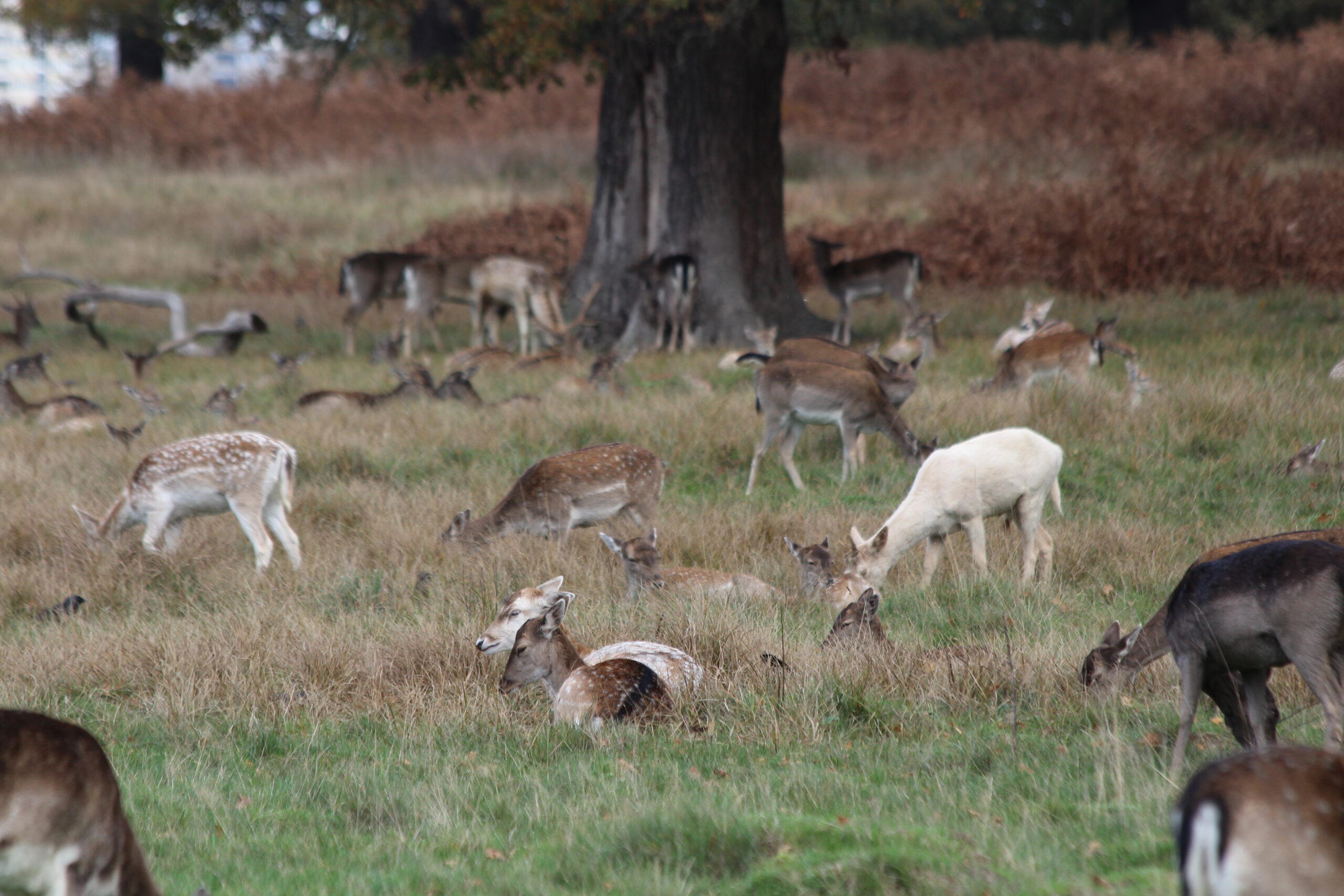
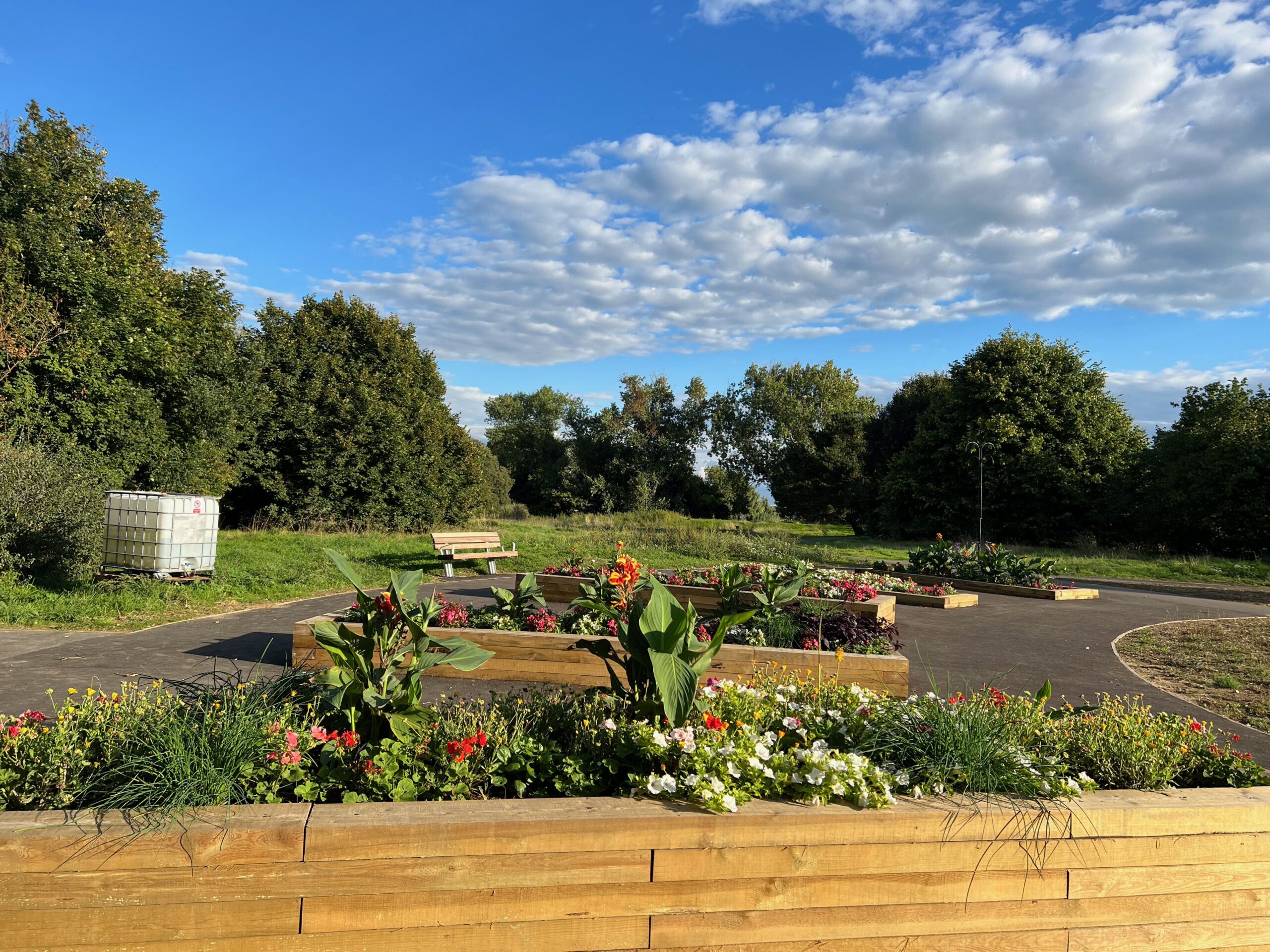
Parks are an important part of both our childhoods and our landscapes. We take a trip down memory lane to see progress at Brooklands Park.
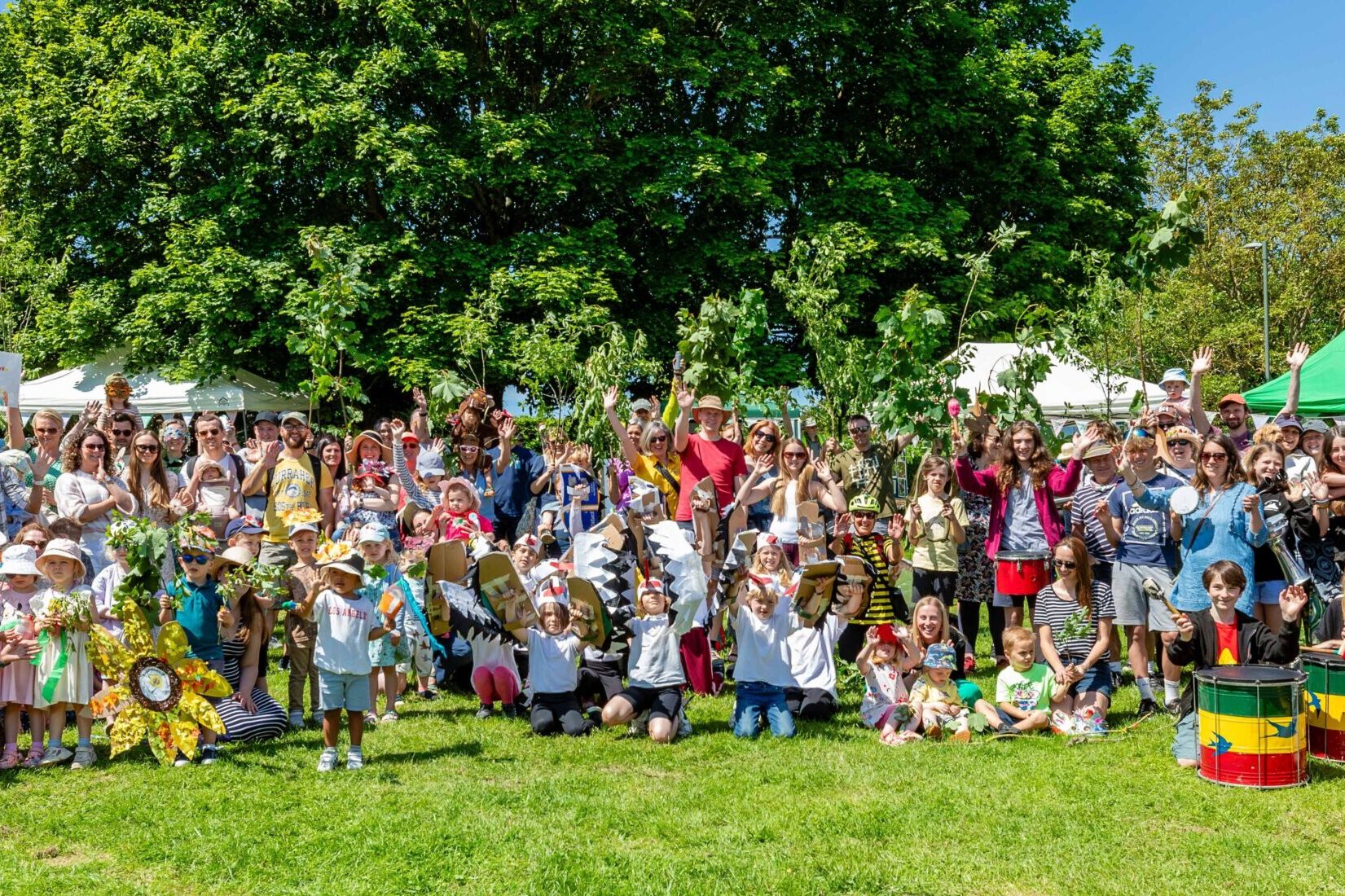
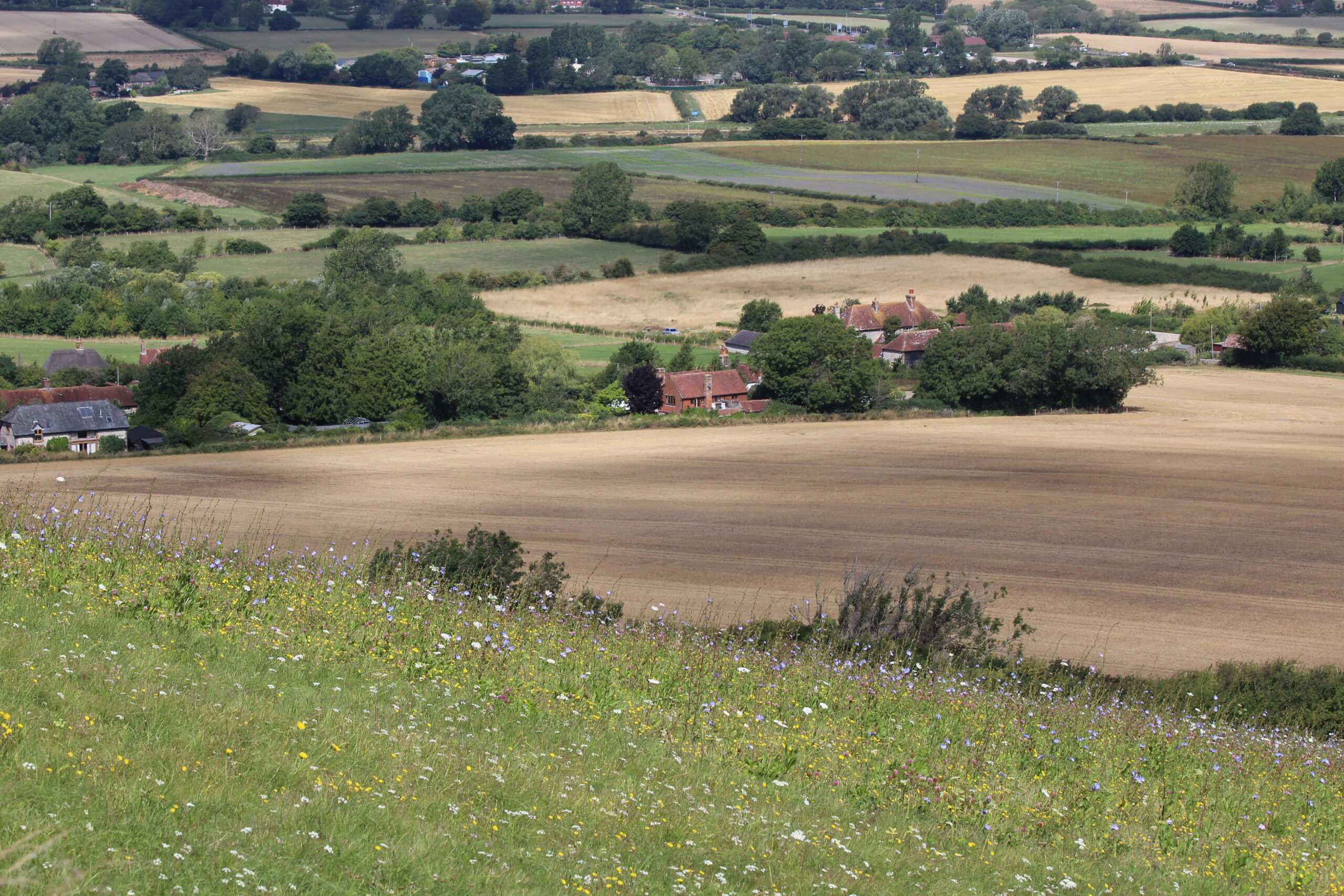
Read more about Greening Steyning and their work this summer to celebrate Wildlife Corridors as part of their Green Day event.
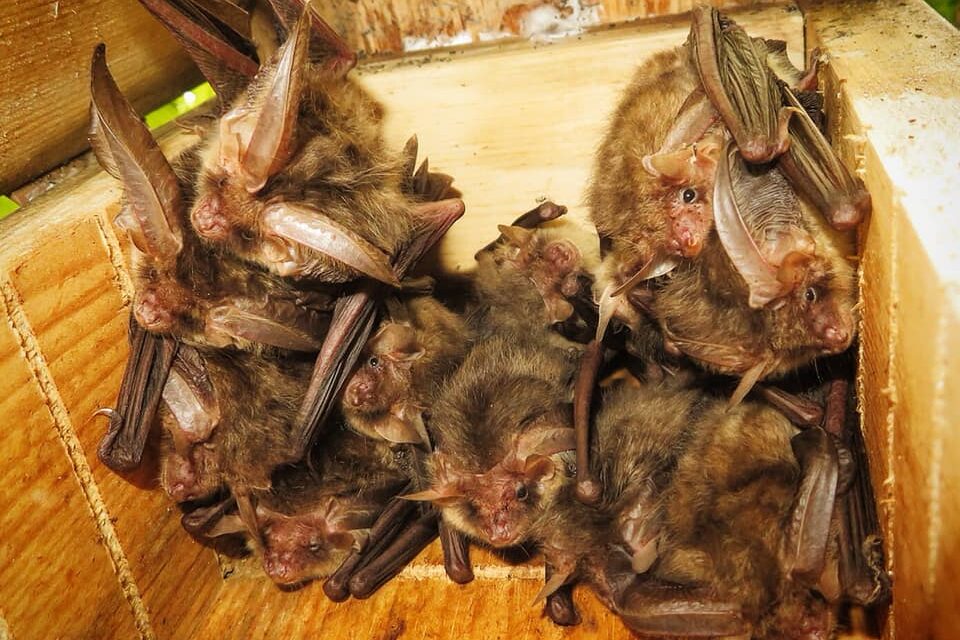
As a species dependant upon good habitat connectivity, bats are particularly important for Weald to Waves. Learn more about bat species in Sussex, and how to help their survival in our own spaces.
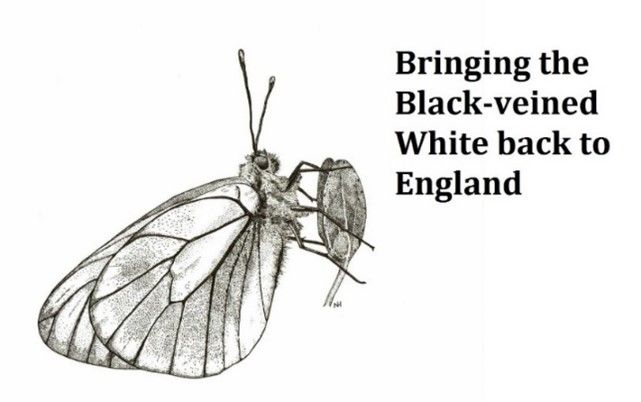
The black-veined white butterfly, with its distinctive black-veined wings and elegant flight, was once a familiar sight in the hedgerows and woodlands of Sussex.
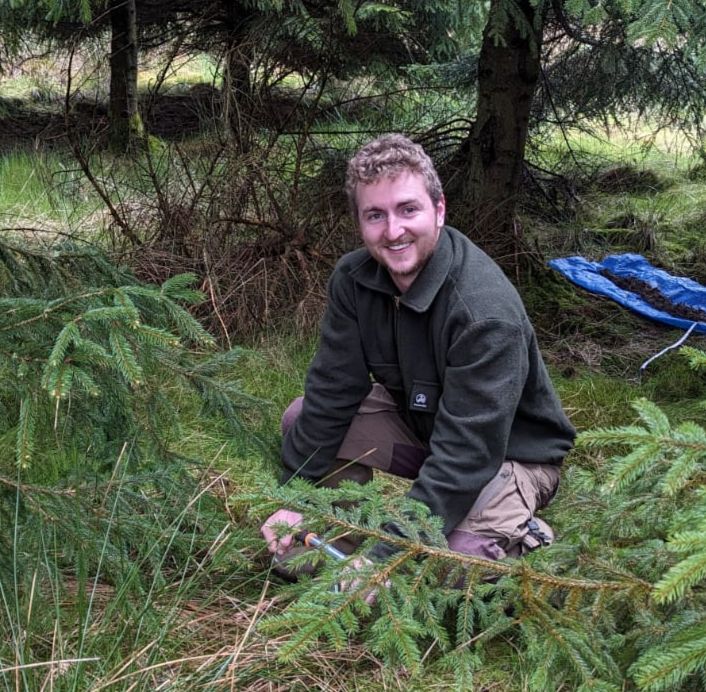
We are pleased to welcome Ryan Ellis as our Landscape Advisor, who has joined the Weald to Waves corridor to develop of network and to find solutions for food production and habitat management that support nature recovery.
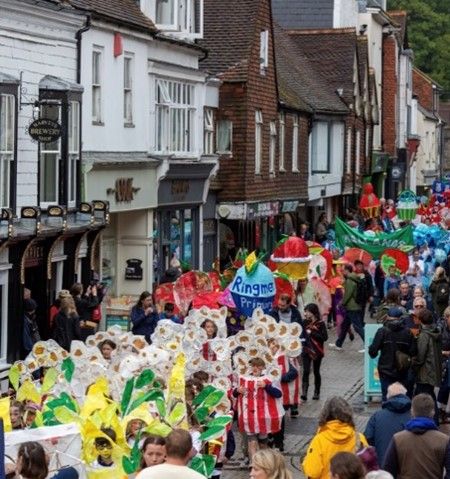
PATINA (Parents & Teachers In the Arts) is a charity created at the turn of the millennium to give young people in the Lewes District the opportunity to experience and enjoy art, work directly with professional artists and gain a sense of belonging and community through the arts. Their recent “Moving On Parade” focussed on “Welcome To Our Table”, celebrating local food and all the fun of growing, cooking and eating together.
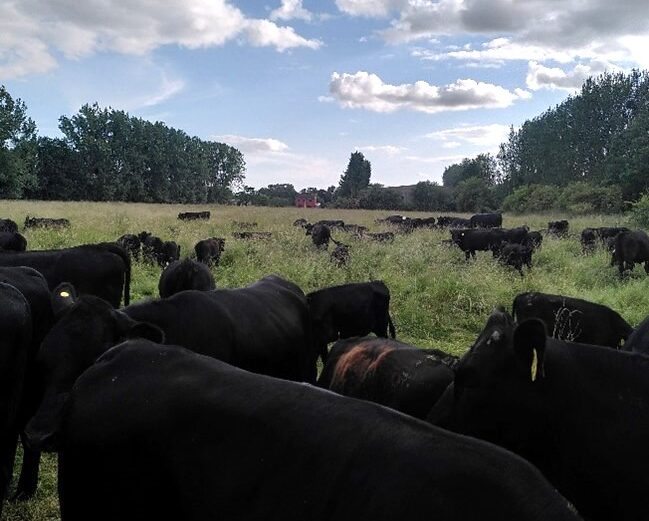
Mob grazing is a technique used by an increasing number of farmers, enabling livestock farming to boost productivity and biodiversity by mimicking natural grazing behaviours.
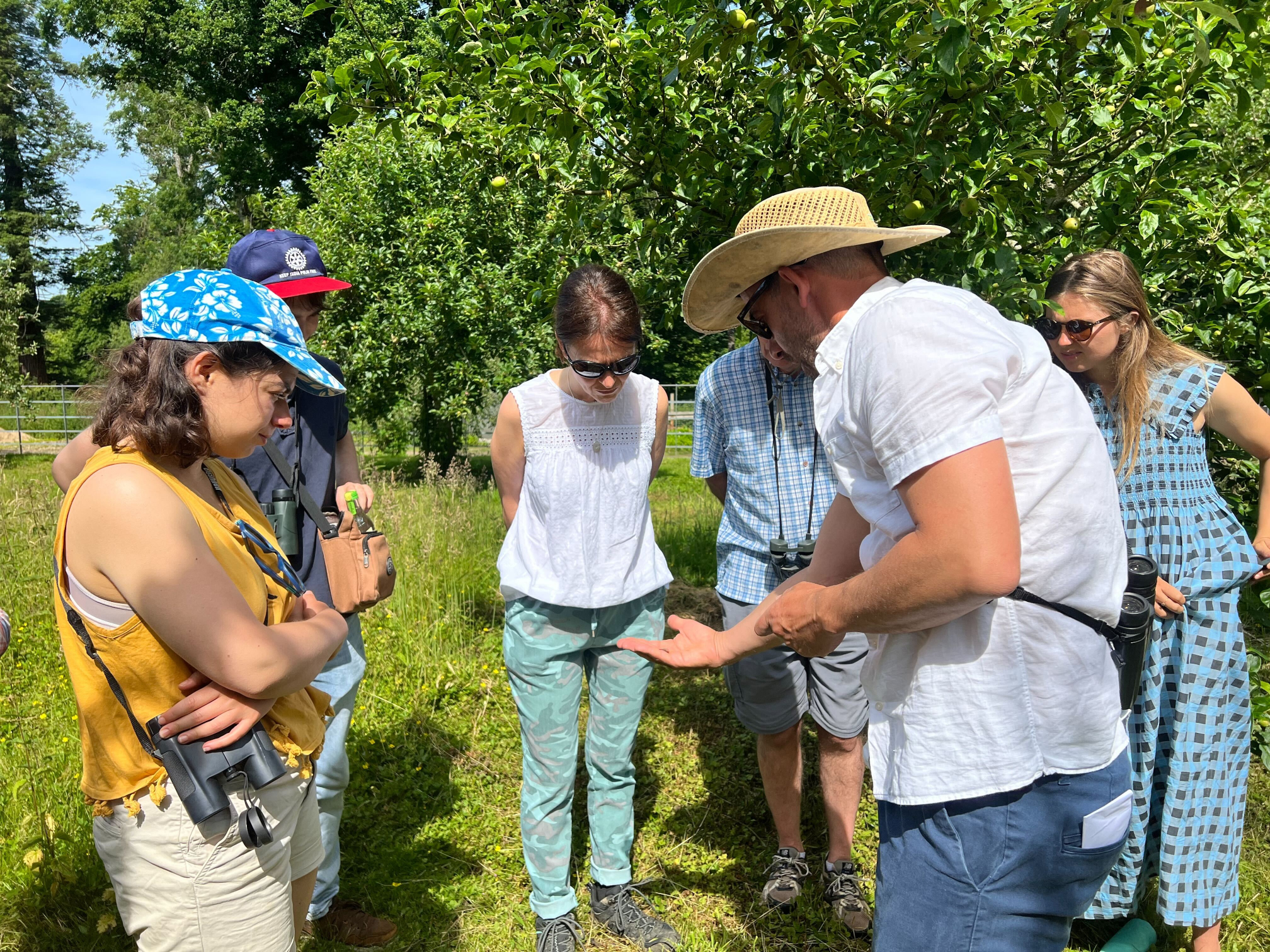
Alongside our work monitoring vital environmental and biodiversity gains, we want to understand how nature recovery across the corridor is benefiting you. How is it making a difference in your lives, and in your communities? We want to hear your experiences.
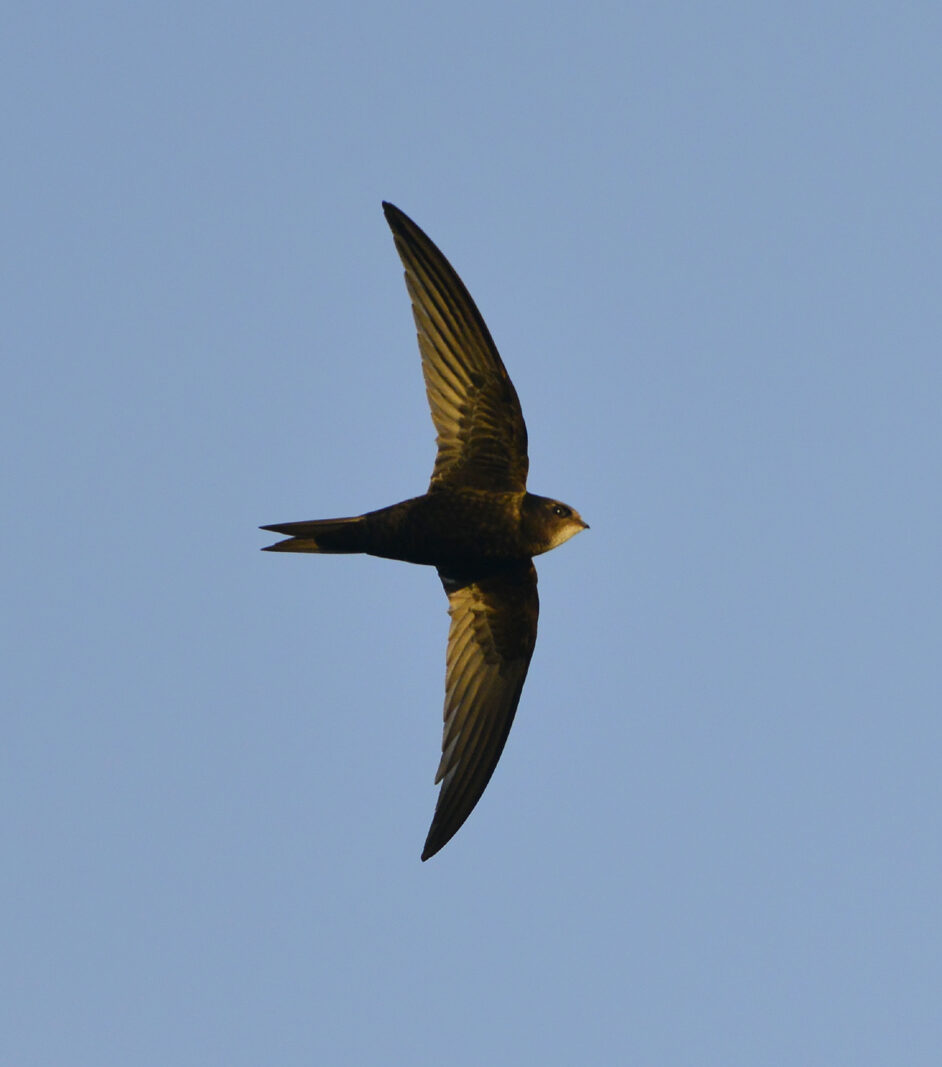
Swifts and House martins have now been red listed in the UK due to a 50% decline in their populations in the last 30 years. Learn how we can again turn our summer skies into a spectacle of these high-speed masters of the air.

Lifelines works with farmers, landowners, and communities across the UK to support them in planting woodland and hedgerows on their land with the help of different faith & non-faith groups from across the country.
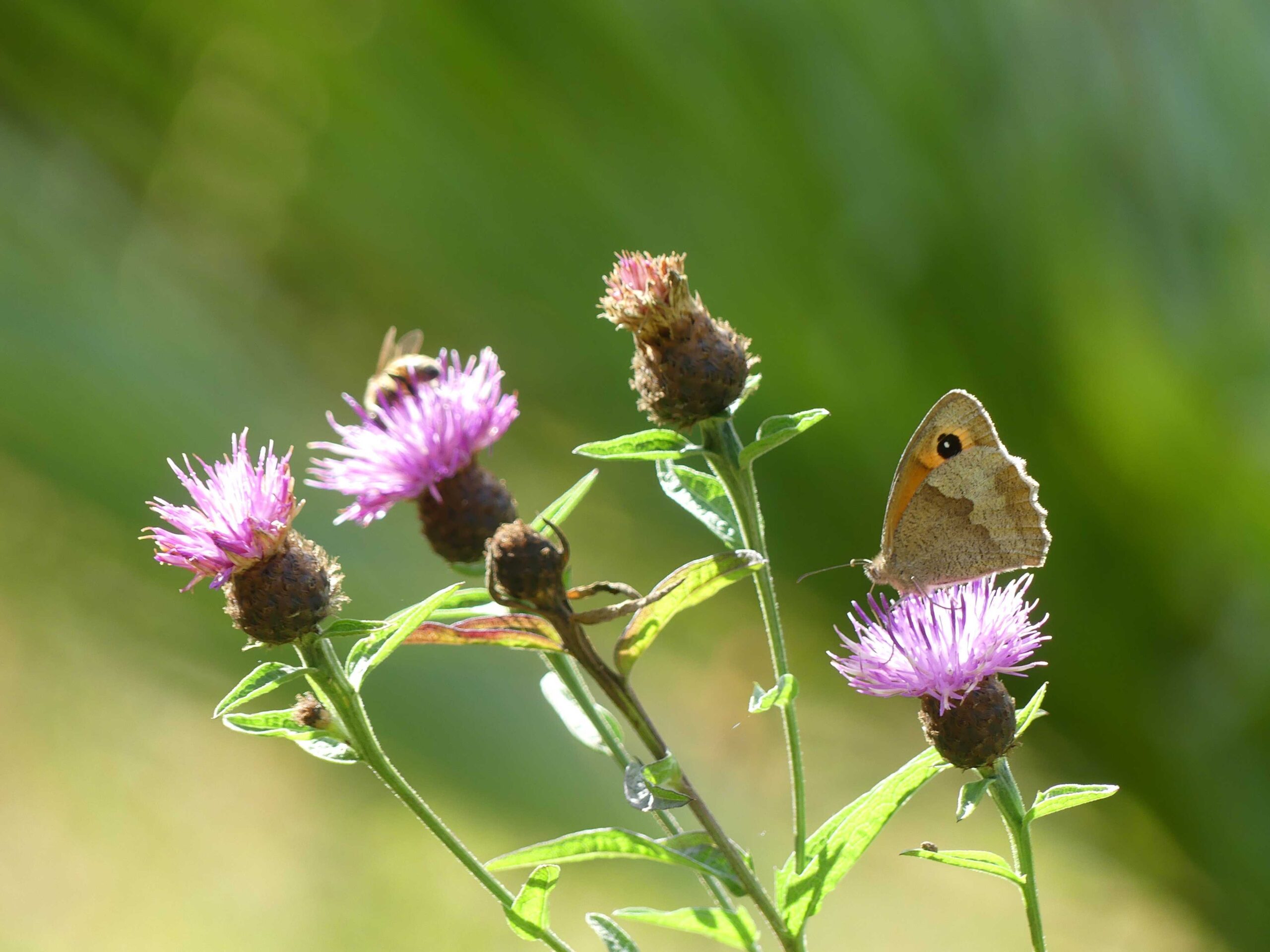
As Gardens & Greenspaces membership grows, it is wonderful to witness how our individual outdoor spaces, whatever their size are increasingly providing us with that much needed closer connection to nature.
If you’re a farmer, community group, organisation or land manager use the voluntary tool to MapYourActions for nature. Whether they are large or small, in progress, implemented or planned, the Sussex LNRS team want to hear about them!