News

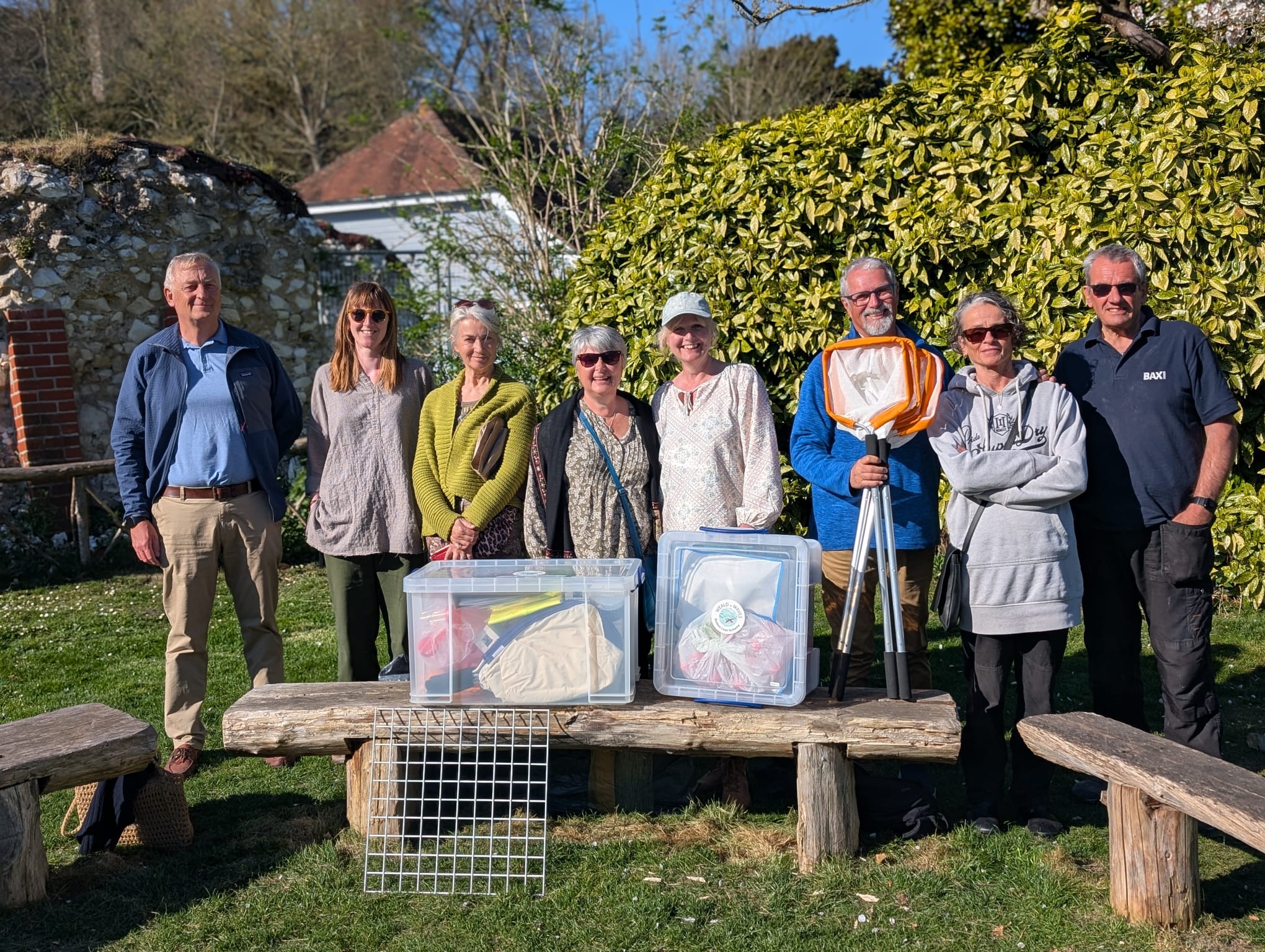
With over 250 species recorded so far, the Weald to Waves BioBoxes are revealing the hidden biodiversity of Sussex and sparking community-led discovery.
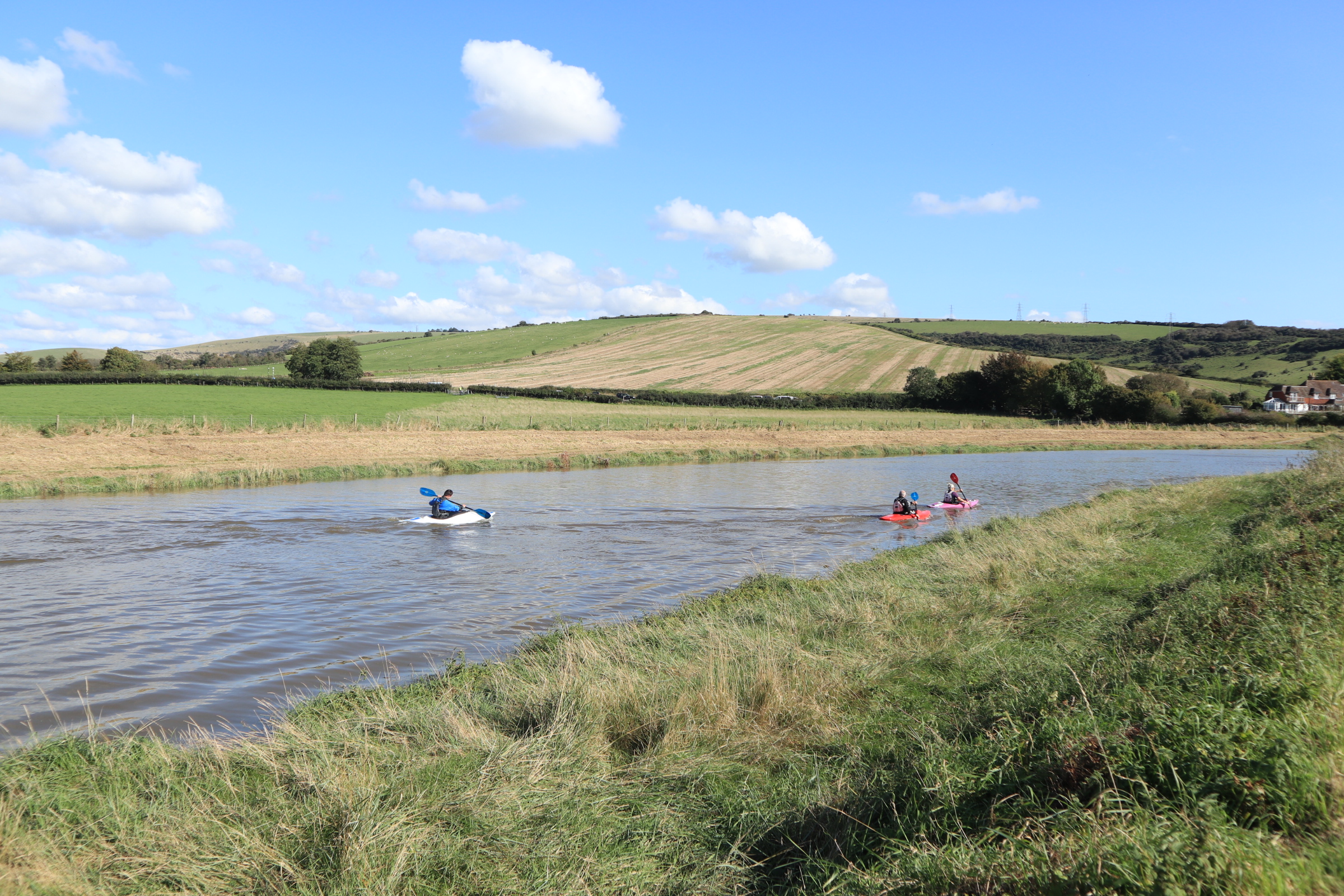
Tides might be about to change for the UK water sector as the Independent Water Commission has released a landmark report directly challenging the status quo
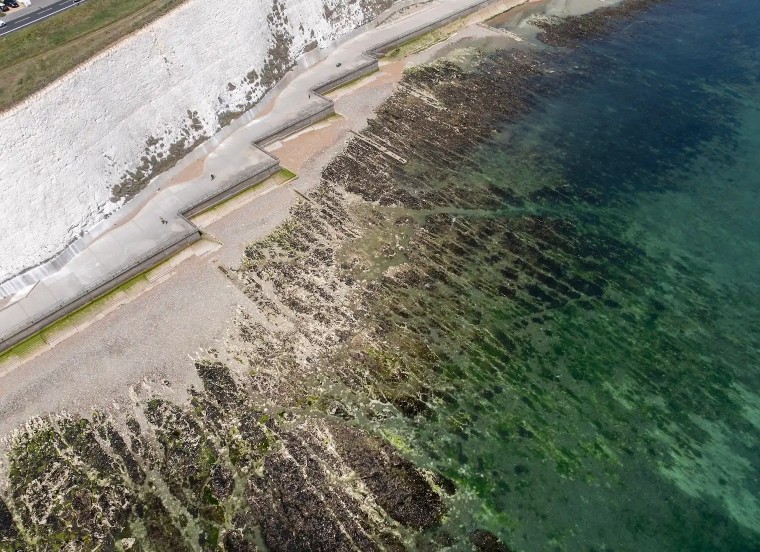
To restore life below the waves, we need to look far upstream. Sussex Bay’s source-to-sea approach connects land, rivers, and ocean to drive true marine recovery.
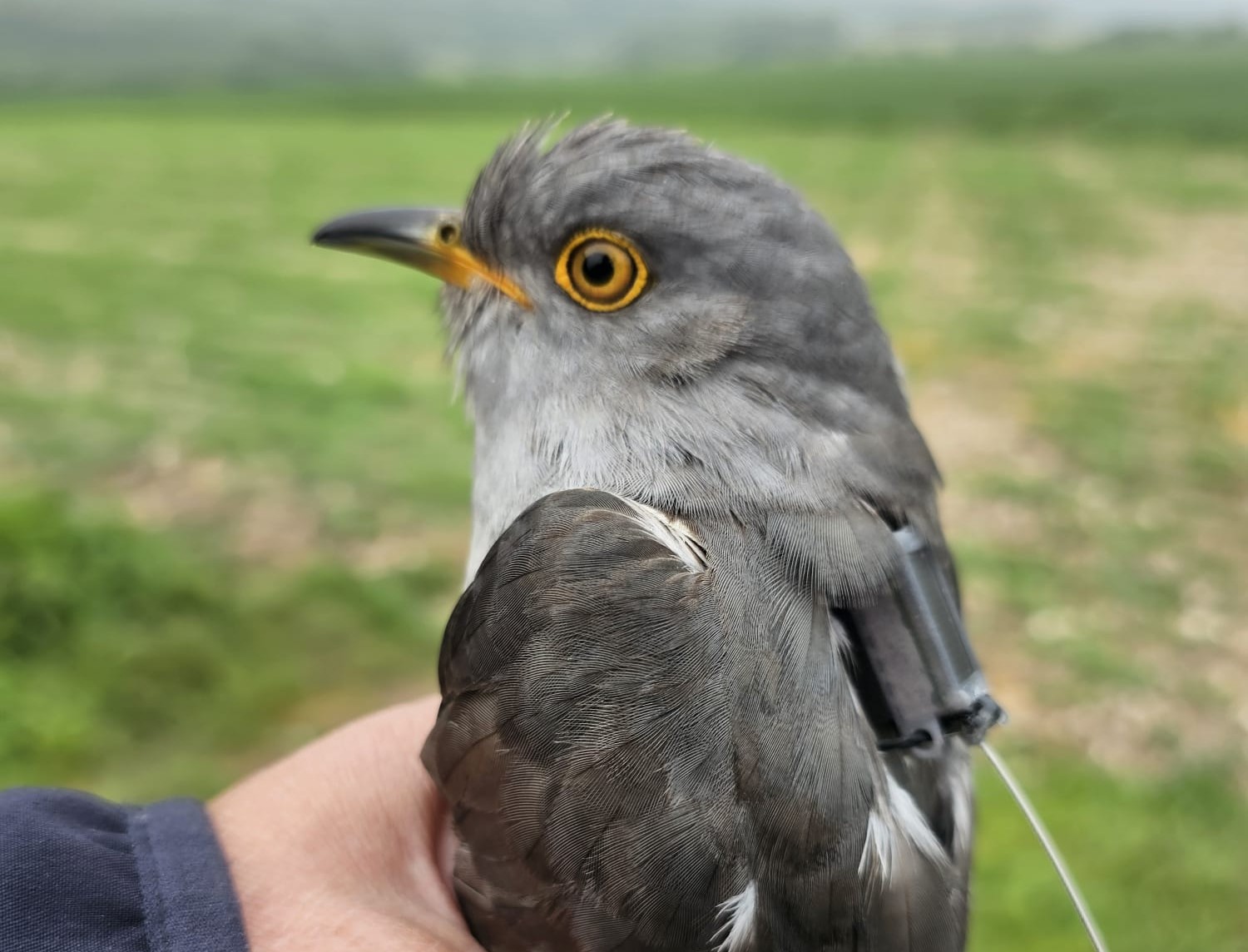
From satellite-tagged cuckoos to rare chalk grassland butterflies, Wiston is buzzing with life. Explore recent nature highlights from across the estate.
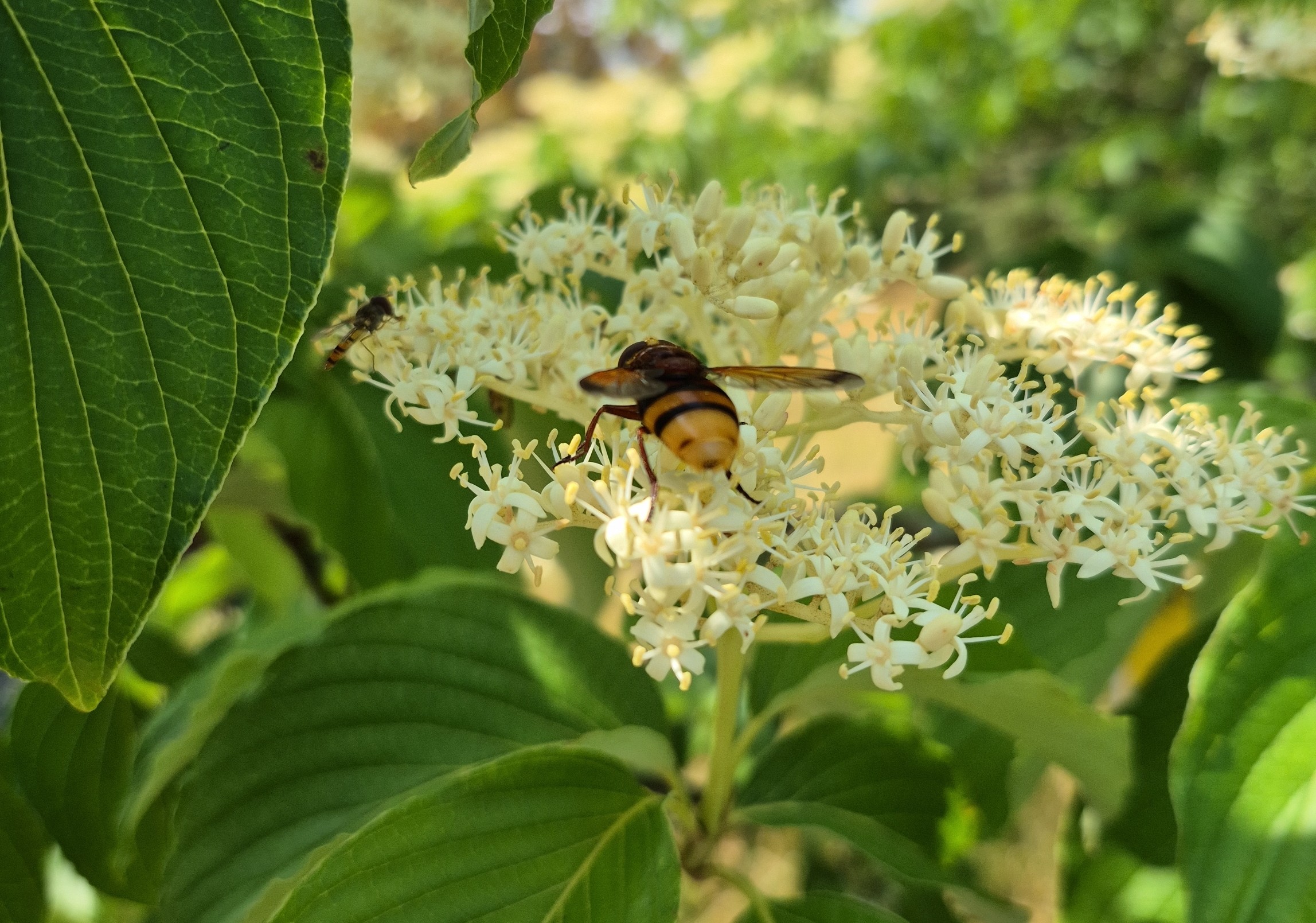
With 97% of wildflower meadows lost in the UK, could trees offer an alternative? Wakehurst is exploring how flowering canopies, with the help of citizen science, can support pollinators.
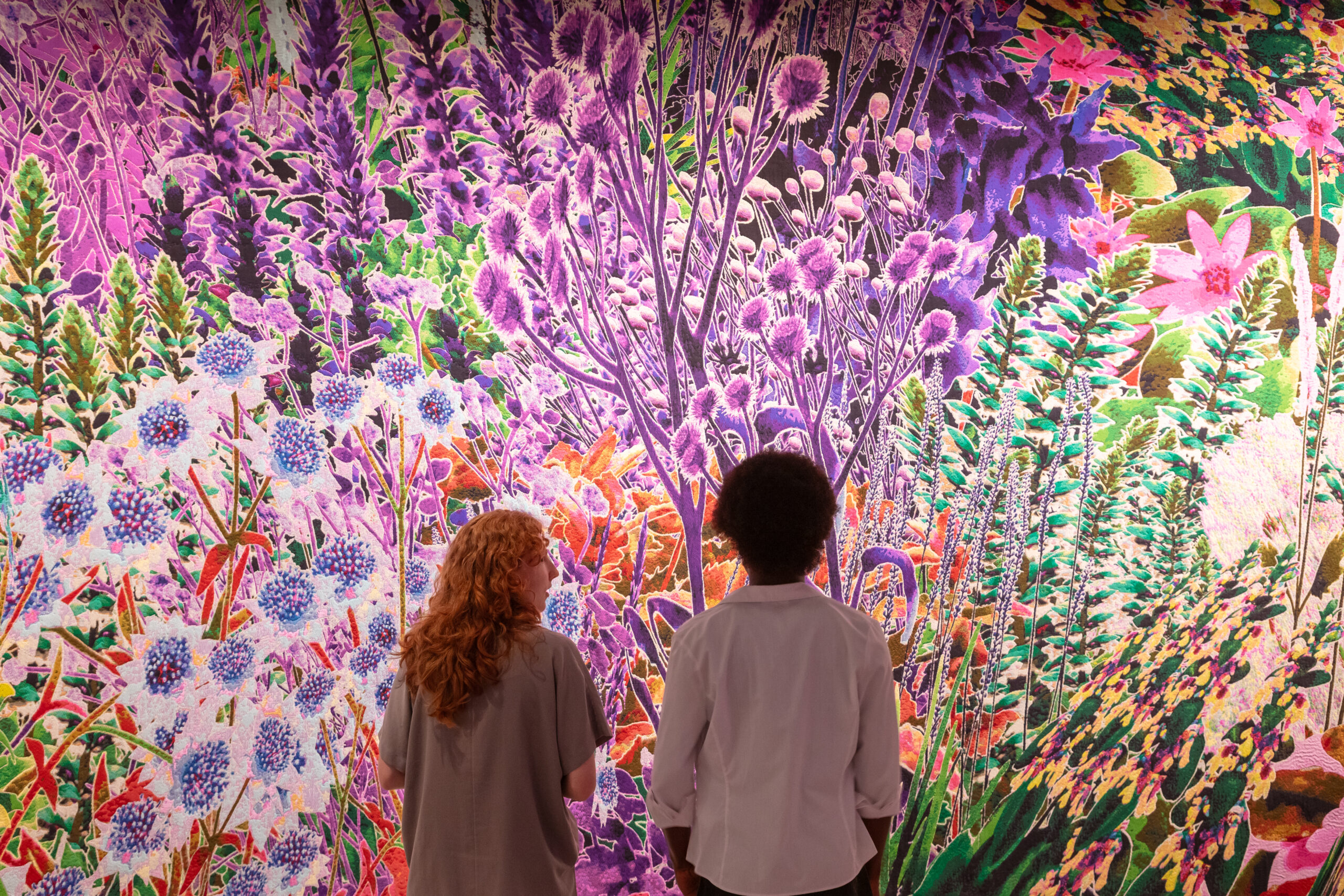
The Design Museum’s More than Human exhibition reimagines design beyond humans, spotlighting projects like Weald to Waves that foster multispecies connections.
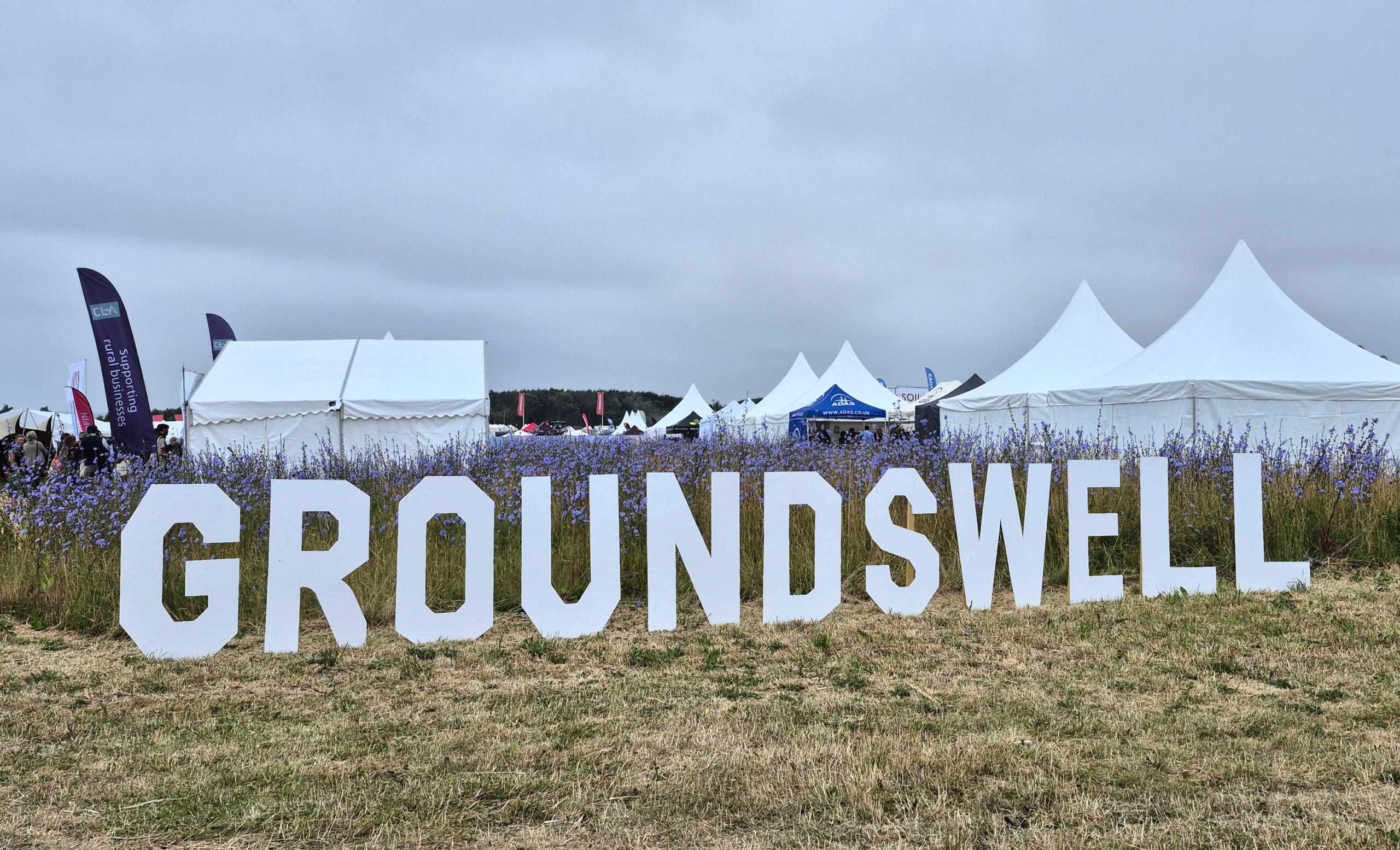
Reflections from Groundswell Regenerative Agricultural Festival 2025: Conversations, connections and the power of shared purpose
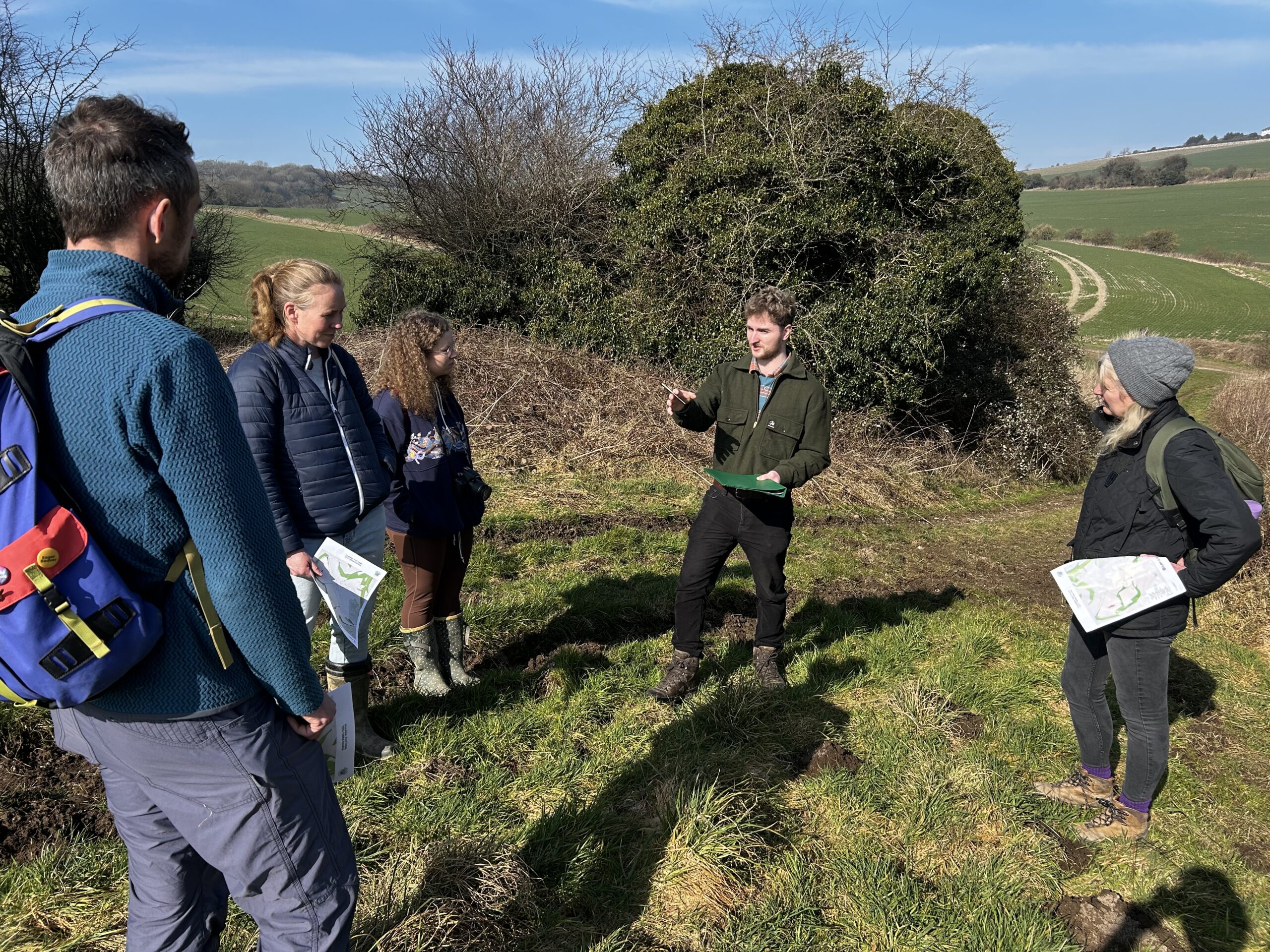
Our free habitat mapping service for land managers in the Weald to Waves corridor offers site visits with advice and mapping to help identify opportunities for nature recovery and improve habitat connectivity across Sussex.
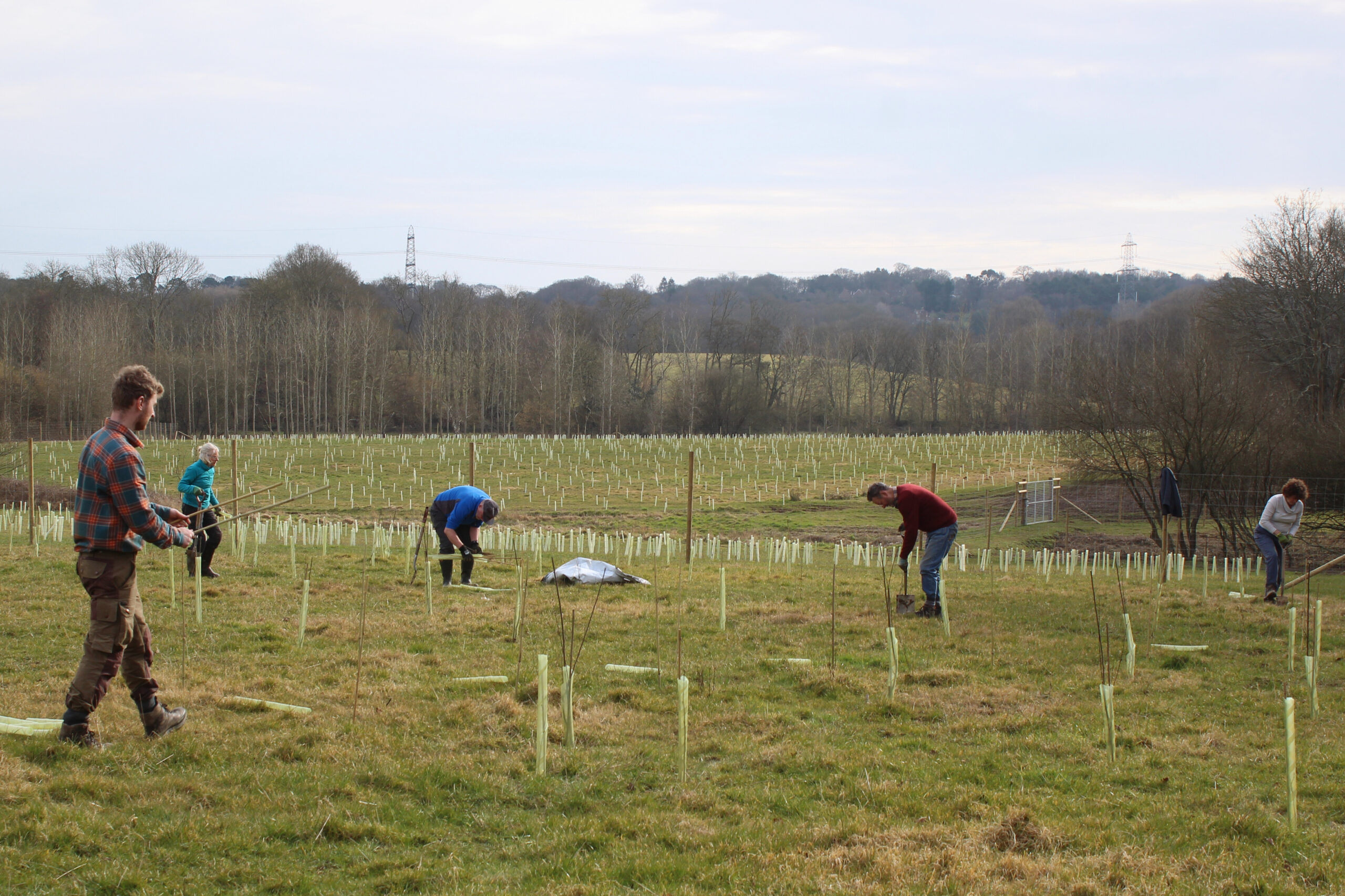
Explore the achievements of the Scrubland Superheroes project, which has worked to revive precious scrubland habitat across the Weald to Waves corridor, improving biodiversity, landscape connectivity, and the resilience of local ecosystems for threatened species.
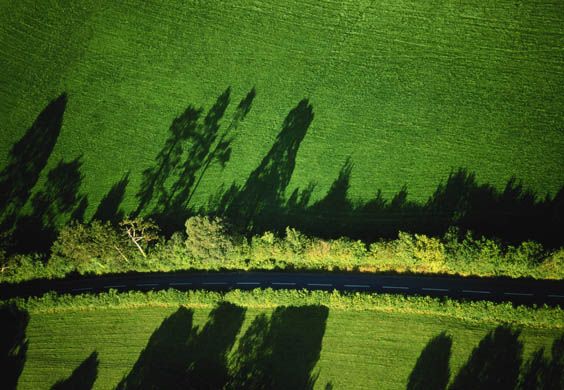
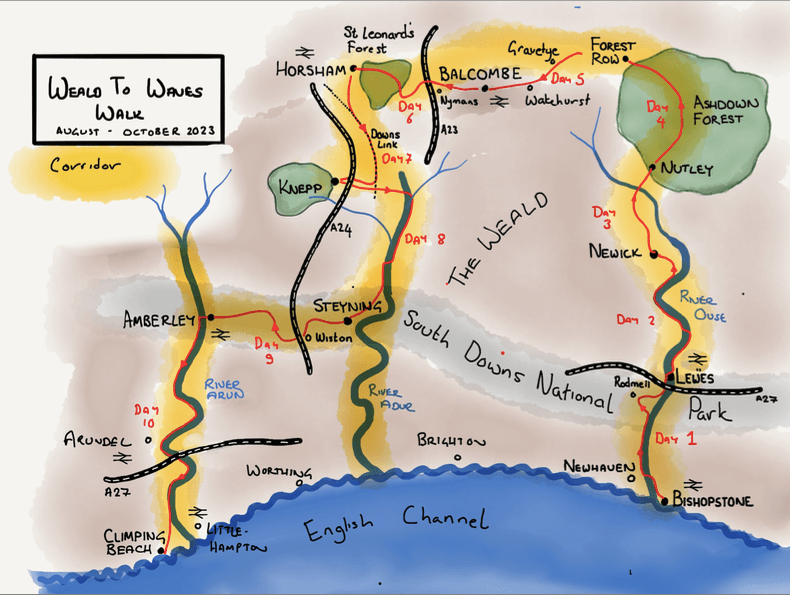
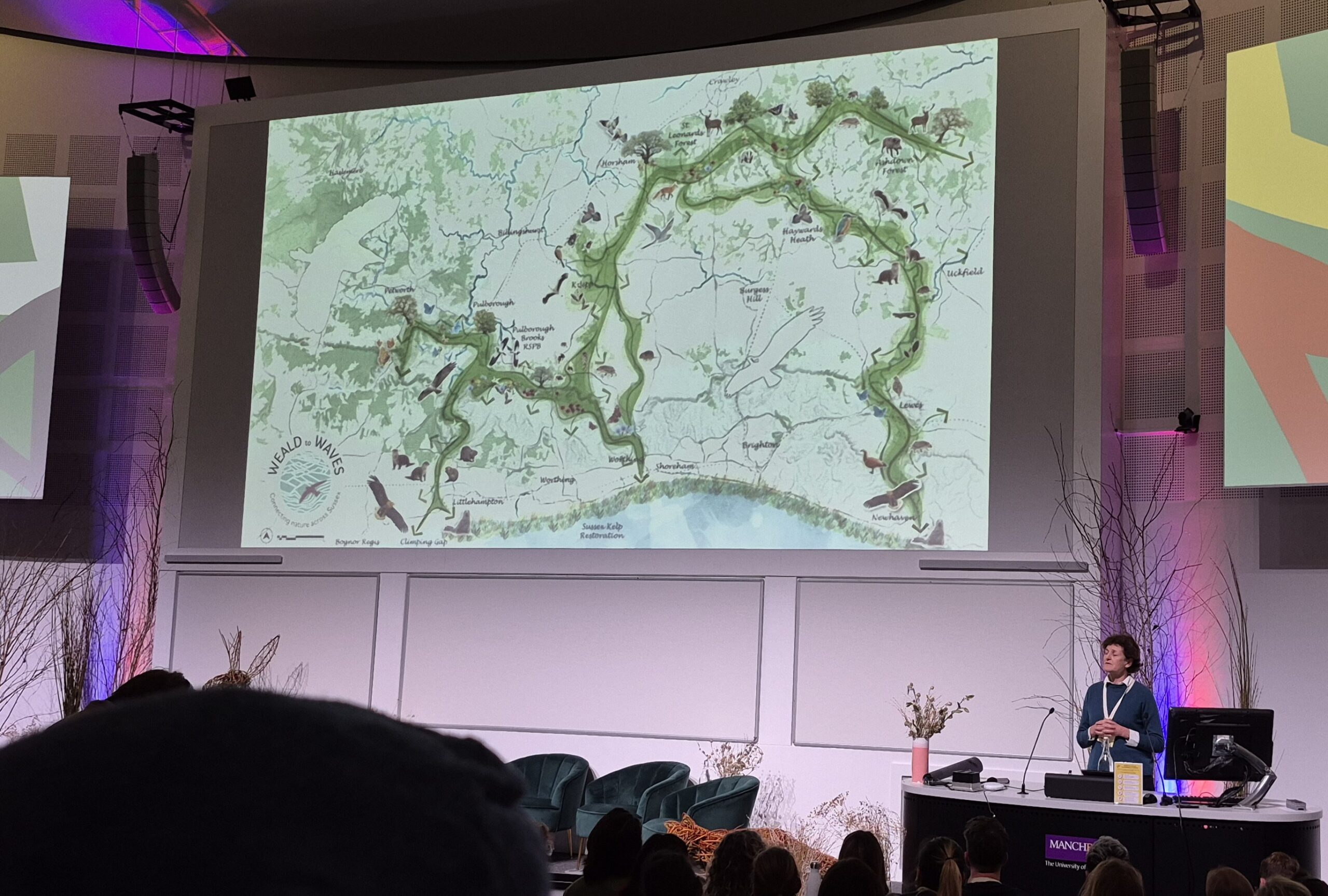
Since the Weald to Waves project was started in 2022 we have had the challenge not only to create a wildlife corridor, but to identify what connectivity means on the ground. Find out more about what our exciting research is revealing…
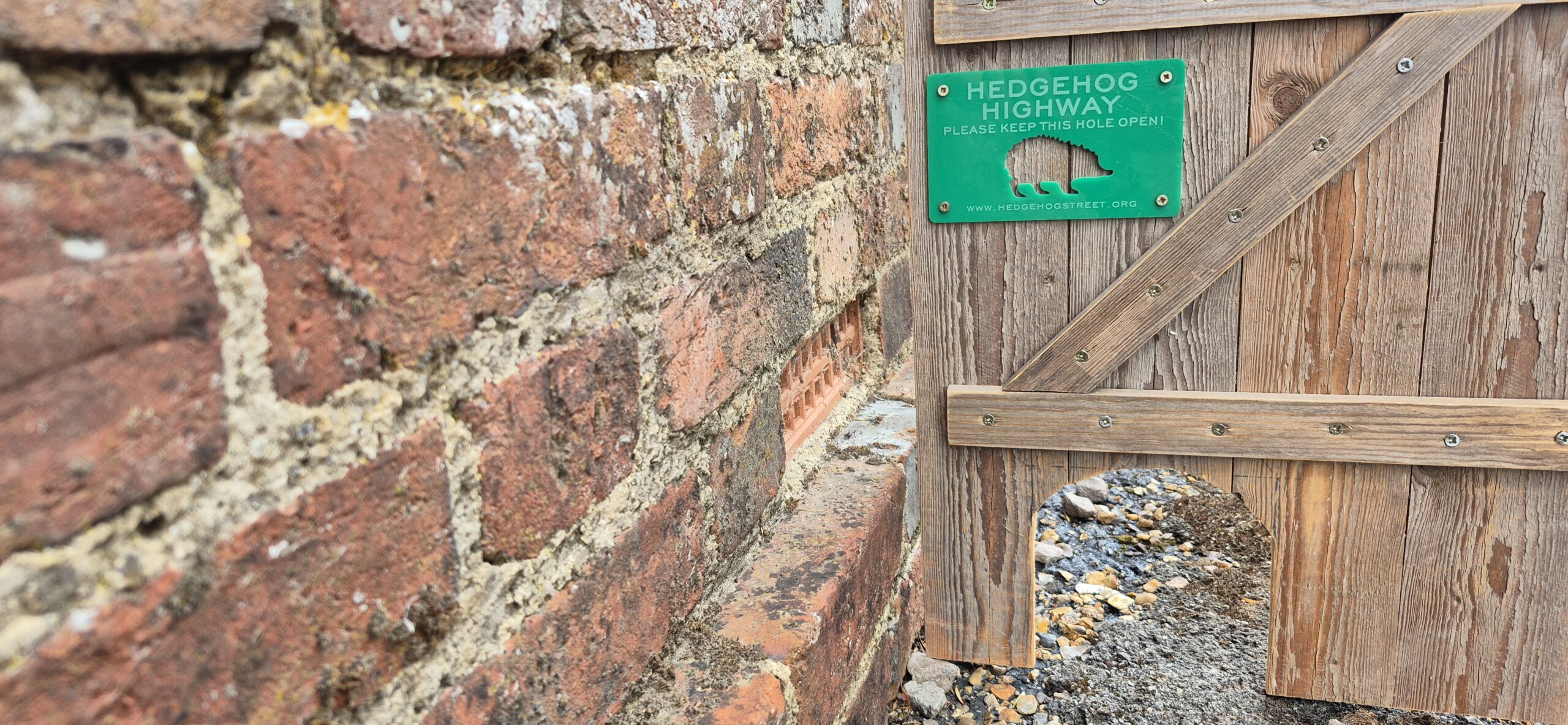
Take a sneak preview at our new Weald to Waves Members’ Area. a digital hub to share information and track your Actions for Nature!
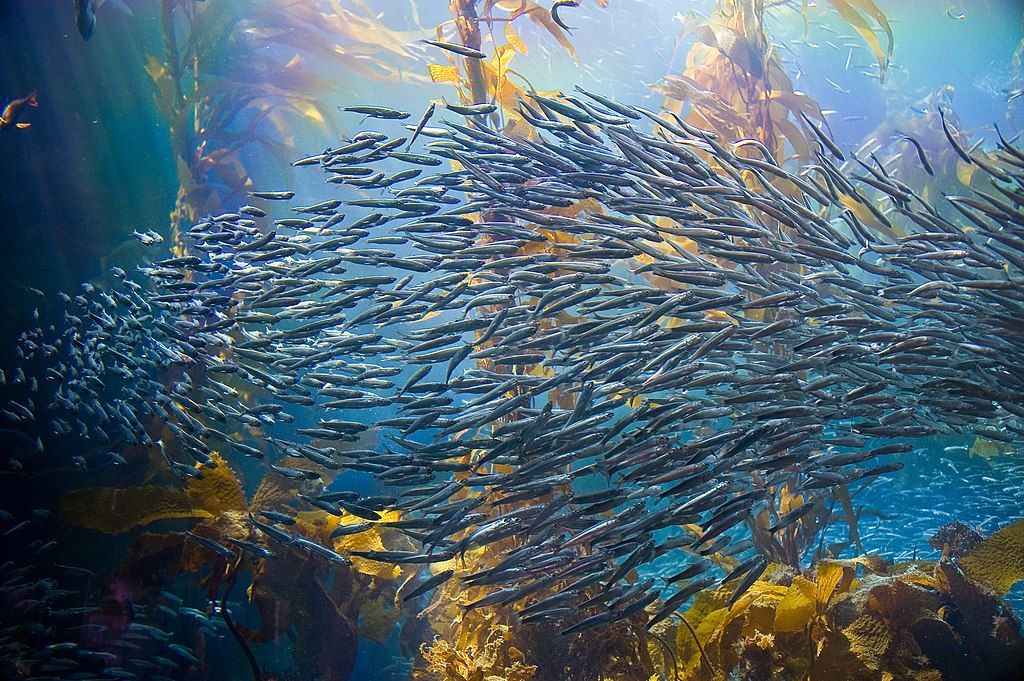
Currently showing in cinemas, Ocean is incredibly moving and shocking. It reminds us that there has never been a more urgent time to learn about our seas.