Weald to Waves Logo

News

Common toad on road, by Charles Jackson, Unsplash

Why Did the Toad Cross the Road?

Each spring, thousands of toads cross our roads at night. Discover their journey, the risks they face, and how you can help protect them locally.

Oxford Real Farming Conference, by Hugh Warwick

Five things we took away from the Oxford Real Farming Conference  

From dung beetles to youth education, here are five insights from the Oxford Real Farming Conference shaping the future of farming.

Knepp beaver dam aerial shot

From promises to practice, what the Environmental Improvement Plan means for nature on the ground

What does the government’s latest Environmental Improvement Plan really mean for nature, and for recovery across the Weald to Waves corridor?

Knepp White Stork, by Johana Simonova

Our Must Watch: The Tale of Silyan

Discover why The Tale of Silyan is our must watch, a hauntingly beautiful film exploring rural decline, quiet resilience, and an unforgettable human wildlife bond.

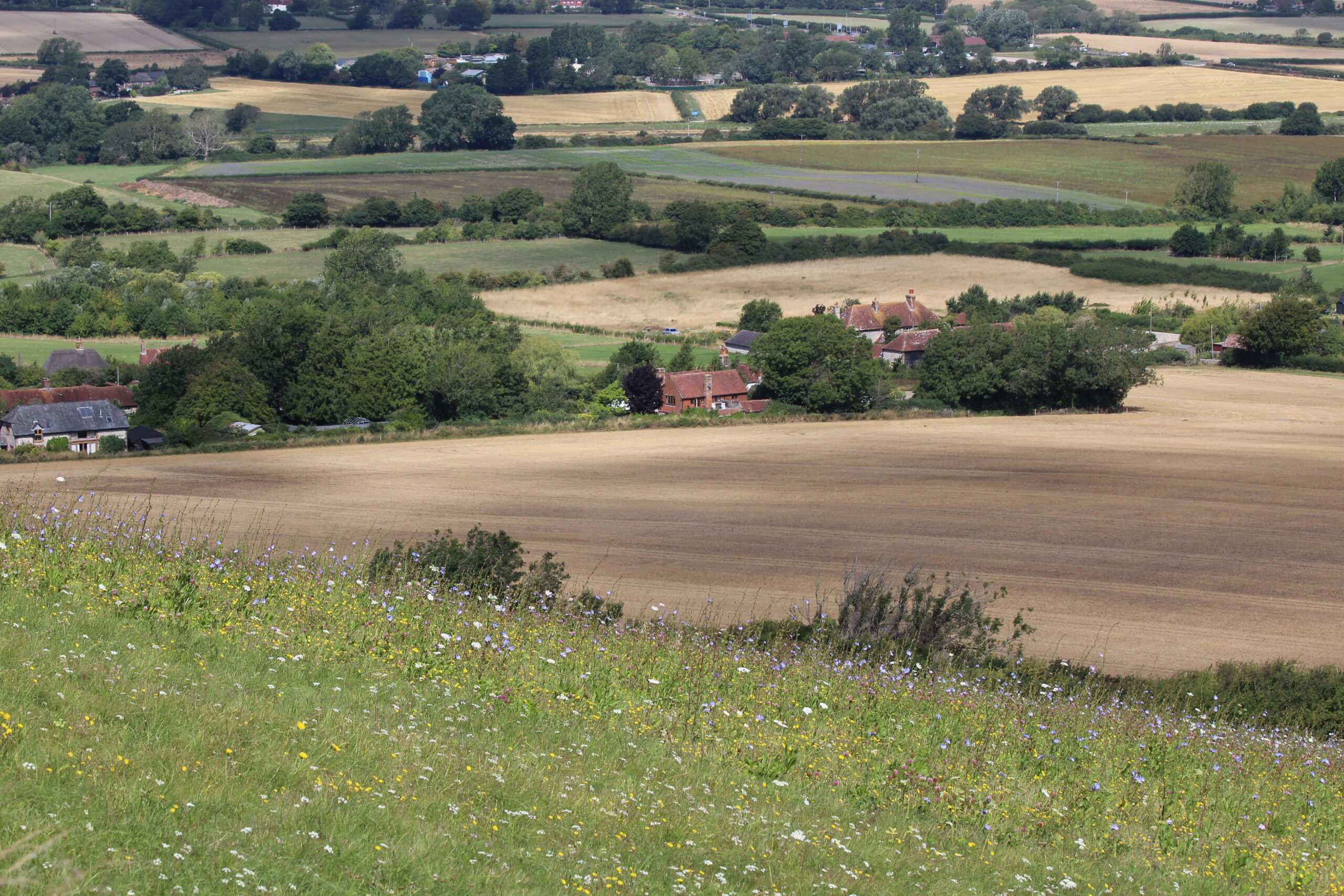
Amberley View Countryside, Tanya Forbes

Weald to Waves Connector Projects for a Wilder, More Connected Sussex

Our mission for a joined up Sussex takes action as our Connector Projects begin, linking habitats across the corridor to support wildlife movement.

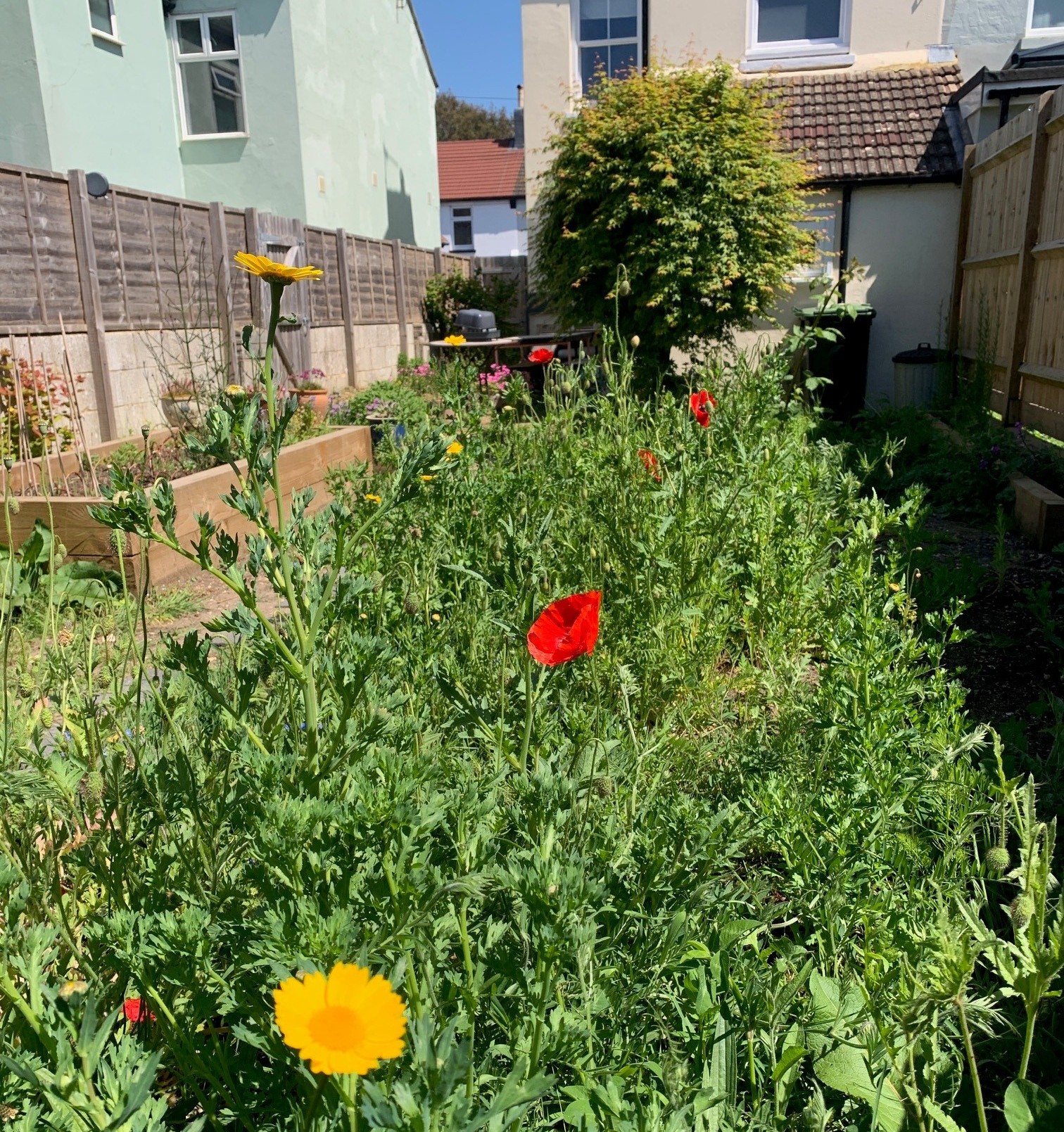
Wildflower year 1, by Gareth Williams

Read about our journey from concrete to habitat, turning a bare garden into a service station for wildlife on the move between the coast and the downs.

Weald to Waves Website

Discover our new Members Area, with tools and resources to help everyone in Sussex take action for a thriving, connected landscape.

Wandering Ecologist Logo

Celebrating positive nature conservation news one story, one friendship, one wild place at a time.
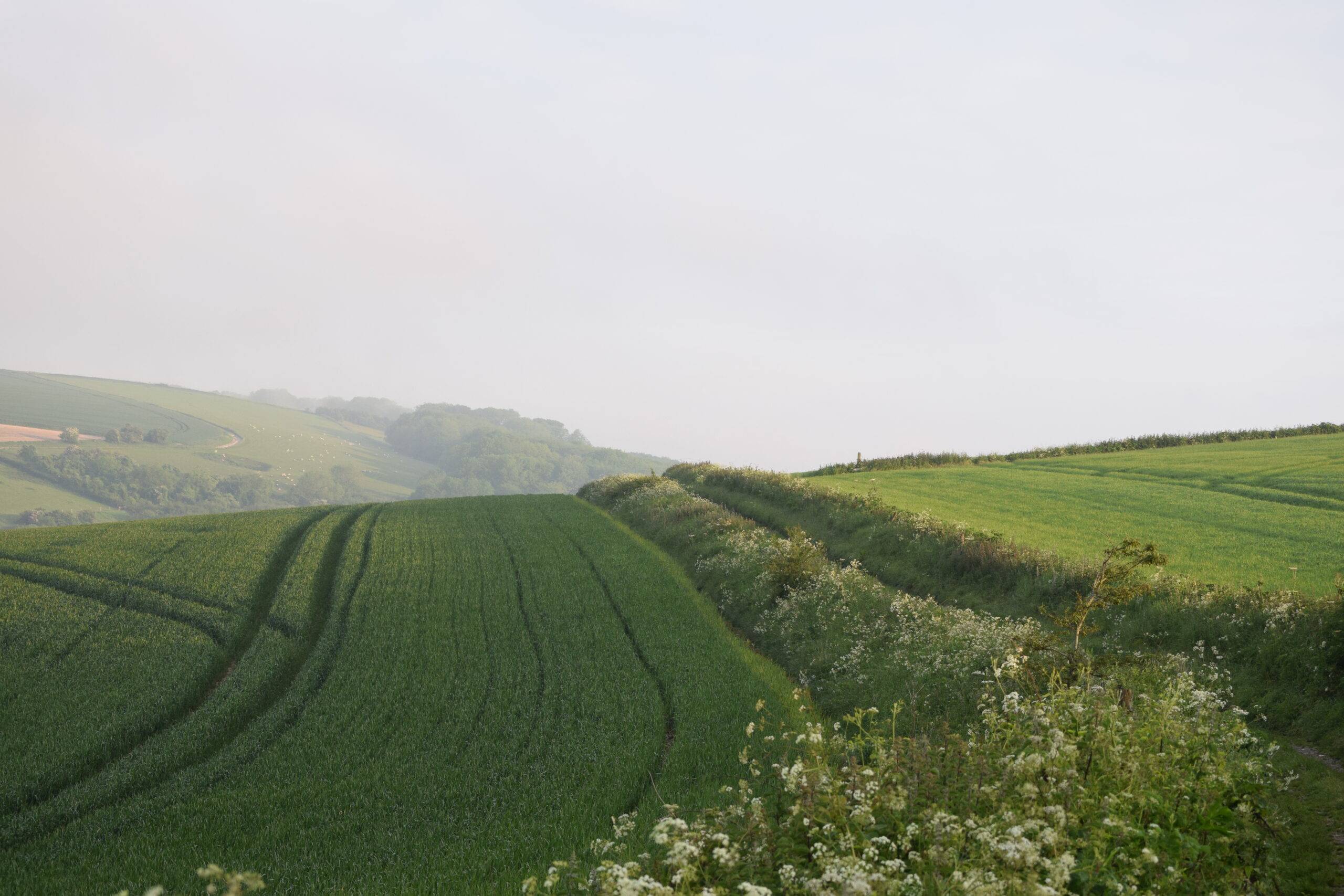
Wild farmland border. Photo by Alex Briggs

Uncertainty is nothing new for farmers, but 2025 brings major changes. Explore the latest agri-environment schemes and market opportunities.

Greening Arundel BioBox

With over 250 species recorded so far, the Weald to Waves BioBoxes are revealing the hidden biodiversity of Sussex and sparking community-led discovery.

Canoes on Lower Adur, Jasmine Cacioppo

Tides might be about to change for the UK water sector as the Independent Water Commission has released a landmark report directly challenging the status quo

Brighton chalk reef © Clive Shalice / Locate Productions / Sussex Bay

To restore life below the waves, we need to look far upstream. Sussex Bay’s source-to-sea approach connects land, rivers, and ocean to drive true marine recovery.

Cuckoo, by Lee Barber

From satellite-tagged cuckoos to rare chalk grassland butterflies, Wiston is buzzing with life. Explore recent nature highlights from across the estate.

Wakehurst - Trees for Bees by Amy Hurn

With 97% of wildflower meadows lost in the UK, could trees offer an alternative? Wakehurst is exploring how flowering canopies, with the help of citizen science, can support pollinators.

More than Human at the Design Museum. Courtesy of the Design Museum. Photo by Luke Hayes

The Design Museum’s More than Human exhibition reimagines design beyond humans, spotlighting projects like Weald to Waves that foster multispecies connections.

Groundswell Regenerative Agricultural Festival 2025, by Amy Hurn

Reflections from Groundswell Regenerative Agricultural Festival 2025: Conversations, connections and the power of shared purpose

Weald to Waves land manager visit, by Alex Briggs

Our free habitat mapping service for land managers in the Weald to Waves corridor offers site visits with advice and mapping to help identify opportunities for nature recovery and improve habitat connectivity across Sussex.