

Biodiversity
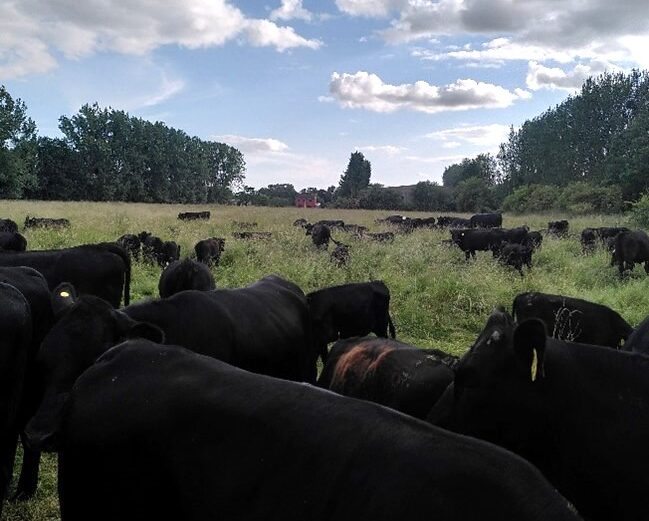
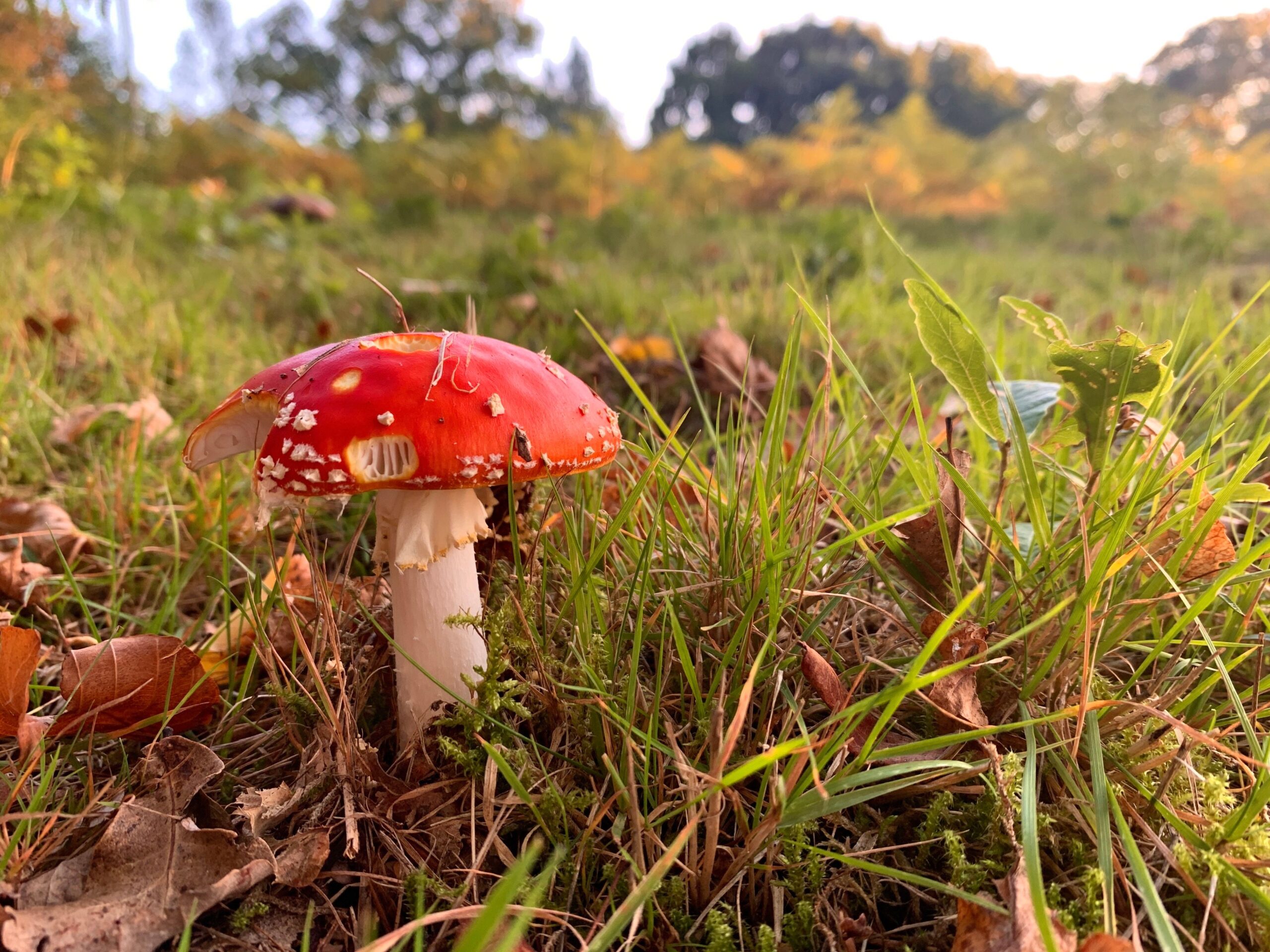
Fungi are a world of their own. Find out about the fascinating role they play in connectivity.
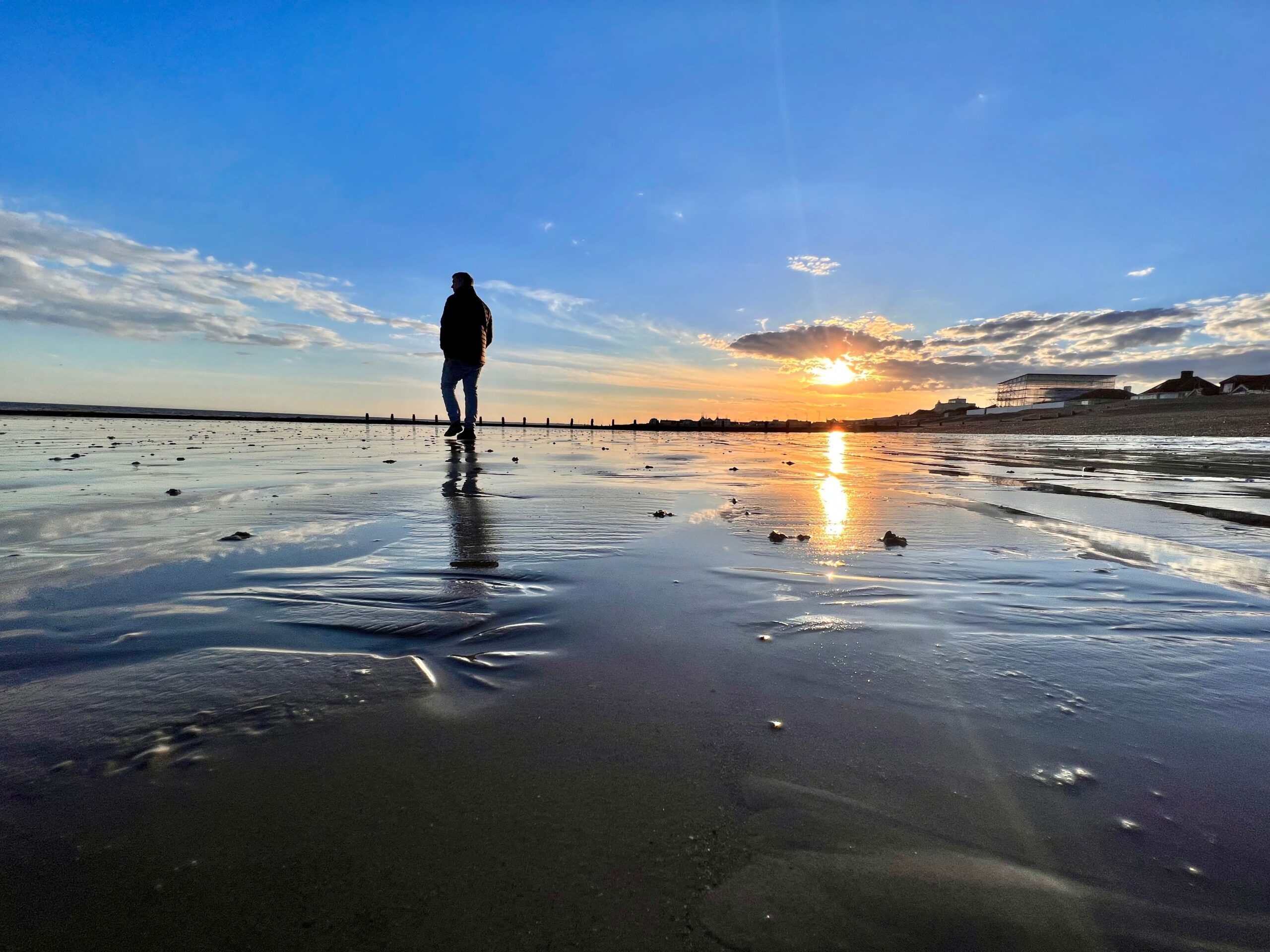
Sussex’s coastline has long been a favourite destination for locals, tourists and wildlife. However, the deterioration of sea water quality in the region has been a growing concern in recent years.
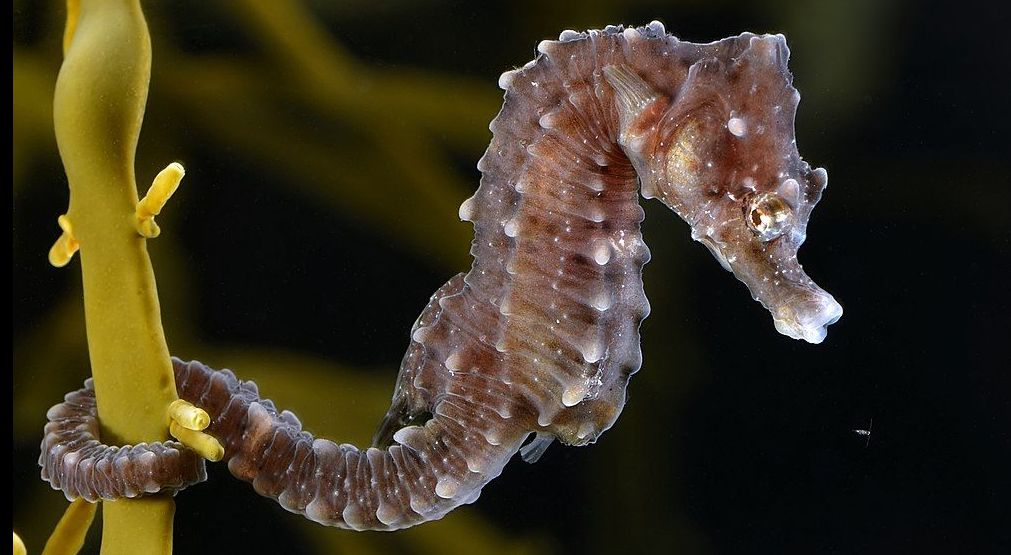
Shining a light on one of Sussex’s two seahorse species, which are facing a range of conservation challenges.
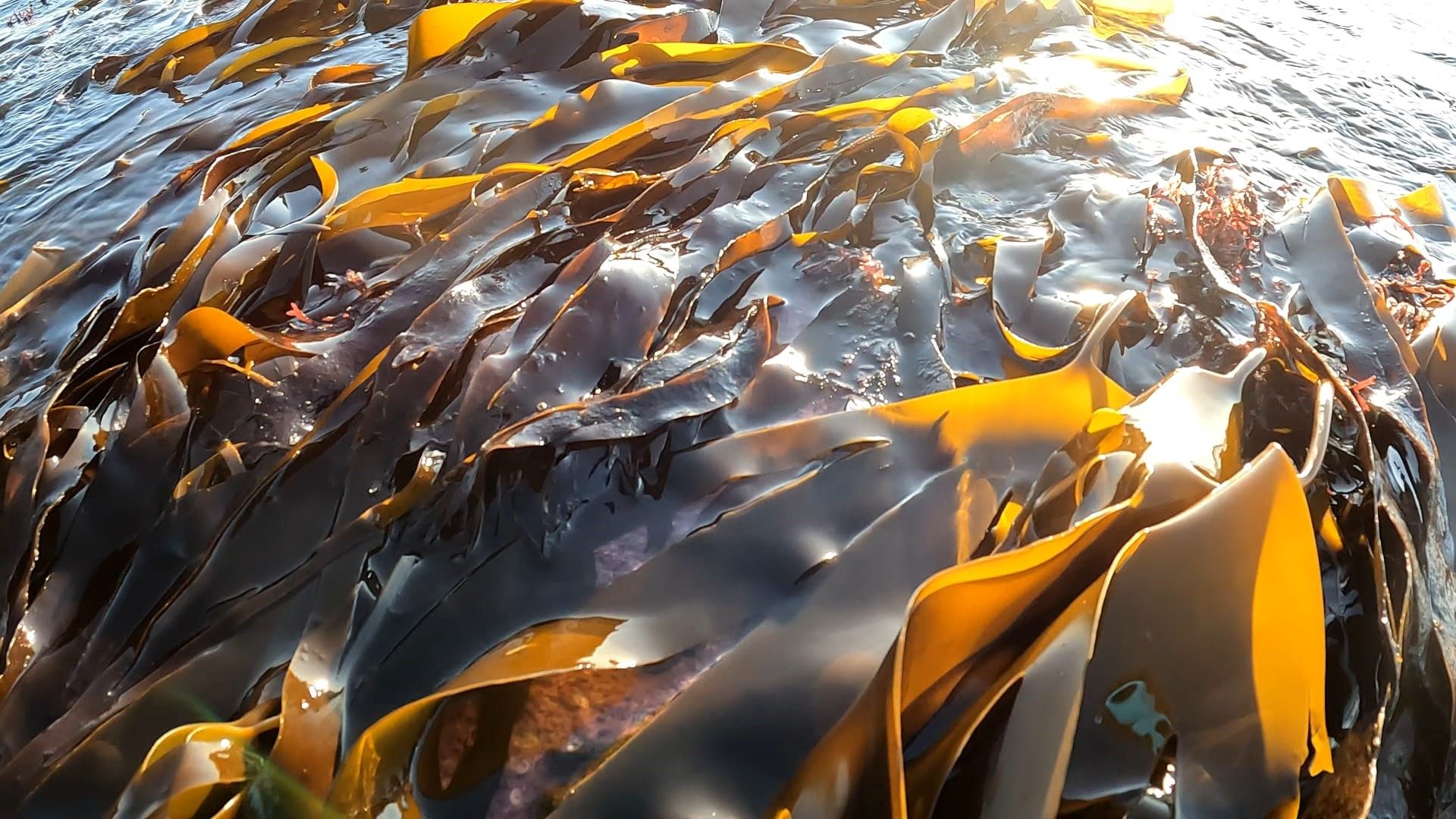
Off the coast of Sussex something amazing is happening. Two years ago the pioneering Sussex Nearshore Trawling Byelaw came into place, pushing bottom-towed trawling 4km off the West Sussex Coast. The changes are now starting to happen.
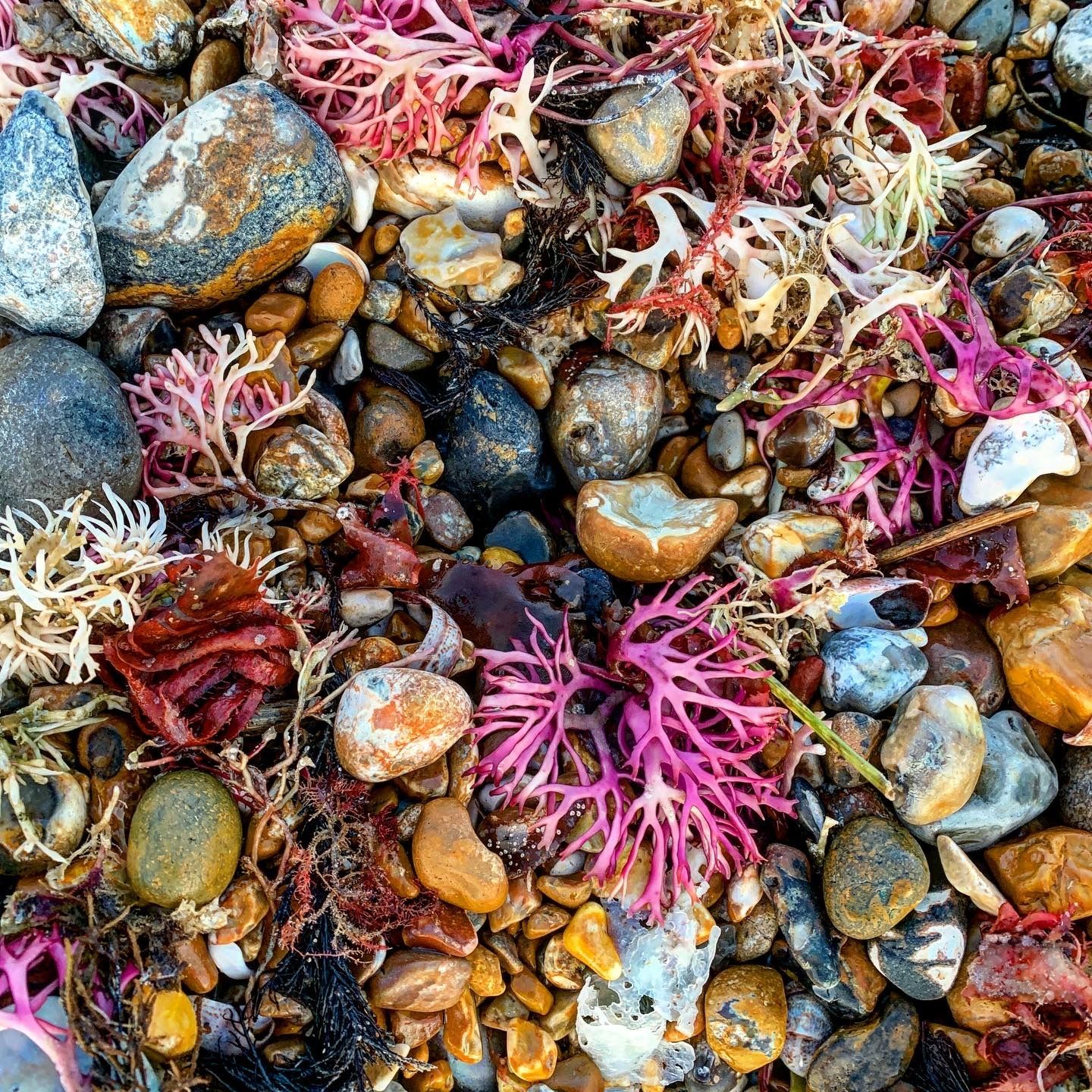
Coastal habitats each offer a unique and vital ecosystem. Explore these diverse environments and the species they support.
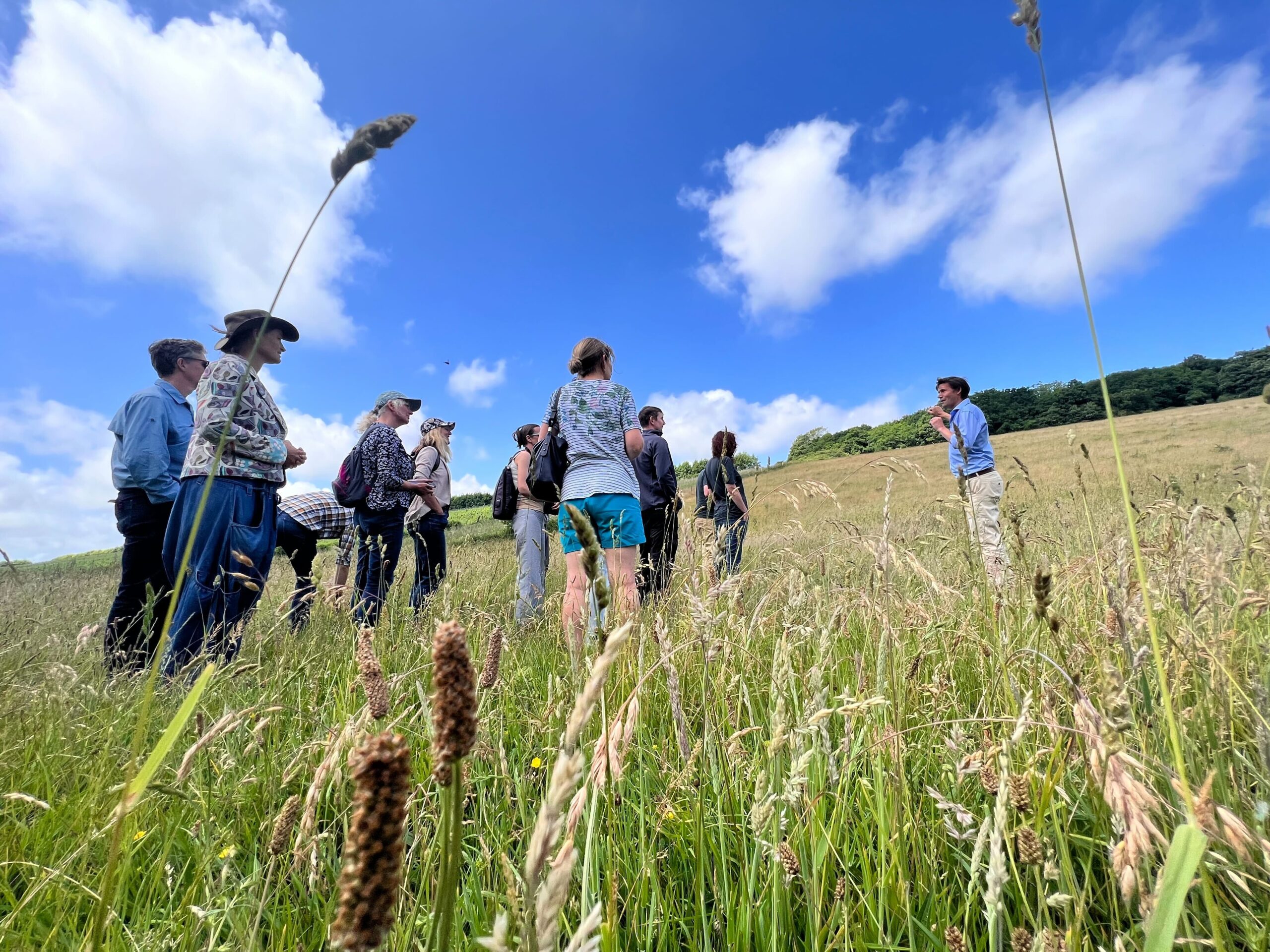
A journey up the Arun arm of the corridor with the Wildlife Trust.
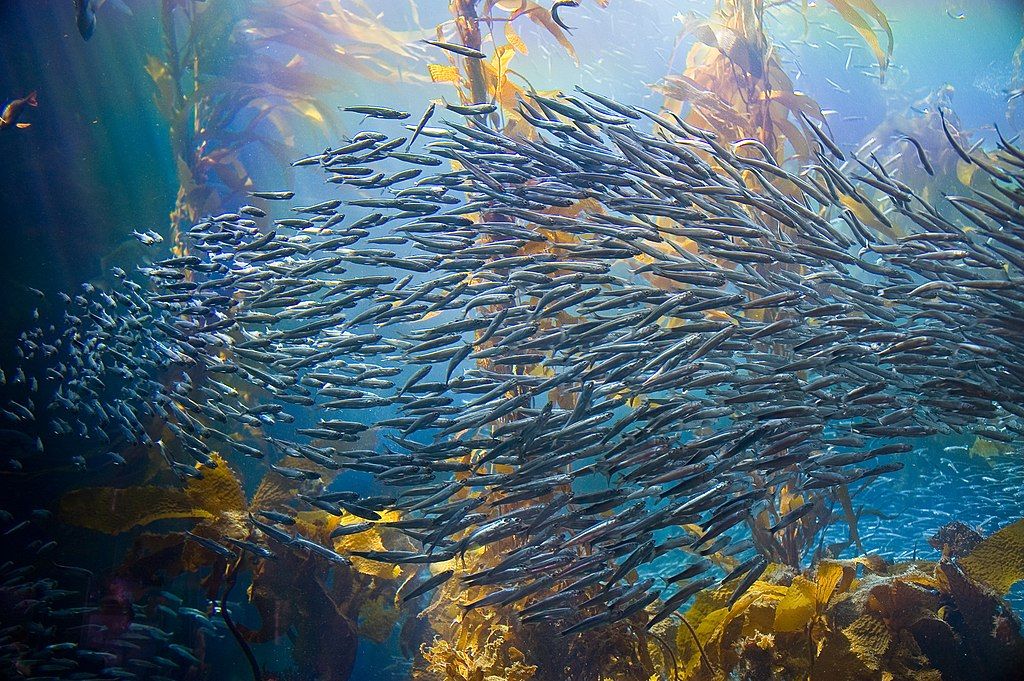
Just as soils and land-based ecosystems have become degraded, so have marine habitats. Sewage is regularly discharged into rivers and seas, agricultural run-off upsets the natural balance of the water, while trawling destroys the seabed and the kelp forests that once flourished.
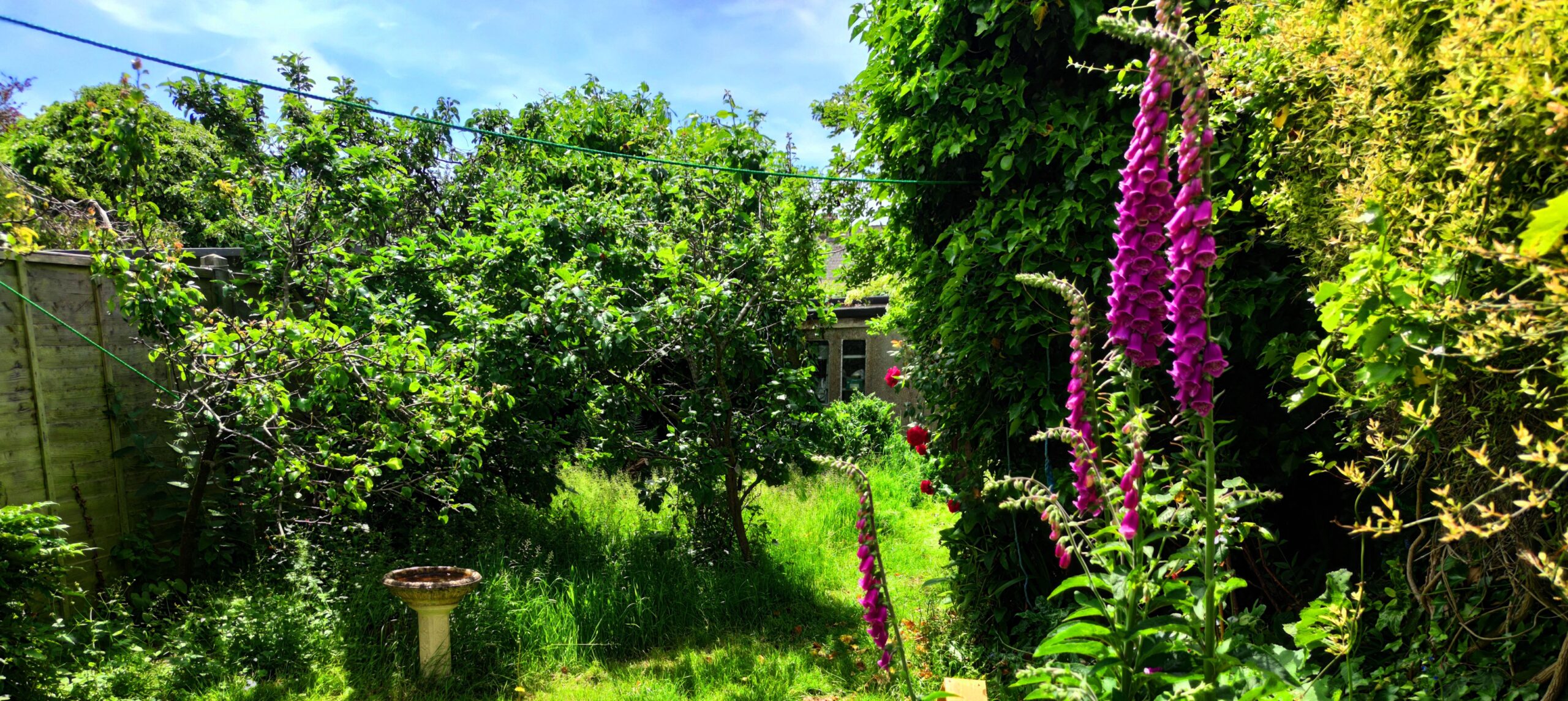
The good news, from my experience, is that a wild garden – especially a mature one – can be extraordinarily resilient and resistant to even very prolonged periods of drought. Even through months of heatwave everything stays green and lush; no plants seem to show stress, and nothing needs watering.
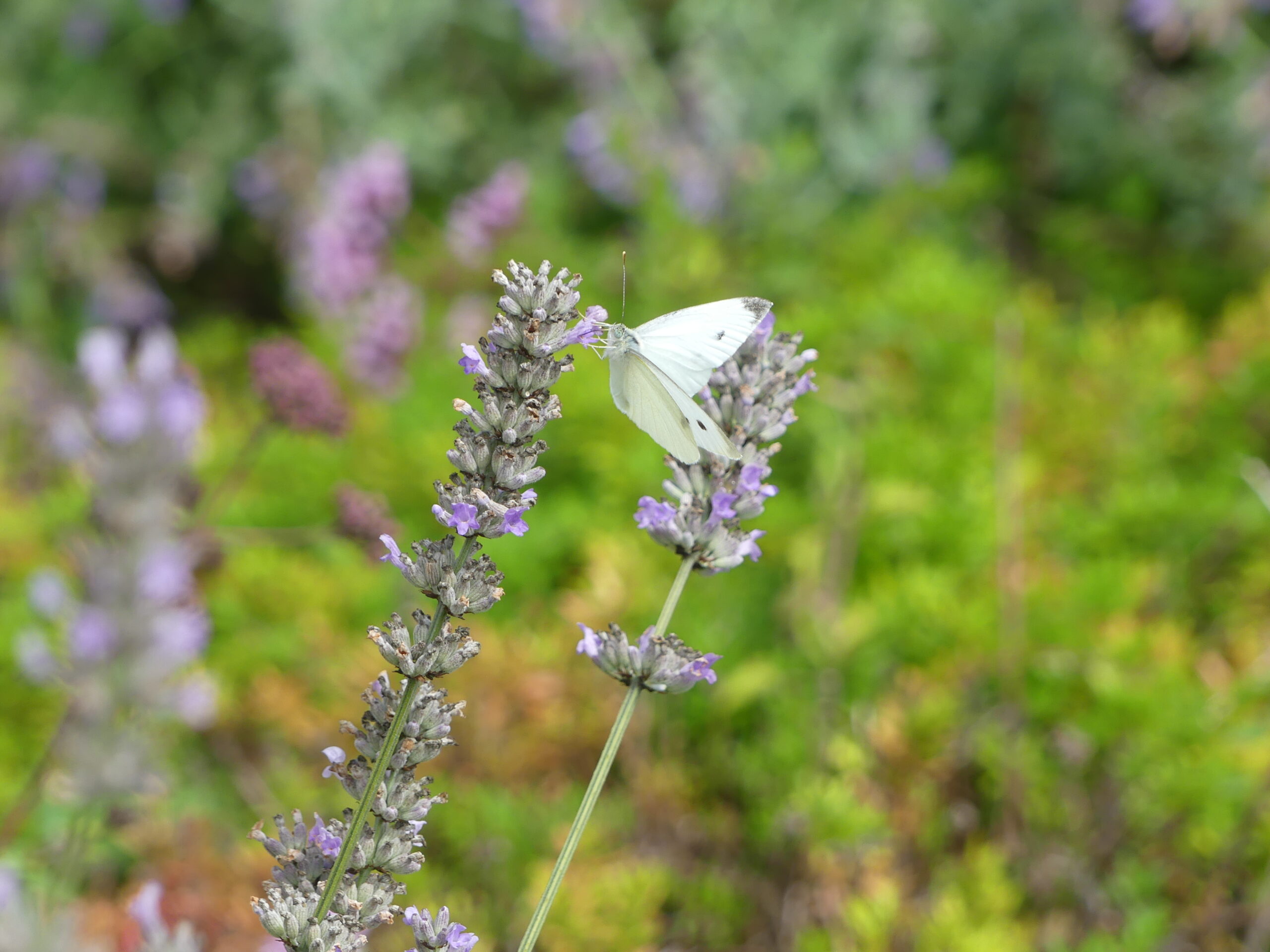
I live in a terraced house in South Portslade, just outside Brighton, and have a modest 40ft garden. In the four years I’ve lived here, I’ve made my garden as welcoming to wildlife as possible, and it’s now teeming with hedgehogs, frogs, toads and newts, along with slow worms, birds and insects. Not bad for a small urban plot.

With the biodiversity crisis taking root in people’s minds, weeds have become a recent topic of interest and discussion. We look at the role native plants play in our gardens and greenspaces.

The media is overflowing with staggering numbers on species and wildlife populations in decline in countries around the world – and we know that the UK is one of the worst hit. So how can we measure nature decline in Sussex?
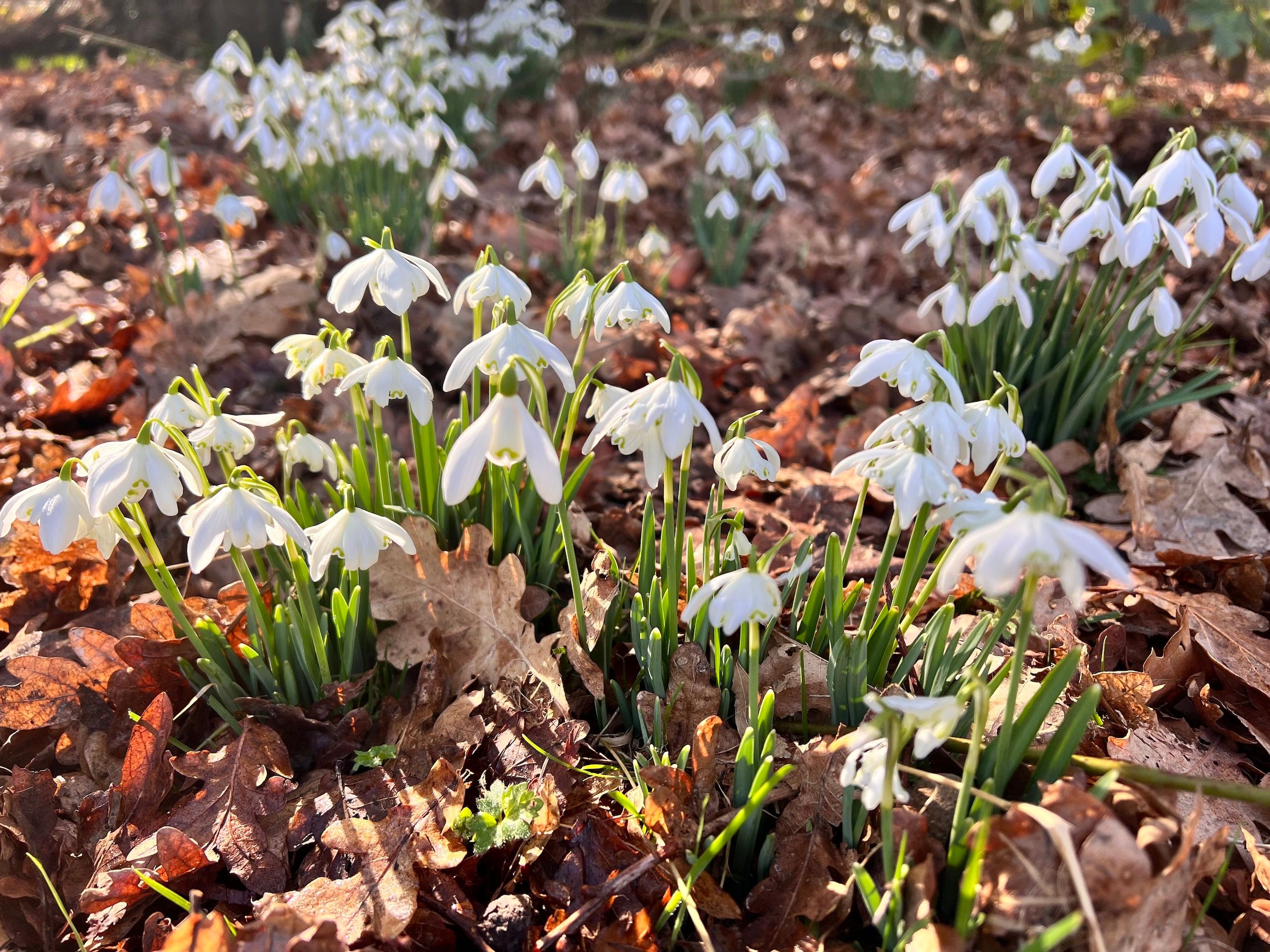
Our first survey on nature in our gardens has been completed by nearly a quarter of members already. We can start to build a picture of what we have to offer wildlife and what is needed to improve connectivity.