Weald to Waves Logo

Biodiversity

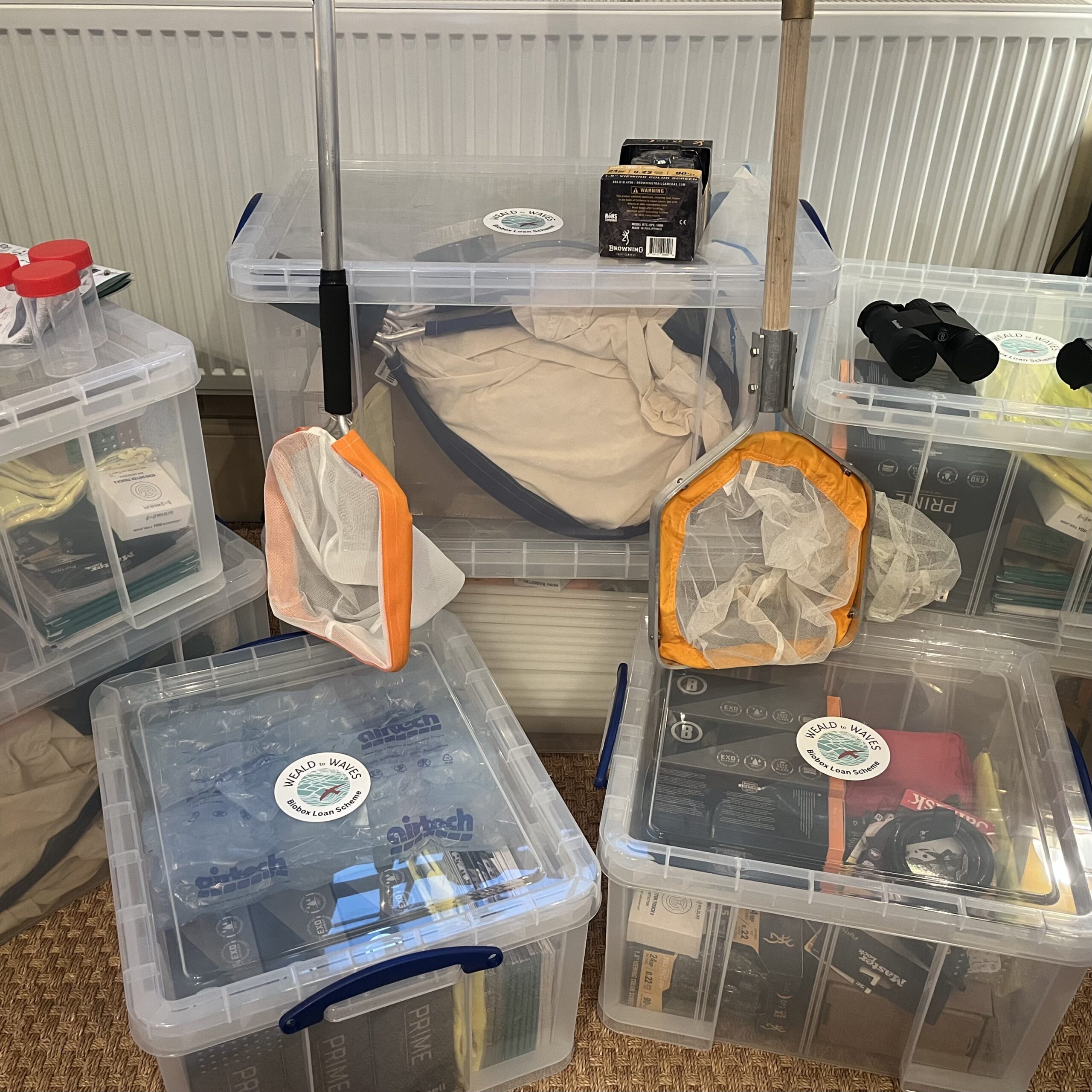
Weald to Waves BioBox loan scheme

Borrow a Weald to Waves BioBox!

Explore the hidden world of local wildlife, from bats to bugs, with our new BioBox loan scheme for community groups.

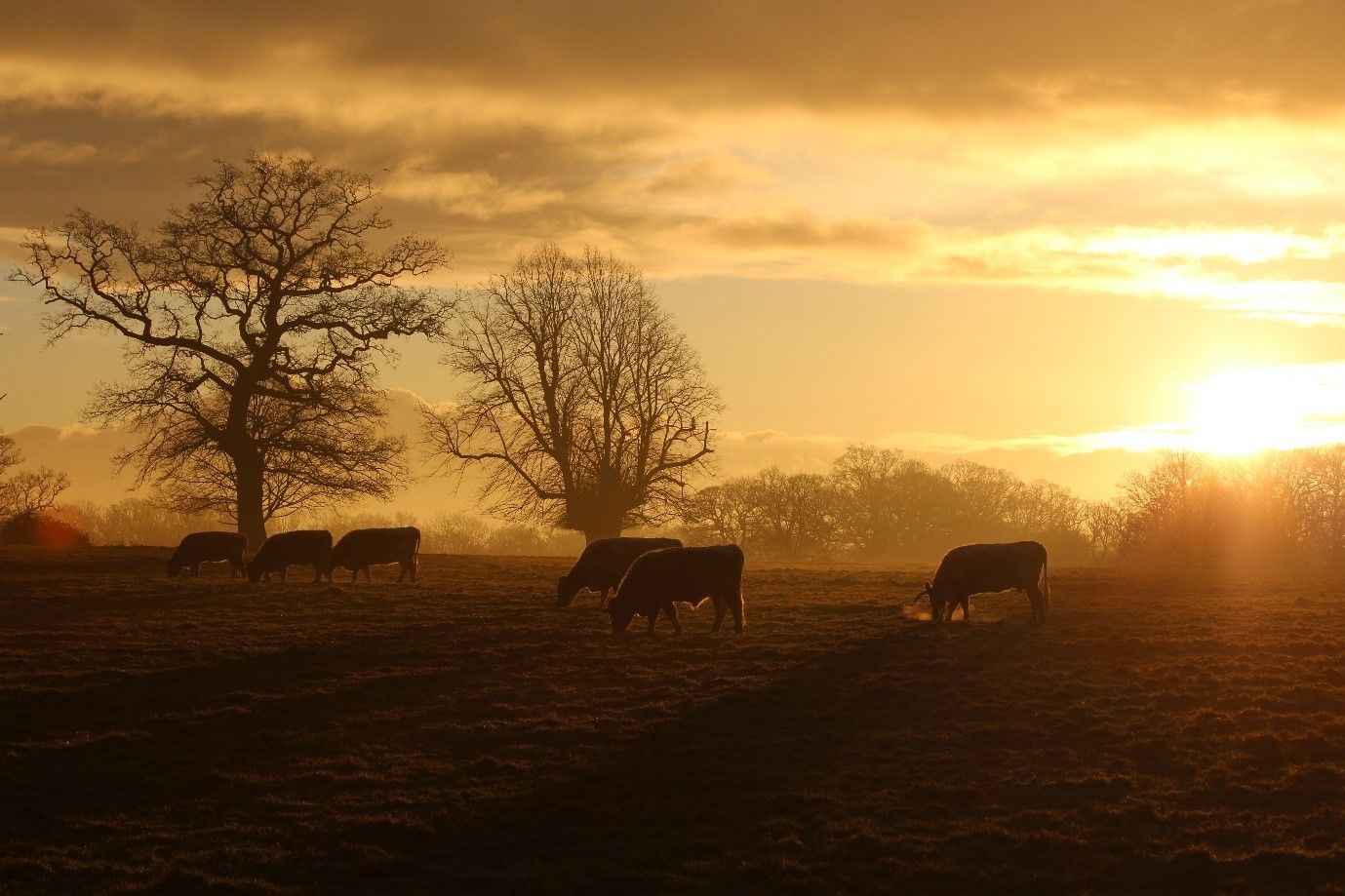
Grazing cattle by Sam Joy

Conservation Grazing in Sussex

Discover how traditional livestock and low-impact farming are playing a vital role in restoring Sussex’s rare chalk grasslands and supporting threatened wildlife, while the closure of small abattoirs is putting this type of management at risk.

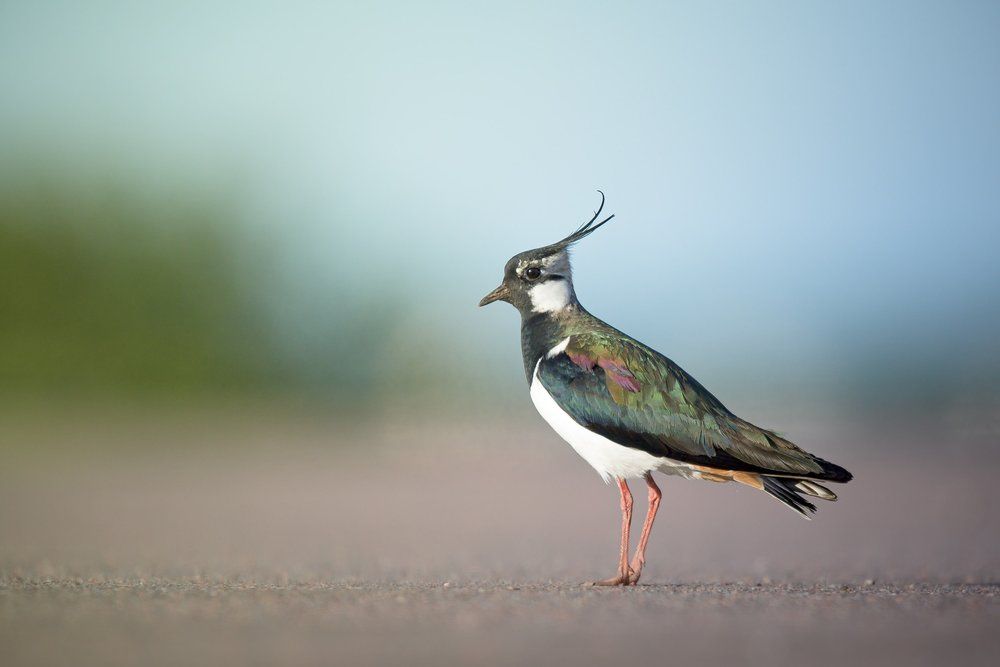
Northern lapwing by Daniil Komov

Farming for the Future: How Wildlife and Agriculture Can Thrive Together

There is something powerful about coming together—farmers, ecologists, conservationists, and community members—to share ideas, challenges, and solutions for the future of our landscapes. _Weald to Waves: How Farmland Birds Can Thrive in Modern Agriculture_ offered an inspiring and practical vision of how farming and wildlife can thrive together.

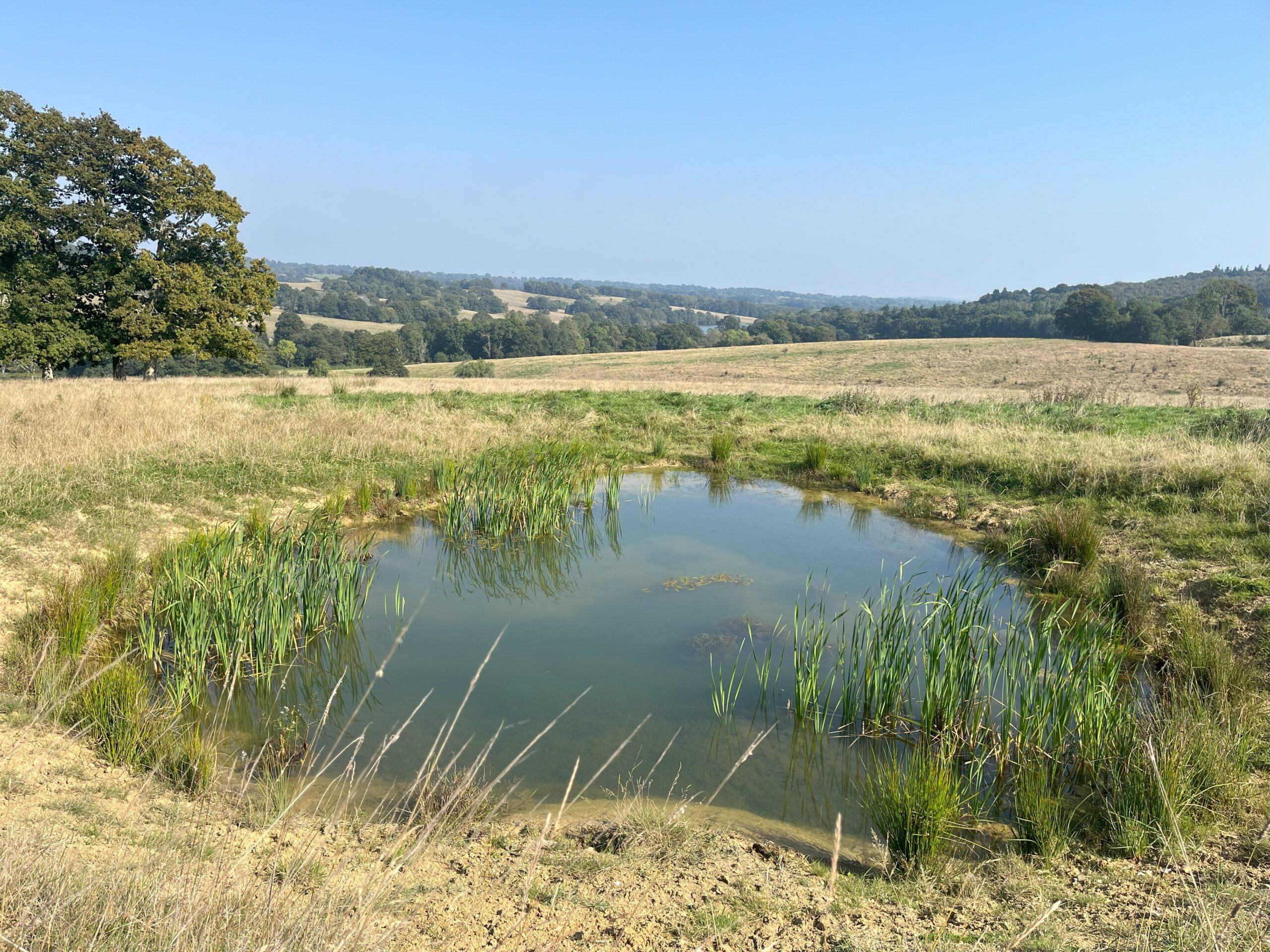
Pond, Sussex Newt Conservation Partnership

A Win for Newts, Nature, and Landowners

The Newt Conservation Partnership delivers the NatureSpace District Licensing scheme, working with landowners across 11 counties to create and restore ponds and habitats for great crested newts. This scheme is enabling development while also achieving exceptional conservation outcomes and supporting land management.

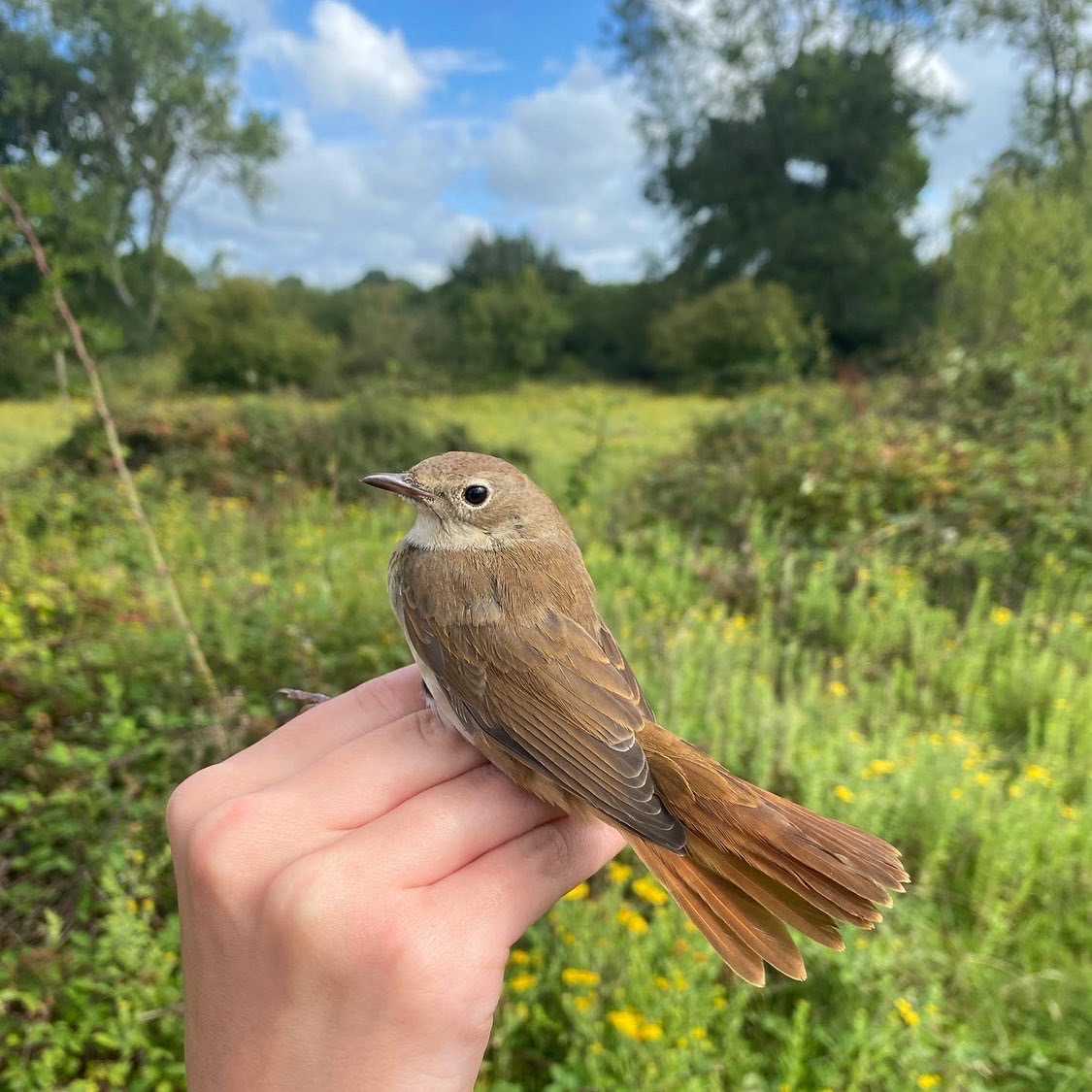
Nightingale by Georgina Louise Tugwell

Movement and Migration: Welcome Back to Our Spring Arrivals

As spring arrives, the movement of wildlife becomes a pivotal event, particularly for bird enthusiasts. This seasonal shift is critical for breeding and feeding patterns of various species, and Sussex serves as a vital corridor for these animals, providing essential habitats during this crucial time of year.

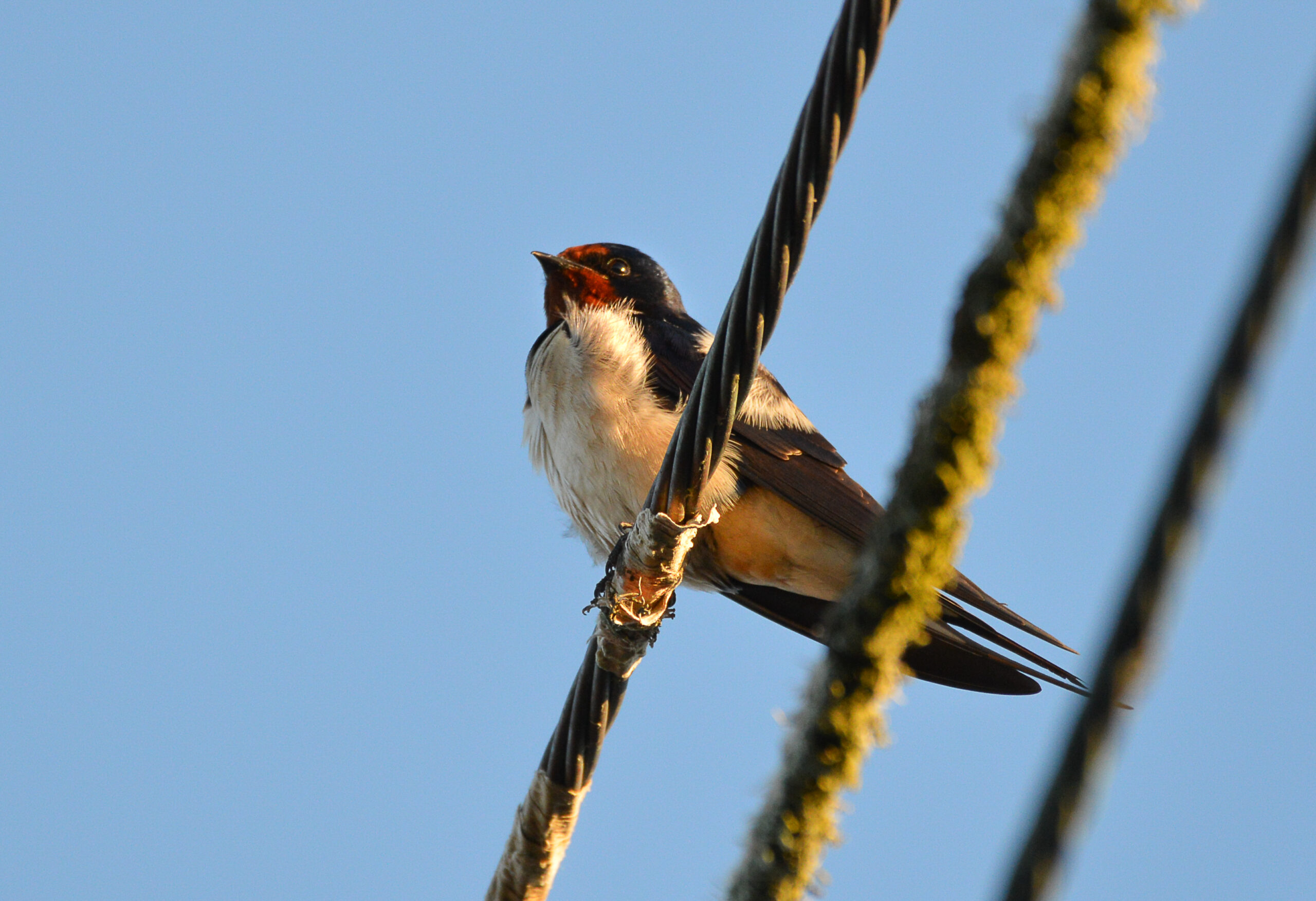
Swallow by Matt Phelps

Have you seen your first swift this year? Matt Phelps updates us on the incredible migration patterns of the bird species appearing across Sussex.
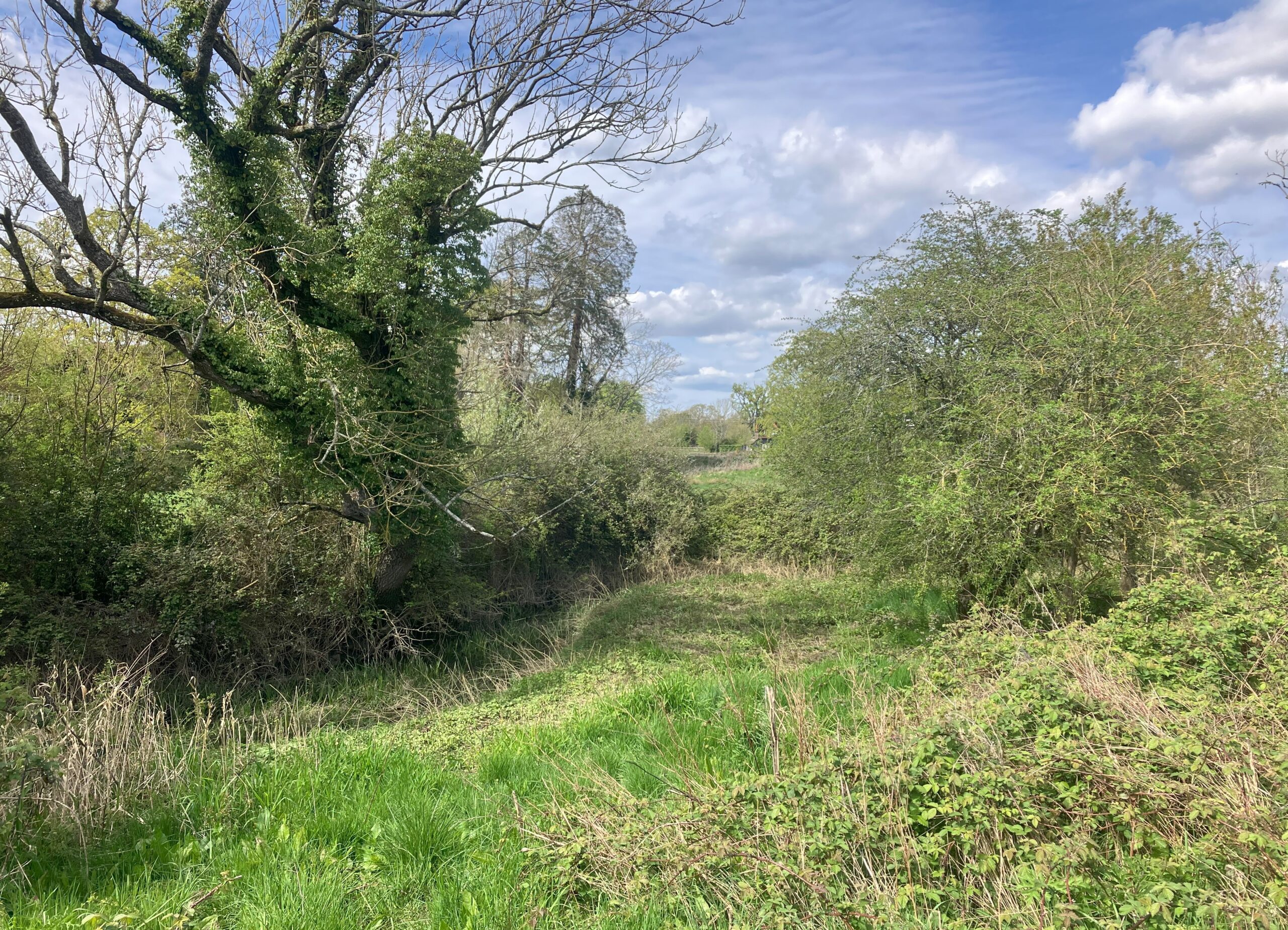
Fairoak Farm rough edges, by Rachel Bicker

The Scrubland Superheroes project is in full swing, creating “stepping stones” of scrub habitat along the corridor. Project Officer Rachel Bicker lets us listen in on her work monitoring birdsong at one of her target sites.
European Robin by Alex Briggs

Did you see our new wildlife survey for our gardens and greenspaces members? We’ve had a fantastic response to one of our first steps to understanding the biodiversity in your spaces.

Sussex Wildlife Trust logo

Shoresearch is The Wildlife Trusts’ national citizen science survey of the intertidal shore. Find out how to get involved.
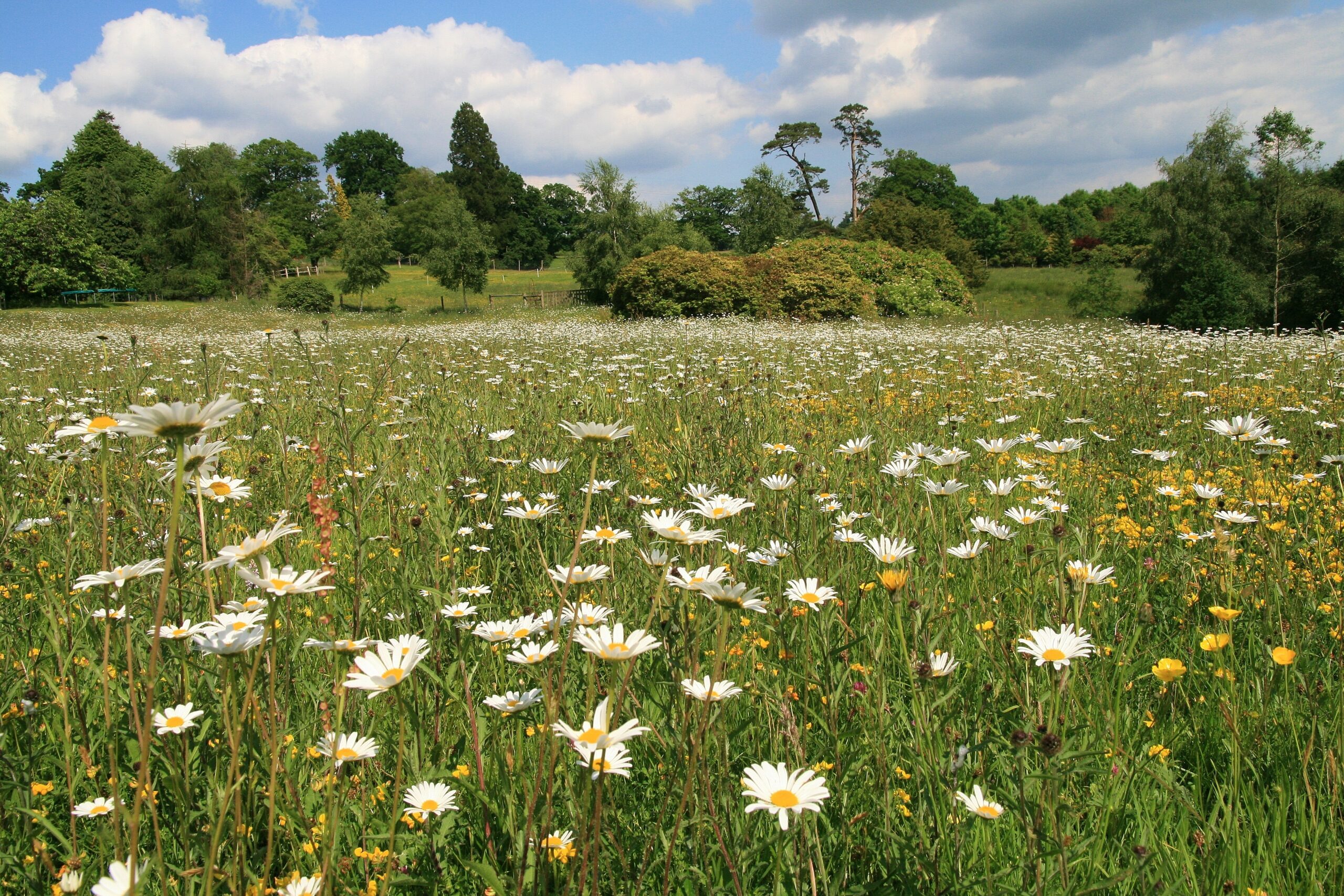
High Beeches wildflowers

Our Gardens and Greenspaces Coordinator, Amy Hurn, visits High Beeches, to find out more about their fabulous biodiversity and their work on nature recovery.
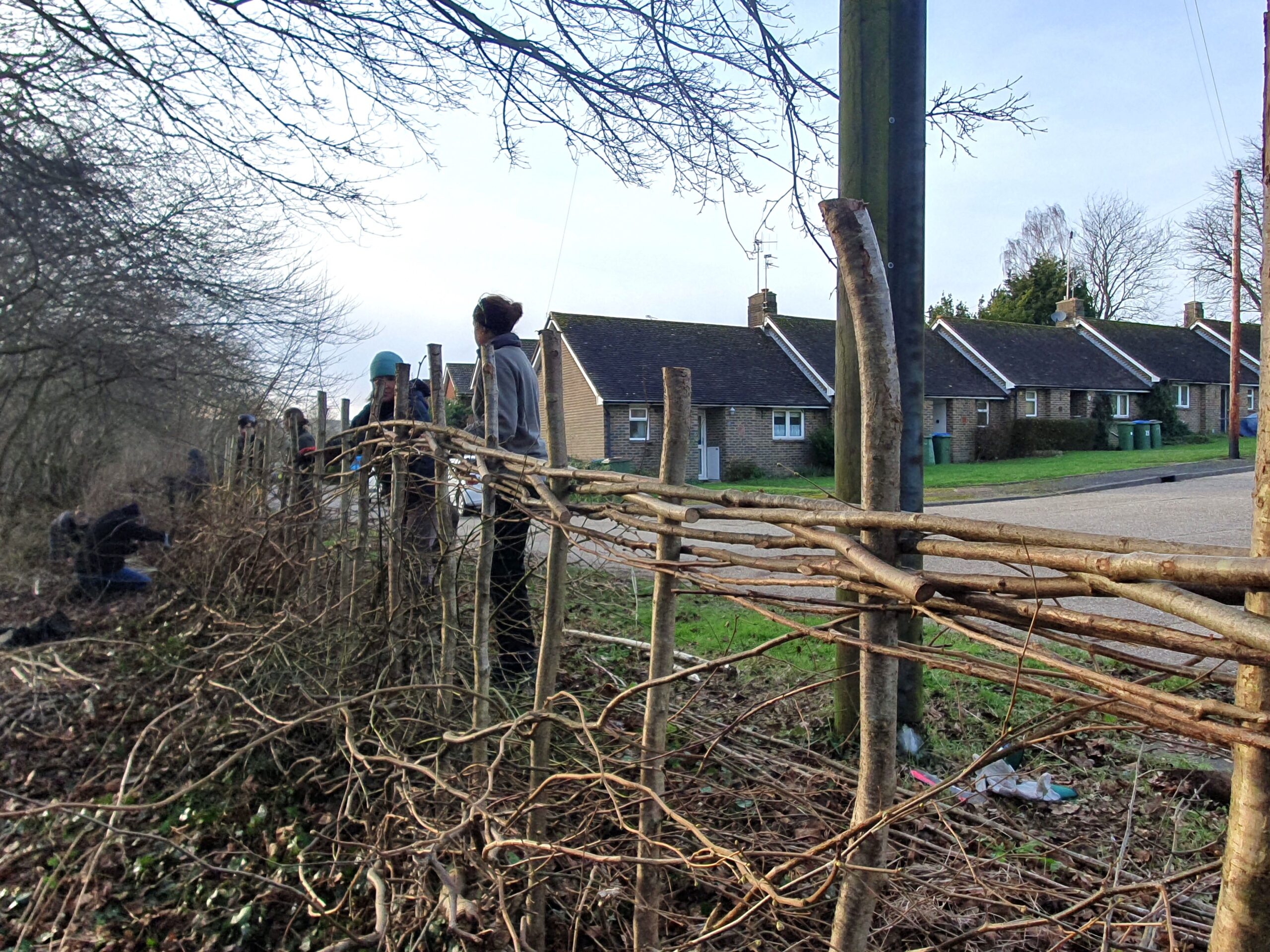
Hedgelaying - Judy Agate

Judy Agate, local greenspace trustee and Greener Amberley committee member, talks about nature recovery in Amberley, and the latest work on planting and hedgelaying to boost biodiversity.
Bird survey 2016 Rachel Bicker

Monitoring the corridor will take an army of experts and citizen scientists. Are you up for the challenge?

Iford Guardian Article

W2W Founding Farm, the Iford Estate, near Lewes, East Sussex, makes the press this month for their pioneering work in habitat creation.
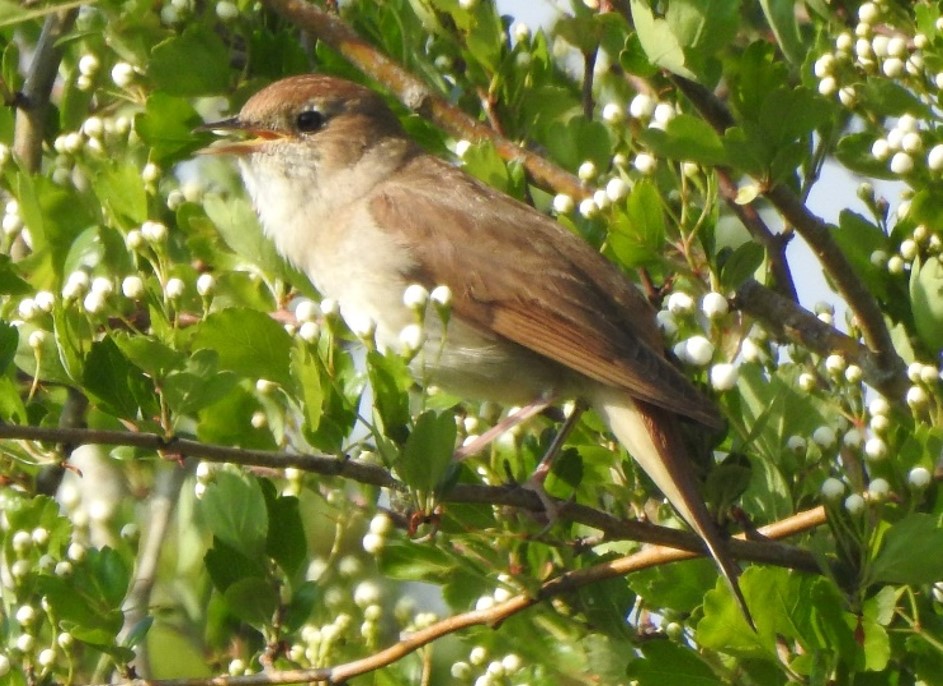
Nightingale- Dean Samsudin

Do you manage land in the corridor? You could get involved in creating areas of scrub to help with the reappearance of Nightingales, Red-Backed Shrike and Black-Veined White butterfly.
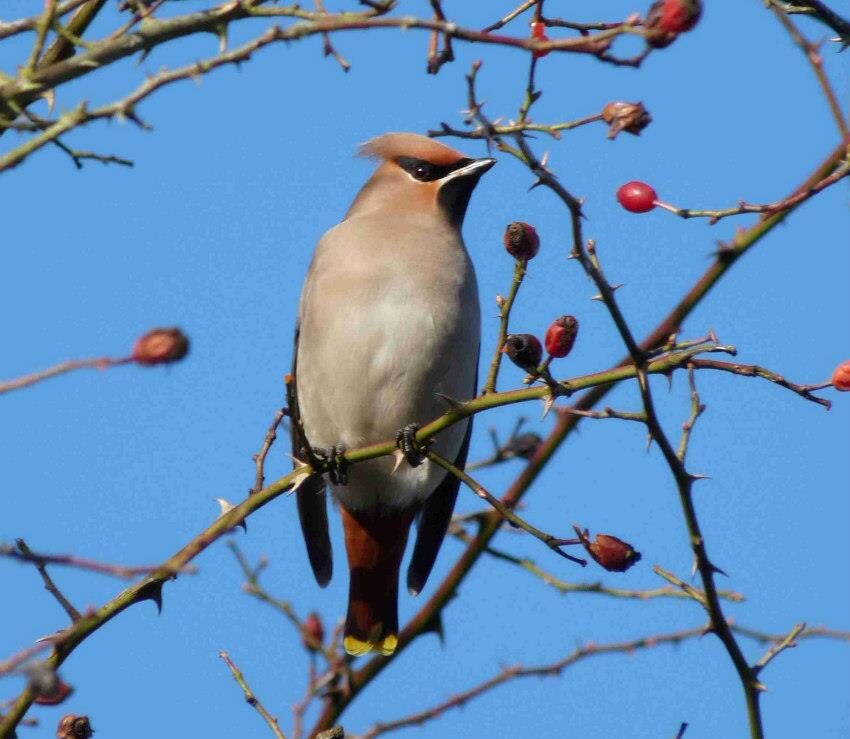
Waxwing, by Rachel Bicker

Although we may be in the depths of winter, our landscape is alive with overwintering birds.
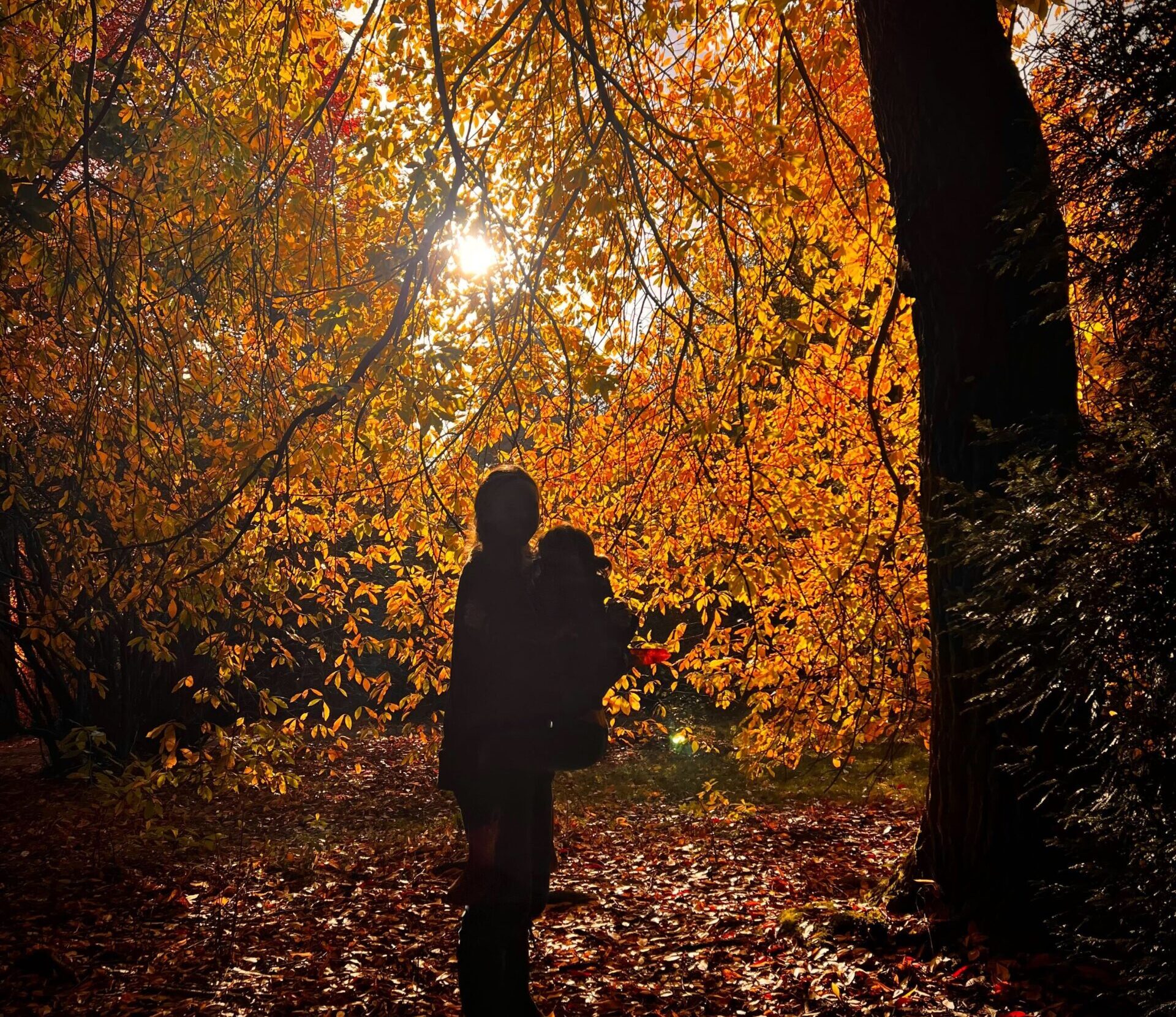
Tony Whitbread, independant ecologist and President of Sussex Wildlife Trust, reflects on the space between seasons and how it allows us to think beyond binaries.
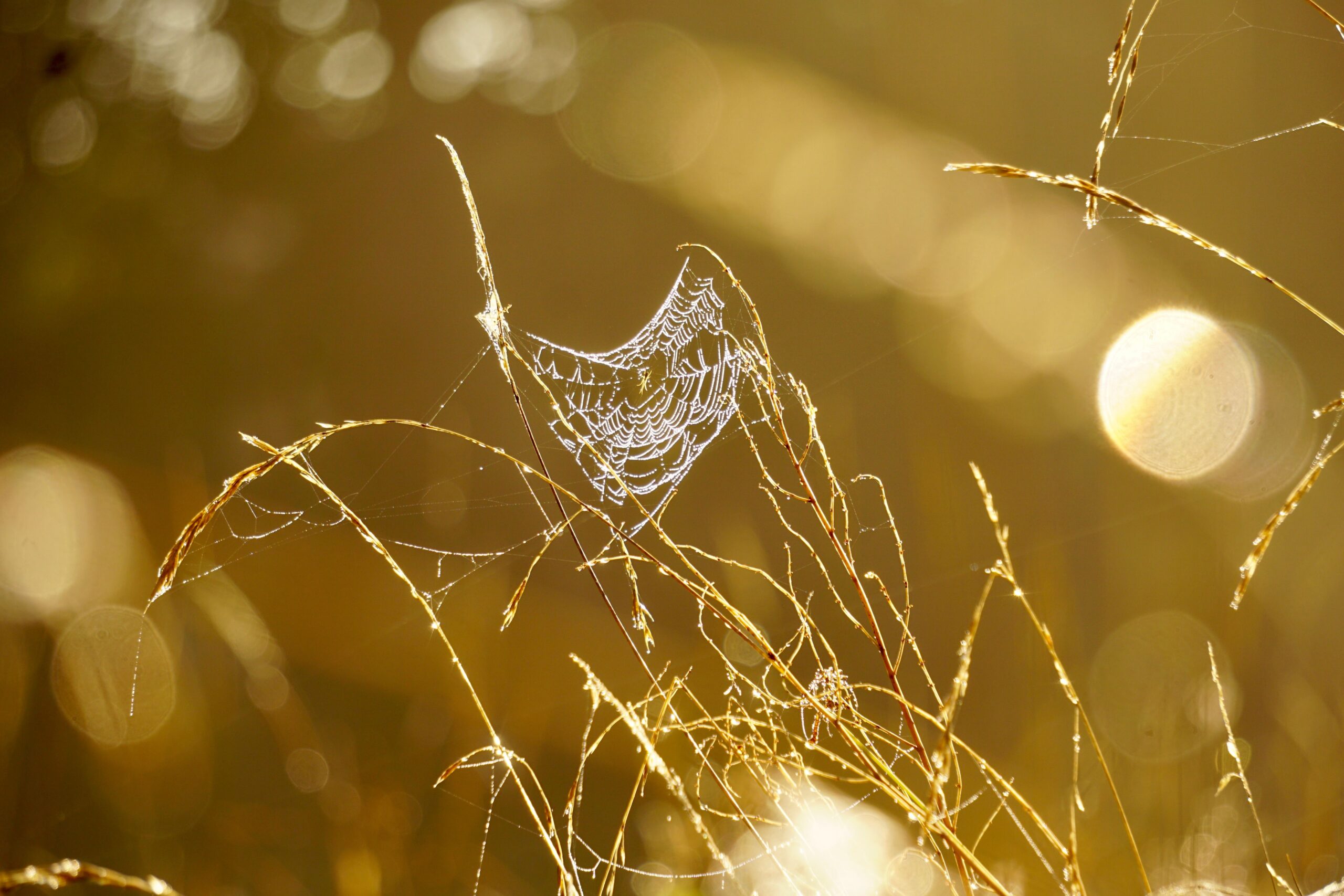
Suzi Turner, Deputy Head Gardener at Knepp and Gardens and Greenspaces Ambassador, on autumn ‘mess’ and how to avoid tidying away hidden habitats.