Biodiversity

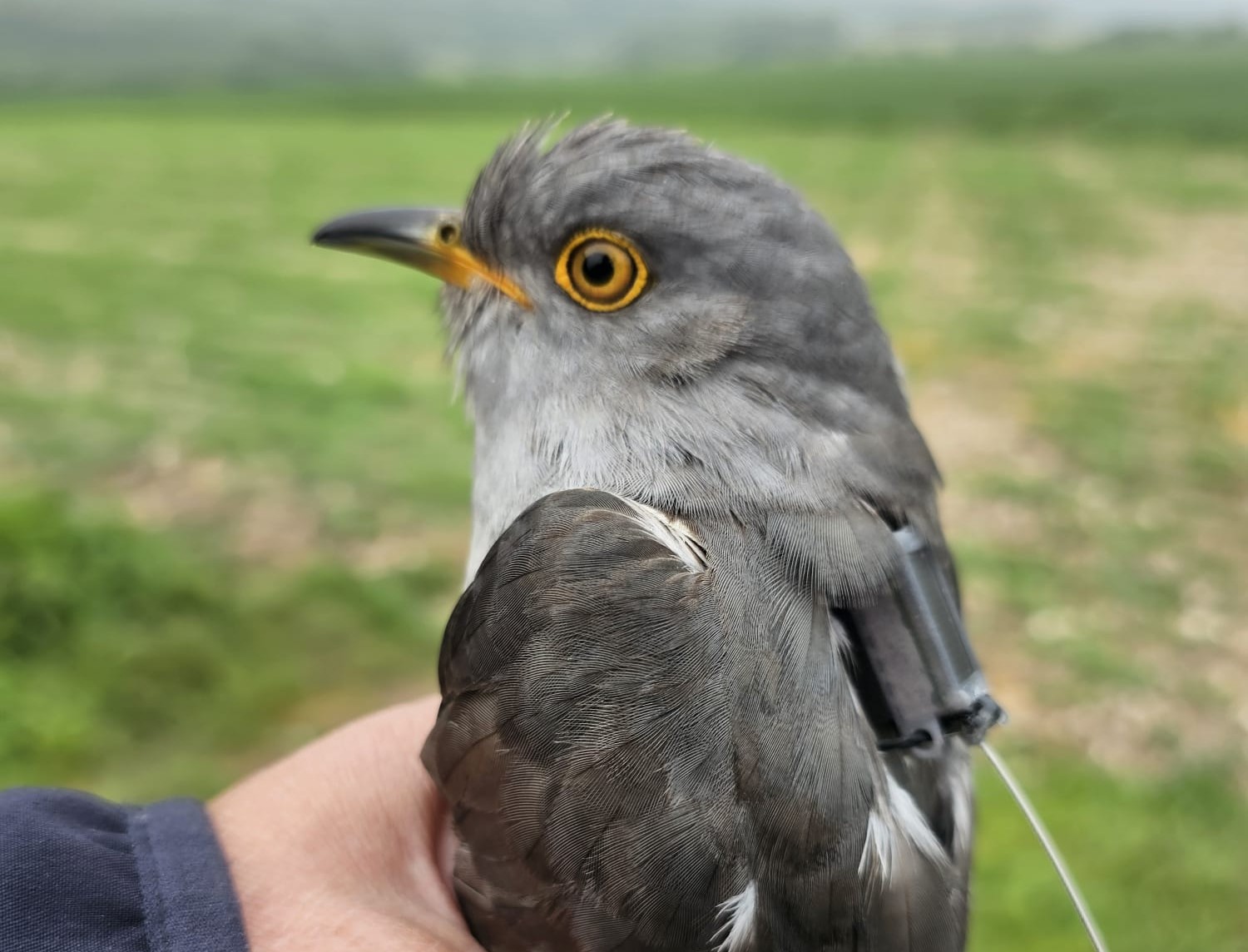
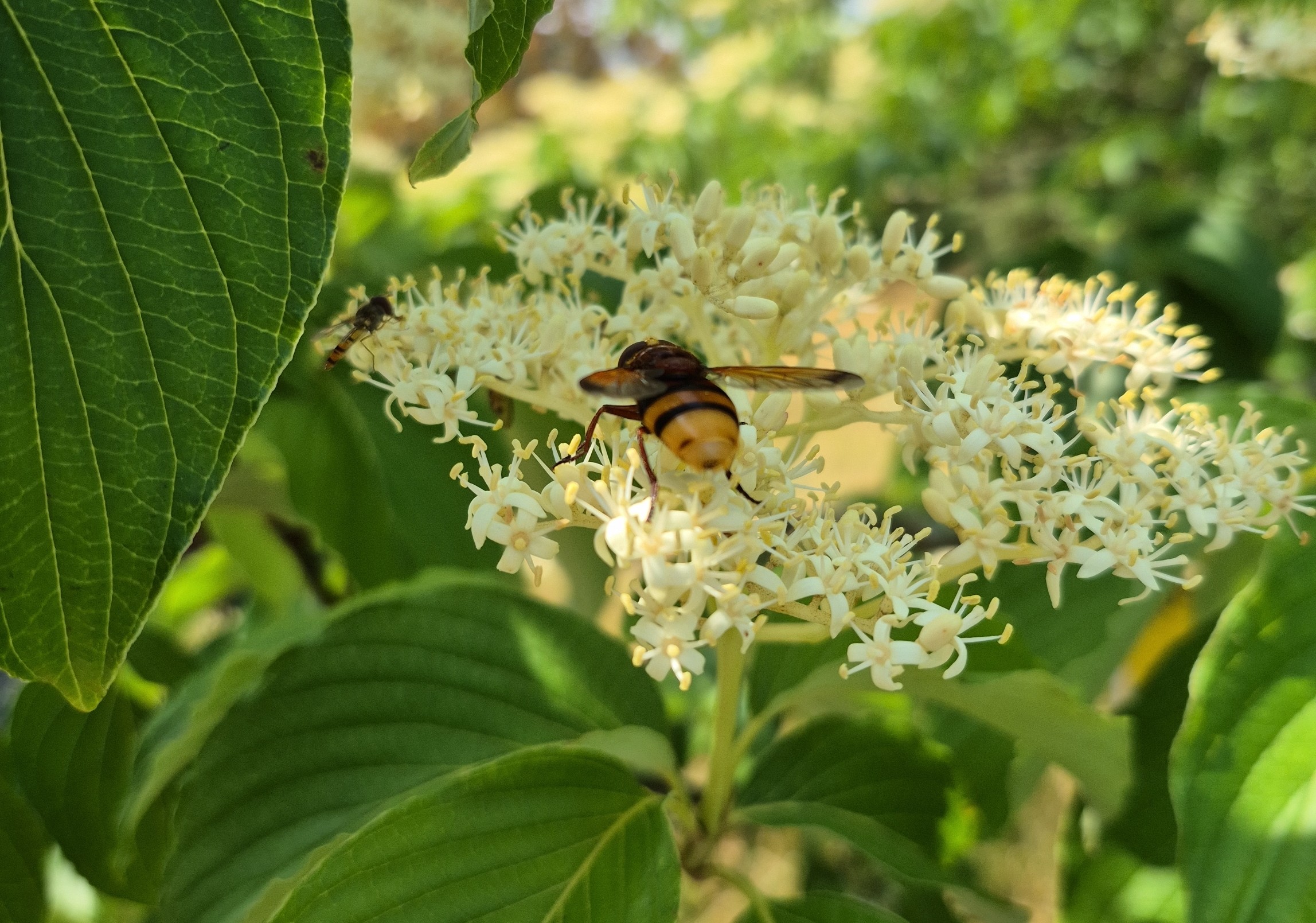
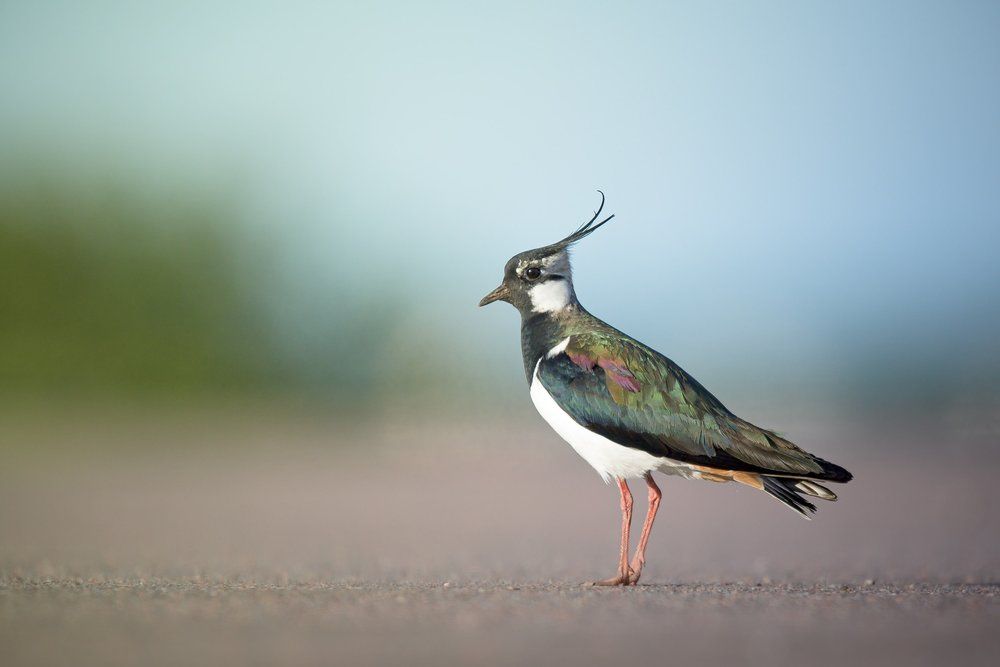
There is something powerful about coming together—farmers, ecologists, conservationists, and community members—to share ideas, challenges, and solutions for the future of our landscapes. _Weald to Waves: How Farmland Birds Can Thrive in Modern Agriculture_ offered an inspiring and practical vision of how farming and wildlife can thrive together.
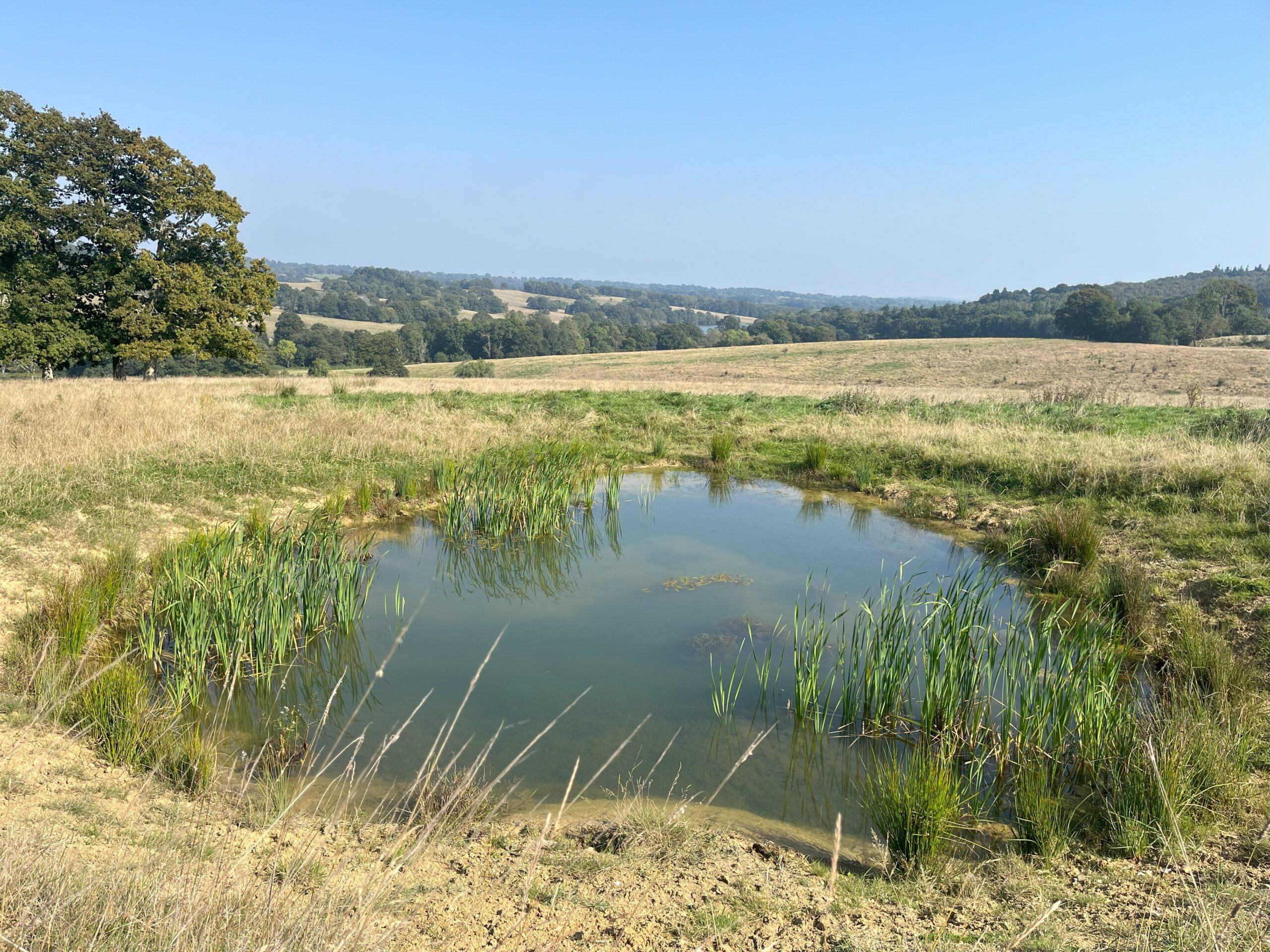
The Newt Conservation Partnership delivers the NatureSpace District Licensing scheme, working with landowners across 11 counties to create and restore ponds and habitats for great crested newts. This scheme is enabling development while also achieving exceptional conservation outcomes and supporting land management.
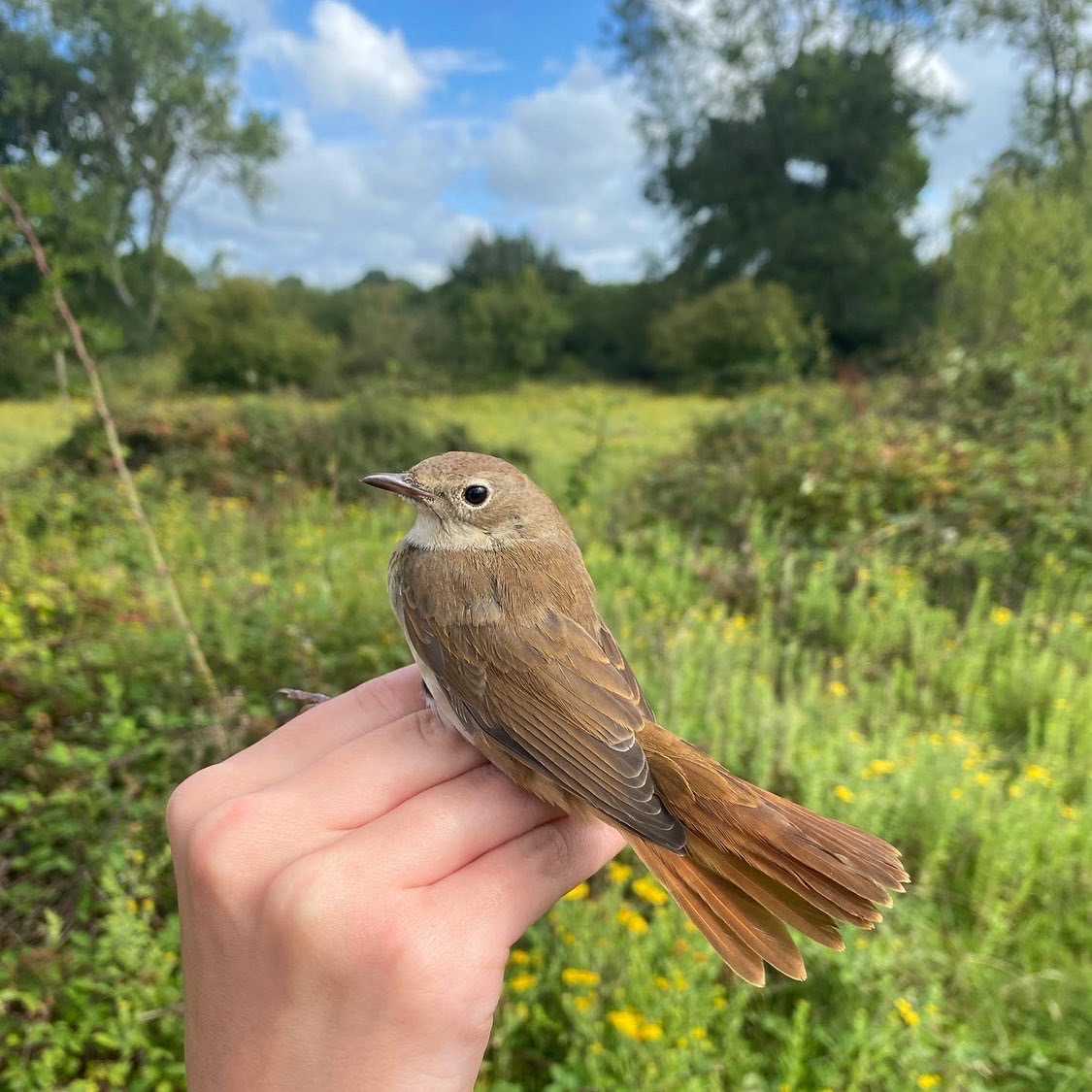
As spring arrives, the movement of wildlife becomes a pivotal event, particularly for bird enthusiasts. This seasonal shift is critical for breeding and feeding patterns of various species, and Sussex serves as a vital corridor for these animals, providing essential habitats during this crucial time of year.
We have been excited to be chatting with the Buzz Club recently, a fantastic club of citizen scientists focussing on pollinators in our gardens. Read on to find out more and get involved in their projects.
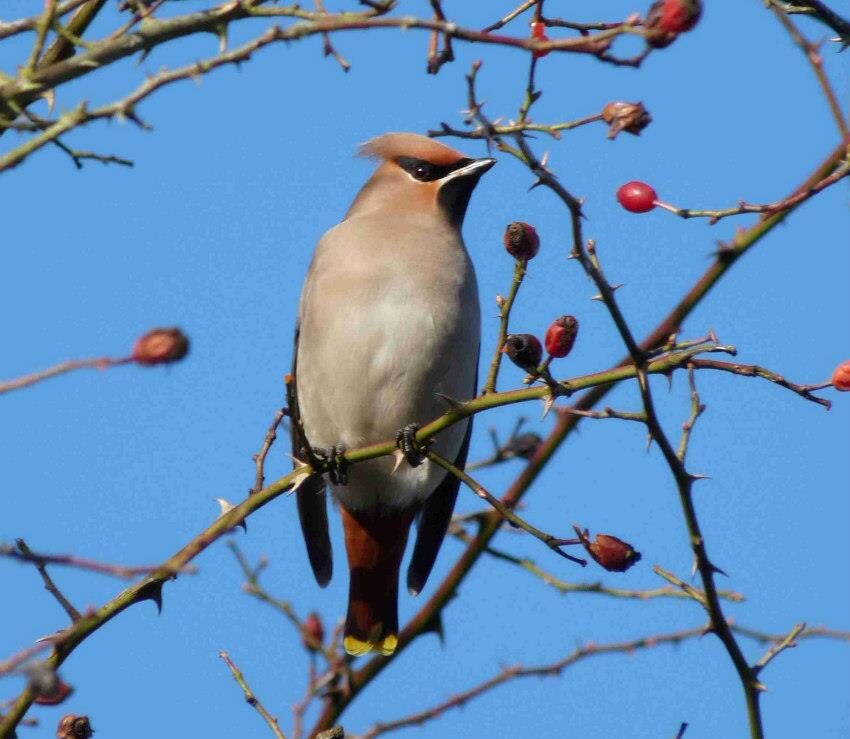
Back in Autumn, Matt Phelps told us about ‘big years’ for many of our bird species, and what you might see flying around the corridor this winter.
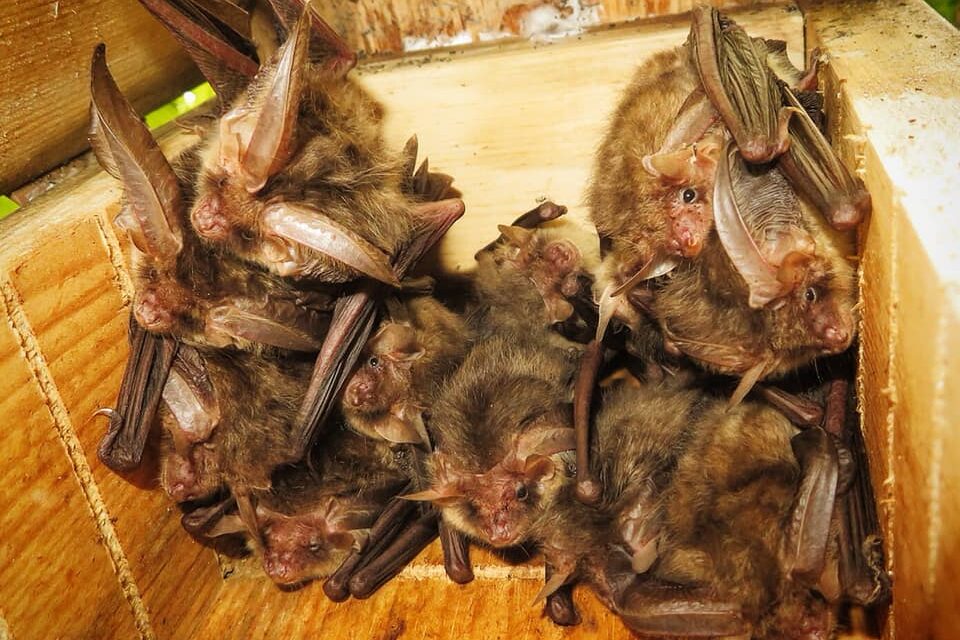
As a species dependant upon good habitat connectivity, bats are particularly important for Weald to Waves. Learn more about bat species in Sussex, and how to help their survival in our own spaces.
We are pleased to welcome Ryan Ellis as our Landscape Advisor, who has joined the Weald to Waves corridor to develop of network and to find solutions for food production and habitat management that support nature recovery.
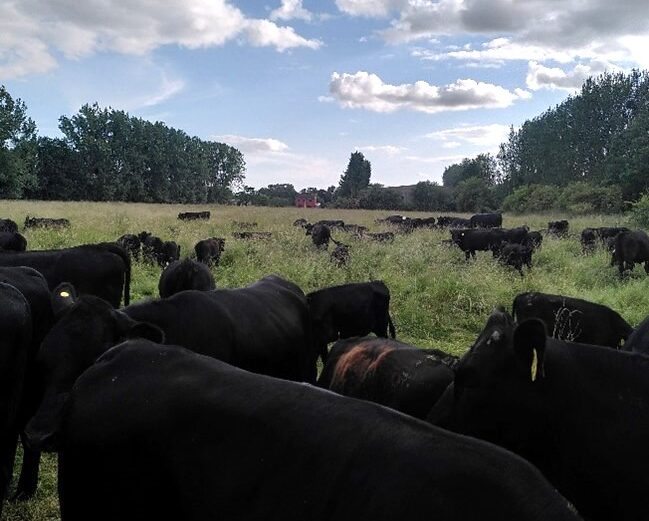
Mob grazing is a technique used by an increasing number of farmers, enabling livestock farming to boost productivity and biodiversity by mimicking natural grazing behaviours.
Lifelines works with farmers, landowners, and communities across the UK to support them in planting woodland and hedgerows on their land with the help of different faith & non-faith groups from across the country.
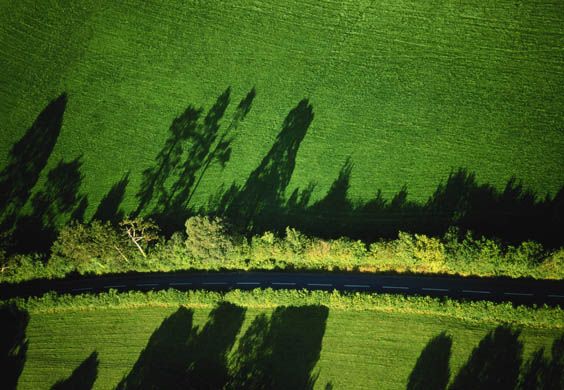
Hedgerows not only provide individual benefits on the lands where they exist but also serve as vital ecological corridors across landscapes, connecting biodiverse areas in a linear fashion. In Sussex, they are integral components of the larger Weald to Waves corridor, creating essential links between habitats and allowing species to move and disperse across a fragmented landscape. By enhancing hedgerow connectivity, we bolster the resilience and continuity of local ecosystems.
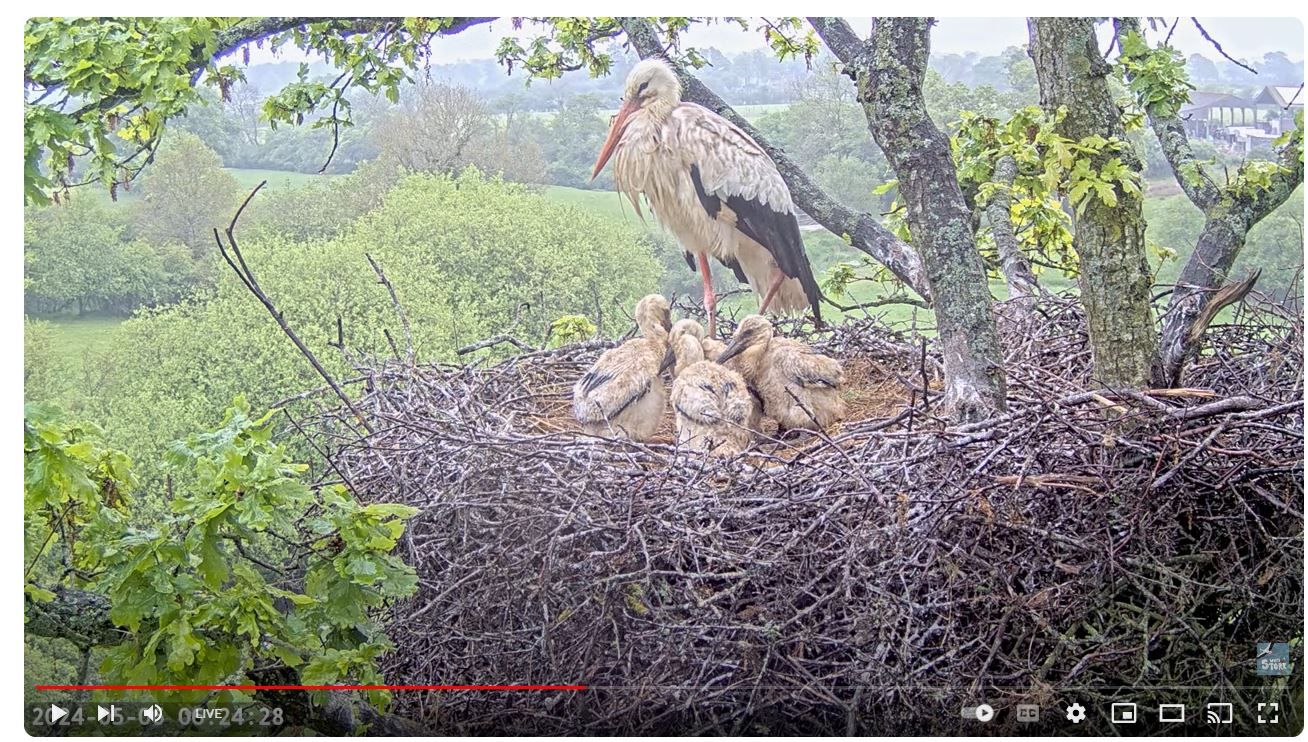
Have you seen the live webcam from the White Stork Project? Tune in to see what is happening on one of the colony’s nests.
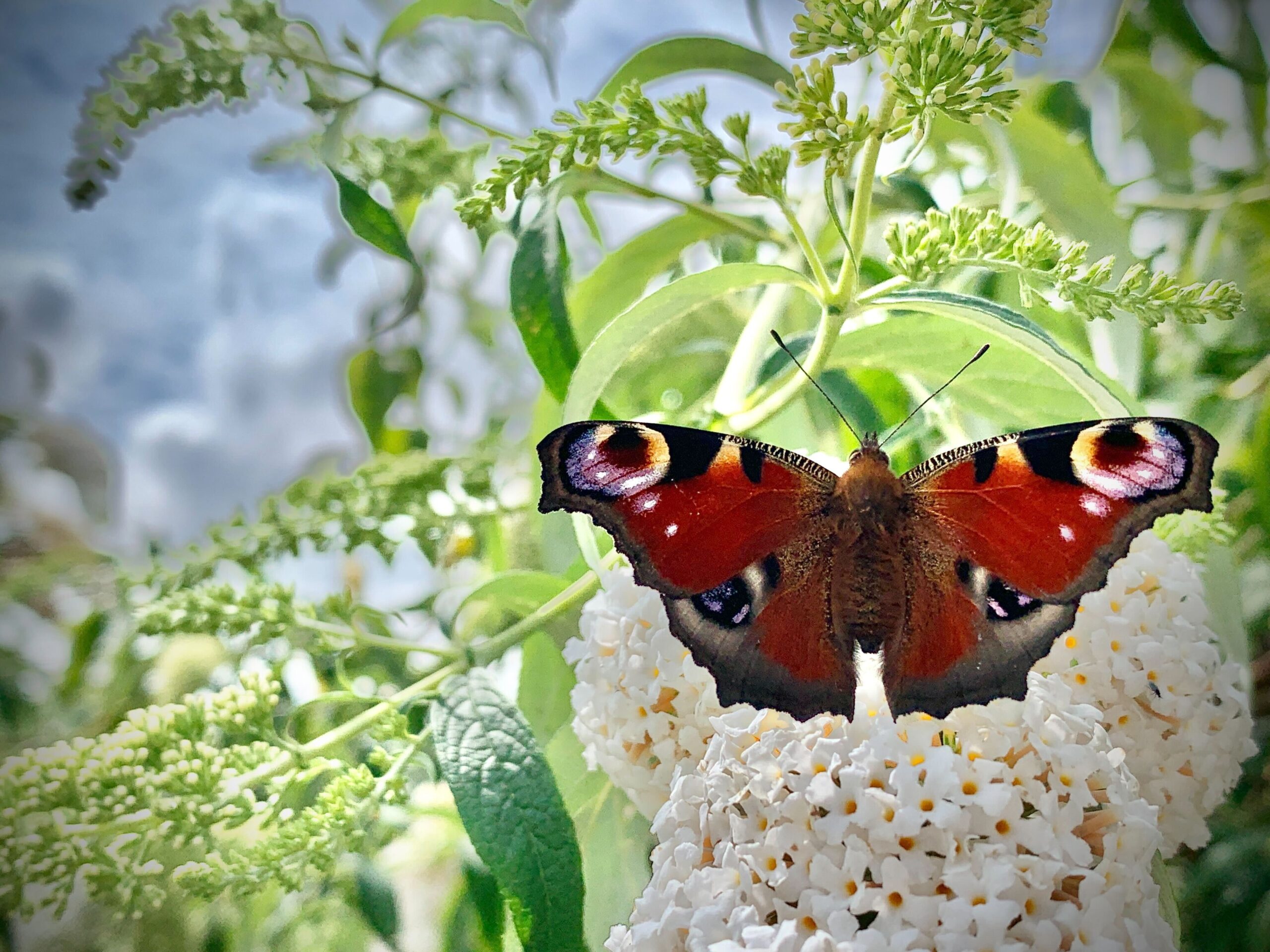
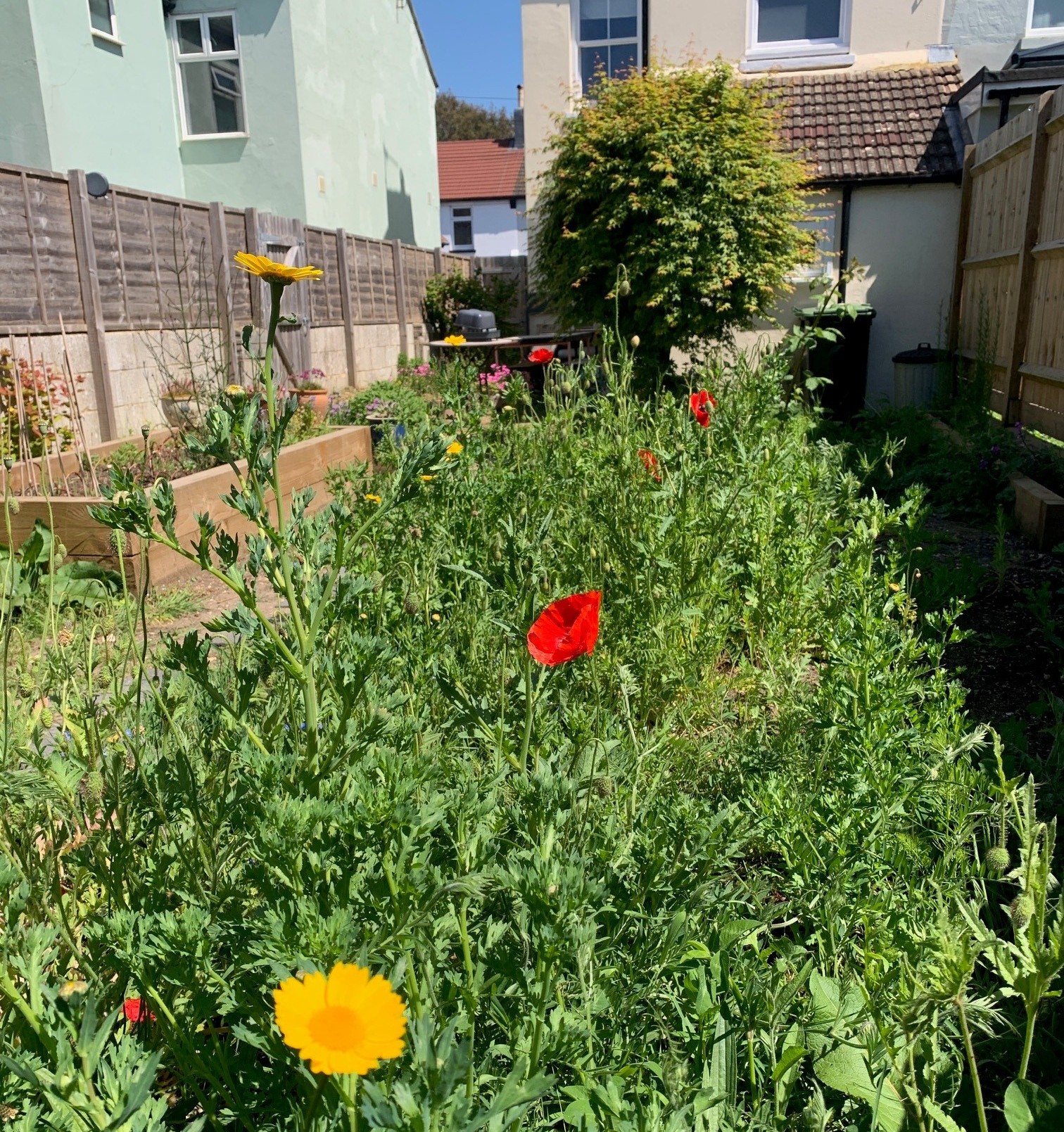
Pollinating insects play an essential role in maintaining the health of our ecosystems. Here’s how you can contribute to supporting these vital members of our ecological community by developing habitats that attract and sustain them.