
Weald to Waves Logo

Biodiversity

St Ethelburga's logo

Lifelines Planting Project – St Ethelburga’s

Lifelines works with farmers, landowners, and communities across the UK to support them in planting woodland and hedgerows on their land with the help of different faith & non-faith groups from across the country.

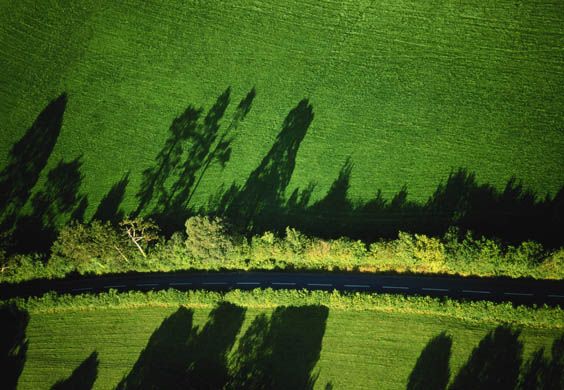
Hedgerow, by jidanchaomian, CC BY-SA 2.0

Healthy Hedgerows

Hedgerows not only provide individual benefits on the lands where they exist but also serve as vital ecological corridors across landscapes, connecting biodiverse areas in a linear fashion. In Sussex, they are integral components of the larger Weald to Waves corridor, creating essential links between habitats and allowing species to move and disperse across a fragmented landscape. By enhancing hedgerow connectivity, we bolster the resilience and continuity of local ecosystems.

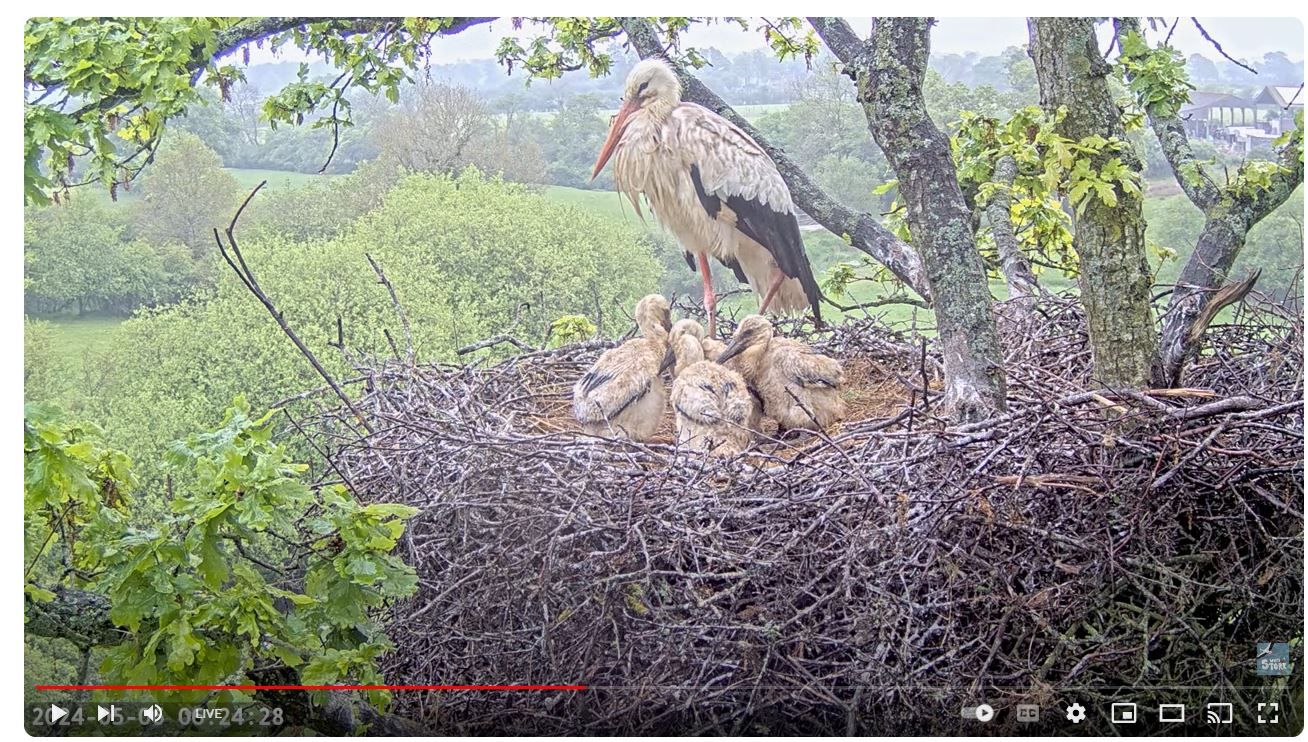
Knepp Stork Nest Webcam

Peeking Into Stork Nests

Have you seen the live webcam from the White Stork Project? Tune in to see what is happening on one of the colony’s nests.

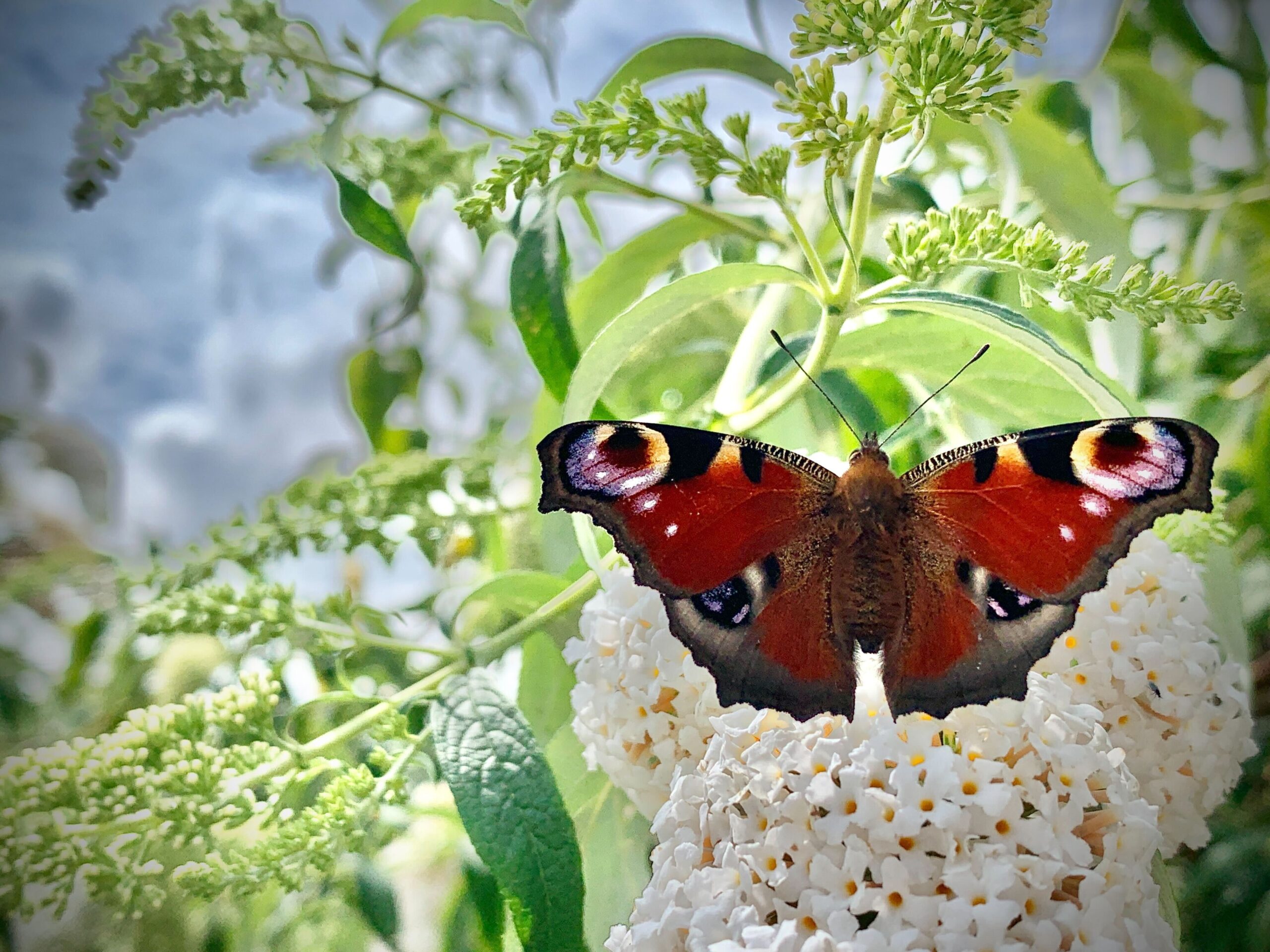
Peacock butterfly by Libby Drew

Pollinator Highways

Pollinating insects play an essential role in maintaining the health of our ecosystems. Here’s how you can contribute to supporting these vital members of our ecological community by developing habitats that attract and sustain them.

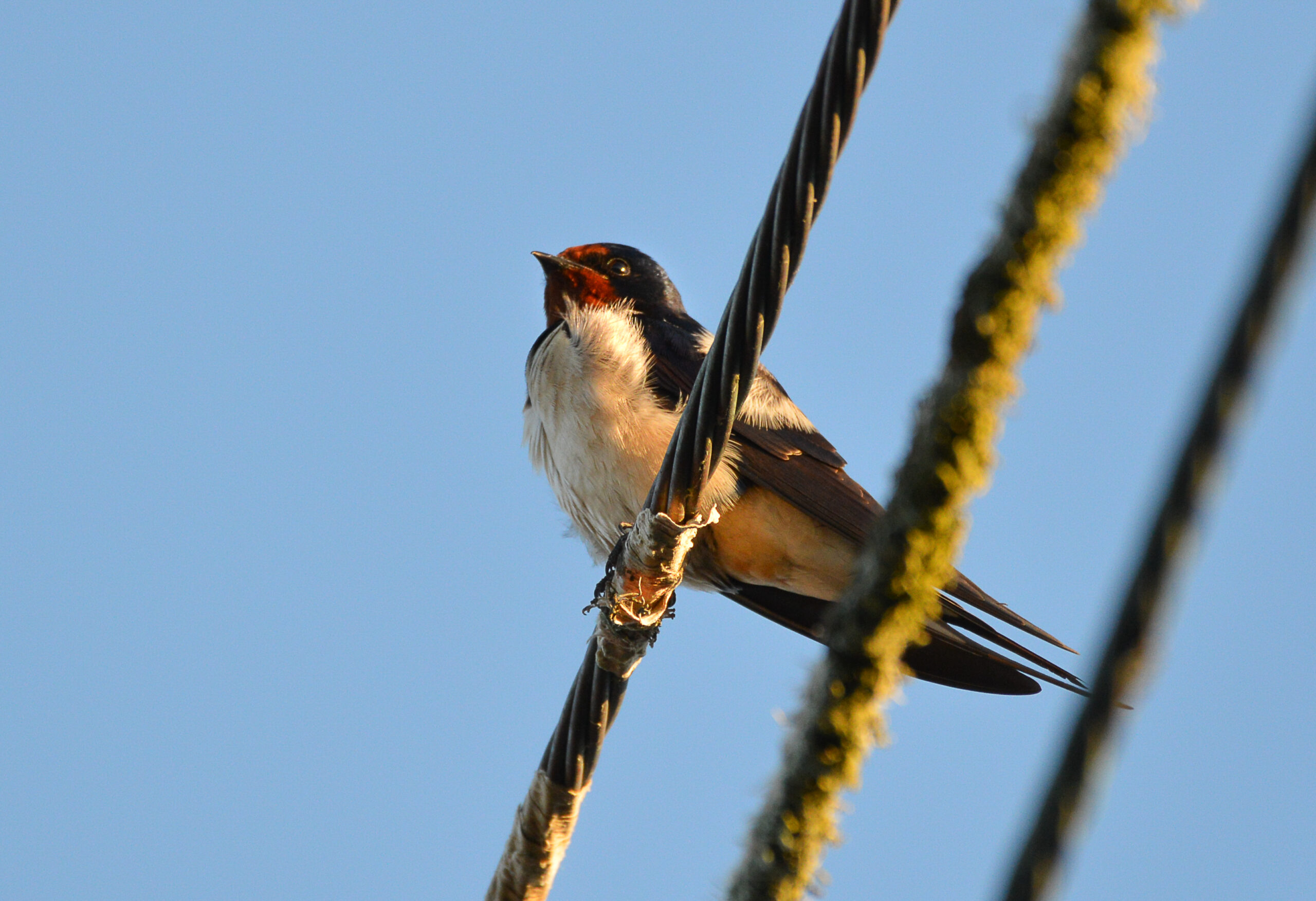
Swallow by Matt Phelps

Welcoming Back Our Spring Migrants

Have you seen your first swift this year? Matt Phelps updates us on the incredible migration patterns of the bird species appearing across Sussex.

Two Turtle Doves on a Bare Tree Branch with a Bright Blue Sky - photo by Åsa Berndtsson

The media is overflowing with staggering numbers on species and wildlife populations in decline in countries around the world – and we know that the UK is one of the worst hit. So how can we measure nature decline in Sussex?

Snowdrops- Libby Drew

Our first survey on nature in our gardens has been completed by nearly a quarter of members already. We can start to build a picture of what we have to offer wildlife and what is needed to improve connectivity.

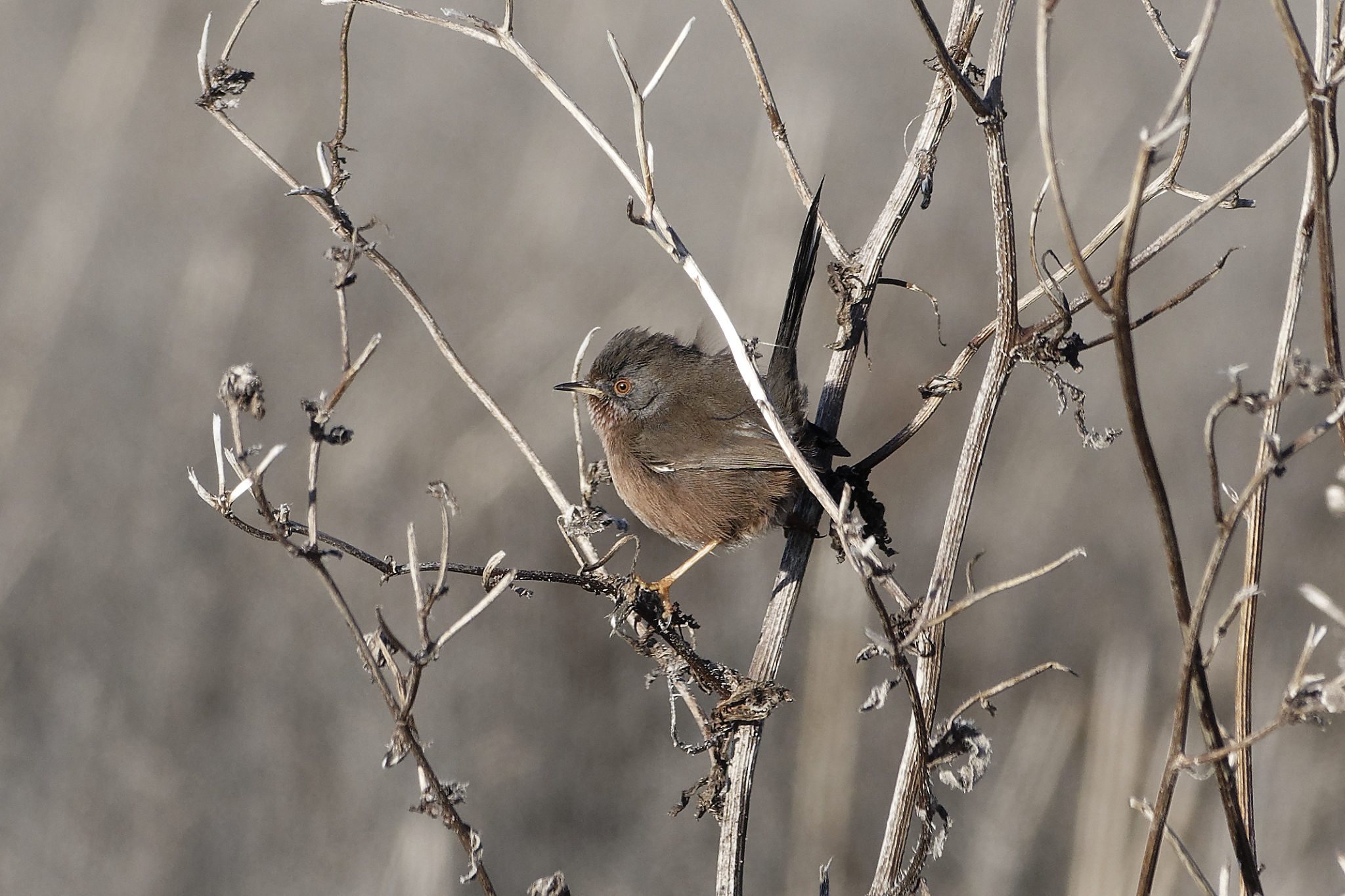
Dartford Warbler

The Dartford warbler is one of the defining species for the conservation of this important area. It’s easily overlooked, sometimes giving itself away by its scratchy song and occasional song-flight. If conditions are right, pairs can raise two, even three broods each summer. Once down to only 10 pairs in the whole of the UK, habitat protection and management, and warmer winters, now mean the UK population is in the thousands.
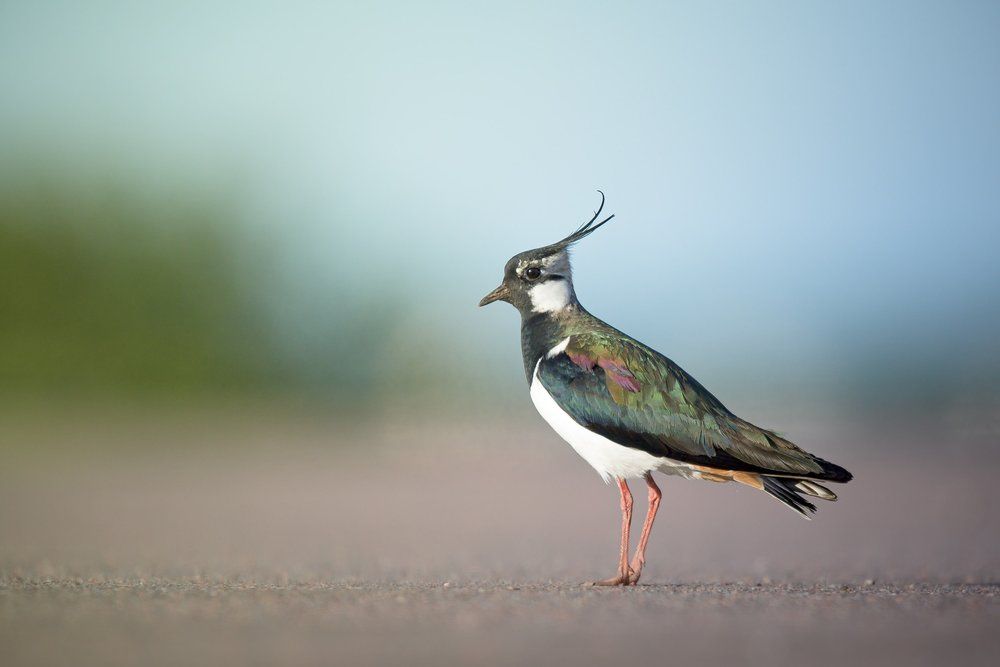
Northern lapwing by Daniil Komov

The world is facing a biodiversity crisis that will affect every single one of us. With nature being lost at an unprecedented rate, scientists agree humans are exploiting our planet beyond its limits.
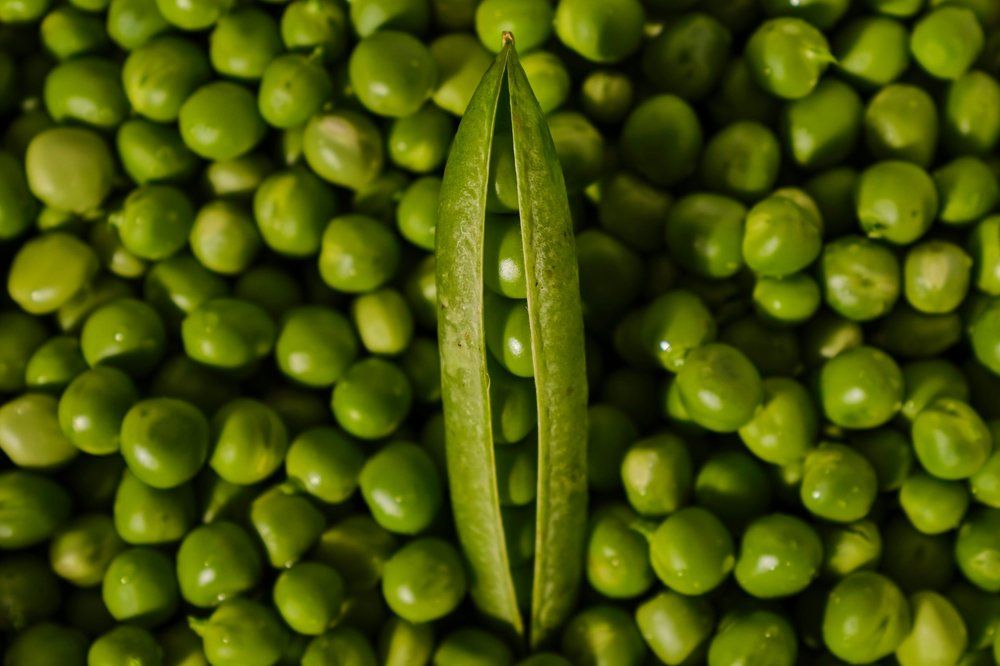
Green peas

This is an entirely valid concern in these uncertain times – is it possible to sustain food security alongside nature recovery?
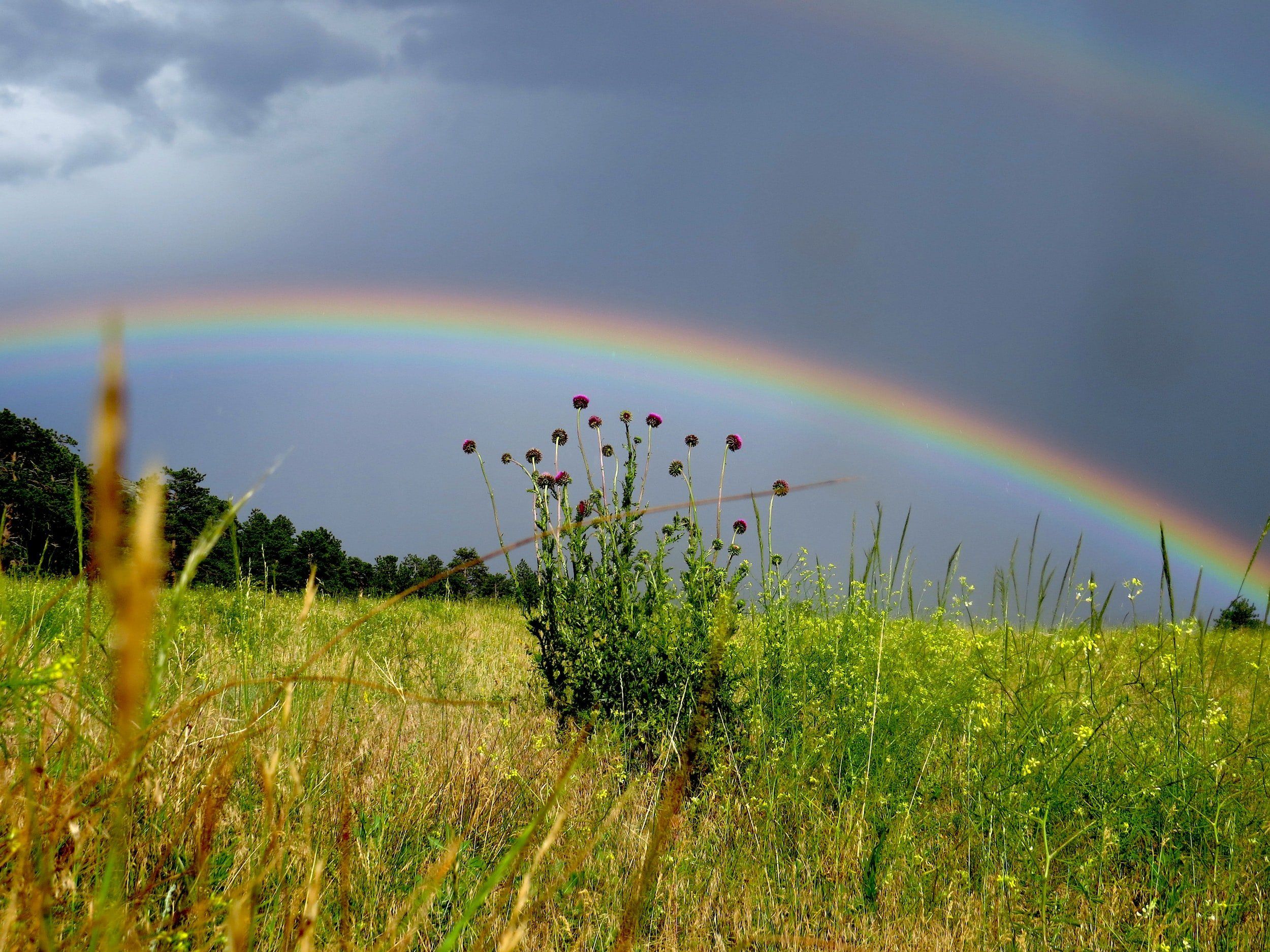
Green grass field under rainbow by Lauren Lopes

We started the year with a new global commitment to set aside 30% of the planet for nature by the end of this decade.