
Weald to Waves Logo

News

Nightingale by Georgina Louise Tugwell

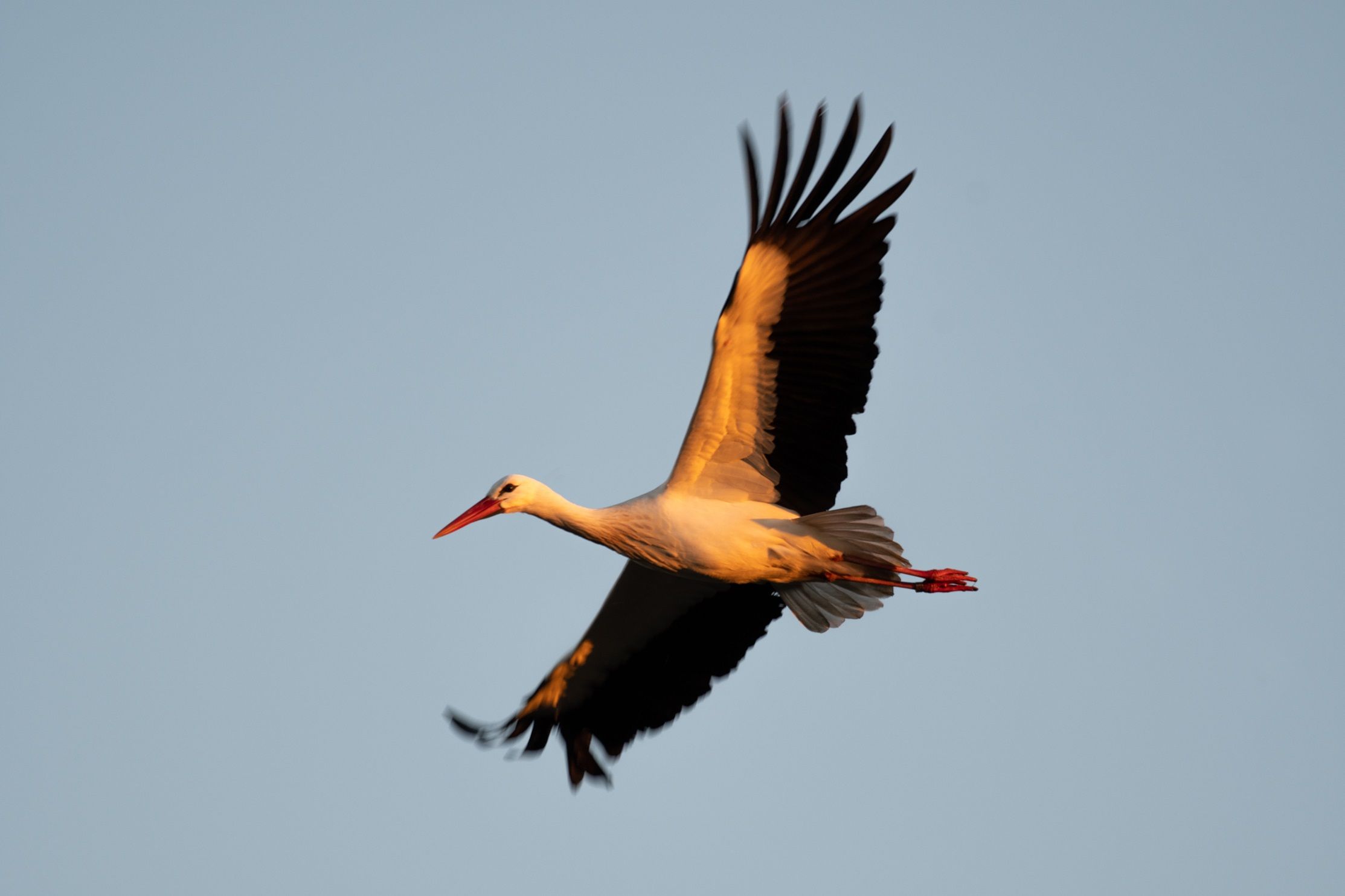
Movement and Migration: Welcome Back to Our Spring Arrivals

As spring arrives, the movement of wildlife becomes a pivotal event, particularly for bird enthusiasts. This seasonal shift is critical for breeding and feeding patterns of various species, and Sussex serves as a vital corridor for these animals, providing essential habitats during this crucial time of year.

Buzz Club logo

Introducing the Buzz Club!

We have been excited to be chatting with the Buzz Club recently, a fantastic club of citizen scientists focussing on pollinators in our gardens. Read on to find out more and get involved in their projects.

Pools Drone footage, by Geodime Ltd

From Field to Lab: Joined Up Work for Sussex Scrubland

Sussex scrubland set for revival through farmer and volunteer collaboration

Wildflower meadow, Kingston Nature Recovery Group

Working Together for Wildlife

Find out more about collaborative conservation in Kingston Parish

Waxwing, by Rachel Bicker

Winter Birdwatching

Back in Autumn, Matt Phelps told us about ‘big years’ for many of our bird species, and what you might see flying around the corridor this winter.

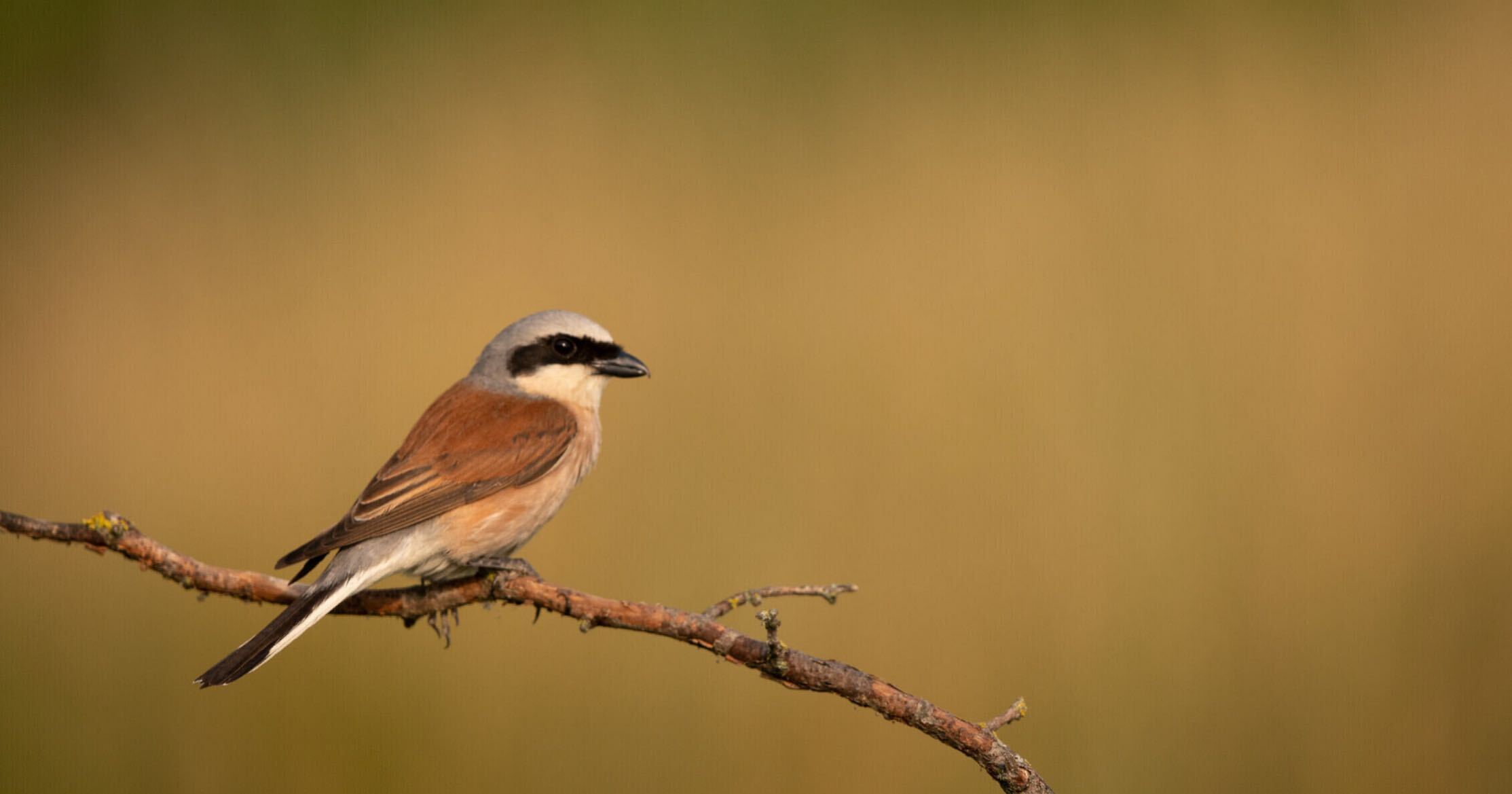
Red-backed shrike, David Oldham

New habitat creation project receives Natural England funding
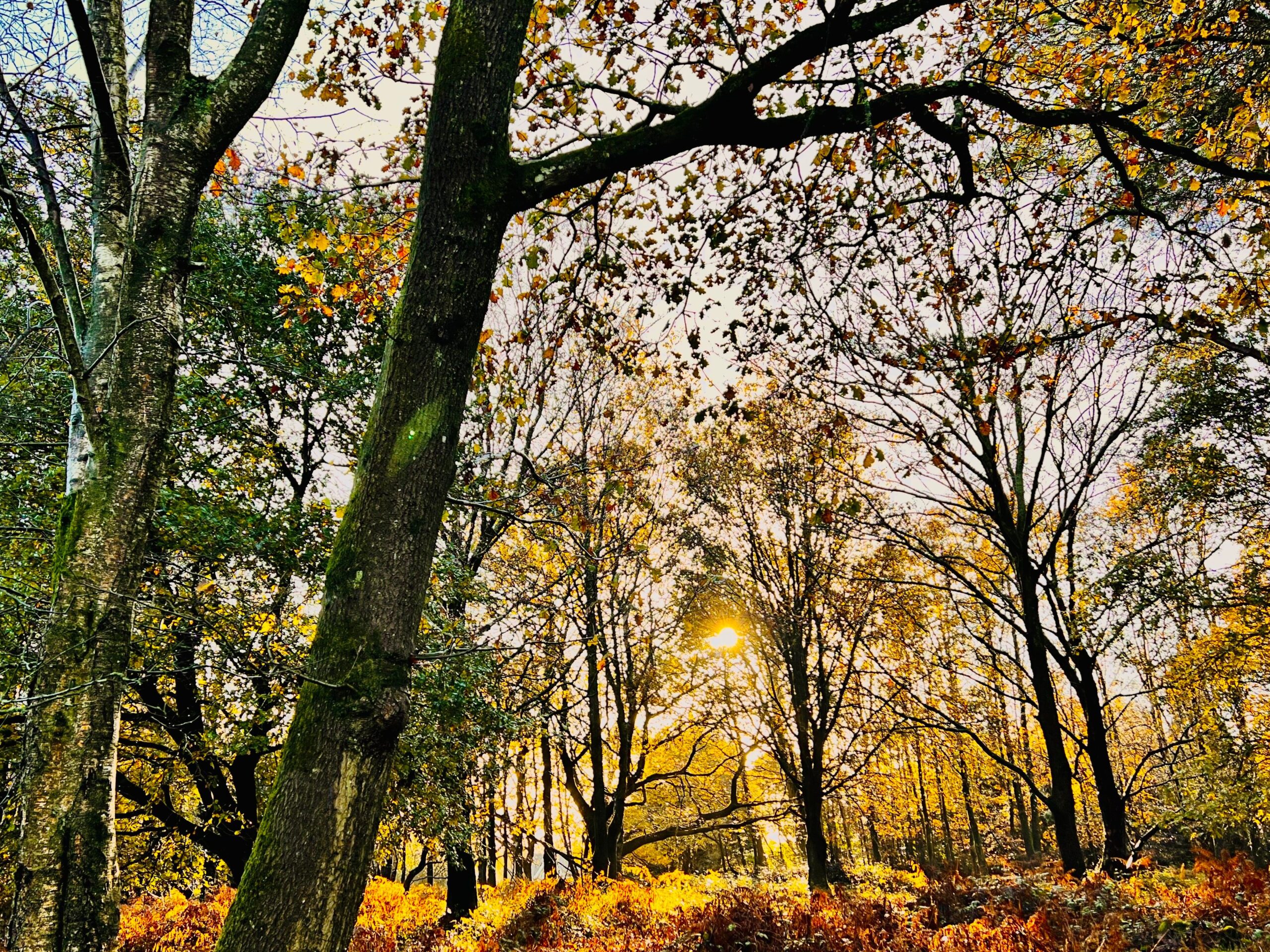
Sussex is one of the most wooded regions in the country. Brush off your boots and explore the best of the autumn colour across the corridor.
Weald to Waves Species Logo

We are looking for communications volunteers to help us with community outreach and social media.
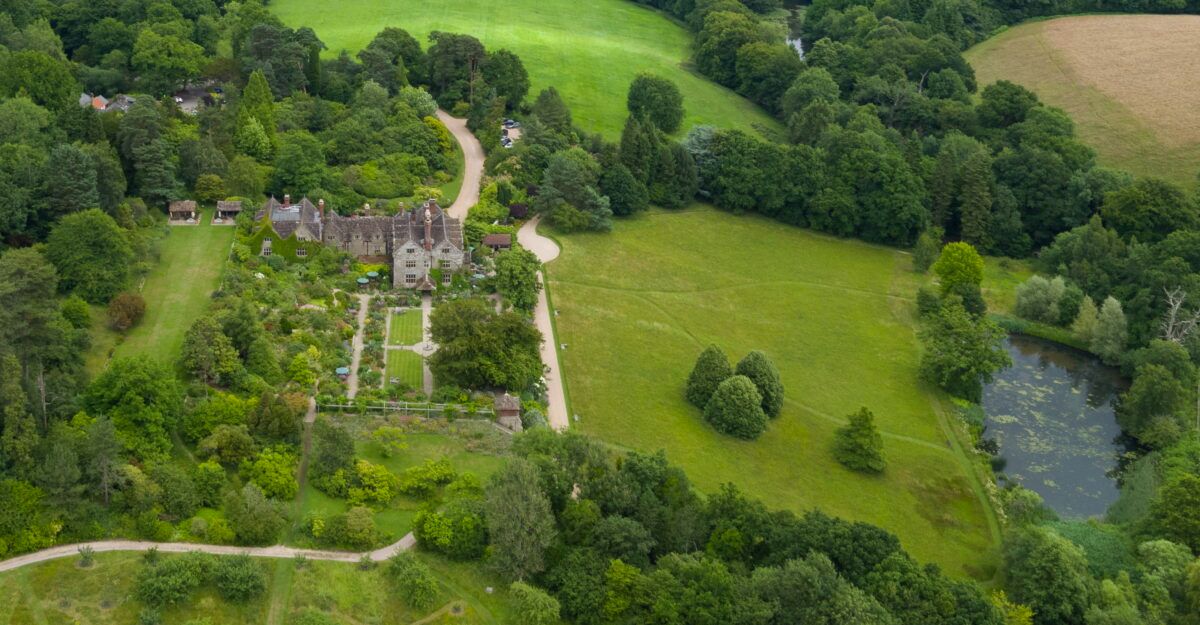
Gravetye Manor

Gravetye joins the corridor, with 600 acres of farmland, woodland and wildlife gardens.
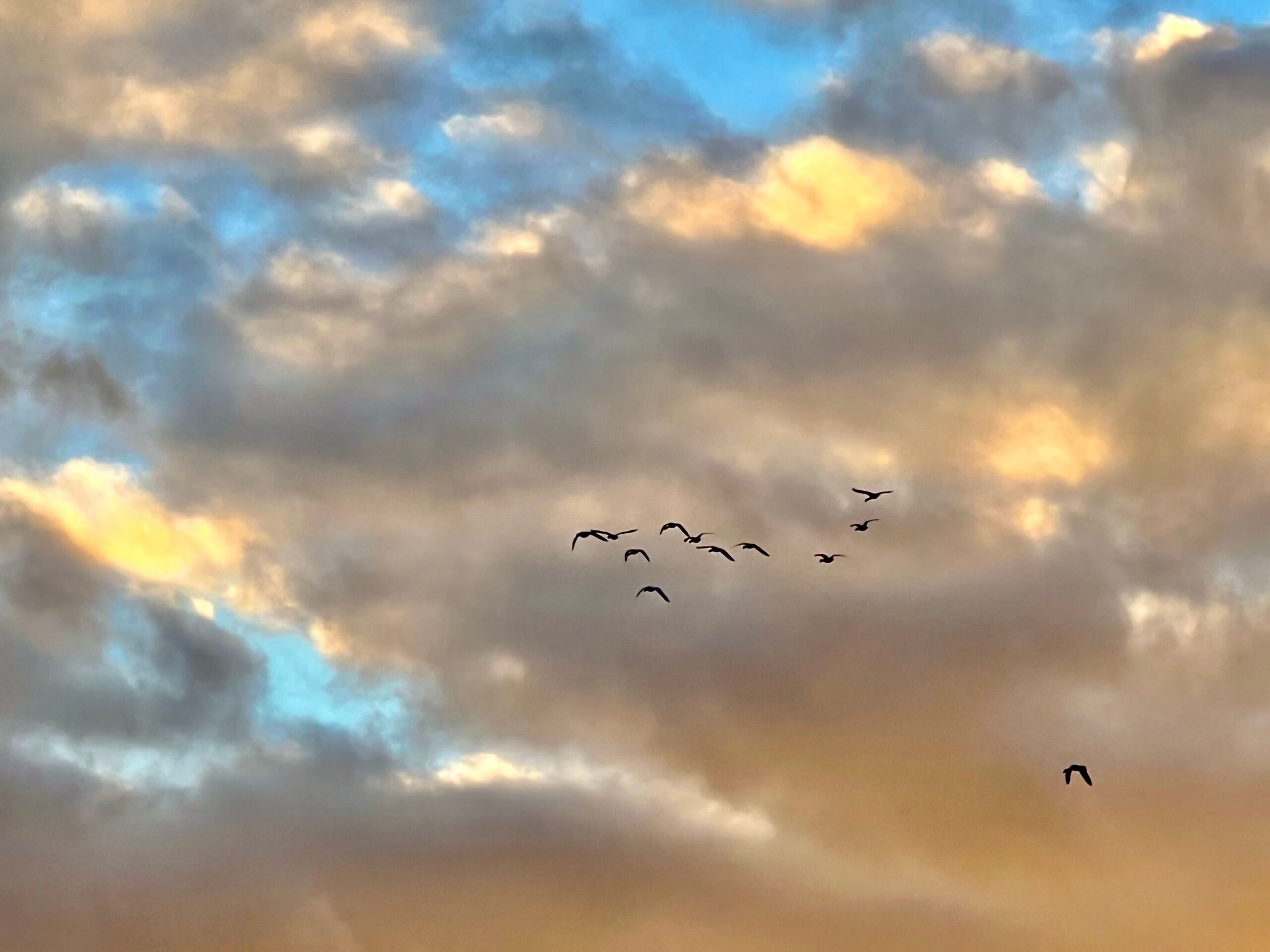
Migrating birds by Libby Drew

As habitats increase along the corridor, they will provide safe passage for the great autumn bird migration. Ecologist and wildlife guide, Matt Phelps, shares how some species are embarking on their seasonal journey southward.
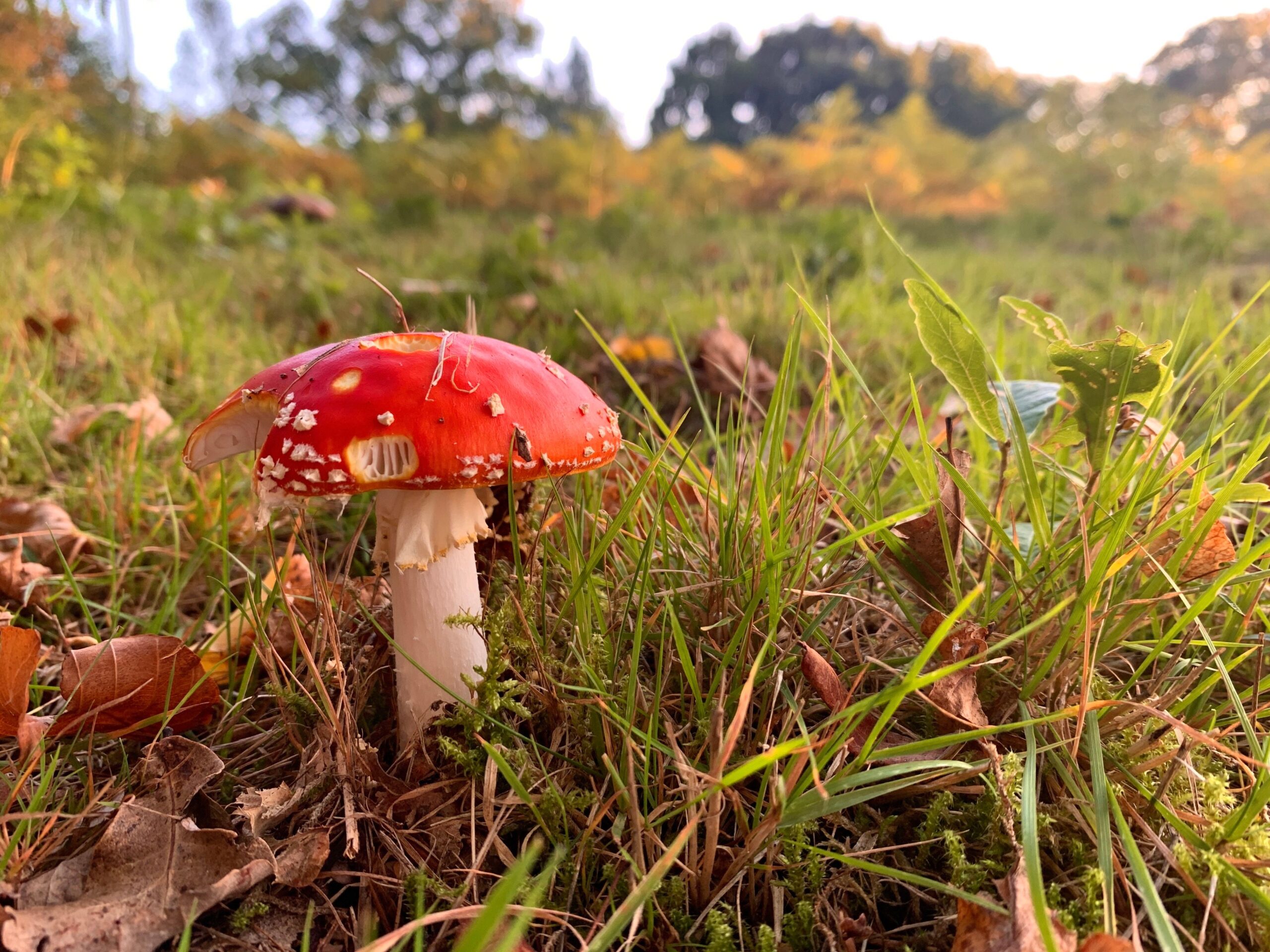
Toadstool in field

Fungi are a world of their own. Find out about the fascinating role they play in connectivity.

Coastal sunset at low tide

Sussex’s coastline has long been a favourite destination for locals, tourists and wildlife. However, the deterioration of sea water quality in the region has been a growing concern in recent years.

White-tailed eagle by Andreas Weith

White-tailed eagles, also known as sea eagles, are making a remarkable comeback in the southern region of England after an absence of almost 250 years.

Hippocampus hippocampus by Hans Hillewaert

Shining a light on one of Sussex’s two seahorse species, which are facing a range of conservation challenges.

Kelp on a stone by Hugh Venables

Fancy a spot of kelp combing this summer? The Sussex Kelp Recovery Project would love your help to record sightings of this super seaweed along the Sussex coastline. Plus eggcase hunting, dolphin spotting and more!

Bognor Kelp © Paul Boniface

Off the coast of Sussex something amazing is happening. Two years ago the pioneering Sussex Nearshore Trawling Byelaw came into place, pushing bottom-towed trawling 4km off the West Sussex Coast. The changes are now starting to happen.

Runoff into the East China Sea. NASA Earth Observatory image by Jesse Allen

The interface between land and sea is particularly important for marine conservation, going back to the idea of connectivity being central to all of our efforts. While it may not be the first thing that springs to mind when we talk about pollution, sediment is a real problem for our marine habitats.