News

In a groundbreaking move to safeguard UK waterways, the River Ouse is poised to become the first English river granted legal rights. Lewes District Council has embraced the concept of recognising the rights of nature, acknowledging the crucial need to protect local rivers. This paves a potential pathway to enhancing the health of ecosystems by affording them legal protections similar to those of human beings.
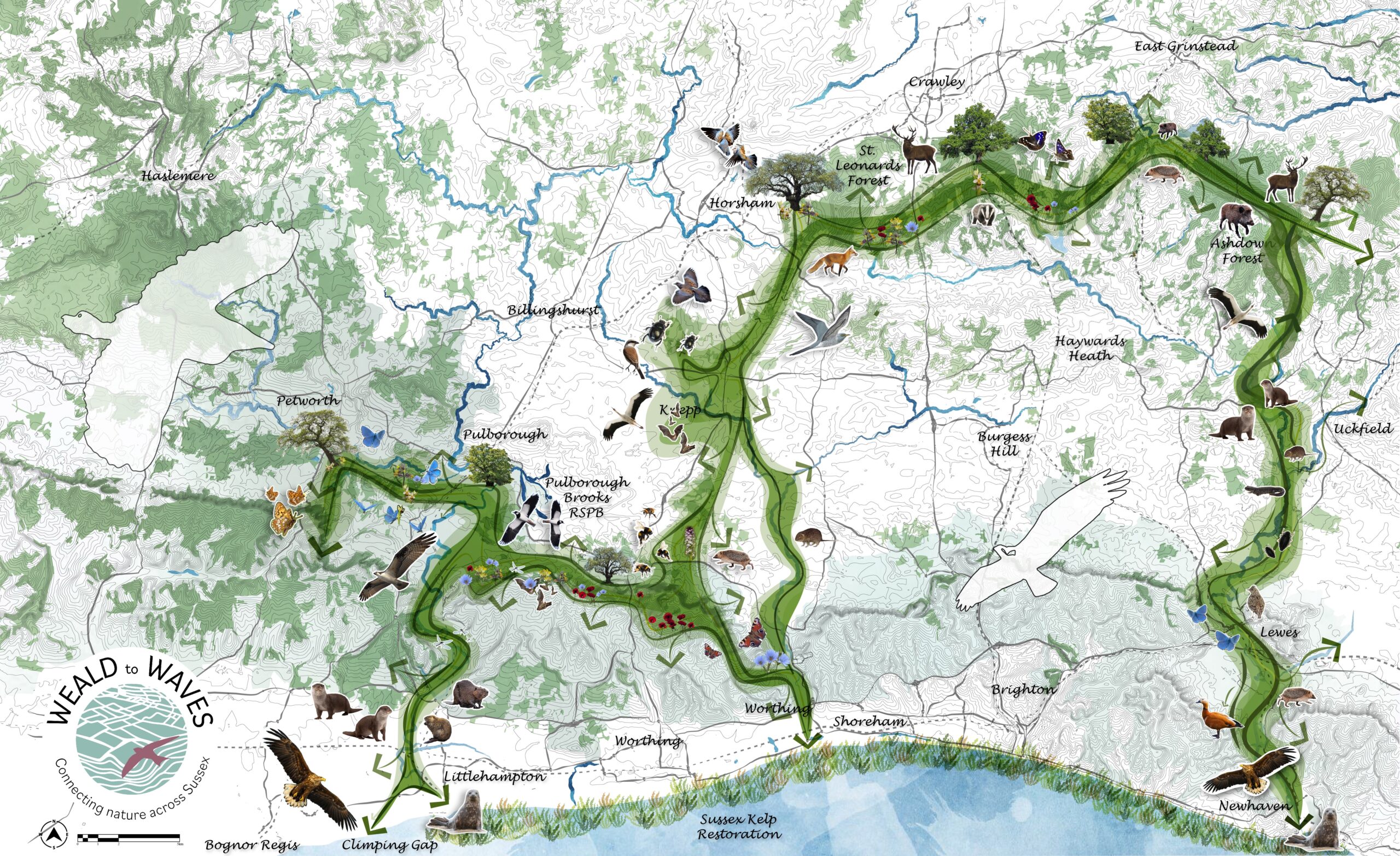
Perhaps first we should ask, why is a corridor important? Traditionally,
conservation has tended to focus on restoring and protecting key areas, such as nature reserves. These core areas are vital for maintaining sustainable populations of wildlife species. However, as human land use has intensified, protected areas have become islands, isolated in the wider landscape. Gradually, species ranges become restricted to these areas, leading to declines, low genetic health, and eventually to local extinctions.
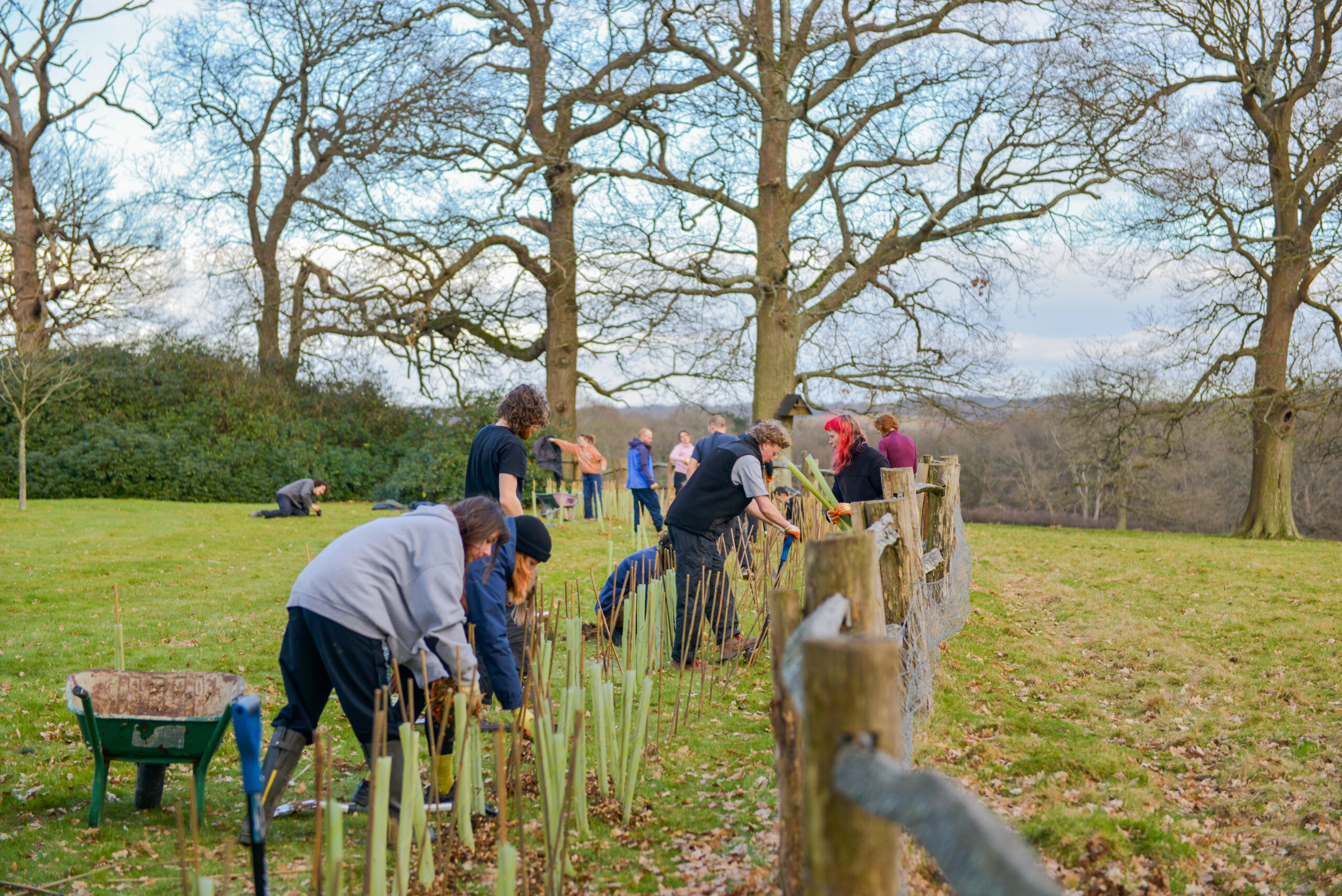
This month, YoungWilders and Weald to Waves are embarking on a new partnership that will harness the energy and commitment of young people passionate about nature to help drive forward W2W’s pioneering nature-recovery corridor work
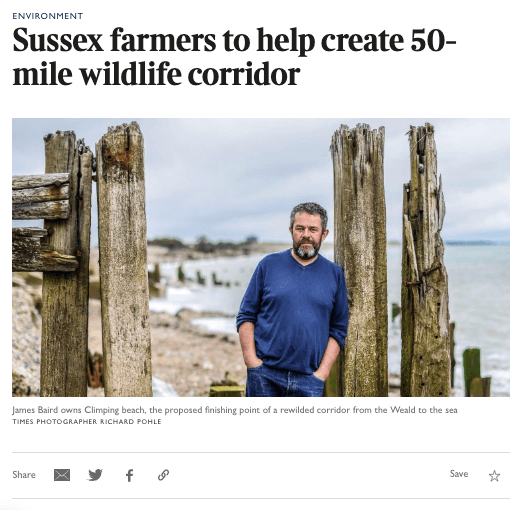
We have been under the spotlight this winter! We’ve had national press visits from the Guardian, the Times, and Defra; all keen to depict the scale and ambition of this citizen-led recovery project.

Rivers can form a critical part of nature corridors. They are home to hundreds of species of plants and animals. The water itself, riverbank vegetation and floodplains combine to offer rich habitats and food sources for birds, mammals, fish and amphibians.
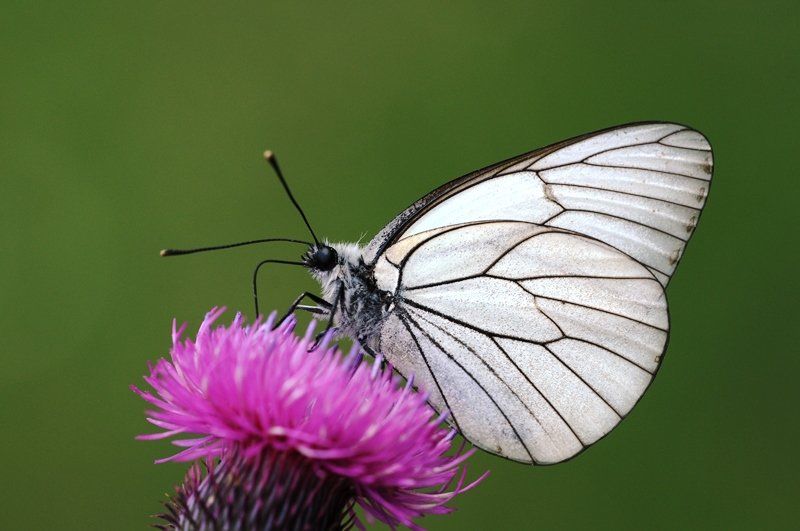
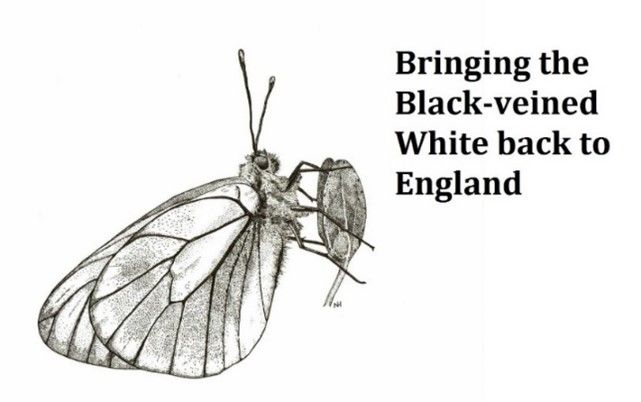
One in six birds has been lost since the 1980s and the crisis is gathering pace. Over the past five years, 80% of butterflies have declined in the UK. Half of all Britain’s remaining butterfly species are now at risk of extinction.
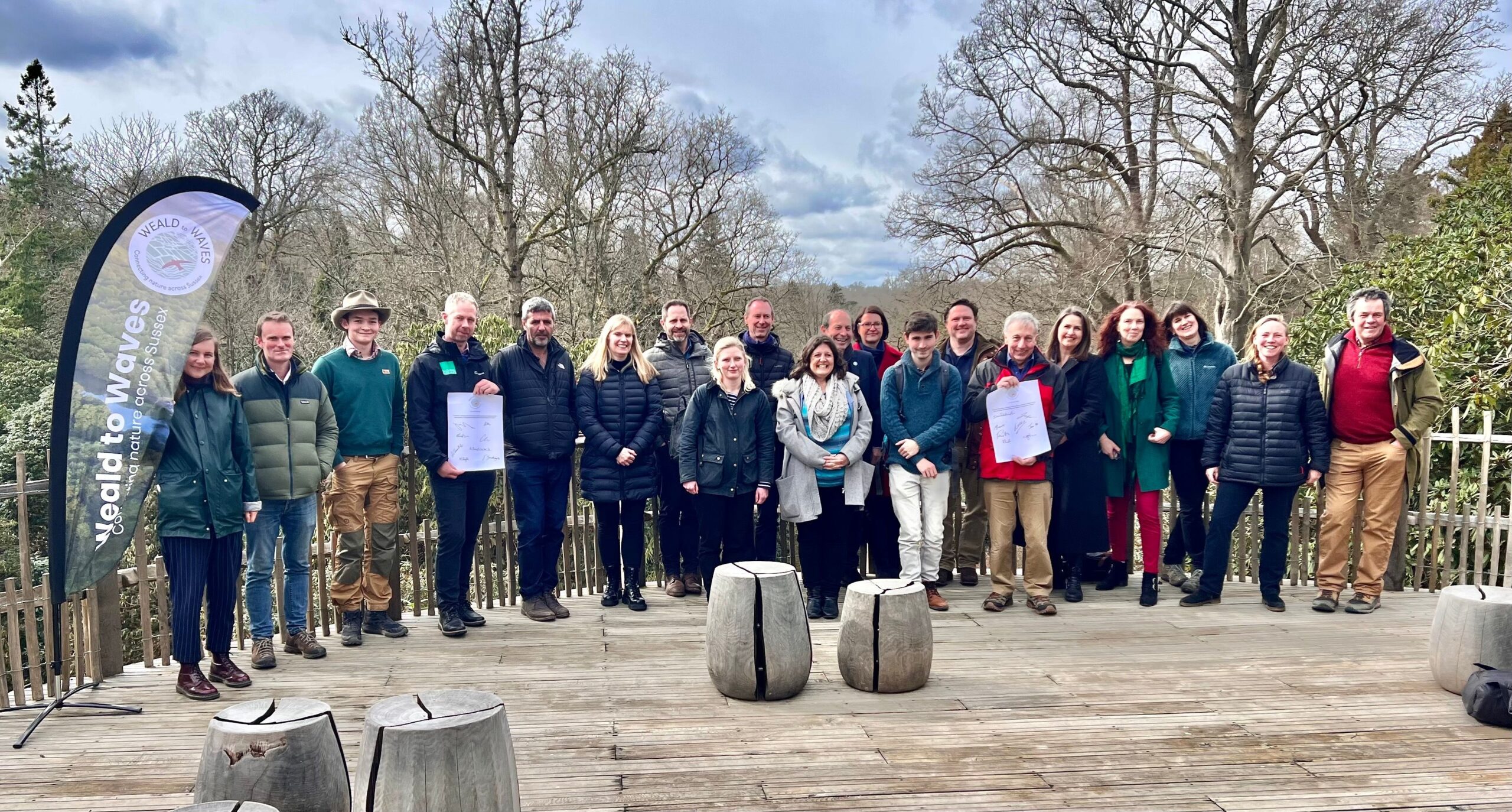
We are delighted to be bringing a wave of new partners this month who represent key biodiversity hotspots along the corridor and bring invaluable knowledge and influence to our community.
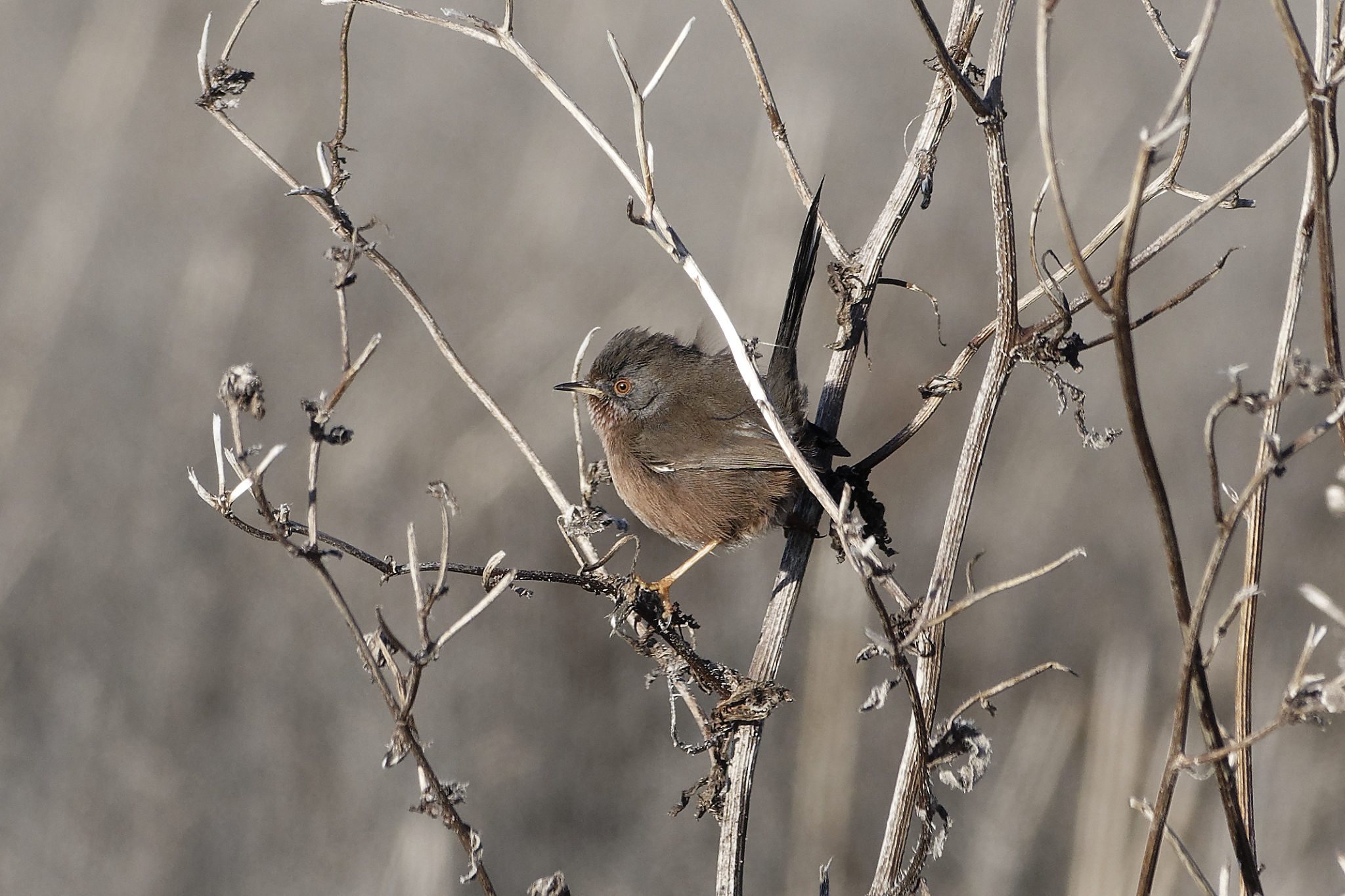
The Dartford warbler is one of the defining species for the conservation of this important area. It’s easily overlooked, sometimes giving itself away by its scratchy song and occasional song-flight. If conditions are right, pairs can raise two, even three broods each summer. Once down to only 10 pairs in the whole of the UK, habitat protection and management, and warmer winters, now mean the UK population is in the thousands.
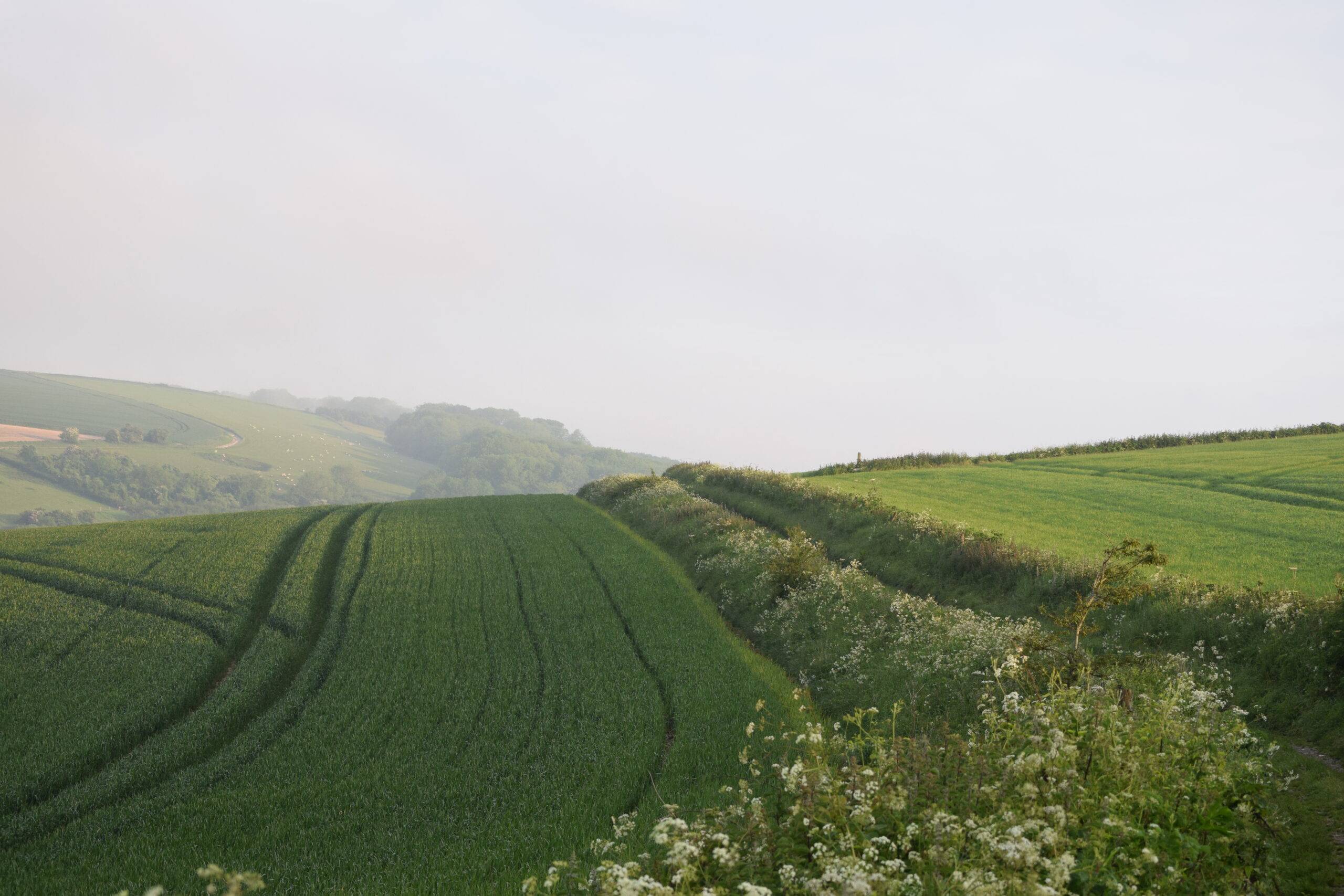
The UN estimates the planet has 60 harvests left, based on the current rate of soil depletion.
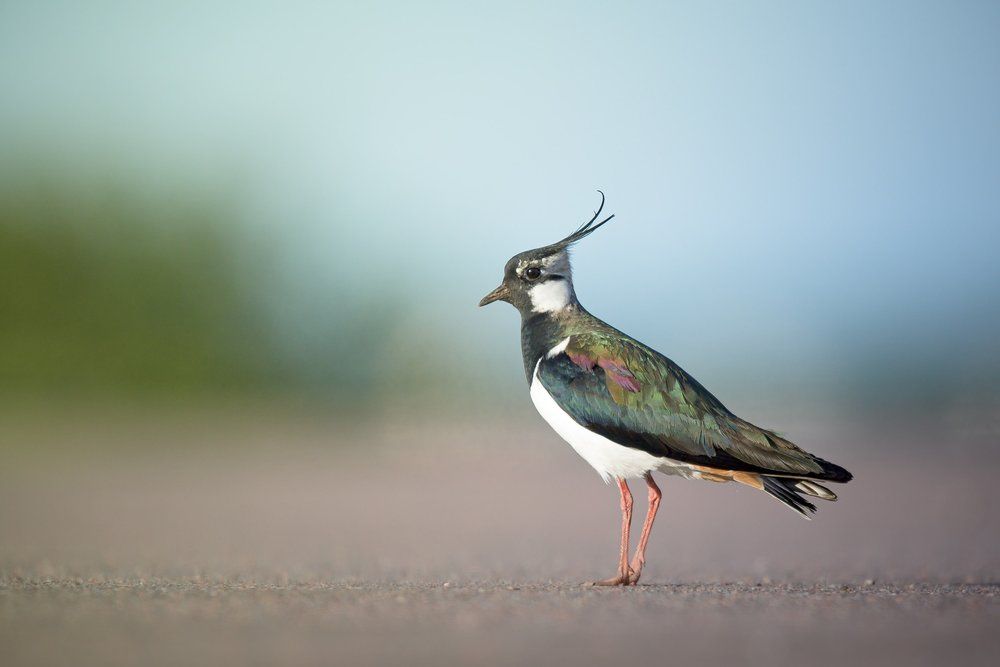
The world is facing a biodiversity crisis that will affect every single one of us. With nature being lost at an unprecedented rate, scientists agree humans are exploiting our planet beyond its limits.
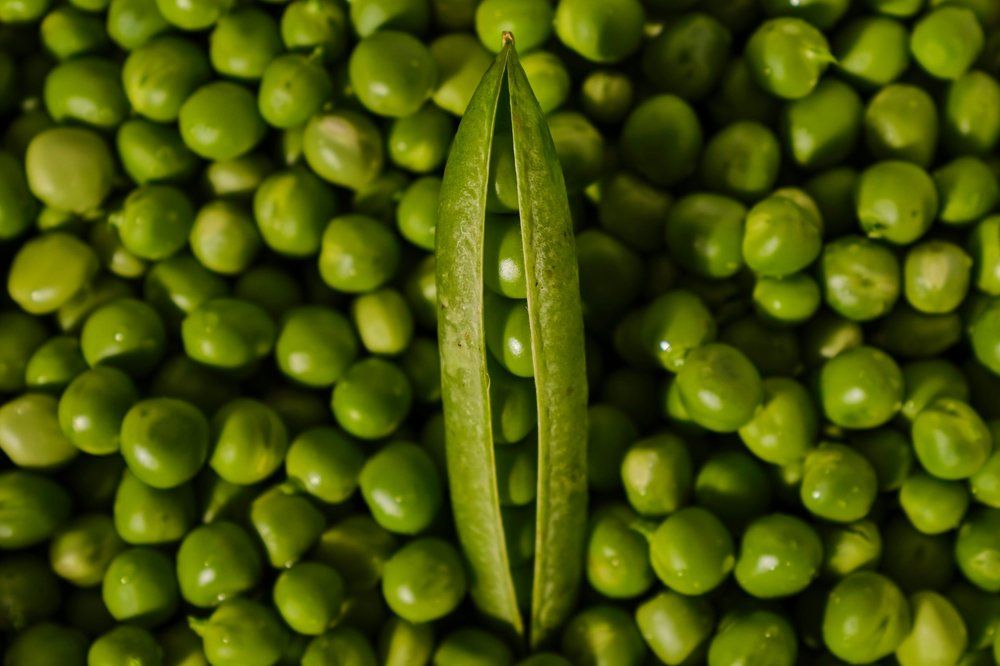
This is an entirely valid concern in these uncertain times – is it possible to sustain food security alongside nature recovery?
We started the year with a new global commitment to set aside 30% of the planet for nature by the end of this decade.
- « Previous
- 1
- …
- 9
- 10
- 11