News
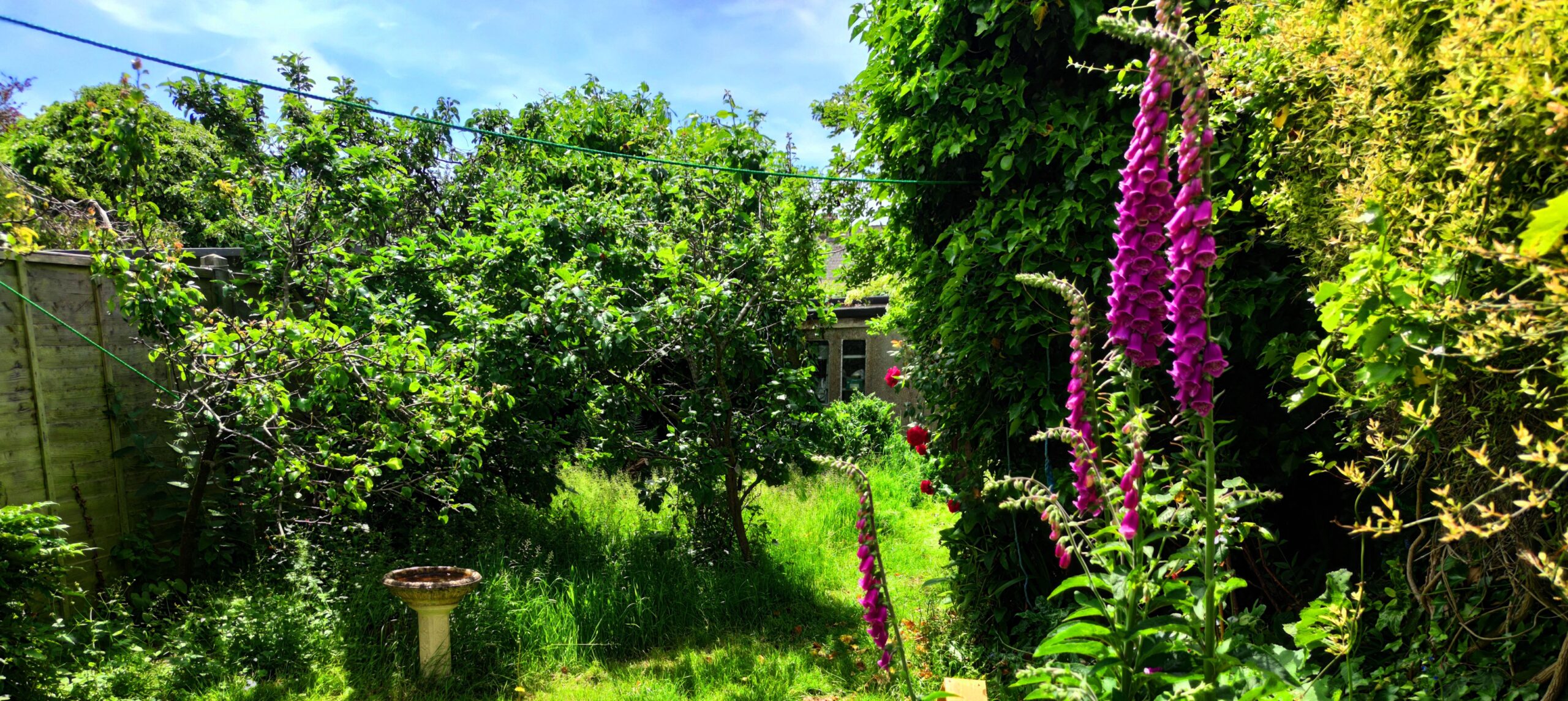
The good news, from my experience, is that a wild garden – especially a mature one – can be extraordinarily resilient and resistant to even very prolonged periods of drought. Even through months of heatwave everything stays green and lush; no plants seem to show stress, and nothing needs watering.
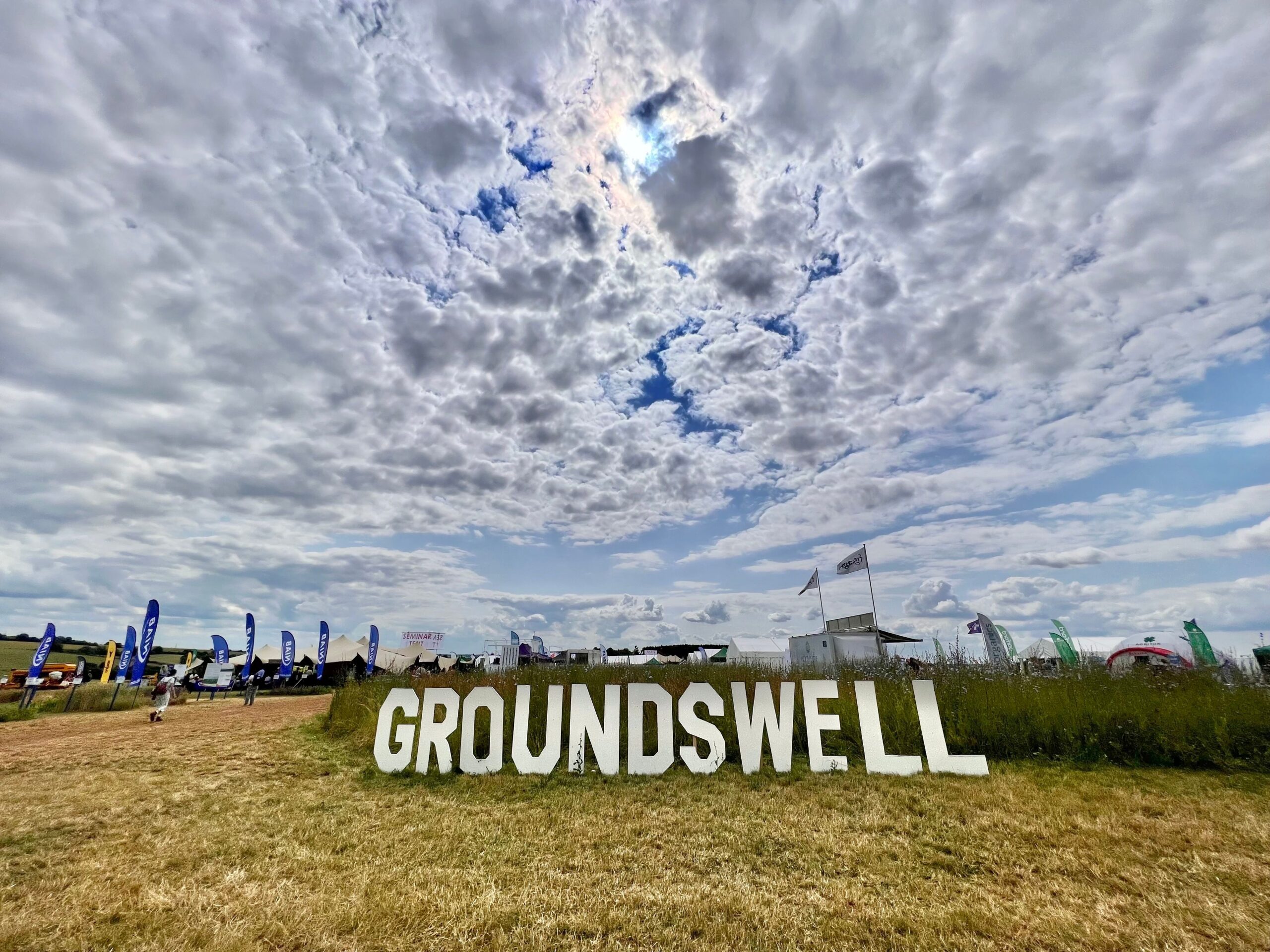
In June, Weald to Waves travelled up to Groundswell, a festival dedicated to celebrating and sharing knowledge on regenerative agriculture.

In an upcoming episode of BBC Radio 4’s Ramblings, Clare Balding embarks on a captivating journey through Ashdown Forest alongside a group of individuals who view this ten-square-mile open access land as a cherished national treasure.
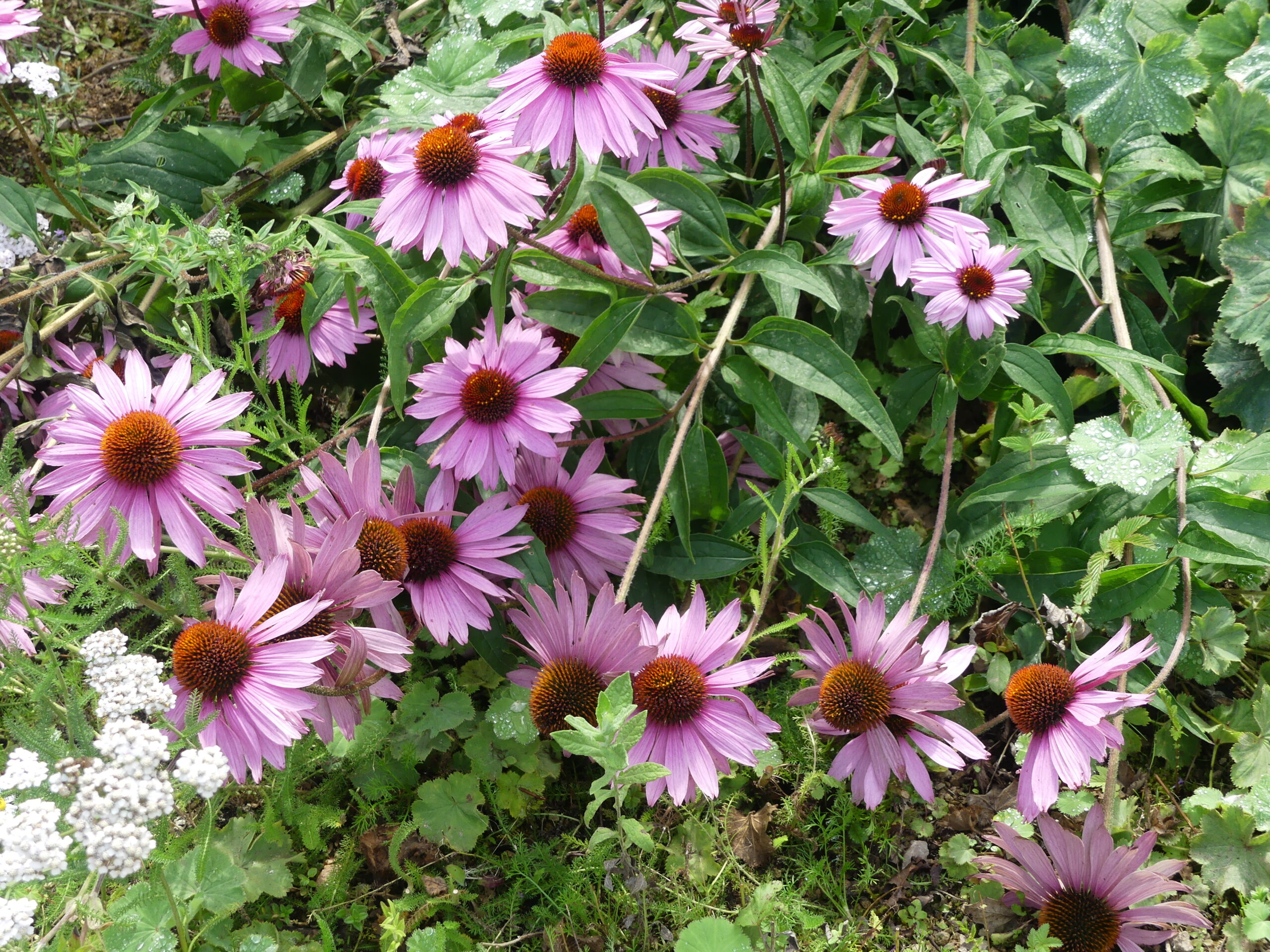
This is your chance to be part of a pioneering project benefitting nature recovery in Sussex and beyond. Your pledges – small or large – will help establish a nationally-significant 100-mile corridor for wildlife, regenerating our local ecosystems for years to come.
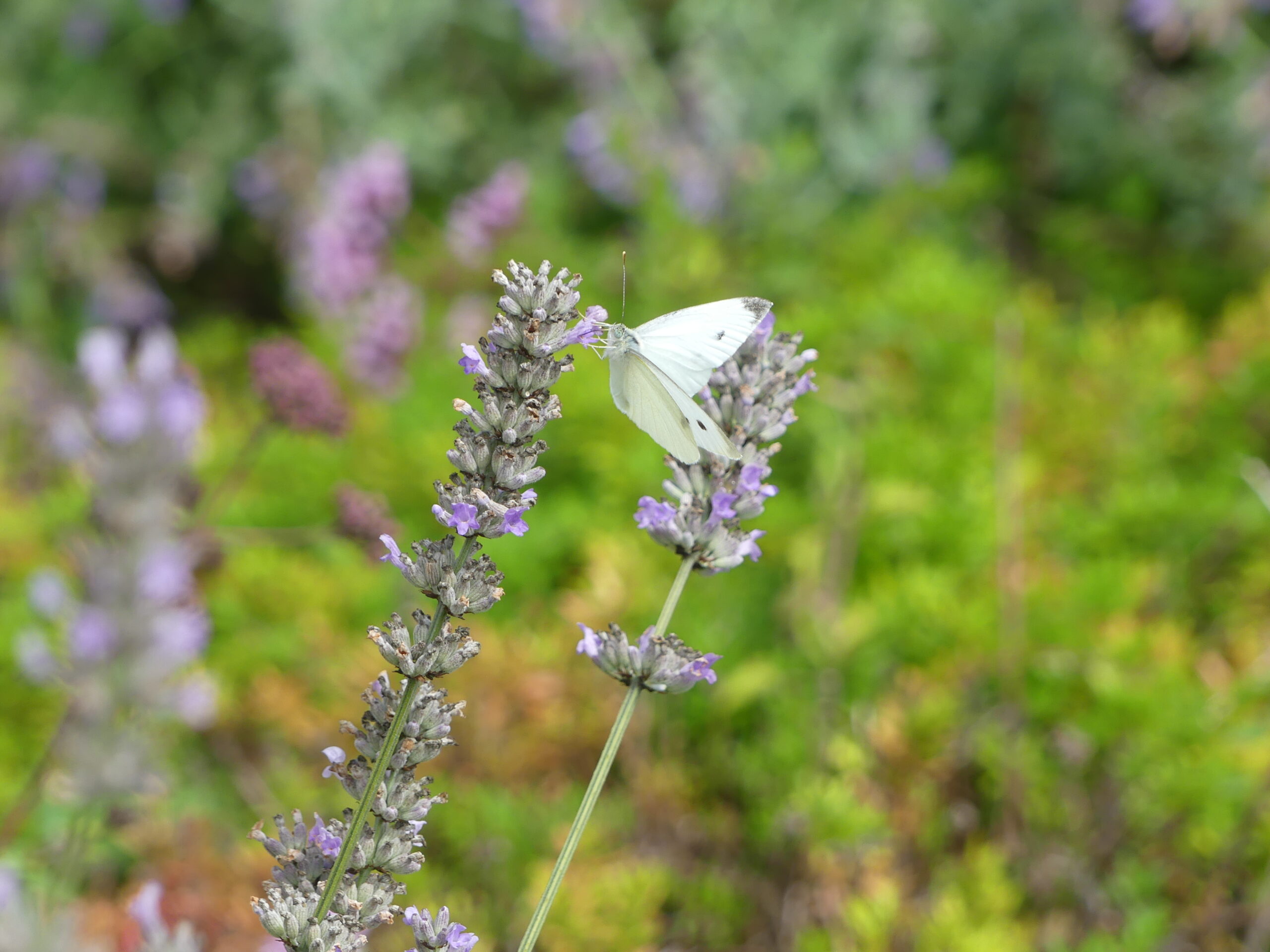
I live in a terraced house in South Portslade, just outside Brighton, and have a modest 40ft garden. In the four years I’ve lived here, I’ve made my garden as welcoming to wildlife as possible, and it’s now teeming with hedgehogs, frogs, toads and newts, along with slow worms, birds and insects. Not bad for a small urban plot.
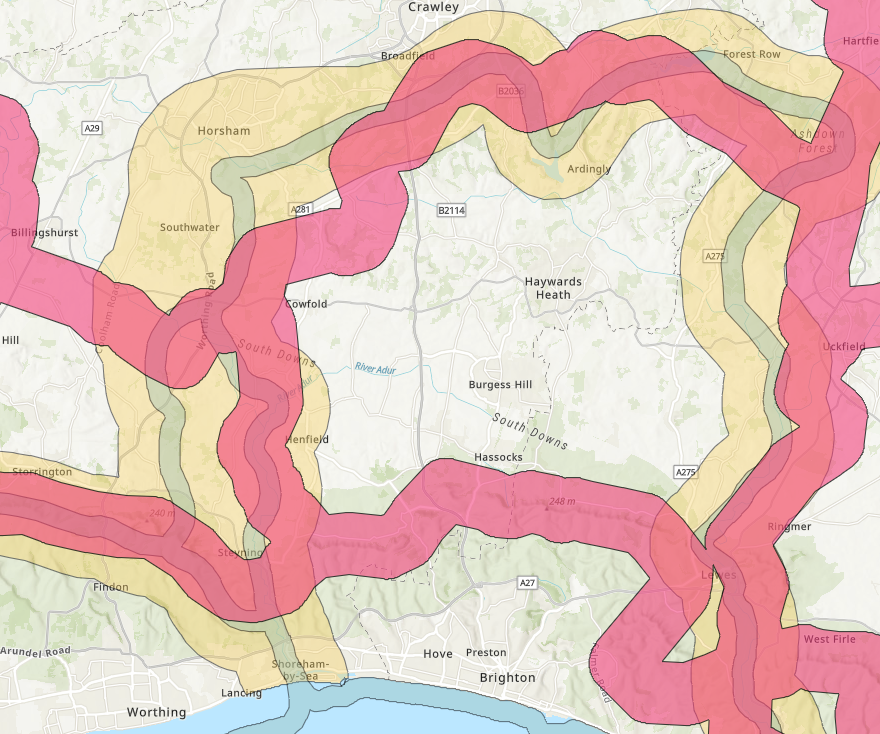
Weald to Waves is a citizen-led project powered by the individuals and groups pledging to take part. As project coordinators, we think a key part of our role is to provide the tools and resources the network needs to support nature recovery along the corridor. Among these tools are the interactive maps on our new website.
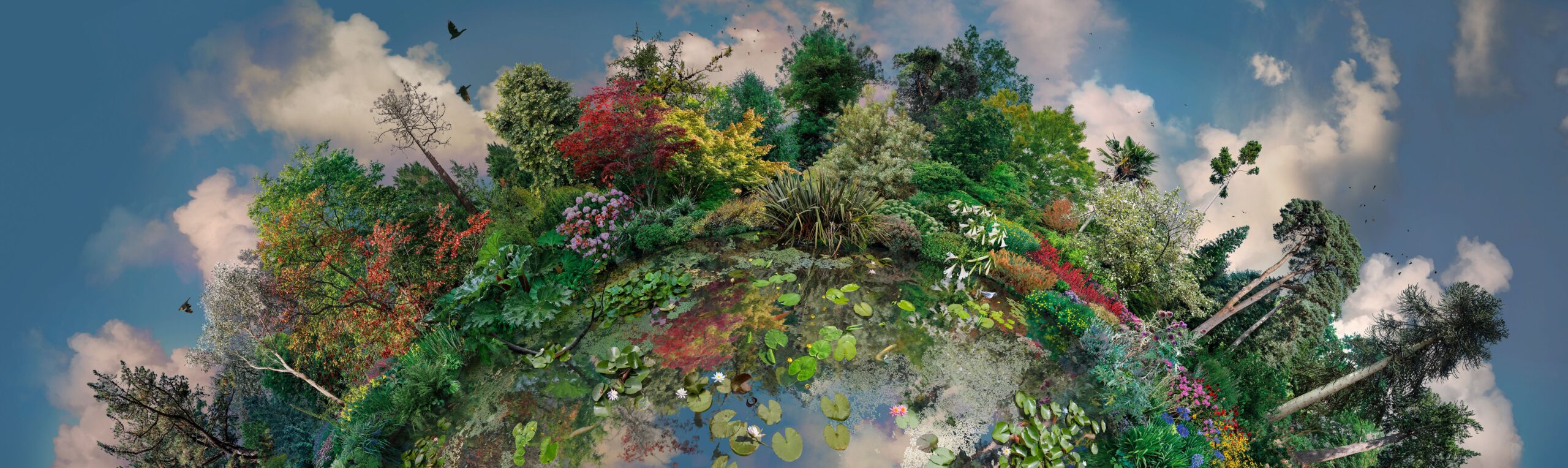
Wakehurst, Kew’s wild botanic garden in Sussex, sits at the centre of the Weald to Waves corridor. This summer, it is preparing to unveil an extraordinary outdoor art installation called Planet Wakehurst.

With the biodiversity crisis taking root in people’s minds, weeds have become a recent topic of interest and discussion. We look at the role native plants play in our gardens and greenspaces.
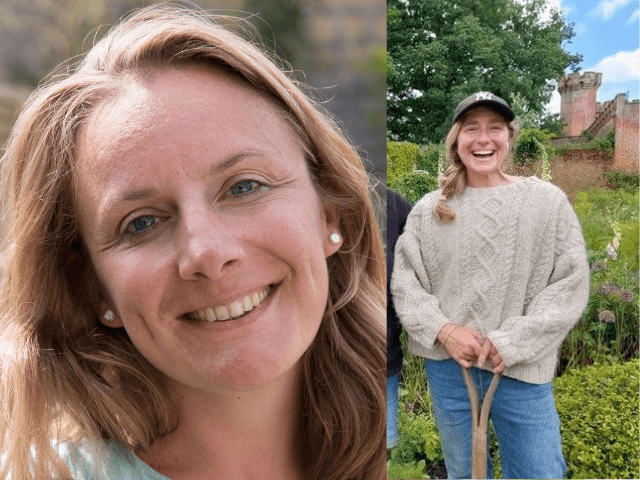
In May, we opened registrations for the Gardens and Greenspaces (G&GS) community, a vital strand of our citizen-led, nature recovery mission to join the dots for wildlife along this Sussex corridor. And to inspire and encourage our new network of gardeners and greenspace guardians, we are delighted to announce two very special G&GS Ambassadors.

The media is overflowing with staggering numbers on species and wildlife populations in decline in countries around the world – and we know that the UK is one of the worst hit. So how can we measure nature decline in Sussex?

Knepp Wildland Foundation has forged a new partnership with Outdoor & Cycle Concepts, the parent company of Cotswold Outdoors, which will raise funds for and awareness of the Weald to Waves project, as well as broader nature recovery efforts.
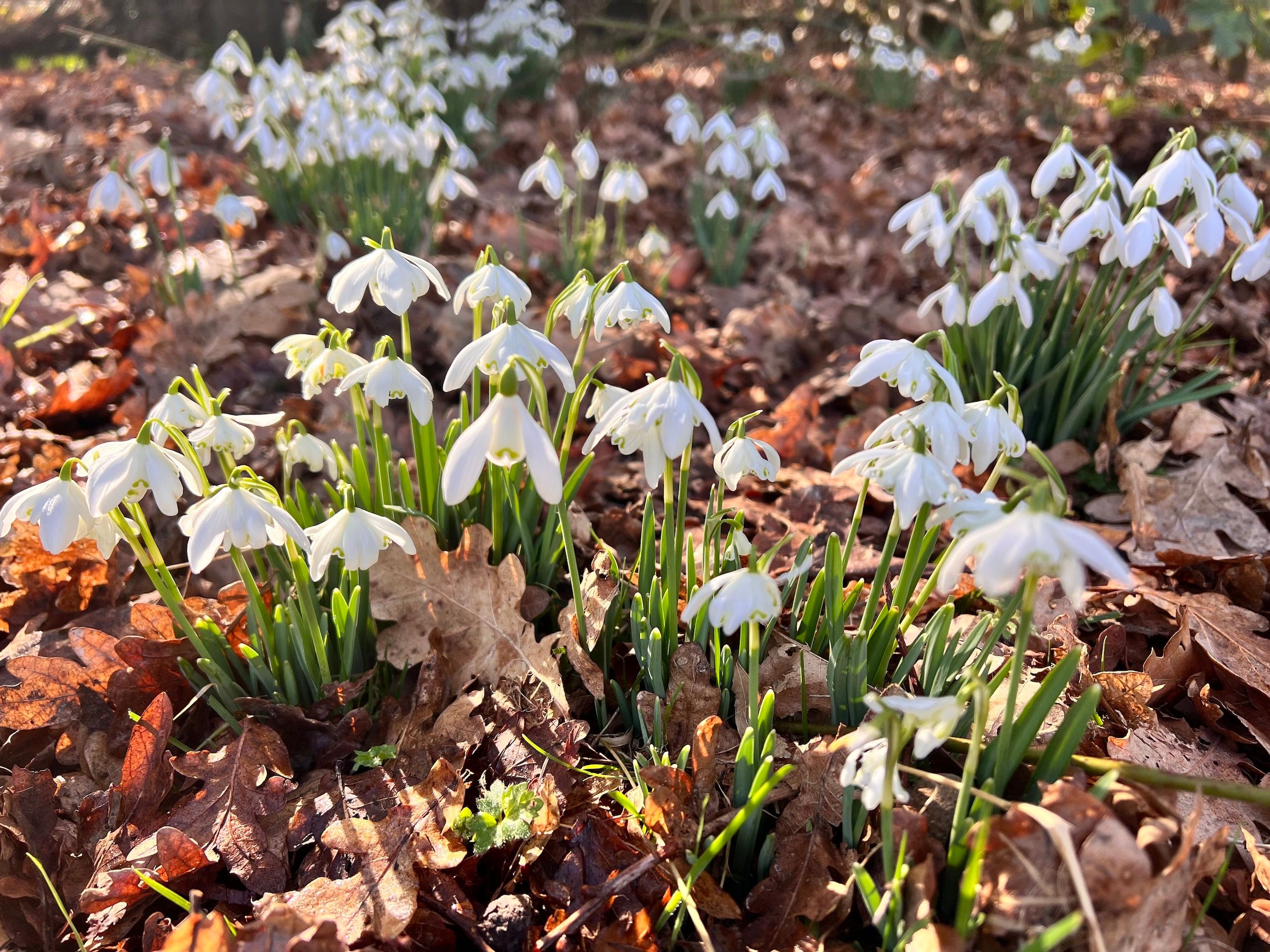
Our first survey on nature in our gardens has been completed by nearly a quarter of members already. We can start to build a picture of what we have to offer wildlife and what is needed to improve connectivity.