News
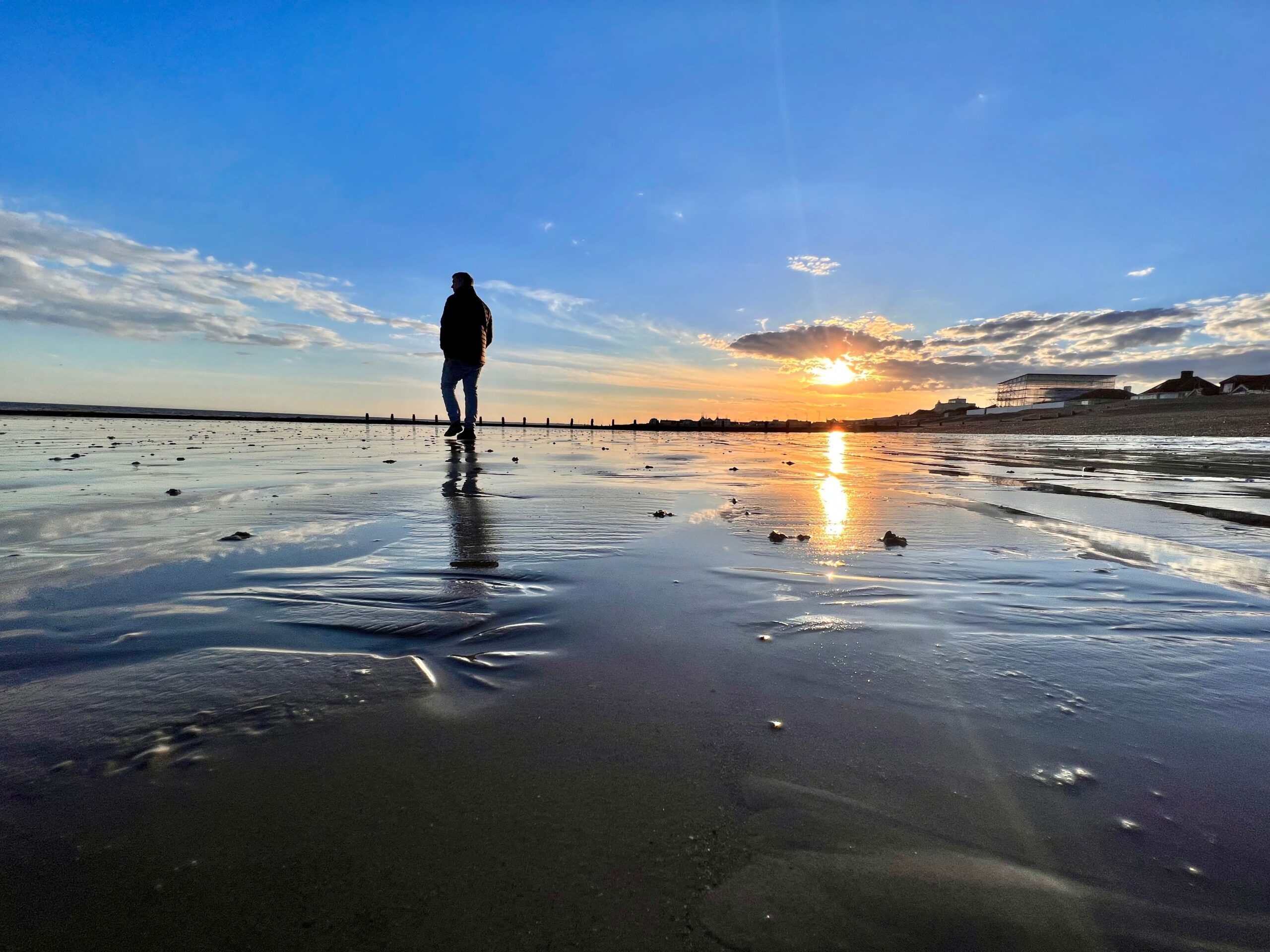
Sussex’s coastline has long been a favourite destination for locals, tourists and wildlife. However, the deterioration of sea water quality in the region has been a growing concern in recent years.
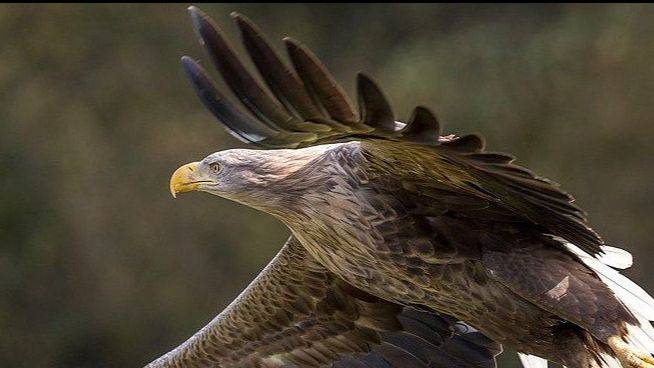
White-tailed eagles, also known as sea eagles, are making a remarkable comeback in the southern region of England after an absence of almost 250 years.
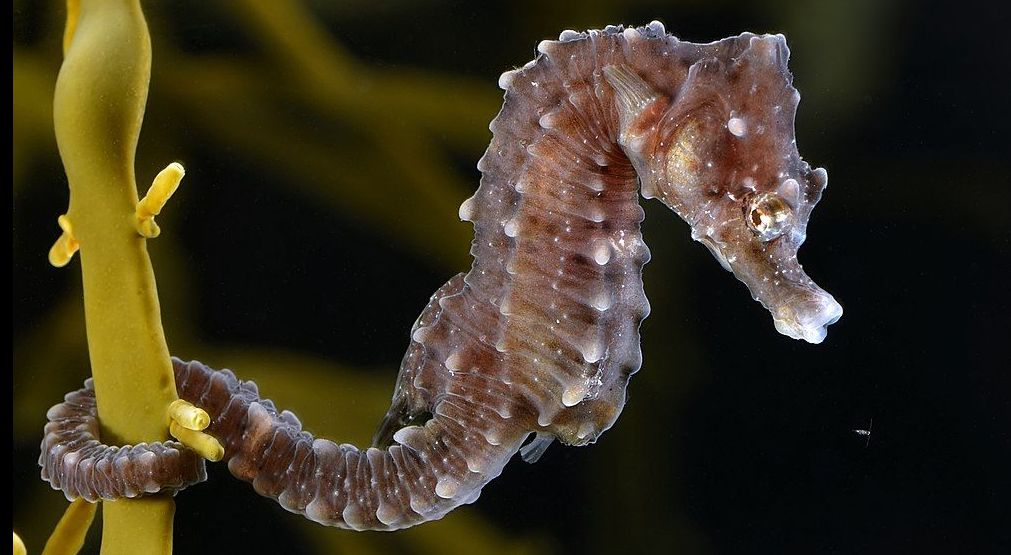
Shining a light on one of Sussex’s two seahorse species, which are facing a range of conservation challenges.
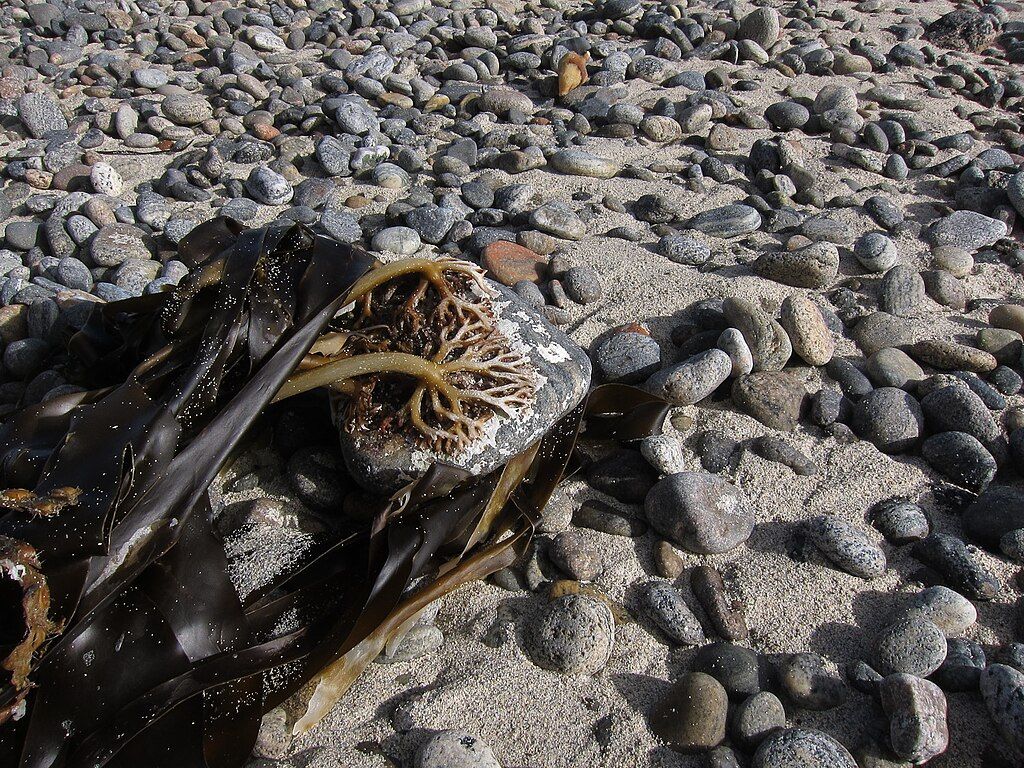
Fancy a spot of kelp combing this summer? The Sussex Kelp Recovery Project would love your help to record sightings of this super seaweed along the Sussex coastline. Plus eggcase hunting, dolphin spotting and more!
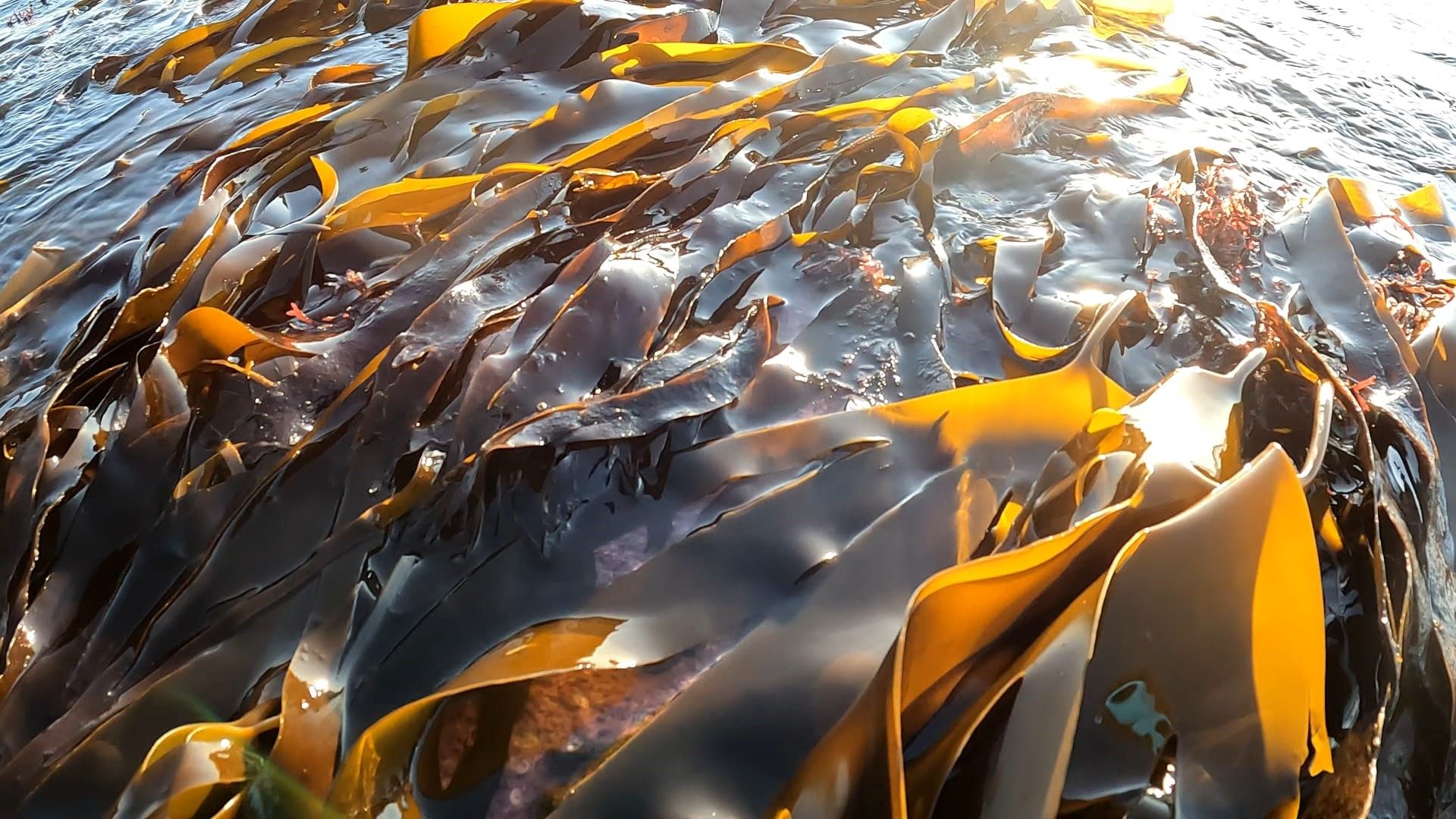
Off the coast of Sussex something amazing is happening. Two years ago the pioneering Sussex Nearshore Trawling Byelaw came into place, pushing bottom-towed trawling 4km off the West Sussex Coast. The changes are now starting to happen.
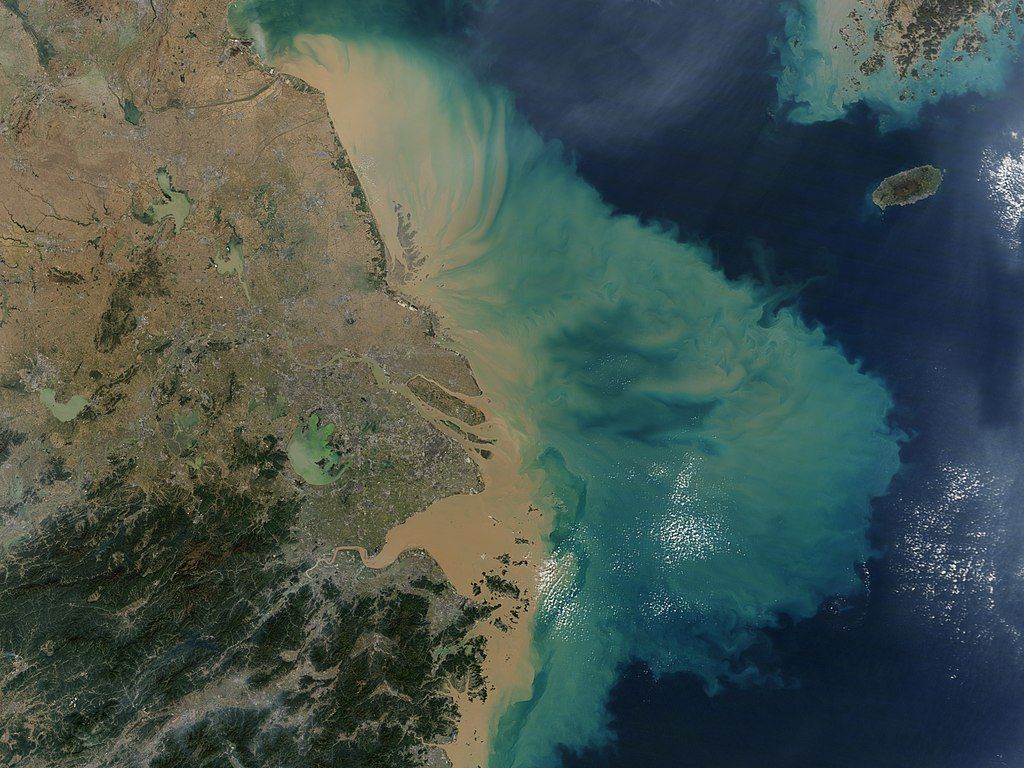
The interface between land and sea is particularly important for marine conservation, going back to the idea of connectivity being central to all of our efforts. While it may not be the first thing that springs to mind when we talk about pollution, sediment is a real problem for our marine habitats.
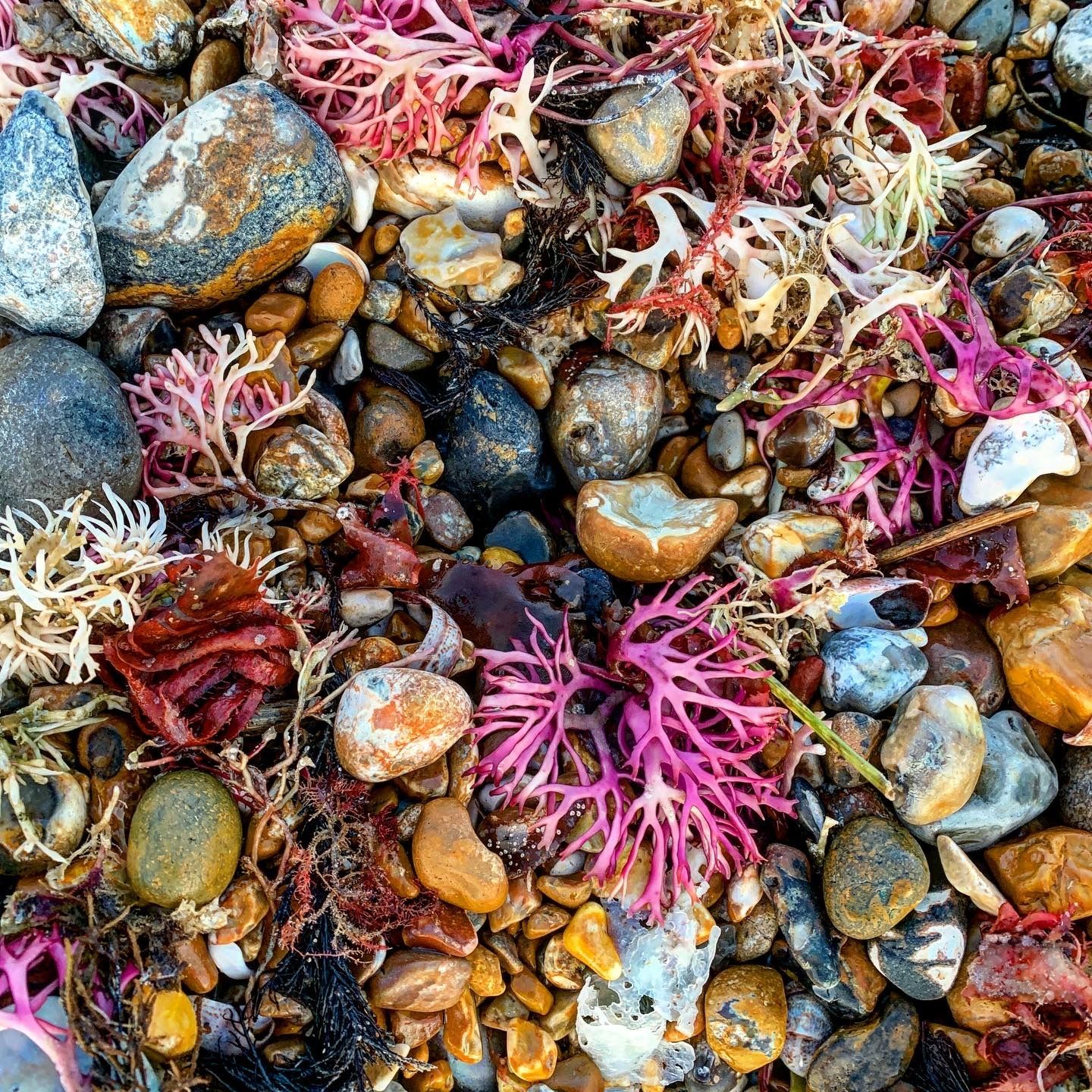
Coastal habitats each offer a unique and vital ecosystem. Explore these diverse environments and the species they support.
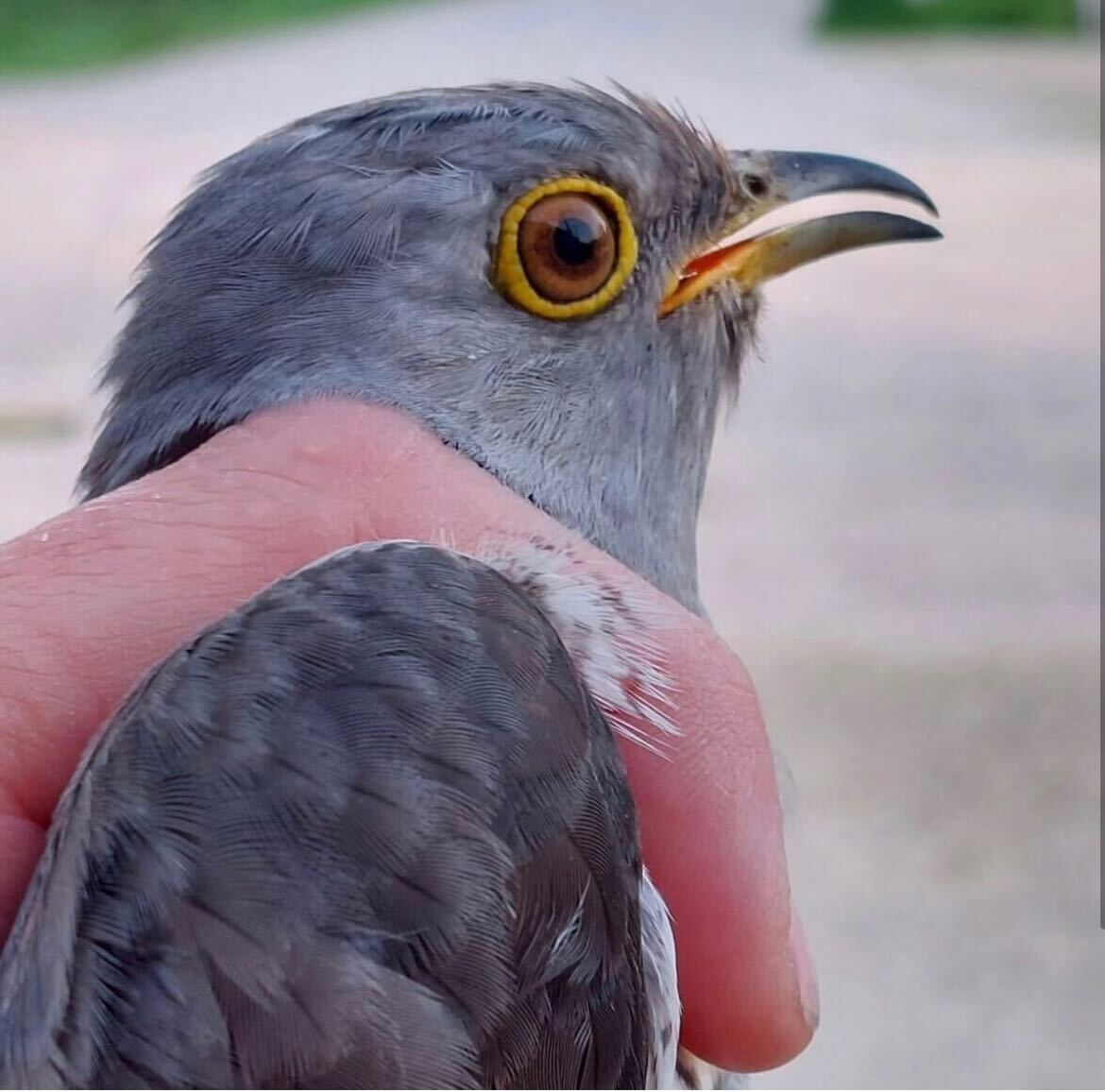
We were delighted to get news of Sayaan, a cuckoo that was tagged at Knepp in May, traveling along the corridor route from Knepp towards the Sussex coast and back up towards Ashdown Forest.
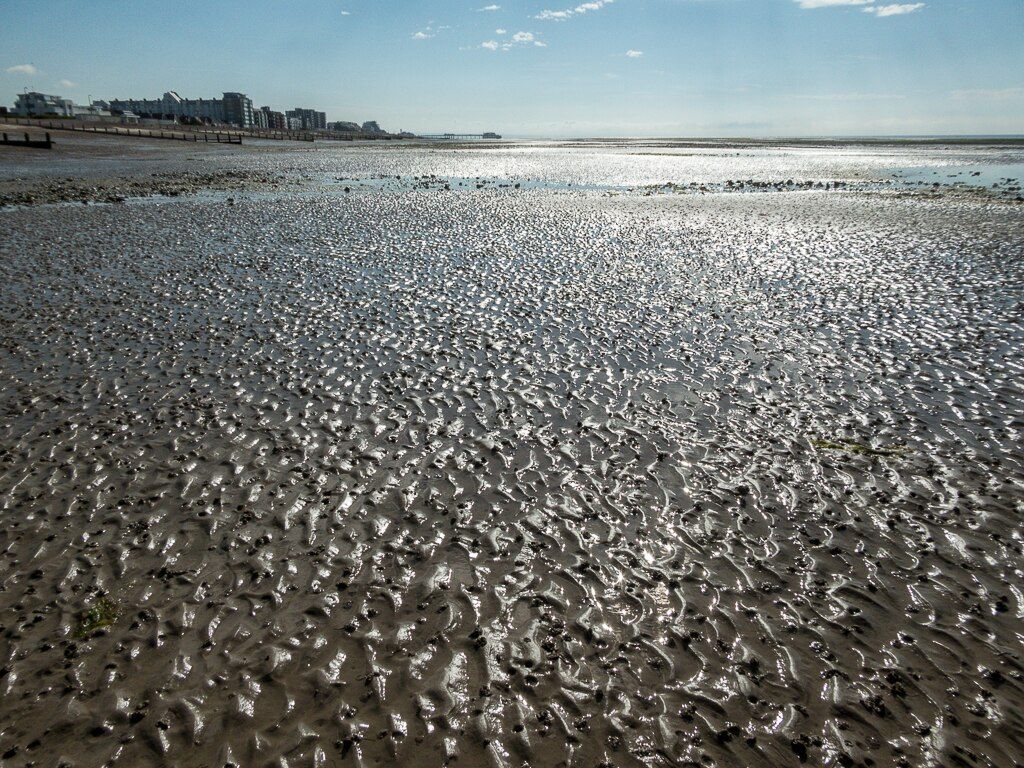
Opportunities for people to access nature are highly variable, especially in our coastal towns.
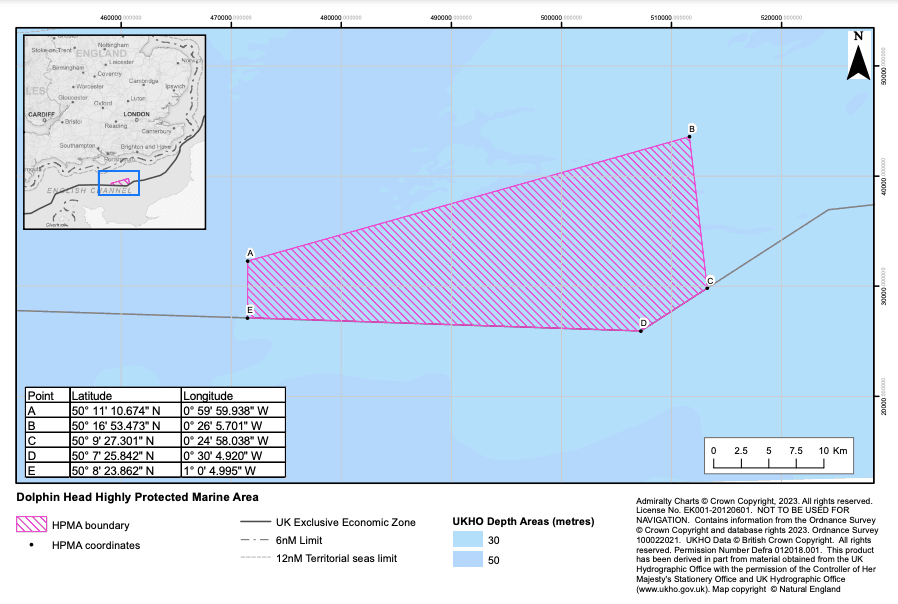
Dolphin Head, off the Sussex coast, has been designated as a Highly Protected Marine Area. It is one of only three English sites to receive this prestigious status.
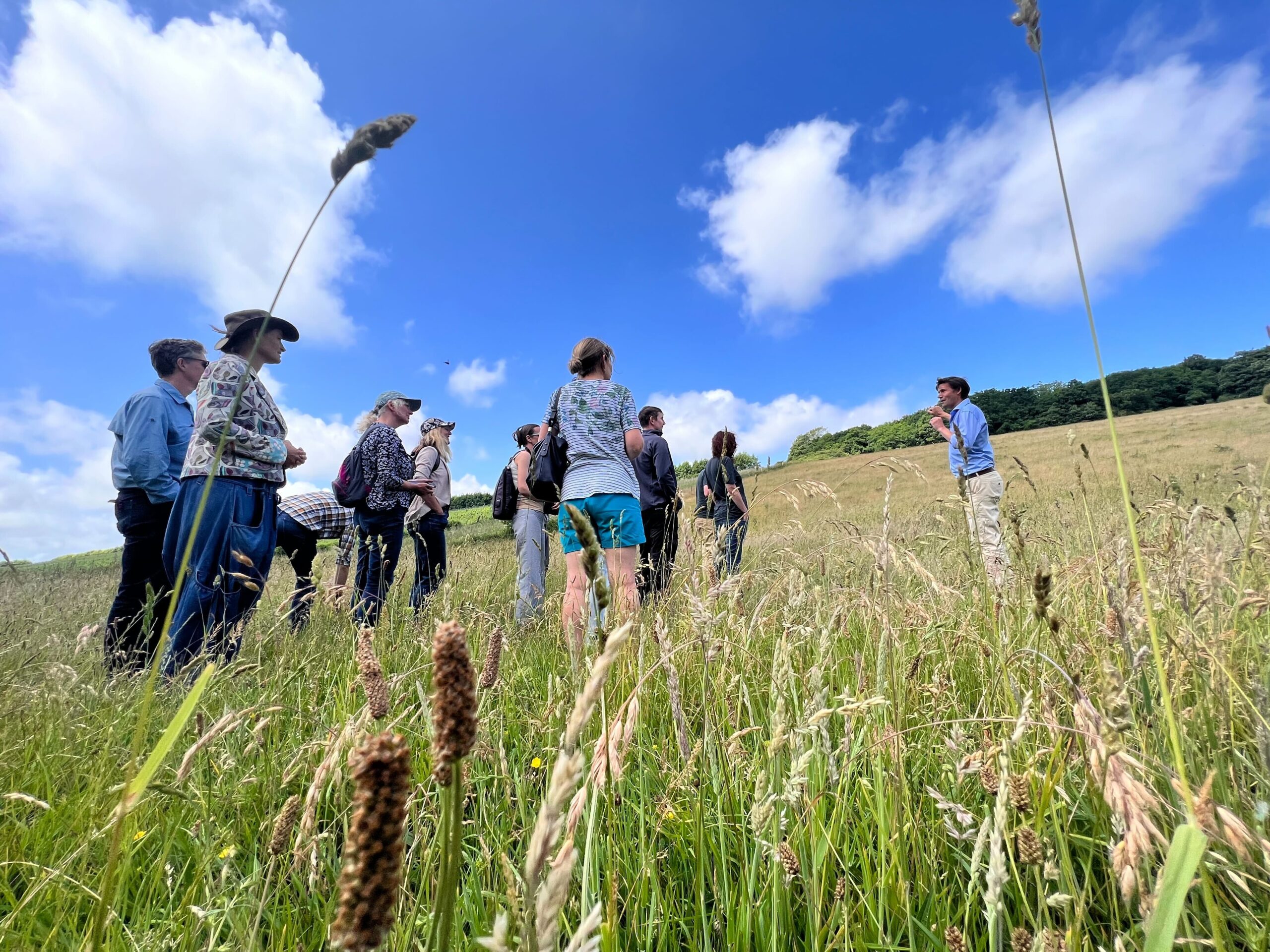
A journey up the Arun arm of the corridor with the Wildlife Trust.
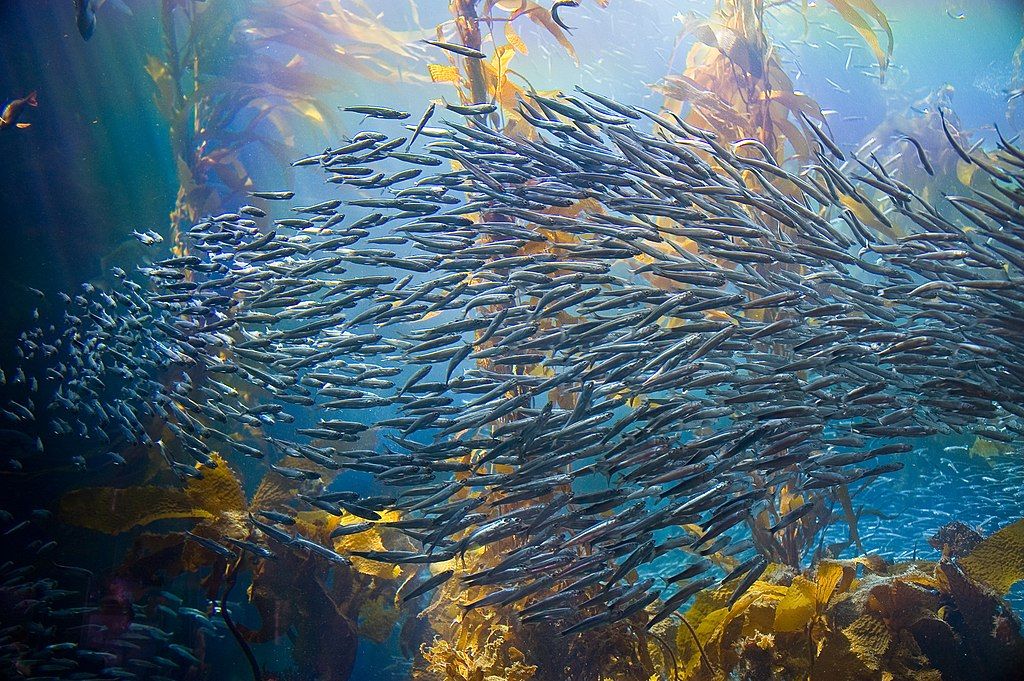
Just as soils and land-based ecosystems have become degraded, so have marine habitats. Sewage is regularly discharged into rivers and seas, agricultural run-off upsets the natural balance of the water, while trawling destroys the seabed and the kelp forests that once flourished.