

Events
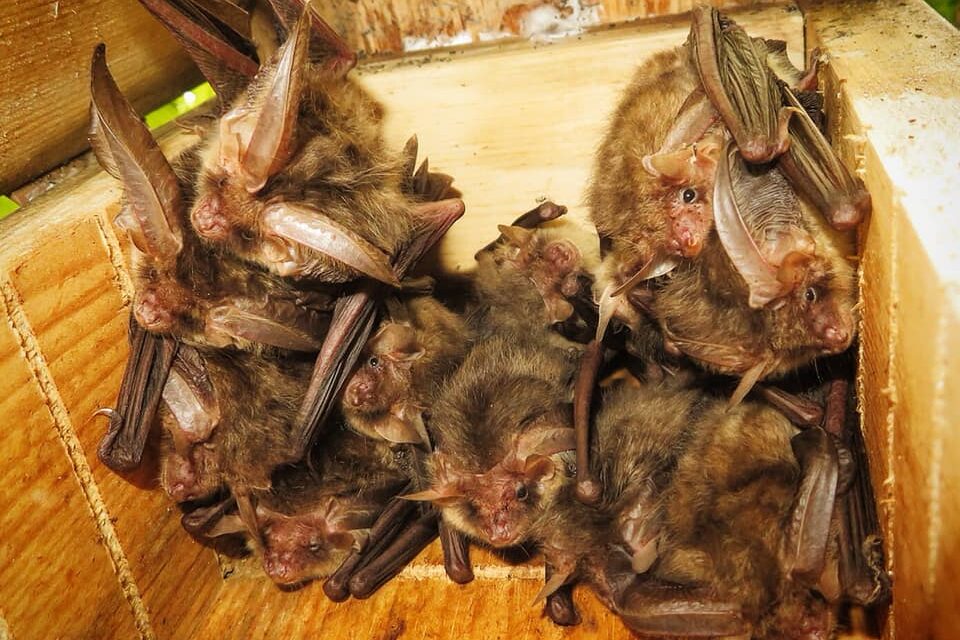
Are you looking for something to do with your friends and family in your local area this spring/summer/autumn?
The Sunset Survey (April – October) brings you a perfect opportunity to get together with family/friends and discover bats and other wildlife in your local area. This is ideal for you if you don’t have previous bat surveying experience. Just spend an hour from sunset (or before sunrise) and let us know what you see/hear from your window, balcony, garden or local green space.
See how to take part and submit your sightings here.
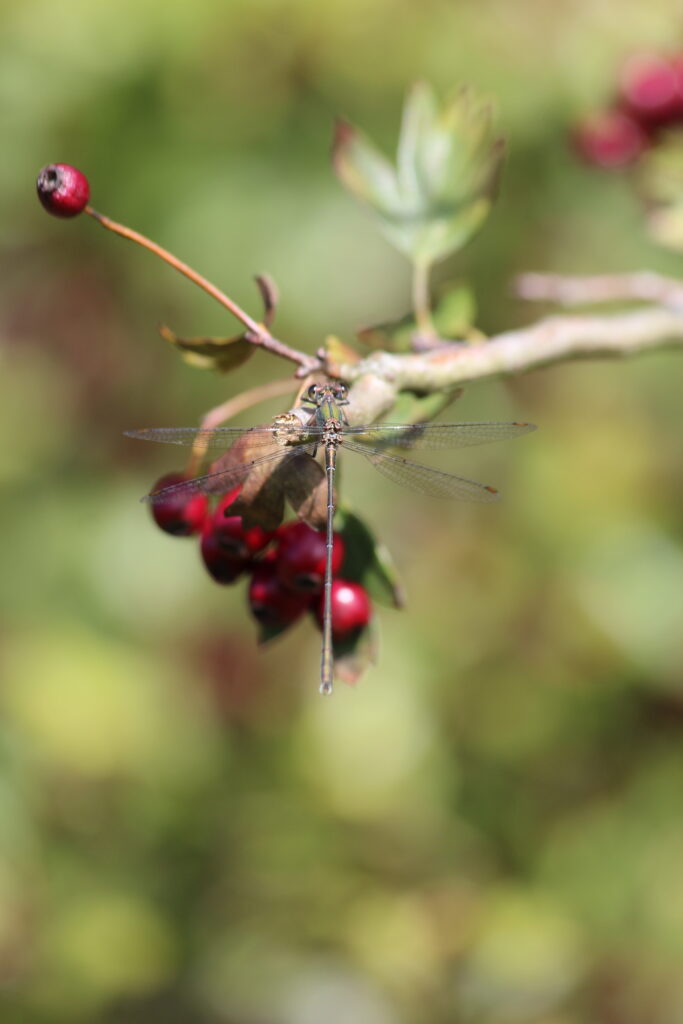
Take part in the Willow Emerald Watch citizen science project by helping to monitor the spread of the Willow Emerald Damselfly across the UK. Learn how to identify this distinctive species and recognise the signs of breeding, including characteristic egg-laying scars on waterside trees. Participants are encouraged to record and submit sightings, contributing valuable data that supports research into the species’ distribution, population growth and conservation, while helping scientists better understand its continued expansion into new areas.
Find out more and how to get involved here.
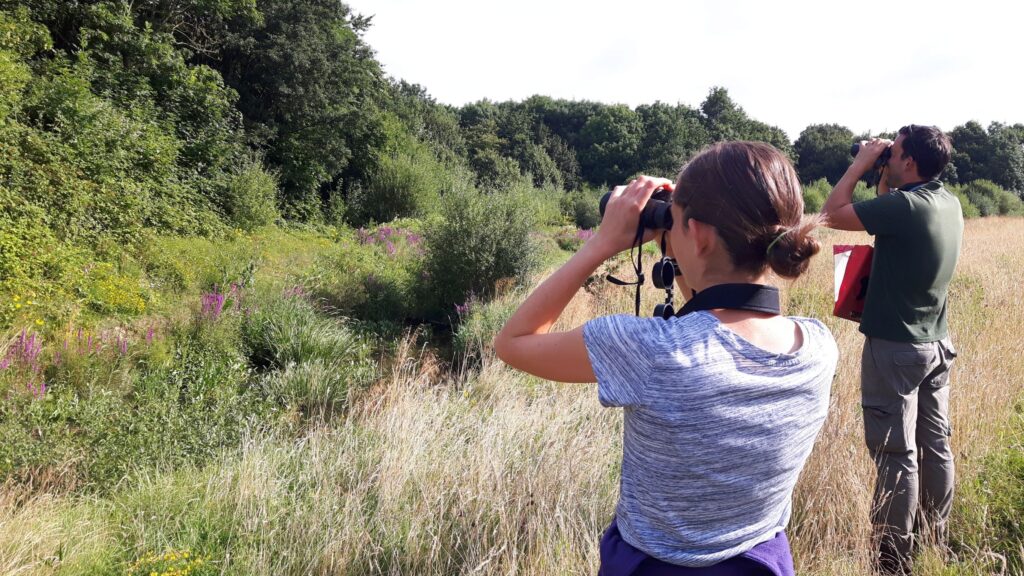
South Downs Youth Action is a volunteering programme for 16 to 25-year-olds who want to make a difference in the South Downs National Park.
Explore the landscapes and wildlife of Seven Sisters Country Park while taking part in hands-on nature recovery activities. Participants will learn about the area’s unique habitats and species, discover more about the local landscape and contribute to work that helps protect and restore its biodiversity.
The event is free, and public transport and lunch costs can be reimbursed.
For questions, please contact learning@southdowns.gov.uk.
Exceat, East Sussex BN25 4AD United Kingdom
Our Community Day will include talks, workshops, practical activities, and opportunities to explore the project, meet some of the people involved, and learn more about how Herstmonceux Rewilding will develop over the coming years.
We will be open at 10 am as normal, with activities starting from 11 am.
Registration is important so we can plan activities and manage numbers on the day. If you would like to attend on Monday 26th October, please register using the button below.
You can also find out more about Herstmonceux Rewilding here: https://herstmonceux-castle.com/herstmonceux-rewilding
Hailsham, East Sussex BN27 1RN United Kingdom
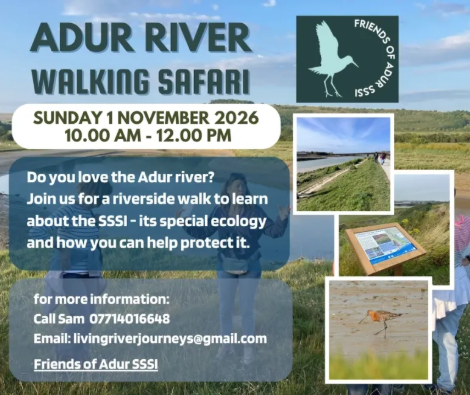
Join us for a riverside journey around the saltmarsh led by our guide Tony Benton who will share his knowledge of the migratory and over-wintering waders and other birds that can be seen at this time of year. You will also learn about the importance of this protected intertidal habitat and how you can help to support its recovery for future generations.
Find out more at the booking link.
Shoreham-by-Sea, BN43 5LT United Kingdom
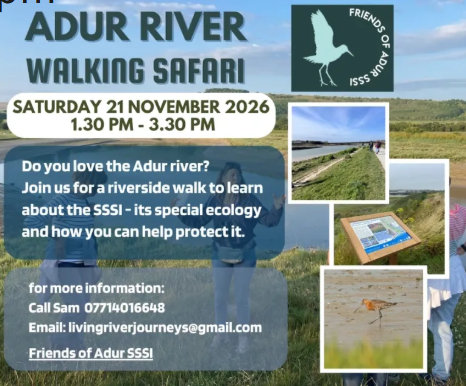
Join Samantha and for a riverside journey around the saltmarsh with our guest guide Tony Benton who will share his knowledge of the migratory and over-wintering waders and other birds that can be seen at this time of year. You will also learn about the importance of this protected intertidal habitat and how you can help to support its recovery for future generations.
Find out more at the booking link.
Shoreham-by-Sea, BN43 5LT United Kingdom

After the film, we’ll be joined by Dylan from People’s Park for Nature for a relaxed panel discussion and Q&A on local action and environmental initiatives.
The People’s Park for Nature is a network of green and blue spaces managed by local local people committed to a wilder future for the Lower Ouse Valley – East Sussex – and beyond. They believe in sharing land, connecting people, and restoring the wild!
Grab a free ticket, bring someone with you, and join the conversation!
Newhaven, East Sussex BN9 9LH United Kingdom
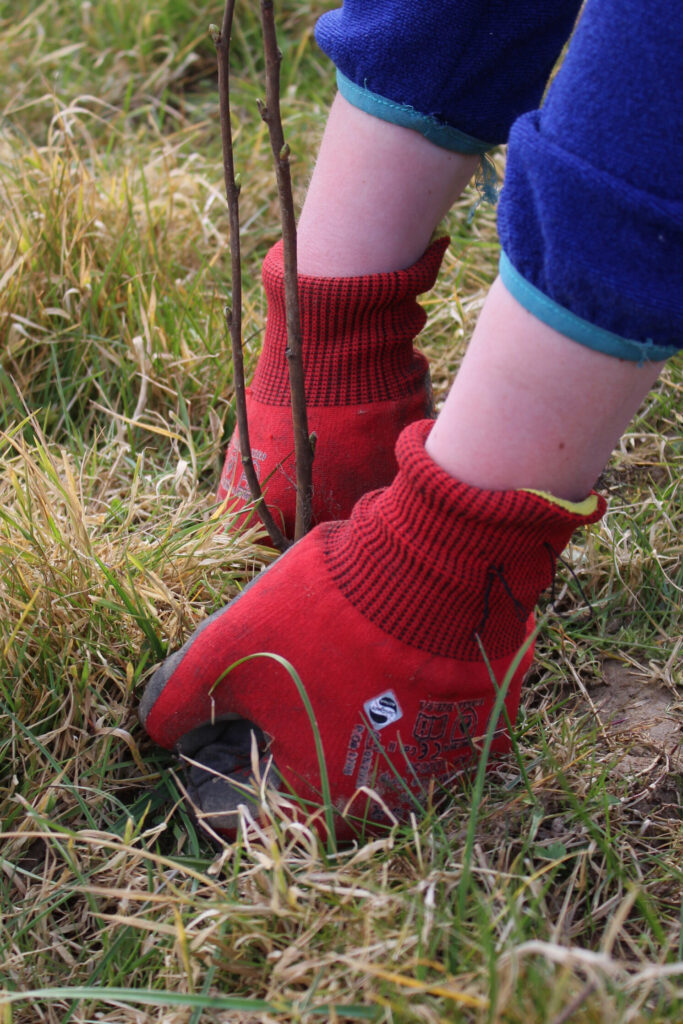
We are hosting monthly volunteer days to help us regenerate the land, aid the existing wildlife, grow food and connect with the local community. Every volunteer day will be different; from tending to our market garden, planting trees, to biochar making and lake restoration. We will open the taproom from midday so you are welcome to stick around and try our craft ales before you head home!
- 10am start, stay as long as you like!
- People of all ages welcome. Children must be supervised by an adult
- All equipment and gloves will be provided
- We will be working outside, please bring appropriate shoes, outerwear, suncream and plenty of water
- Tea, coffee and biscuits provided
- Bring a packed lunch
- Parking available
Any questions, please get in touch: enquiries@furnacebrook.co.uk
Hailsham, East Sussex BN27 4QR United Kingdom