Species Recovery
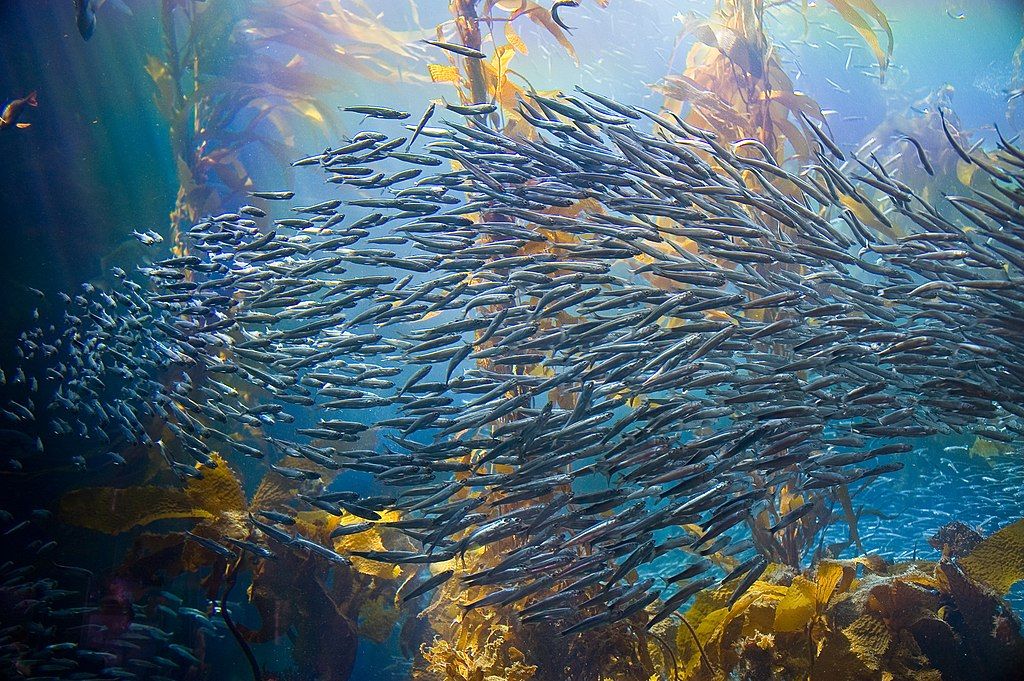
Just as soils and land-based ecosystems have become degraded, so have marine habitats. Sewage is regularly discharged into rivers and seas, agricultural run-off upsets the natural balance of the water, while trawling destroys the seabed and the kelp forests that once flourished.

The media is overflowing with staggering numbers on species and wildlife populations in decline in countries around the world – and we know that the UK is one of the worst hit. So how can we measure nature decline in Sussex?
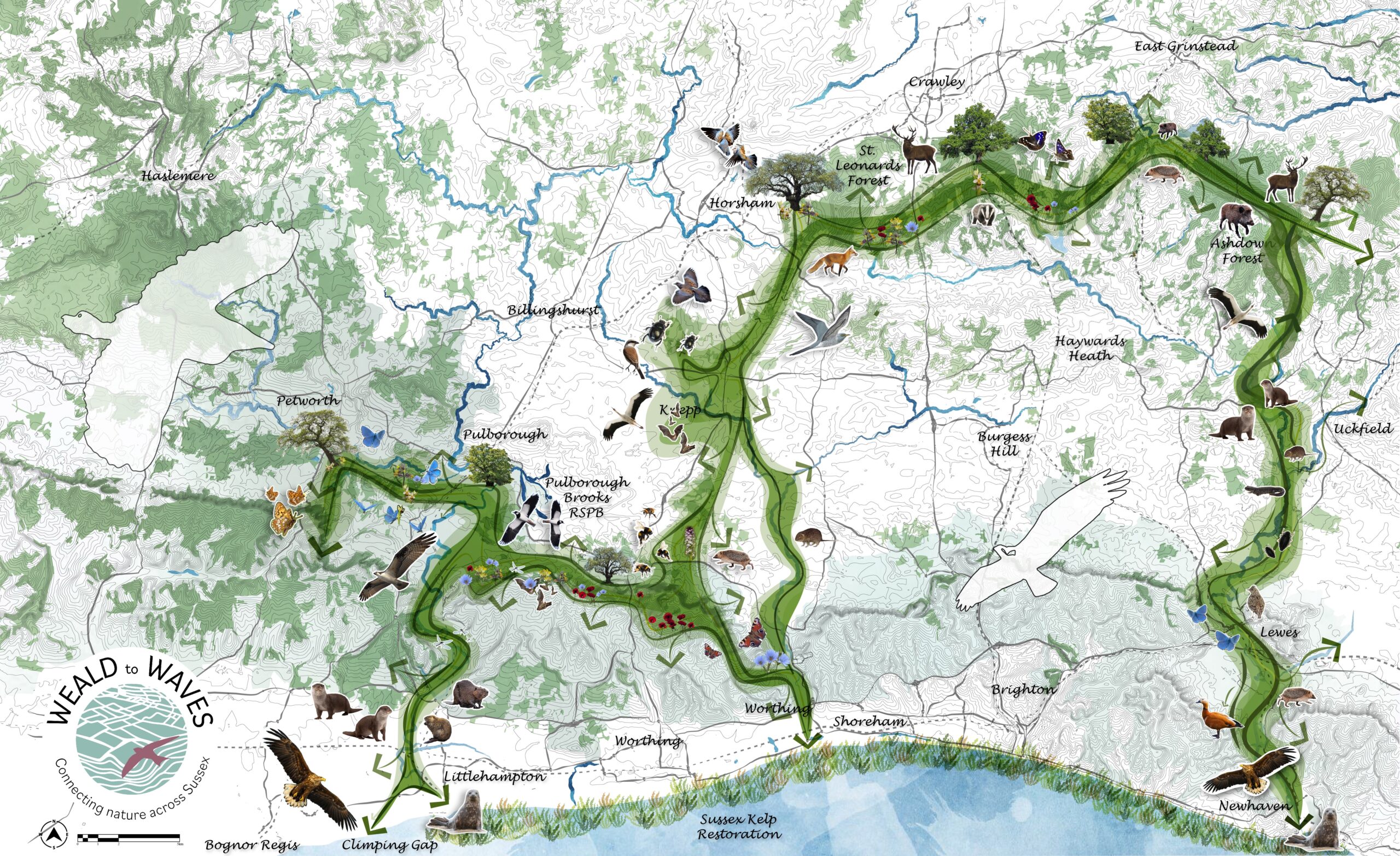
Perhaps first we should ask, why is a corridor important? Traditionally,
conservation has tended to focus on restoring and protecting key areas, such as nature reserves. These core areas are vital for maintaining sustainable populations of wildlife species. However, as human land use has intensified, protected areas have become islands, isolated in the wider landscape. Gradually, species ranges become restricted to these areas, leading to declines, low genetic health, and eventually to local extinctions.
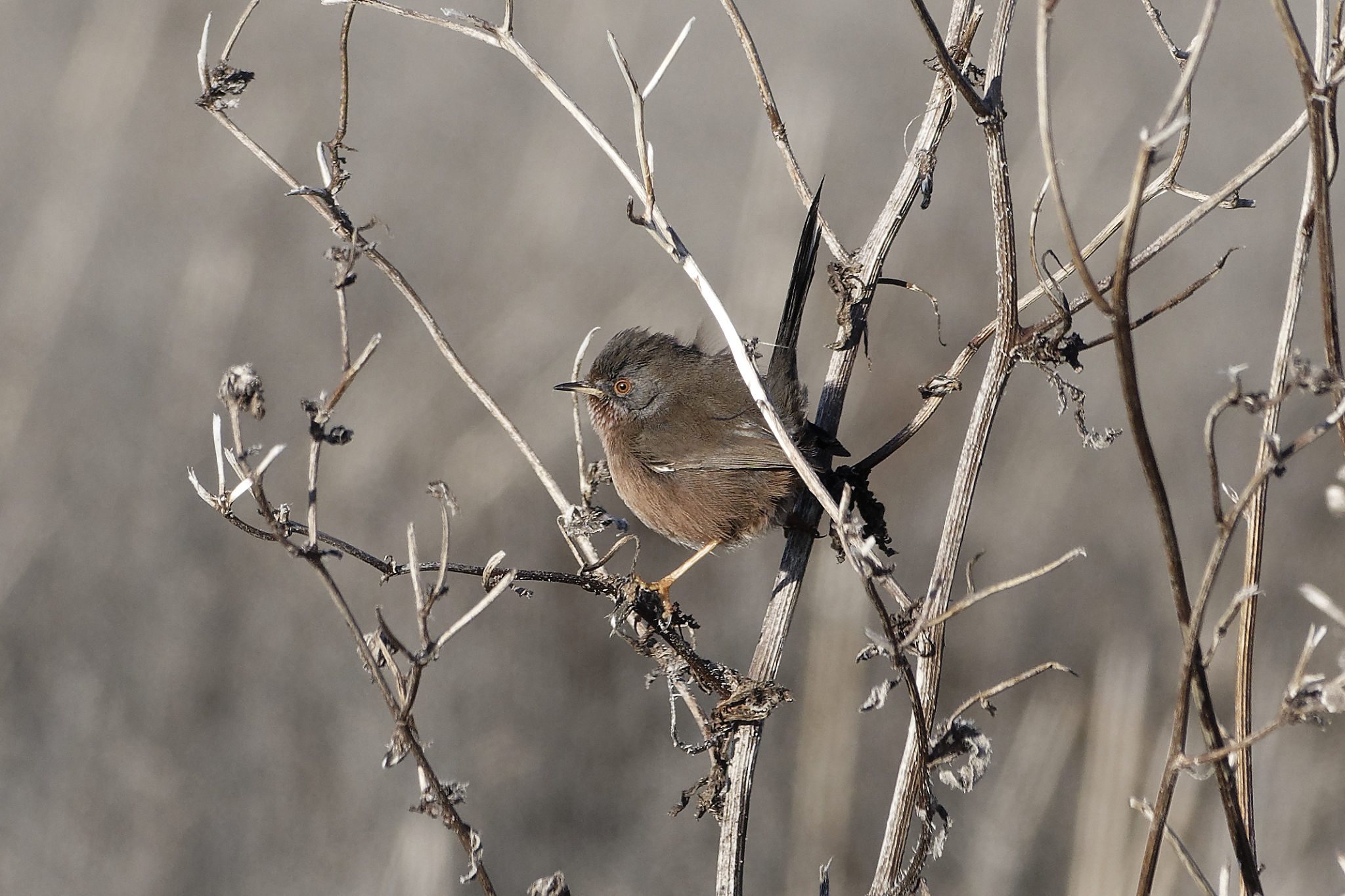
The Dartford warbler is one of the defining species for the conservation of this important area. It’s easily overlooked, sometimes giving itself away by its scratchy song and occasional song-flight. If conditions are right, pairs can raise two, even three broods each summer. Once down to only 10 pairs in the whole of the UK, habitat protection and management, and warmer winters, now mean the UK population is in the thousands.
We started the year with a new global commitment to set aside 30% of the planet for nature by the end of this decade.
- « Previous
- 1
- 2
- 3