

Landscape Recovery
Conservation Grazing in Sussex
by Sam Joy, Weald to Waves | May 1, 2025 | Biodiversity, Food Production, Landscape Recovery, News | 0 Comments
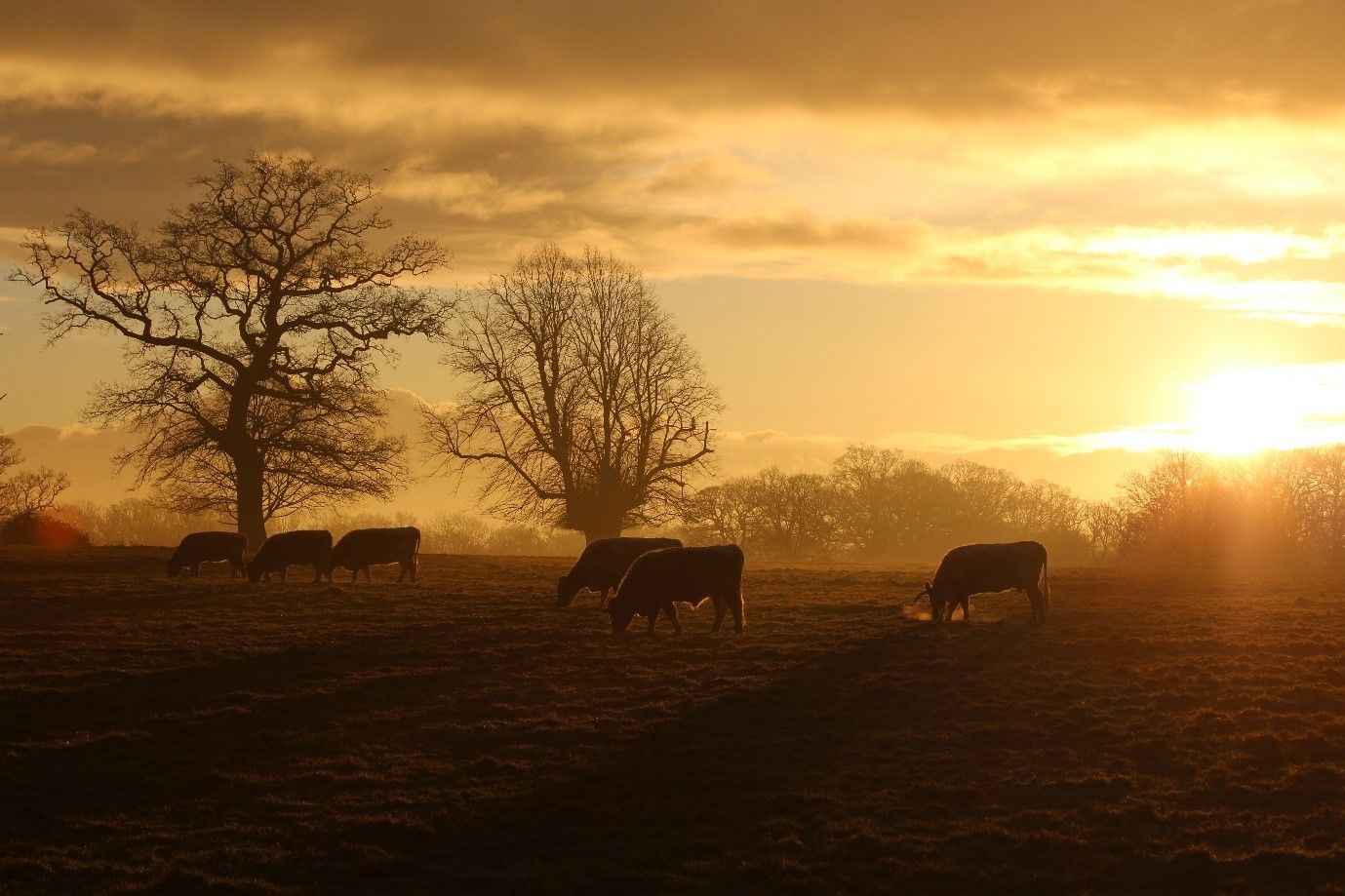
Discover how traditional livestock and low-impact farming are playing a vital role in restoring Sussex’s rare chalk grasslands and supporting threatened wildlife, while the closure of small abattoirs is putting this type of management at risk.
From Field to Lab: Joined Up Work for Sussex Scrubland
by Alex Briggs | January 6, 2025 | Landscape Recovery, News, Project News | 0 Comments
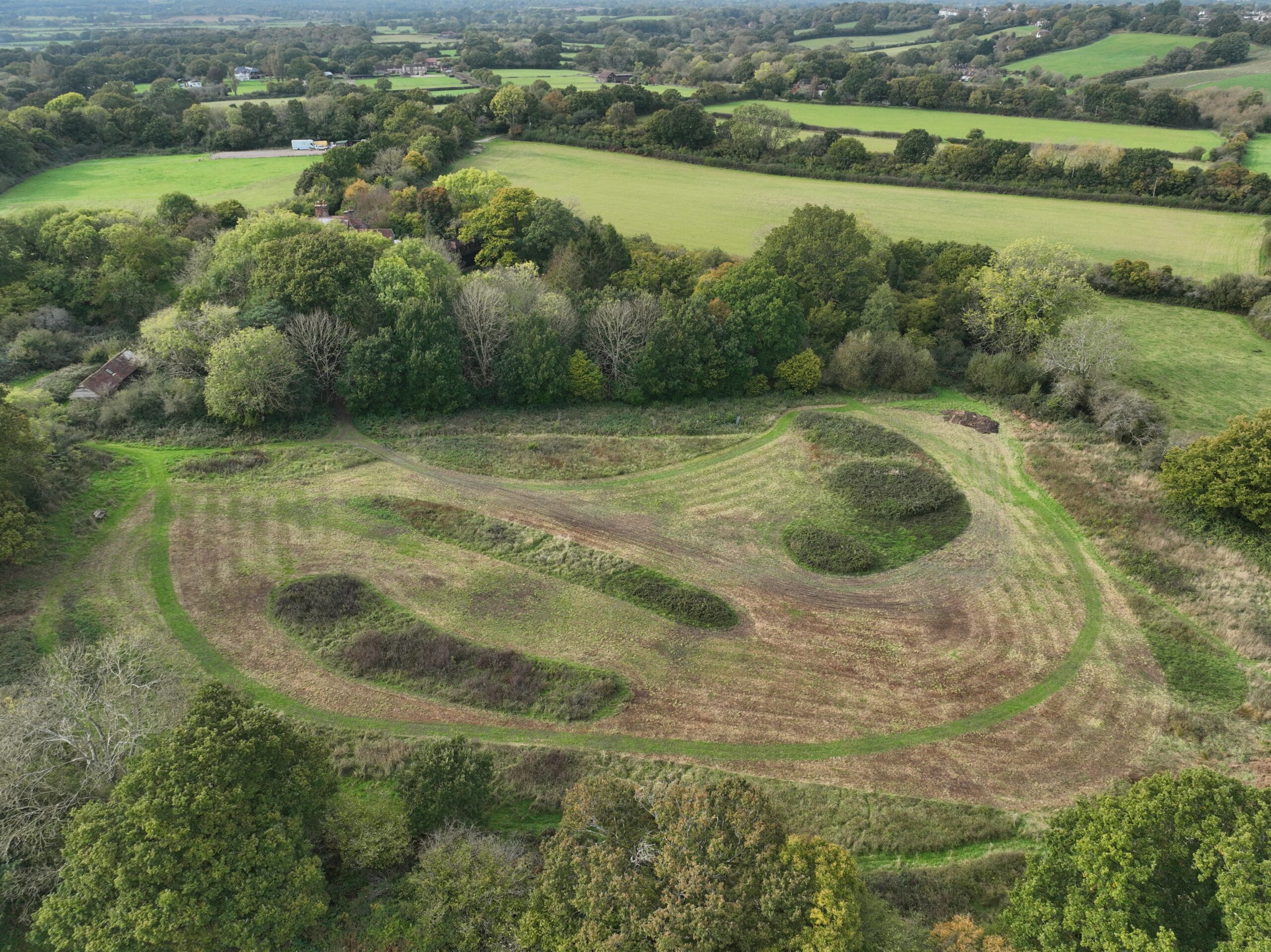
Sussex scrubland set for revival through farmer and volunteer collaboration
Marking a Milestone
by Alex Briggs | November 15, 2024 | Landscape Recovery, News, Project News | 0 Comments
Over 20,500 Hectares Mapped for Nature
Map Your Actions for Nature With the Local Nature Recovery Strategy
by Diana Alcroft | July 19, 2024 | Landscape Recovery, News | 0 Comments
If you’re a farmer, community group, organisation or land manager use the voluntary tool to MapYourActions for nature. Whether they are large or small, in progress, implemented or planned, the Sussex LNRS team want to hear about them!
Healthy Hedgerows
by Libby Drew | July 8, 2024 | Biodiversity, Landscape Recovery, News | 0 Comments
Hedgerows not only provide individual benefits on the lands where they exist but also serve as vital ecological corridors across landscapes, connecting biodiverse areas in a linear fashion. In Sussex, they are integral components of the larger Weald to Waves corridor, creating essential links between habitats and allowing species to move and disperse across a fragmented landscape. By enhancing hedgerow connectivity, we bolster the resilience and continuity of local ecosystems.
February 23rd, 2023
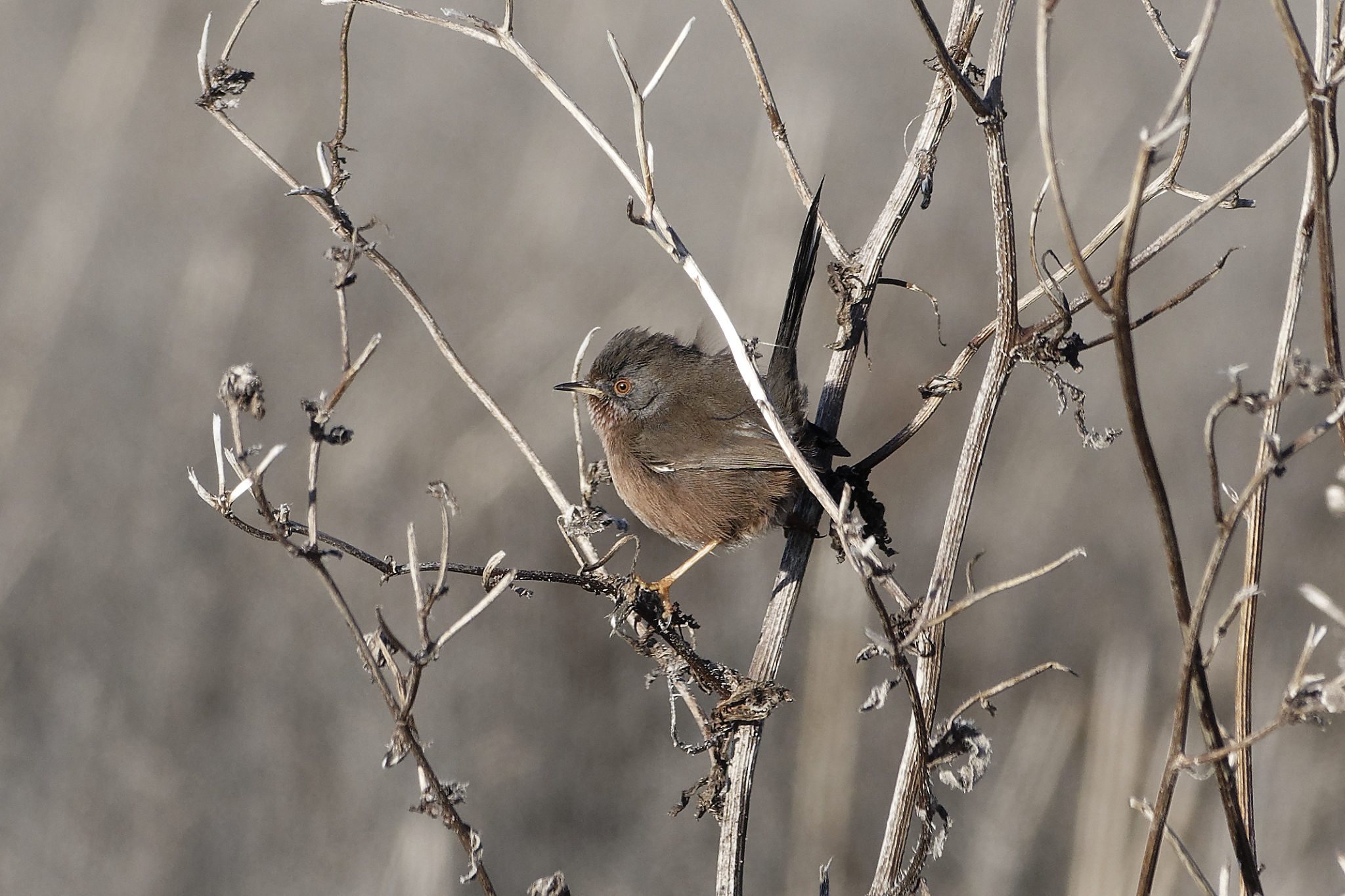
The Dartford warbler is one of the defining species for the conservation of this important area. It’s easily overlooked, sometimes giving itself away by its scratchy song and occasional song-flight. If conditions are right, pairs can raise two, even three broods each summer. Once down to only 10 pairs in the whole of the UK, habitat protection and management, and warmer winters, now mean the UK population is in the thousands.
February 5th, 2023
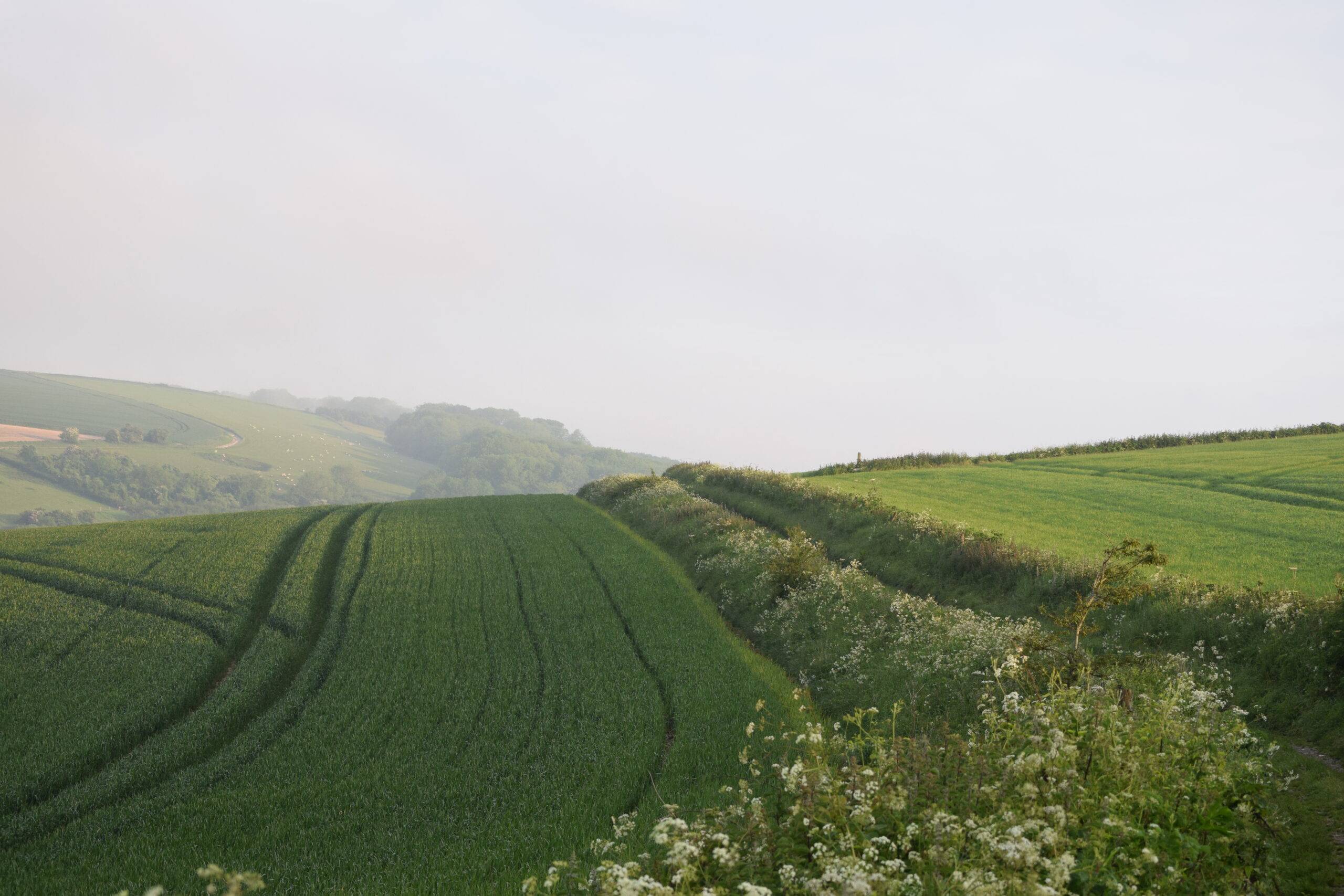
The UN estimates the planet has 60 harvests left, based on the current rate of soil depletion.
February 3rd, 2023
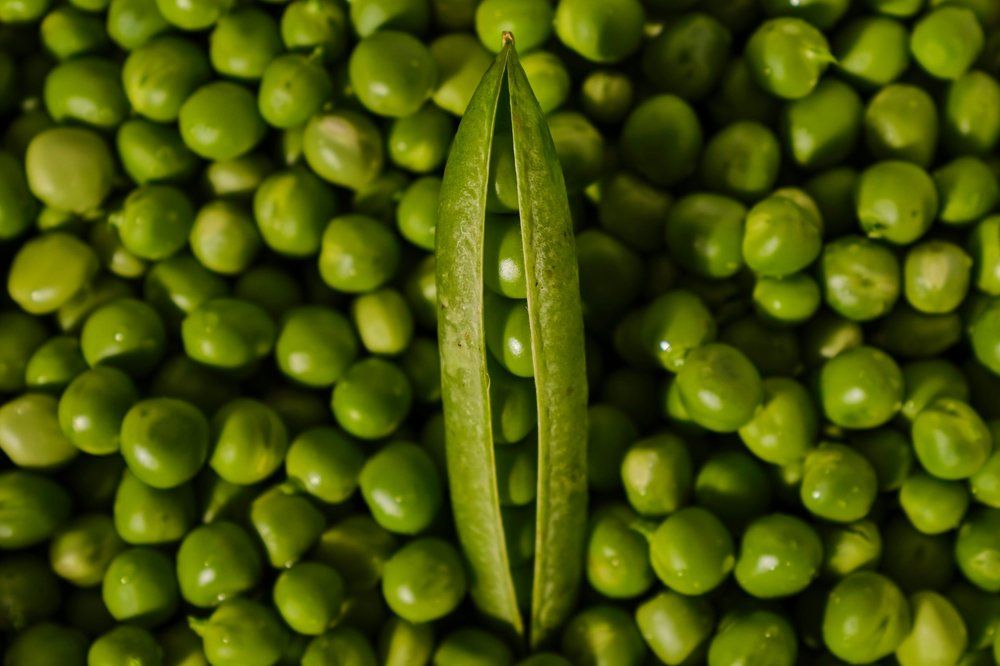
This is an entirely valid concern in these uncertain times – is it possible to sustain food security alongside nature recovery?
February 2nd, 2023
We started the year with a new global commitment to set aside 30% of the planet for nature by the end of this decade.
- « Previous
- 1
- …
- 3
- 4
- 5


