Landscape Recovery
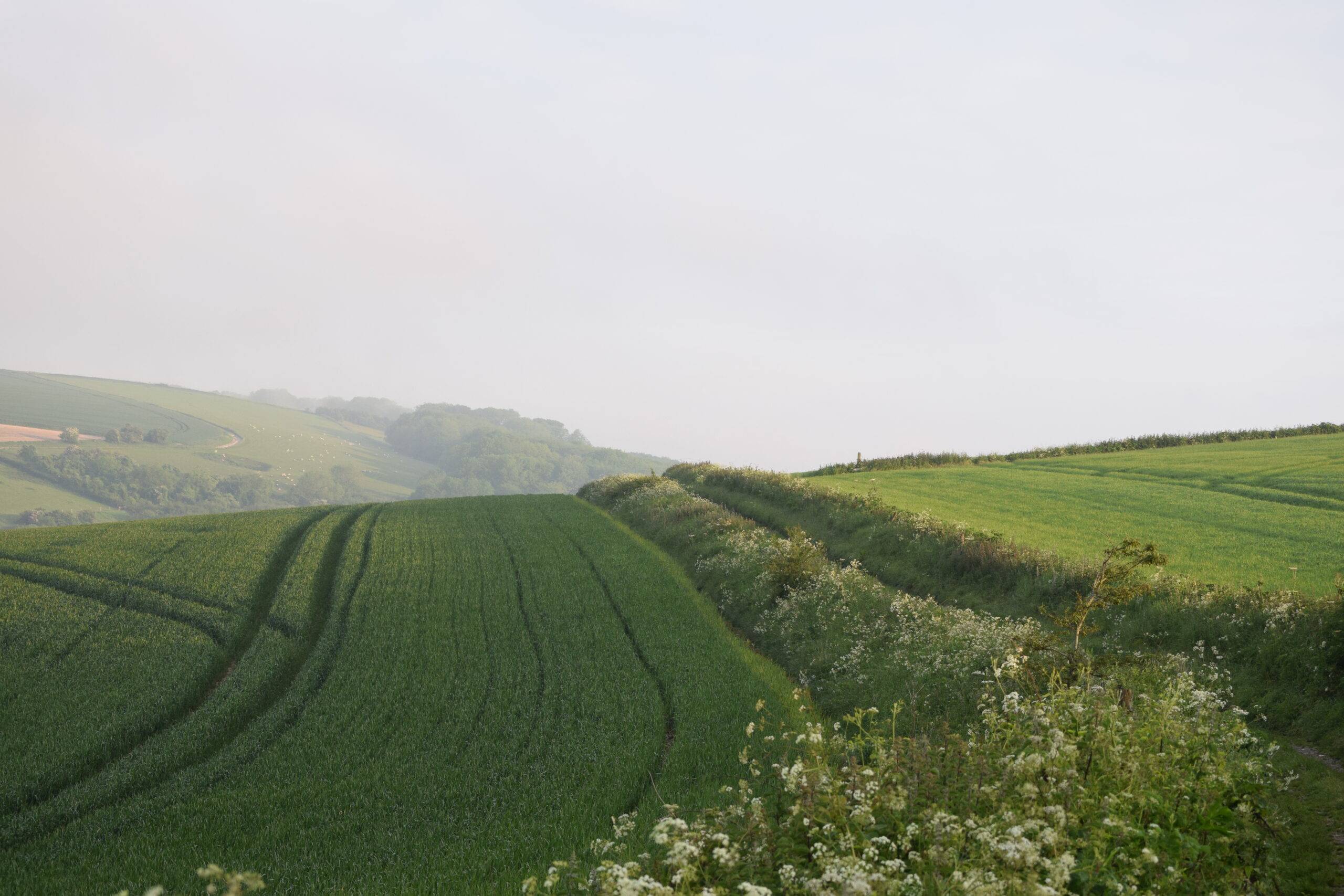
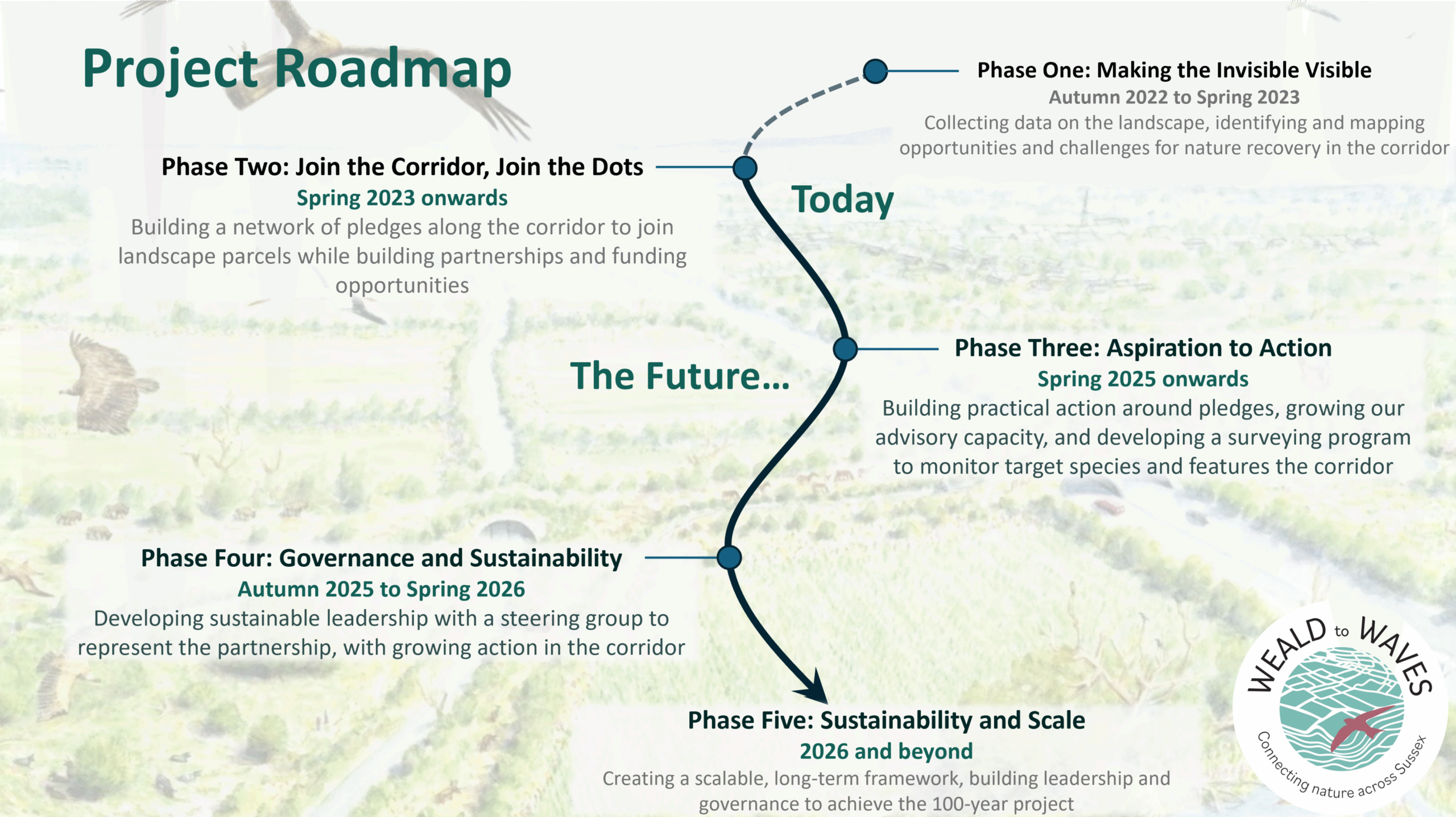
How do we create 100-miles of nature recovery corridor, across a densely populated landscape? Our roadmap to a corridor paints a picture of how we might achieve this huge task.
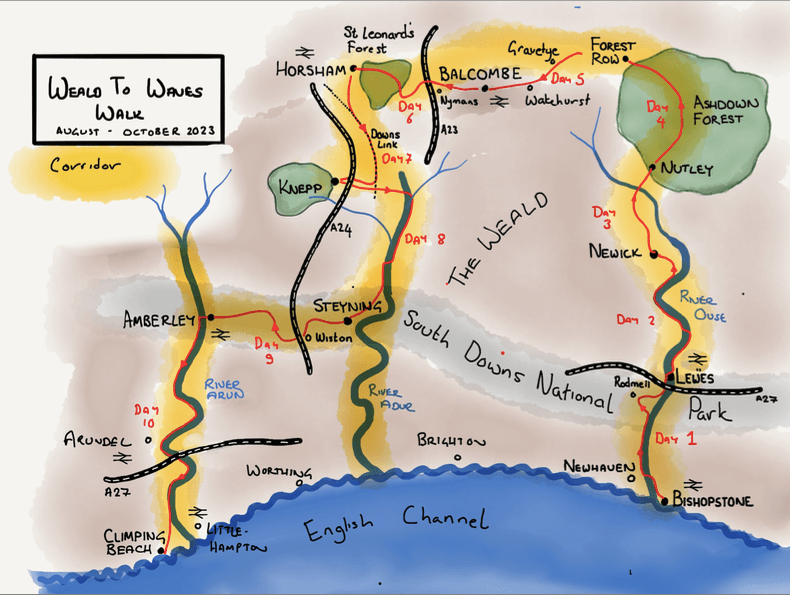
A myriad of species should one day benefit from 100 miles of connected landscape. But how might a human navigate the corridor? Ian Rogers takes on the challenge.
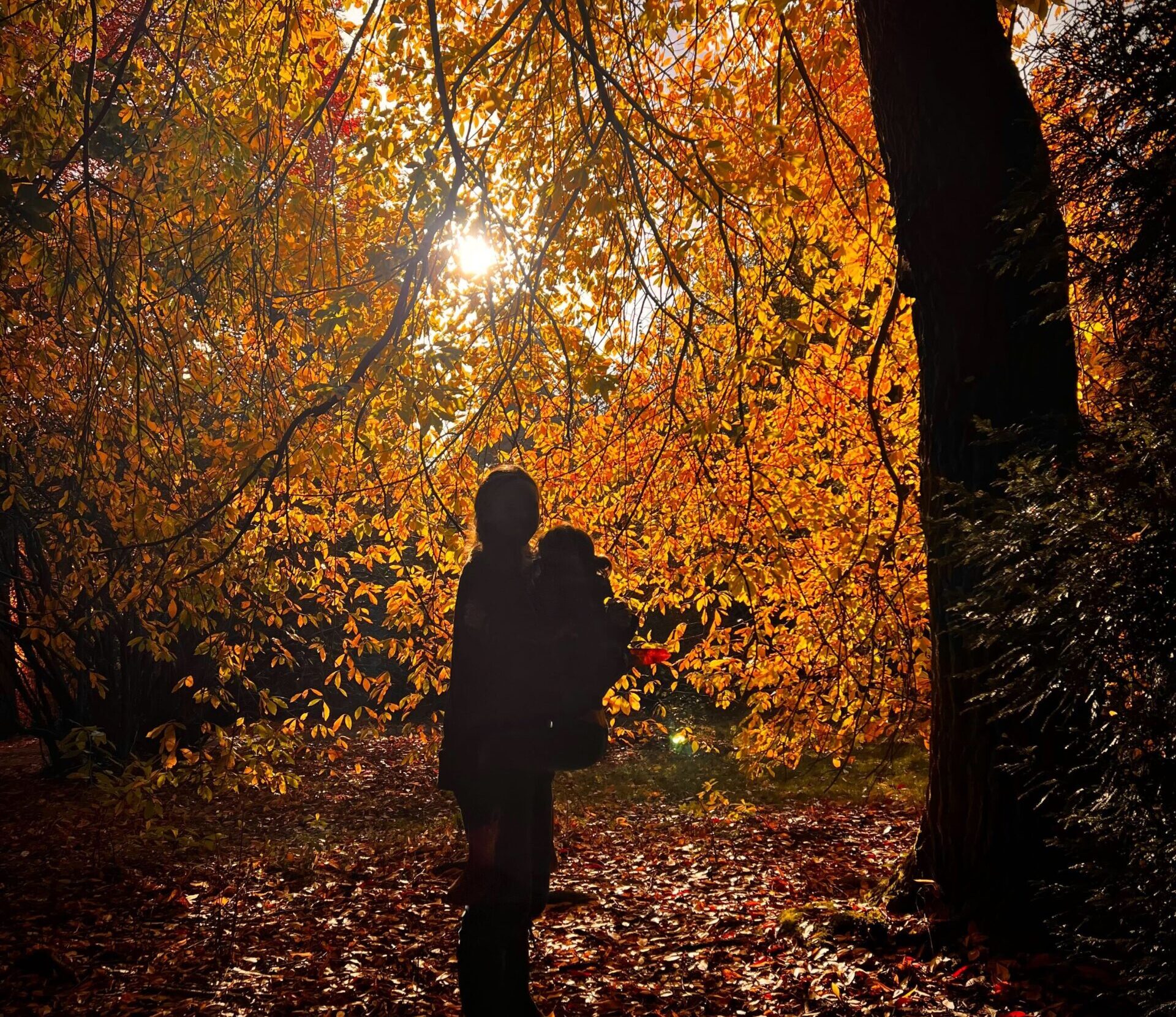
Tony Whitbread, independant ecologist and President of Sussex Wildlife Trust, reflects on the space between seasons and how it allows us to think beyond binaries.
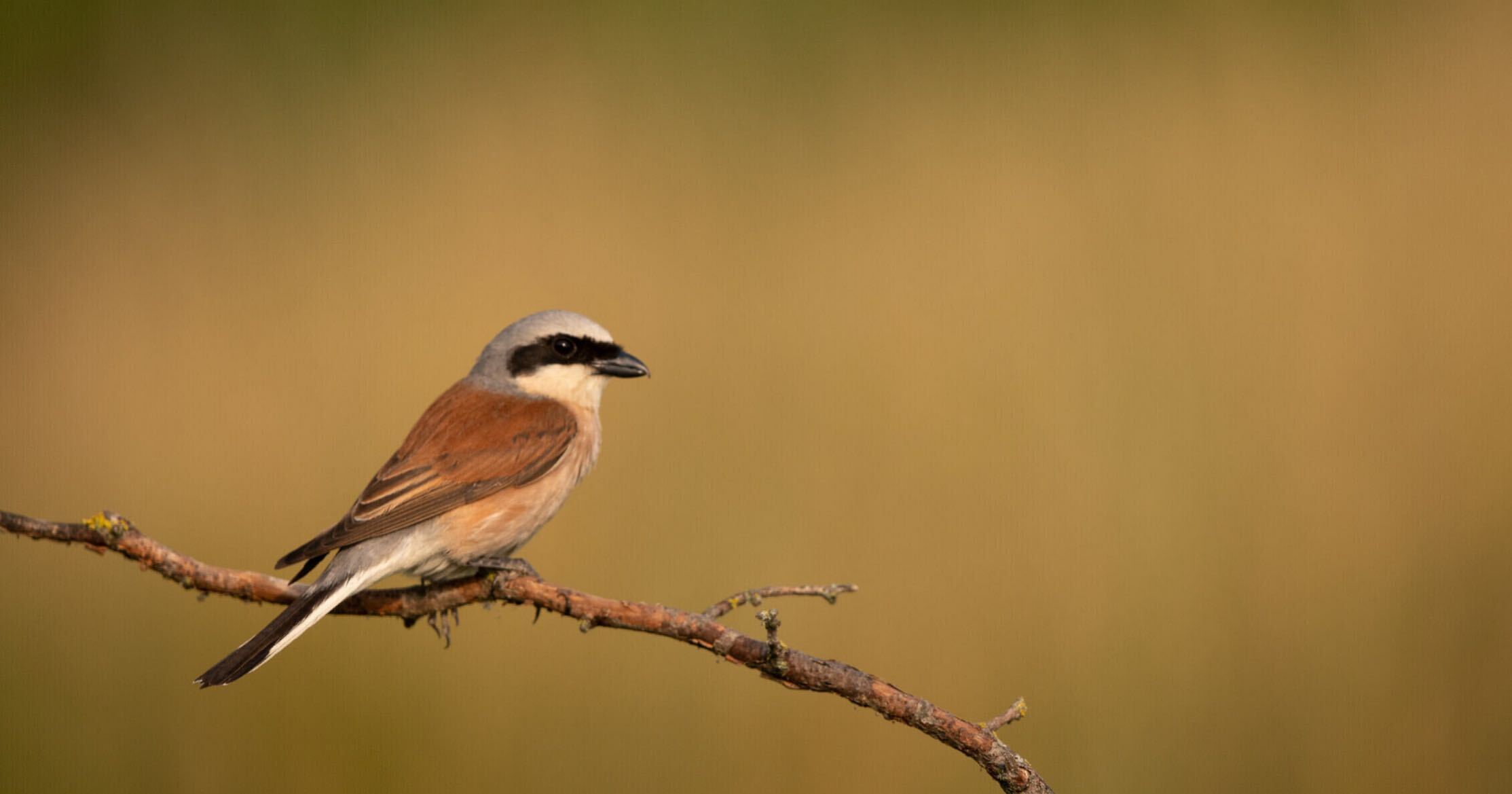
New habitat creation project receives Natural England funding
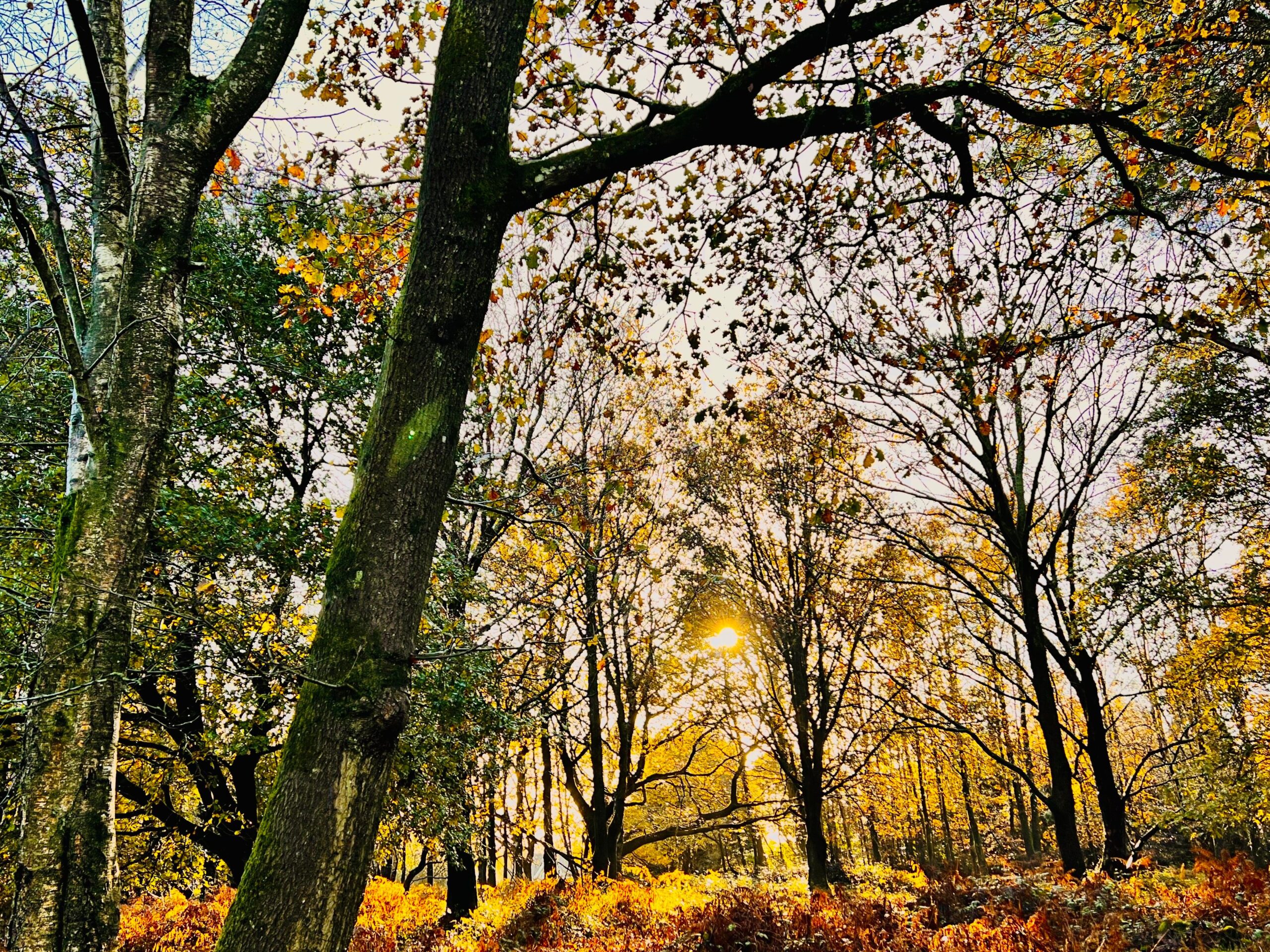
Sussex is one of the most wooded regions in the country. Brush off your boots and explore the best of the autumn colour across the corridor.
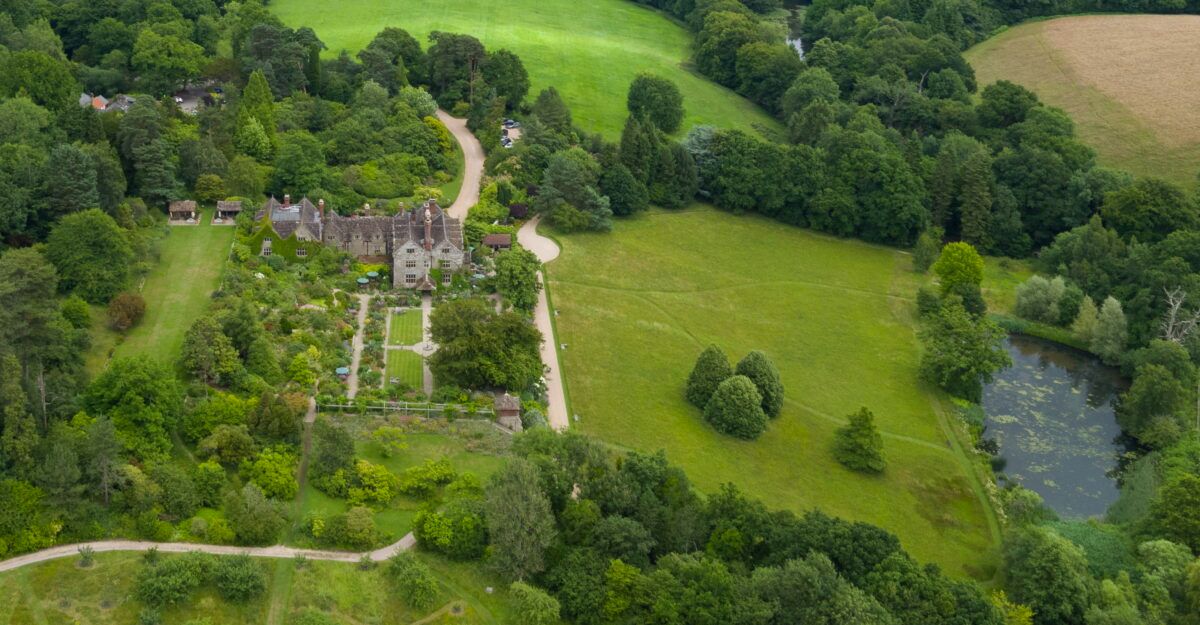
Gravetye joins the corridor, with 600 acres of farmland, woodland and wildlife gardens.
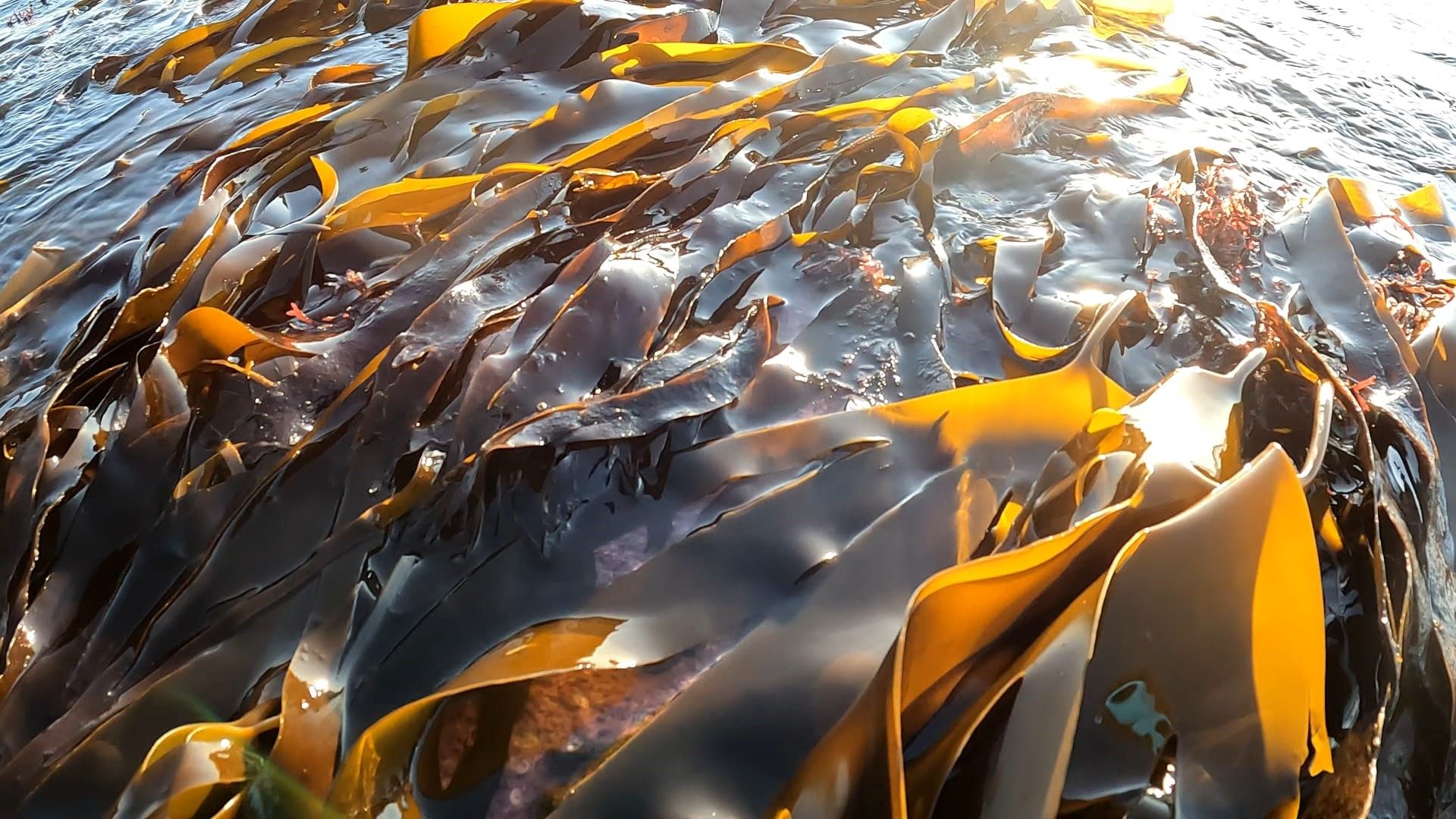
Off the coast of Sussex something amazing is happening. Two years ago the pioneering Sussex Nearshore Trawling Byelaw came into place, pushing bottom-towed trawling 4km off the West Sussex Coast. The changes are now starting to happen.
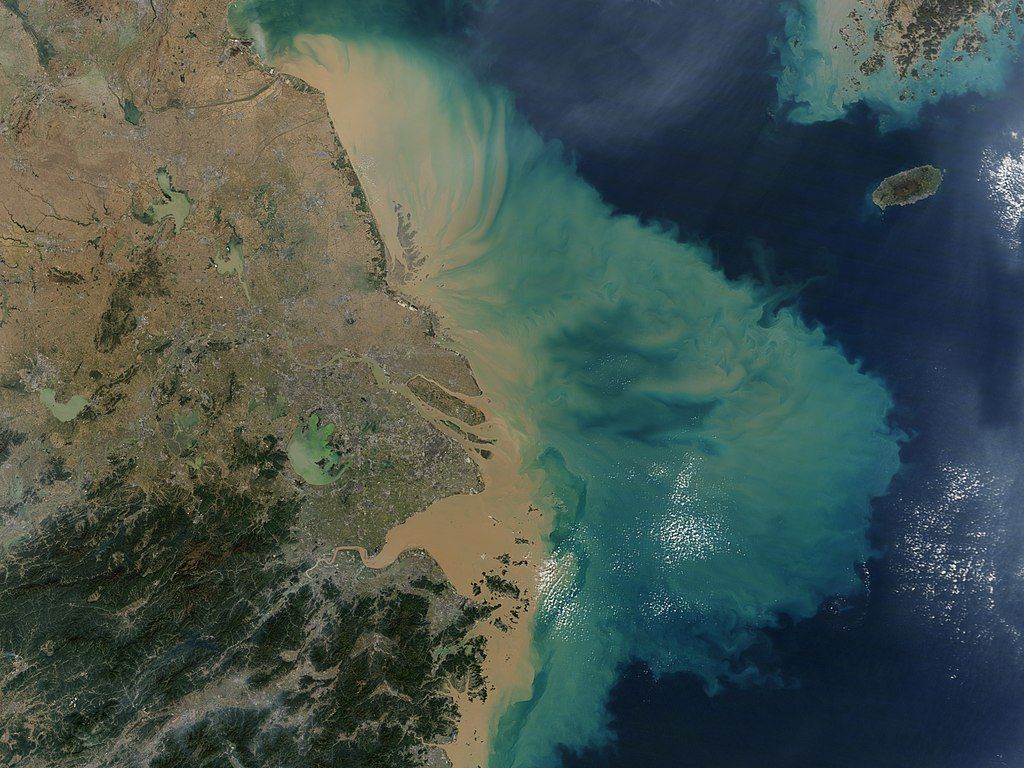
The interface between land and sea is particularly important for marine conservation, going back to the idea of connectivity being central to all of our efforts. While it may not be the first thing that springs to mind when we talk about pollution, sediment is a real problem for our marine habitats.
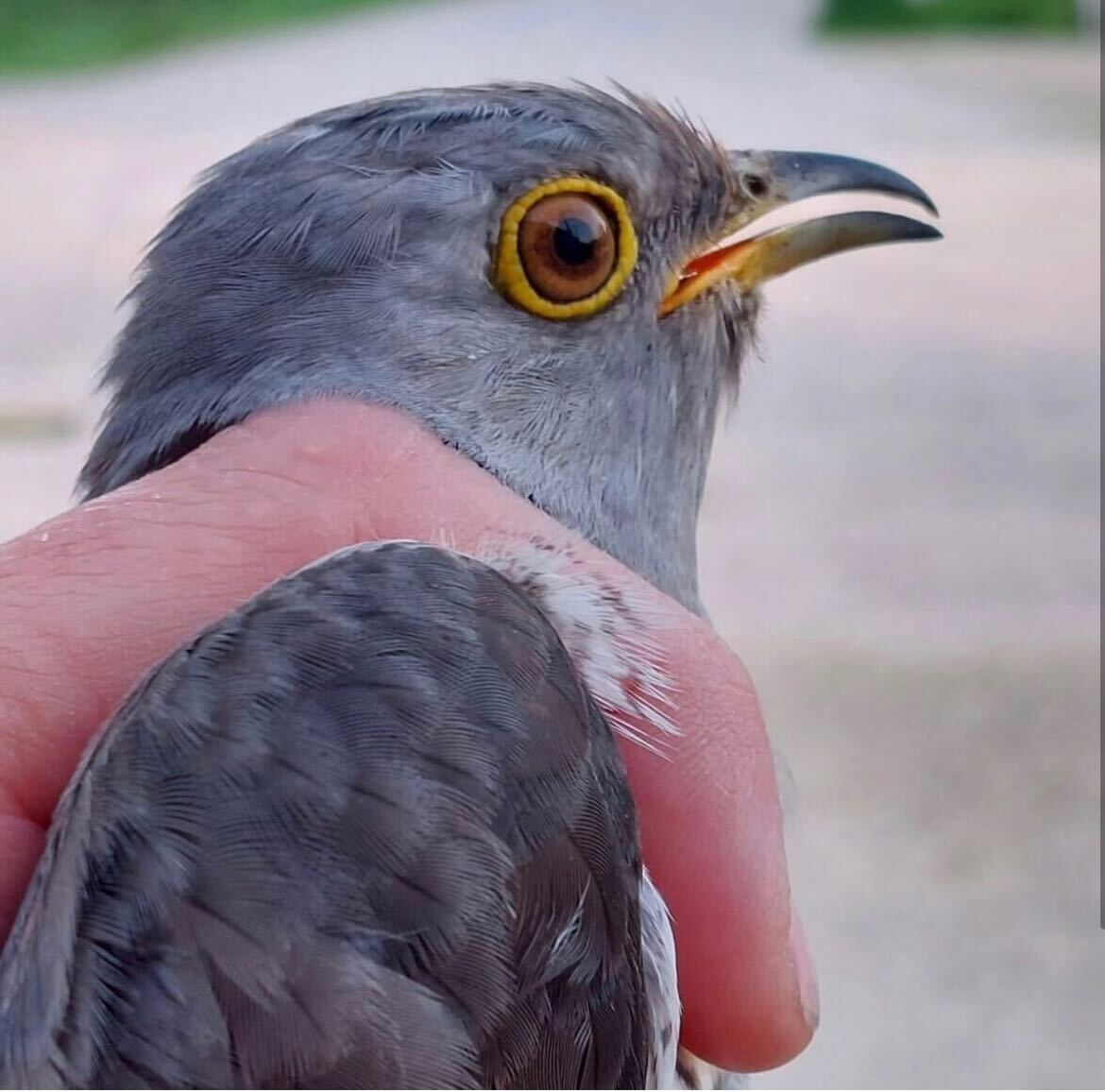
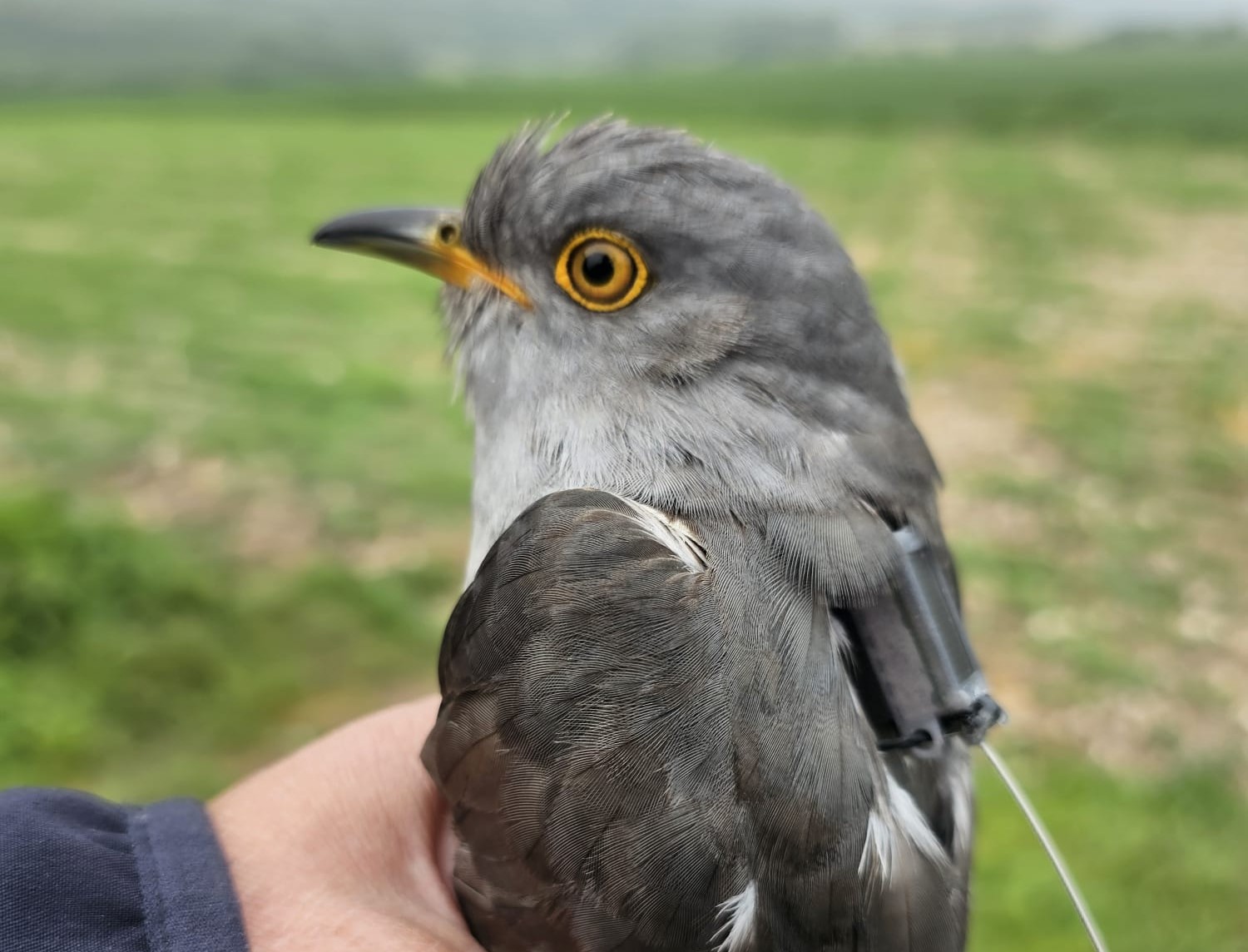
We were delighted to get news of Sayaan, a cuckoo that was tagged at Knepp in May, traveling along the corridor route from Knepp towards the Sussex coast and back up towards Ashdown Forest.
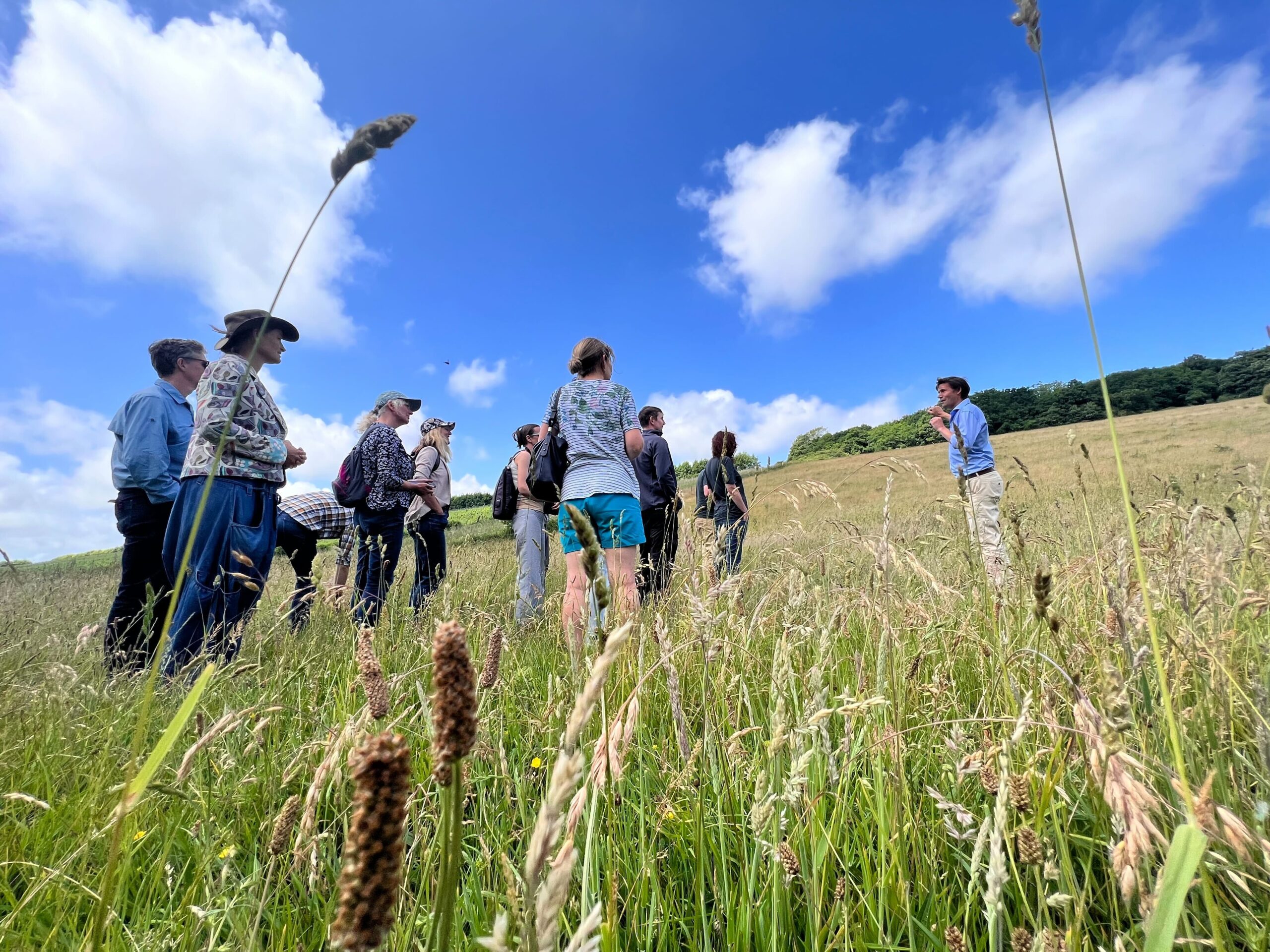
A journey up the Arun arm of the corridor with the Wildlife Trust.
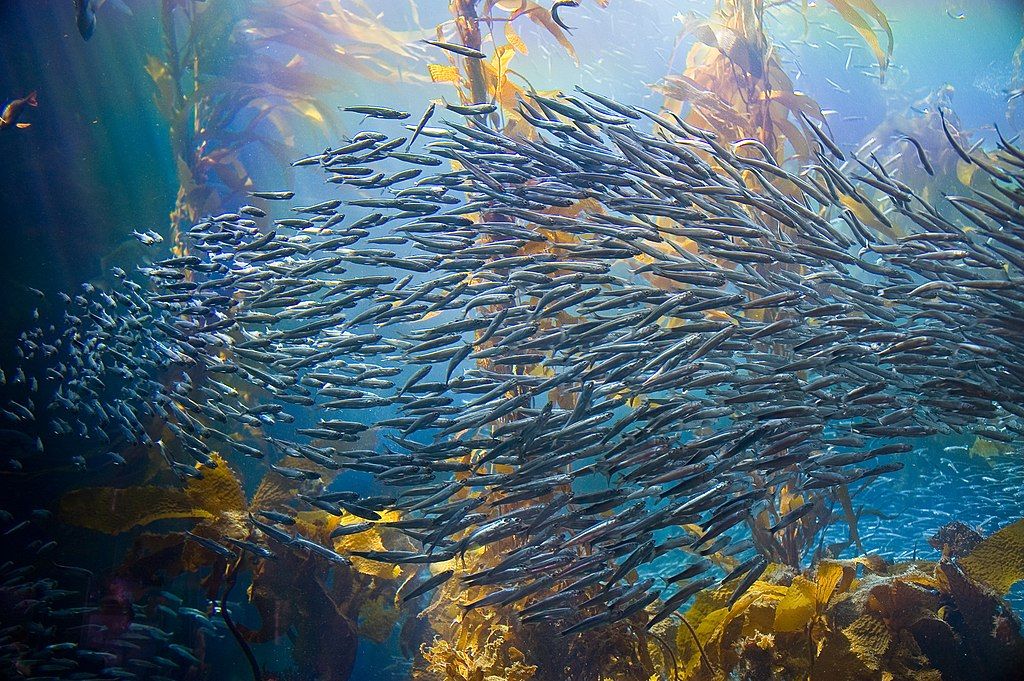
Just as soils and land-based ecosystems have become degraded, so have marine habitats. Sewage is regularly discharged into rivers and seas, agricultural run-off upsets the natural balance of the water, while trawling destroys the seabed and the kelp forests that once flourished.
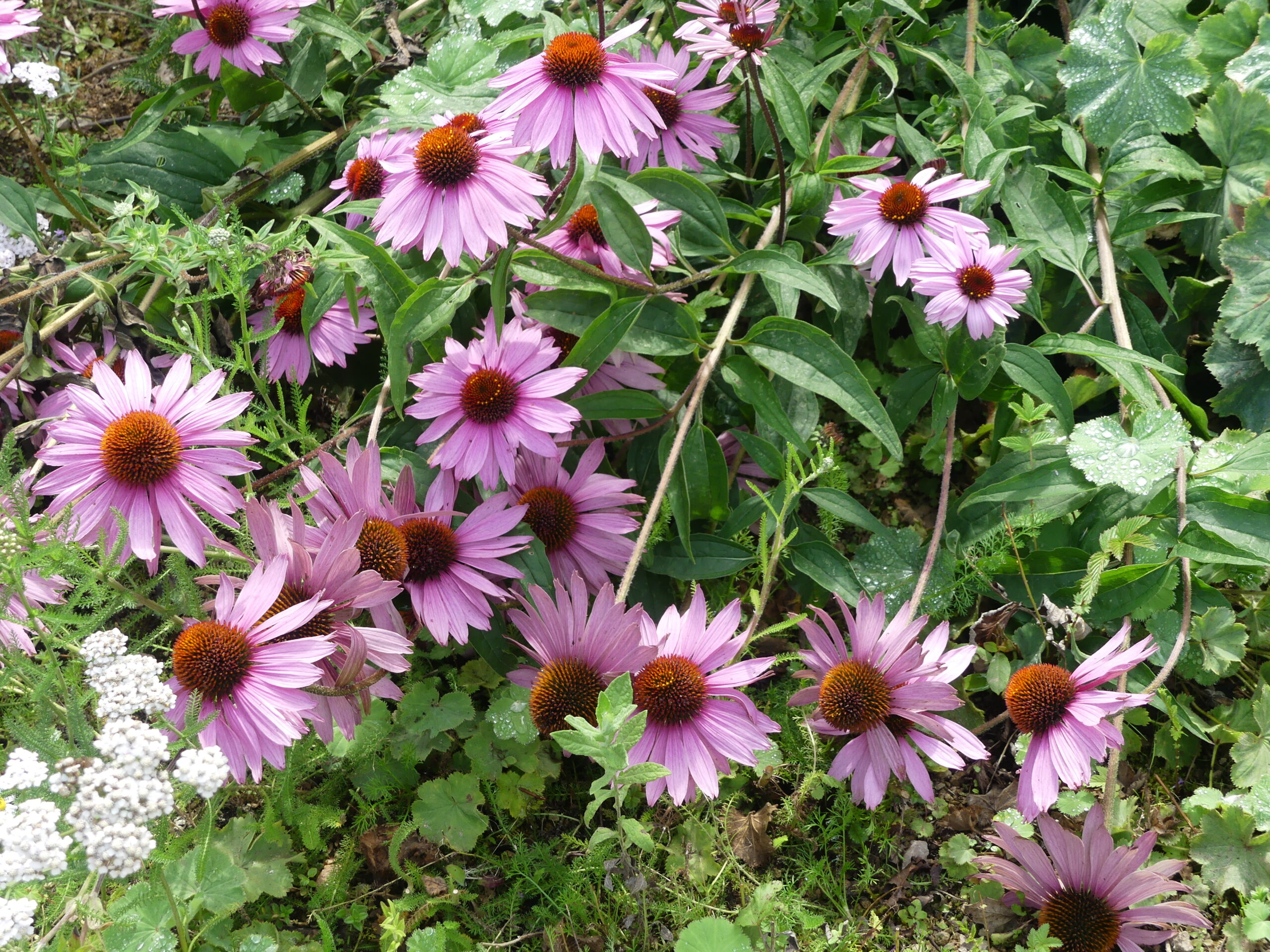
This is your chance to be part of a pioneering project benefitting nature recovery in Sussex and beyond. Your pledges – small or large – will help establish a nationally-significant 100-mile corridor for wildlife, regenerating our local ecosystems for years to come.