
Farming through drought: stories from across the corridor
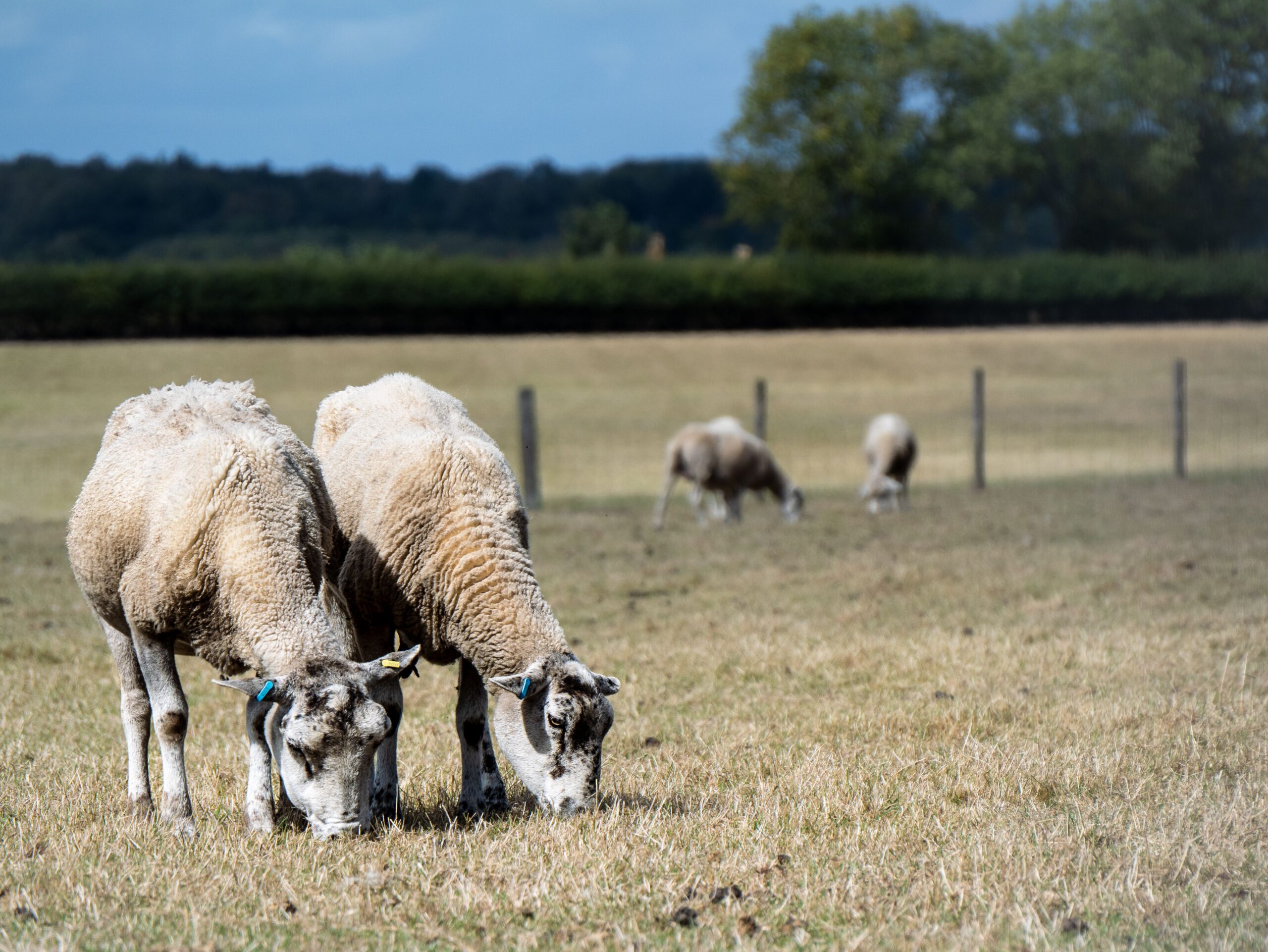
After months of exceptionally dry weather, the return of rain across the country has been a welcome sight. But for farmers and land managers, the effects of this summer’s drought will be felt long after the ground begins to green again.
From struggling crops and dry pastures to pressure on livestock and water supplies, this summer has highlighted just how exposed farming can be to prolonged periods of hot, dry weather.
We asked our Weald to Waves farmer and land manager members across corridor what they have been seeing on the ground, and how changes in the way land is managed are helping some farms cope.
Crops under pressure
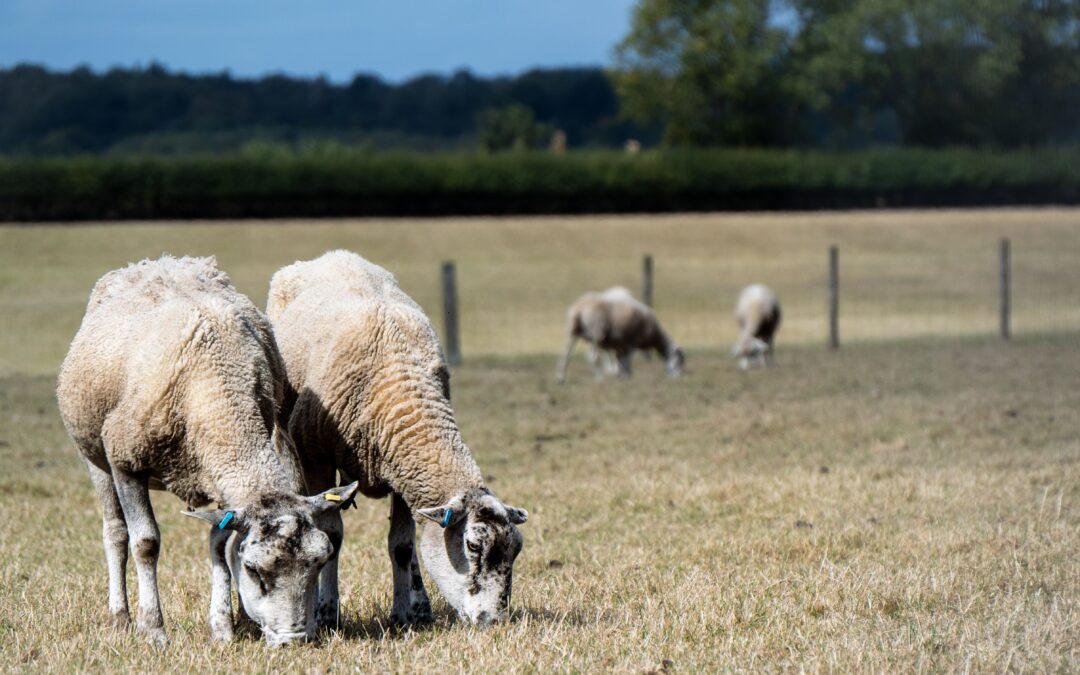
Across the country, the lack of rainfall has taken its toll on crops and pasture. Some crops have struggled to establish or ripen properly, while others have been harvested earlier than usual, in some cases, weeks ahead of average. In the most severely affected fields, yields have been significantly reduced, and some crops have not been worth harvesting at all.
For farms in the coastal part of the corridor, the challenges can be even greater. Access to irrigation can be limited where nearby rivers are saline, leaving farmers with fewer options when rainfall disappears.
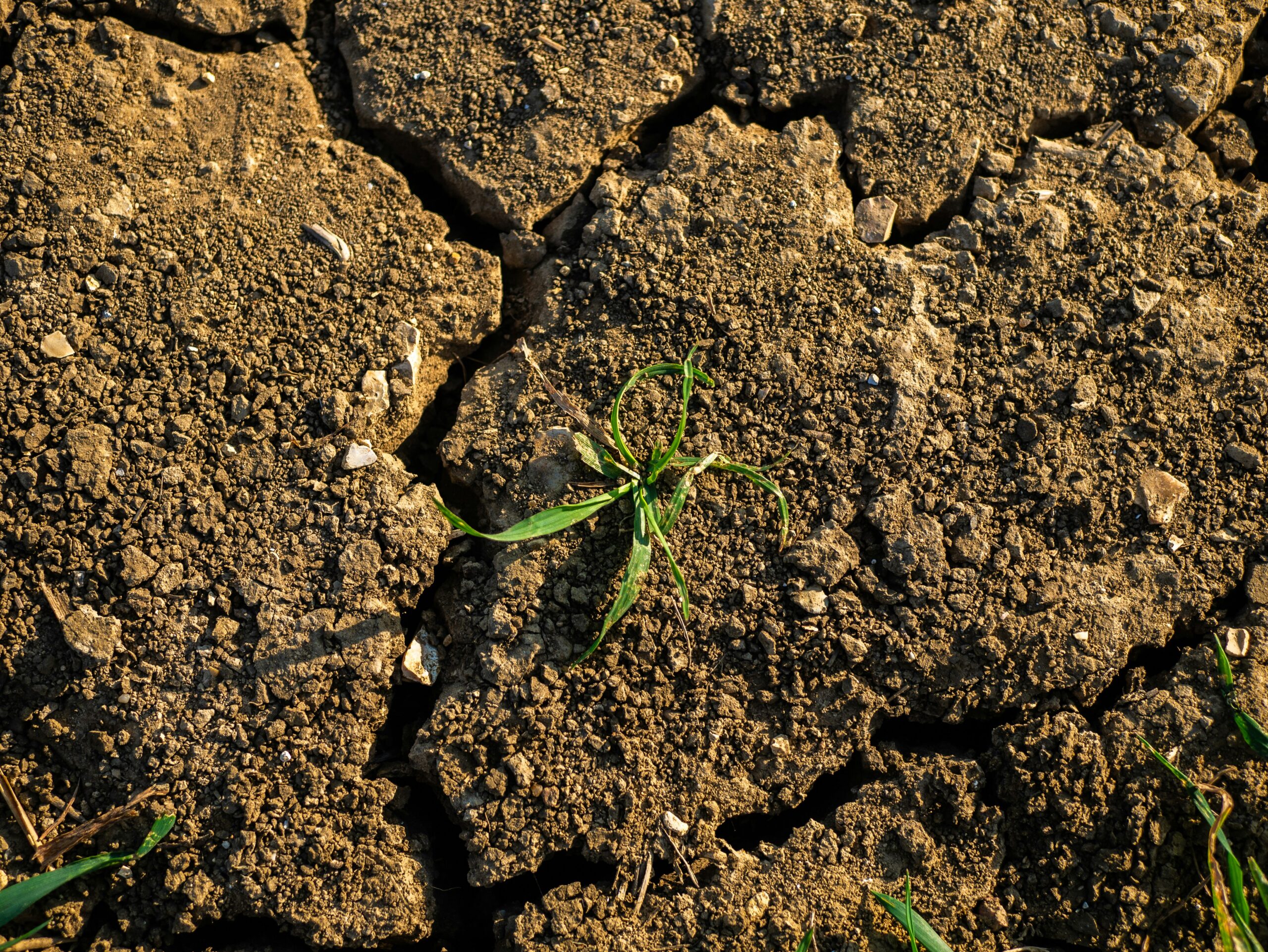
And it is not only food crops that have suffered. Farmers have reported widespread impacts across the wider farmed landscape, including severely dried-out wildflower meadows, stressed hedgerows and trees showing signs of drought stress.
Wildflower-rich areas provide food and habitat for invertebrates, including pollinators, while hedges and trees provide important shelter and habitat for wildlife across farmland. When these features struggle, the effects of drought extend beyond individual fields and crops to the wider ecosystems woven through our farms.
Extremely dry vegetation has also brought another concern: fire. Across Sussex, fires have broken out in heathland, woodland and other areas of countryside during the dry weather. For those farming within an increasingly dry landscape, the risk can be frightening.
Together, these impacts demonstrate how drought can affect the whole landscape at once. The pressures facing farming and nature are closely connected, the same lack of water affecting crops and pasture is also putting pressure on the habitats around them.
Pressure on livestock
For livestock farmers, one of the biggest challenges has been keeping animals supplied with enough water and food.
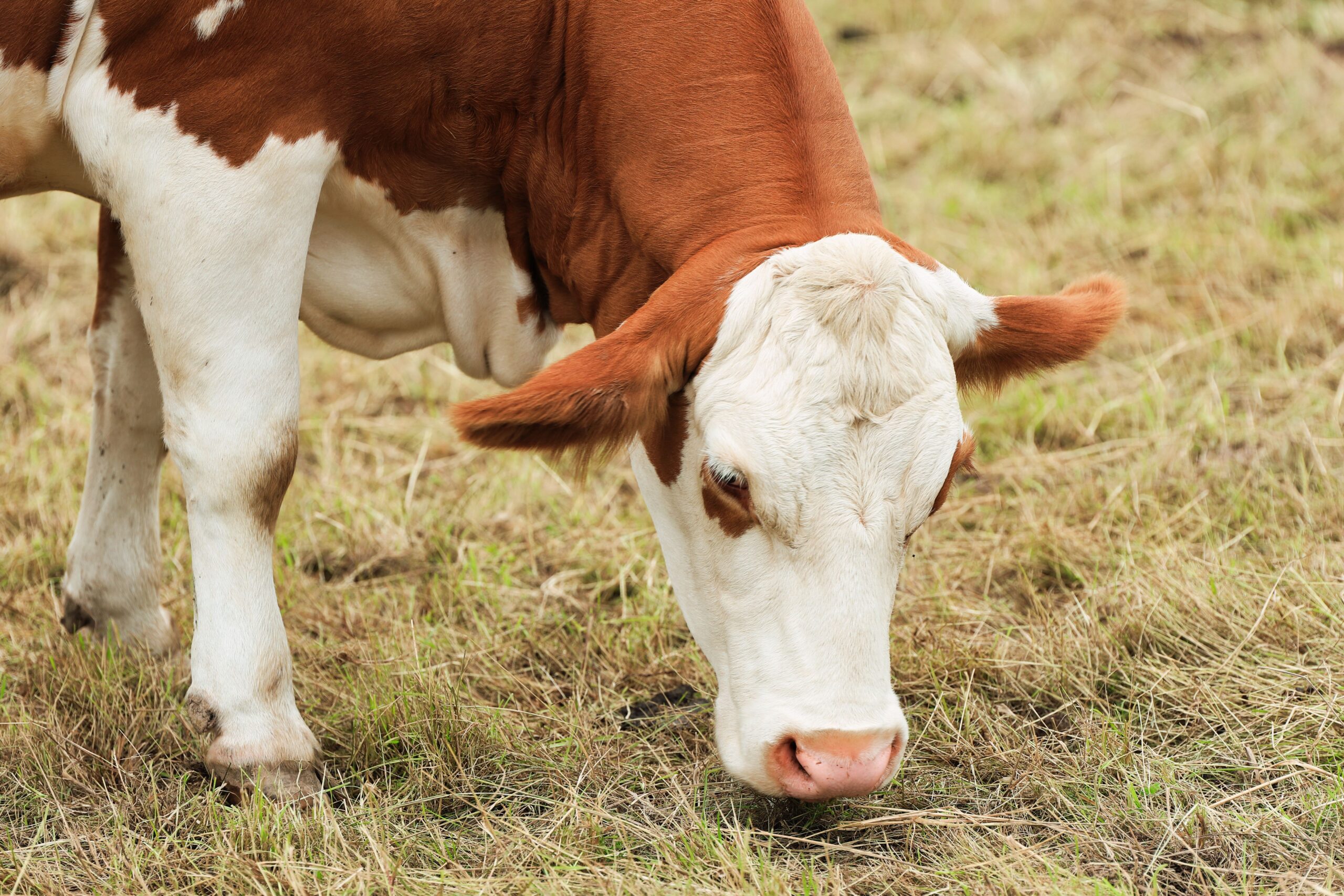
During the hottest periods, cattle have been drinking so quickly that existing water infrastructure has struggled to keep up. One farmer told us that cattle were emptying troughs faster than they could refill, sometimes knocking them over and damaging pipes in the process. Across a farm, these replacement costs can quickly add up at a time when finances are already under pressure.
With little fresh grass available, some farmers have also had to start using feed normally saved for winter. This provides an immediate solution but raises concerns about how much feed will remain available when it is needed later in the year.
The heat and lack of grazing have affected production too. One dairy farmer reported cows producing just three litres of milk where they would normally produce eight.
Finding resilience through land management
Among these challenges, farmers across the corridor are also seeing encouraging signs that changes in land management can help their farms withstand dry conditions.
One farm in the eastern arm of the corridor adopted regenerative practices two years ago and has already noticed changes in how its pasture responds to drought. Longer rest periods between grazing have allowed more standing grass to remain. “While it is brown and mostly standing hay, there is green at the base because it has been both protected from the heat and the roots are longer.”
By moving livestock regularly and leaving plenty of vegetation behind, the farmer has been able to keep more of the soil covered rather than grazing fields down closely. “Even in that short time, the pastures have become much more resilient,” they told us.
Other farms across the corridor are seeing similar benefits from working with natural processes. Some vineyards, for example, are using cover crops to improve the soil’s water-holding capacity and reduce stress on vines, while also supporting biodiversity and soil health.
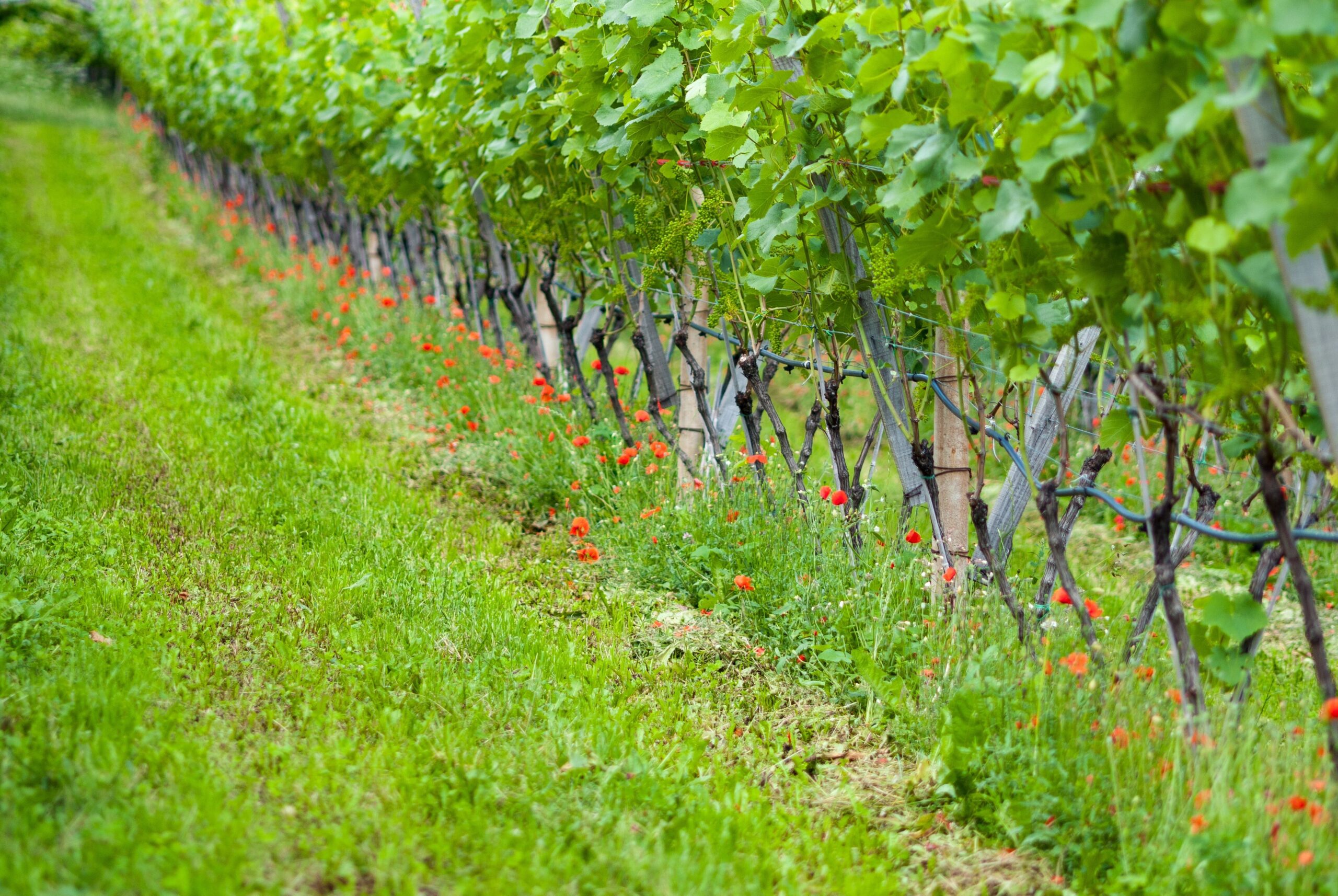
Elsewhere, areas of farmland have temporarily been given over to more diverse vegetation. Increasing the amount of plant material and organic matter within the soil can help it retain more moisture, holding onto more of the rain that falls during wetter periods.
These approaches will look different on every farm, and there is no single answer to the challenges brought by drought. But the experiences being shared across the corridor show the value of looking after the foundations that farming and nature both depend upon; healthy soils, water, vegetation and diverse habitats.
The rain may have returned, but this summer has offered a glimpse of the pressures farmers and our landscapes may increasingly have to navigate. By sharing what is happening on the ground and learning from the approaches already being tried across the corridor, we can better understand what a more resilient farmed landscape could look like.