

Species Recovery
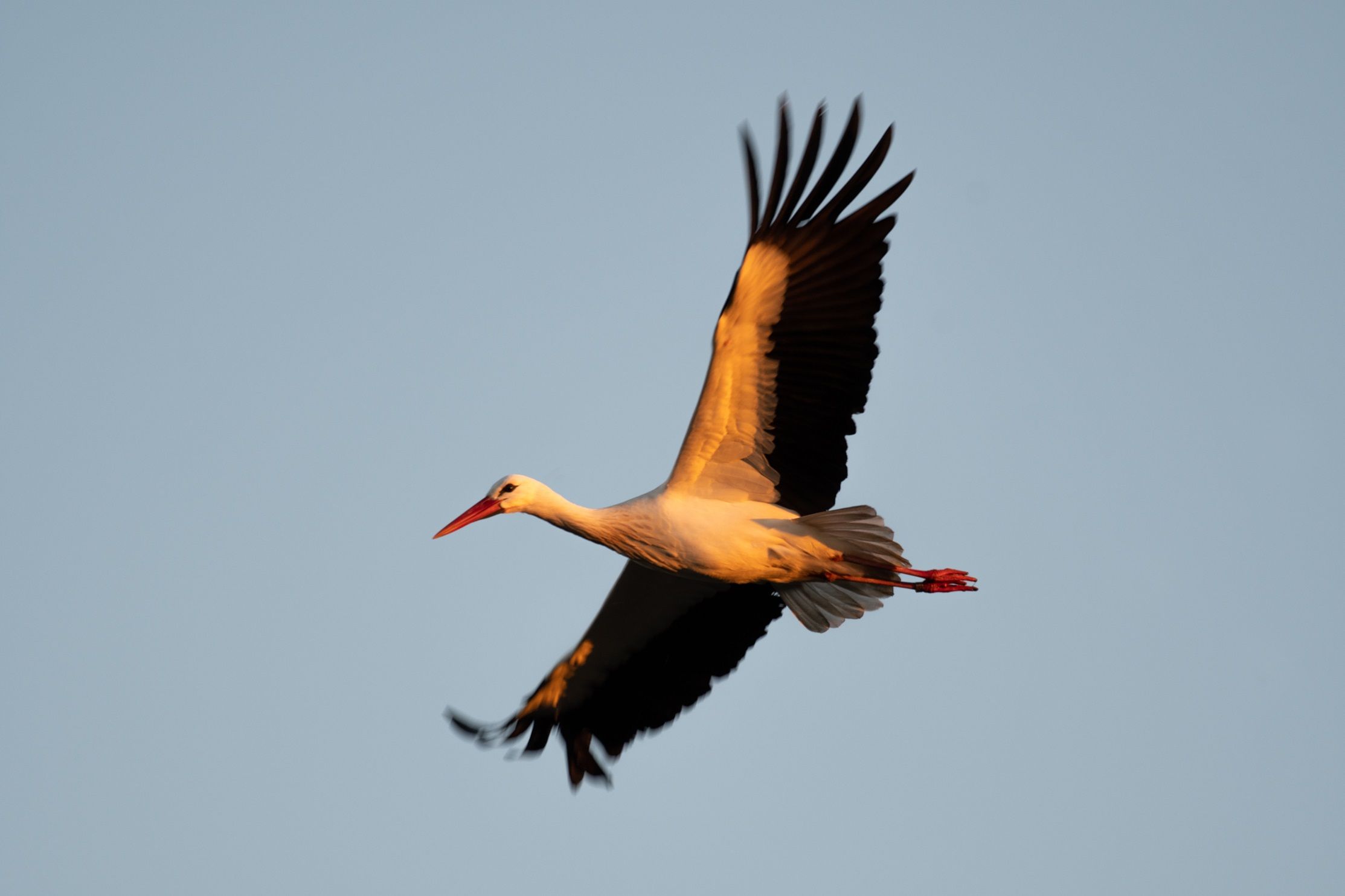
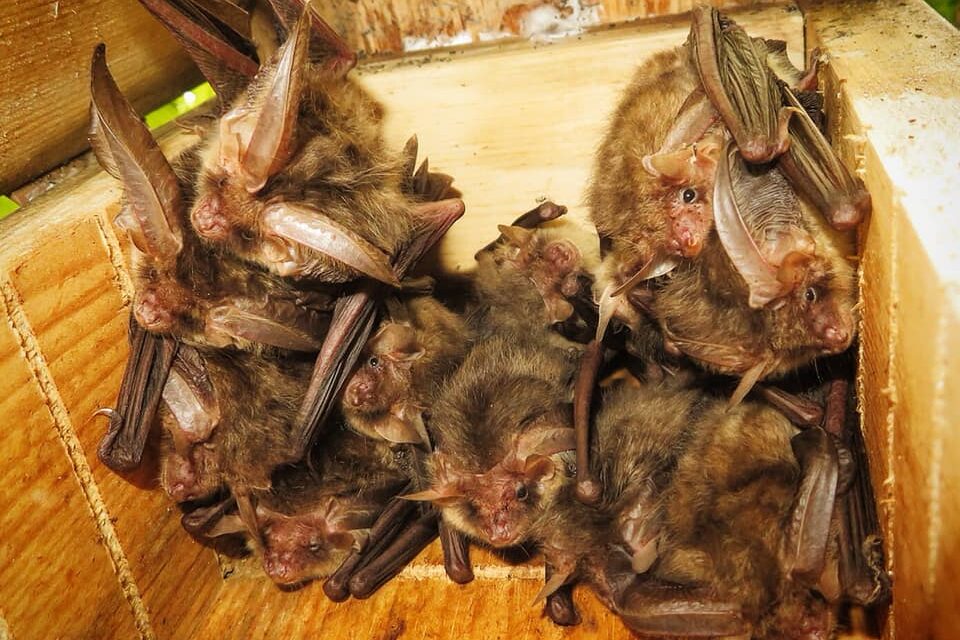
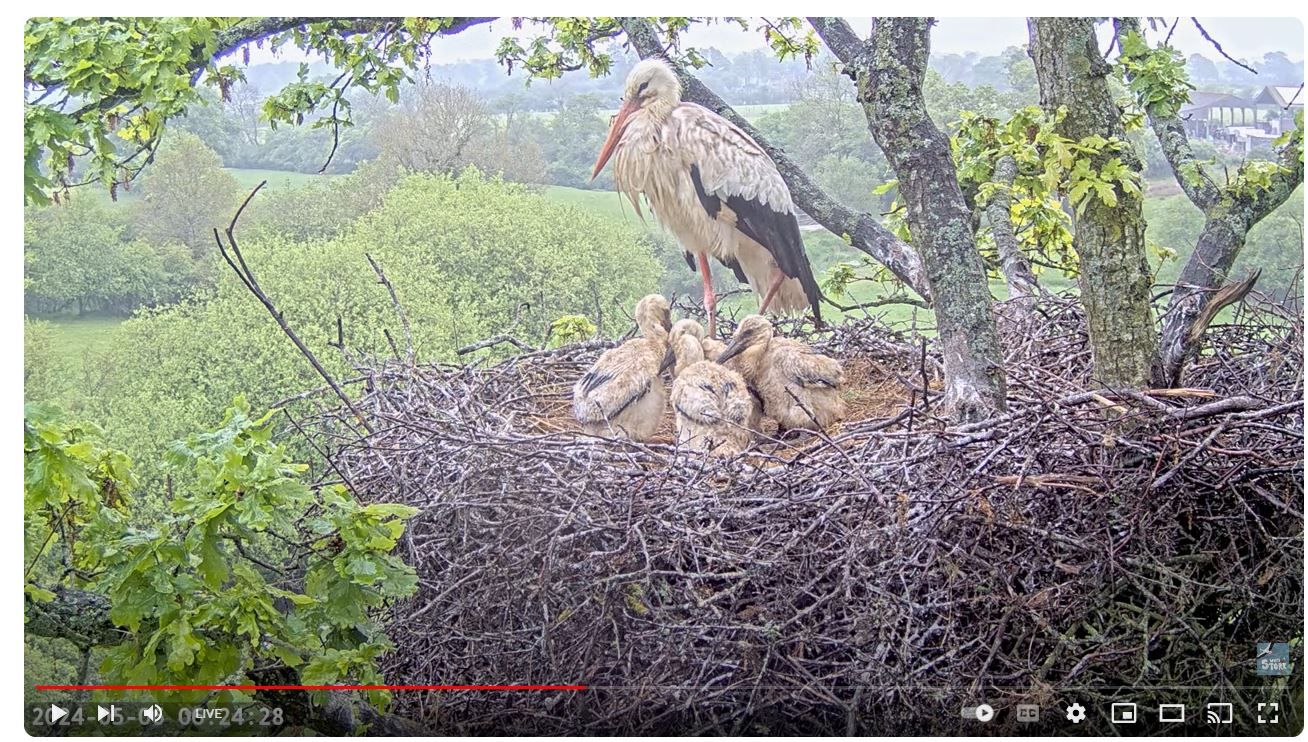
Have you seen the live webcam from the White Stork Project? Tune in to see what is happening on one of the colony’s nests.
Have you heard about the Local Nature Recovery Strategies? Find out more about ways to get involved with planning for nature recovery across Sussex.
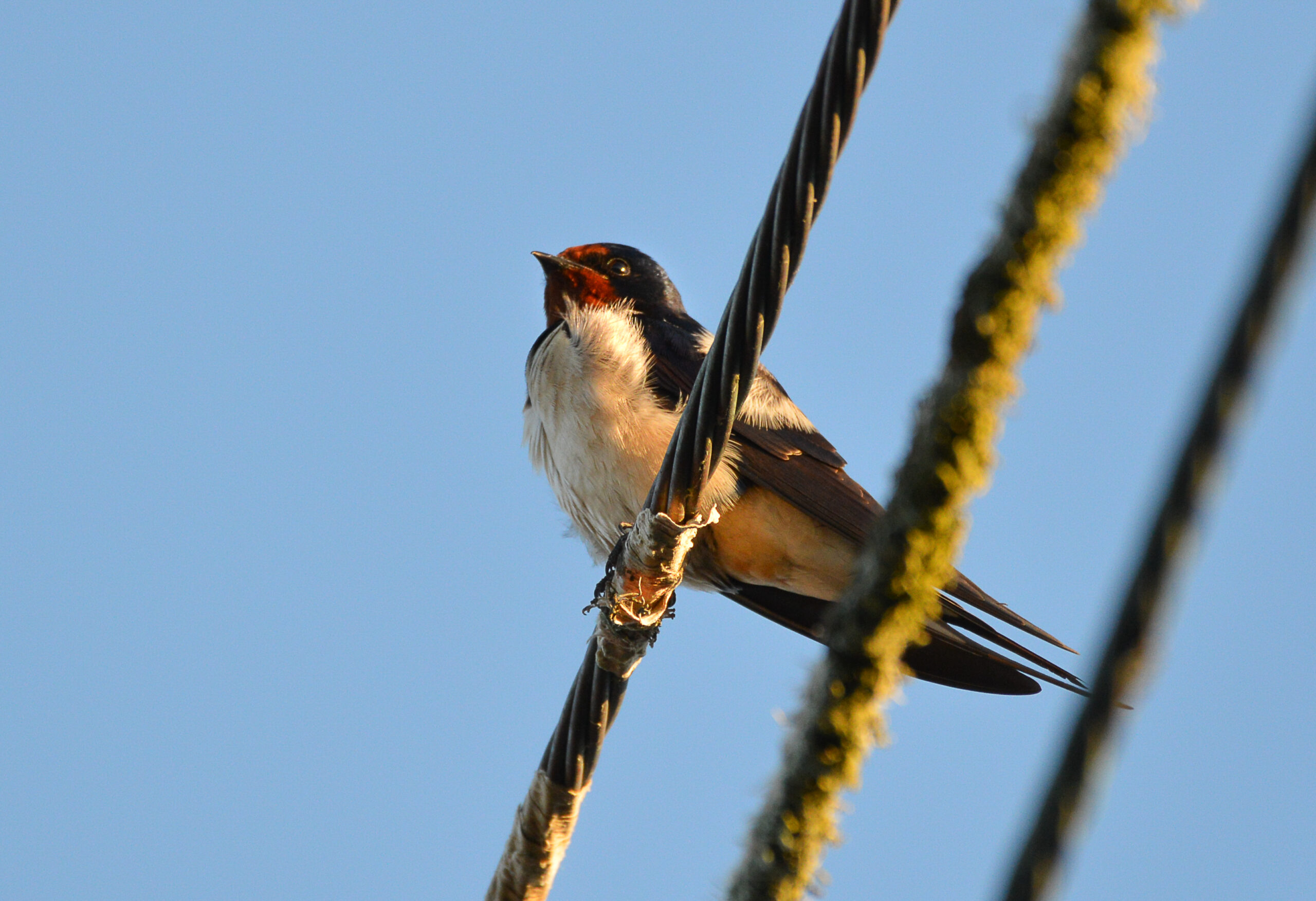
Have you seen your first swift this year? Matt Phelps updates us on the incredible migration patterns of the bird species appearing across Sussex.
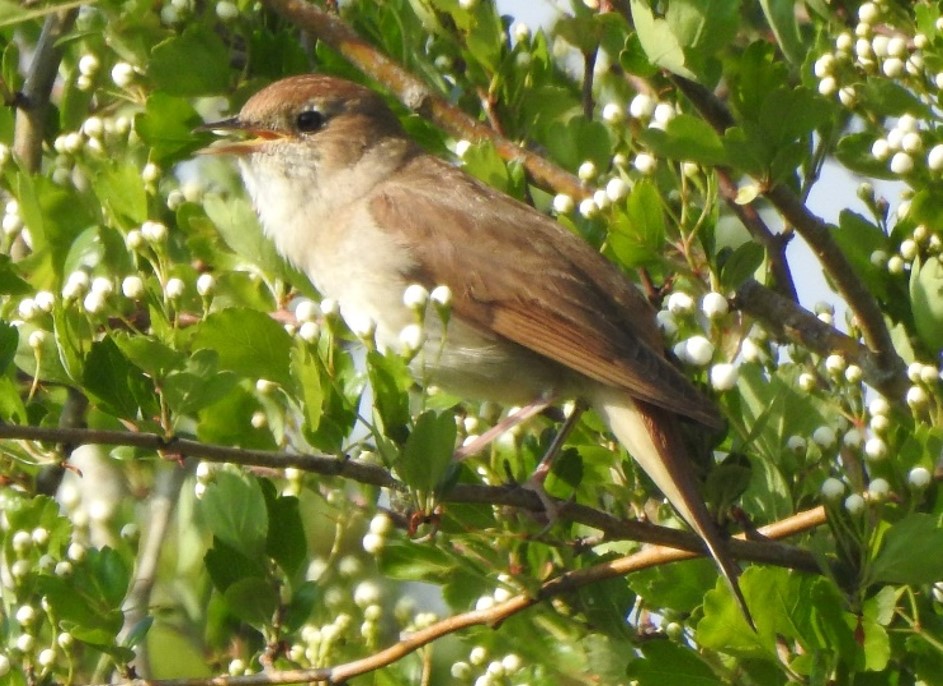
Do you manage land in the corridor? You could get involved in creating areas of scrub to help with the reappearance of Nightingales, Red-Backed Shrike and Black-Veined White butterfly.
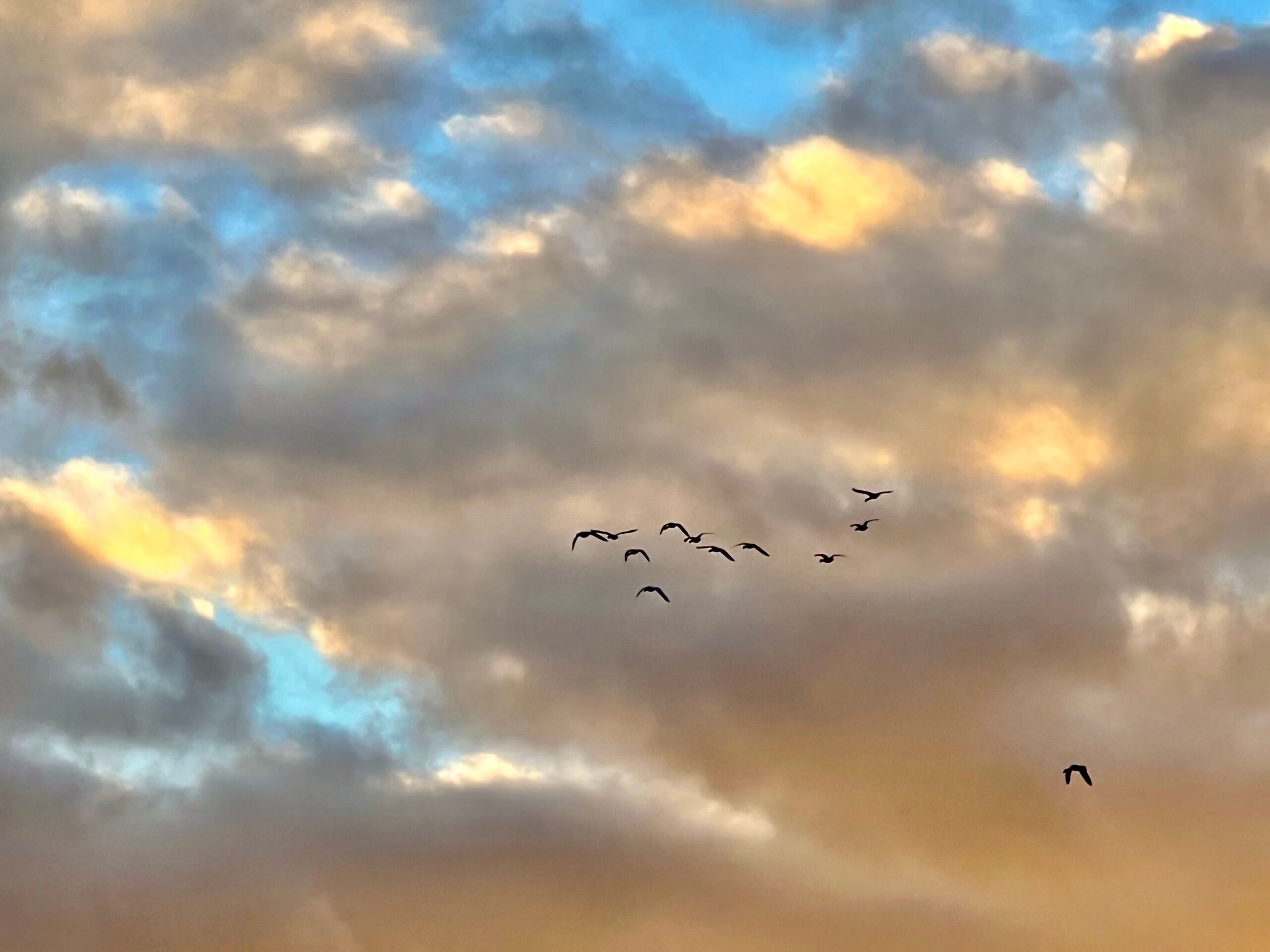
As habitats increase along the corridor, they will provide safe passage for the great autumn bird migration. Ecologist and wildlife guide, Matt Phelps, shares how some species are embarking on their seasonal journey southward.
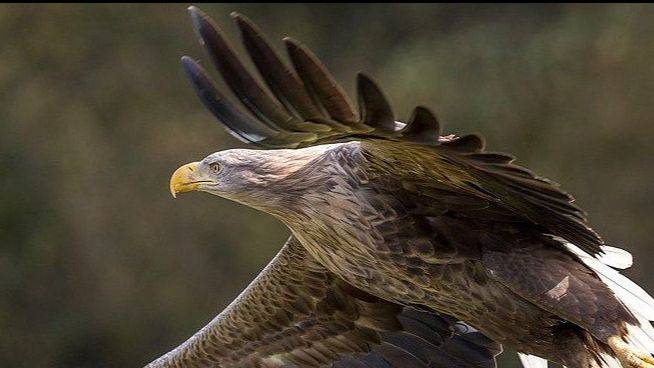
White-tailed eagles, also known as sea eagles, are making a remarkable comeback in the southern region of England after an absence of almost 250 years.
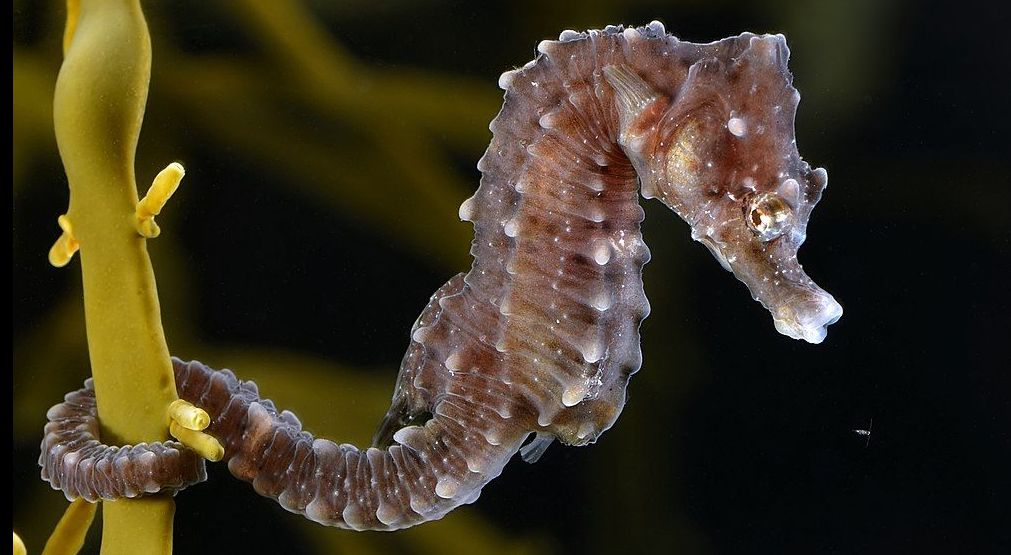
Shining a light on one of Sussex’s two seahorse species, which are facing a range of conservation challenges.
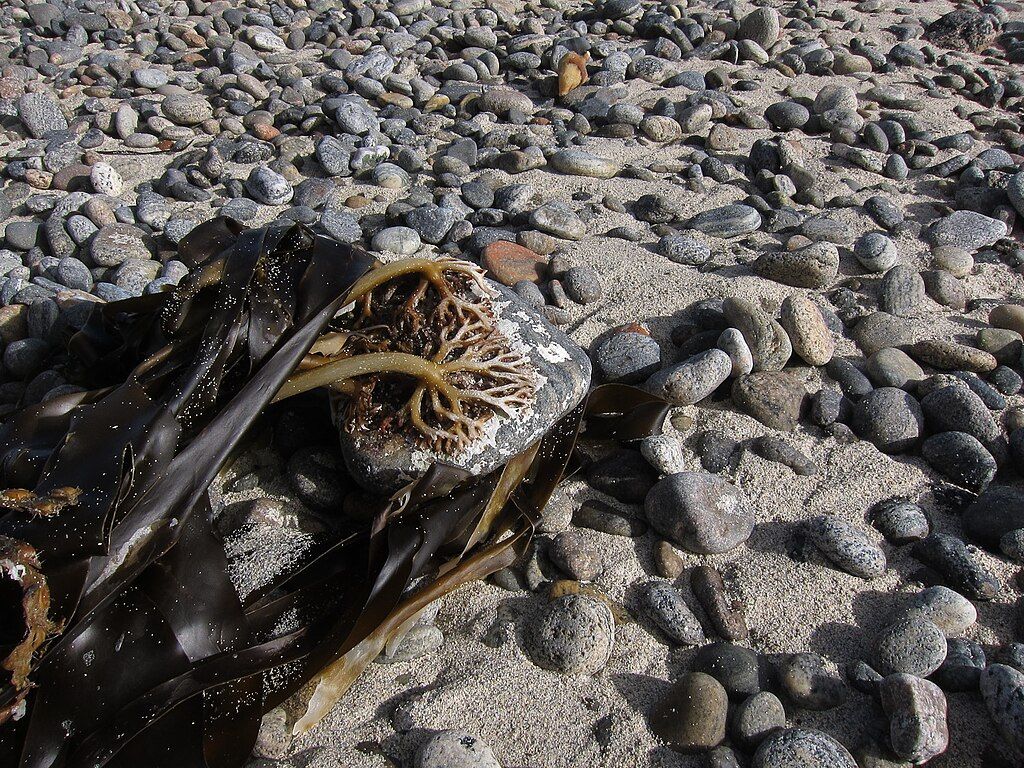
Fancy a spot of kelp combing this summer? The Sussex Kelp Recovery Project would love your help to record sightings of this super seaweed along the Sussex coastline. Plus eggcase hunting, dolphin spotting and more!
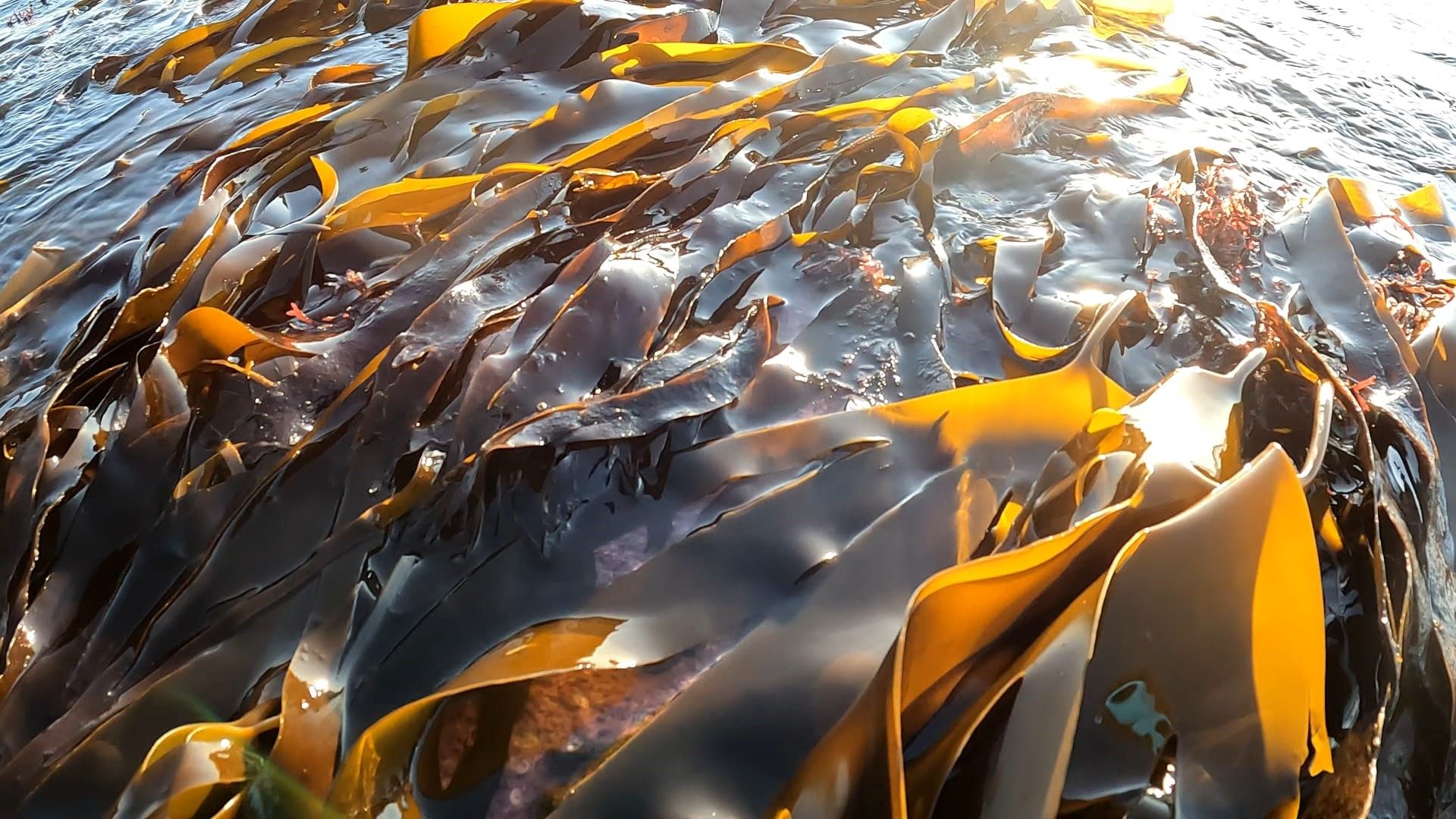
Off the coast of Sussex something amazing is happening. Two years ago the pioneering Sussex Nearshore Trawling Byelaw came into place, pushing bottom-towed trawling 4km off the West Sussex Coast. The changes are now starting to happen.
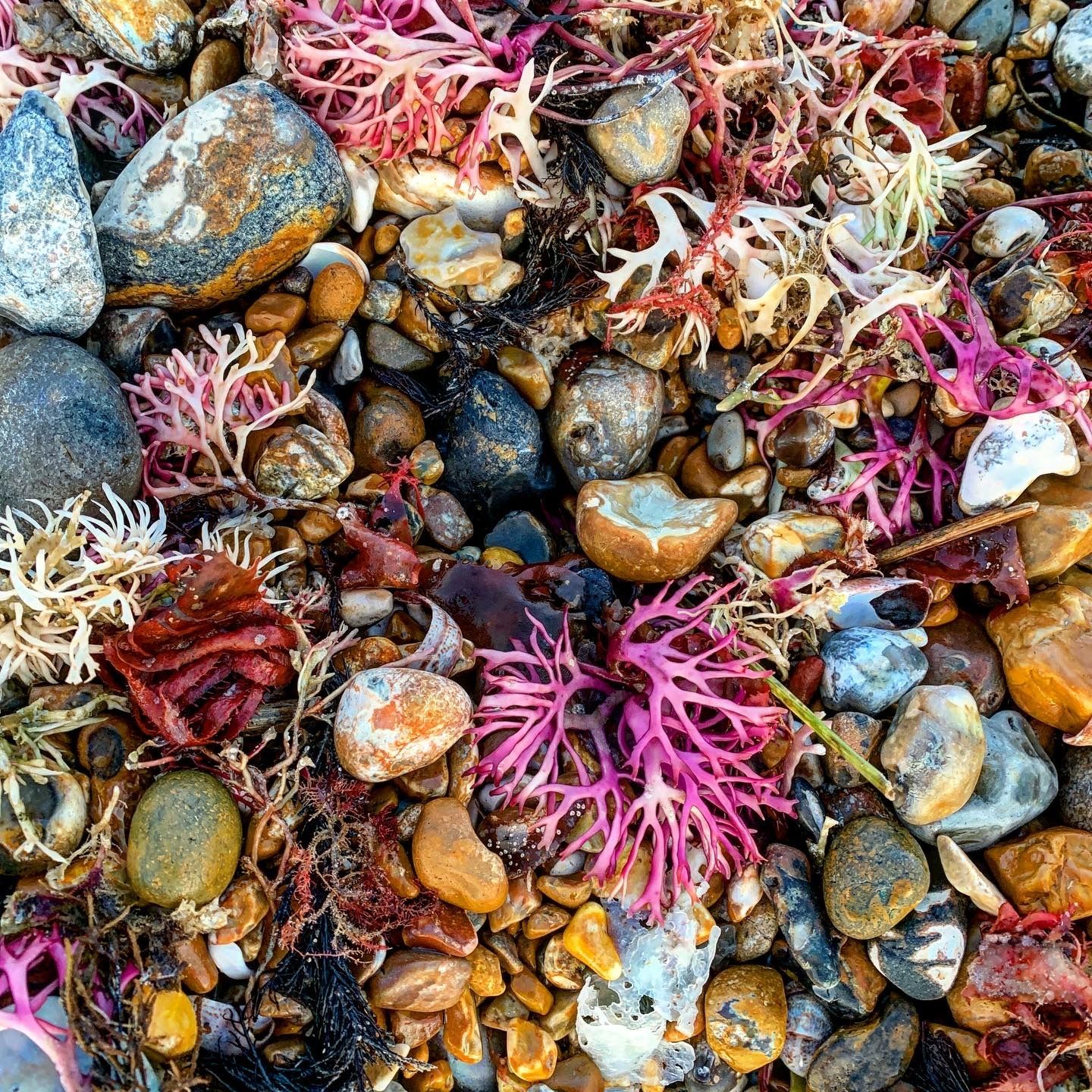
Coastal habitats each offer a unique and vital ecosystem. Explore these diverse environments and the species they support.
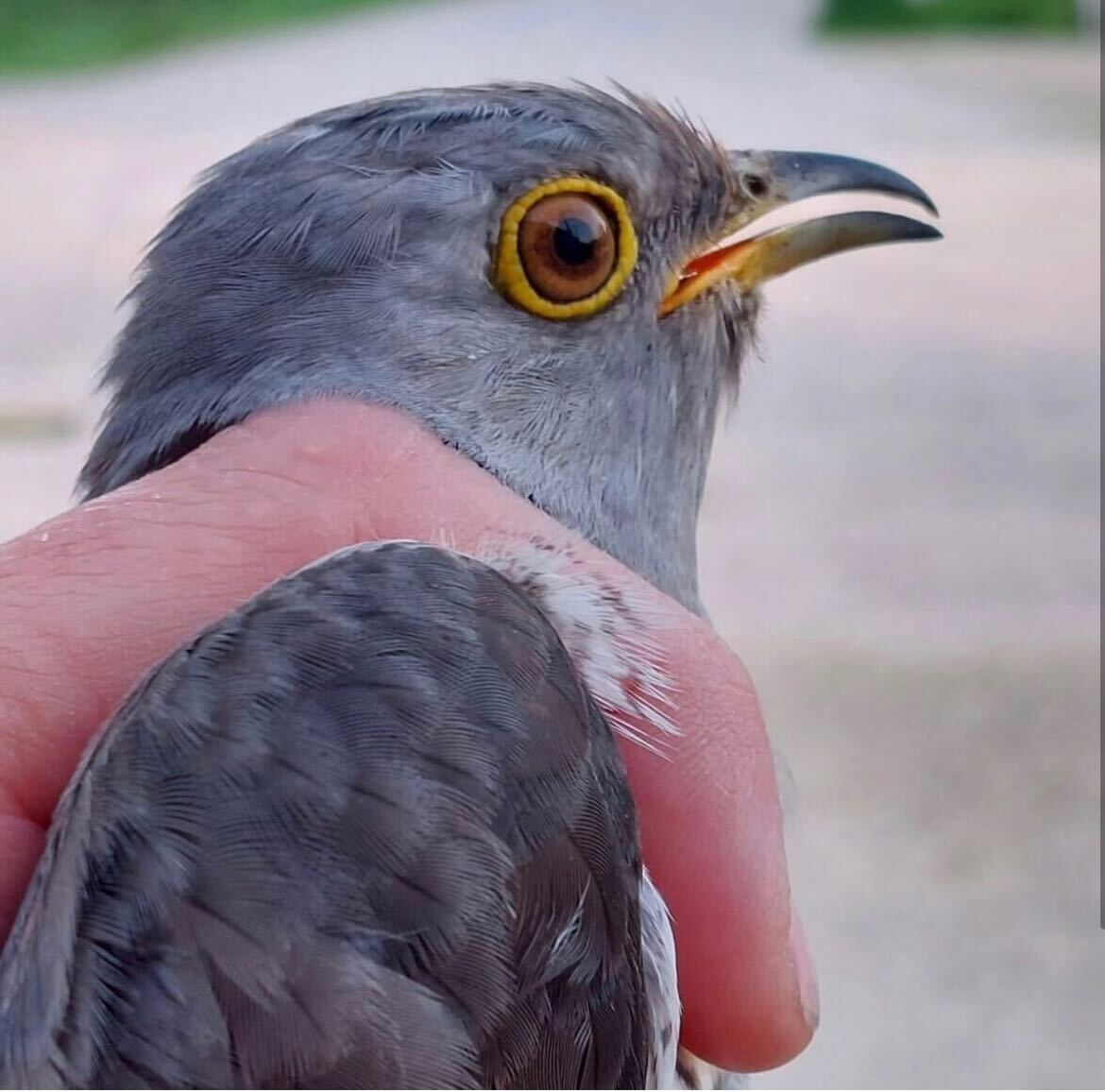
We were delighted to get news of Sayaan, a cuckoo that was tagged at Knepp in May, traveling along the corridor route from Knepp towards the Sussex coast and back up towards Ashdown Forest.
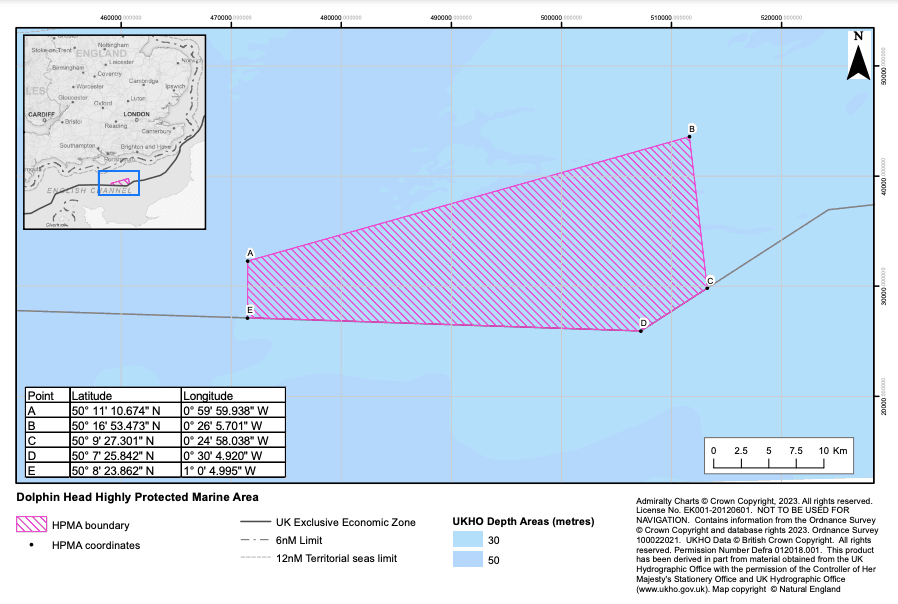
Dolphin Head, off the Sussex coast, has been designated as a Highly Protected Marine Area. It is one of only three English sites to receive this prestigious status.
- « Previous
- 1
- 2
- 3
- Next »