Landscape Recovery

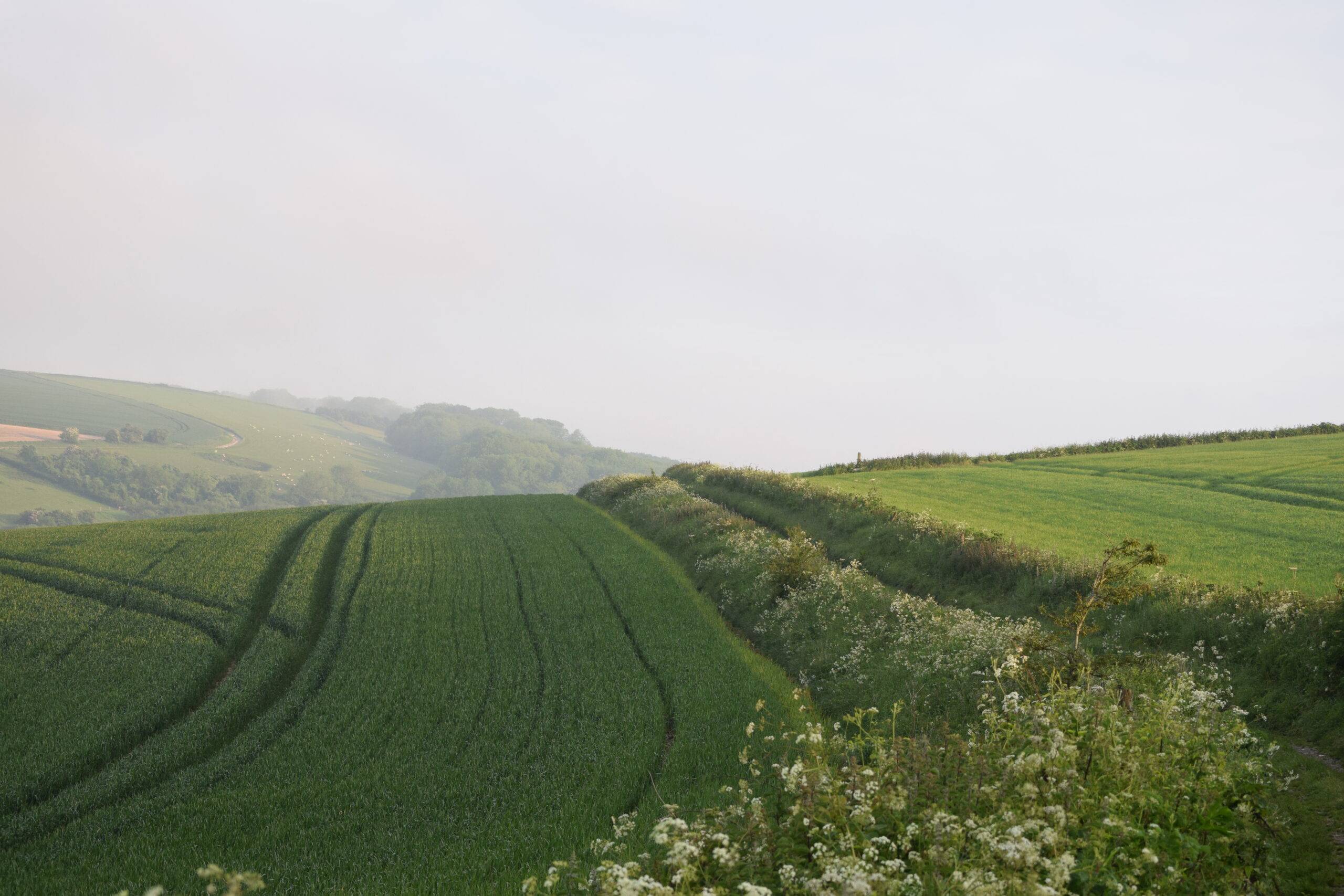
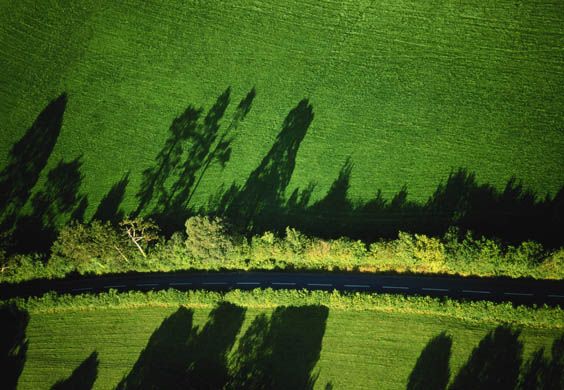
Hedgerows not only provide individual benefits on the lands where they exist but also serve as vital ecological corridors across landscapes, connecting biodiverse areas in a linear fashion. In Sussex, they are integral components of the larger Weald to Waves corridor, creating essential links between habitats and allowing species to move and disperse across a fragmented landscape. By enhancing hedgerow connectivity, we bolster the resilience and continuity of local ecosystems.
Did you catch Alex talking about Weald to Waves at the recent Webinars for the Local Nature Recovery Strategy?

The introduction of Local Nature Recovery Strategies (LNRS) represents a transformative approach to conservation in England. Find out how Weald to Waves is involved in this work.
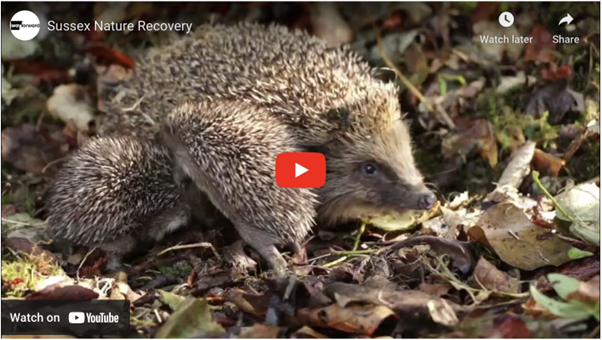
Have you heard about the Local Nature Recovery Strategies? Find out more about ways to get involved with planning for nature recovery across Sussex.

One of the most important issues affecting our landscape is the interlink between nature and farming. How can we achieve sustainable food production and boost biodiversity? Lydia Baxter, Sussex Wildlife Trust’s Wilder Ouse Project Officer, tells us more about how the project works to support nature and farming.
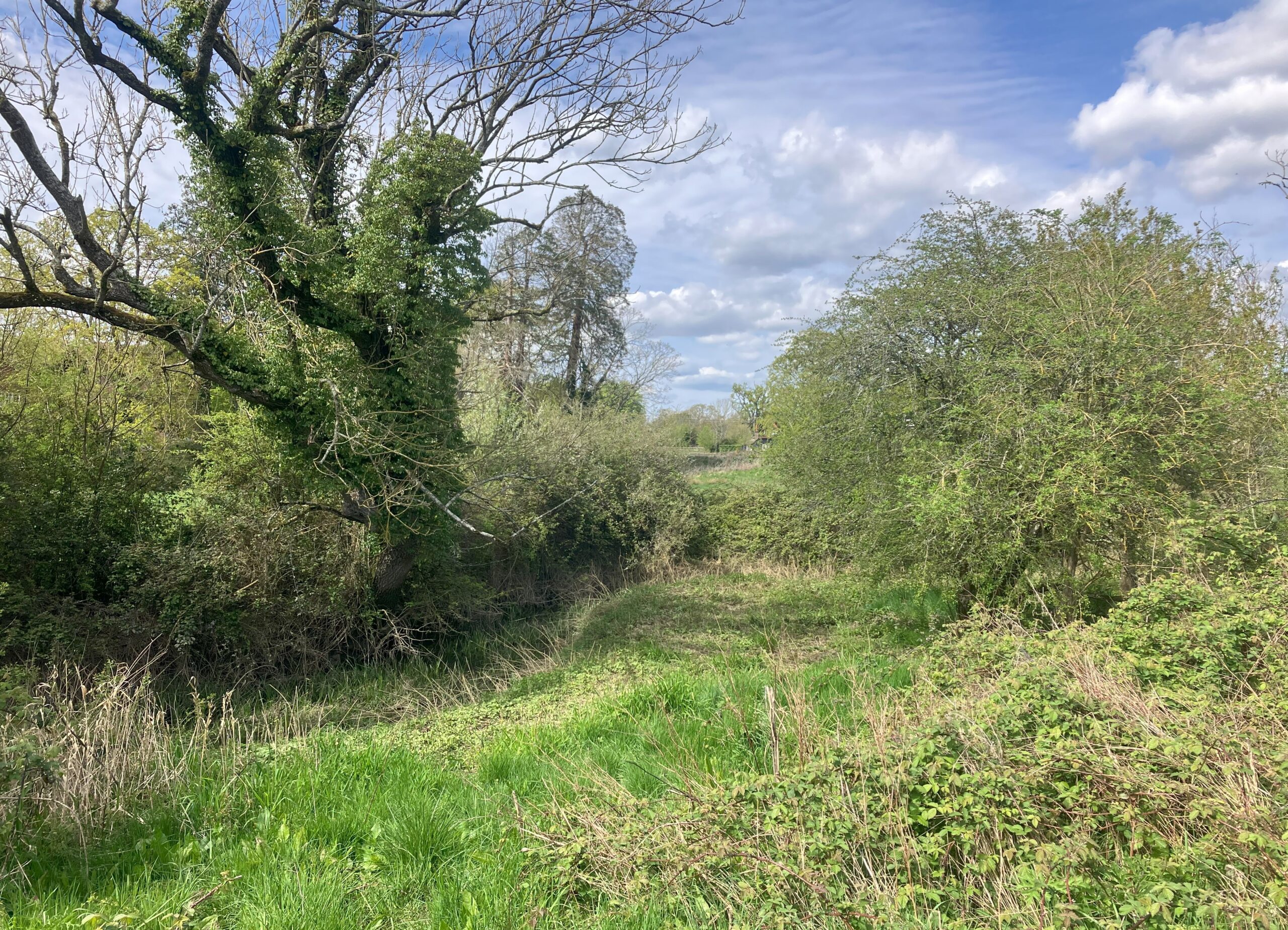
The Scrubland Superheroes project is in full swing, creating “stepping stones” of scrub habitat along the corridor. Project Officer Rachel Bicker lets us listen in on her work monitoring birdsong at one of her target sites.
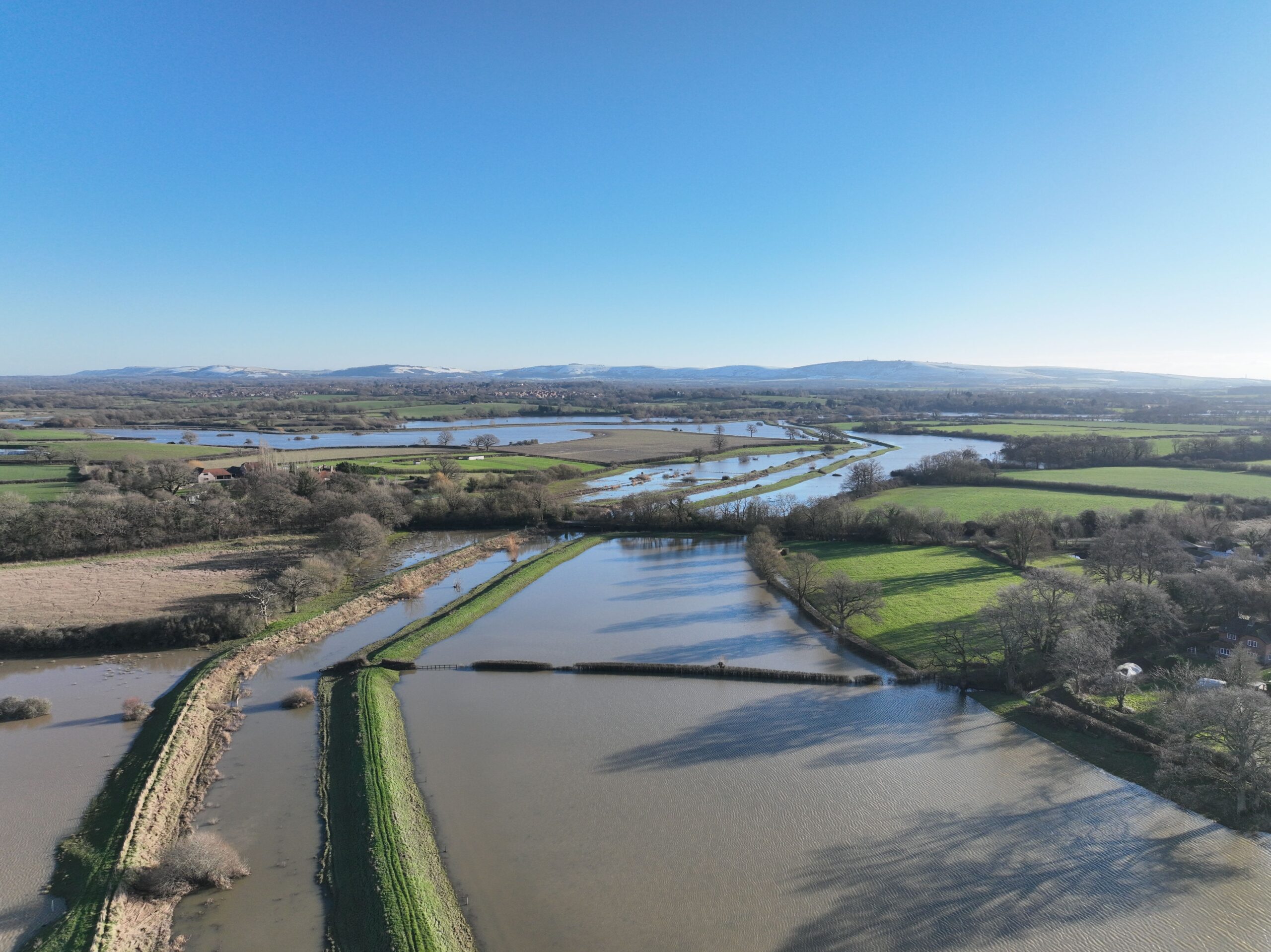
The devastating impact of this winter’s persistent rains has posed significant challenges for farmers across the region. What does this mean for nature recovery?
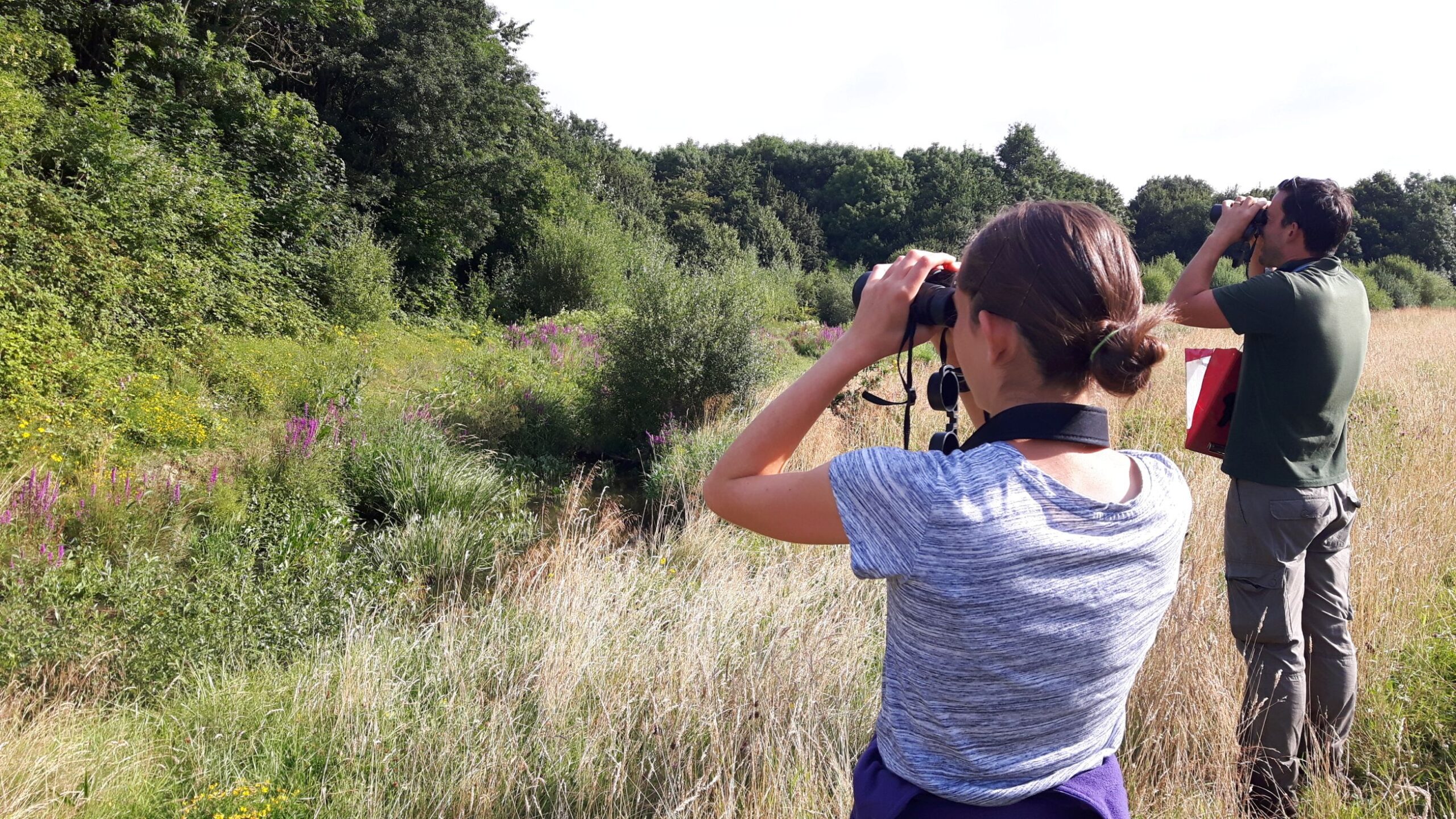
Monitoring the corridor will take an army of experts and citizen scientists. Are you up for the challenge?
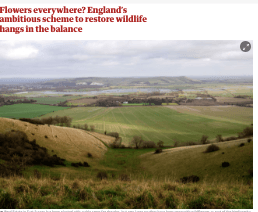
W2W Founding Farm, the Iford Estate, near Lewes, East Sussex, makes the press this month for their pioneering work in habitat creation.
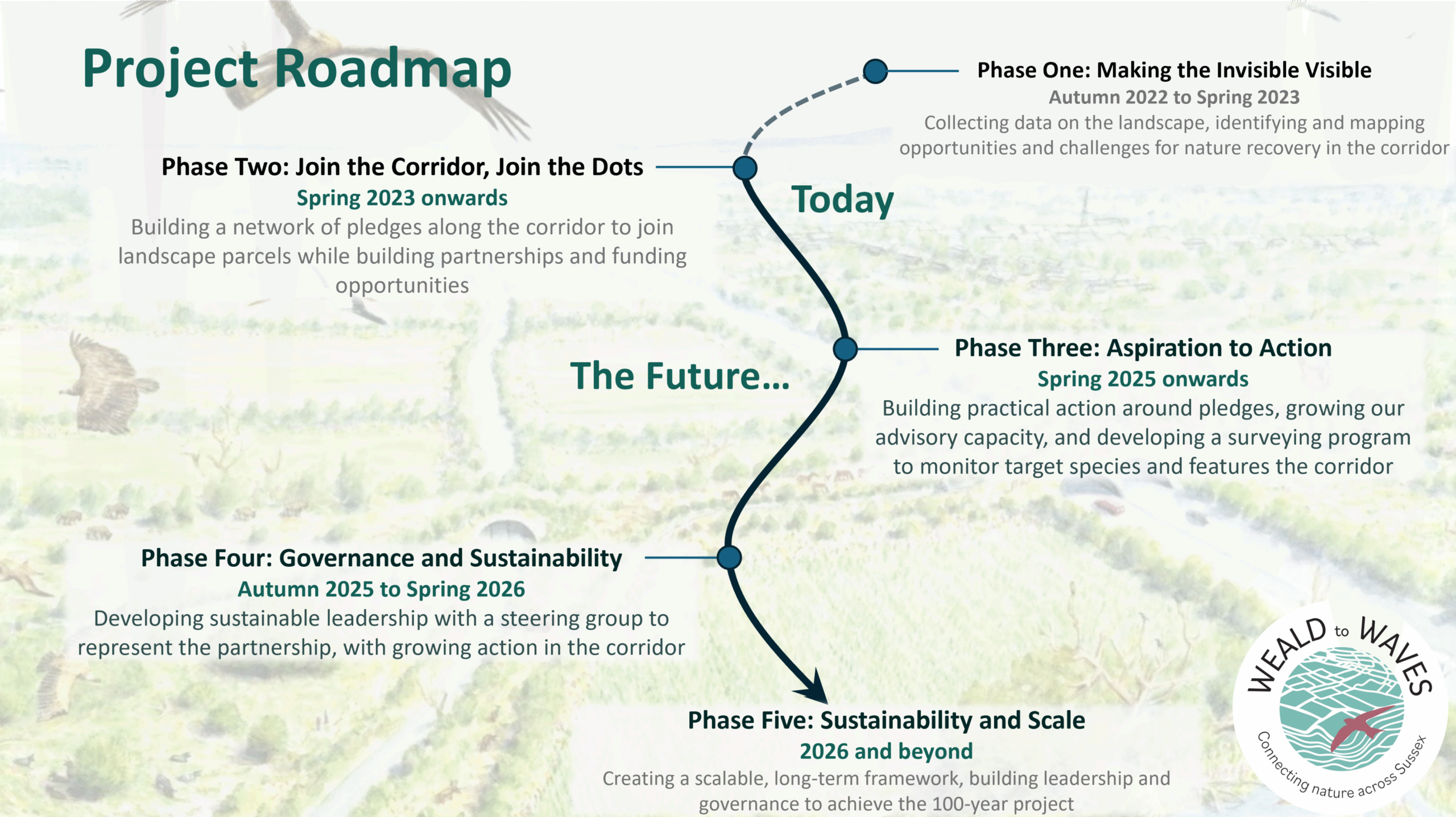
How do we create 100-miles of nature recovery corridor, across a densely populated landscape? Our roadmap to a corridor paints a picture of how we might achieve this huge task.
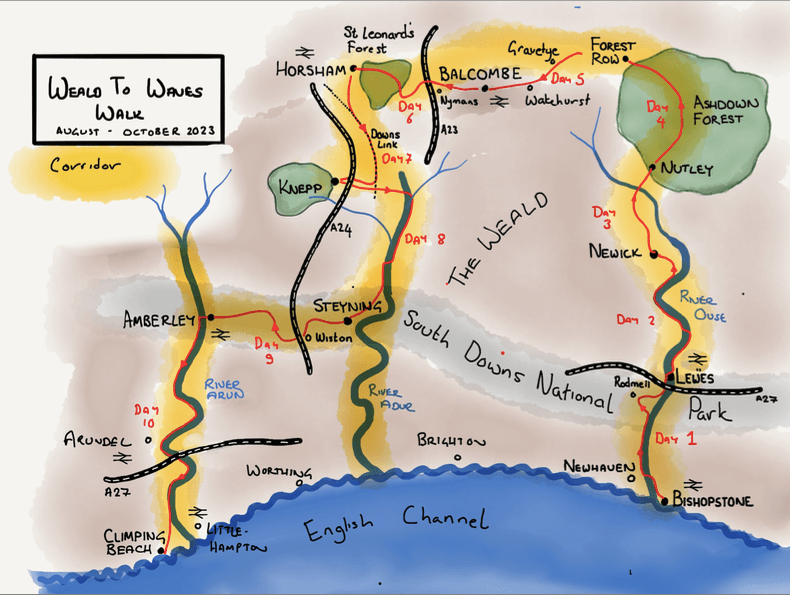
A myriad of species should one day benefit from 100 miles of connected landscape. But how might a human navigate the corridor? Ian Rogers takes on the challenge.
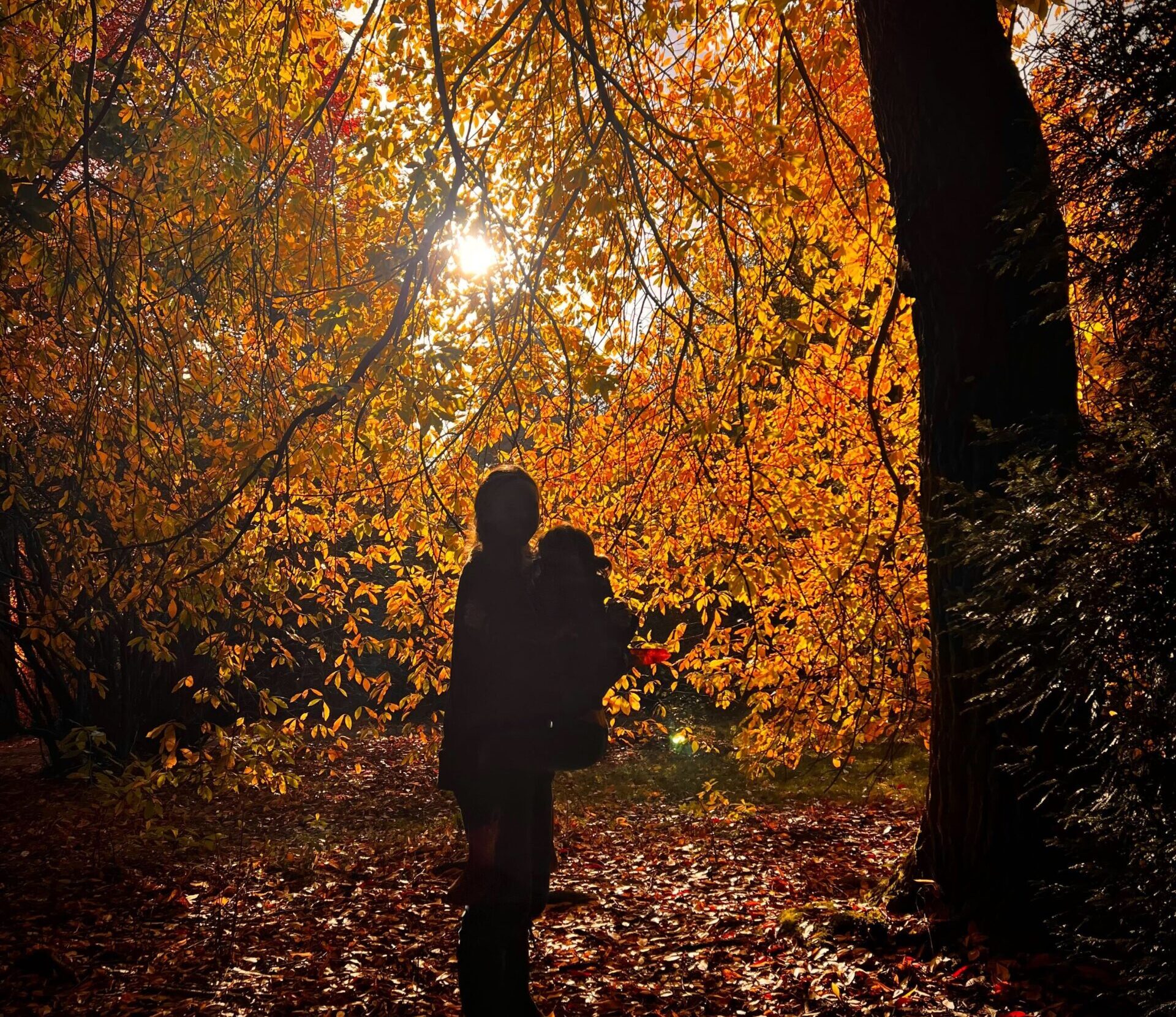
Tony Whitbread, independant ecologist and President of Sussex Wildlife Trust, reflects on the space between seasons and how it allows us to think beyond binaries.