Landscape Recovery
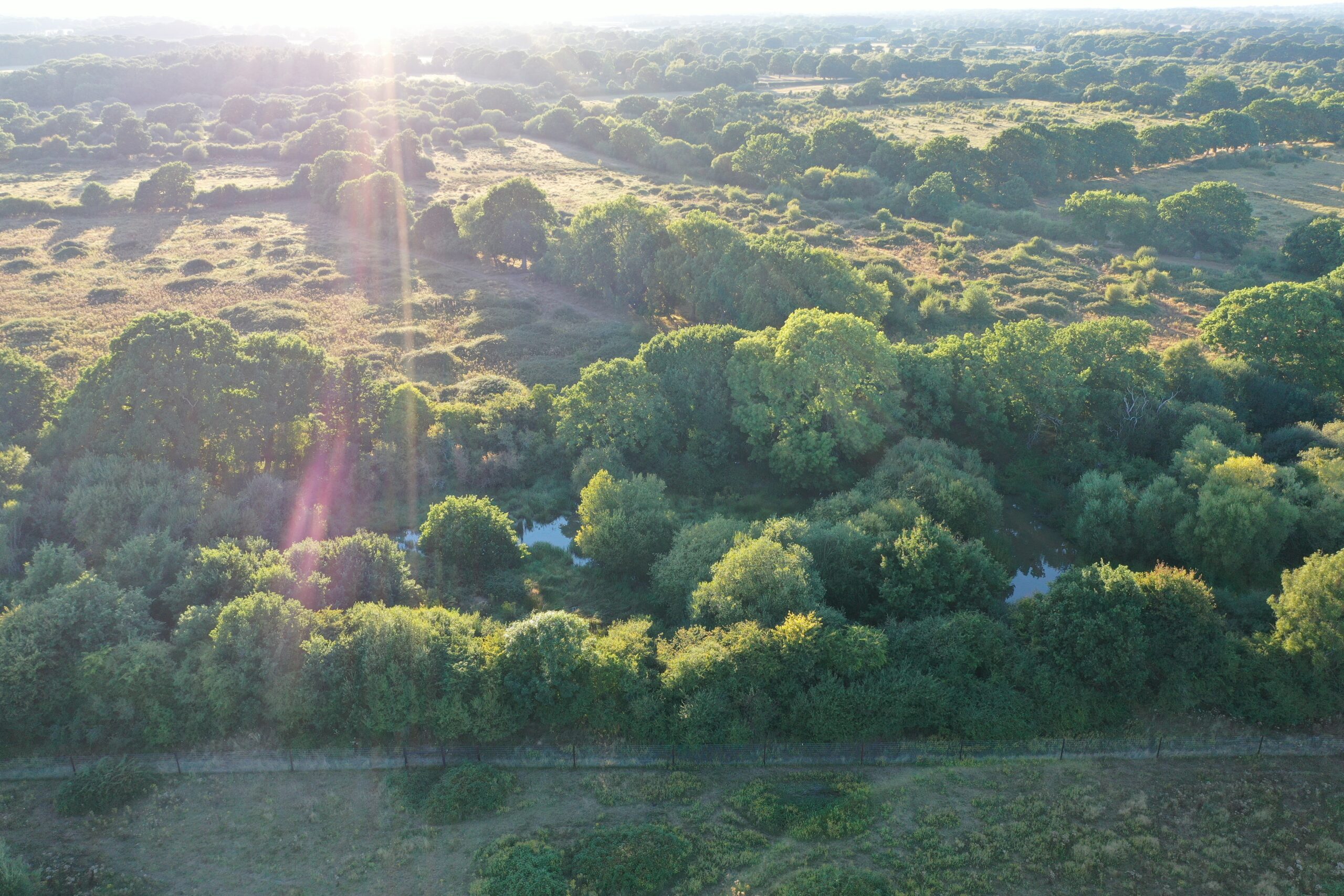
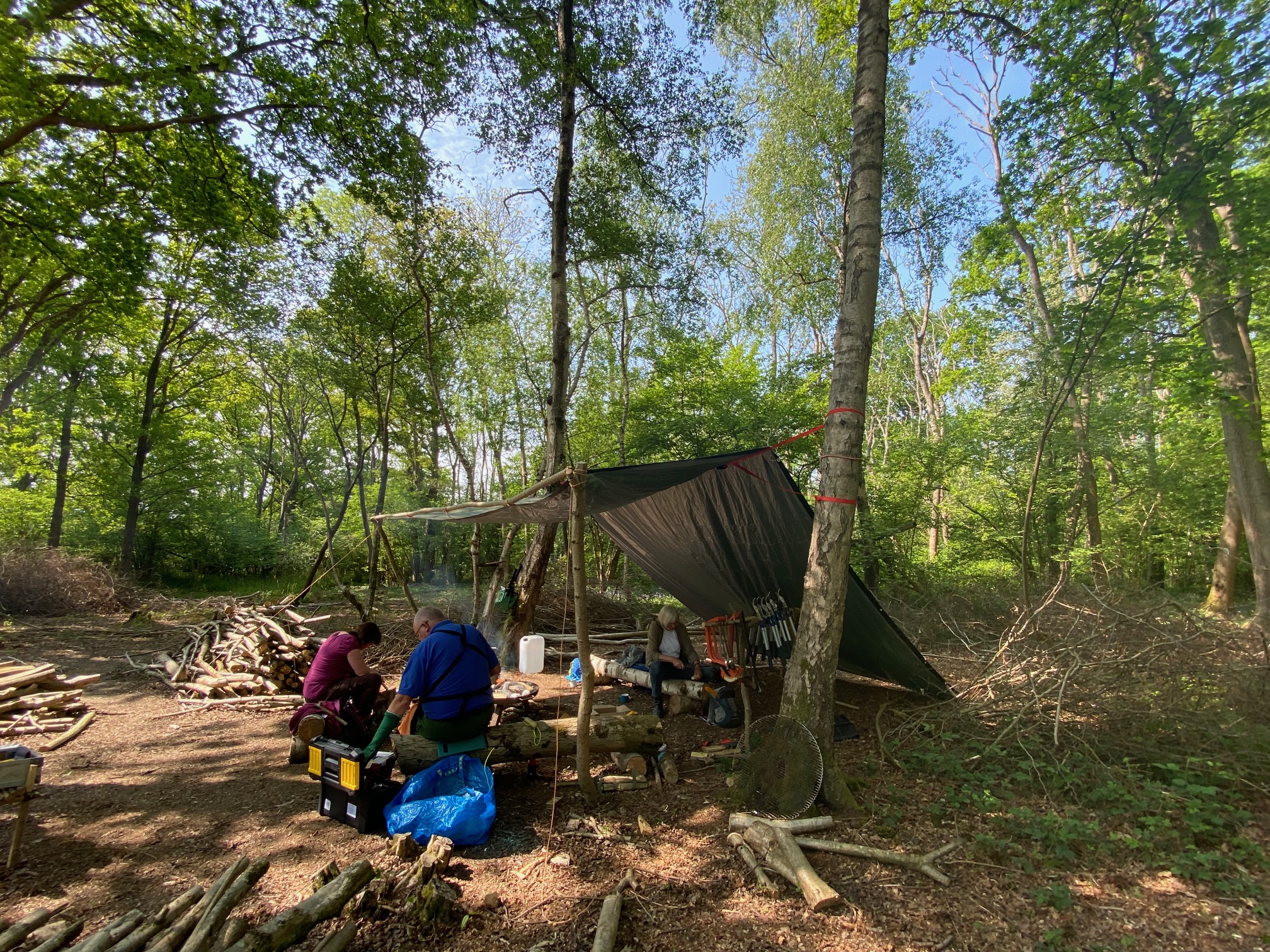
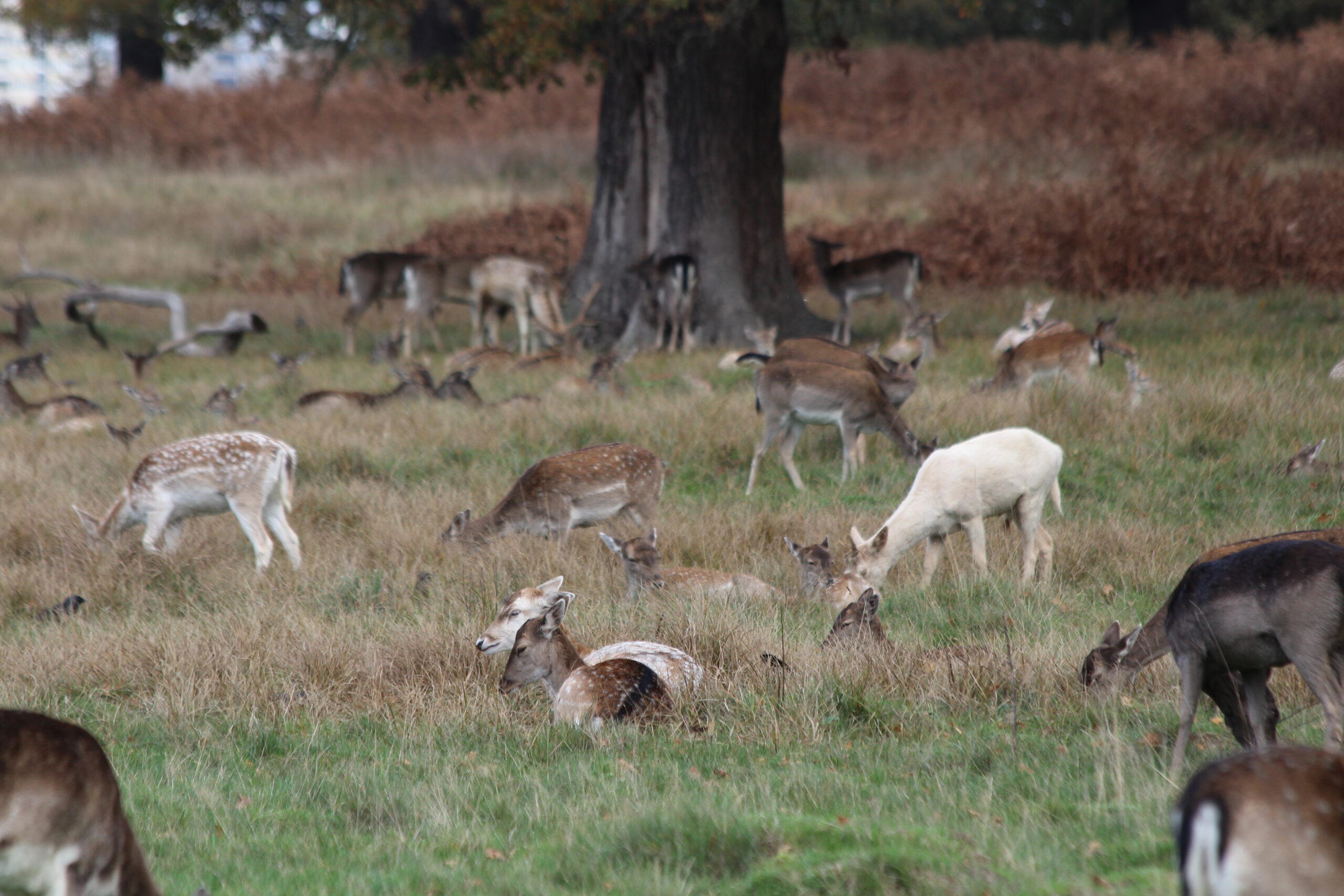
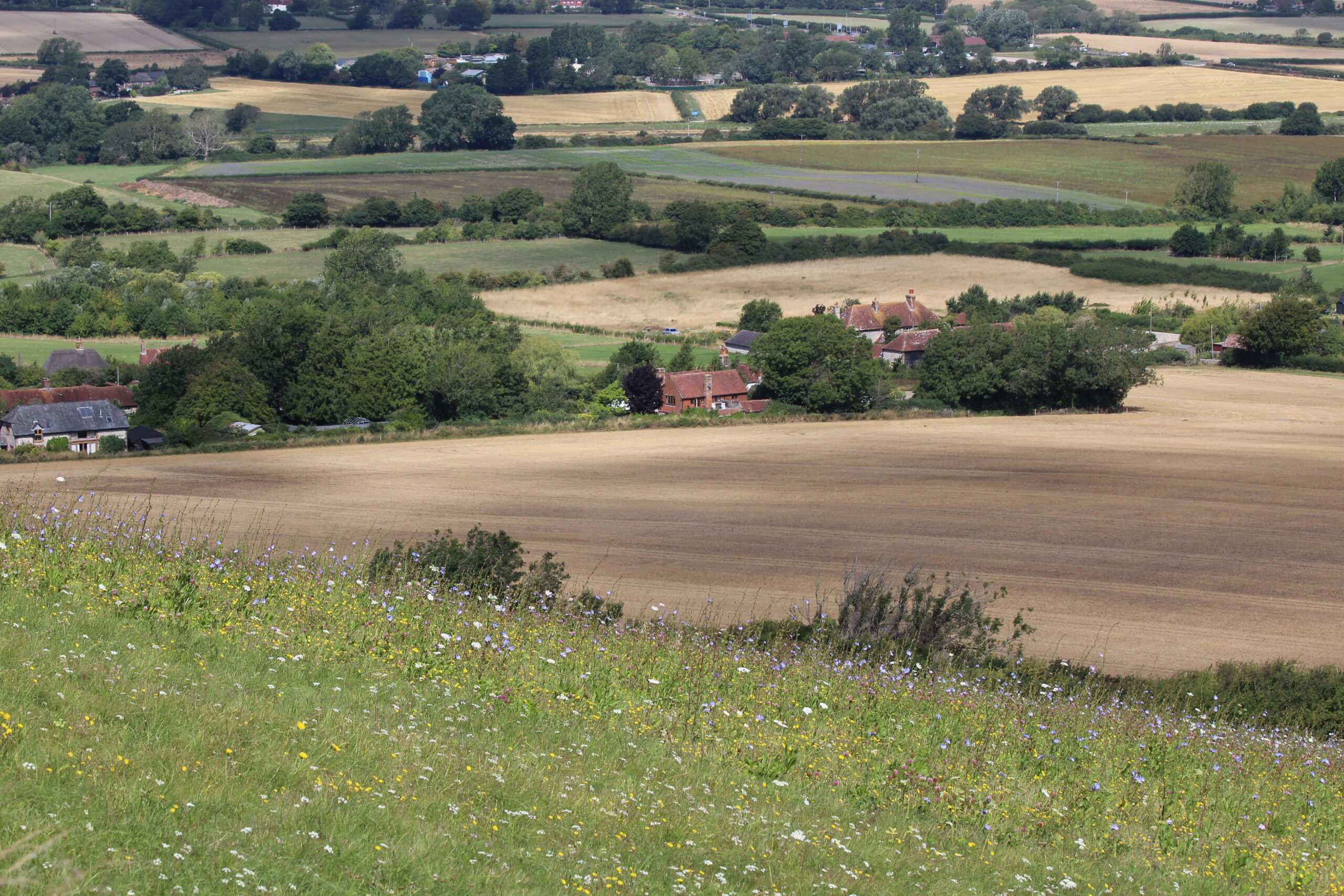
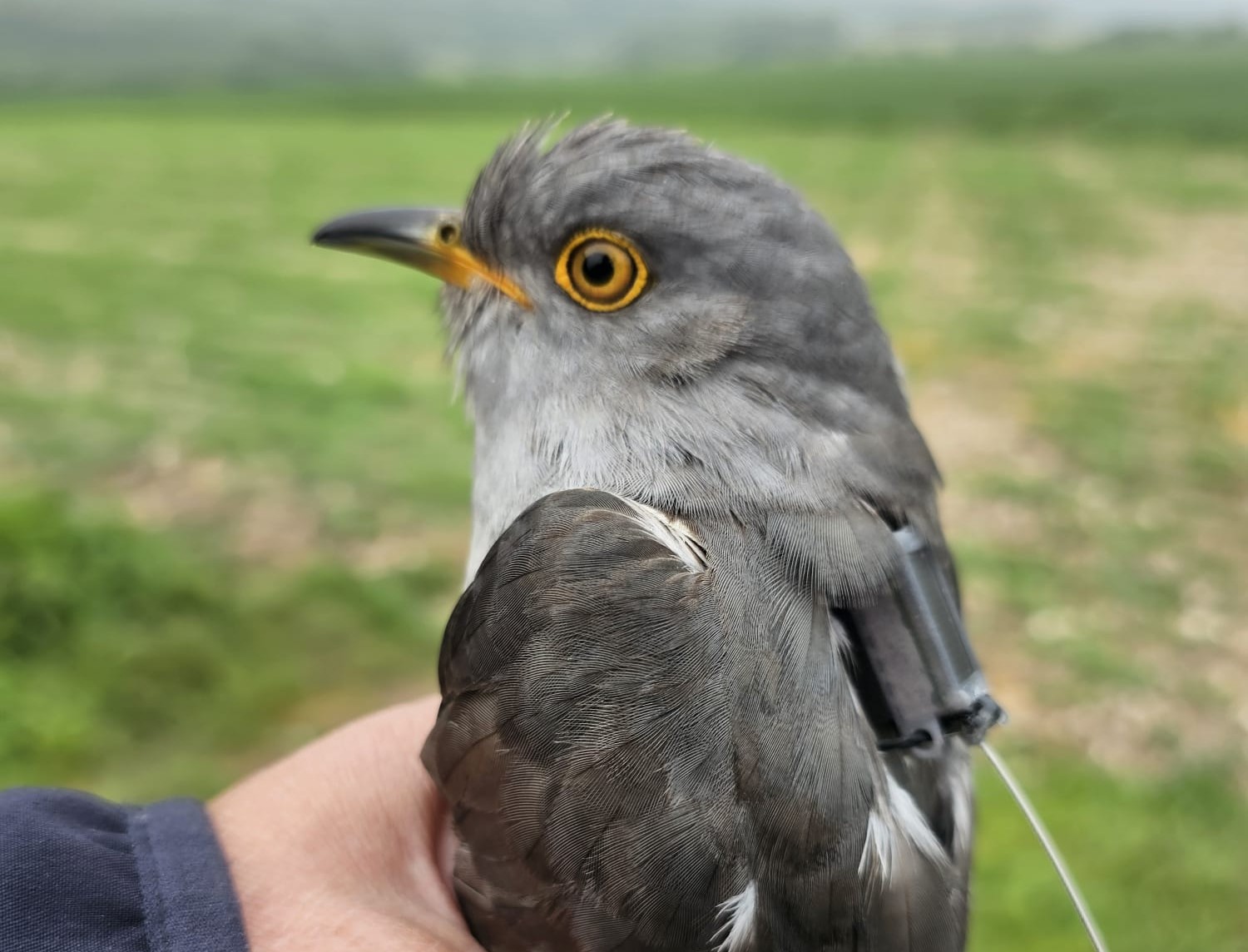
From satellite-tagged cuckoos to rare chalk grassland butterflies, Wiston is buzzing with life. Explore recent nature highlights from across the estate.
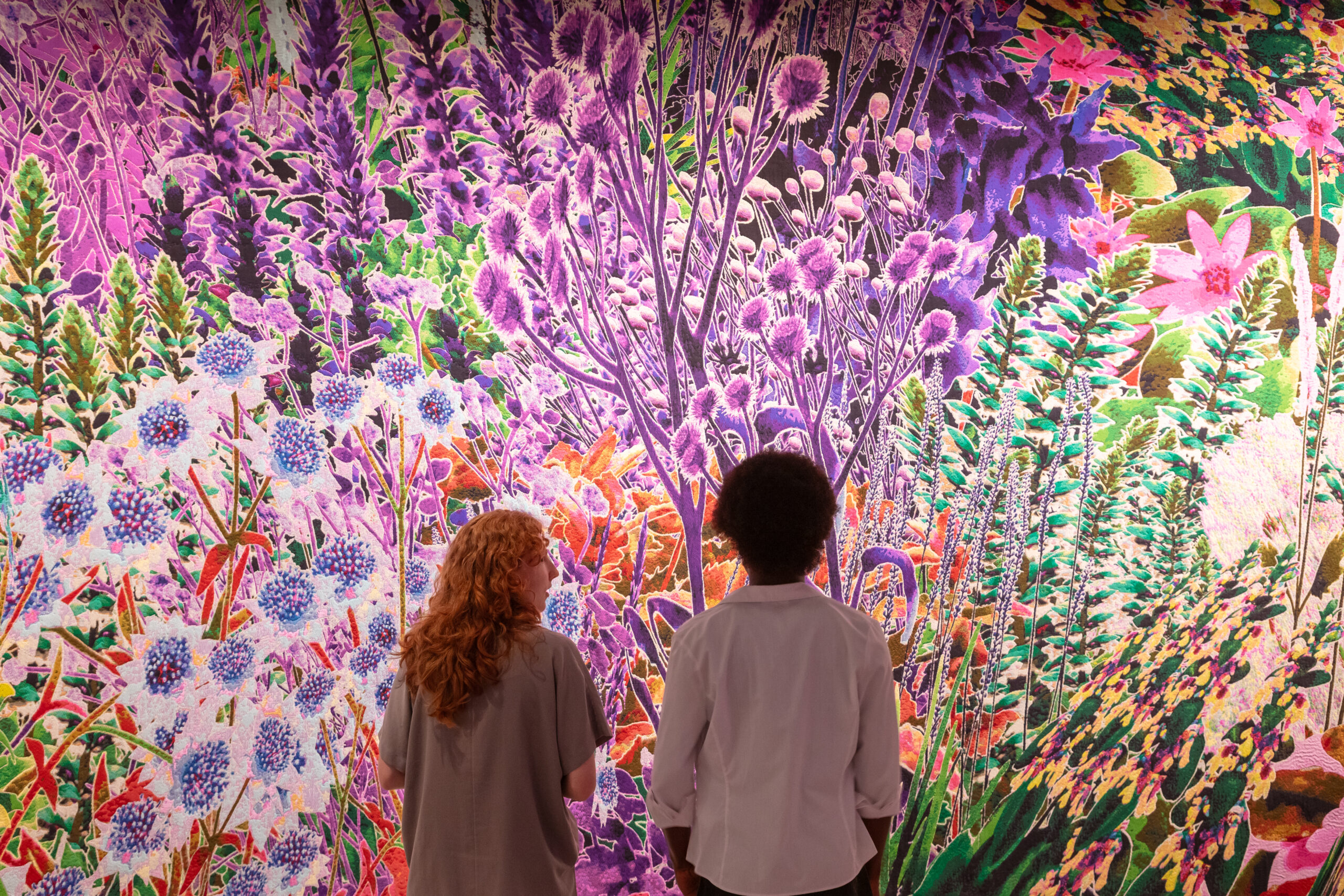
The Design Museum’s More than Human exhibition reimagines design beyond humans, spotlighting projects like Weald to Waves that foster multispecies connections.
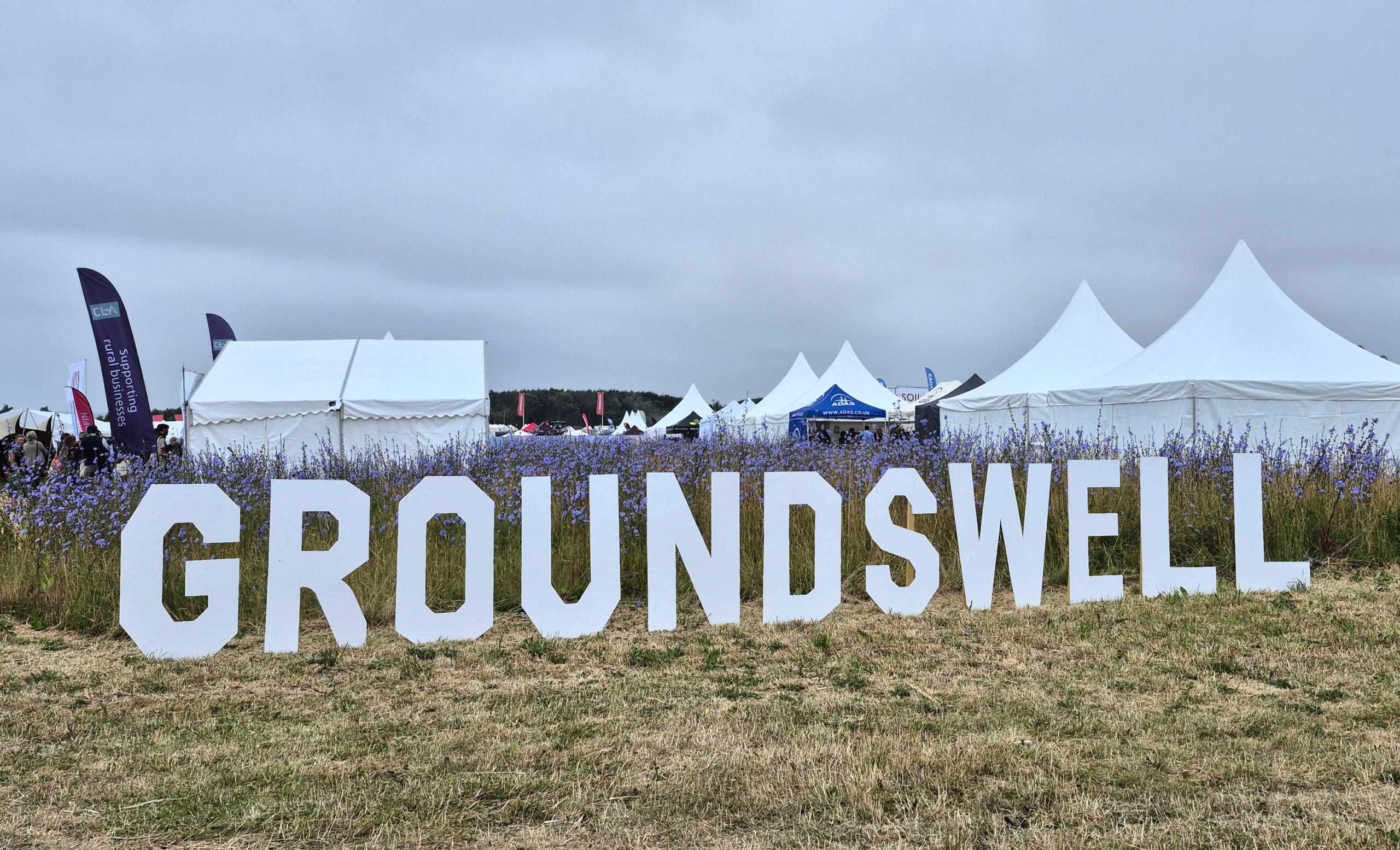
Reflections from Groundswell Regenerative Agricultural Festival 2025: Conversations, connections and the power of shared purpose
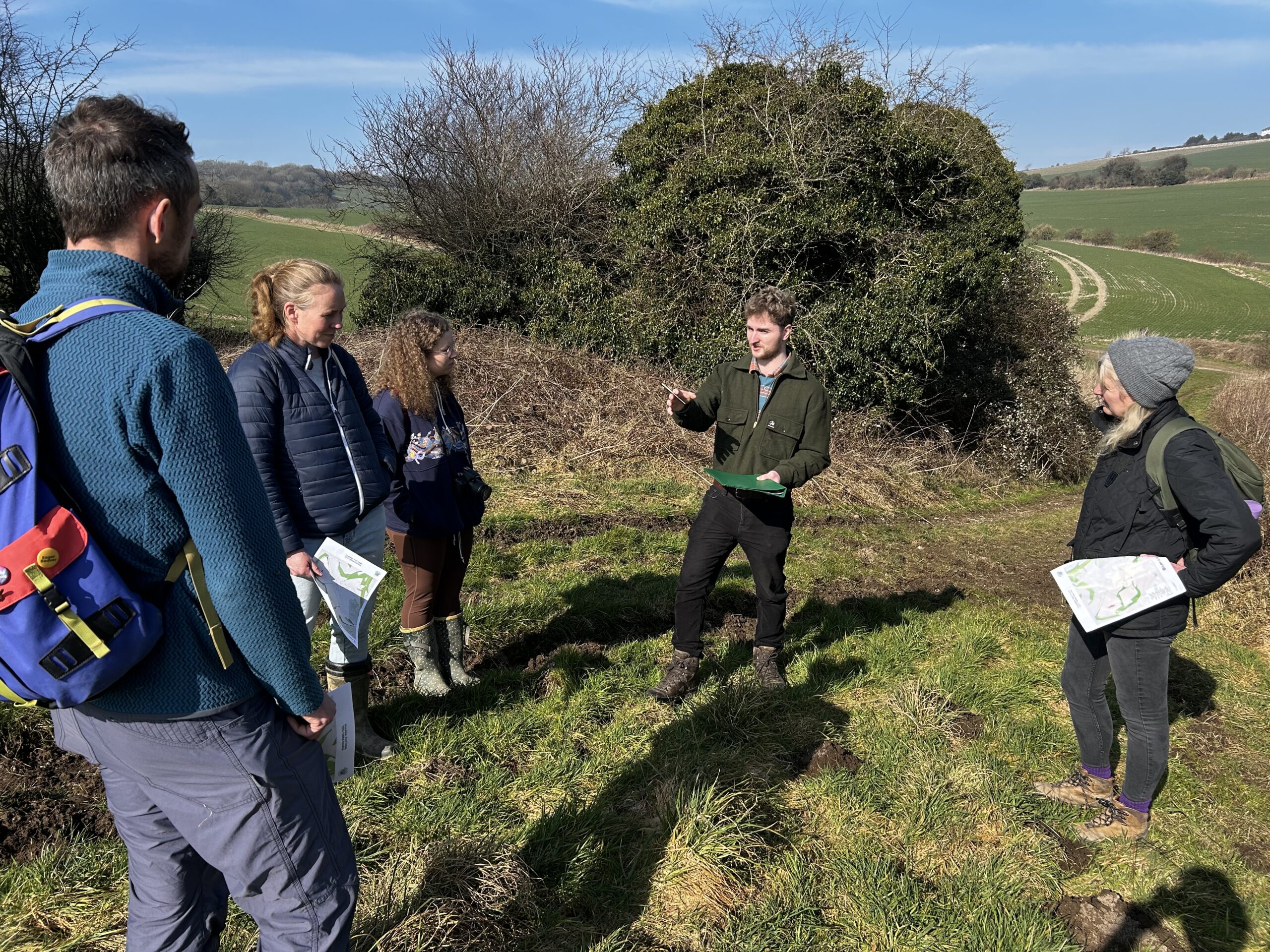
Our free habitat mapping service for land managers in the Weald to Waves corridor offers site visits with advice and mapping to help identify opportunities for nature recovery and improve habitat connectivity across Sussex.
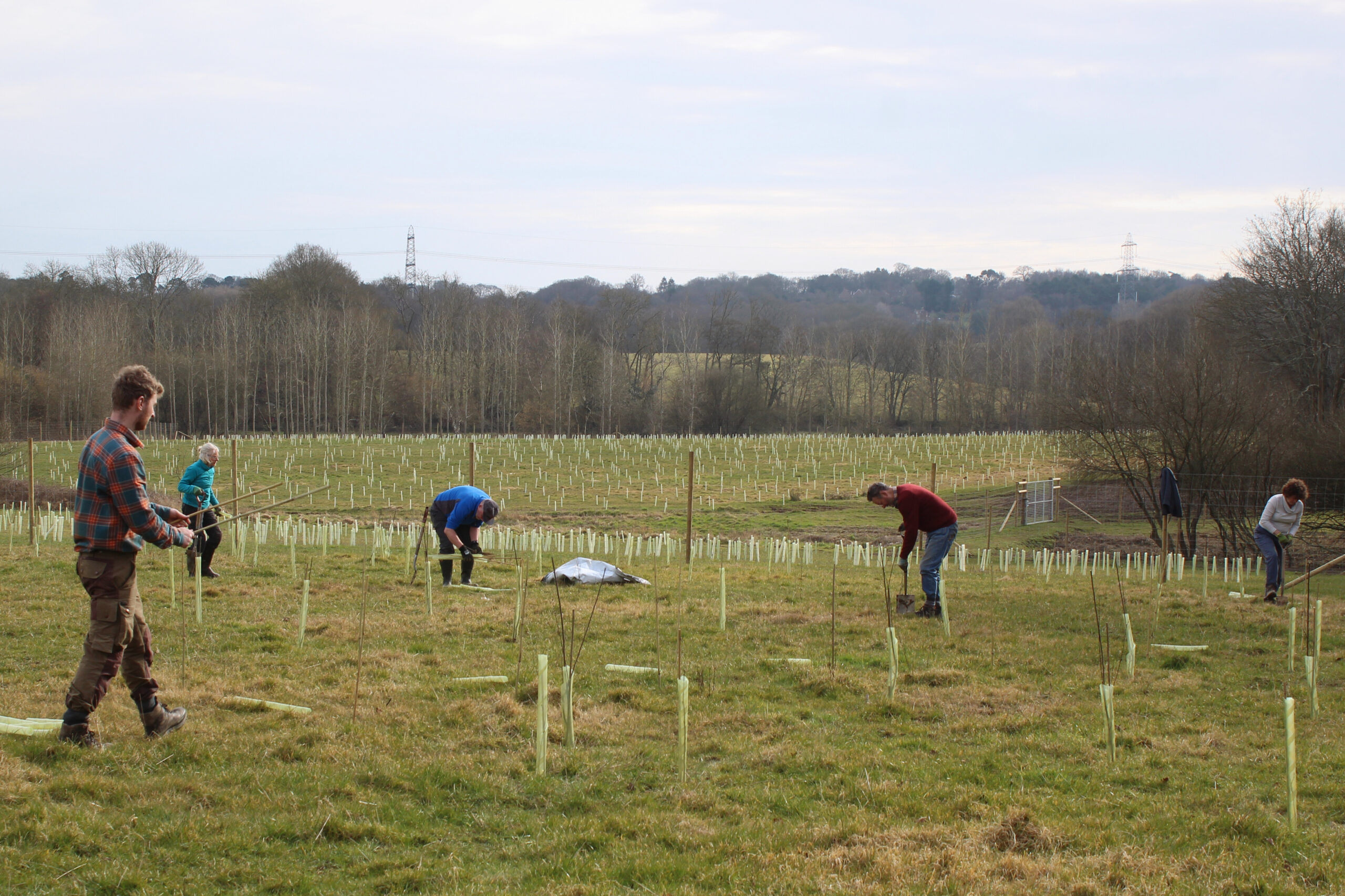
Explore the achievements of the Scrubland Superheroes project, which has worked to revive precious scrubland habitat across the Weald to Waves corridor, improving biodiversity, landscape connectivity, and the resilience of local ecosystems for threatened species.
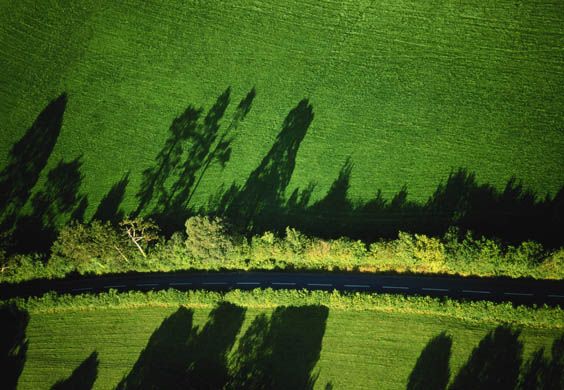
Since the Weald to Waves project was started in 2022 we have had the challenge not only to create a wildlife corridor, but to identify what connectivity means on the ground. Find out more about what our exciting research is revealing…
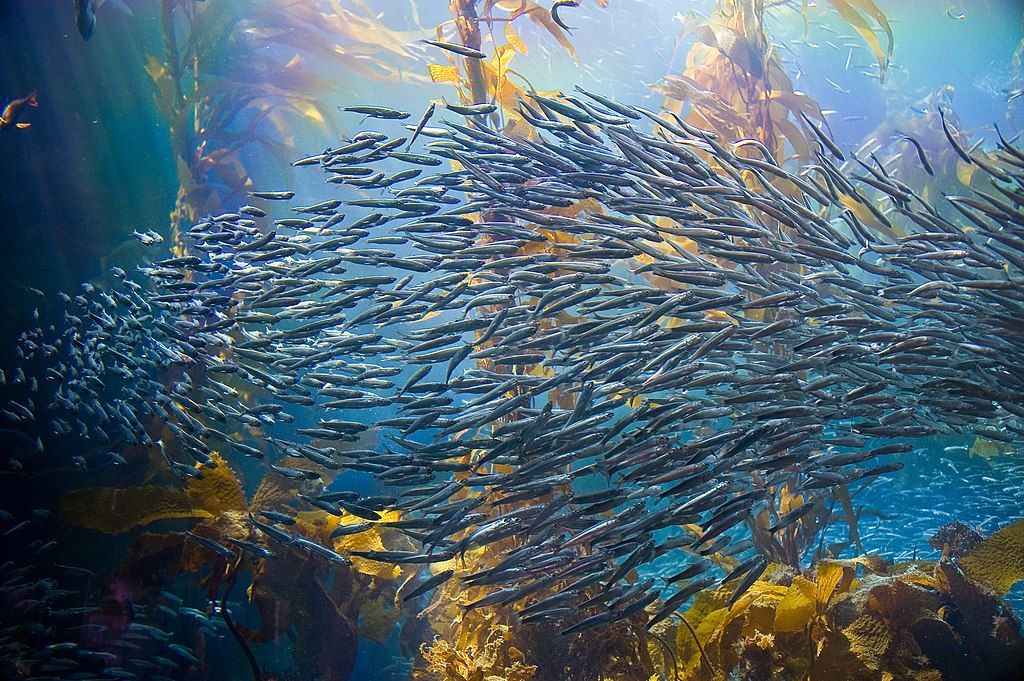
Currently showing in cinemas, Ocean is incredibly moving and shocking. It reminds us that there has never been a more urgent time to learn about our seas.
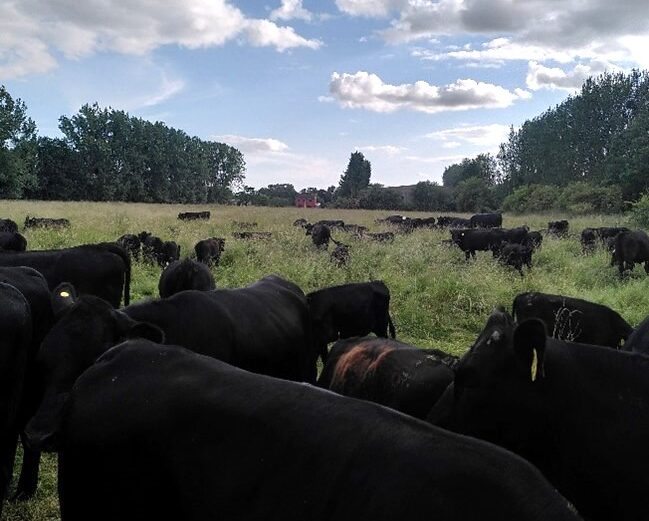
Discover how mob grazing boosts pasture health, livestock welfare and biodiversity, and learn about our new kit loan scheme to help you get started.
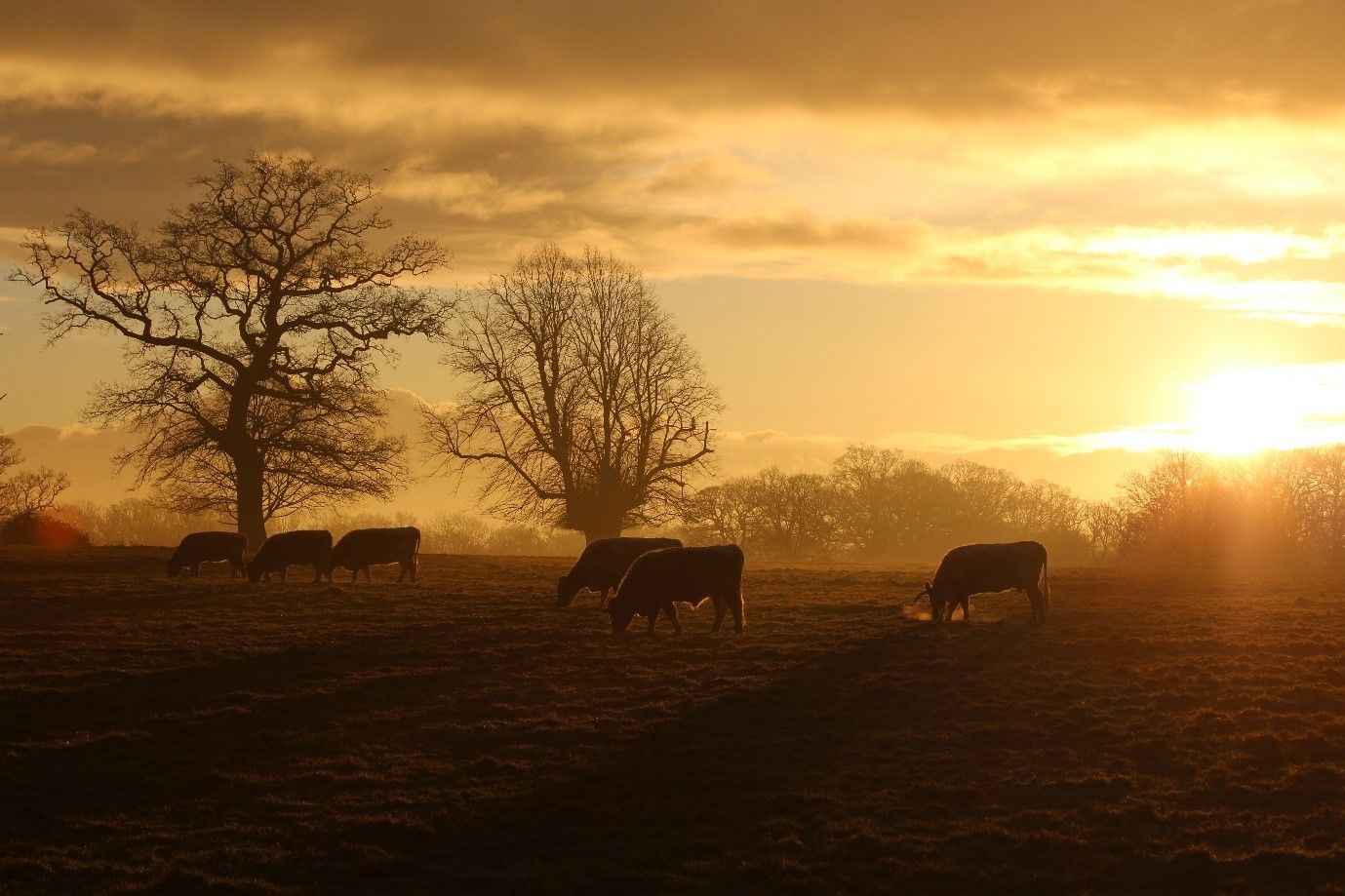
Discover how traditional livestock and low-impact farming are playing a vital role in restoring Sussex’s rare chalk grasslands and supporting threatened wildlife, while the closure of small abattoirs is putting this type of management at risk.
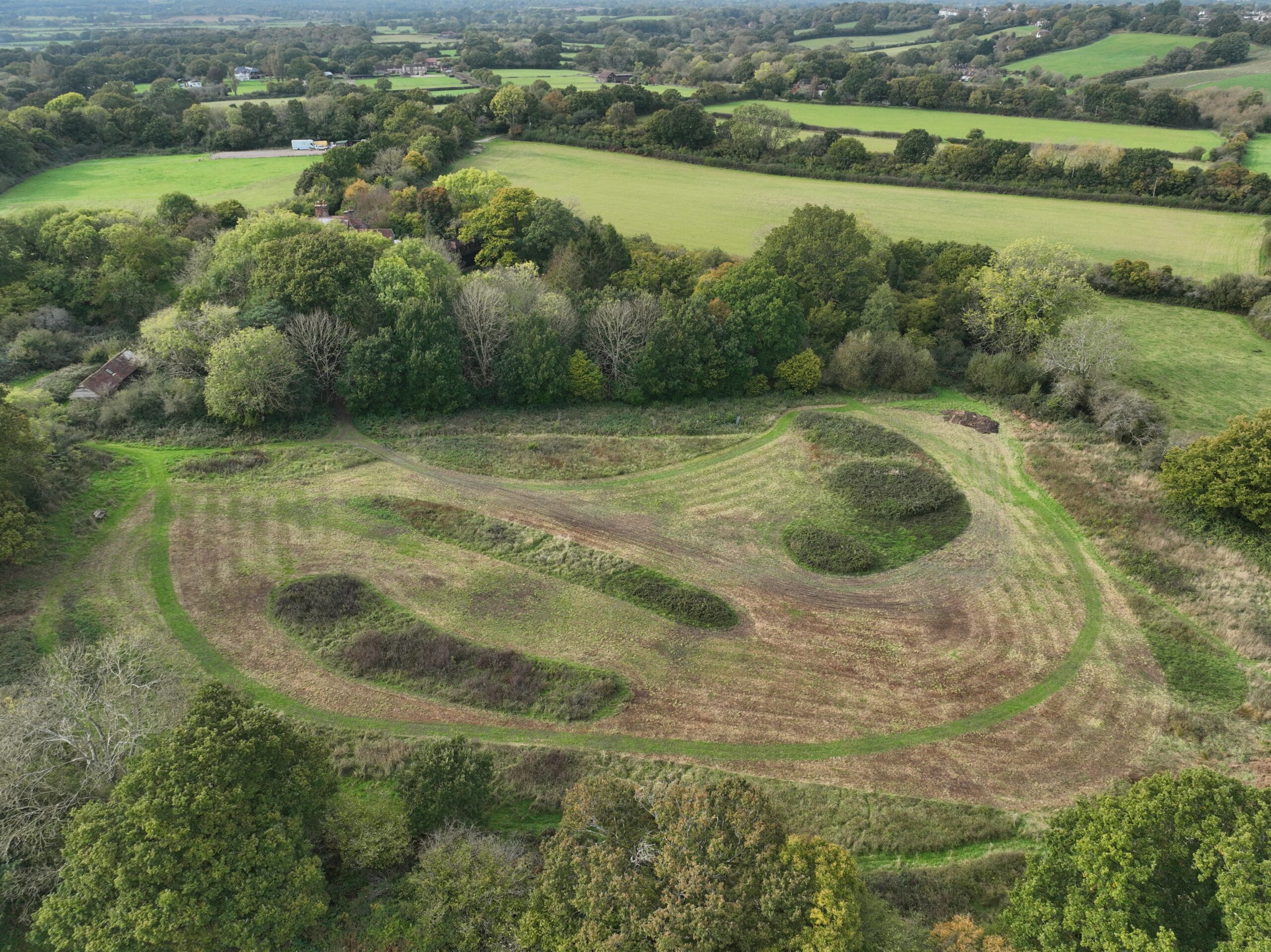
Sussex scrubland set for revival through farmer and volunteer collaboration
Over 20,500 Hectares Mapped for Nature
If you’re a farmer, community group, organisation or land manager use the voluntary tool to MapYourActions for nature. Whether they are large or small, in progress, implemented or planned, the Sussex LNRS team want to hear about them!