
Welcoming wildlife into our sociable spaces!
Introduction
Our garden is a special place for us in the heart of historic Arundel, but we have never considered ourselves as gardeners and needed help to achieve our dreams! We wanted a garden that included different places to sit and all the modern things we love to entertain our family and friends. But it was also important to us to create a wildlife haven, somewhere that offered food, water and shelter to different species moving across the town.
Getting Started
Through my involvement with Greening Arundel, the Arundel Green Team helped us to understand the key elements required to establish wilder areas alongside our more formal entertaining spaces. Their knowledge about ponds, bug hotels, composting and planting for wildlife was invaluable and we included as much as we could in the initial plans for the garden.
Taking action
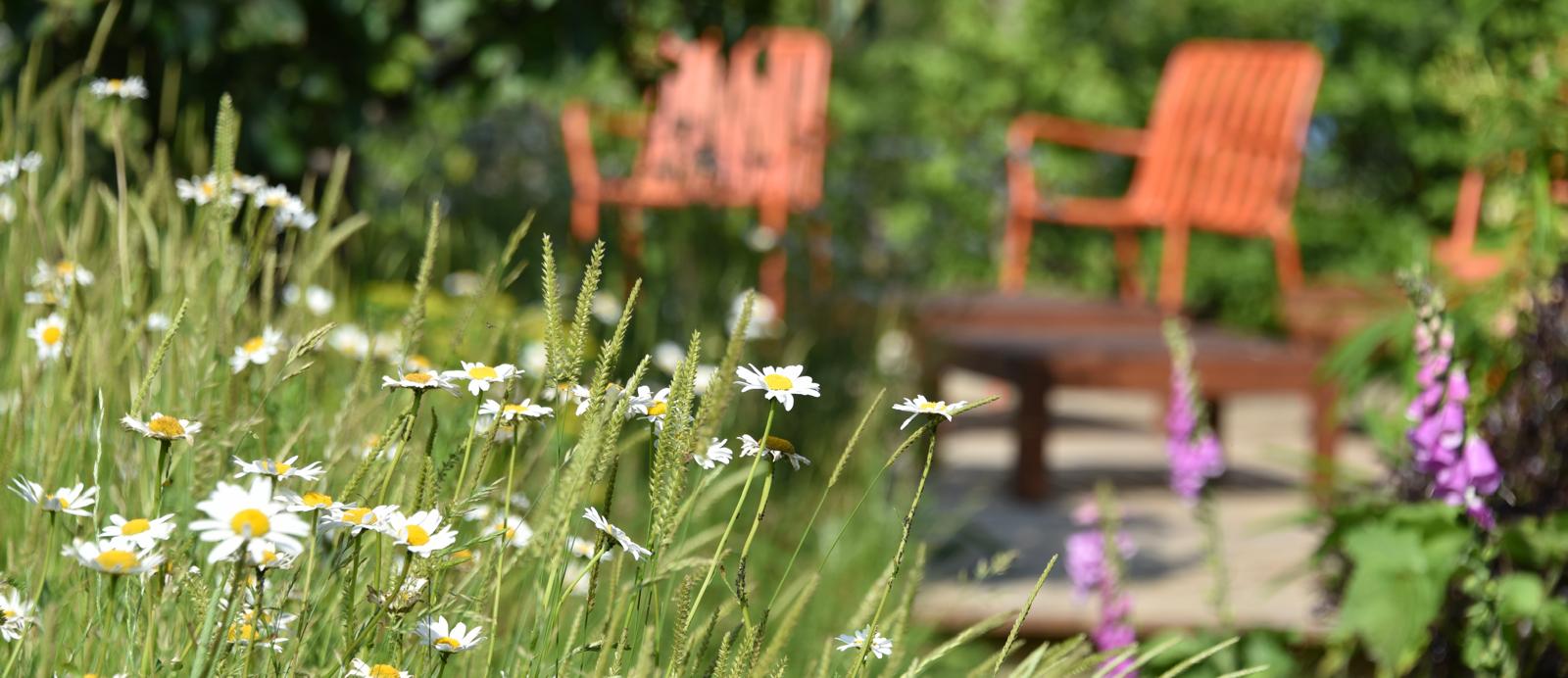
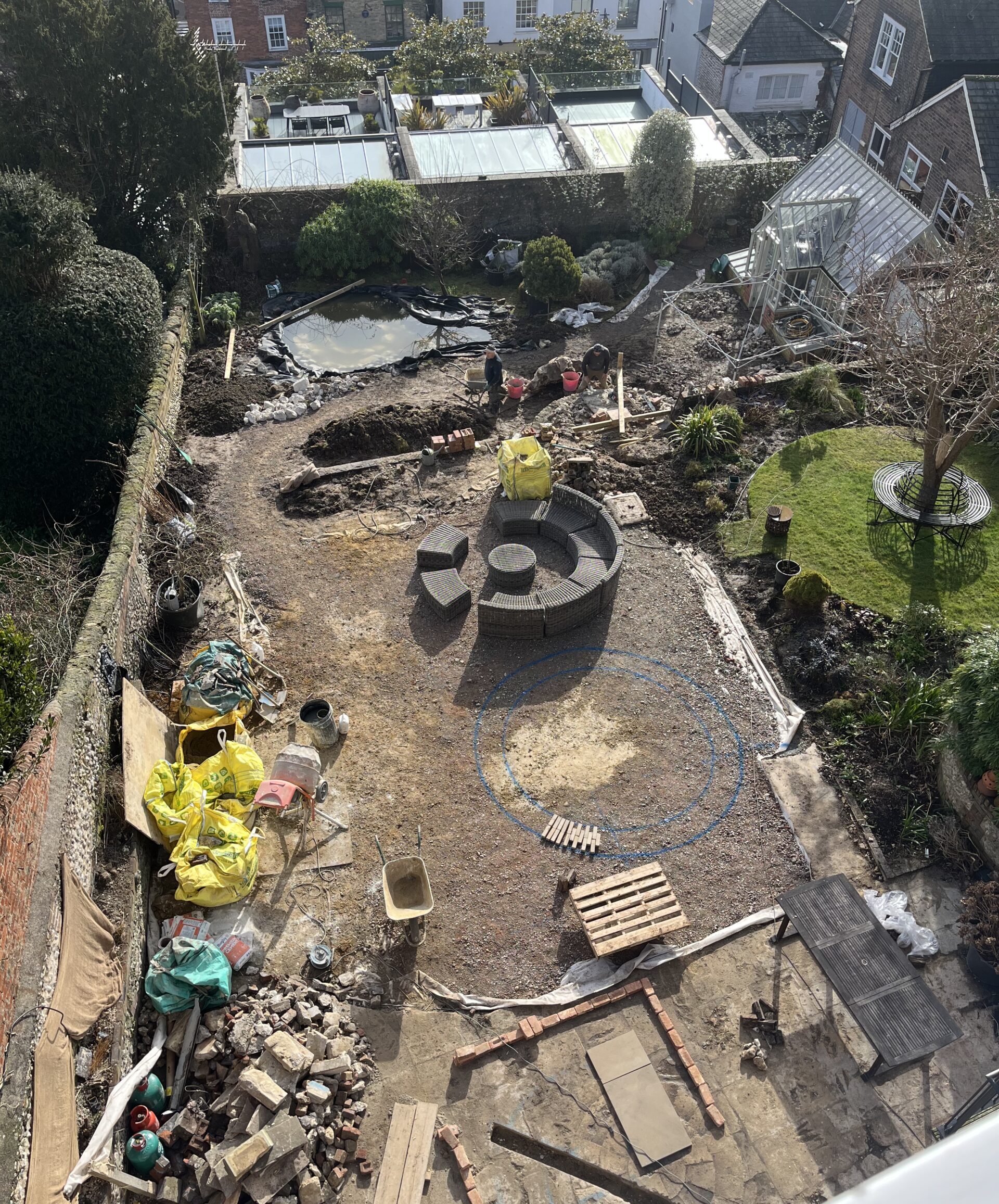
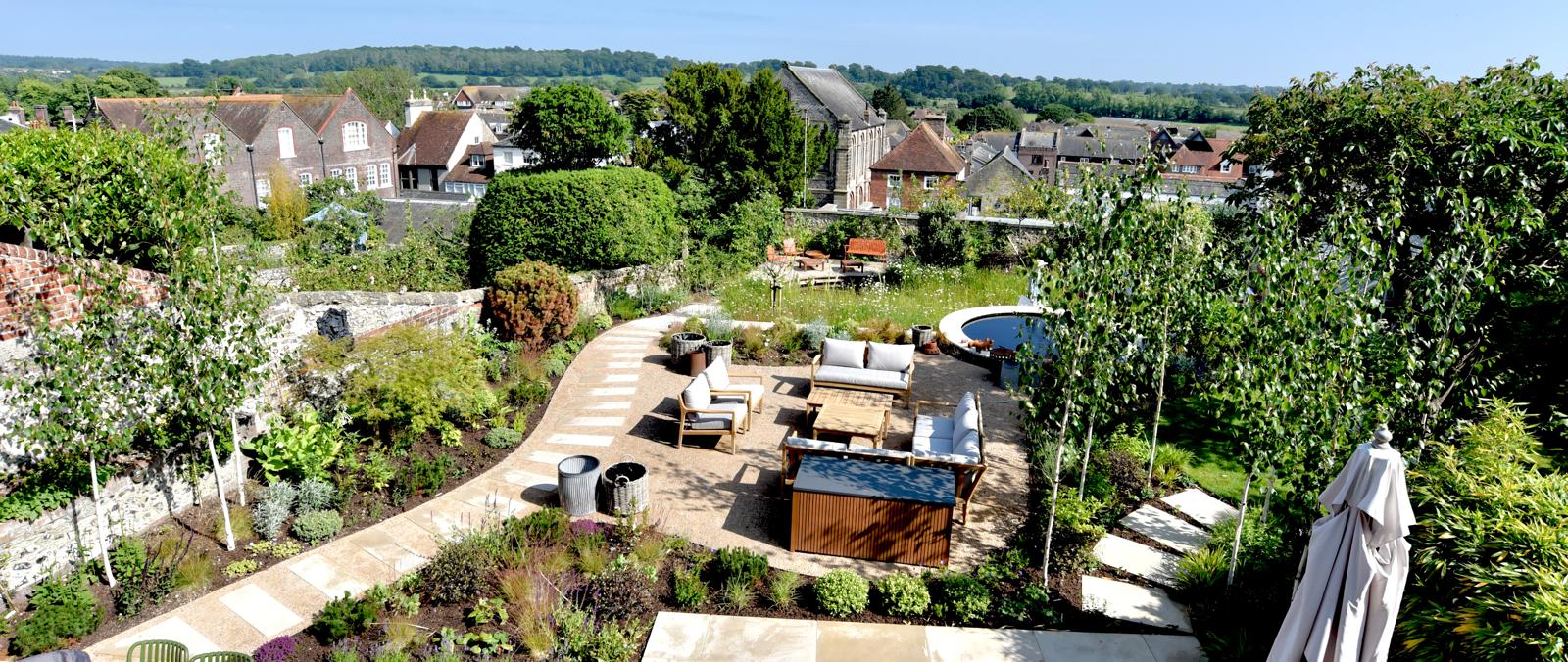
Our requirements for the garden were taken up by a local landscaping company and incorporated into the final design. We were delighted to finally achieve the sociable spaces we longed for, including different areas of outdoor seating, cooking space, quiet corners and a repurposed greenhouse we now use as a garden room.
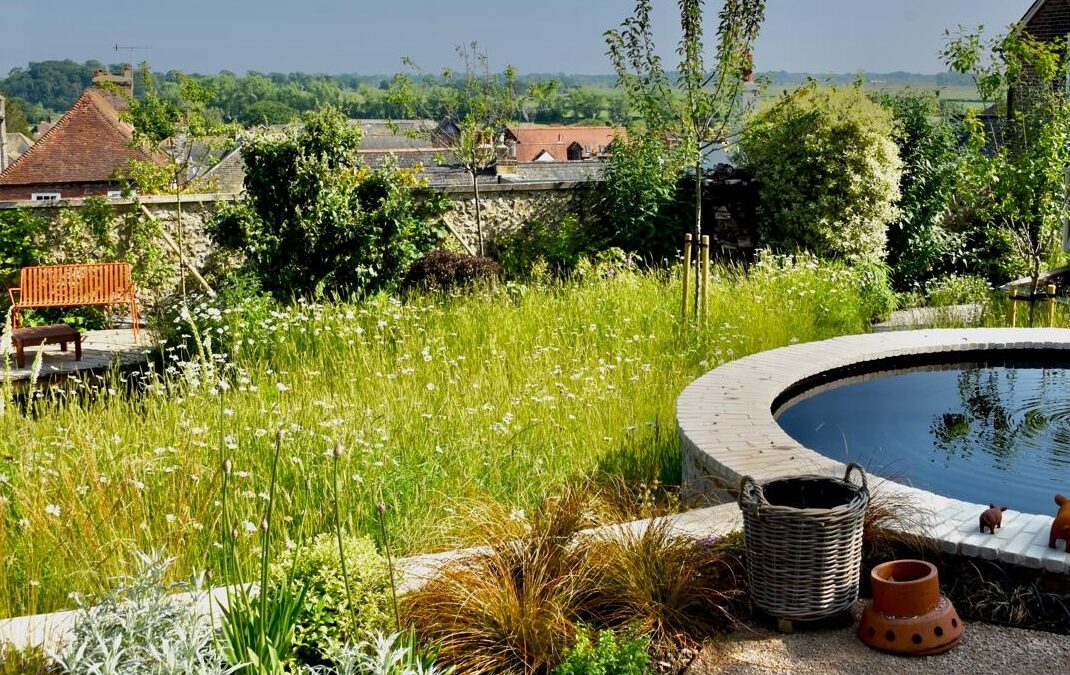
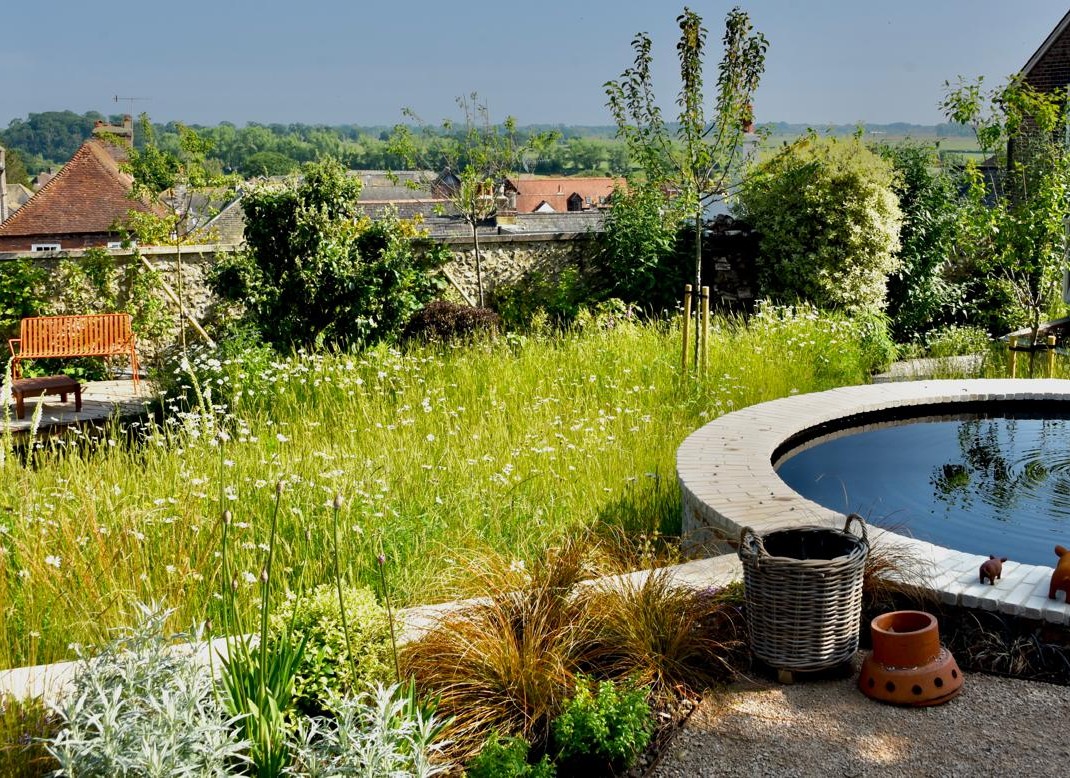
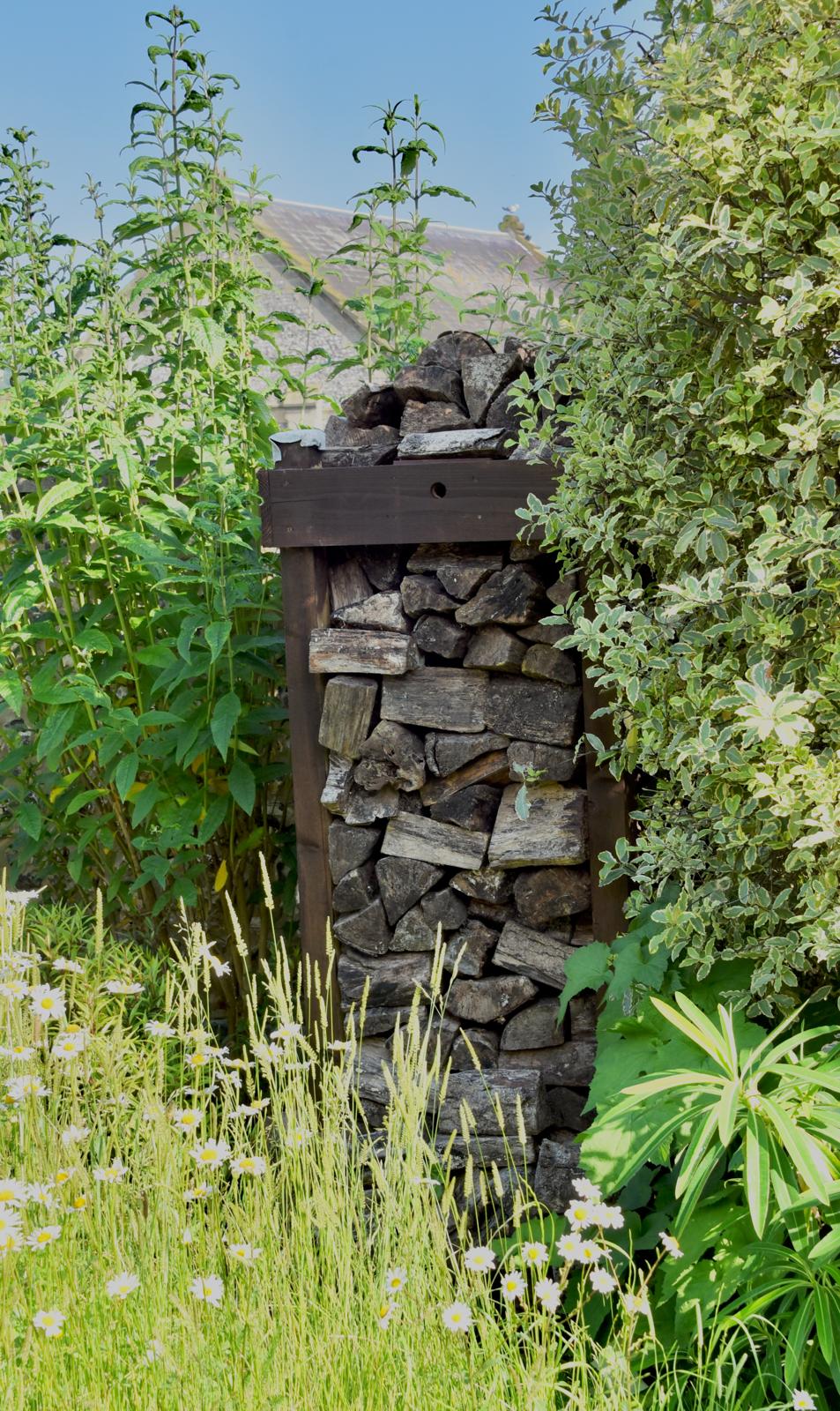
To support wildlife, an important first step was to stop all chemical use in the garden! We have also planted more trees, developed a wildflower meadow patch, installed insect habitats, bird and bat boxes, built natural composting bays, and introduced pollinator friendly plants that extend the flowering season for insects.
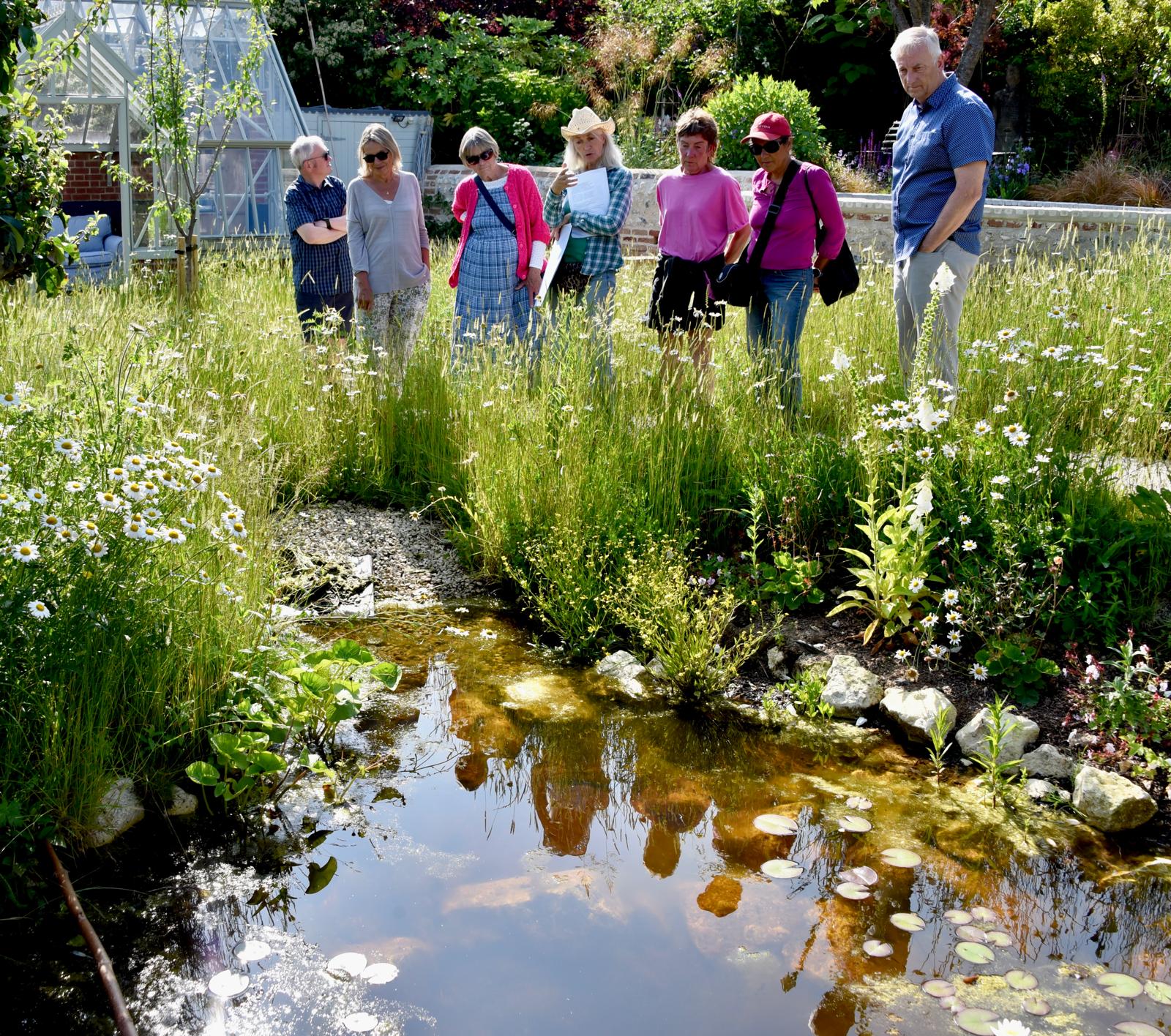
But, without doubt, the most successful feature we included in the work earlier this year was the wildlife pond. We ensured it included different depths, a range of planting and a sloped beach for easy access. Within months it was teeming with life, and it is a favourite spot for all ages to sit and enjoy the evening sunshine while watching what turns up to enjoy this vital water source right here in the middle of town!
What we’ve learnt
Your garden really can provide for you and the local wildlife – we now have a wonderful sociable space, we are entertaining more and visiting children love it!
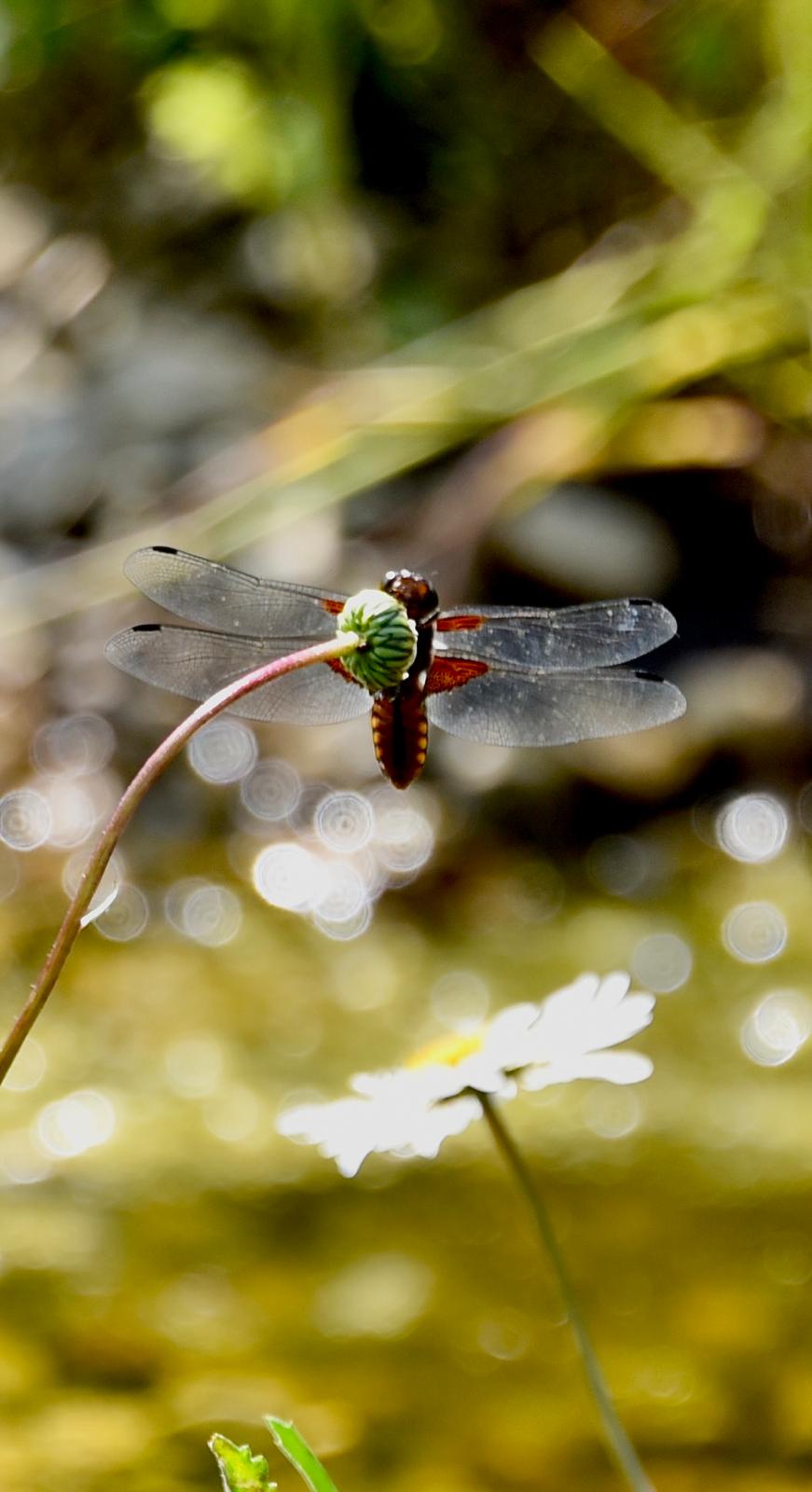
There are more birds in the garden than before, and we sit and watch them drop into the pond to drink and bathe. Dragonflies arrived almost immediately and have been laying eggs amongst the pond plants through the summer. Even newts have arrived from somewhere!
It can take a little while for some things to settle – for example, we used tap water to fill the pond and the high nitrogen levels meant a lot of algae and weed! But some small bales of barley gradually helped to clear a lot of it. The meadow grass laid as turf has been phenomenal, and we are now thinking about how to manage it moving forward.
We also know that the transformation can continue – we are already planning how to further increase opportunities for wildlife, such as with more planting to up the insect life further in support of the local bird and bat populations. We are proud that our town garden can now provide a vital stepping stone for Sussex wildlife.
Take simple steps now to support wildlife in your garden or community greenspaces by looking at the Actions for Nature tool in our Members area, including:
- Wildlife pond
- Grow larval food plants
- Drinking & bathing opportunities
- Homes for insects and invertebrates
- Leave areas of grass uncut
- Plant trees