
Making space for nature in my garden
Introduction
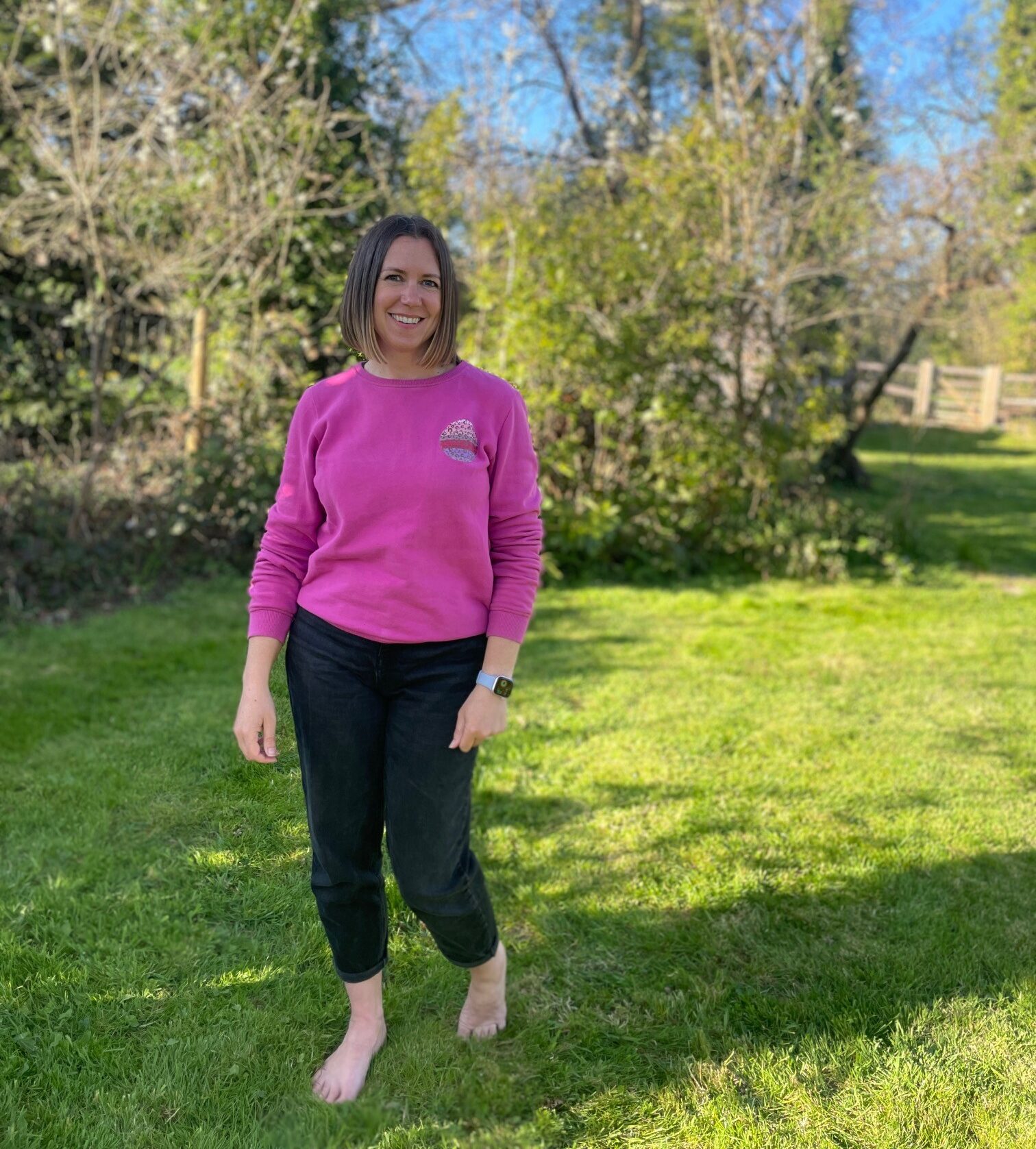
Hi, I’m Gemma and inspired by the incredible rewilding efforts at the Knepp Estate and the Weald to Waves project, I’ve decided to do my bit for nature by transforming a section of my own garden into a wildlife haven. I am planning to document my journey for other Gardens and Greenspaces members who wish to increase biodiversity in their own backyard, and I’d love to take you along with me!
The inspiration
Knepp holds a special place in my heart. Fifteen years ago, my husband and I celebrated our wedding in a tipi on the estate, surrounded by free-roaming pigs, deer, and Exmoor ponies. It was an unforgettable experience, and we’ve followed Knepp’s remarkable rewilding journey ever since. We feel so lucky to have this haven for wildlife on our doorstep, but wherever you live, you can embrace a wilder approach in your garden.
I love that the Weald to Waves project encourages us all to create wildlife-friendly spaces in our gardens and greenspaces. It shows that we can all play an important part in improving connectivity for wildlife across Sussex. And so, my journey begins!
Getting started
Before making any changes, it’s good to know your starting point (or ‘baseline’). I conducted a basic wildlife survey of my garden to understand what creatures and plants were already present. I’m fortunate to live in a rural area and already attract a variety of birds to my feeders, including blue tits, great tits, long-tailed tits, goldfinches, greenfinches, chaffinches, magpies, crows, and the occasional jay.
To identify some of the less familiar plants, insects, and invertebrates, I used the ‘Seek’ app (I highly recommend it if you are just starting out!). I also made a note of the date and weather conditions during my survey, so I can repeat it later in the year and compare the results.
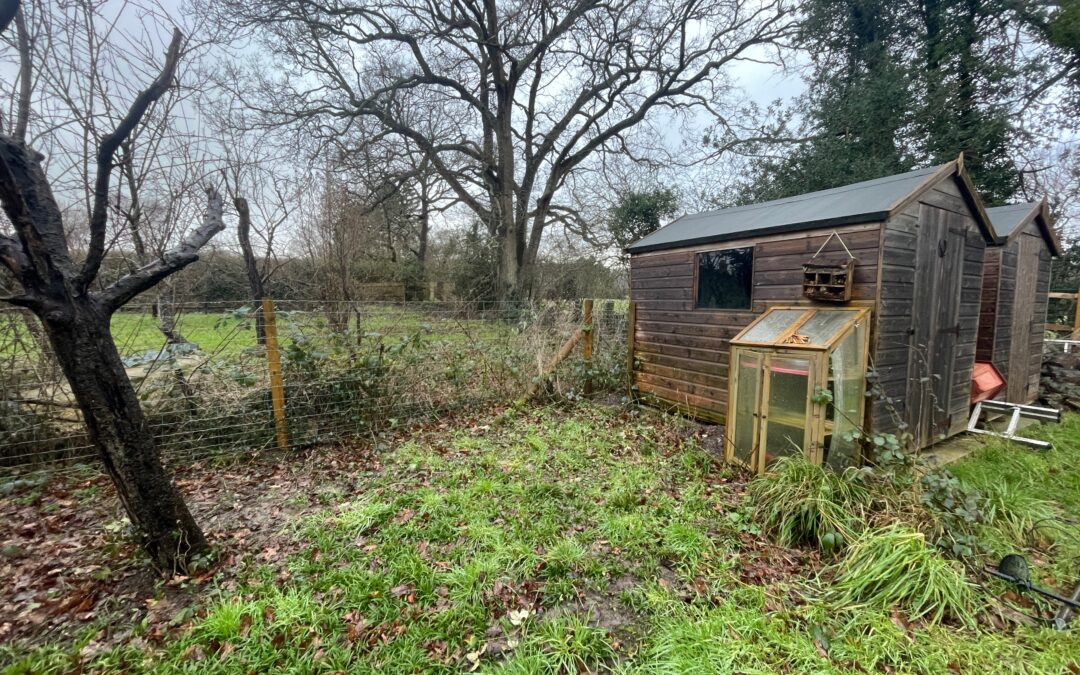
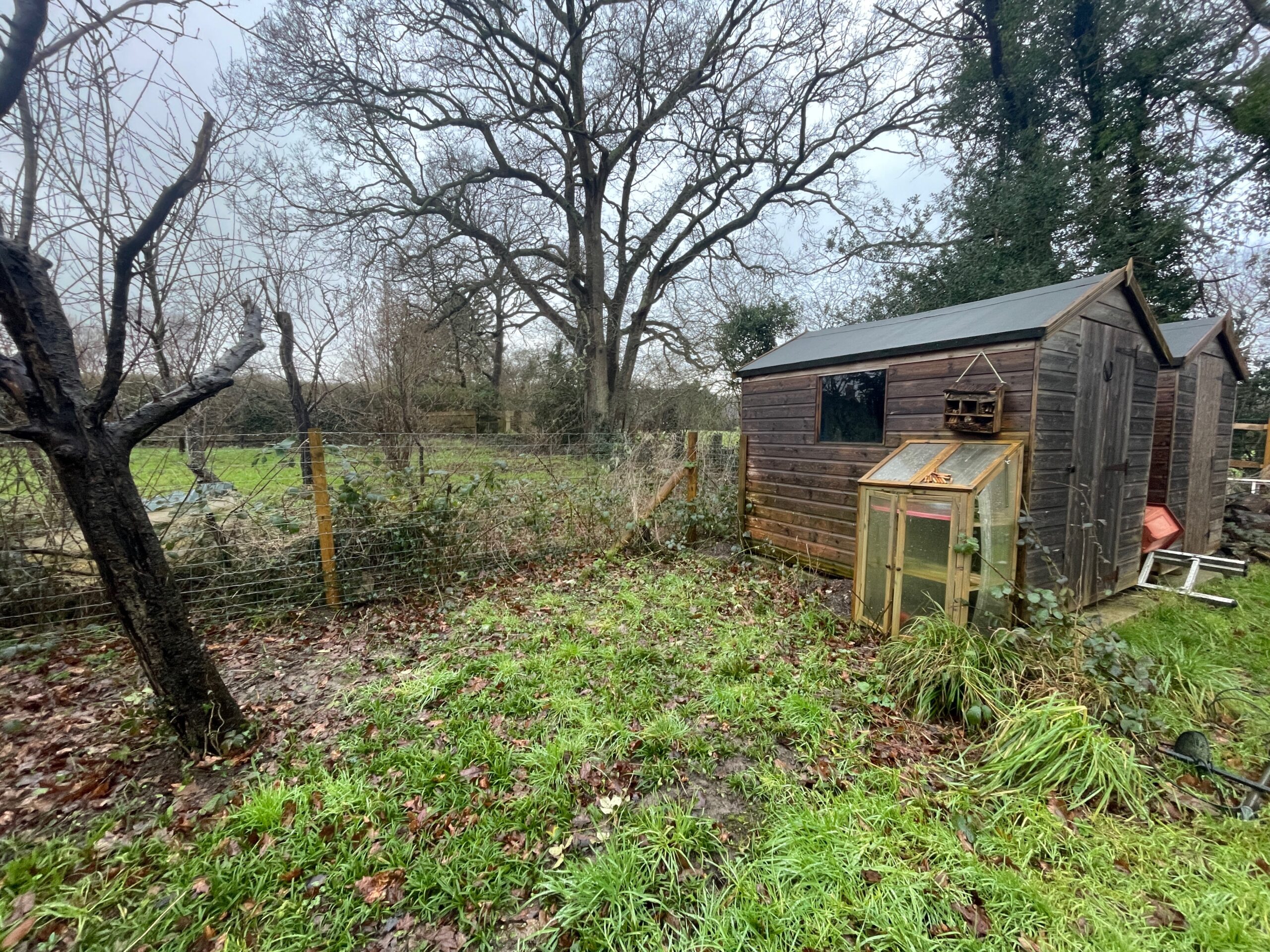
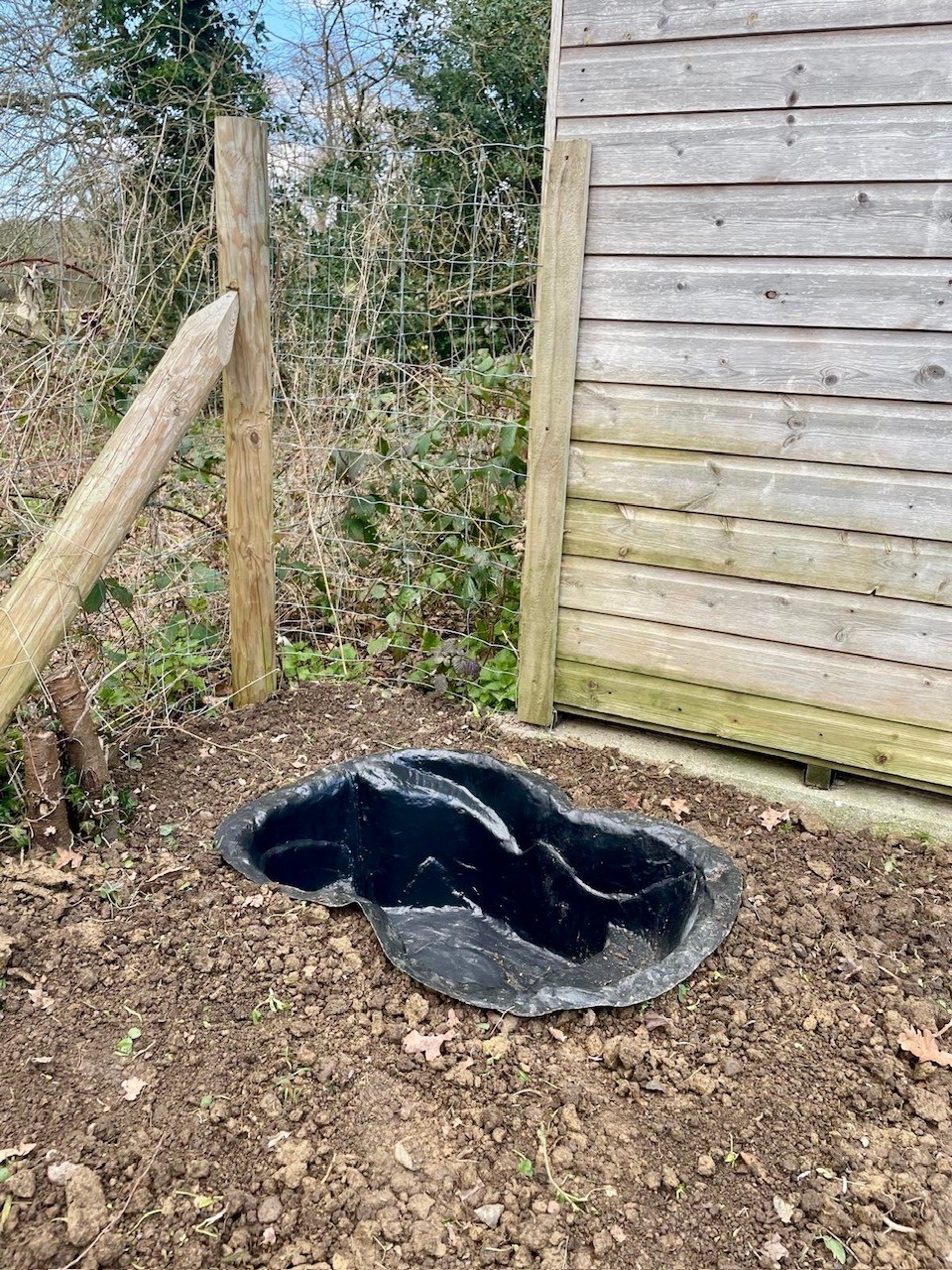
I chose an area on one side of my garden next to the garden shed and set about clearing the area and digging out the soil to create a blank canvas for my wildlife-friendly planting and features. My plans include planting native species and adding a water source to attract pollinators and create diverse habitats.
My first action – creating a wildlife pond
Adding even a small body of water is one of the most impactful things you can do for biodiversity. Ponds provide drinking and bathing spots for birds, breeding grounds for amphibians, and a habitat for countless invertebrates. Even the tiniest amount of water can quickly become a hub for life.
Setting up the pond:
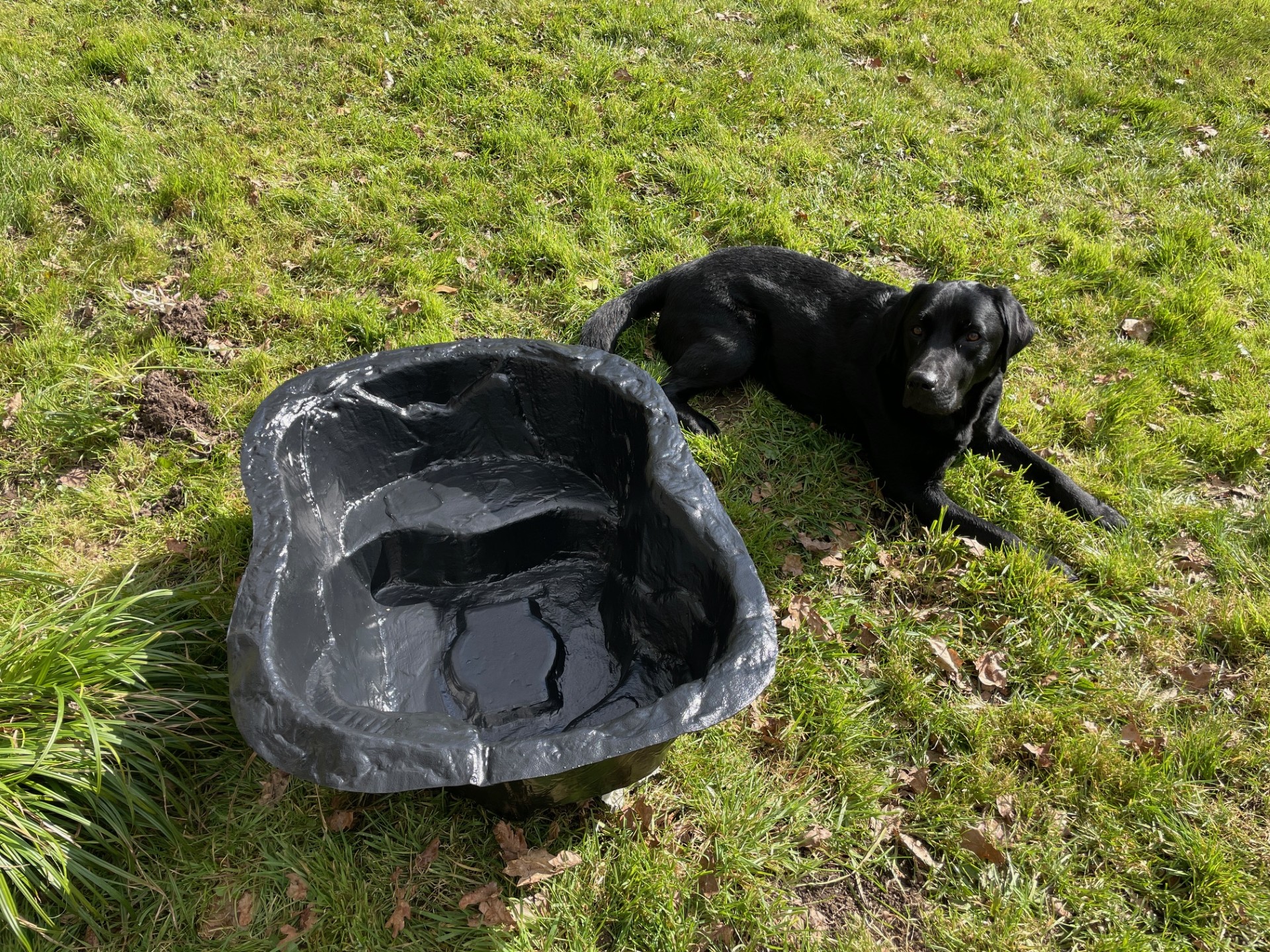
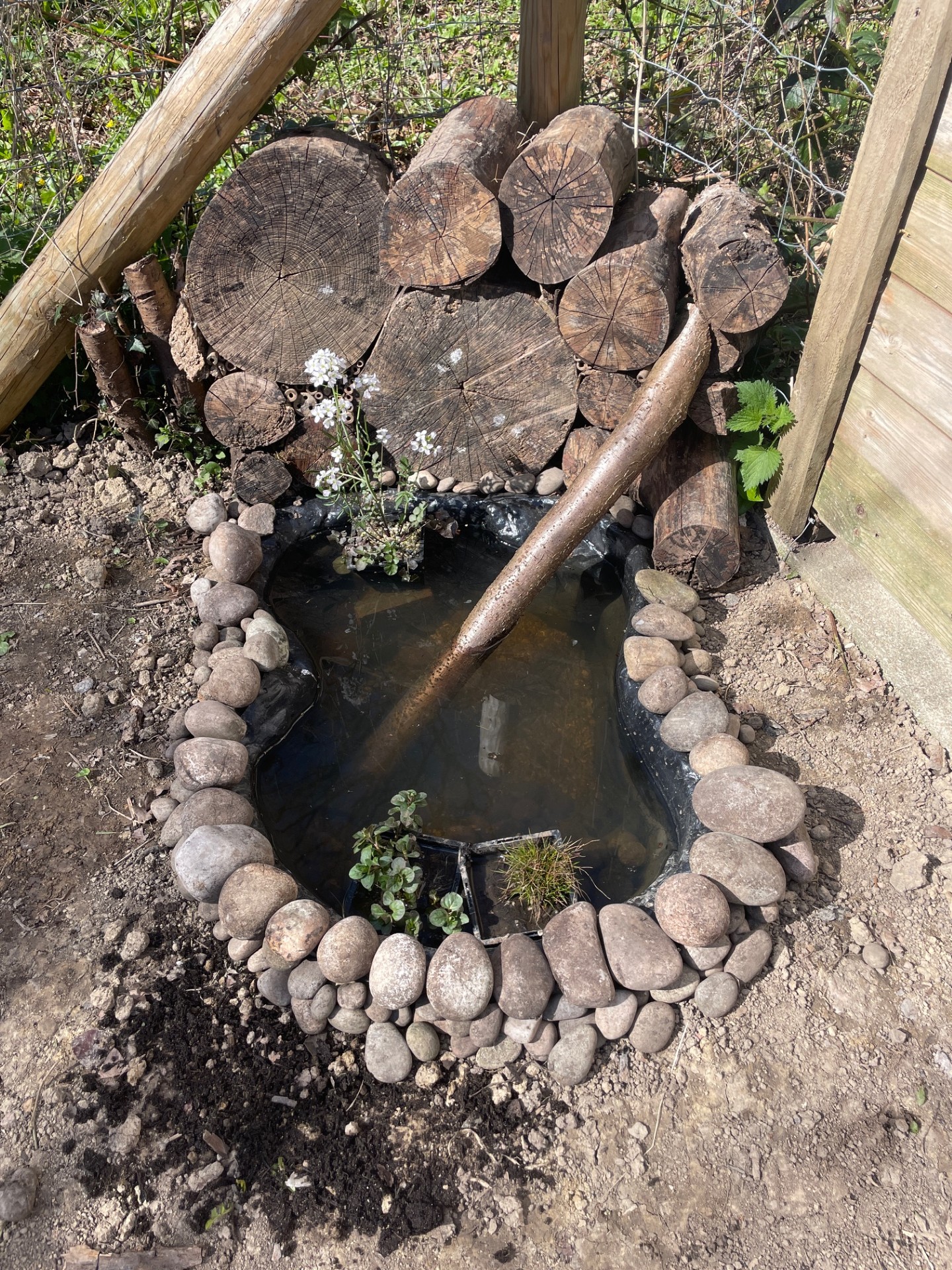
To start out, I opted for a preformed pond liner to keep things simple and manageable. I set it up as follows:
- Gravel base: I lined the bottom of the pond with gravel to create texture and shelter for aquatic creatures
- Marginal plants: I added a few native marginals to provide food, shade, and structure. I will increase my pond plant collection over time
- Pebble ramp: I used pebbles collected from a neighbour who was clearing out her garden (love a bit of community recycling!) to form a gentle slope that allows creatures to access and exit the pond safely, and also placed some around the edge of the pond to assist with aesthetics
- Log ladder: A partially submerged log escape route ensures that anything that enters the pond has a safe way out
Do you need a pond filter?
Allowing a natural balance of plants, oxygen, and decomposers is the best approach for supporting a wide range of native species in your wildlife pond. However, we have a lovely, inquisitive dog who, like many, will happily drink from any available water source. One of the potential risks in still, nutrient-rich water is the development of blue-green algae (cyanobacteria) which can, under the right conditions – warm weather, poor circulation, and excess nutrients – cause algae to bloom. While the pond is primarily for wildlife, I didn’t want to risk any health issues if she helped herself to a sip. So, until the plants are established and the oxygenators are doing their work, I have added a small solar-powered pond filter, which helps to keep the water gently circulating and clear. It’s not essential for every setup, but for me, it offered that extra layer of reassurance.
Signs of life:
After only a few weeks since the pond went in, I’ve already spotted birds taking sips, and a curious hoverfly investigating the plants. I also saw our first Sparrowhawk in the garden! Whilst I can’t predict if that is anything to do with the pond, it is so exciting to see a new species visiting. I can’t wait to see how this ecosystem develops as I move onto my next action – planting native wildflowers around the pond to create a layered habitat that’s bursting with nectar, seeds, and shelter.
If you are inspired to create wilder spaces in your garden, then follow my journey and let’s work together to make the Weald to Waves corridor a thriving haven for wildlife!
Take simple steps now to support wildlife in your garden or community greenspaces by looking at the Actions for Nature tool in our Members area, including:
- Cloak walls & fences with climbing plants
- Replace hard boundaries with hedges
- Provide gaps under fences & walls
- Wildlife pond
- Drinking & bathing opportunities
- Natural food sources for birds