Gardening Through Drought: 7 Things to Consider
As our summers become hotter, and dry spells longer and more frequent, the way we think about our gardens may also need to change. Following the driest July on record for southern England, and with little rain since, maintaining the lush, green gardens we have traditionally aspired to can demand ever greater amounts of water, time and effort.
Gardens are part of a much wider landscape. Collectively, they provide food, shelter, water and stepping stones for wildlife, while healthy soils and vegetation help slow and store water, something that will become increasingly important in a warming climate. Building climate resilience in our gardens doesn’t have to mean keeping them looking exactly as they always have. During drought, some of the changes that make a garden look less tidy or productive can also create new opportunities for wildlife.
So, rather than trying to fight every sign of a dry summer, here are some things to consider.
1. Do you need to grow that?
Growing our own food can be hugely rewarding, but some crops require considerably more effort and water during hot weather.
If keeping a crop productive means regularly using mains water, consider whether it is something you need to grow yourself. Could you instead support a local grower, farm shop or community food project and use the space for something better suited to the conditions in your garden? Sussex Food & Drink directory is a great place to find local producers.
That doesn’t mean giving up on growing food. It means experimenting and noticing what works where you live.
A changing climate may change what thrives in our gardens, and resilience can mean adapting what we grow rather than continually trying to recreate the conditions a plant needs.
2. Accept that things might look a little sad
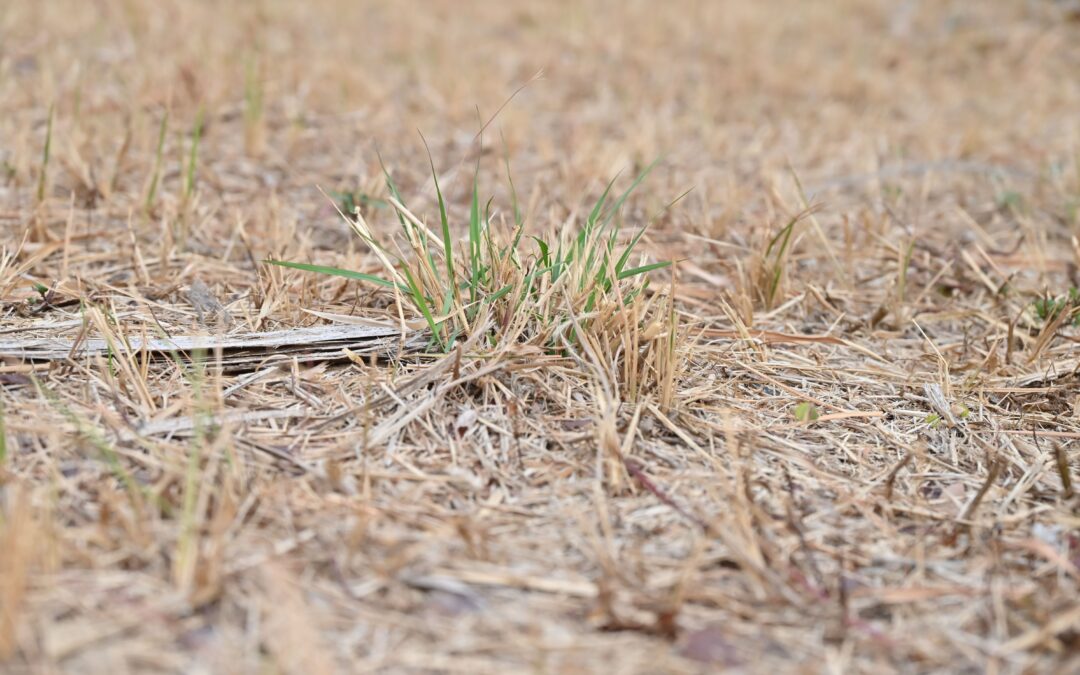
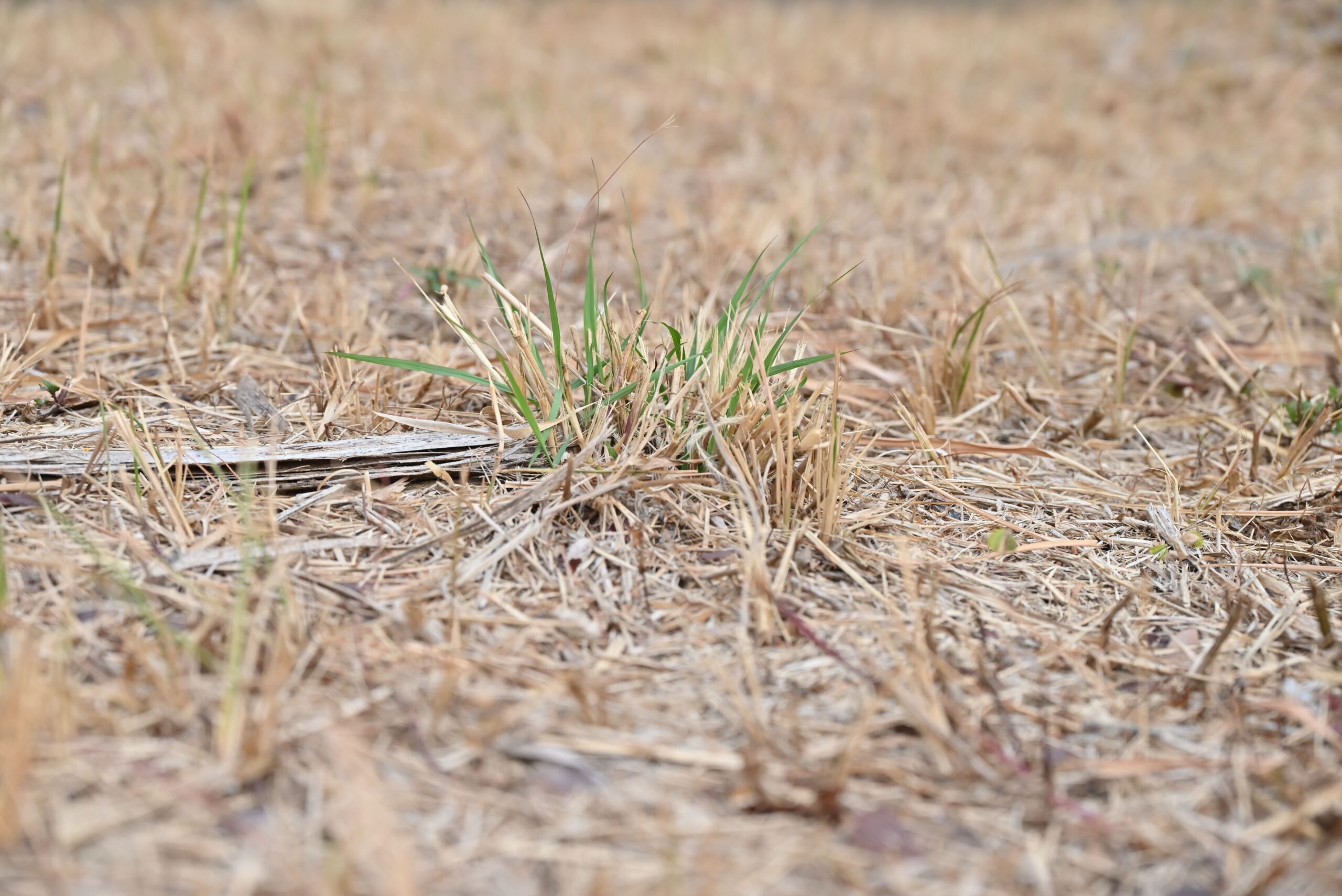
Brown lawns, drooping leaves and plants going to seed can make it tempting to reach for the secateurs.
Sometimes, however, we can simply allow our gardens to change.
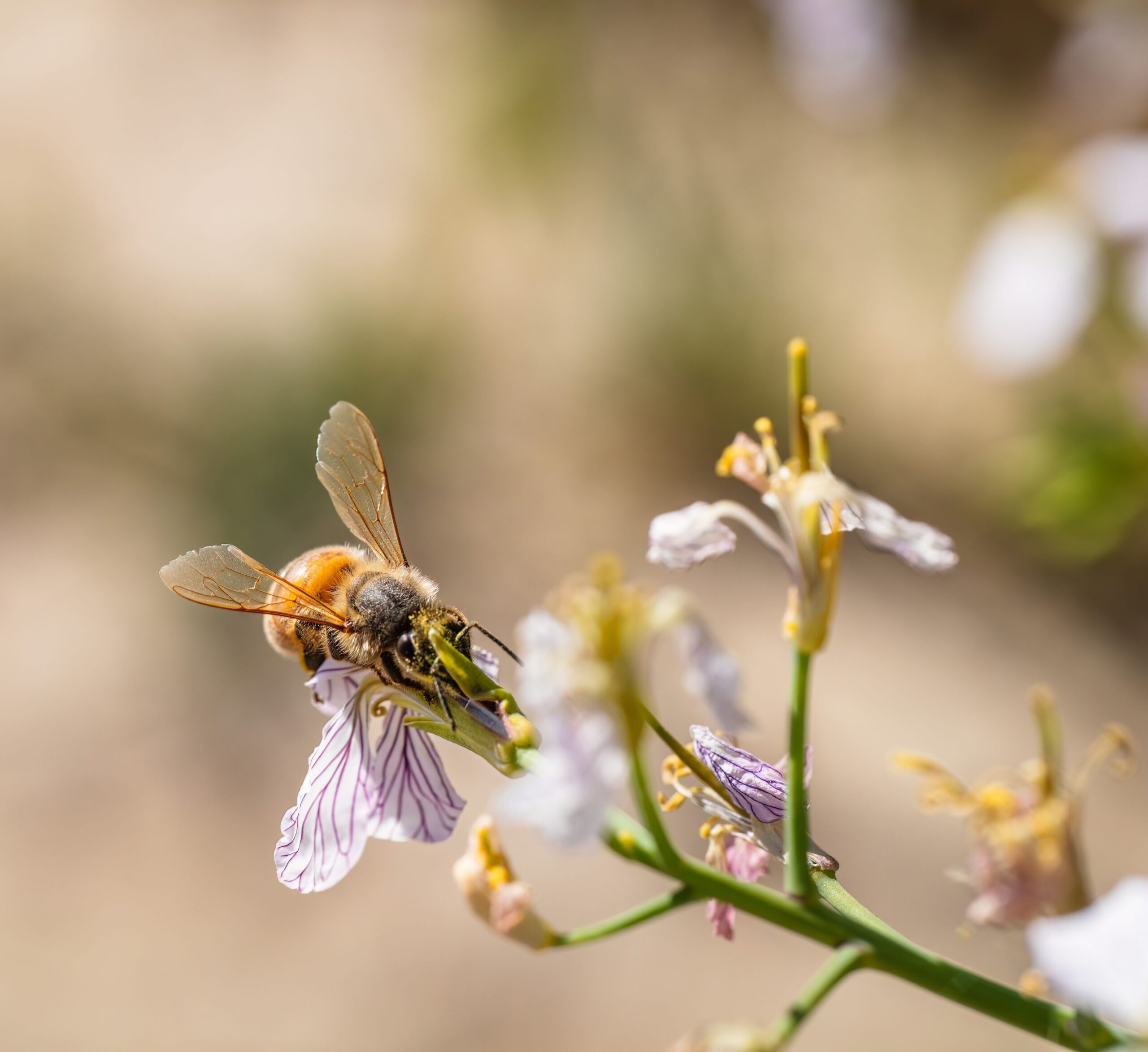
Plants can also surprise us. Radishes that bolt in hot weather, for example, haven’t necessarily become useless. Allow them to flower, providing food for pollinating insects, and they will also eventually produce crisp, edible seed pods.
A plant that has stopped doing what we originally grew it for may start doing something else.
Experiment, observe, and don’t worry if the garden looks a little less green for a while.
3. During a drought, protect what is already there
Periods of drought aren’t ideal times to establish lots of new plants. Newly planted trees, shrubs and perennials need particular attention while their root systems establish, so postponing non-essential planting can avoid creating another demand for water.
Instead, concentrate on helping existing plants and protecting the soil.
Mulching is one of the simplest ways to reduce water loss from the soil surface. Newspaper, wood chip, compost, sheep’s wool, piles of leaves, hay and other organic materials can all be useful depending on where they are being used.
Ideally, mulch when the ground is already moist. The aim is to help keep moisture in the soil rather than simply covering soil that has already dried out.
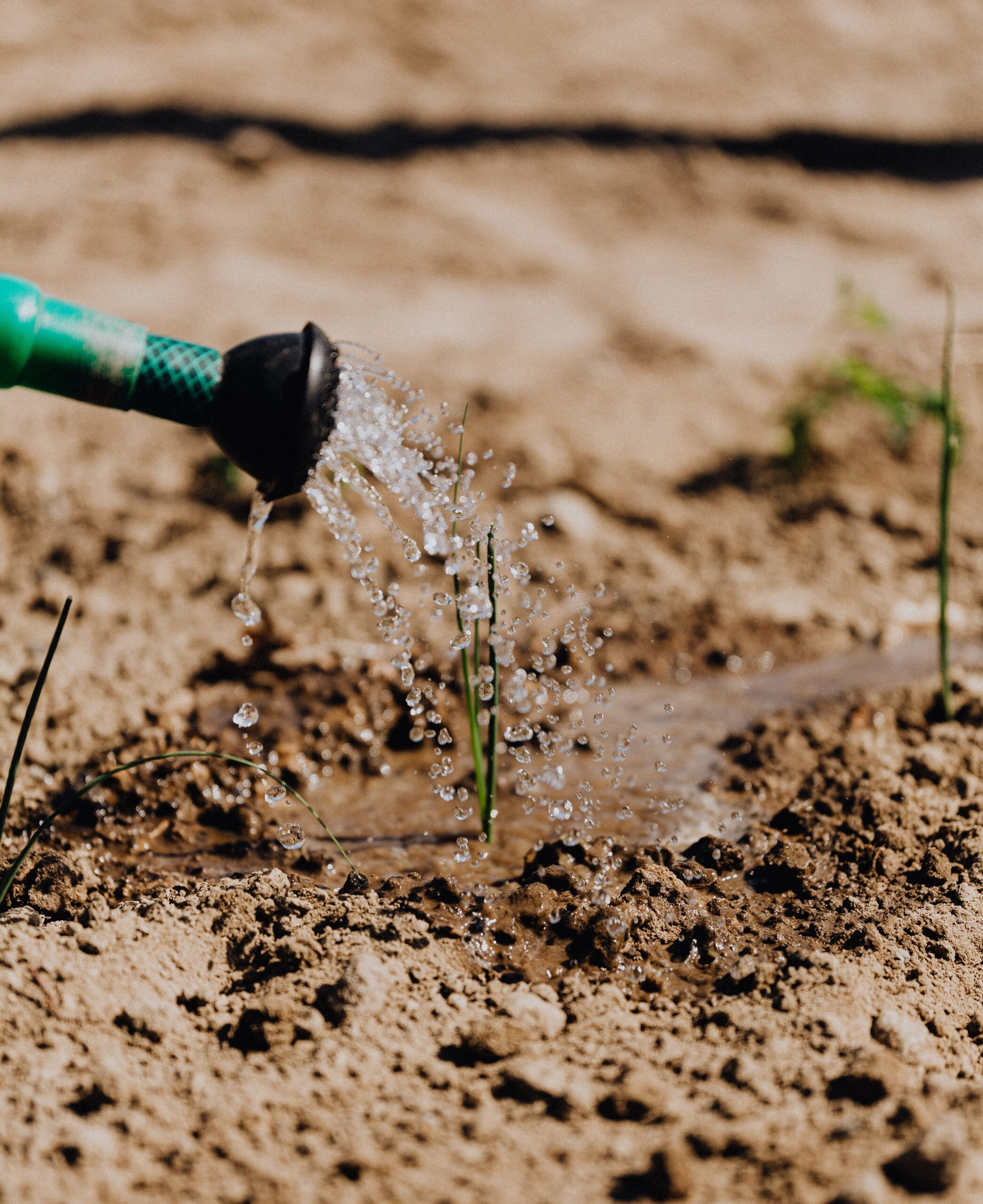
And when watering is necessary, prioritise plants that genuinely need it and water thoroughly rather than giving everything a frequent light sprinkle.
4. Keep roots in the ground
When an annual plant has finished flowering or producing a crop, our instinct is often to pull it out. But there is another option: leave it.
Roots are an important part of the living soil. While plants are alive, their roots interact with fungi, bacteria and other soil organisms, and vegetation helps cover and shade the soil surface. Even once plants die, leaving roots to decompose in situ returns organic material to the soil rather than disturbing it unnecessarily.
Standing plants can also provide shade for neighbouring vegetation, creating small differences in temperature, sunlight and humidity, helping to add a variety of microclimates to your garden.
5. Dead doesn’t mean useless
The same principle applies on a larger scale.
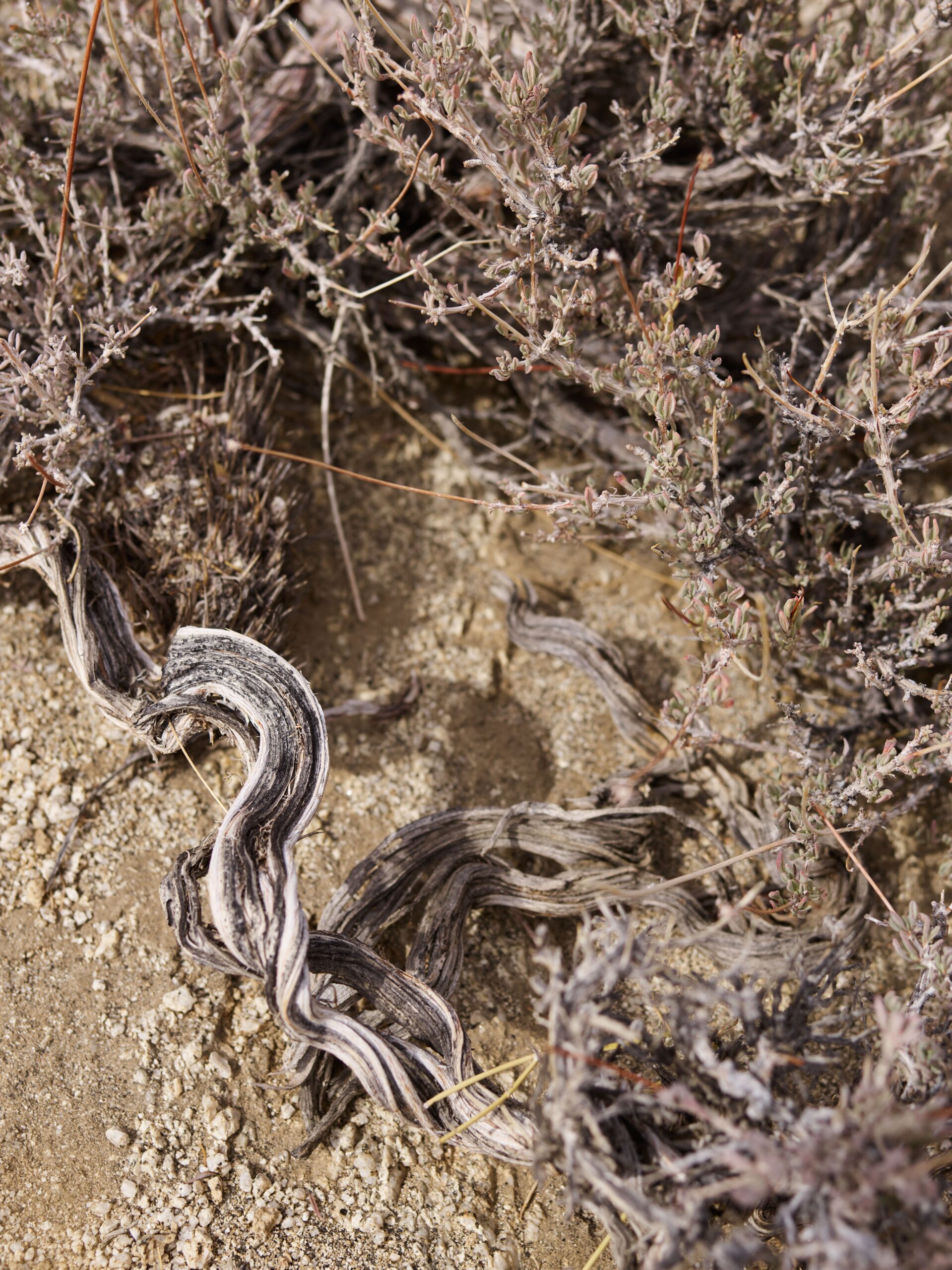
A dead branch, stump or tree can look like something that needs removing. Ecologically, however, dead and decaying wood is an extraordinarily rich habitat.
Over 2,000 UK invertebrate species are saproxylic, meaning they depend on dead or decaying wood, or on other organisms associated with it. Fungi begin breaking down woody material, while beetles and other invertebrates occupy different stages of the decay process. Those organisms in turn provide food for predators including spiders, birds and bats.
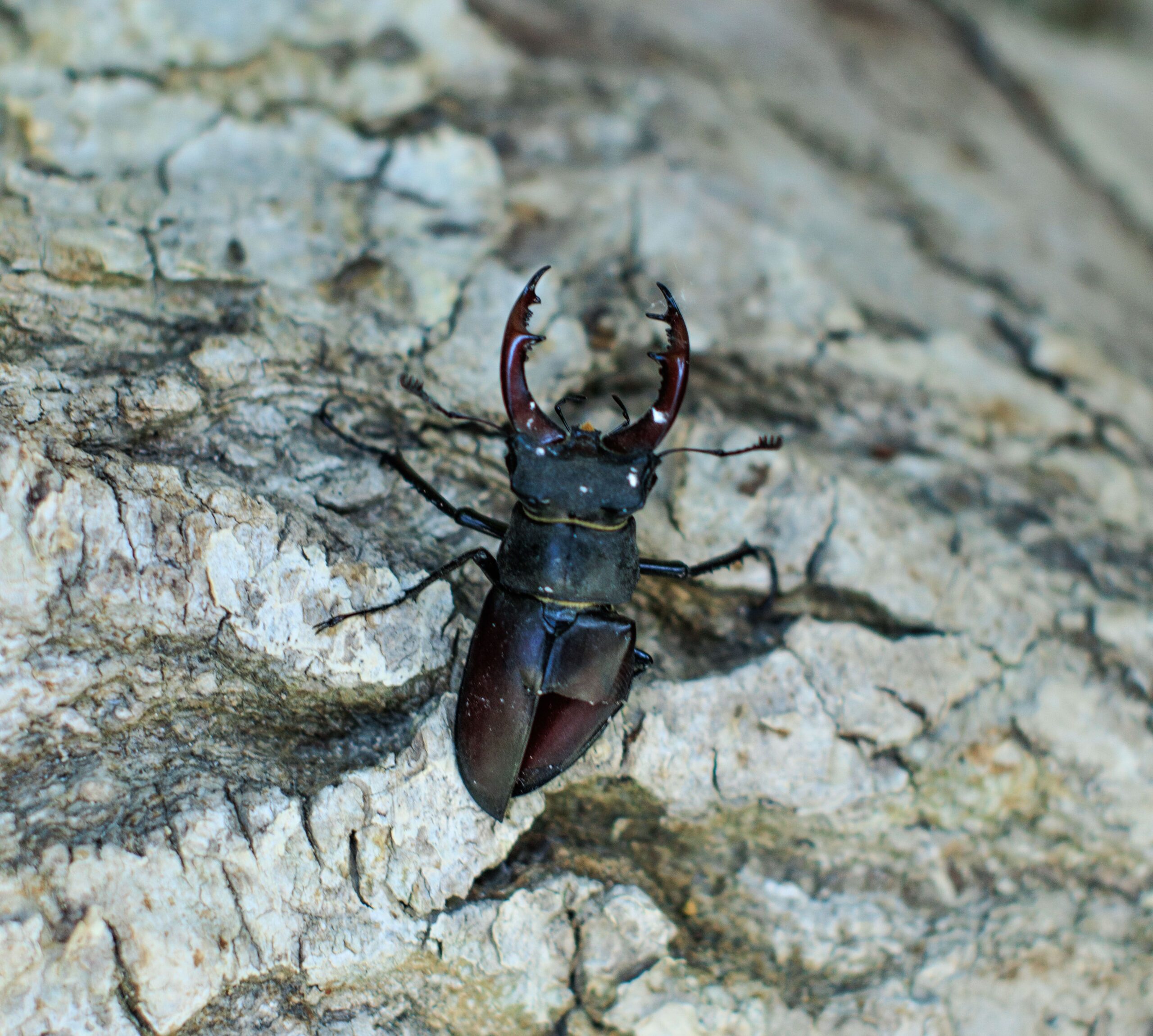
Stag beetles, a priority species identified in the Sussex Local Nature Recovery Strategy (LNRS), spend up to seven years underground as larvae, feeding on decaying wood from old stumps and roots before pupating in the surrounding soil. Leaving deadwood and old stumps in place, where safe to do so, can provide vital habitat for this iconic species.
6. Not every patch of bare ground needs fixing
Mulching can be extremely useful for protecting soil moisture around plants, but that doesn’t mean every inch of bare ground needs covering.
Sunny, sparsely vegetated ground can itself be valuable habitat.
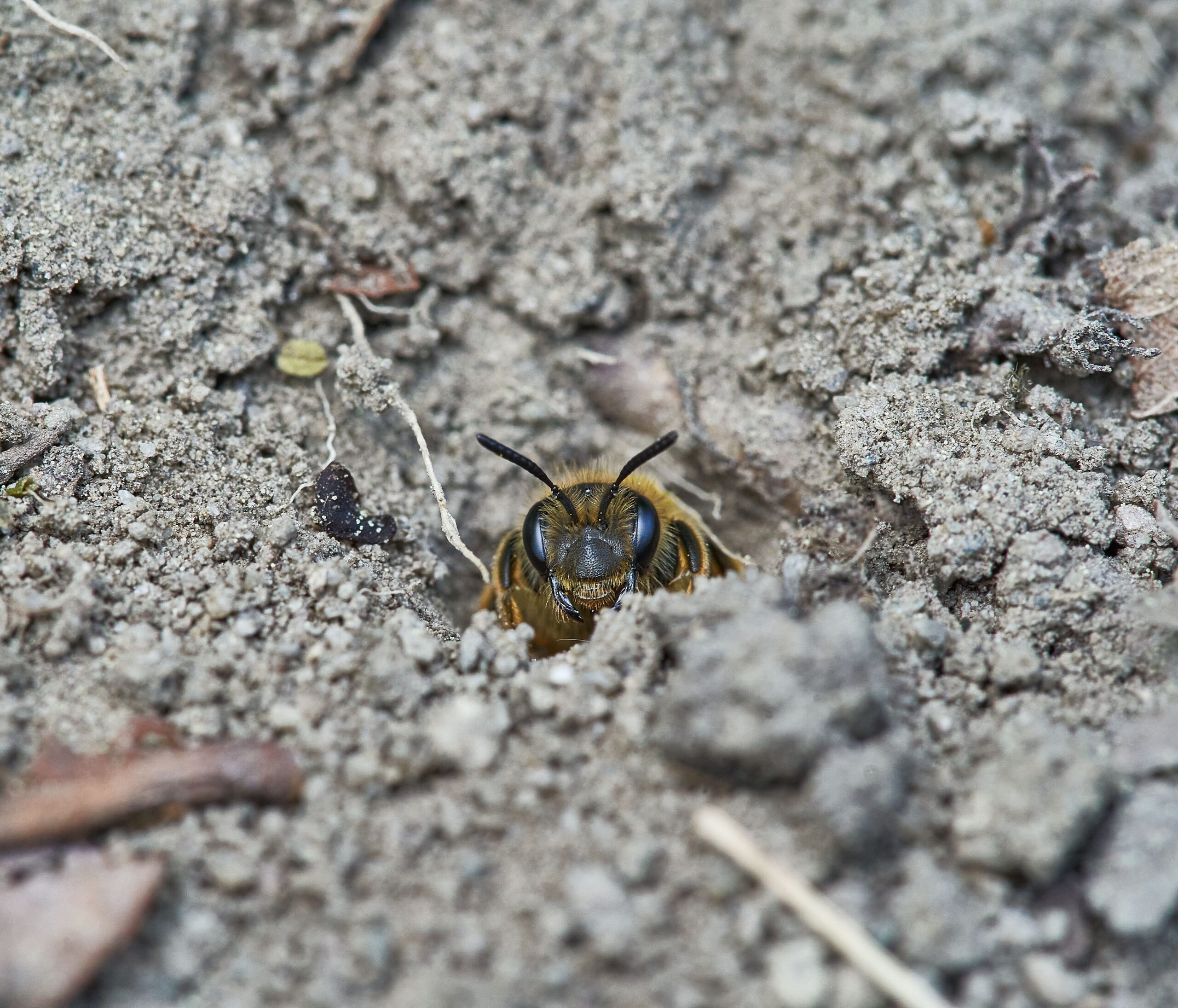
Many solitary bees nest underground, excavating burrows in bare or lightly vegetated soil. One species to look out for is the ivy bee (Colletes hederae), which can nest in large aggregations in sparsely vegetated ground, including gardens and lawns. First recorded in Britain in 2001, it has since spread widely across southern England and emerges later in the year, coinciding with flowering ivy, an important late-season food source.
So, if drought exposes a patch of bare soil, watch it before covering or cultivating it. Small holes, little piles of excavated soil or insects repeatedly coming and going could reveal that something has already moved in. Recording these visitors can also help build our understanding of how wildlife is responding to changing conditions.
7. Think about rain while it isn’t raining
It sounds contradictory, but a drought is a good time to think about rain. When the next downpour arrives, where will that water go?
Could you add another water butt or connect several together? Could rainwater from a shed, greenhouse or other roof be captured rather than disappearing into a drain? Are there places in the garden where water could be allowed to collect temporarily?
You could even create a shallow scrape or seasonal pond and wait for rain to fill it. Temporary ponds are an important habitat because they periodically dry out, allowing them to support communities different from those found in permanent waterbodies. Drying can prevent predators such as fish from becoming established, removing important predators of aquatic insects and amphibians. Temporary ponds can consequently support specialised plants and animals, including aquatic beetles and other invertebrates.