Project News
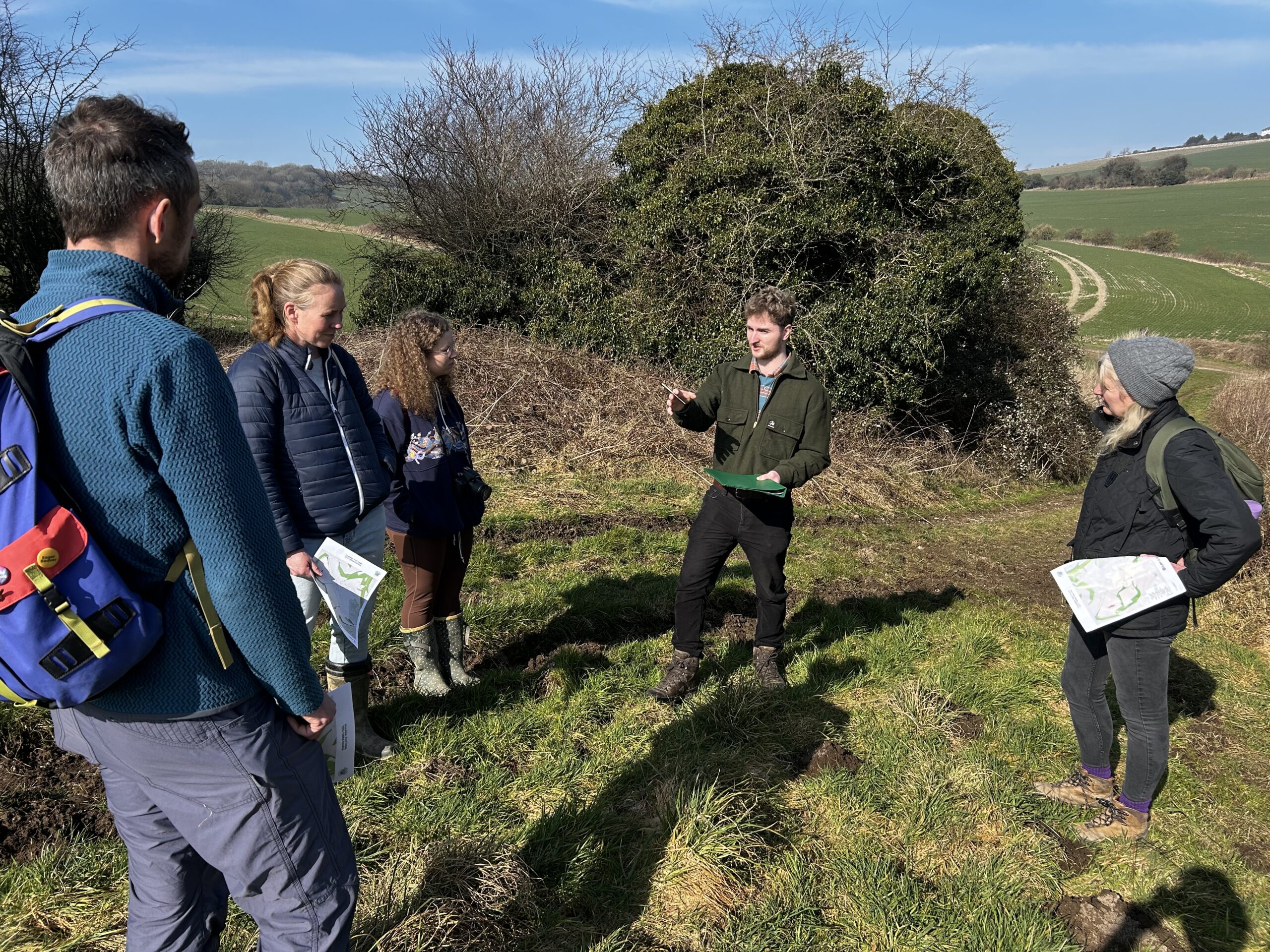
Did you catch Alex talking about Weald to Waves at the recent Webinars for the Local Nature Recovery Strategy?
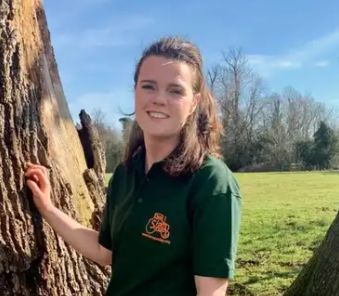
We are thrilled to announce that Molly Biddell has joined the W2W team as a key advisor on Nature Based Solutions across farms and landholdings within the corridor.
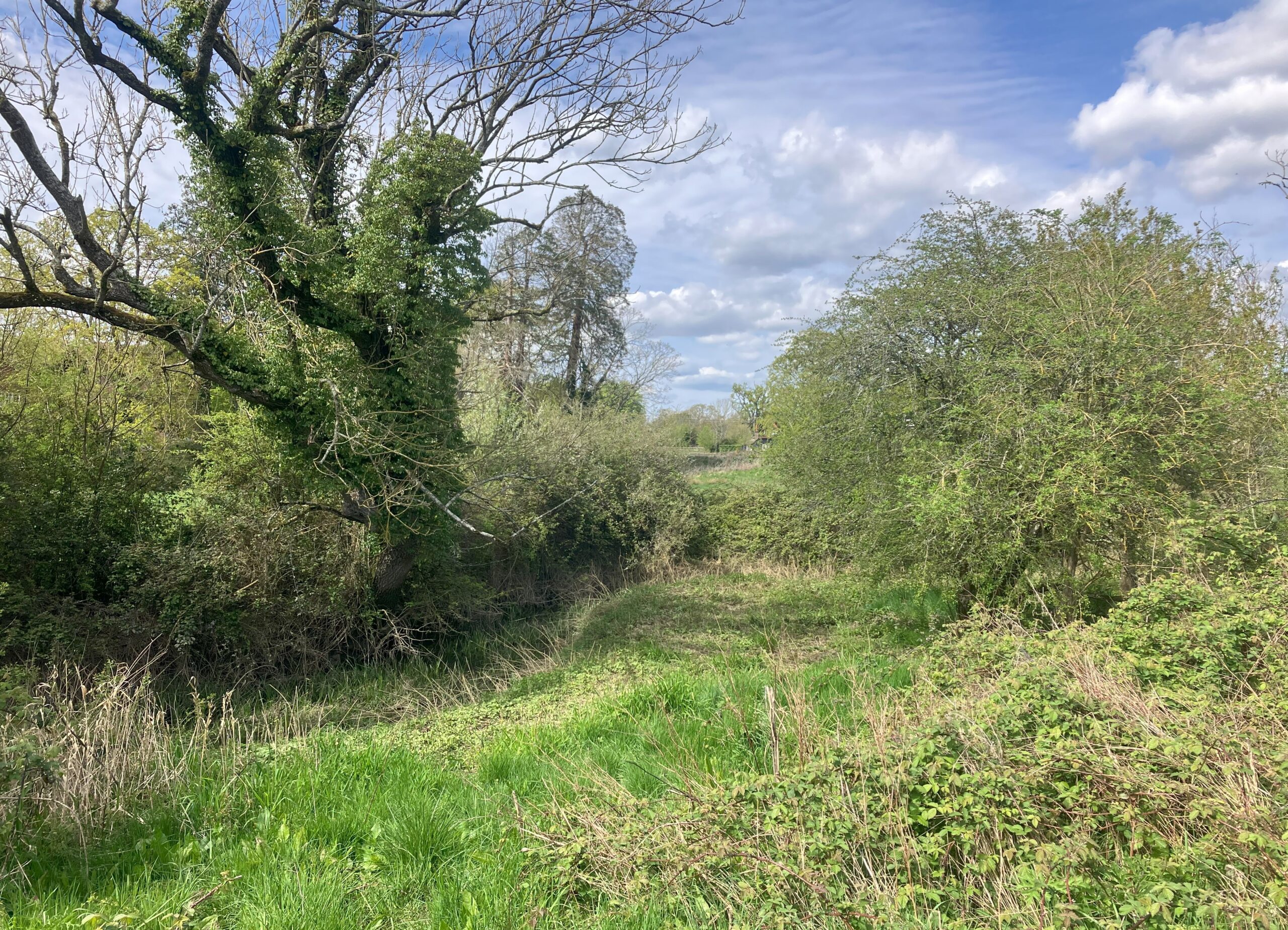
The Scrubland Superheroes project is in full swing, creating “stepping stones” of scrub habitat along the corridor. Project Officer Rachel Bicker lets us listen in on her work monitoring birdsong at one of her target sites.
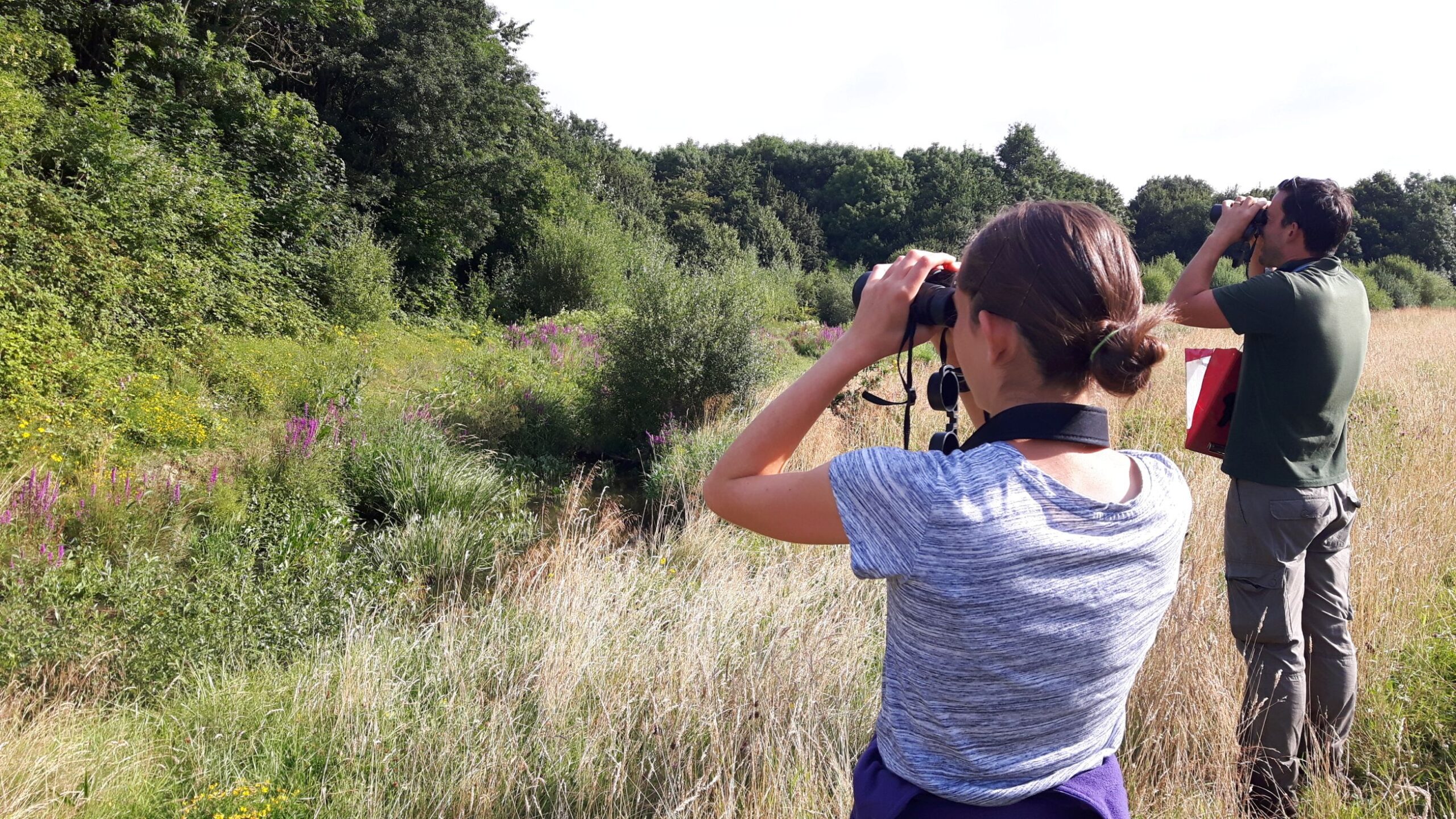
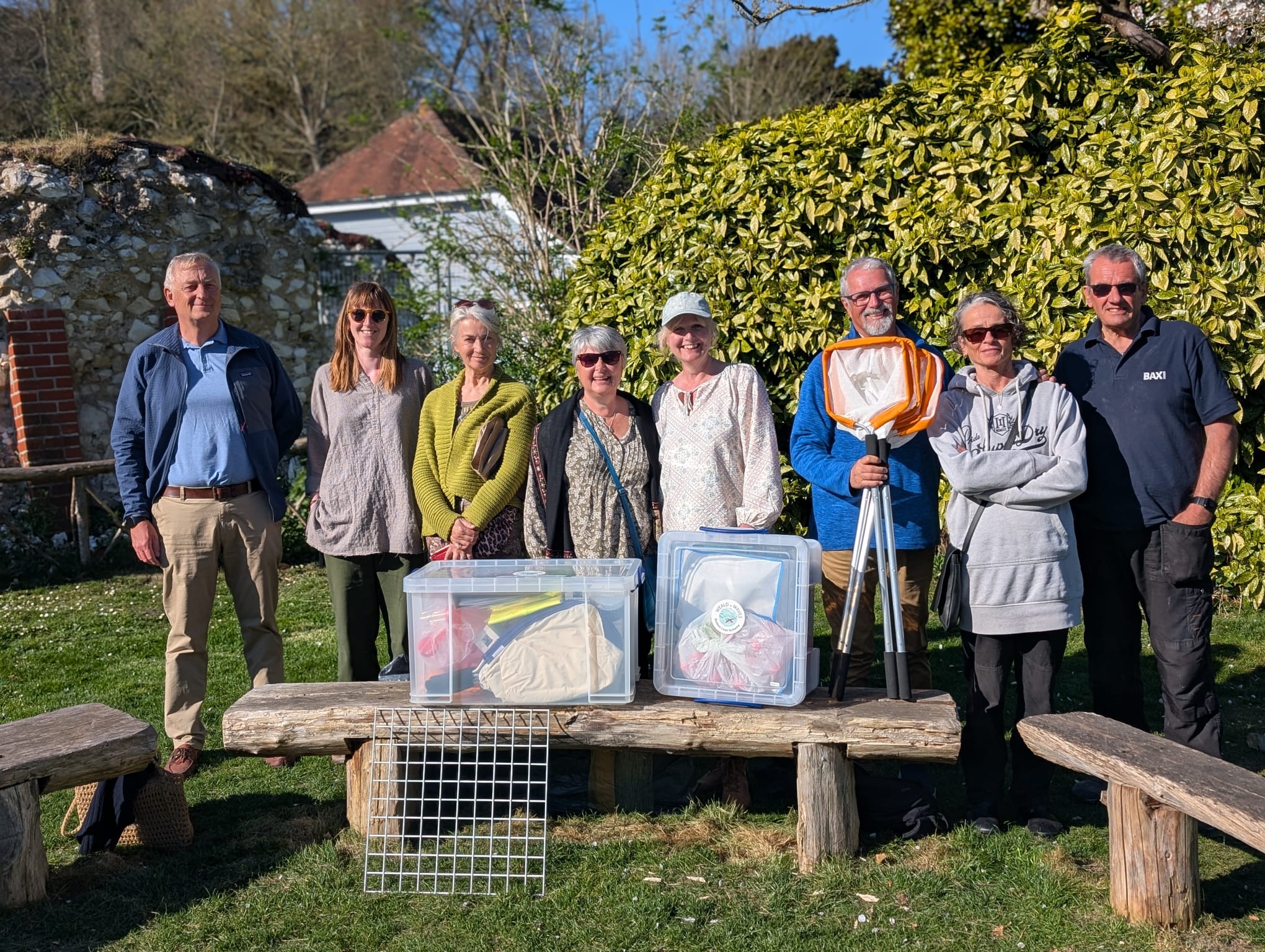
Monitoring the corridor will take an army of experts and citizen scientists. Are you up for the challenge?
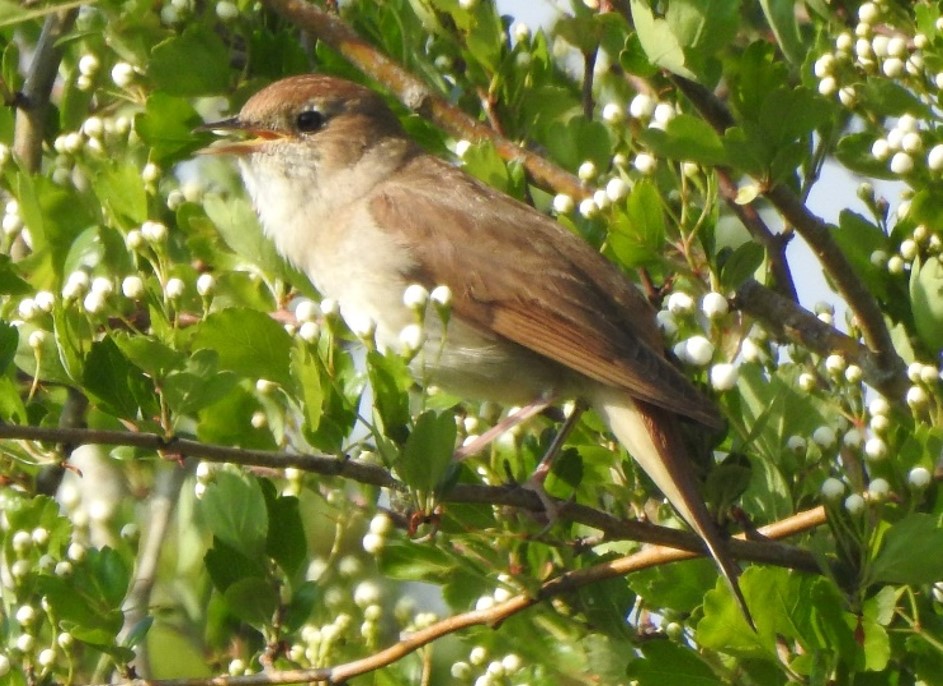
Do you manage land in the corridor? You could get involved in creating areas of scrub to help with the reappearance of Nightingales, Red-Backed Shrike and Black-Veined White butterfly.
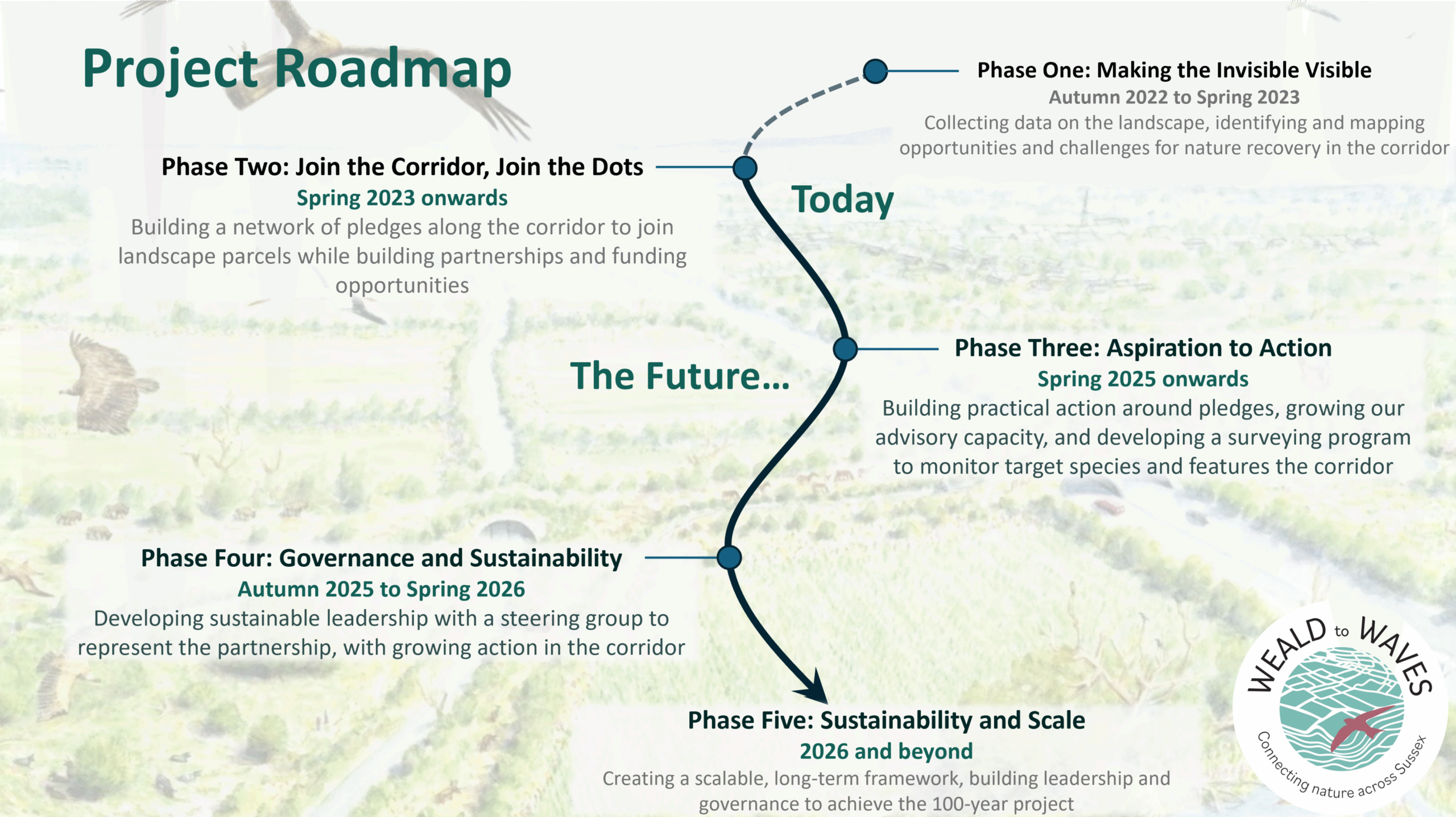
How do we create 100-miles of nature recovery corridor, across a densely populated landscape? Our roadmap to a corridor paints a picture of how we might achieve this huge task.
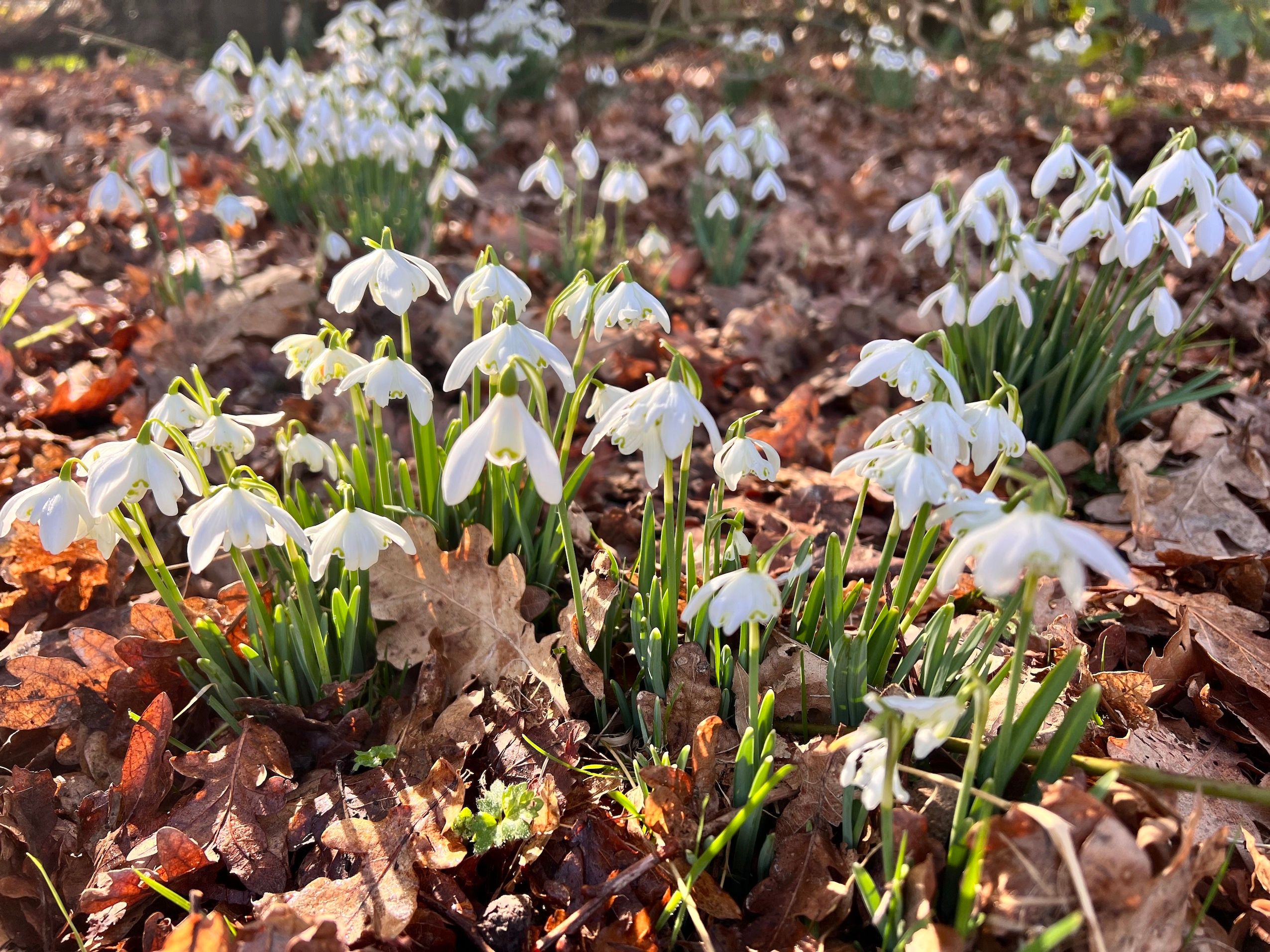
Our first survey on nature in our gardens has been completed by nearly a quarter of members already. We can start to build a picture of what we have to offer wildlife and what is needed to improve connectivity.
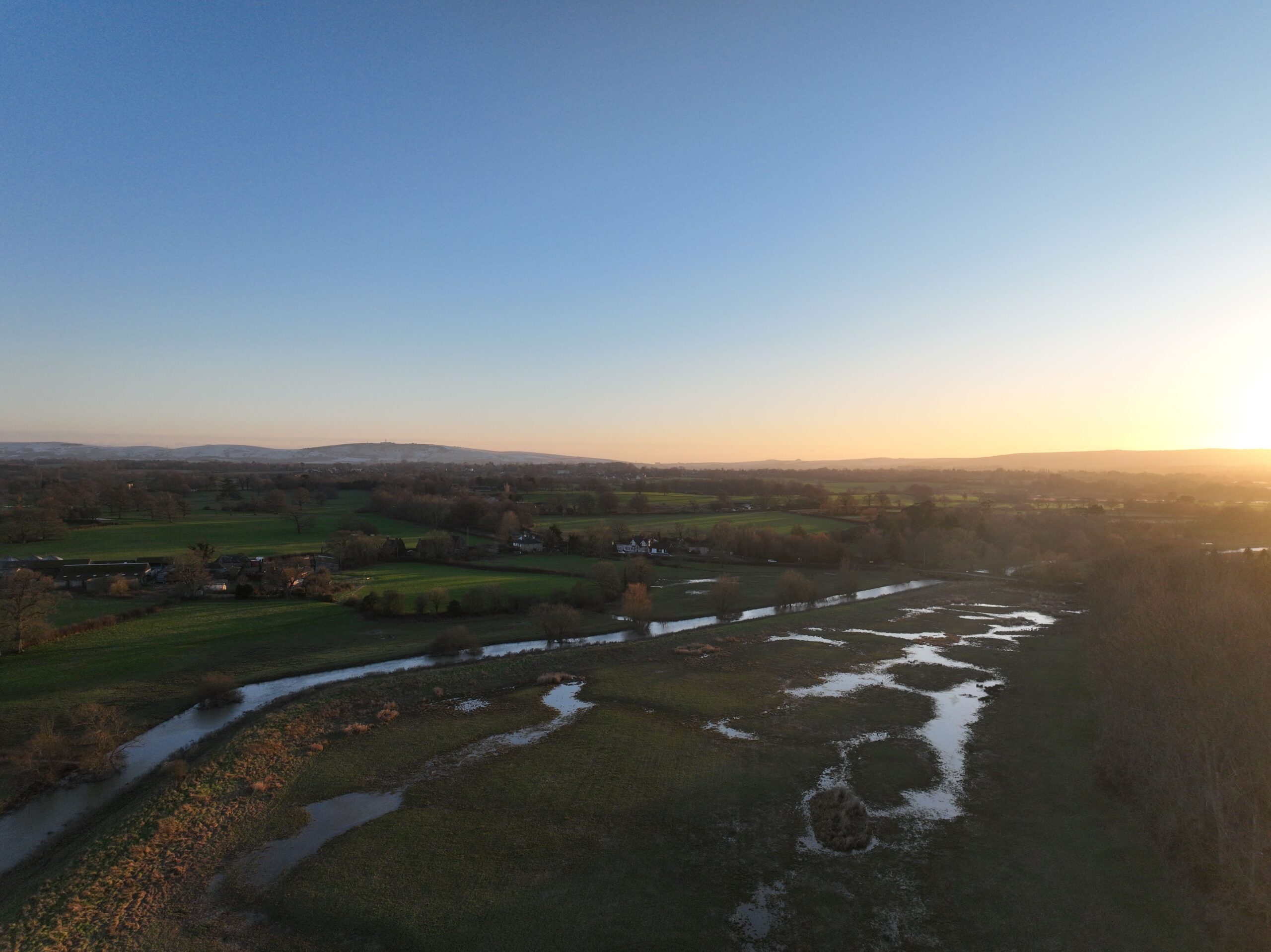
Natural flood management as an affordable nature-based solution? Sky News visits the Adur
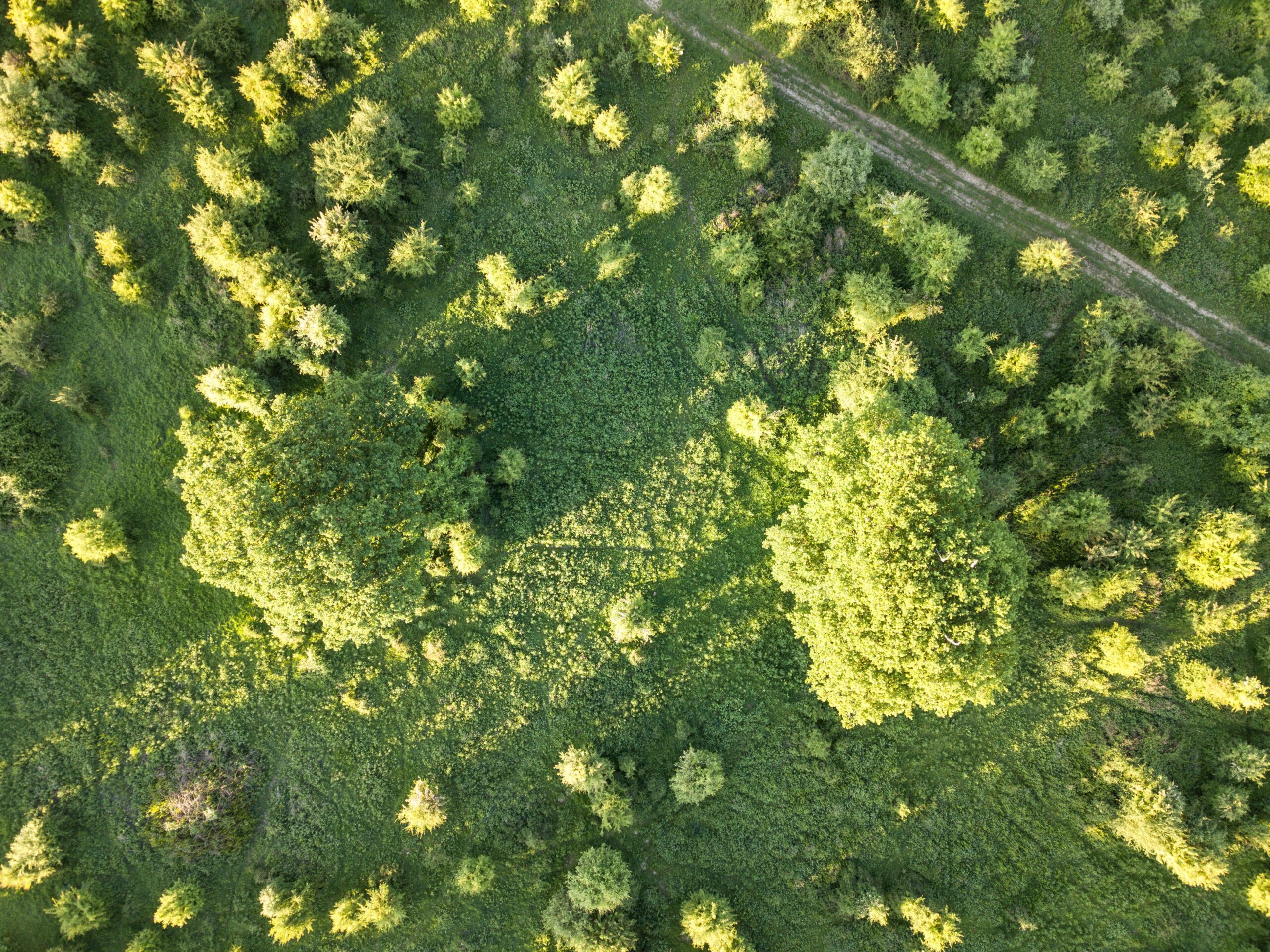
We are looking for a dedicated and experienced Project Lead to develop and deliver on a comprehensive strategy for the corridor, represent the project at regional and national levels, build up our partnership networks and manage our growing project team.
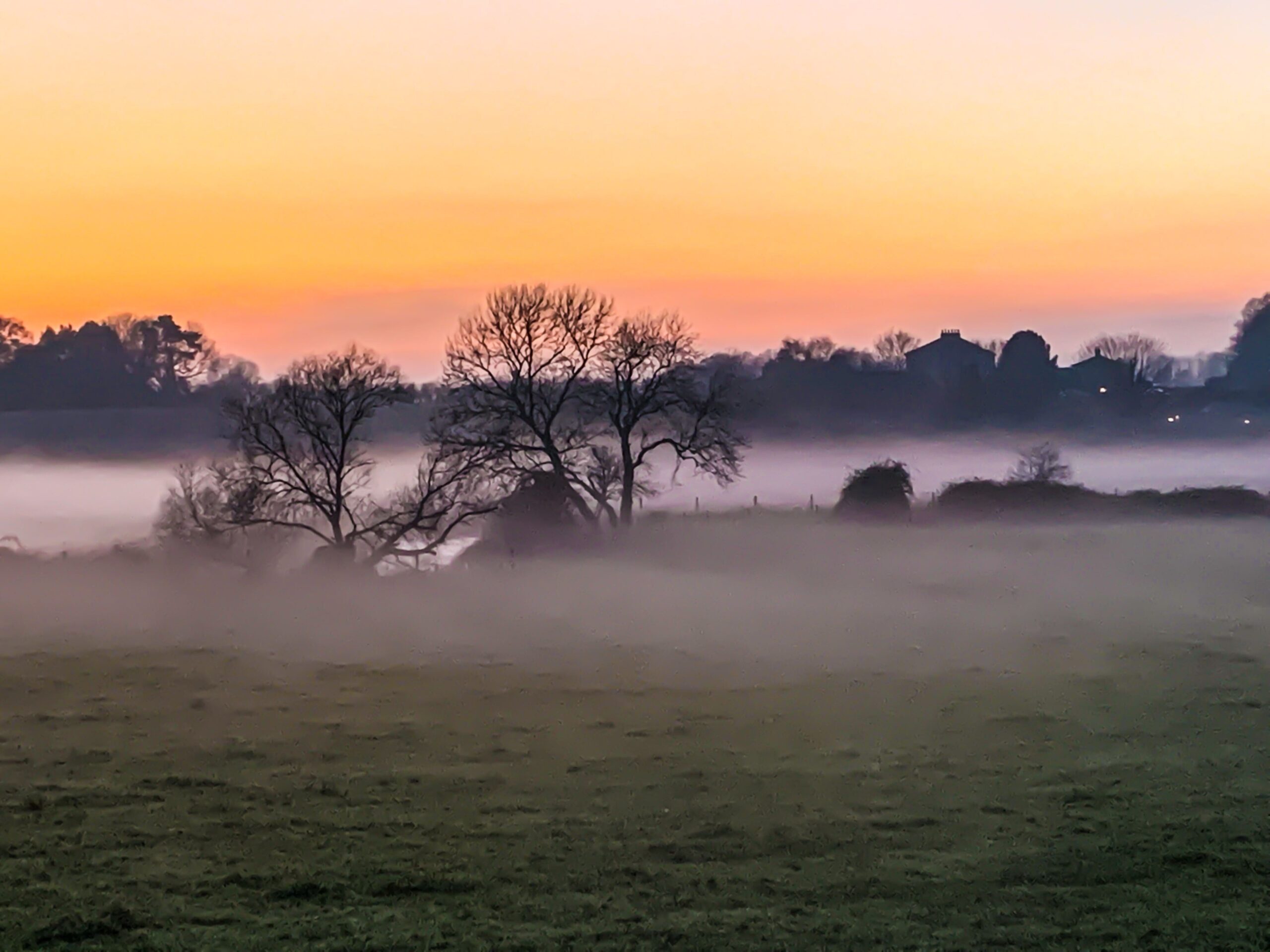
The past nine months have been a whirlwind of activity. Read a summary of the key milestones, new funding and a glimpse towards the exciting horizon
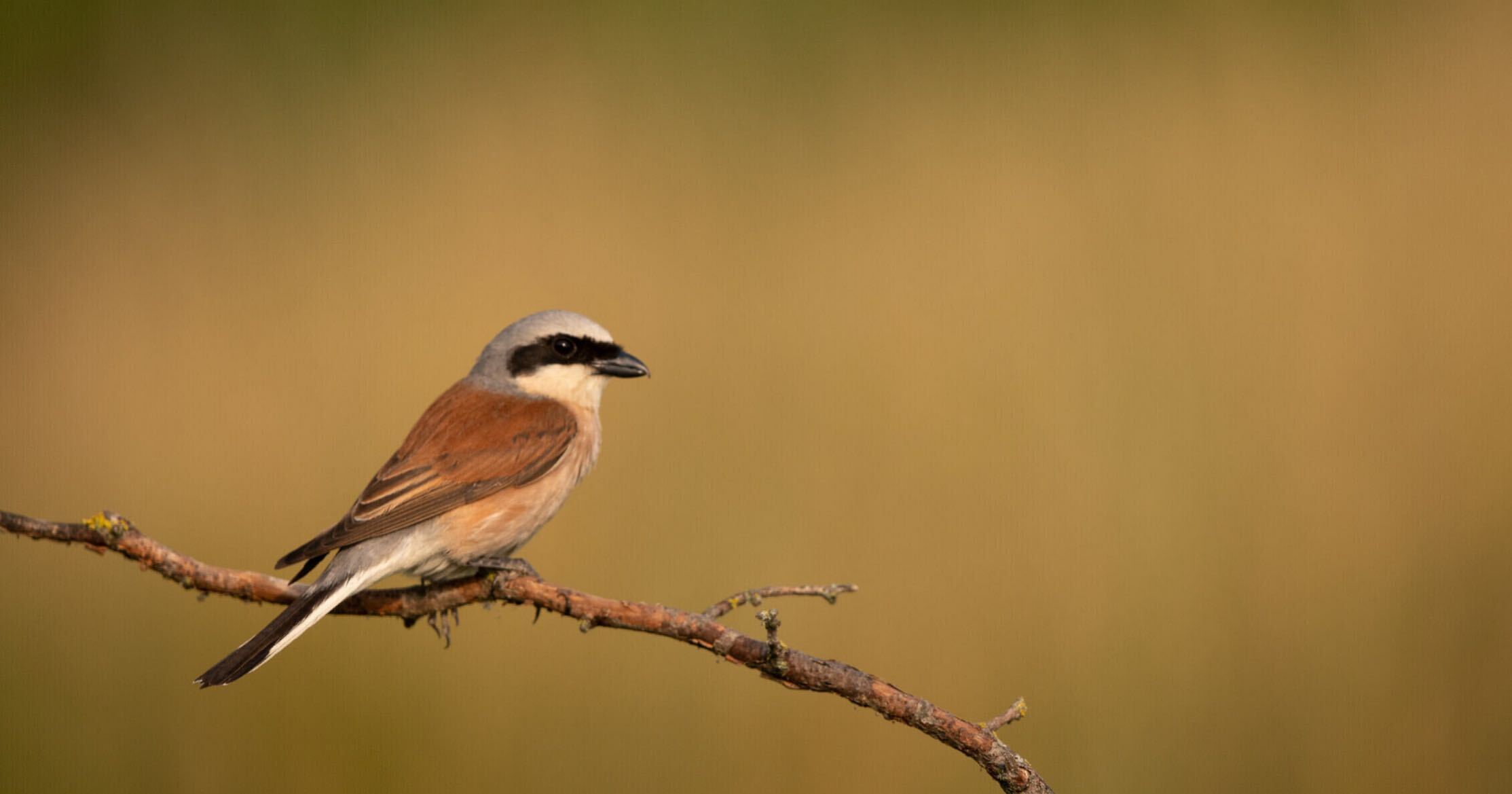
New habitat creation project receives Natural England funding
We are looking for communications volunteers to help us with community outreach and social media.
- « Previous
- 1
- 2
- 3
- 4
- Next »