A Landscape for Nesting Birds
What makes the Weald to Waves corridor so important is its remarkable diversity of landscapes. Stretching from the Sussex coast through farmland, heathland, wetlands, ancient woodland, and rolling Wealden countryside, it forms a rich and connected mosaic of habitats that supports wildlife across the region.
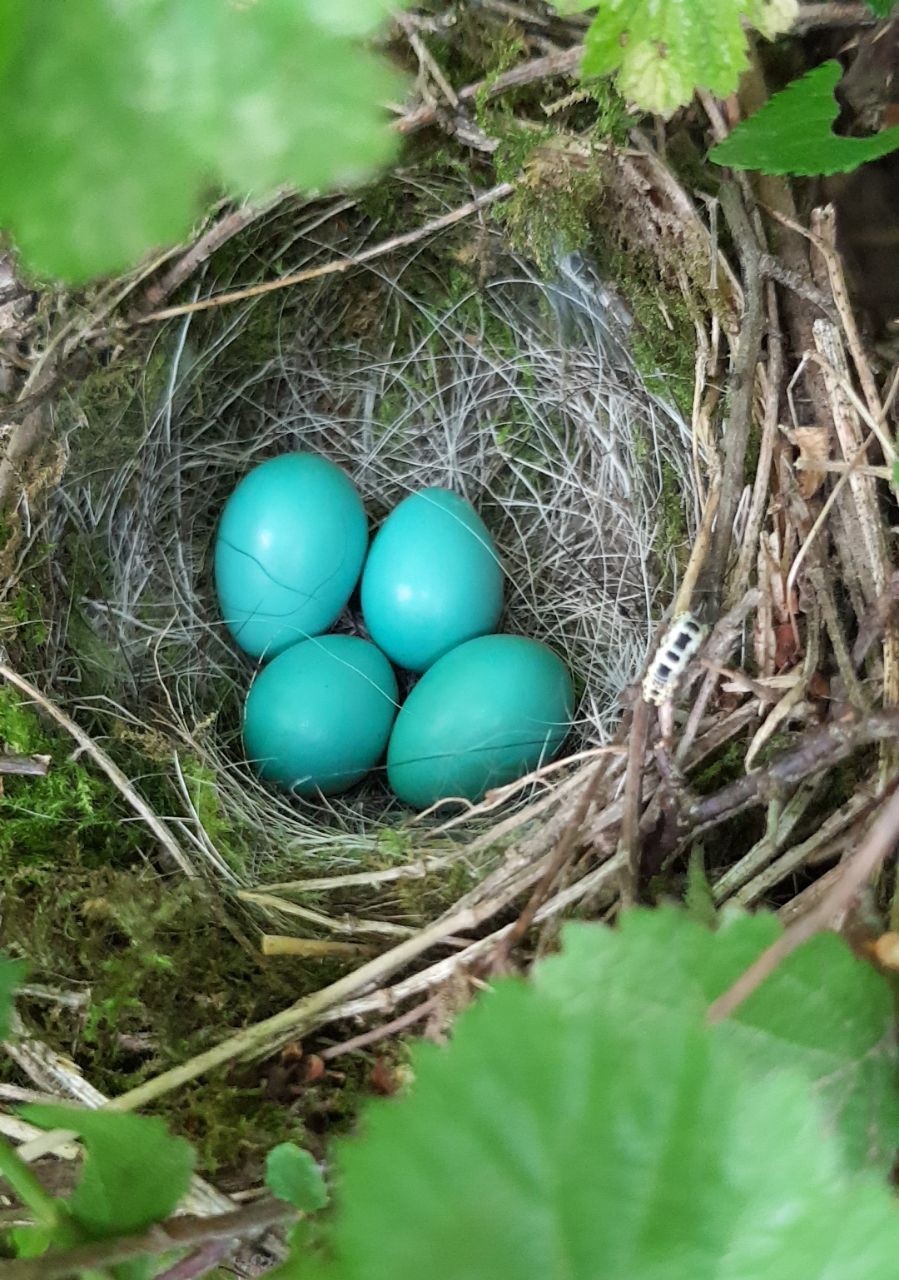
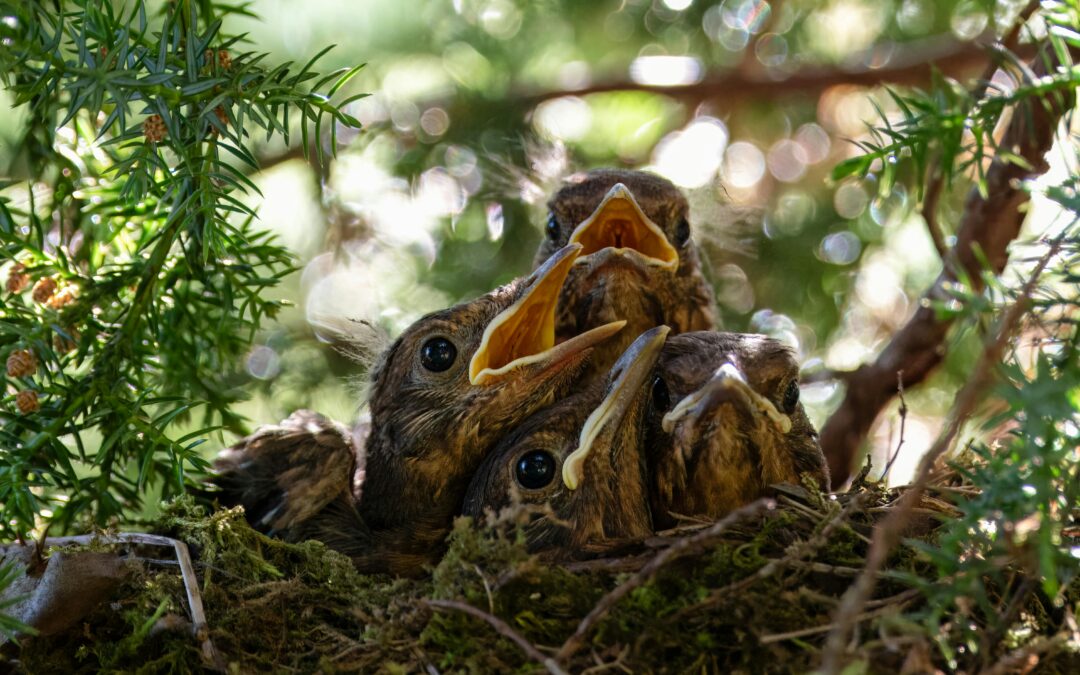
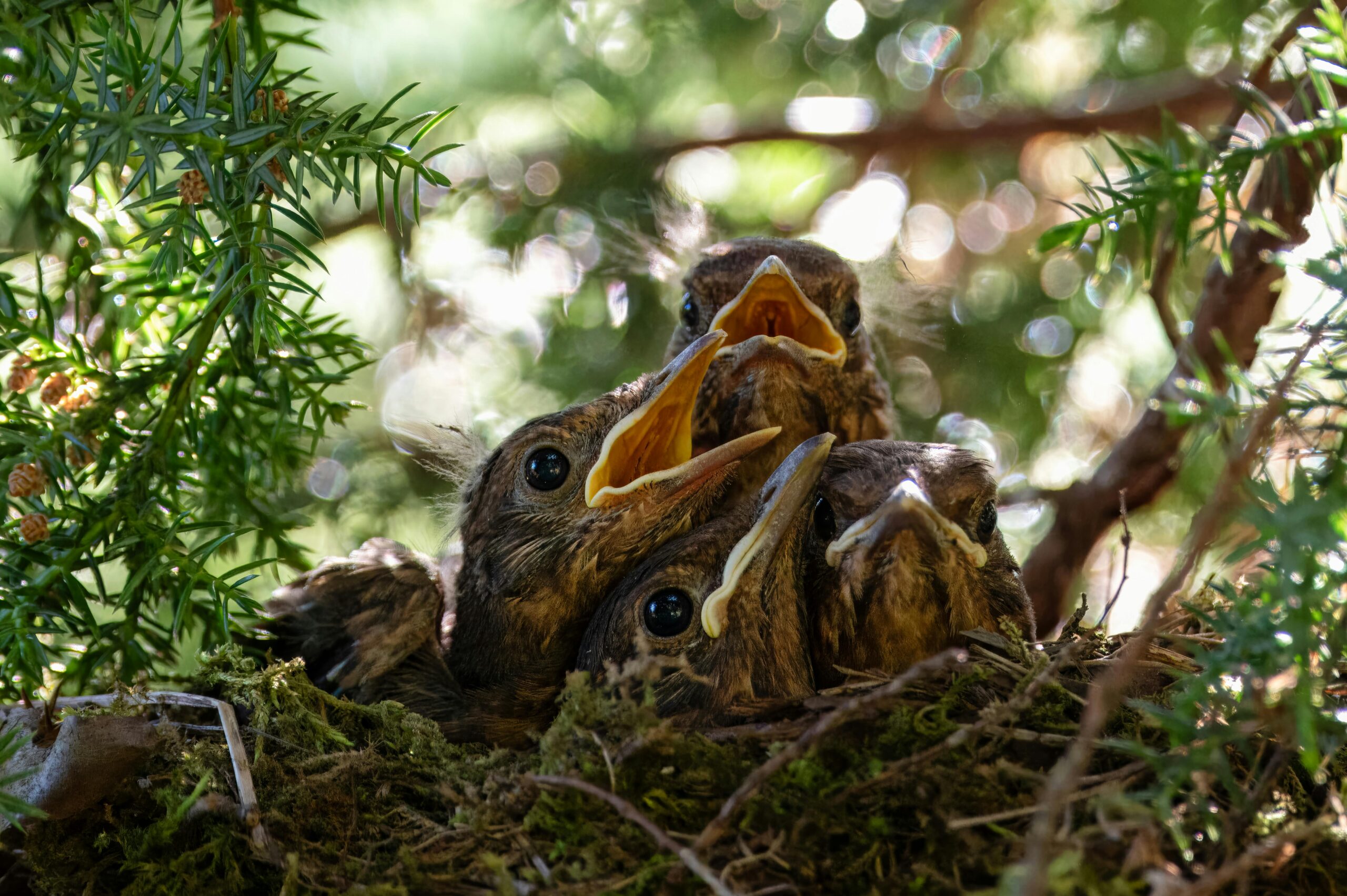
As spring reaches its peak, these landscapes become vital nesting grounds for birds. Some species rely on tree hollows in old woodland, others camouflage their eggs among coastal shingle, while many build nests deep within hedgerows, scrub, reedbeds, and rough grassland. Across the corridor, birds are now in the busiest and most vulnerable stage of their year.
The nesting season is a race against time. Nest building, egg laying, and raising chicks all take place within a relatively short window, when insects are abundant and conditions are favourable. Success depends on finding safe shelter, reliable food nearby, and enough space to raise young without disturbance.
Nesting birds on farmland
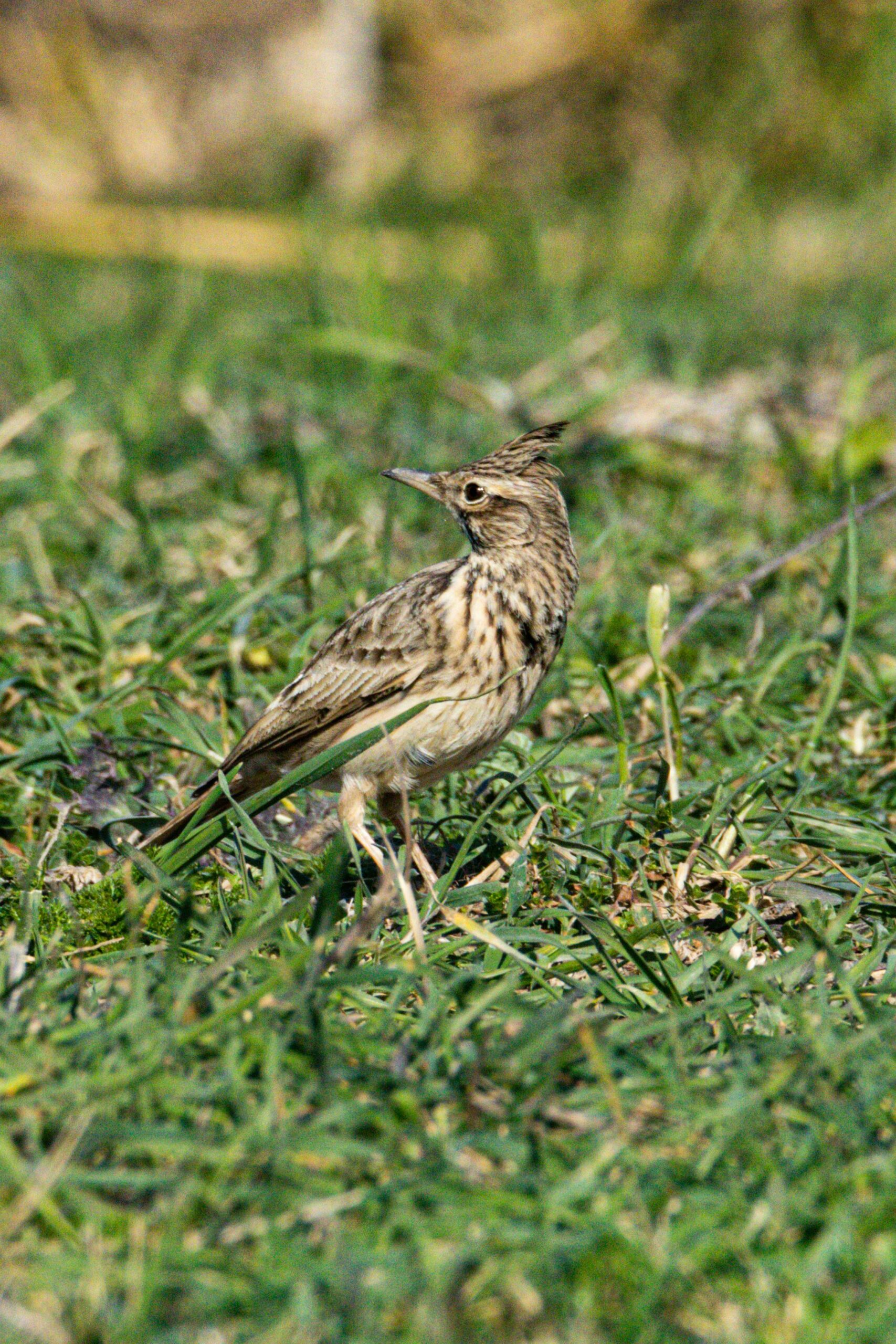
Farmland covers a large part of the Weald to Waves corridor and plays a hugely important role in supporting breeding birds. Species such as skylark, yellowhammer, linnet, lapwing, whitethroat, and barn owl all rely on a healthy farmed landscape to nest and feed successfully.
Small changes in land management can make a significant difference during the nesting season.
Hedgerows are among the most valuable features for farmland birds. Thick, well-structured hedges provide nesting cover, shelter from predators, and important wildlife corridors between habitats. Allowing hedgerows to grow slightly taller and wider, and cutting them on a rotational basis rather than every year, can improve both nesting opportunities and food availability through flowers, seeds, and berries.
Field margins and uncropped buffer strips are equally important. Leaving rough grass or wildflower edges around fields creates safe nesting areas while also supporting pollinators and the insects that chicks depend on for food. Even relatively small margins can become valuable habitat when connected across a wider landscape.
Timing is also critical. Avoiding hedge cutting, topping, mowing, rolling, or intensive disturbance between March and August helps protect active nests during this sensitive period. For many species, repeated disturbance can cause adults to abandon nests altogether.
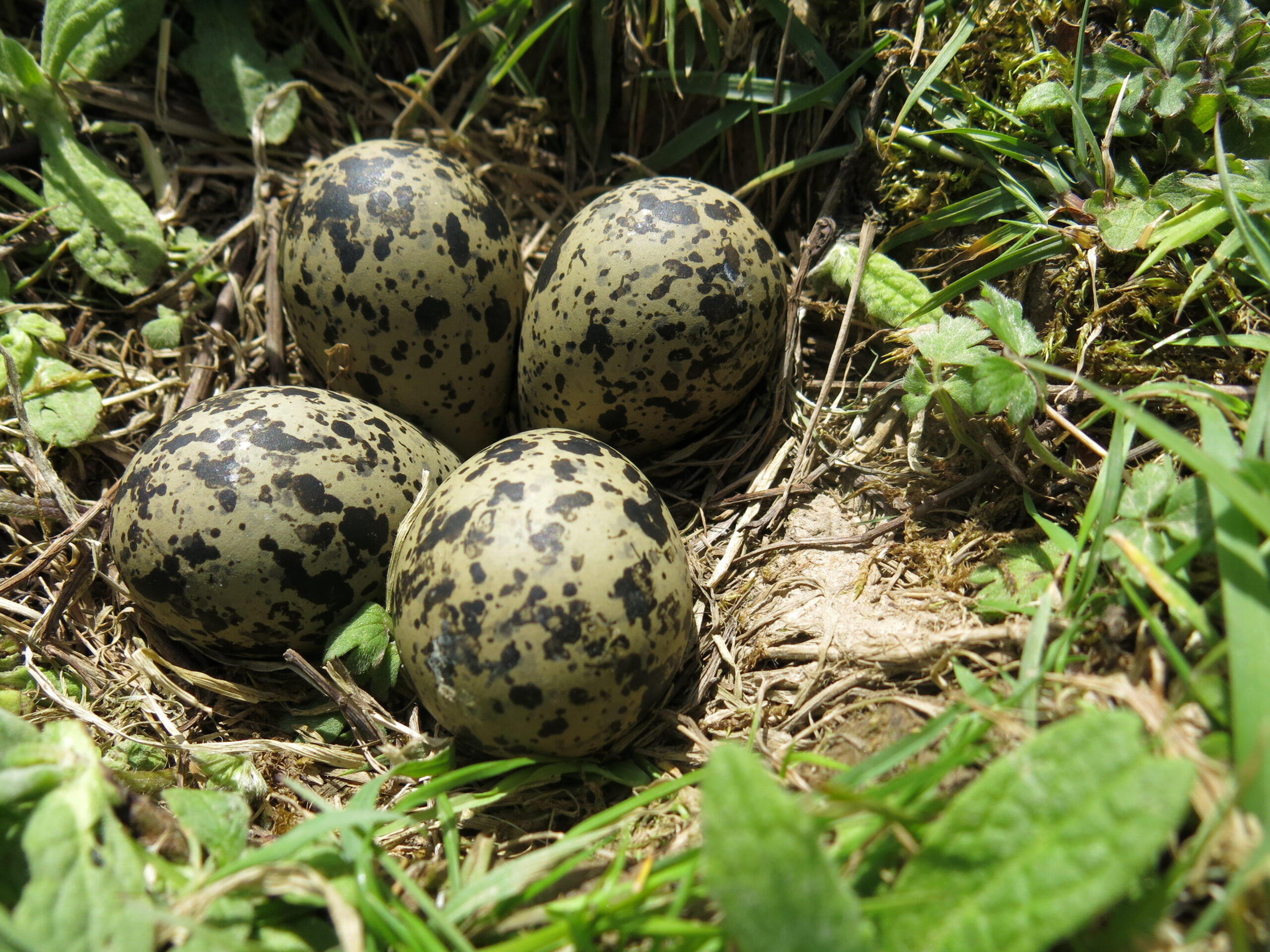
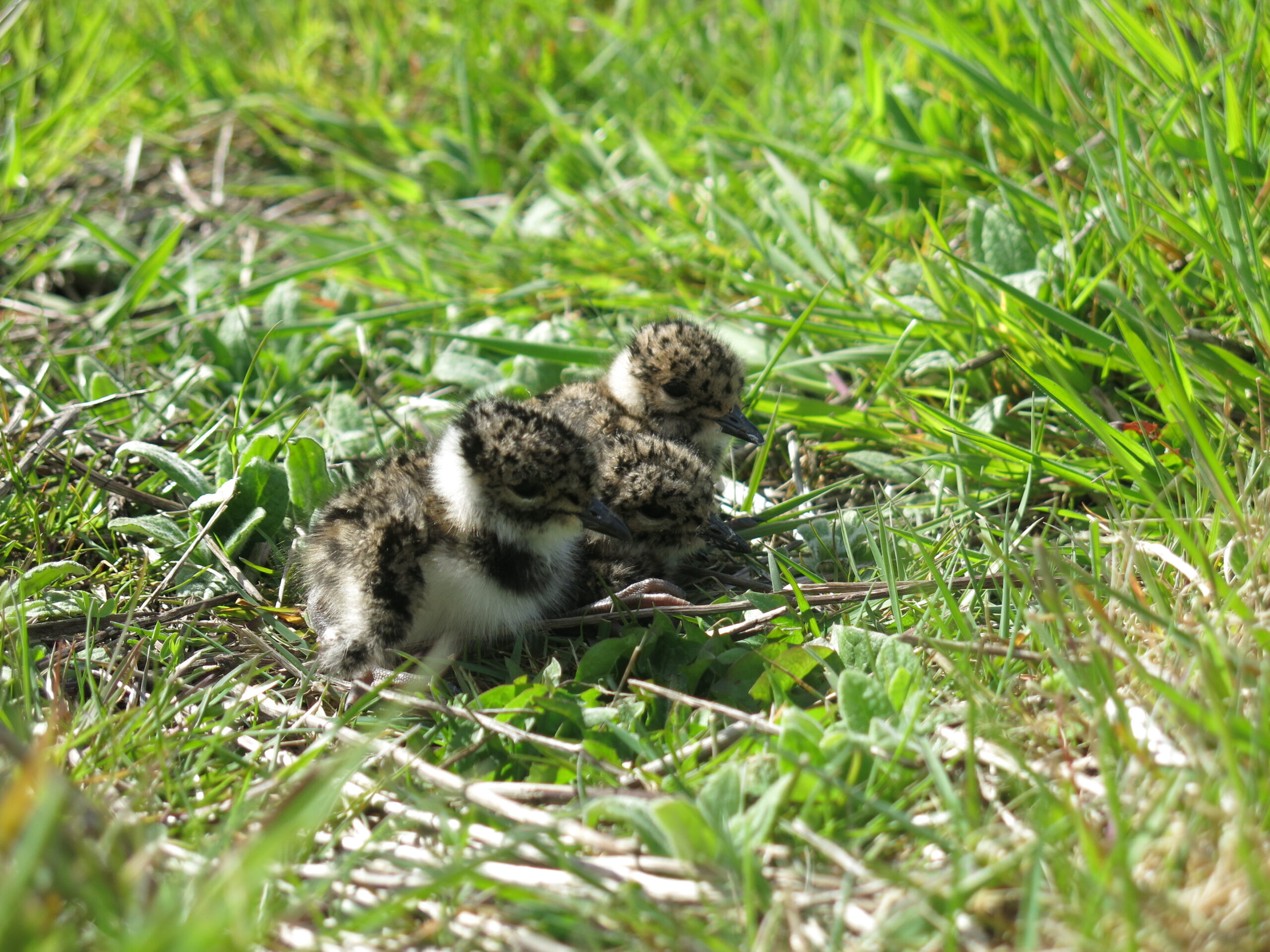
Ground-nesting birds are particularly vulnerable. Species such as curlew, skylark, lapwing, and nightjar nest directly on the ground in grassland, meadows, and arable fields, making them especially susceptible to machinery, trampling, predation, and disturbance. These birds often rely on a patchwork of habitats, including longer swards, wet grassland, bare ground, scrub edges, and lightly grazed areas. Simple measures such as leaving undisturbed corners, maintaining wet features, or varying grass height across fields can help provide the diversity of conditions these species need to successfully raise chicks.
For practical guidance on supporting breeding birds within farmed landscapes, the RSPB farmland bird advice pages include habitat management ideas and species-specific recommendations.
Nesting birds in the wider landscape
In countryside and coastal areas, simple actions from all land users can make a big difference during the breeding season.
Ground nests are often incredibly difficult to spot, particularly in heathland, grassland, and coastal habitats where birds rely on camouflage for protection. A nest may be only a few centimetres from a path and remain completely invisible until disturbed.
Sticking to marked footpaths helps reduce accidental disturbance in sensitive areas, particularly where rare or declining species are known to breed. Keeping dogs on leads or under close control is equally important during spring and early summer. Even brief disturbance can cause adult birds to leave nests unattended, exposing eggs or chicks to predators and harsh weather conditions.
Coastal habitats are especially sensitive at this time of year. Shingle beaches and dunes may appear empty, but species such as little tern and ringed plover often nest directly on open ground, relying almost entirely on camouflage to protect their eggs.
By giving wildlife space during this critical period, we help ensure breeding success across a wide range of habitats.
Nesting birds in your garden or greenspace
You can also encourage and protect nesting birds in your garden, local greenspace, or balcony. Dense shrubs, hedges, climbers, and native plants all provide shelter and safe nesting sites. Species such as robins, wrens, blackbirds, and house sparrows will readily nest in ivy, honeysuckle, hawthorn, and thick garden hedges where they can find protection from predators and bad weather.
Avoiding heavy pruning during spring and summer can help prevent accidental disturbance to active nests. Leaving part of the garden slightly wilder, with longer grass, leaf litter, log piles, or undisturbed corners, also creates valuable habitat for insects and other invertebrates that parent birds rely on to feed their chicks.
Providing a shallow source of water, planting native flowers, and reducing pesticide use can all help increase insect abundance during the breeding season. Nest boxes can also provide important additional nesting spaces where natural cavities are limited, especially in urban areas.
Importantly, gardens work best when they form part of a connected network. A single wildlife-friendly garden may seem small, but together, gardens across towns and villages can create valuable stepping stones for birds moving through the wider landscape.
For more practical seasonal advice explore our Actions for Nature Tool.
Whether you manage a farm, care for a garden, or simply enjoy spending time outdoors, small actions during nesting season can have a lasting impact. By giving birds the space, shelter, and food they need to raise their young, we can help ensure the Weald to Waves corridor and the wider landscape remains alive with birdsong for generations to come.