
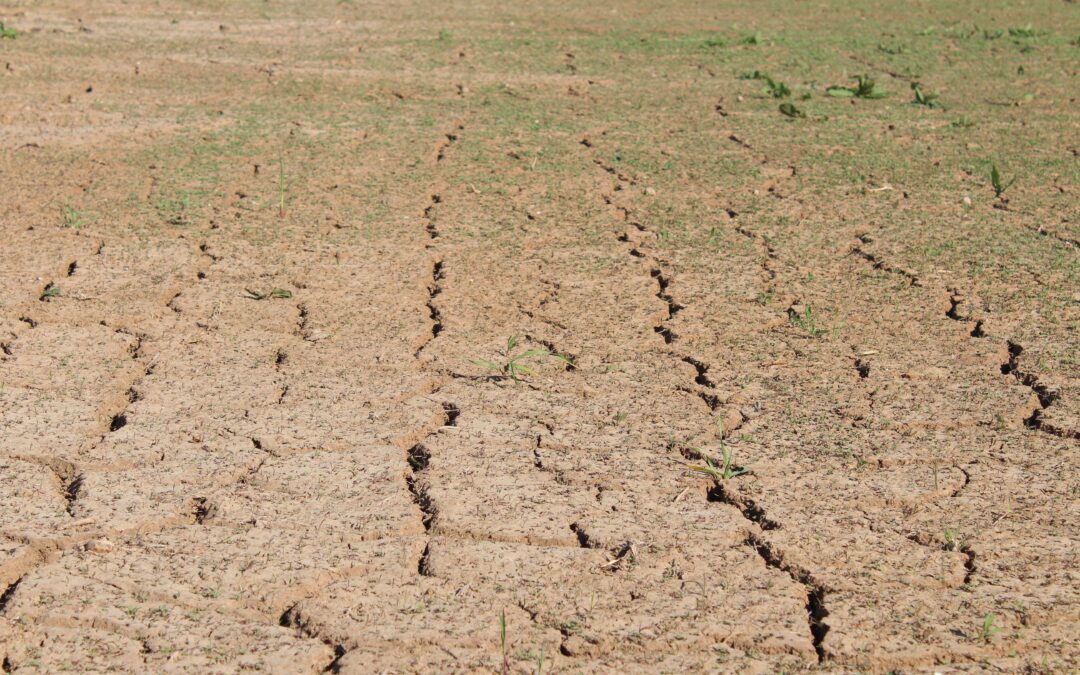
New Drought Support Announced for Farmers
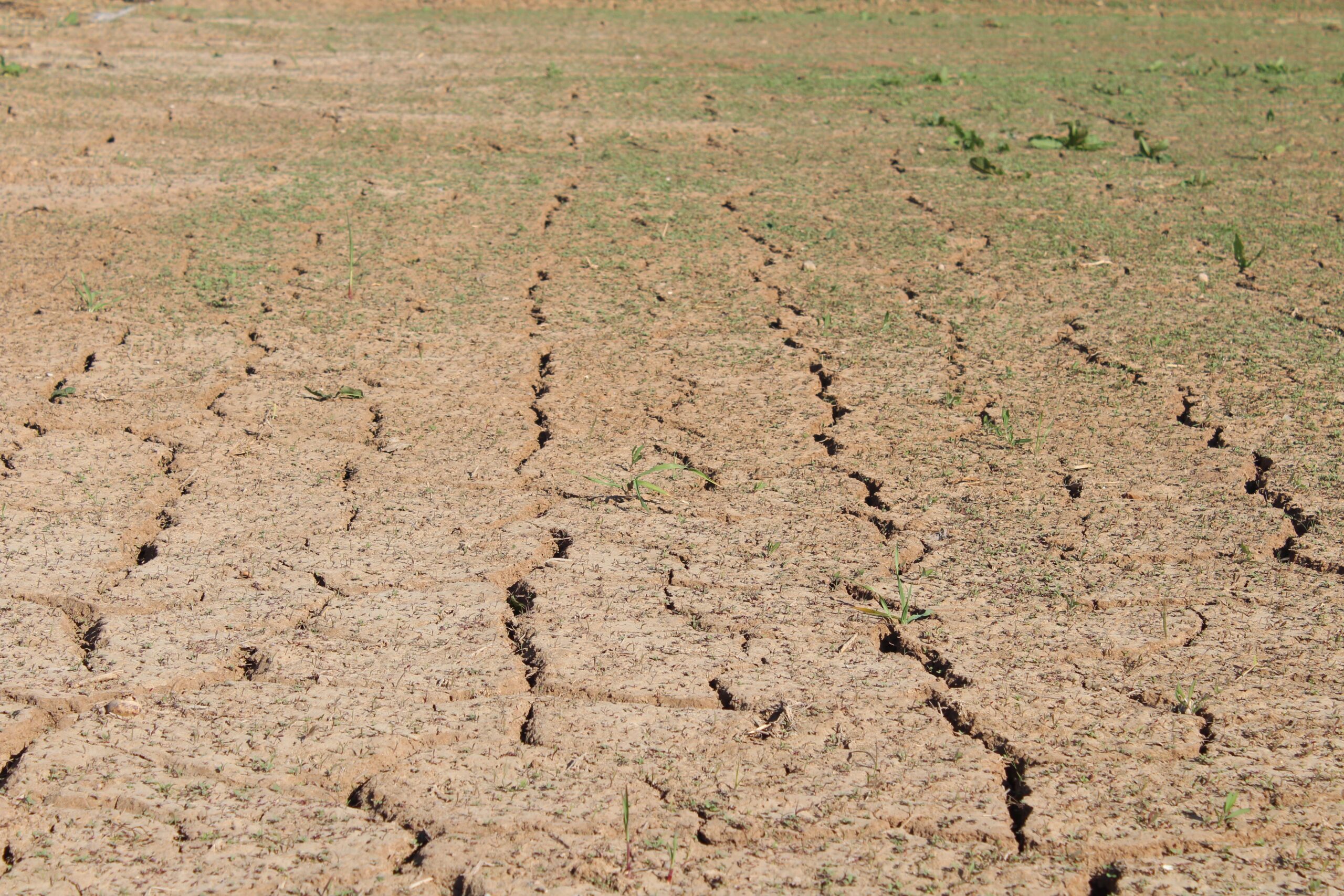
Following the exceptionally dry conditions this summer, the government has announced a new package of support to help farmers manage the immediate impacts of drought while improving the resilience of their businesses for the future.
The measures include temporary flexibility within Environmental Land Management (ELM) agreements, an additional £50 million for the Sustainable Farming Incentive (SFI), up to £15 million for on-farm water storage, and changes designed to make accessing and storing water easier.
Here’s what farmers and land managers need to know.
Temporary adjustments to agri-environment agreements
Temporary adjustments have been introduced for farmers and land managers with ELM revenue agreements, including:
- Sustainable Farming Incentive (SFI)
- current Countryside Stewardship Higher Tier
- legacy Countryside Stewardship, including Mid Tier and Higher Tier
- Higher Level Stewardship under Environmental Stewardship
The adjustments are optional and are intended to give agreement holders more flexibility where drought is making it difficult to meet their usual agreement requirements.
They are available where the Environment Agency has declared a county to be in drought or prolonged dry weather. As of August 15th, all counties in England met this criterion. The adjustments will generally remain available until the Environment Agency returns the relevant county to normal status.
Importantly, using these temporary adjustments will not affect payments under an ELM agreement.
Cutting and grazing
Restrictions are being temporarily relaxed so that land within agreements can be cut or grazed where needed to help address shortages of grazing, fodder, forage crops and bedding.
This includes greater flexibility around cutting buffer strips. However, material cut under these temporary arrangements should be used to address drought-related shortages rather than being cut for commercial profit.
For some actions involving arable reversion to grassland and intensive grassland management alongside watercourses, grazing will be permitted until October 31st.
Creating firebreaks
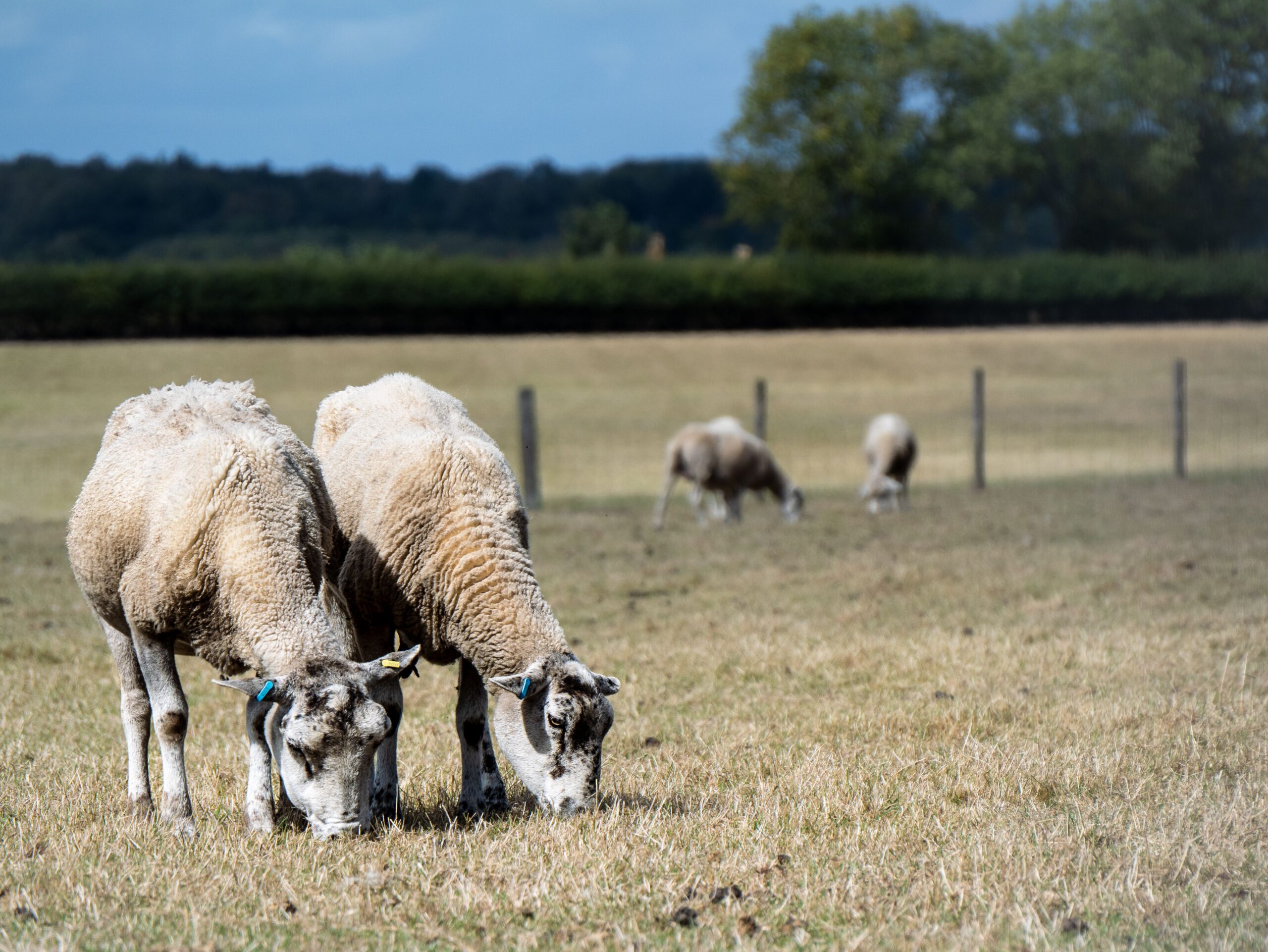
With prolonged dry weather also increasing the risk of wildfire, farmers can create firebreaks on eligible land within agreements where this is necessary to protect people, animals, crops and infrastructure.
This involves creating gaps in vegetation to reduce the amount of combustible material available to a fire. Where possible, firebreaks should be around three times the height of the nearest vegetation.
This flexibility is intended for situations where there is a genuine wildfire risk, for example where a fire is approaching or important infrastructure needs protecting. It applies to eligible land below the moorland line and outside priority habitats.
Remember that actions will need to be reinstated once the temporary adjustment ends. This is worth considering before making changes to features that may be particularly expensive or difficult to re-establish.
More time to establish ELM actions
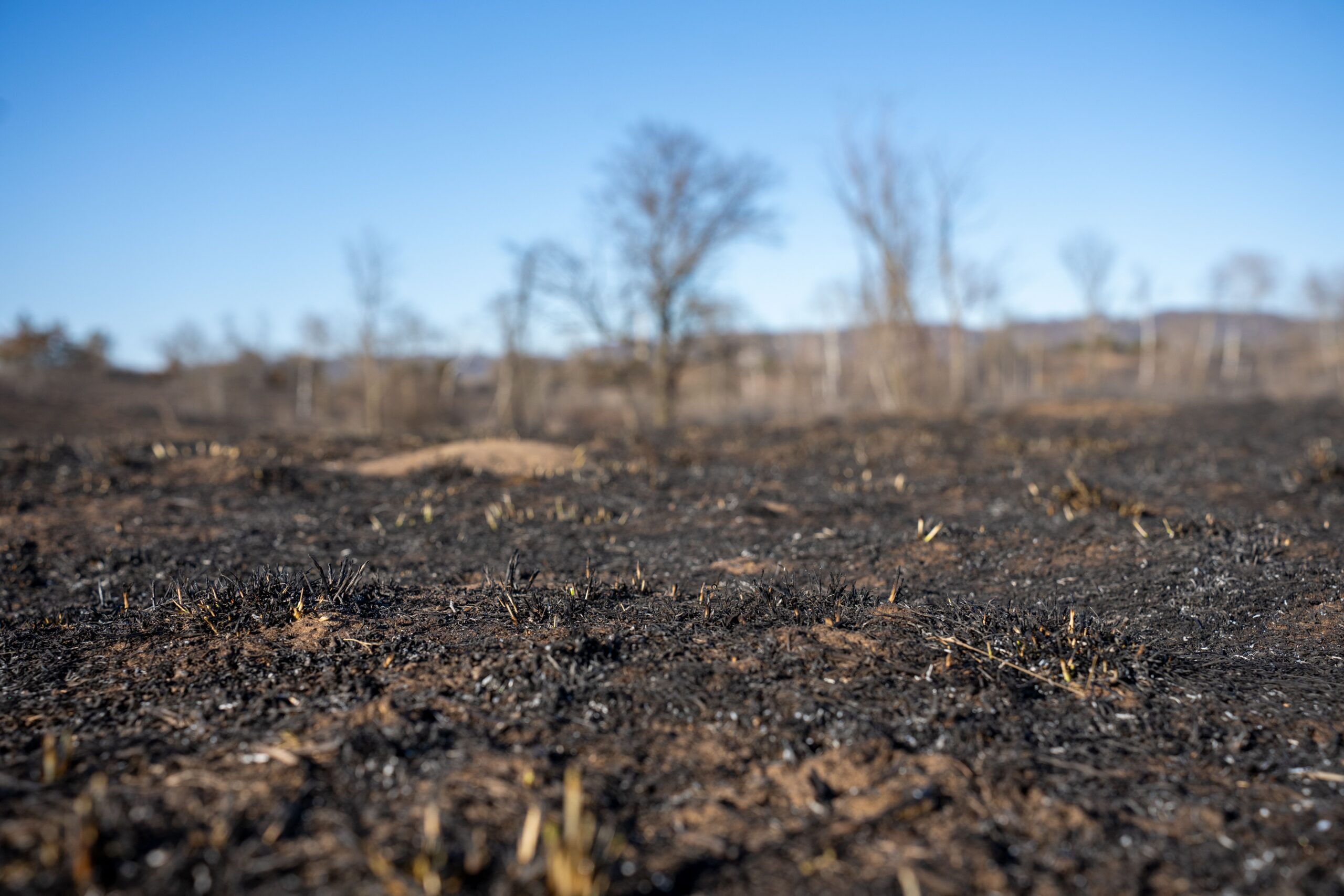
Farmers are also being given additional flexibility where drought has prevented seed mixes and other ELM actions from establishing successfully.
Where possible, establishment can be attempted again later in the summer or autumn, with re-sowing permitted up to and including September 30th where the relevant temporary adjustment applies.
An extra £50 million for SFI 2026
The government has also announced an additional £50 million for SFI 2026 Window 2, bringing the total budget for new SFI26 agreements to £290 million.
Window 2 is due to open to all farmers and land managers in September.
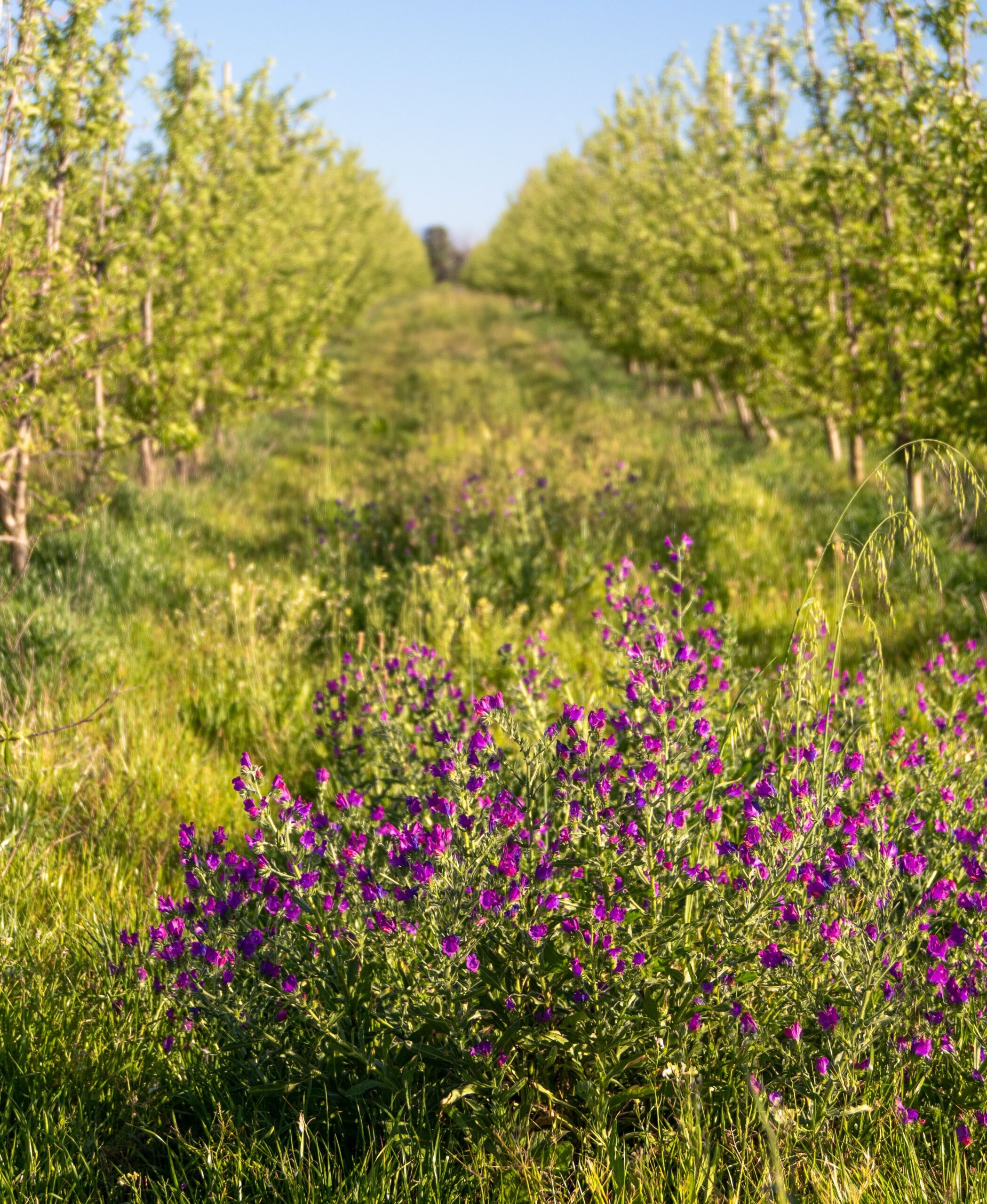
As well as providing an additional income stream, a number of SFI actions can contribute to longer-term drought resilience. Practices such as cover cropping and minimising soil disturbance through no-till can improve soil health, increase organic matter and help soils retain more moisture.
Other measures, including buffer strips and diverse or herbal leys, can also form part of a more resilient farm system while creating valuable habitat and helping nature move through the landscape.
For farms within the Weald to Waves corridor, this is a useful opportunity to consider where actions that improve farm resilience can also strengthen connectivity for wildlife.
£15 million for on-farm water storage
The Water Management Grant is also being reopened, with up to £15 million available.
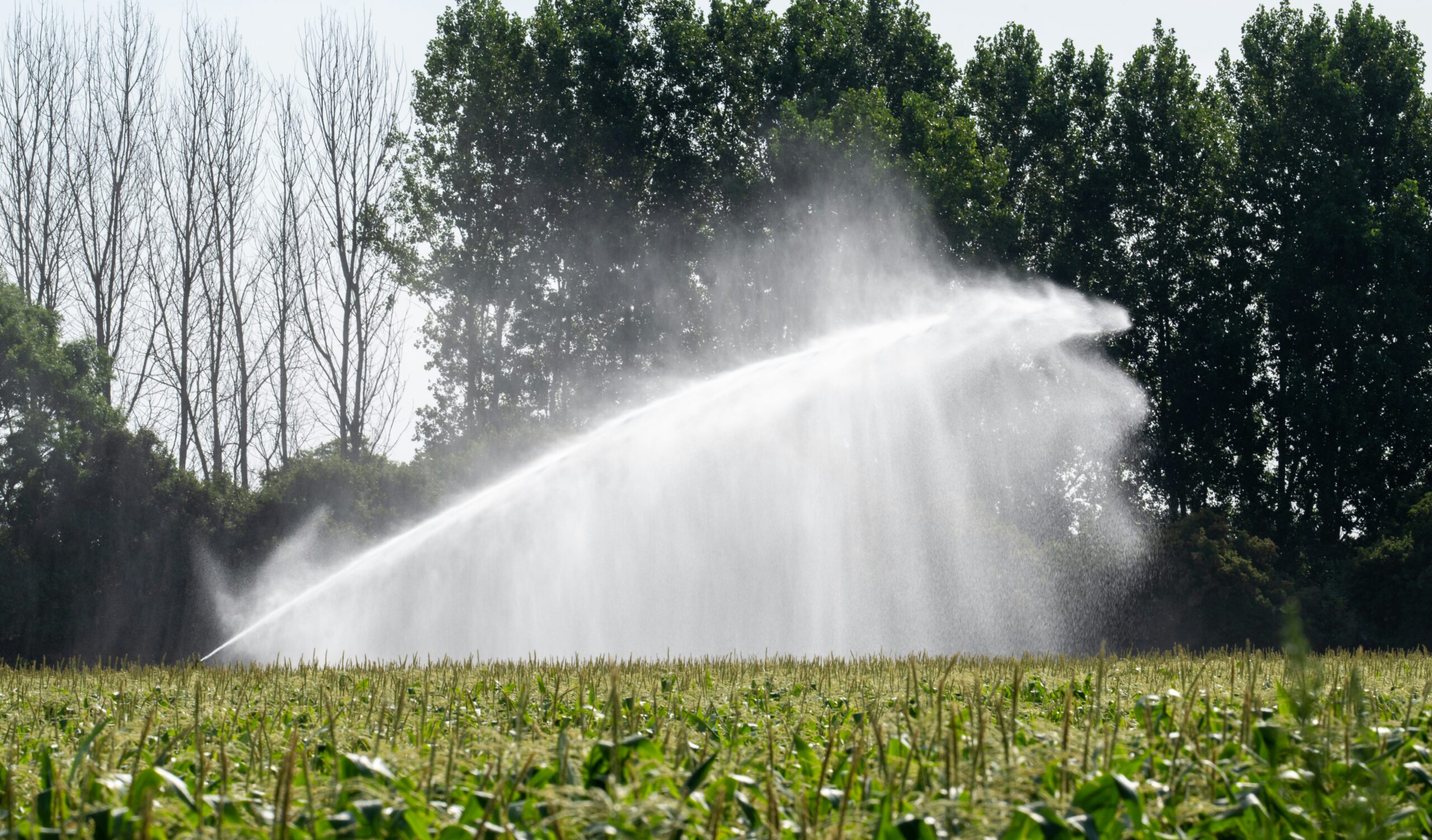
The grant is expected to open in the autumn and will focus on water storage for crop irrigation, particularly supporting the arable and horticultural sectors.
Funding is intended to help farms improve their ability to store water when it is available and use it during dry periods, reducing vulnerability to future droughts.
The wider Water Management Grant supports investment that can make water application more efficient, secure water supplies and improve farm resilience, including investment in on-farm reservoirs and associated infrastructure. Farmers considering an application should check the detailed eligibility and funding rules when the new round opens.
Making farm reservoirs easier to develop
Alongside the grant funding, the government has announced measures intended to reduce barriers to creating on-farm reservoirs.
Updated planning guidance for on-farm reservoirs is expected in September, while Defra and the Ministry of Housing, Communities and Local Government will review whether further planning reforms could help farmers develop the infrastructure needed for food production.
This could make investment in water storage a more practical option for farms looking at their long-term resilience to increasingly frequent periods of dry weather.
More flexibility around abstraction licences
The Environment Agency can also provide temporary regulatory flexibility to farmers with abstraction licences during periods of extreme dry weather.
Depending on local water availability and environmental conditions, this can include:
- extending abstraction seasons
- allowing reservoirs to be refilled earlier
- trading water rights between licence holders
- joining licences to provide greater flexibility over where water can be used
- moving or adding abstraction points
- increasing licensed quantities where water is available
Farmers concerned about their water supply are encouraged to contact the Environment Agency as early as possible. Requests are considered individually and must take account of impacts on the environment and other water users.
From September, the Environment Agency is also expected to simplify the application process for long-duration abstraction licences associated with reservoirs, with the aim of making long-term investment in water storage easier.
For full details on the new drought support measures, including eligibility and how farmers can benefit, visit the Defra Farming Blog