
Taking Action for Nature This Winter
Winter in our gardens and greenspaces can seem quiet. Many species are migrating to warmer countries, settling into hibernation or lying dormant until spring returns. It is easy to feel that we can hang up our gardening gloves for the year, place our tools back in the shed, and wait for things to become lively again.
In reality winter is a critical season for wildlife, and far more is happening than we might expect. Thousands of birds arrive in the United Kingdom in search of food to refuel after long migrations. Mammals and reptiles begin looking for safe places to hibernate. Insects search for shelter and protection from predators. A little winter preparation can make a real difference for these species, and it also sets you up for a rewarding spring.
Here are some Actions for Nature you can take during the colder months.
1. Create leaf and log piles
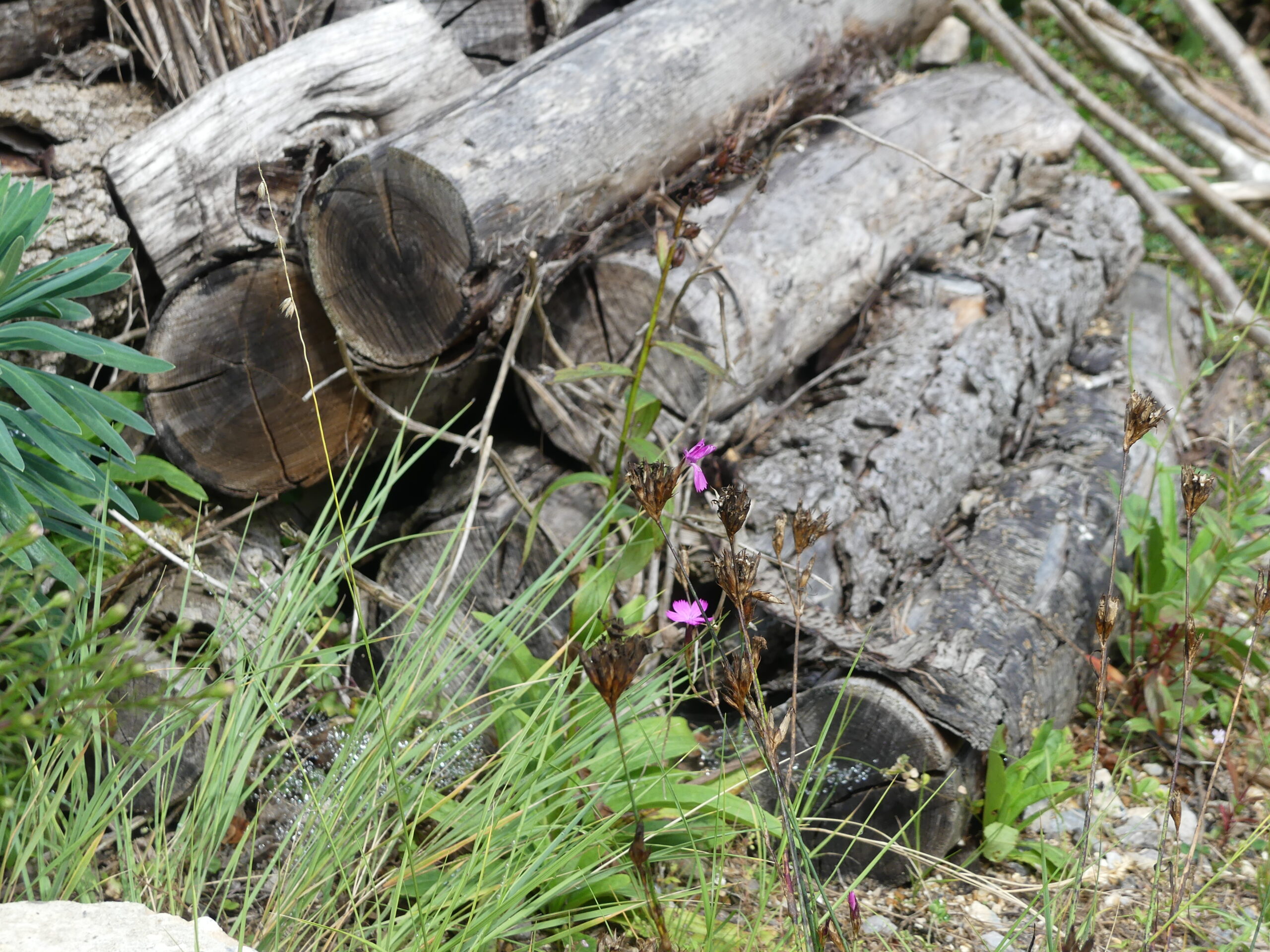
Fallen leaves and deadwood create valuable habitat, and they can be added to any garden or greenspace whatever its size. They offer warmth, shelter and food for a wide range of wildlife and they also help return nutrients to the soil.
When leaves fall in your garden use a rake to gather them into a pile in a quiet corner. Avoid power tools because they can cause significant harm to insects and their homes. Stack deadwood or fallen branches in both sunny and shady places so you create a variety of habitats. These piles do not need much room and can easily sit along the edges of your garden or tucked beneath benches.
2. Leave seed heads and stems
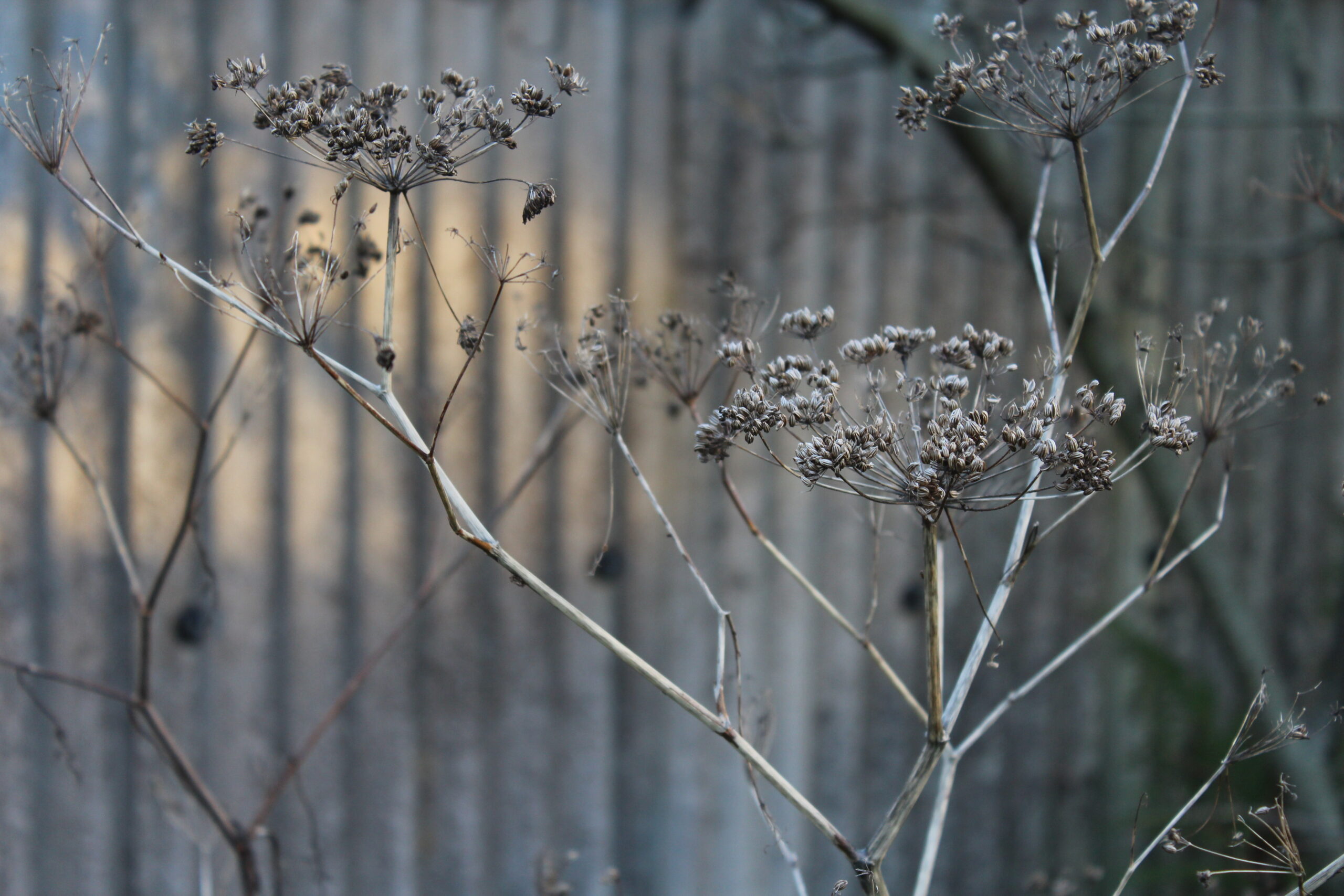
Save yourself some work this winter by keeping hollow stems and seed heads intact. They provide an important food source for birds such as goldfinches, and they also offer shelter for insects and other invertebrates that are settling in for the colder months. Many stems will be hiding the next generation of pollinators in the form of overwintering larvae, ready to emerge as temperatures rise in spring. The stems also offer habitat for spiders and predatory insects that help keep garden pests in balance.
Keep stems off the ground by propping them up with a cane or tying them together, so they stay dry. They can also double as natural supports for other plants in your garden, giving you practical structure as well as valuable habitat.
3. Leave berries for birds
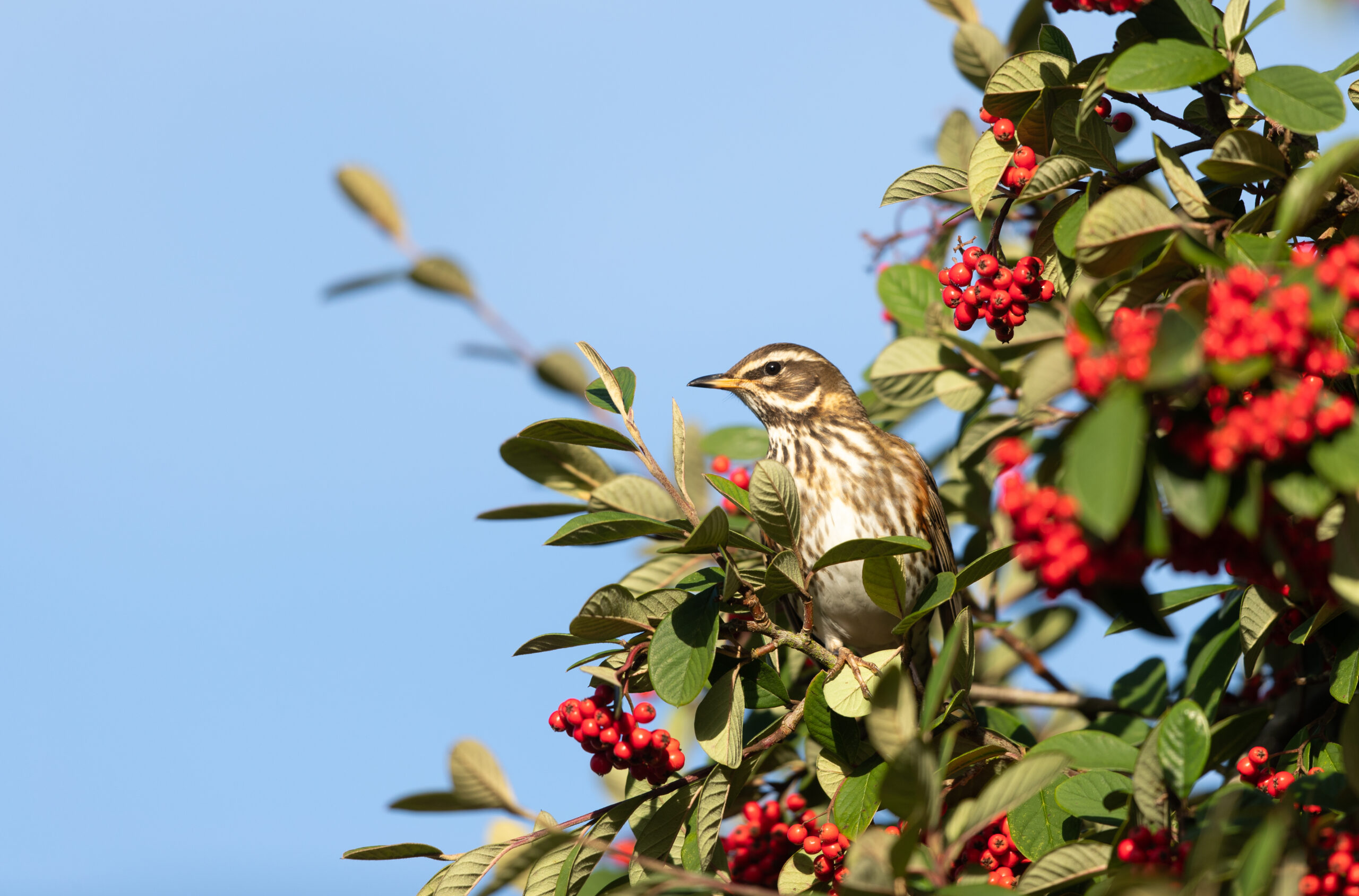
Many people enjoy putting out supplementary bird food in winter, although growing evidence suggests that heavy reliance on feeders can negatively affect some species by encouraging the spread of disease, altering natural behaviour. Creating natural food sources is a simple and effective alternative. It supports birds in a more balanced way and brings a wider range of species into your garden.
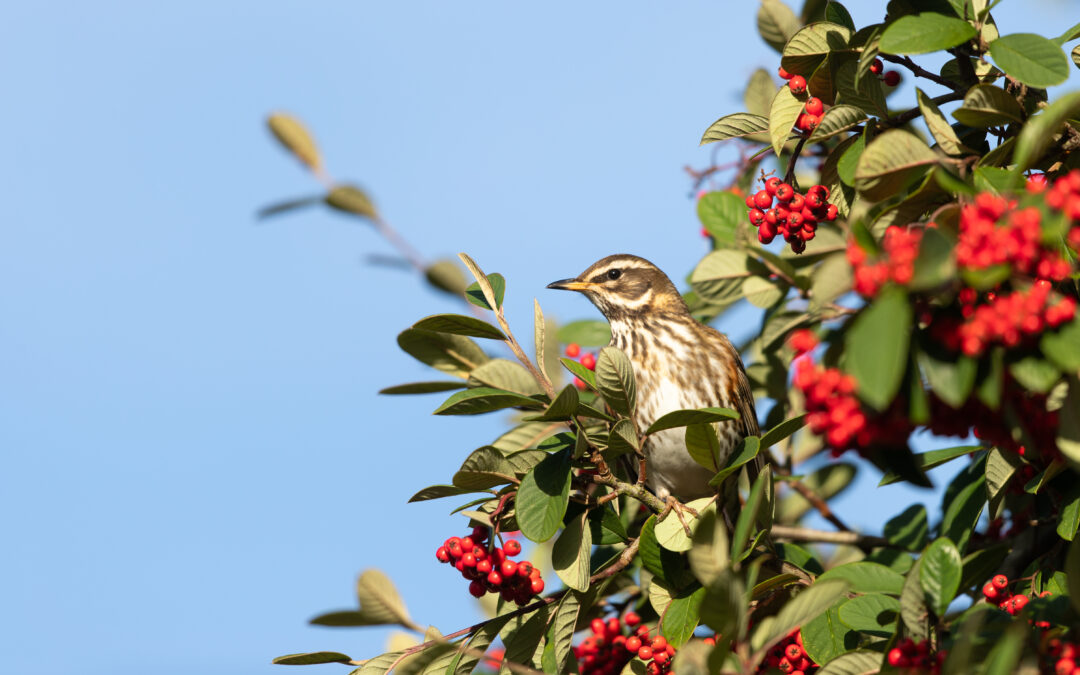
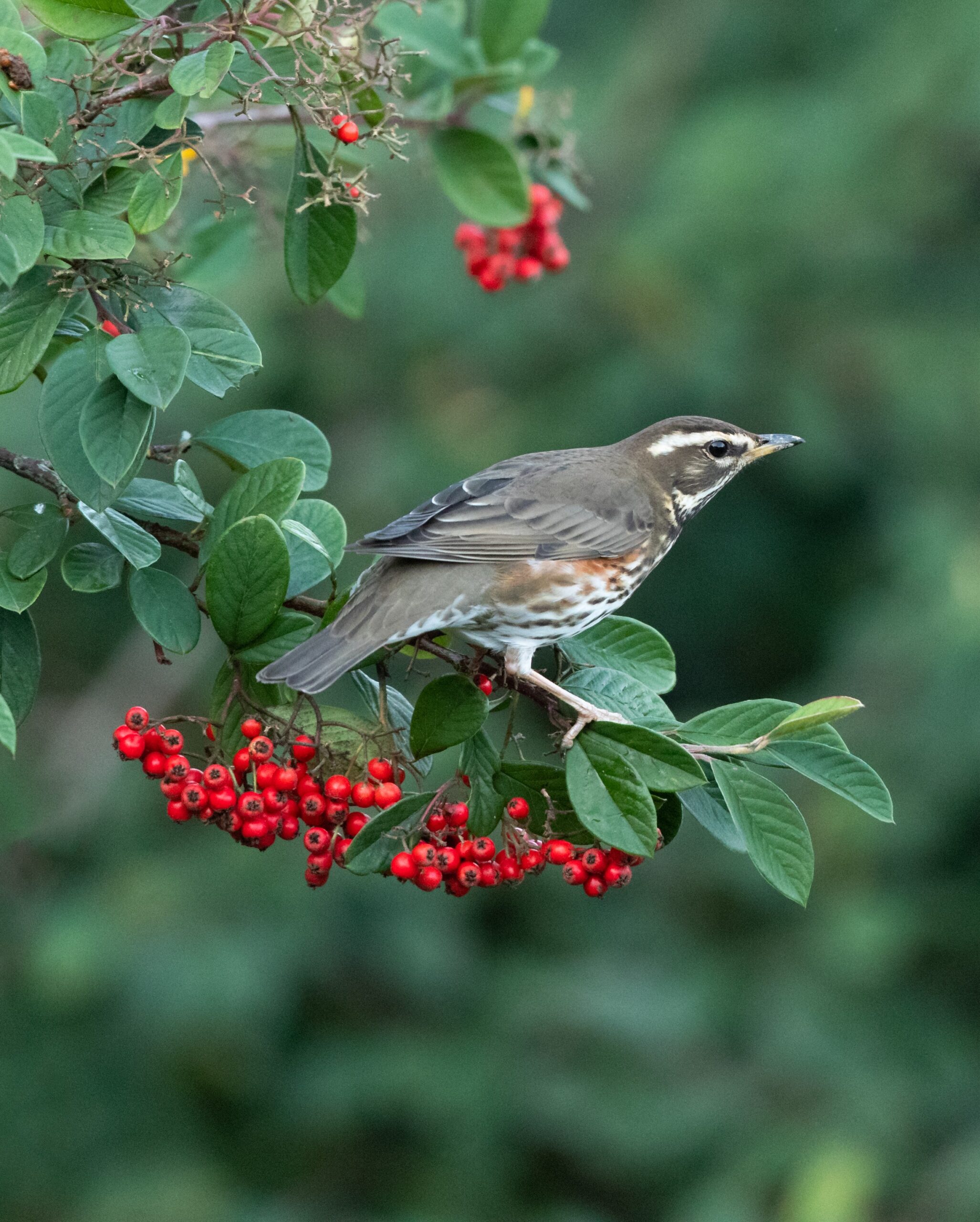
Berry producing trees and shrubs are especially valuable because they offer high energy food right when birds need it most. Rowan and hawthorn provide bright clusters of berries that thrushes, blackbirds, fieldfares and redwings rely on through autumn and early winter. Holly berries often ripen later in the season, giving birds a boost in mid-winter. Ivy fruits at a time when natural food is at its lowest, offering a vital source of nourishment when very little else is available. If you have these plants in your garden or greenspace, try to resist pruning them back until late winter or early spring.
4. Start to plan a pond
Winter is the perfect time to plan ahead, and adding a pond is one of the most valuable actions you can take for wildlife. A pond provides food, shelter and breeding habitat for a wide range of species, from amphibians and aquatic invertebrates to visiting birds and mammals.
If you already have a pond, you can increase habitat diversity by adding an additional pond, creating a bog garden, or building an ephemeral pond that fills and dries with the seasons. Even in small spaces, you can make a big difference. For example, a hoverfly lagoon is a miniature pond that provides vital resources for pollinators and fits into the tiniest of gardens.
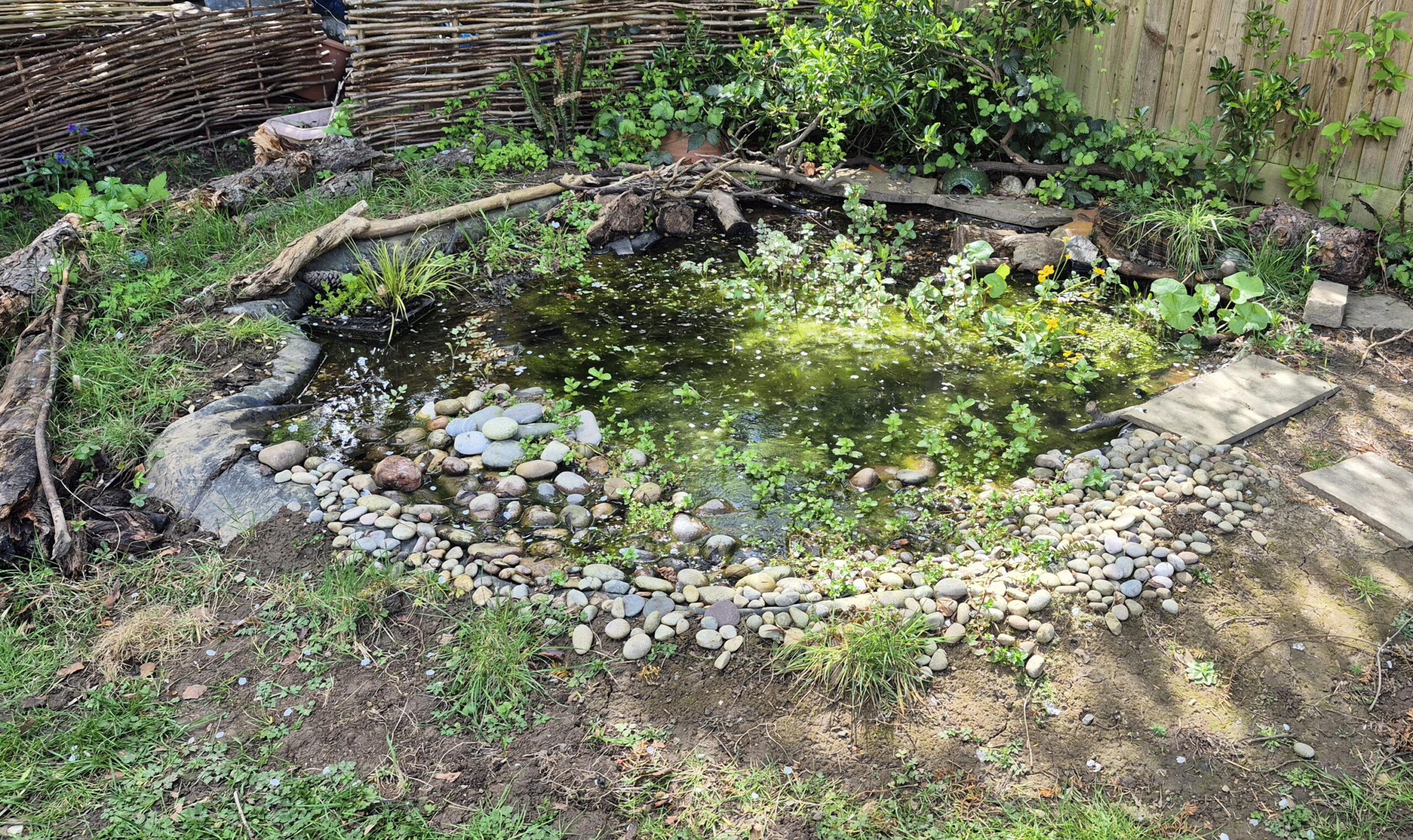
Use the winter months to carefully plan the location, size, design and type of pond. Consider sun exposure, tree cover, planting around the edges, and how water will move through the area. With some advanced research and planning, when spring arrives, you will be in a great position to start creating a thriving wildlife haven that will evolve across the seasons.
Find out more
If you want to read more about these actions for nature or what else you could do in your garden or greenspace, our Actions for Nature tool is available in the members area of our website. This free tool provides expert guidance on starting or enhancing wildlife features, practical resources to support your efforts, and a way to track your actions. Whether you are just beginning your gardening journey or looking to expand an established space, there are plenty of actions to choose from. If you live in Sussex, join our growing community by signing up to Gardens and Greenspaces to access resources and help us join the dots for nature!