Creating a corridor for nature
We are establishing a 100-mile nature corridor across Sussex, connecting fragmented landscapes to boost biodiversity, capture carbon, enhance food production, and enrich the rural economy.
Photo by Charlie Burrell
Nature cannot survive in fragments
We are a network of farmers, land managers, councils, researchers, wildlife charities, schools, gardeners and community groups.
Together we are establishing a nature recovery corridor from the High Weald to the Sussex coast and revived seas, encompassing over 20,000 hectares of contiguous habitat.
Our Mission
We are creating a nature recovery corridor across Sussex, forging vital connections for wildlife and enhancing biodiversity alongside sustainable food production and thriving communities.
Goal 1
Establish a 100-mile wildlife corridor from the High Weald to the Sussex Coast, encompassing over 20,000 hectares of contiguous habitat. We will collaborate with councils, businesses, charities, and communities to make this a reality.
Goal 2
Promote nature as a provider of essential ecosystem services—clean water, fertile soils, pollination, carbon capture, and flood control. Through sustainable farming and pollution reduction, we will protect and enhance these services across Sussex.
Goal 3
Engage Sussex communities by creating opportunities to understand, enjoy, and protect nature along the corridor. We aim to connect projects that integrate socio-economic and environmental goals, ensuring that communities and nature thrive together.
Get Involved
Join the Corridor
Below is an overview of our three membership types. Pick your most relevant category to learn more, join the network and begin your nature recovery journey!
Farmers & Land Managers
Do you own or manage land in Sussex?
Farmers and land managers play a vital role in restoring nature and building climate resilience. Join us to create connected habitats that support wildlife alongside sustainable farming.
Gardens & Greenspaces
Are you or your group responsible for a garden or greenspace?
Whether you have a window box, garden, or shared greenspace, there are many ways you can attract and support wildlife. As an individual or community you can join our Gardens & Greenspaces network.
Our Wider Network
Want to support nature recovery in other ways?
Don’t have land, a garden or a community group to pledge? You can still play a vital role by joining Our Wider Network. Connecting people who are passionate about nature recovery, offering opportunities to participate in local projects, fundraising, and more.
The numbers
Latest Stats
1,300
Gardens & Greenspaces Members
183
Farmers & Land Managers Members
22,000
Hectares Pledged
The success of Weald to Waves is thanks to the incredible efforts of collaborators and partners across Sussex and beyond. Without collaboration, nature recovery on a landscape scale would not be possible.
Blog
Latest News
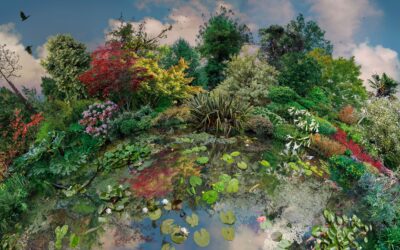
Planet Wakehurst: Art Celebrating Biodiversity
Wakehurst, Kew’s wild botanic garden in Sussex, sits at the centre of the Weald to Waves corridor. This summer, it is preparing to unveil an extraordinary outdoor art installation called Planet Wakehurst.
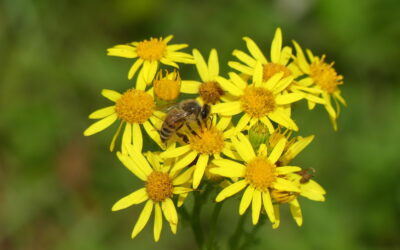
Wonderful Weeds and Where to Find Them
With the biodiversity crisis taking root in people’s minds, weeds have become a recent topic of interest and discussion. We look at the role native plants play in our gardens and greenspaces.
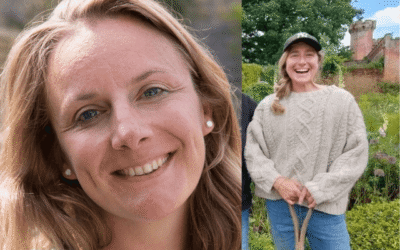
Welcoming Kate Bradbury and Suzi Turner
In May, we opened registrations for the Gardens and Greenspaces (G&GS) community, a vital strand of our citizen-led, nature recovery mission to join the dots for wildlife along this Sussex corridor. And to inspire and encourage our new network of gardeners and greenspace guardians, we are delighted to announce two very special G&GS Ambassadors.
Britain is one of the most nature depleted countries in the world
Healthy ecosystems are essential for food production and climate stability, but human activity has fragmented our landscapes. Traditional conservation isn’t enough—we need to think bigger and act bolder. Our corridor will demonstrate the interconnectedness of food and nature, combining science, innovation, and community action with centuries of agricultural knowledge.
Photo by Alex Briggs