From promises to practice, what the Environmental Improvement Plan means for nature on the ground
December usually brings tinsel, fairy lights and far too much chocolate. This year it also arrived with something a bit less sparkly: the government’s updated Environmental Improvement Plan (EIP). While it includes positive commitments, it also leaves uncertainty about how much will change for nature on the ground.
The EIP sets out how the government says it will look after nature and the environment in England over the next five years. This is the third version of the plan, following earlier updates in 2018 and 2023, and it covers a wide range of issues including nature recovery, farming, water, air quality, pollution and chemicals.
There has been a lot of debate recently about how well nature is being protected. A key question is whether this plan will lead to real change on the ground — and what it could mean for nature recovery across the Weald to Waves corridor.
Green finance: money that works for nature
Nature underpins our entire economy. The land, rivers, soils and habitats around us — often called natural capital — provide essential benefits such as food, building materials, clean water, flood protection and better health. Nature-based solutions, like restoring floodplains or creating saltmarsh, use this natural capital to solve real problems. Despite this, the value of these benefits is often overlooked when major financial decisions are made.
The Environmental Improvement Plan says the government wants to change this by using new tools and standards that better recognise the value of nature in economic planning. It also confirms continued support for Landscape Recovery, a programme that helps farmers and land managers work together to restore nature across large areas.
The government has committed £500 million to Landscape Recovery over the longer term. While the EIP itself runs for five years, Landscape Recovery projects are designed to last much longer — often 20 to 30 years — reflecting the time needed to repair ecosystems properly. While all investment in nature is important, this level of funding is limited when set against the scale and cost of long-term landscape recovery.
Working at landscape scale — to reduce flooding, restore soils or improve river health — usually requires very large, long-term investment.
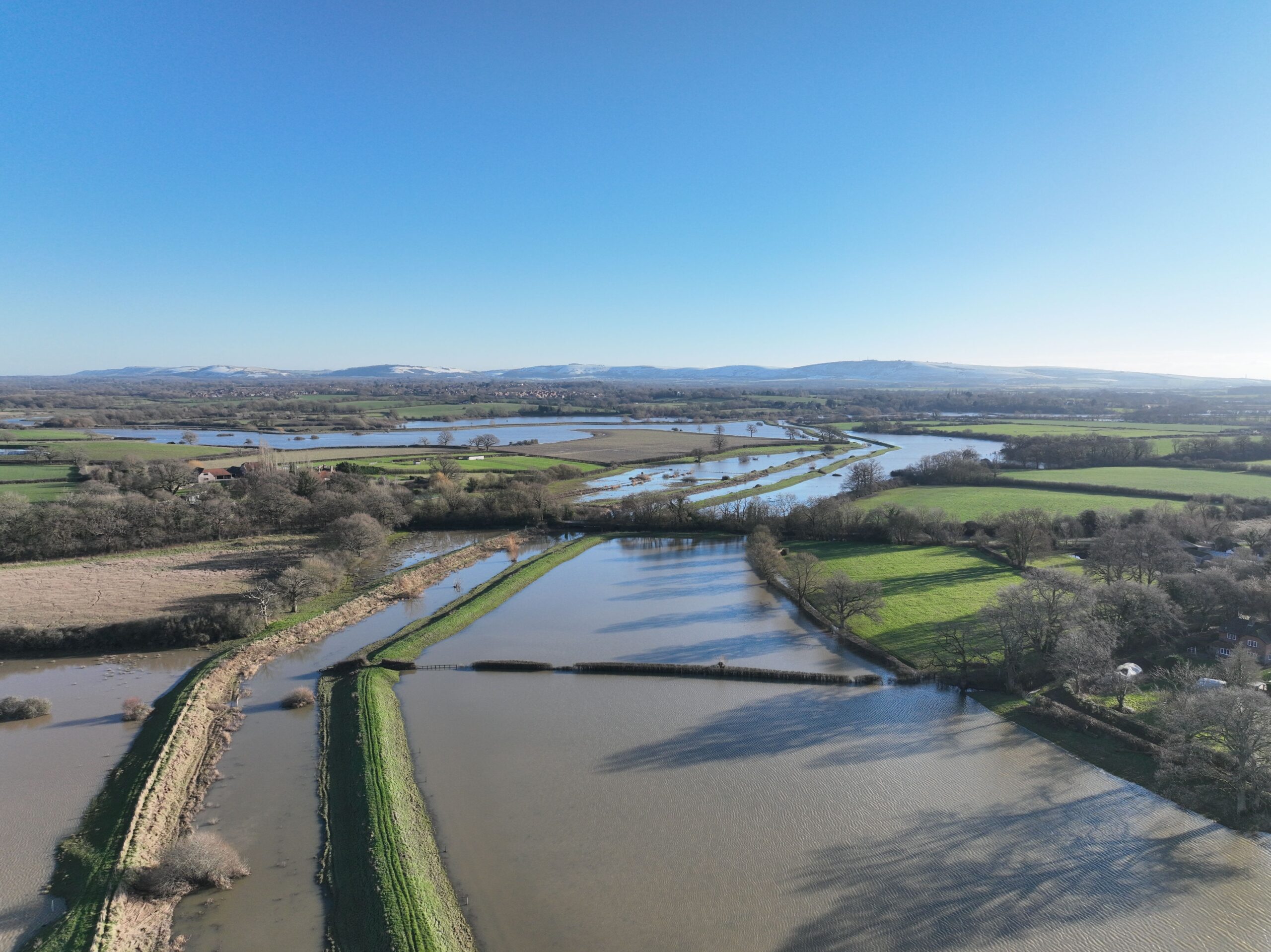
The Adur River Recovery project, within the Weald to Waves corridor, shows why this matters. The project aims to repair the floodplain across 27 farms and landholdings and to create saltmarsh on the Sussex coast that can store carbon. These actions work with natural processes rather than against them.
Holding water higher up a river catchment can reduce the need for expensive hard engineering such as embankments and flood defences. These structures are costly to maintain and increasingly vulnerable as climate change raises water levels. Along the River Adur, existing embankments are already failing, increasing flood risk for farmland, towns and villages downstream.
Seen in this light, long-term investment in landscape-scale, nature-based solutions needs to be considered alongside the ongoing costs of hard engineering. At the same time, more farmers and land managers are ready to work together at scale. The challenge is building an economy that can support this shift for the long term.
Biodiversity Net Gain and development
The plan also refers to Biodiversity Net Gain (BNG), a planning rule designed to ensure that when new developments are built, nature is left in a better state than before.
In most cases, BNG has meant developers must show that once building is complete, there is at least 10% more wildlife value than there was at the start. If this cannot be delivered on the site itself, developers pay into schemes that fund habitat creation and long-term management elsewhere.
The government has confirmed that BNG will apply to major national infrastructure projects by May 2026, which could increase demand for large-scale habitat creation across the Weald to Waves corridor.
However, there is still uncertainty around smaller development sites, which make up most planning applications. Under recent announcements, very small sites (under 0.2 hectares) will no longer need to meet BNG requirements, and the government is consulting on whether some brownfield housing sites should be treated differently.
While individual small developments may seem minor, together they shape towns, villages and the countryside. Changes to how these sites are treated therefore matter for nature overall.
BNG has helped bring private investment into habitat creation and restoration, supporting farmers, land managers and nature-based businesses. It has also helped reconnect habitats across wider landscapes, including from the Weald to the coast. If more developments are exempt, the total amount of money flowing into habitat creation could fall, potentially slowing nature’s recovery.
Local nature recovery and protected landscapes
The plan also strengthens Local Nature Recovery Strategies (LNRS), which map where nature needs the most help and where restoration could have the biggest impact. The government now says the planning system must “take account” of these strategies. While it is not yet clear exactly how this will work in practice, giving LNRSs legal weight is an important step forward.
At Weald to Waves, we have worked to ensure that connecting habitats across the landscape is central to our region’s LNRS. Our route map sits at the heart of areas identified as having high potential value for nature, and this will continue to guide delivery on the ground.
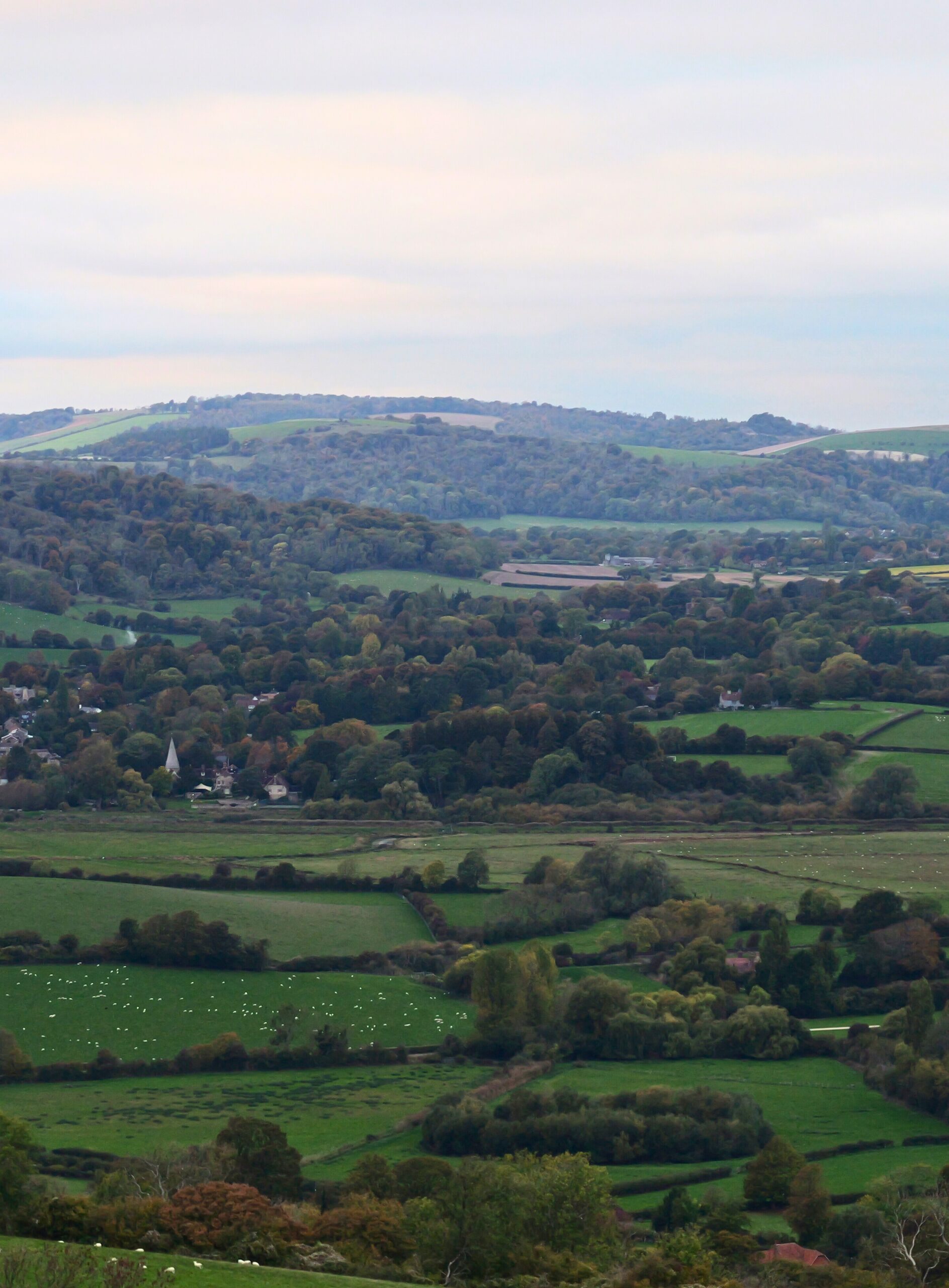
The EIP also restates the UK’s commitment to protect 30% of land and sea by 2030. Around 58% of the Weald to Waves corridor already lies within protected landscapes, creating a strong foundation for restoring nature at scale. Connecting these areas is essential, as nature works through movement and flows rather than isolated patches.
What’s coming next?
As part of this five-year plan, the EIP points to a wide range of changes expected by 2026, including new farming and nature funding, mandatory Biodiversity Net Gain for major infrastructure, environmental delivery plans, action on trees, pollinators and soils, and steps to tackle pollution and harmful chemicals. Many of these details are still being developed and will shape how the plan works in practice.