Starting at the School Gate: A New Path for Sussex Children
The classroom clock struck nine forty-five, I looked to my right to scan the window beside my desk. Any second now… sure enough there it was, a grey squirrel making its way from one branch to the other, right on time as always.
“Greg, look this way” bellowed Miss Pickup. Once again, I had been caught daydreaming in class.
“But Miss Pickup” I replied, “This squirrel makes its way through these branches at the exact same time every morning!”. She slowly relaxed back into her chair as if she was remembering something. Simultaneously, the frown that weighed heavy on her eyes began to loosen and she then recalled that during a stage in her childhood, a spider would dash across her bedroom floor at half past ten every night, it too had a routine that she was deeply curious about. The curiosity shared between Miss Pickup and I is the kind of collective curiosity that the 100 Mile Classroom aims to bring to life.
In present day schooling, this curiosity has nowhere to go. Lack of learning resources, money, and knowledge about the local area compound to make outdoor learning no more than a distant dream for most schools and teachers. Coincidentally, the learning of the natural world is confined between the walls of a classroom with little margin for enabling students to build a meaningful connection with their local environment.
A broken path
My experience is not unique, in the UK, children are growing up with little opportunity to interact with the outdoors in school. The WWF’s Schools for Nature report (2024) found that only 27% of schools surveyed integrate outdoor learning into their curriculum. Moreover, a Save the Children report quotes that a staggering 70% of children within the UK are concerned about the world they will inherit. These two combined creates a key challenge, young people care about the climate yet are given little opportunity to engage with their local landscapes in a way that fosters a genuine connection and understanding of local environmental pressures.
Taking the curriculum outdoors
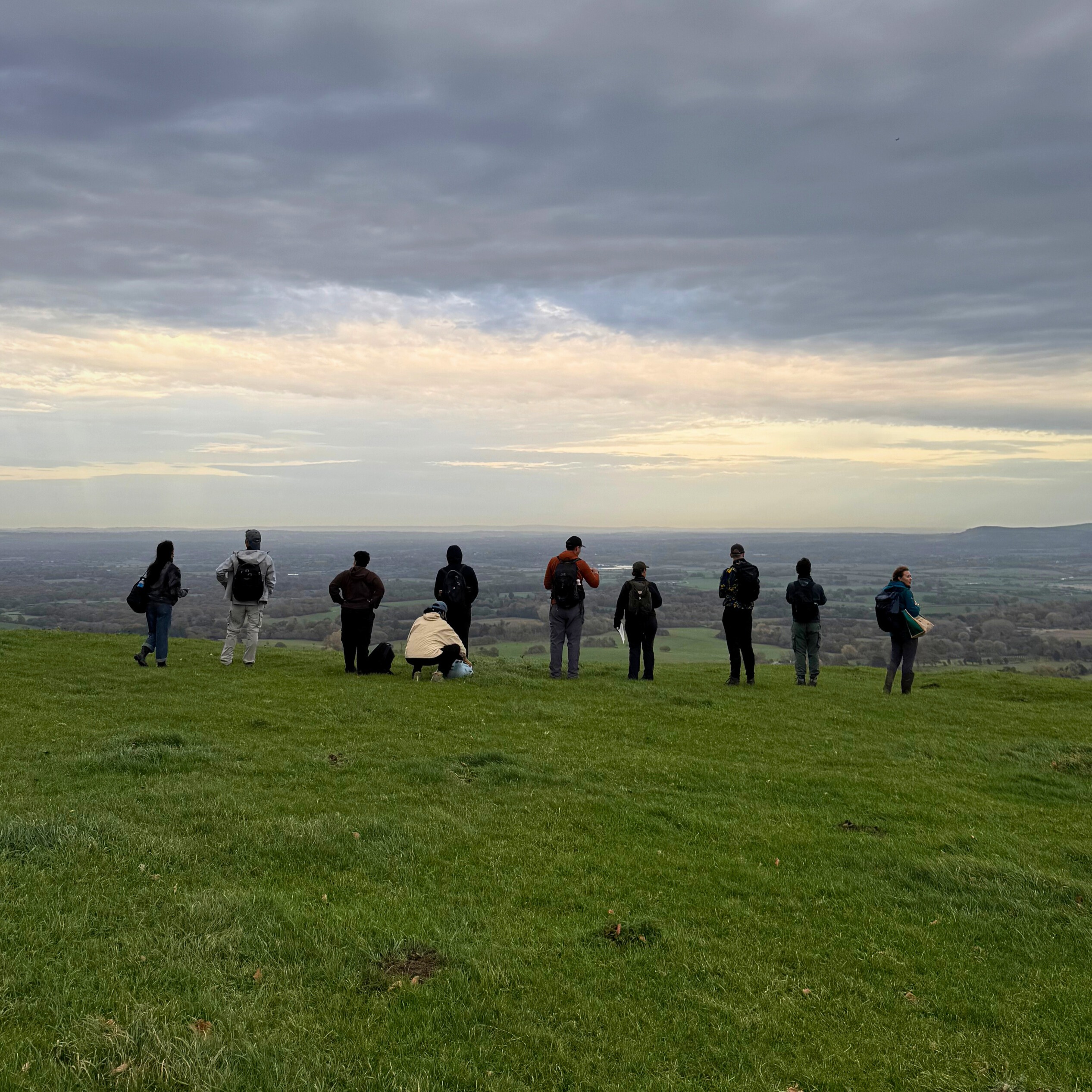
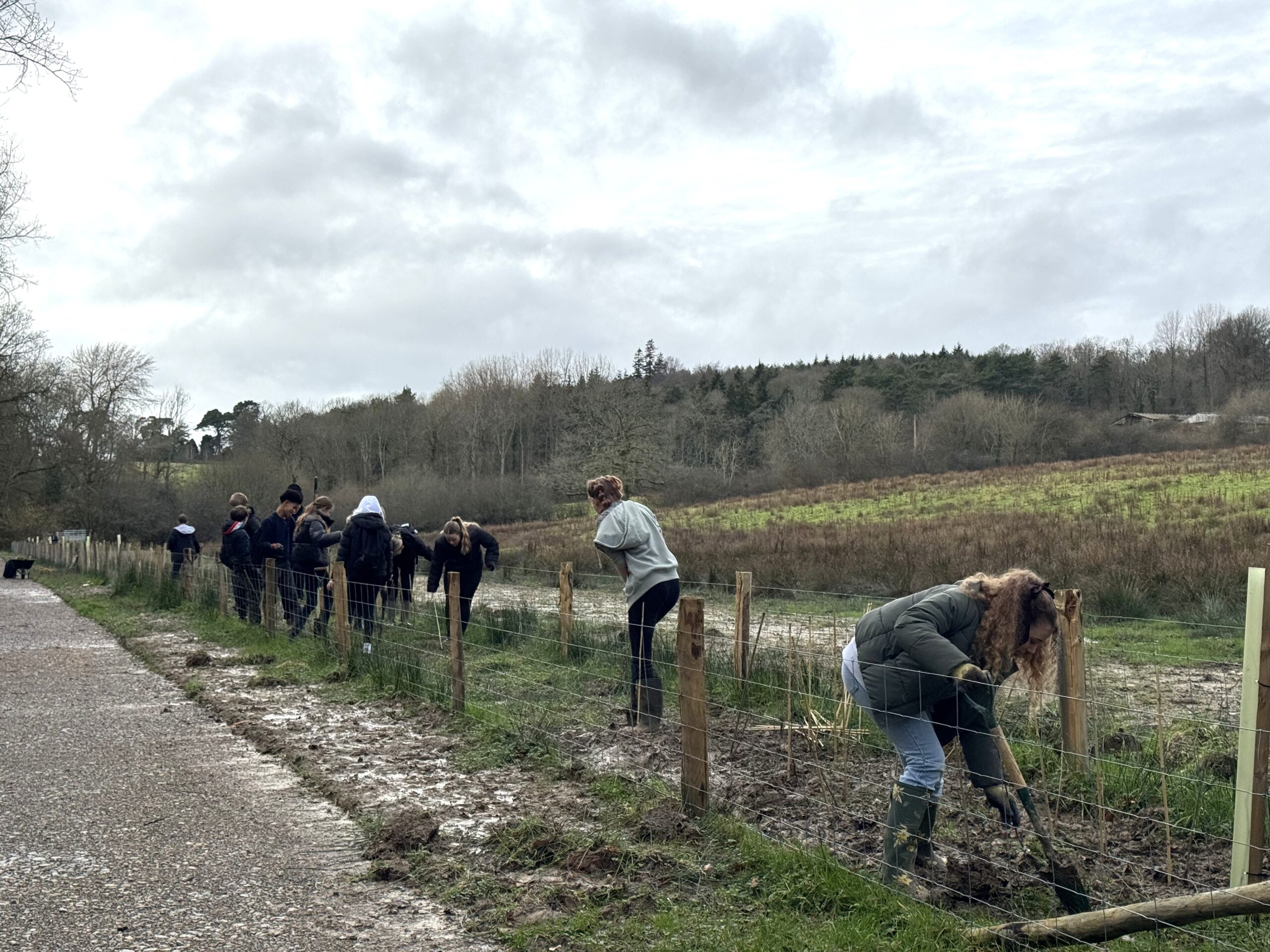
The 100 Mile Classroom project takes on the task of addressing this challenge. Working with local partners and schools throughout the Weald to Waves corridor, the project links nature recovery with the curriculum via creative and action based learning.
Through the project, students are able to experience the importance of local nature recovery projects, developing an understanding of local pressures such as train lines and busy roads that constitute to habitat fragmentation. The 100 Mile Classroom enables students to interact with their local landscapes positively, facilitating activities such as hedgerow surveying that involve students with the significance of a healthy nature corridor.
Having participated with the designing of a swift friendly garden during a school workshop, it was great to see how students engaged with the local challenges facing swifts while given the autonomy to contribute to a practical solution. Active participation is a central aim of the project, not confined to the pages of a textbook but crafted by collaboration and action.
Taking the curriculum on a walk
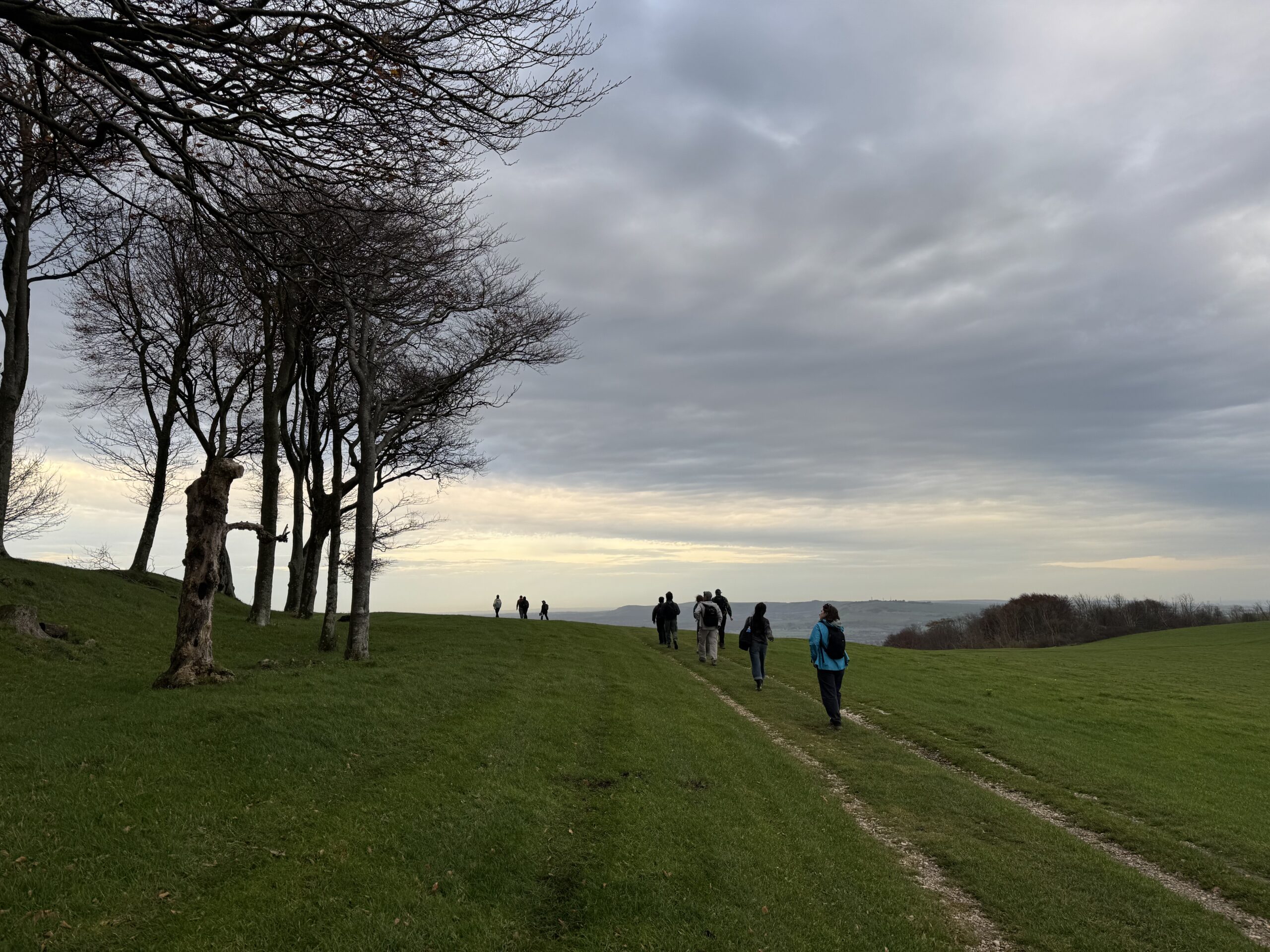
As a summer intern on the project I have been working on designing school gate walks for secondary schools. These walks begin and end at the school gate and are approximately five kilometres in length. The importance is twofold; firstly, the proximity to the school minimises barriers regarding cost and transport. Secondly, it enables students to connect with their local environment while developing an awareness of the challenges facing the Weald to Waves corridor in alignment with the curricular content of geography and science.
Each walk is designed to engage students with examples of nature connectivity and habitat fragmentation. For the former, it could be a wildflower margin in a residential area or a hedgerow along a farmer’s field, anything that enables the safe passage of wildlife from one habitat to the next. For the latter, a built up area, a busy road or train track that fragments the landscape are all possible examples. One key theme that felt important to follow during the creation of the walks is why it’s important. Considering this, checkpoints engage with why a specific habitat is important for humans; a wetland pivotal for flood management, a community allotment providing for pollinators while enhancing food security, or a tree in a residential area that provides critical shade during a heatwave for wildlife and humans.
It was action-oriented learning that was absent from my generation’s schooling life, with the impacts of environmental degradation always seen as a far away problem that only impacts tropical lands. The 100 Mile Classroom explores the effects of environmental degradation here in Sussex while working with schools to provide the relevant knowledge and skills required to drive change.
Outdoor learning
One key question that I have sought to explore while designing the school gate walks is how they offer an alternative.
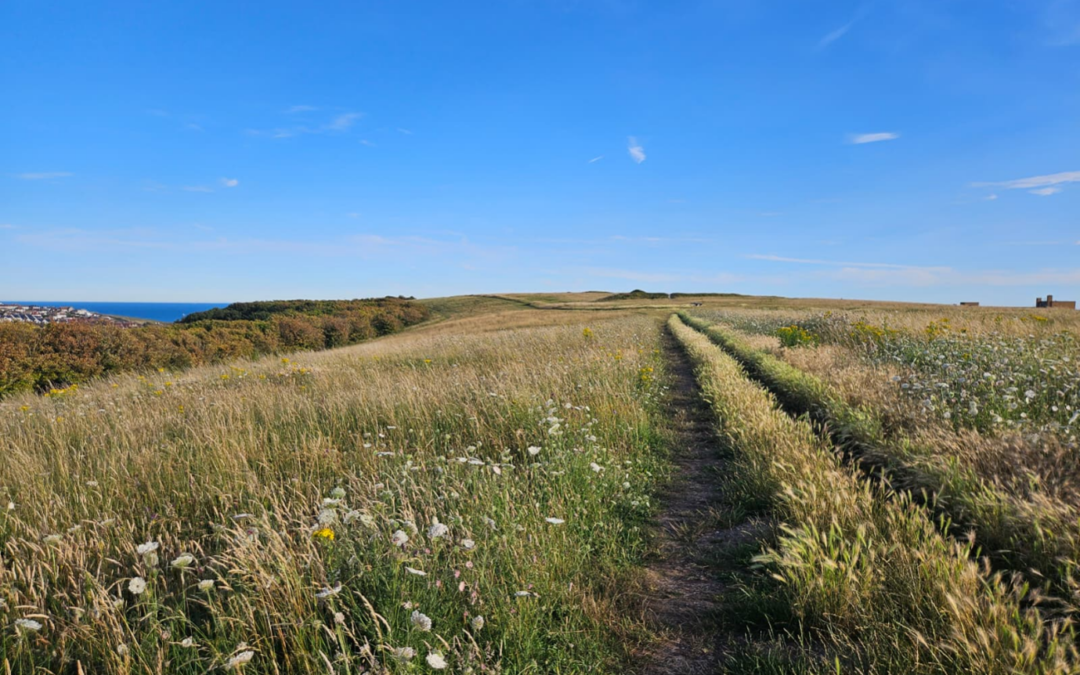
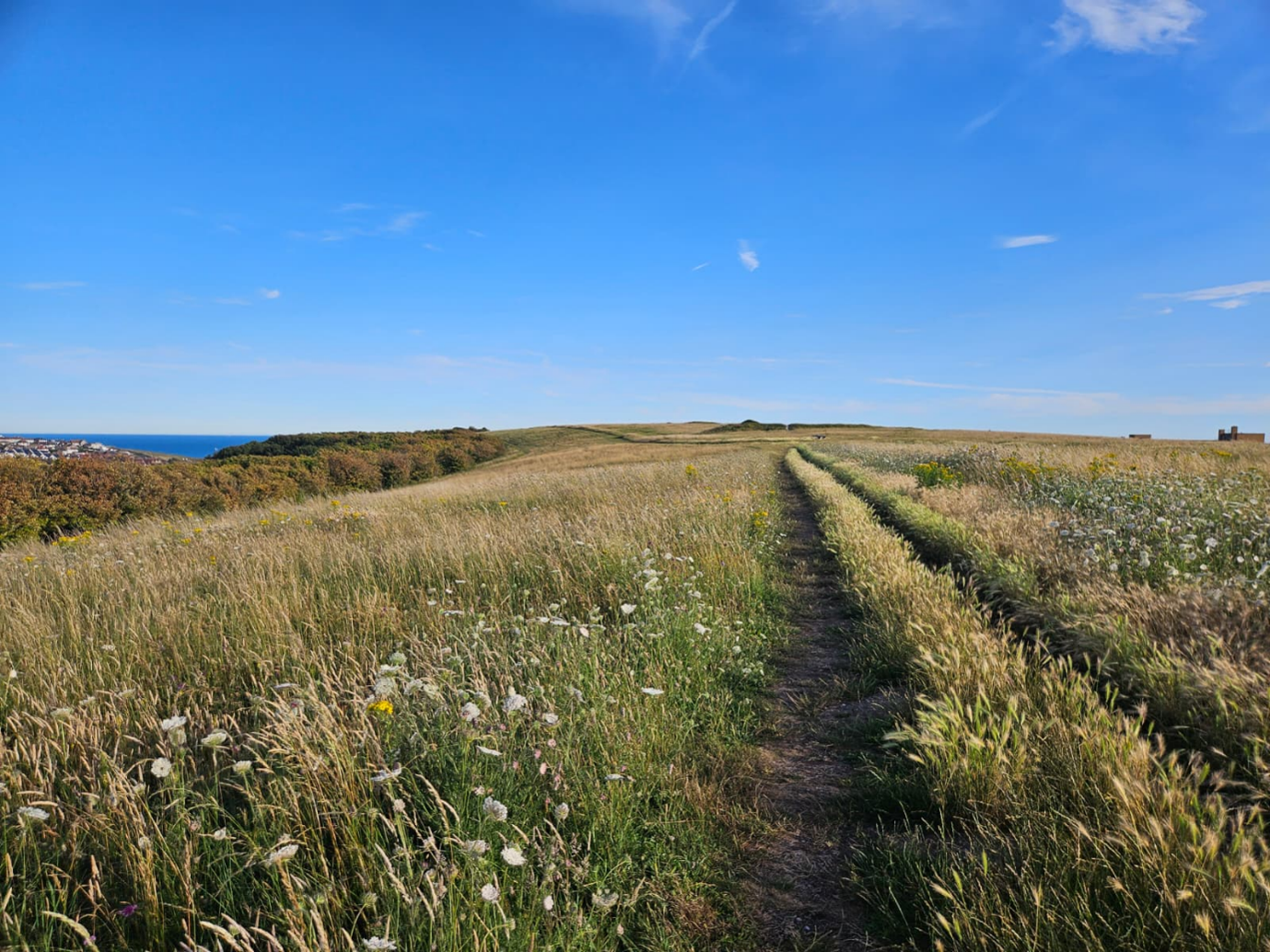
The answer to my question came to me while standing in Beacon Hill nature reserve while testing out one of the schooling routes. Immersed within a chalk grassland with the constant chatter of skylarks and whitethroats spiralling around the reserve, I took the time to reflect on the importance of what practical learning can bring to a child’s education. Outside and on a walk, I realised that students go from learning about nature to being a part of it whereby they can reflect on the role of connected landscapes not just for wildlife but for themselves and their future. Experiencing the sound of a distant road or a lack of wildlife-friendly gardens enables students to view challenges for themselves, not just hear about it within the walls of a classroom.
The path forwards
My internship for the 100 Mile Classroom project showed me that the path forwards towards a more meaningful and action oriented relationship with nature is already being navigated. I hope that the creation of school gate walks can help students understand the importance of nature connectivity. Consequently, enabling students to build a genuine connection with their local environment because from connection comes care and from care comes action.