Out and about in the corridor: Reflections from a 100 Mile Classroom Intern
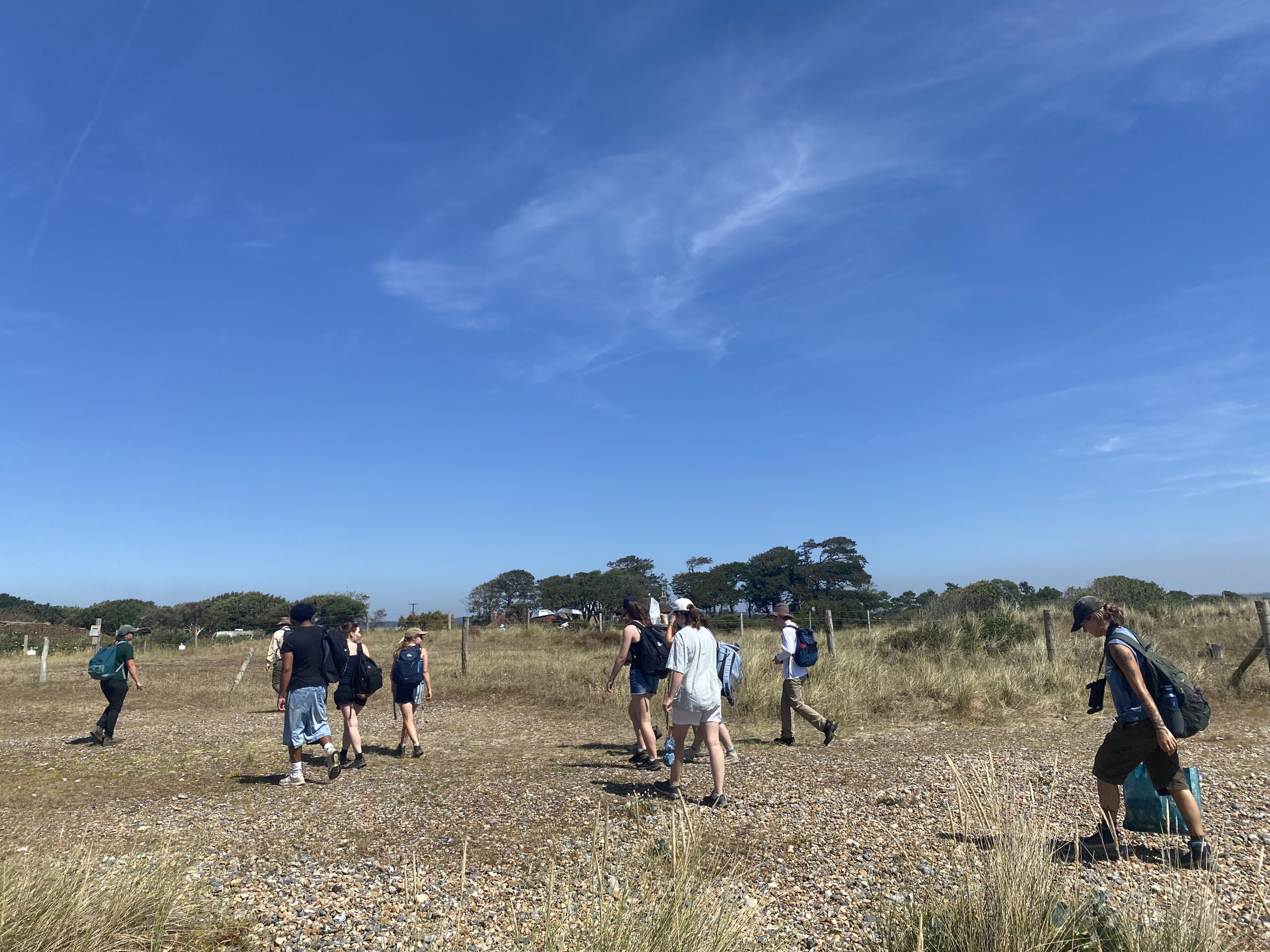
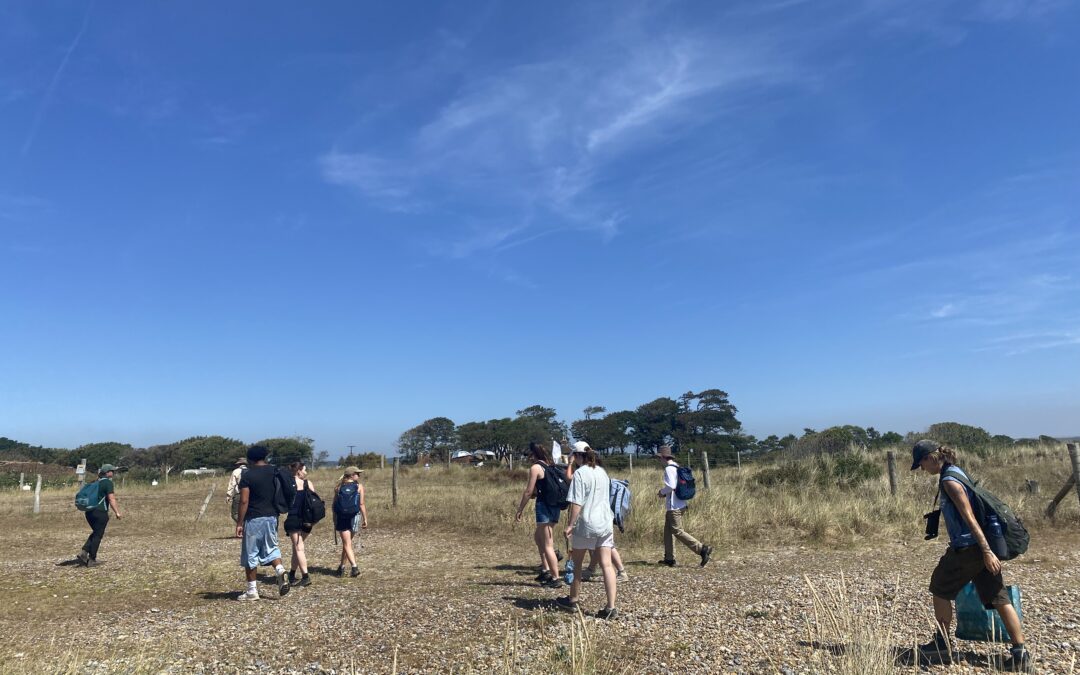
Some of my most memorable school-day experiences didn’t happen inside a classroom, they happened when walking down to the coastline, chatting to my classmates as we made our way towards a large stretch of salt marsh, mudflats and sand dunes. From surveying dune grass species, to witnessing the migratory journey of brent geese as they landed in the warm coastal conditions of Sussex, these experiences are distinctly etched into my memory, alongside the learning that came with them. It was during these moments when I truly learnt about the importance of protecting and restoring nature, and the interconnectedness between landscapes, wildlife and people.
I was lucky enough to attend a coastal school in Sussex, at a time when resources allowed outdoor, curriculum-based learning to be rolled out more freely. However, following the COVID-19 pandemic, and rising time-based and financial pressures that schools experience, outdoor learning provisions have reduced significantly.
This is where the 100 Mile Classroom comes in. The project connects schools with landscapes in the Weald to Waves corridor, transforming local woodlands, farms, rivers and coastlines into living classrooms. Rather than simply learning about nature, young people become active participants in its recovery.
Learning in Living Landscapes
Over the past couple of months, as an intern on the 100 Mile Classroom project, I have had the opportunity to return to those meaningful school-day experiences outdoors.
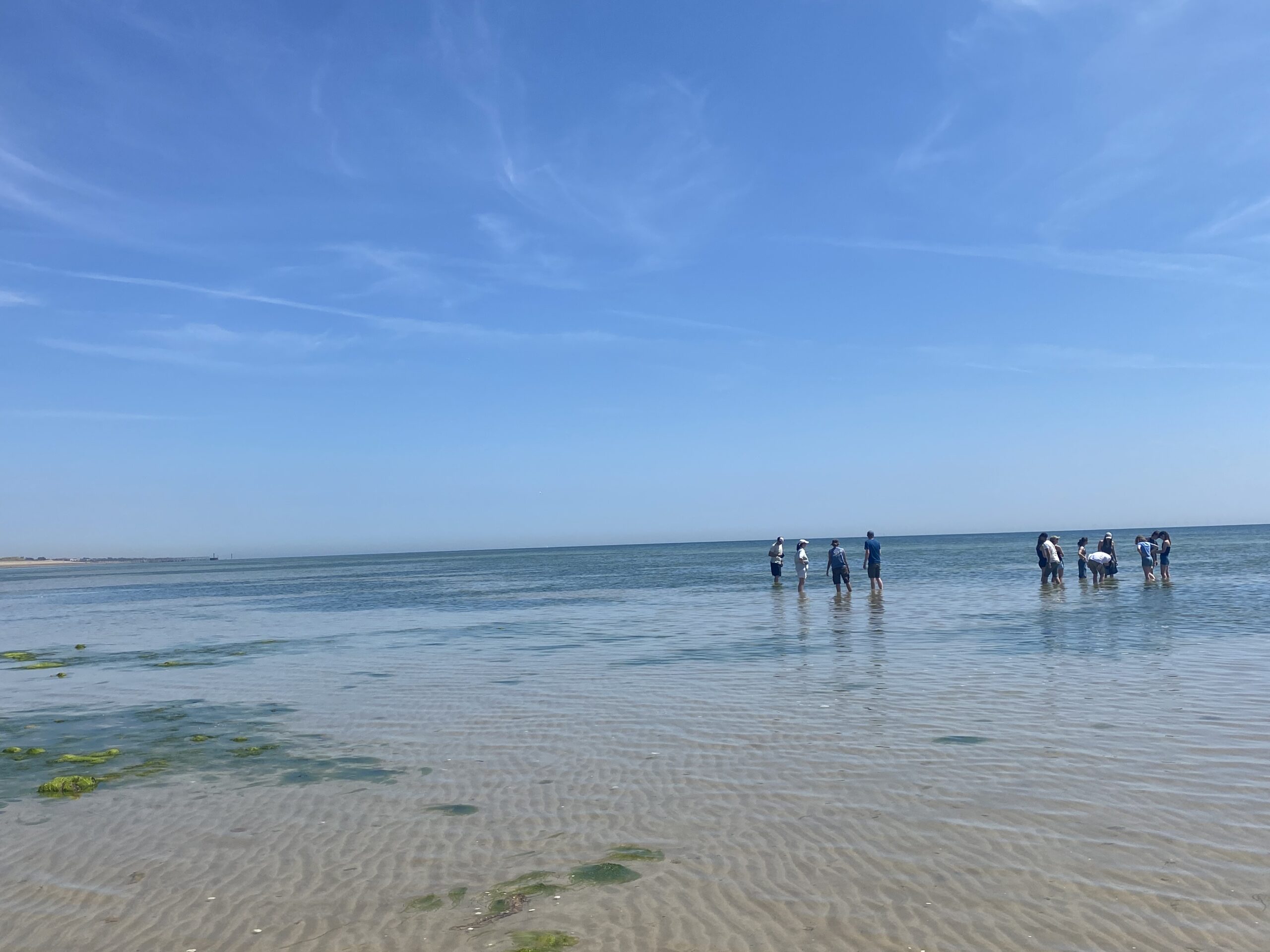
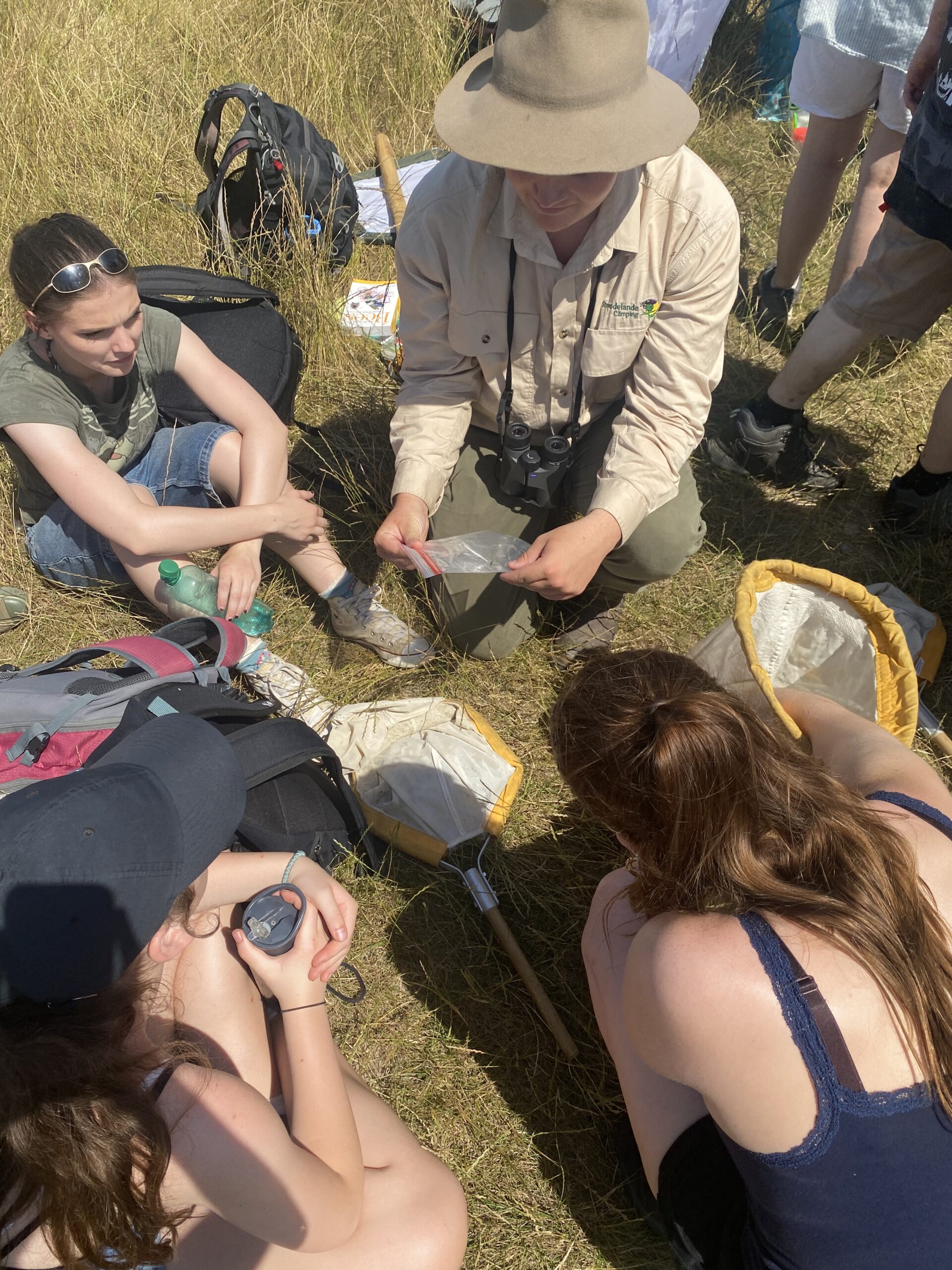
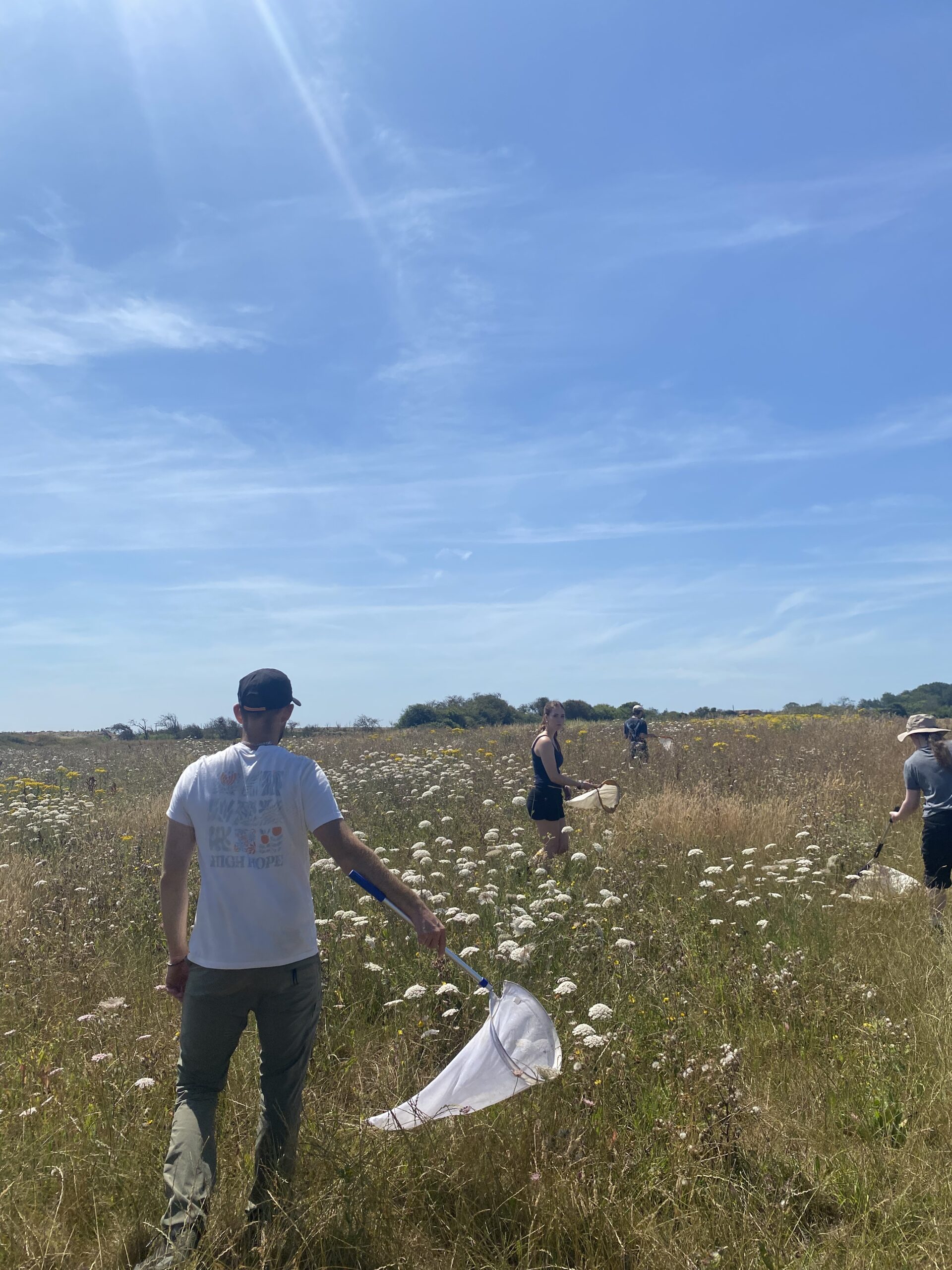
I visited Stroodelande at Climping Gap, a founding member of the Weald to Waves project where I witnessed the impact of outdoor learning first-hand. Watching young people gather around pooters (insect observation pots) identifying invertebrates they caught while sweep netting in grassland, or observing their (and my own) enjoyment and captivation learning about the natural history of Climping and digging through the clay ridge of a small scarp, looking for artefacts from hundreds of years ago, showed me the importance of cultivating curiosity within young people through hands-on activities.
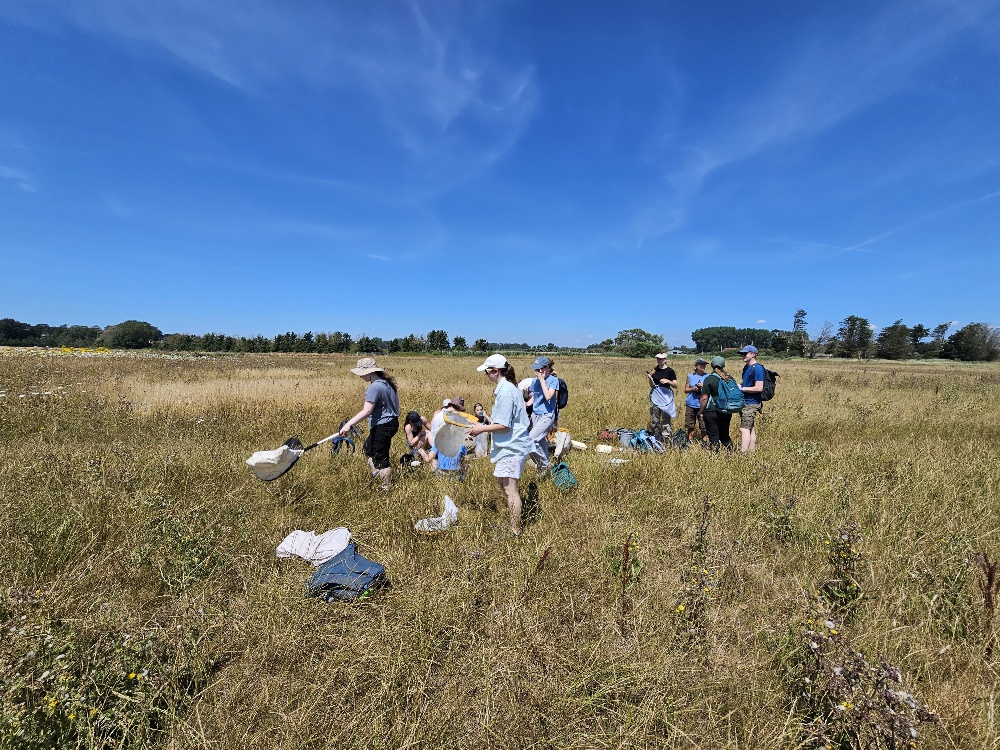
Whilst 100 Mile Classroom visits’ offer the opportunity for young people to contribute to practical conservation activities, learning new skills and growing in confidence, they also provide a space in which meaningful reflections and conversations can be had. As we walked through farmland, or stopped for lunch, young people spoke openly about their experiences in nature, including big topics surrounding access to nature, and shared their interest in outdoor-based careers.
It is these small conversations, taking place in between purposefully designed activities, where young people can truly reflect on the importance of the world around them, and their place in it. In a time of increasing pessimism surrounding the state of nature, biodiversity and the seemingly pending doom of the climate crisis, it was really hopeful to see young people passionate and interested in getting involved in landscape recovery.
Reflections as an Intern
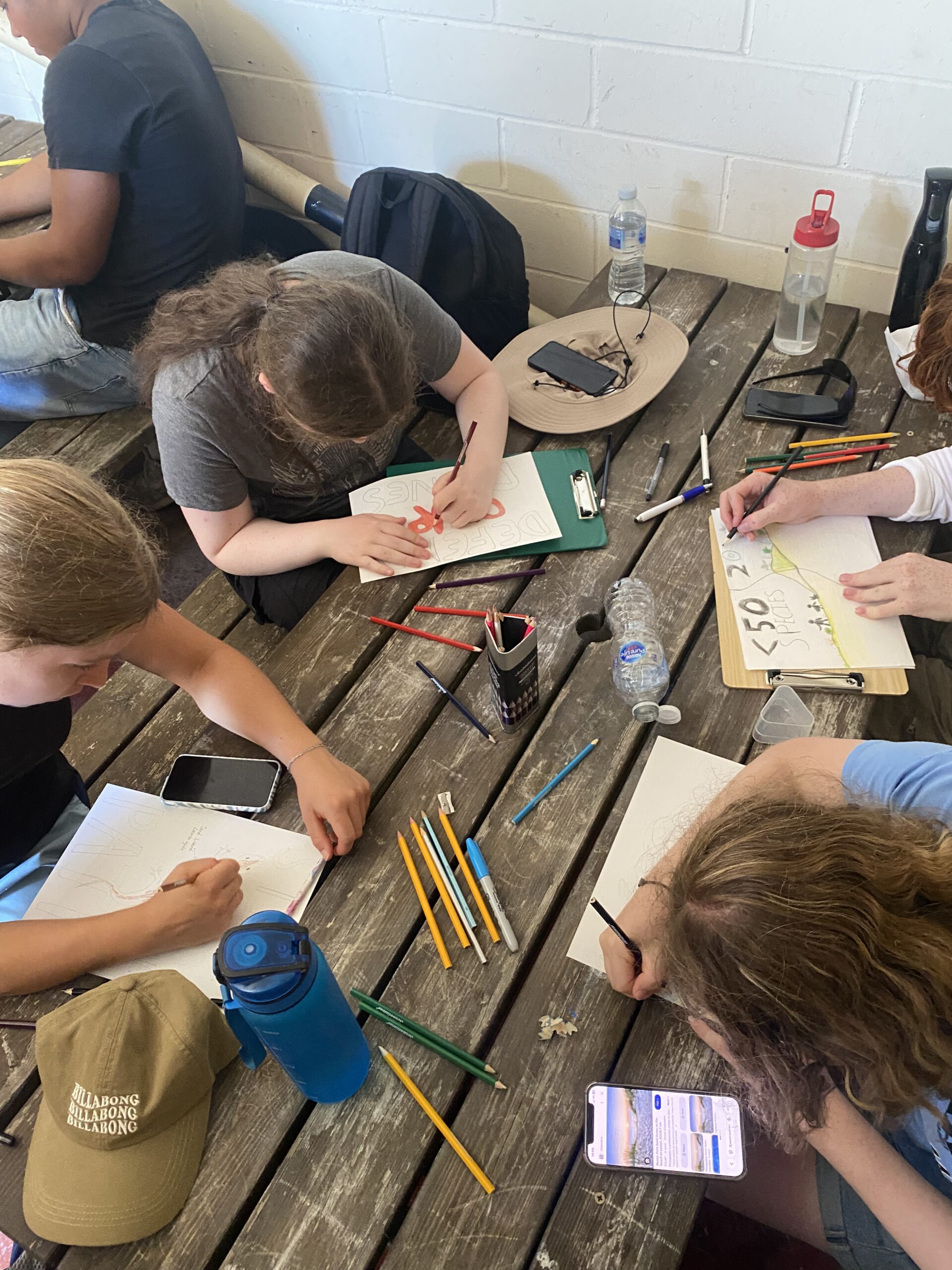
As part of my summer internship, I have been creating a resource pack for our partners across the Weald to Waves Corridor, helping them deliver fun, hands-on learning experiences for local schools and conservation groups. It has been really rewarding to see how these resources, that were previously confined to an online document, come to life on the corridor, at sites like Climping where young people are able to get involved, ask questions, and connect with the natural world.
I hope now that my memorable school-day experiences on my local coastline will not be unique to myself, and that through the 100 Mile Classroom project, hundreds more young people will be able to enjoy local landscape-based learning opportunities.
Being an intern with the 100 Mile Classroom has been an incredibly rewarding experience. Not only have I gained hands-on, paid experience, but I’ve also witnessed first hand the impact that outdoor learning has on young people. It is inspiring to have been part of a project that puts young people at the heart of nature recovery, recognising their role as agents of change, and providing them the opportunity to play an active part in re-joining the dots of fragmented habitats and landscapes across Sussex.
If you are a teacher or education provider in Sussex and would like your school to get involved with the 100 Mile Classroom, sign up here!