Bats on the Move, Why Connected Landscapes Matter
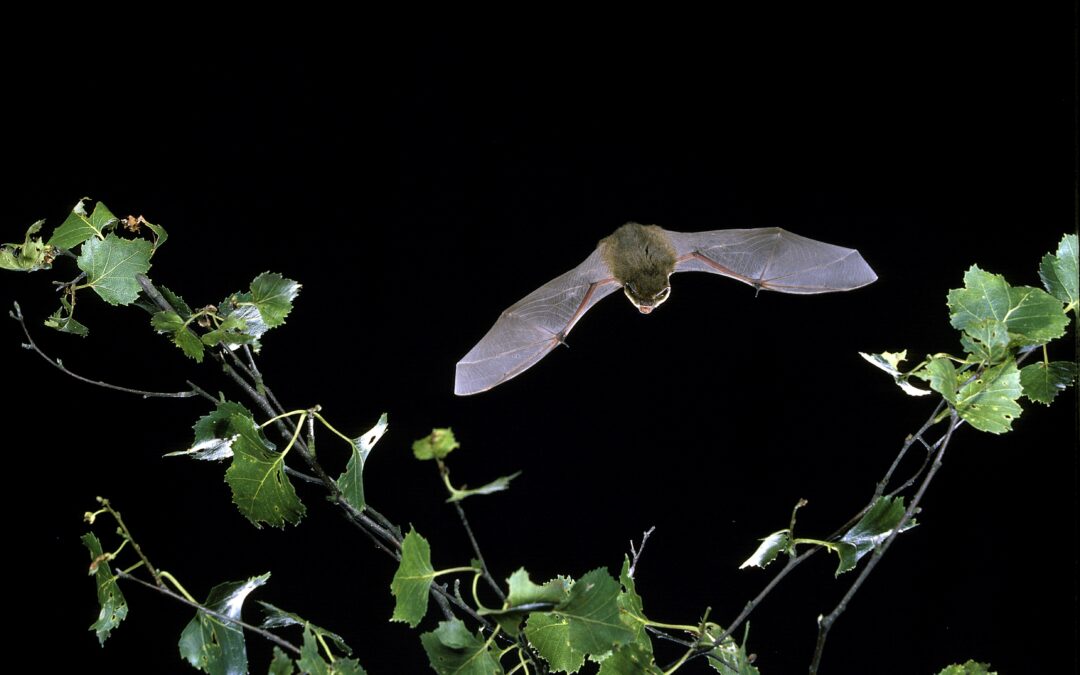
With spring in full swing, you may already have noticed bats emerging across Sussex from their winter hibernation sites in trees, buildings, caves, and old structures. This time of year is especially important for all bat species. After months of winter inactivity, bats must rebuild their energy reserves, while females gather in maternity colonies to rear their young.
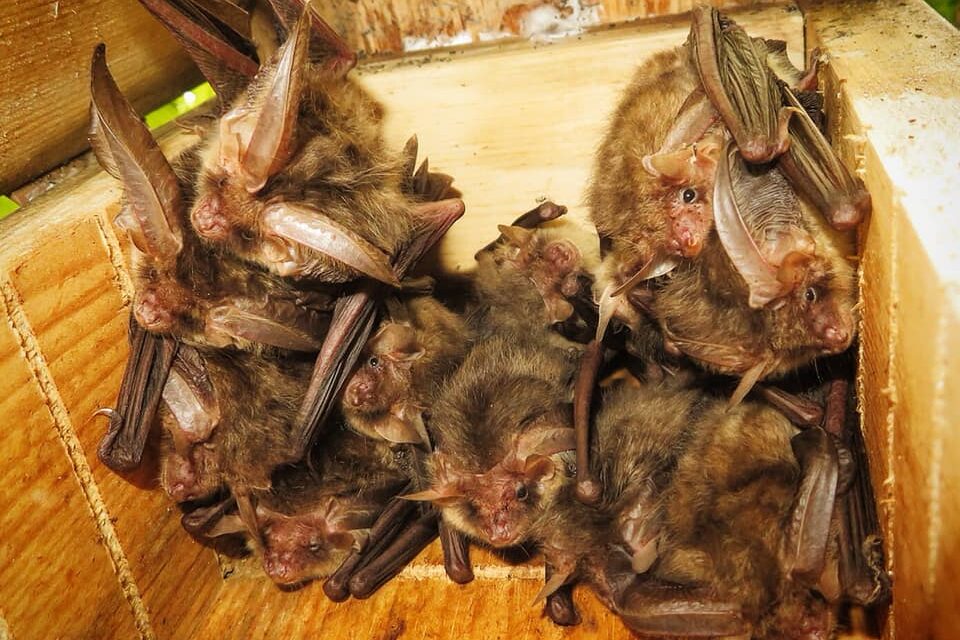
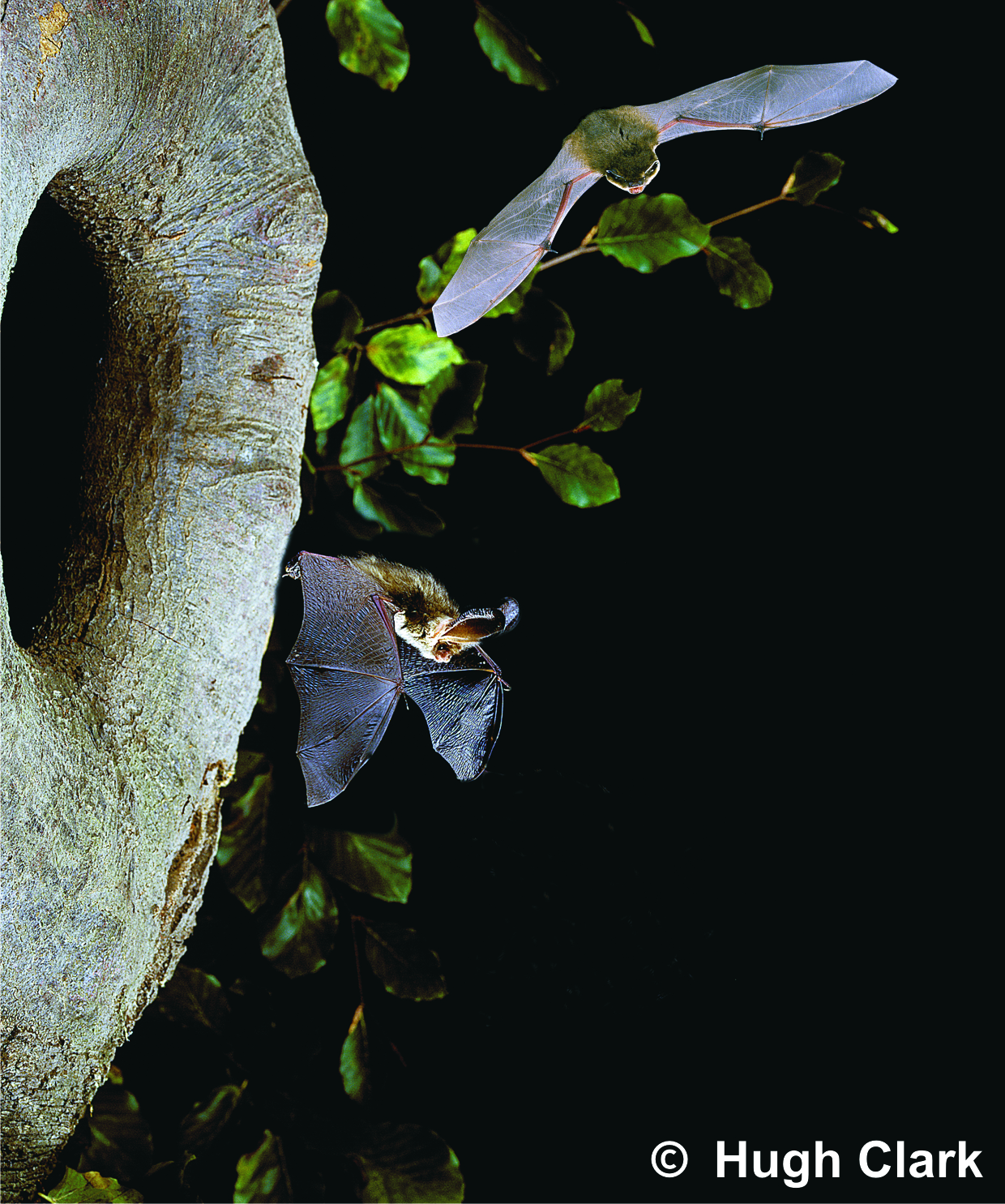
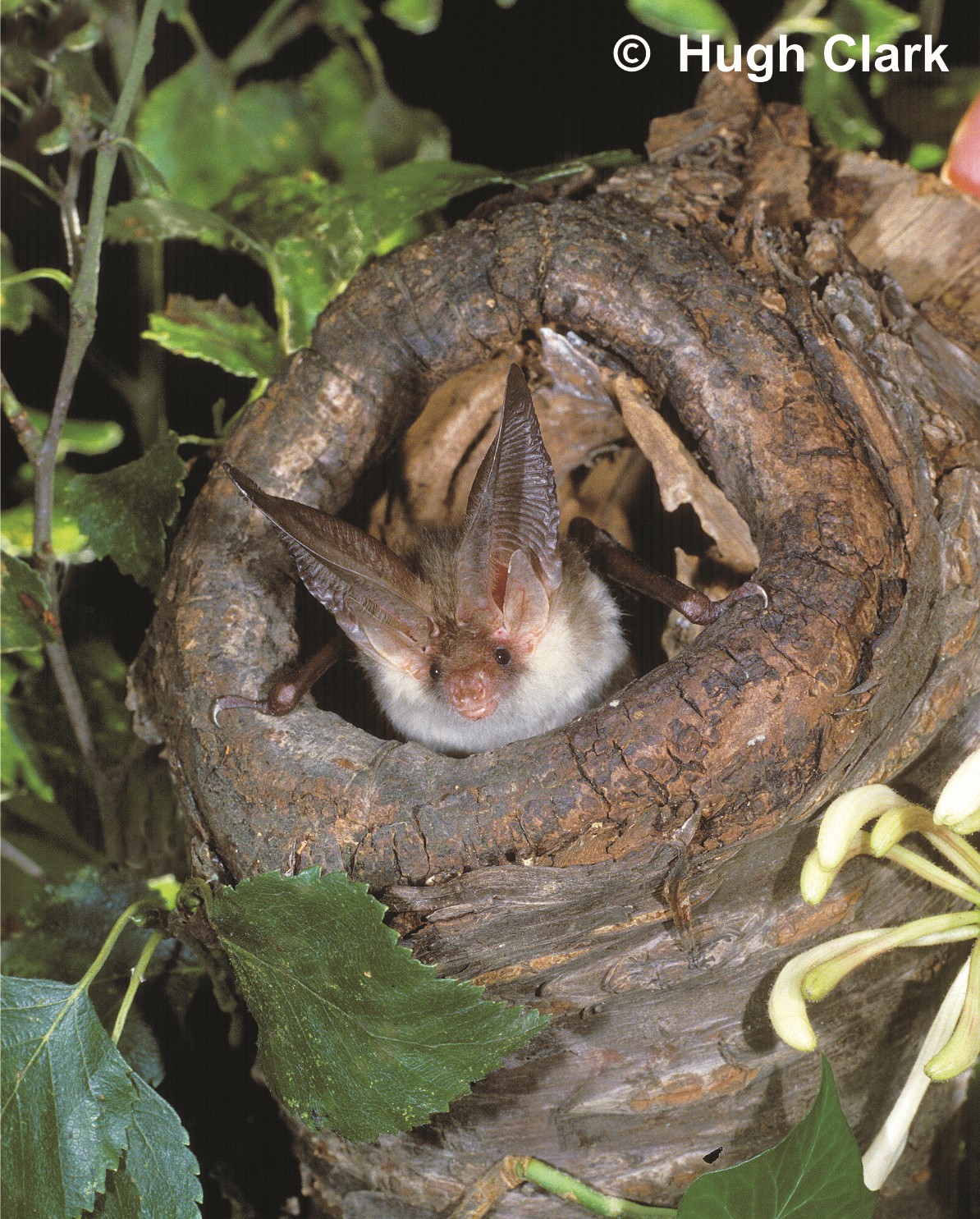
Different species have very different habitat needs and behaviours. Pipistrelle bats, for example, can form maternity colonies numbering in the hundreds or even thousands, while brown long-eared bats usually gather in much smaller groups of around 10 to 20 individuals. Learning more about the habitats bats depend on can help us better understand how to support them, not only through human interventions such as bat boxes, but by protecting and restoring the wider landscapes they rely upon.
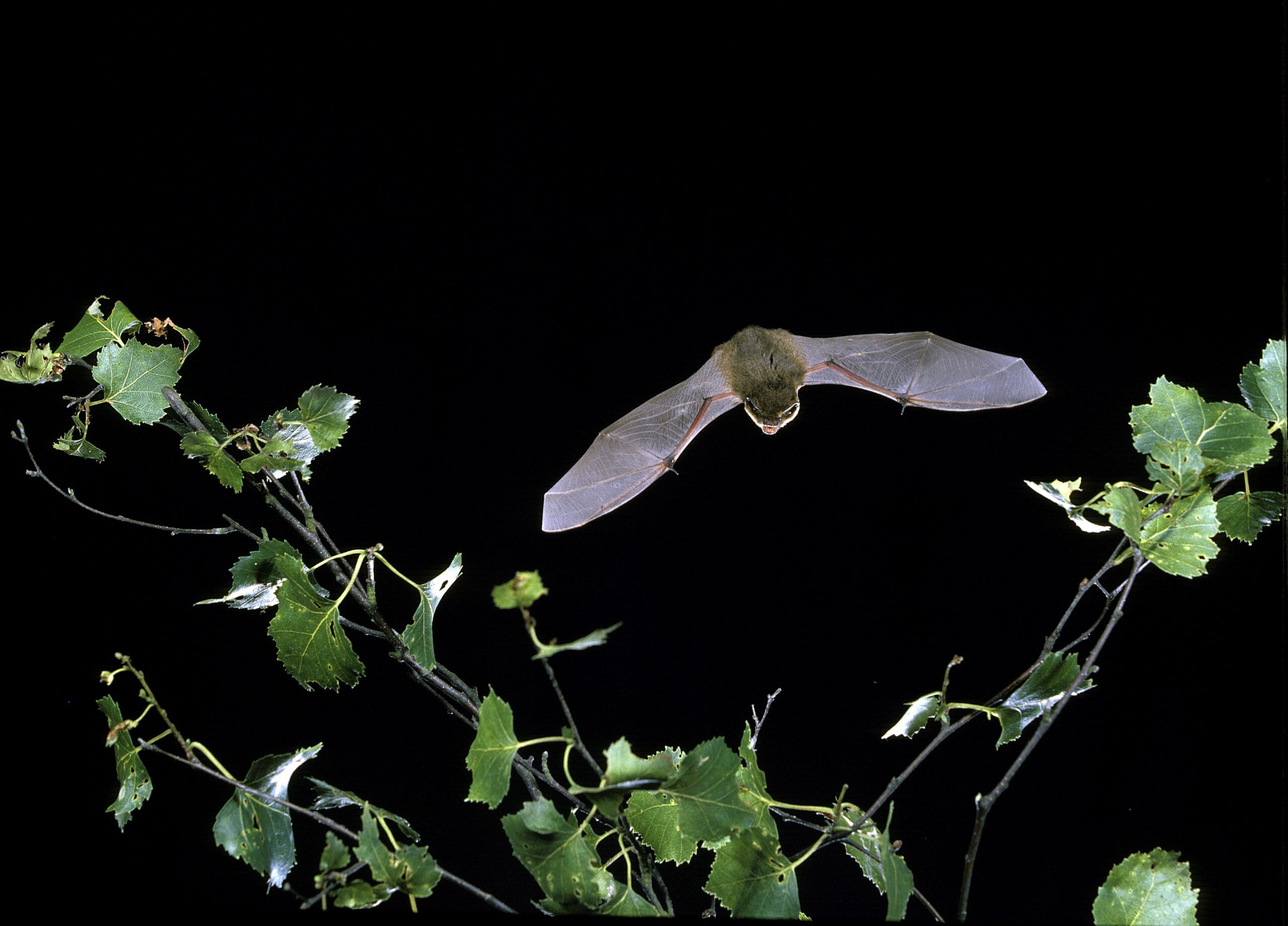
Bats are an essential part of healthy ecosystems. Feeding almost entirely on insects, including moths, flies, mosquitoes, and beetles. Their presence is also a strong indicator of a healthy and connected landscape, rich in insects, trees, wetlands, and dark night skies.
To forage successfully, bats rely heavily on connected habitats. Woodlands, hedgerows, river corridors, ponds, and tree lines all act as “bat highways”, allowing them to move safely between roosting and feeding areas. Even small gaps in these routes can become barriers. Research has shown that breaks as small as 10 metres may deter some species, causing them to abandon established flight paths altogether. Many bats avoid crossing large open spaces, partly to conserve energy and avoid predators, but also because insect abundance is typically much higher around vegetation, sheltered habitats, and water.
Wetlands and ponds are especially important feeding habitats. Insects gather in huge numbers around water, providing a rich food source for species such as Daubenton’s bats, which are often seen skimming low across pond surfaces. Yet Sussex has lost a significant proportion of its historic ponds and wetlands over the last century through development, drainage, pollution, and changing land management. The loss and fragmentation of these habitats has reduced feeding opportunities and broken up vital wildlife corridors across the landscape.
This is why Weald to Waves is working to reconnect habitats across Sussex, helping bats and other wildlife move more freely through the landscape to feed, shelter, breed, and adapt to environmental change.
Our Hedgeways project is strengthening existing hedgerow networks, reducing fragmentation, and creating new habitat connections where gaps remain. Similarly, our Pondscapes project is helping establish a network of wetland “stepping stones” across the corridor, restoring valuable feeding habitat for bats and countless other species. Together, these connected habitats support not only wildlife movement, but the wider functioning and resilience of ecosystems across Sussex.
Importantly, bats do not only rely on the open countryside. Gardens and urban green spaces can also provide valuable roosting, feeding, and breeding habitat. Growing night scented flowers such as honeysuckle, evening primrose, and jasmine can help attract the nocturnal insects bats feed on. Leaving areas slightly wild, avoiding pesticides, and allowing ponds or dense planting to develop can also make a real difference. Excitingly, the Bat Conservation Trust ‘Nocturnal Garden’ at the Chelsea Flower Show this year is showcasing simple ways people can create more bat friendly spaces at home.
Reducing light pollution is another important step we can all take. Bats are highly adapted to darkness, which helps them avoid predators and navigate effectively. Artificial lighting around homes, gardens, roads, and green spaces can disrupt feeding behaviour, prevent bats from emerging from roosts, and fragment important movement routes. By simply reducing unnecessary outdoor lighting at night, householders can immediately benefit biodiversity while also saving energy and cost. Sometimes, supporting wildlife really can begin with the flick of a switch.
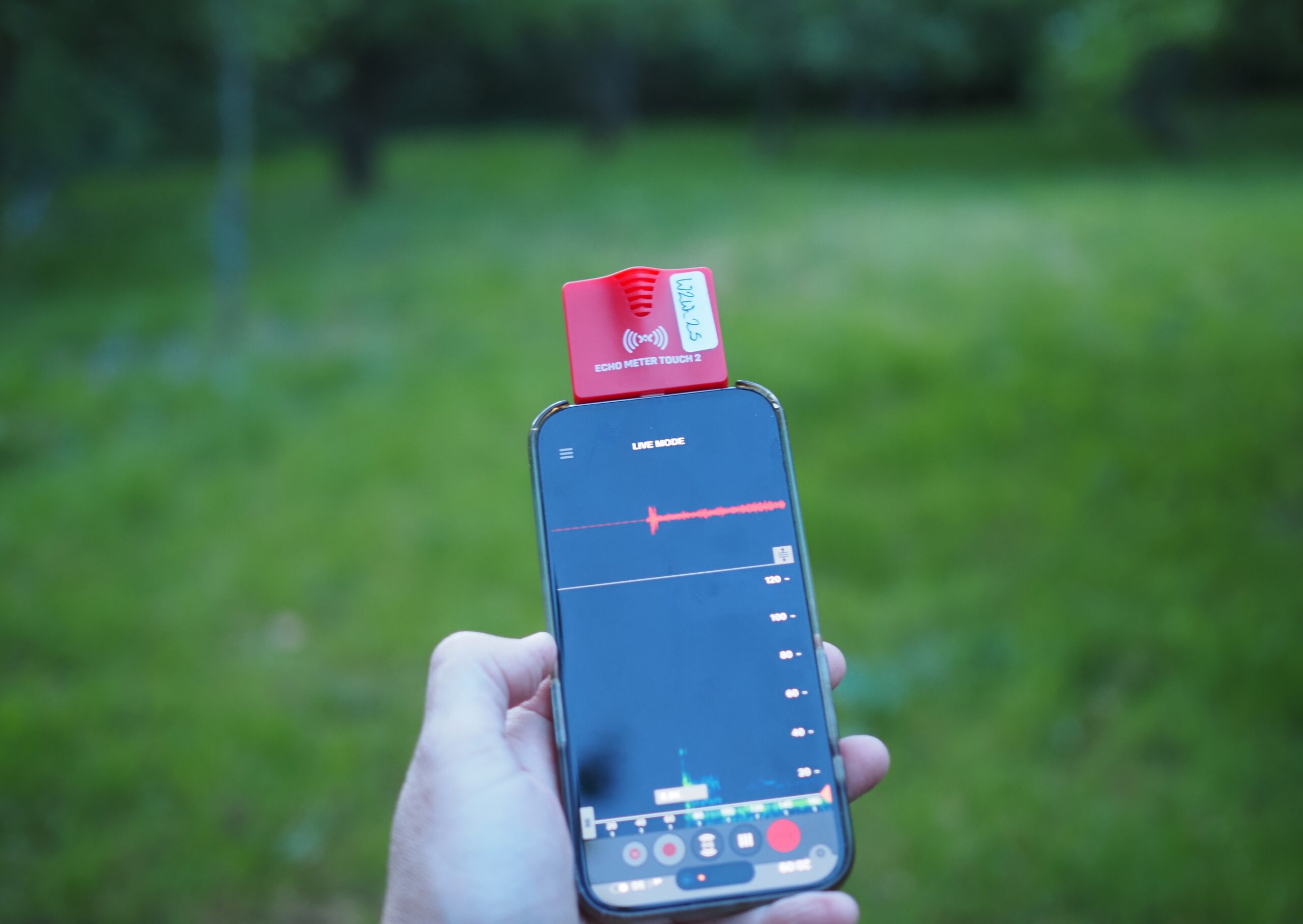
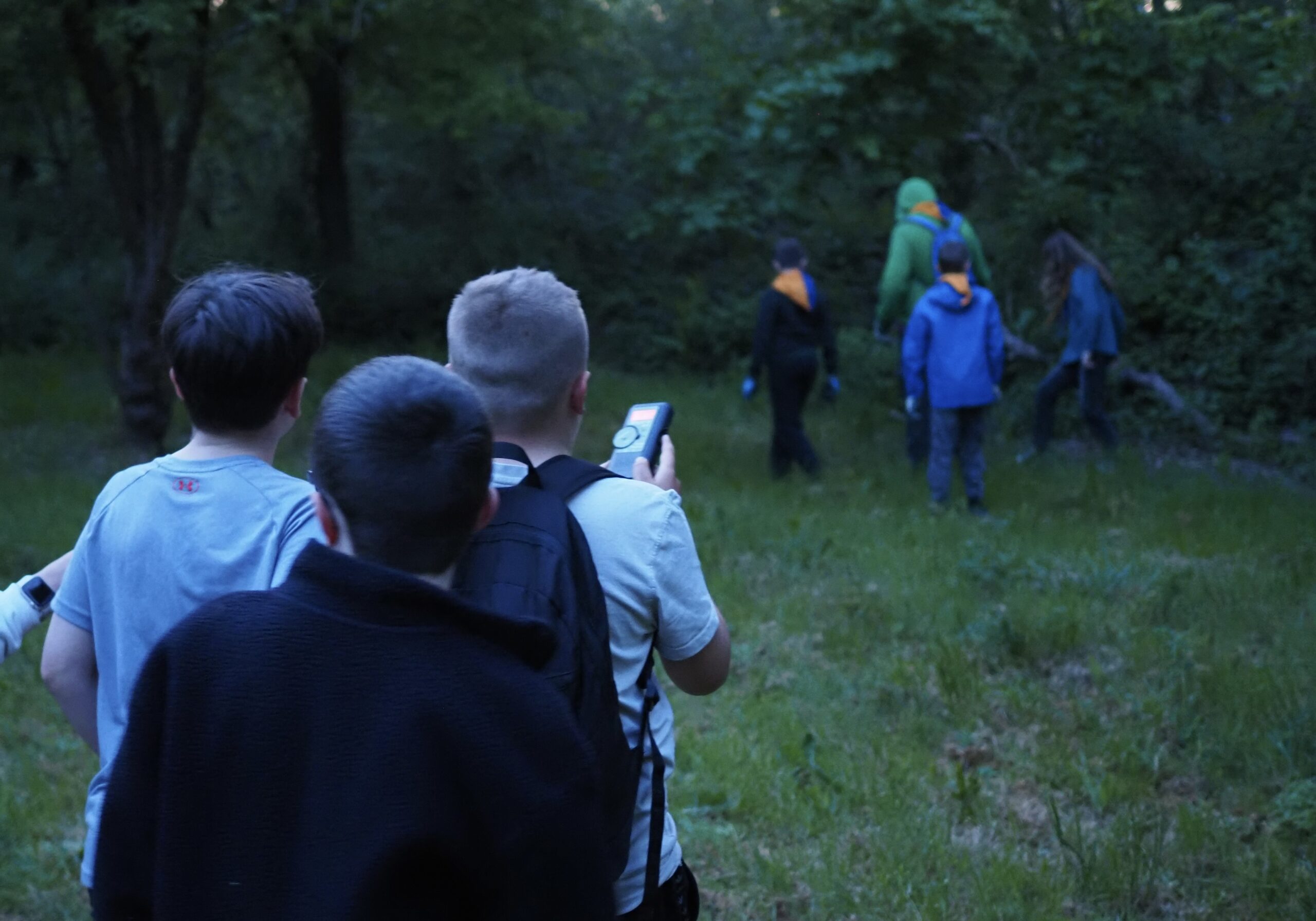
Our Gardens & Greenspaces members are already helping monitor bats in their local communities using Weald to Waves BioBox equipment. By borrowing a kit, members can discover which species are living nearby and contribute valuable records that help build a better understanding of bat populations across the corridor. Members can also explore practical advice and resources through the Actions for Nature tool in the Weald to Waves members area.
You can also find out more about Sussex bat species and conservation work through the Sussex Bat Group.