
Wilding Gardens Conference 2026, Gardens at the Heart of Recovery
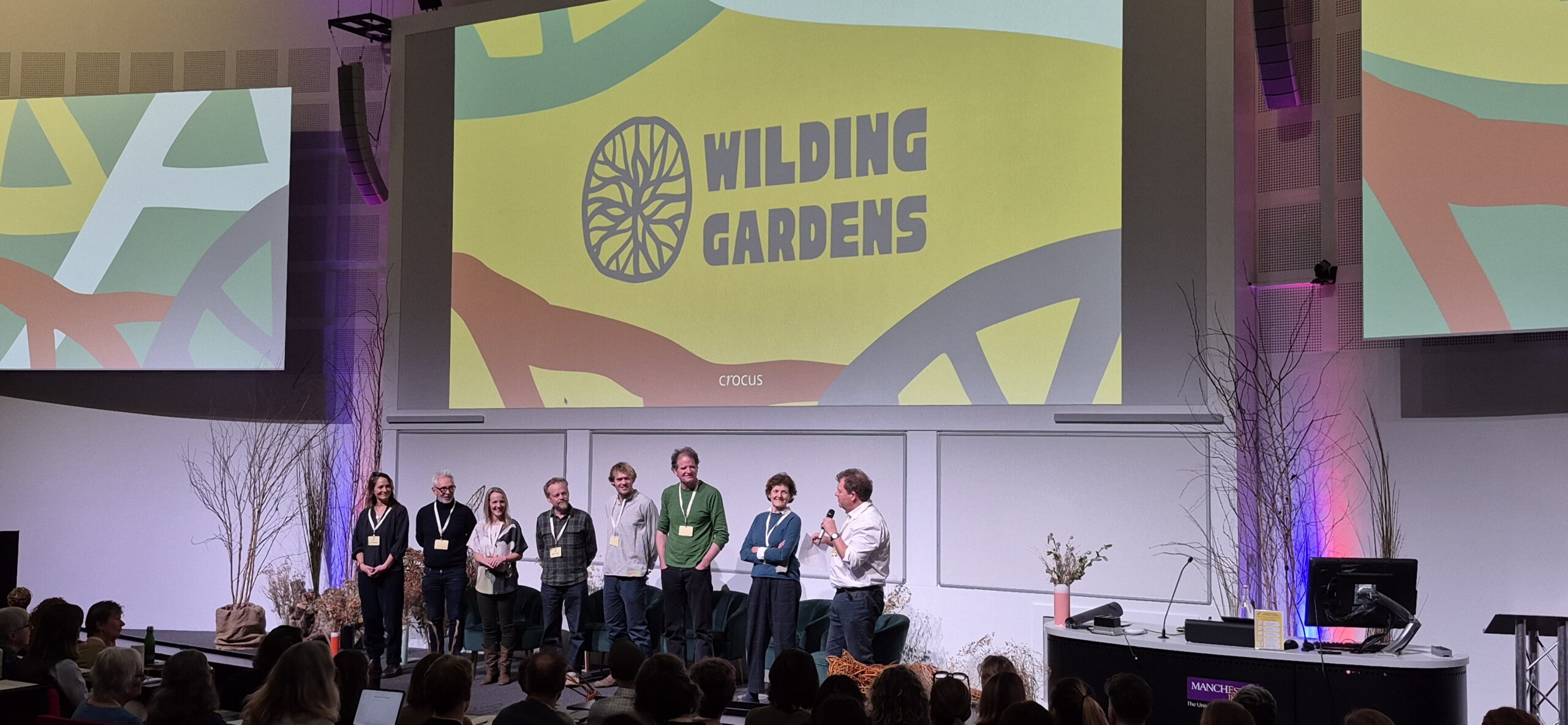
Understanding how we can better support nature recovery in our gardens and greenspaces was the focus of the inaugural Wilding Gardens Conference in Manchester this January. Bringing together an extraordinary mix of garden designers, rewilders, organisations and everyday growers, the event marked a significant moment: a recognition that gardens — rural, suburban and urban — are not peripheral to nature recovery, but central to it.
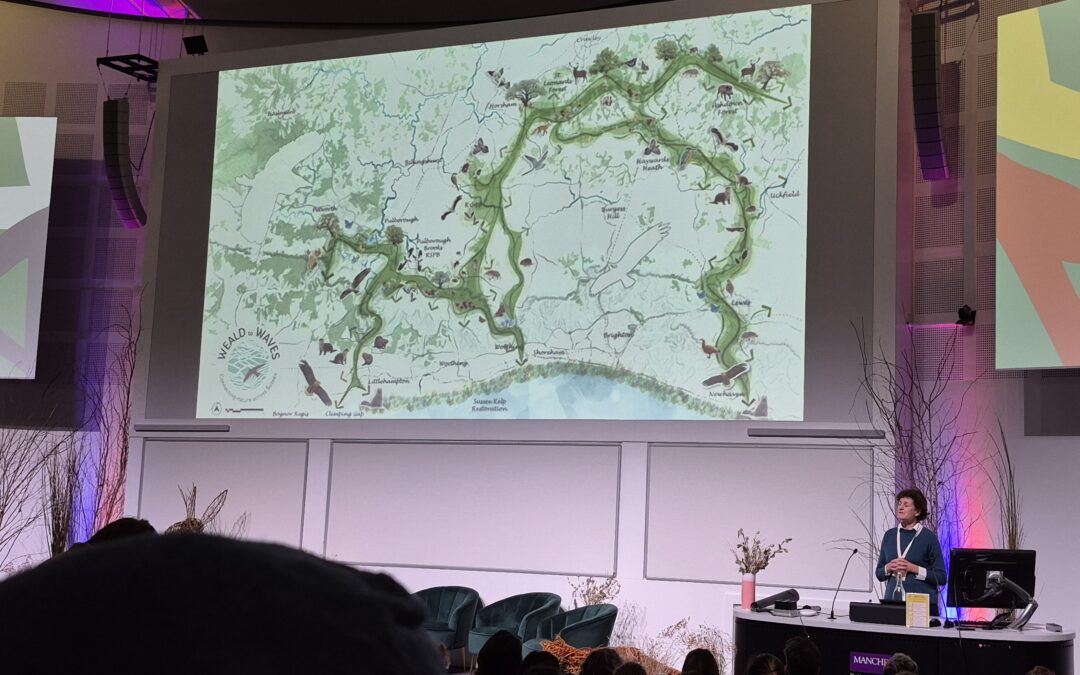
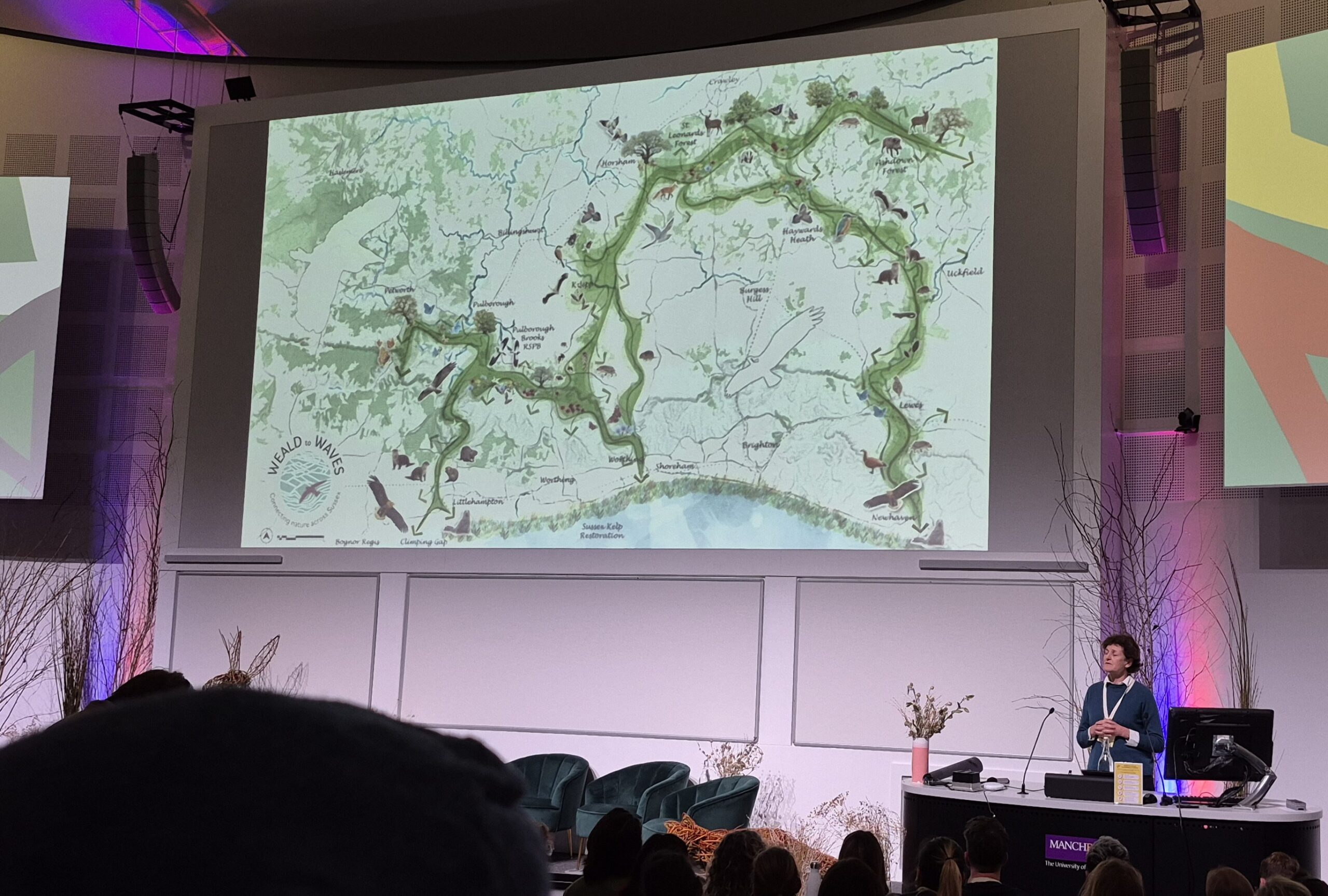
Weald to Waves was delighted to take part in the event, sharing Sussex’s landscape-scale recovery journey while gathering ideas and inspiration to bring back to our members and communities.
A Shift in Thinking
Across two information packed days, a powerful shift in perspective emerged. Wildlife friendly gardening is not about adding isolated features. It is about embracing complexity, process and connection.
Healthy gardens function as dynamic systems. They are constantly evolving, more like kaleidoscopes than static designs. They depend on soil health, varied planting, water sensitivity, decomposing matter and physical structure, the humps, hollows, shade and shelter that allow life to flourish.
Just as importantly, gardens were framed as stepping stones within a much wider ecological network. Looking beyond the garden fence and recognising each space as part of a connected landscape was a recurring and urgent theme.
Biodiversity Begins at Home
Opening the conference, Craig Bennett, Chief Executive of The Wildlife Trusts, spoke to more than 400 attendees about the huge potential for reversing biodiversity loss by increasing connection between people and nature. It was a theme that echoed throughout the event.
That idea was taken further in discussions about complexity. Nature does not just need joined up habitats, it needs varied spaces where natural processes can play out.
The conference itself was first conceived by garden designer Adam Hunt, whose Rewilding Britain garden won Best in Show at the Chelsea Flower Show in 2022. Inspired by a beaver dam, the design celebrated natural engineering and ecological process. His creative partner Lulu Urquhart painted a vivid picture of that dynamic landscape, full of sound, movement and life.
Entomologist Erica McAlister, Principal Curator at the Natural History Museum, brought infectious enthusiasm for one of the most overlooked groups of animals, flies. She reminded us that there are more species of fly in the UK than mammals globally. Often dismissed as pests, these insects are powerful drivers of biodiversity. To thrive, they simply need gardens that are a little messy and varied, spaces that support their complex life cycles.
Food, Cities and Productive Landscapes
The importance of insects becomes even clearer when we consider their role in food production.
Jason Williams, known as The Cloud Gardener, described his Manchester balcony garden and the hoverfly pond habitat he created during lockdown. Aquatic insects, Japanese rice fish and nutrient cycling came together to form a small but rich ecosystem, producing food in the heart of the city.
Joshua Sparkes shared insights from his work at the Woolsery Collective in Devon, where biodiversity sits at the centre of a connected system that includes food forest, livestock farm, shop and restaurant. By linking ecology and enterprise, the project demonstrates how profitable landscapes can support both people and nature at scale.
Again and again, speakers returned to the idea of joining the dots. School grounds, city parks, historic gardens and backyards all have a role to play when nature is placed at the centre.
Proof in Practice
Few gardens are more recognisable than Great Dixter. Fergus Garrett spoke generously about their Biodiversity Audit, demonstrating how intensively designed and managed gardens can still support remarkable ecological richness. Dixter stands as reassurance for those who worry that gardening for wildlife means neglect. It does not. It means intention.
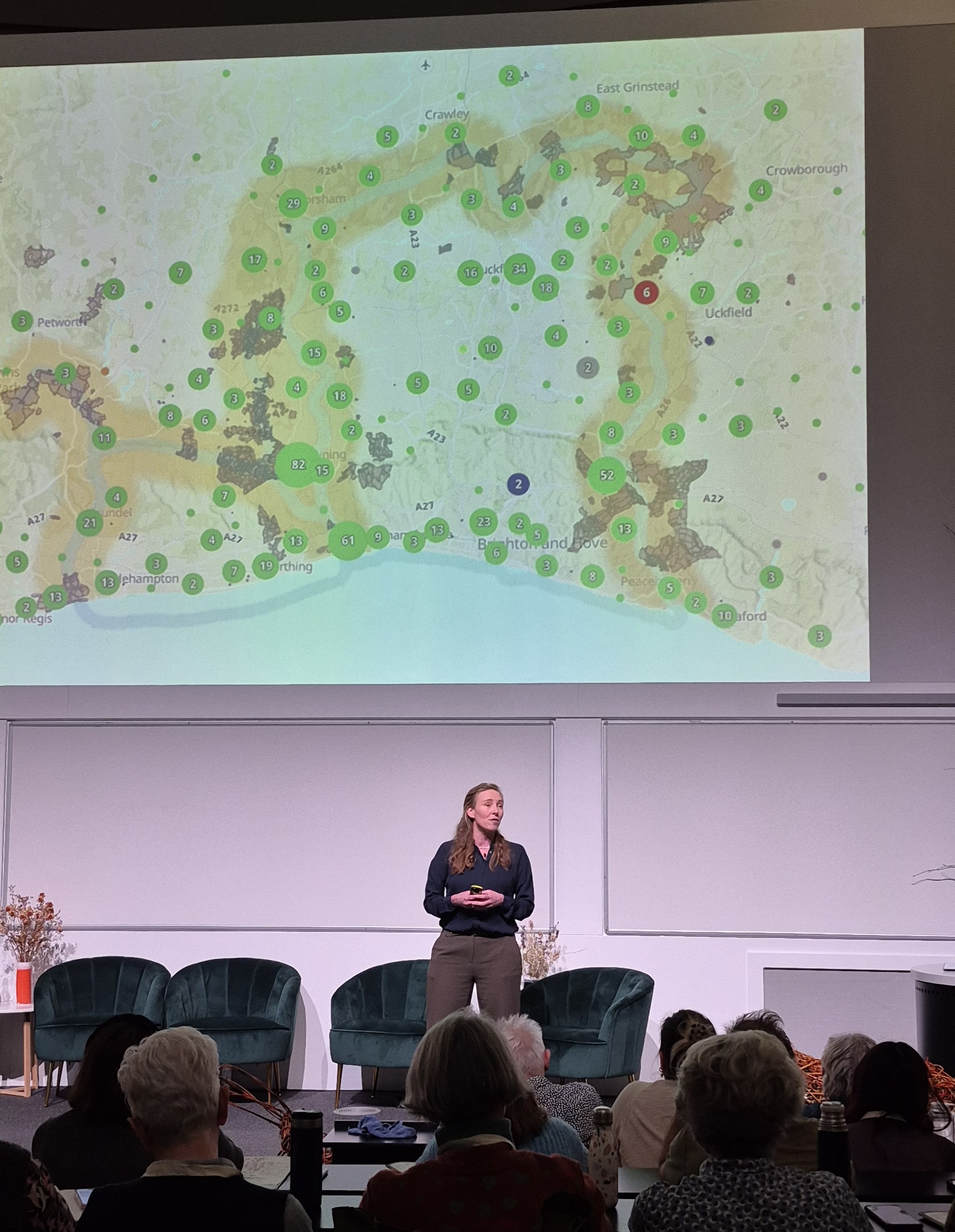
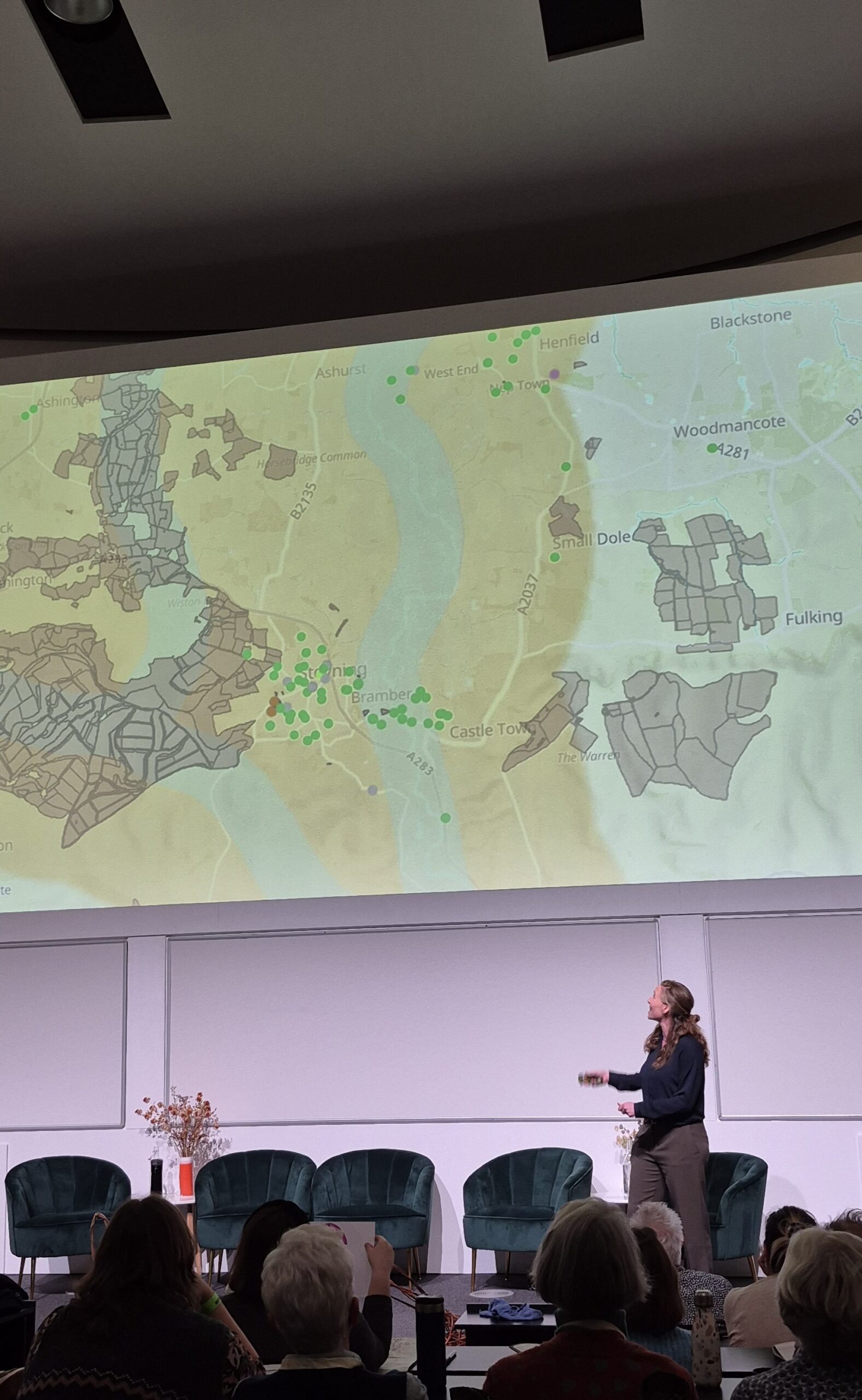
Our own Libby Drew captured the mood of optimism while introducing Weald to Waves to a northern audience. Following a presentation from Cyan Lines, an ambitious project connecting Manchester’s green and blue spaces, ecological corridors were firmly on the agenda. As John Little reminded us, those corridors are full of gardens, and gardeners.
The conference closed with a rousing summary from Andy Burnham, who reaffirmed Manchester’s commitment to becoming one of the greenest cities in the UK. It felt like a genuine turning point.
23 Million Opportunities
Perhaps the most powerful message of the conference lay in its diversity of voices. Politicians, designers, ecologists, sound engineers and researchers all pointed to the same conclusion. Gardens are part of the bigger nature recovery story, all 23 million of them across the UK.
They connect people with nature. They offer stepping stones across fragmented habitats. From organisations such as the National Trust to individual window boxes, the variety and diversity of outdoor spaces is a strength.
When these spaces are linked with farms, estates and new green infrastructure, as we are doing in Sussex through Weald to Waves, the potential is extraordinary. We can create functioning ecosystems at scale, landscapes where people, food production and wildlife coexist.
Gardens are not small or separate. They are essential parts of a hopeful, connected movement for nature recovery.