Introducing the 100 Mile Classroom: Landscape Learning for the Next Generation
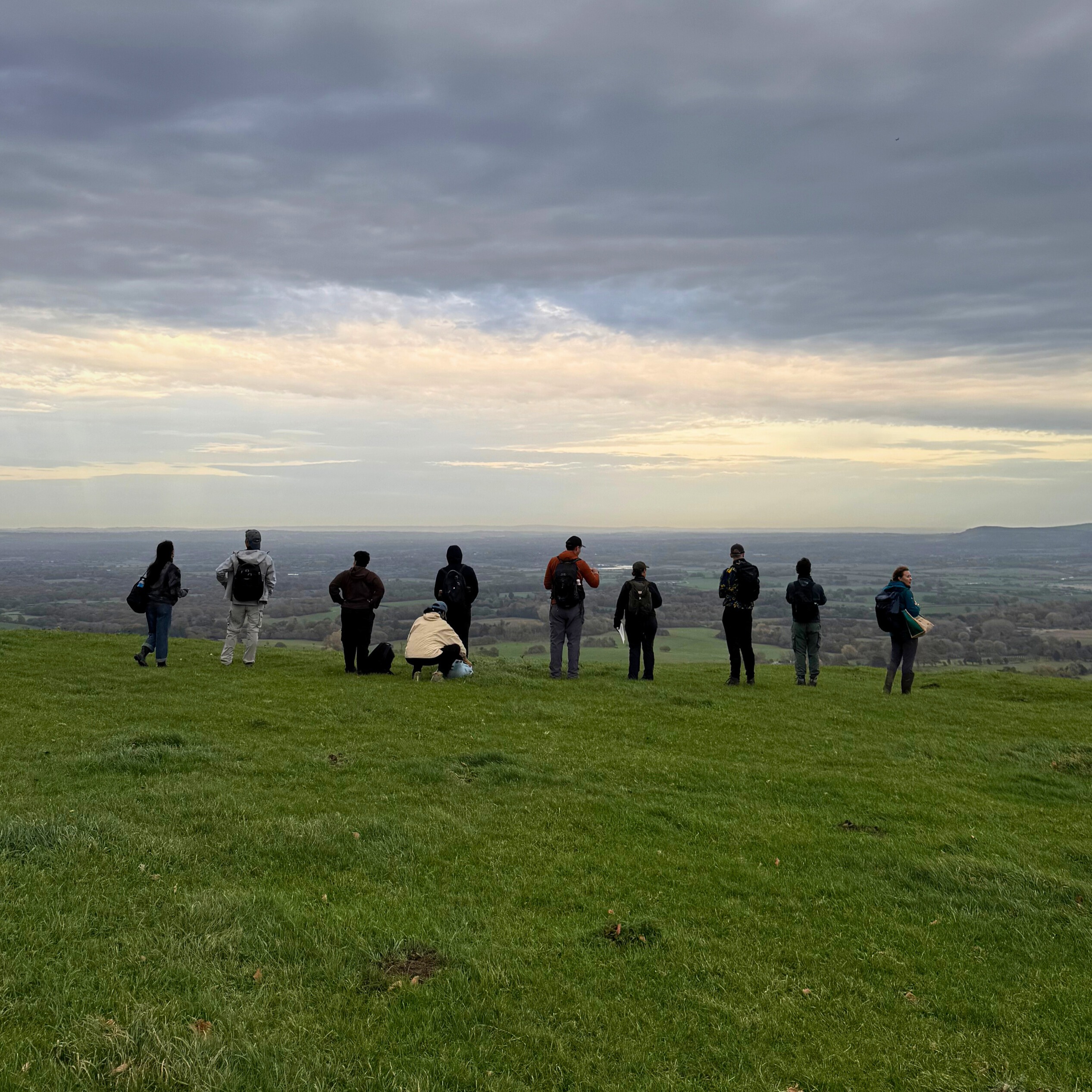
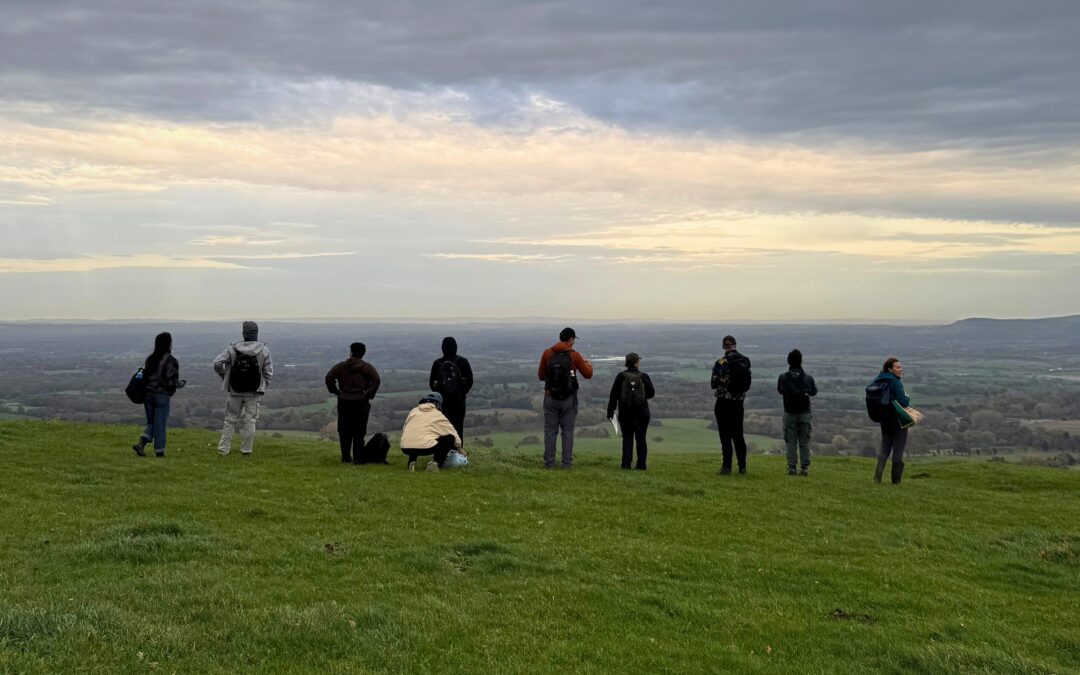
The 100 Mile Classroom, led by the Knepp Wildland Foundation as part of Weald to Waves, is reimagining how young people connect with and learn from inspiring local nature restoration work. At its heart lies a simple idea: every young person should have meaningful, repeated access to the landscapes around them, and a clear pathway into the green careers shaping our future.
Overcoming barriers to nature-based learning
After speaking with schools and nature educators across Sussex, it’s clear that three barriers make it particularly challenging for secondary state schools to access nature learning opportunities: time, cost, and curriculum. By drawing on the Weald to Waves nature recovery corridor’s geographical scale, ambition, and project diversity, the 100 Mile Classroom aims to address all three. The result? A unique place-based approach to nature education that will equip the next generation of green leaders.
A new model for local nature recovery education
With so much incredible work already underway in Sussex, the 100 Mile Classroom will join the dots and fill the gaps to drive greater impact. Our three principles — Connectivity, Co-creation, and Equitable Access — guide us toward collaborative opportunities for those who need them most. The vision is ambitious: to reach all schools across the Weald to Waves corridor, with a target of working with 20 schools and tracking 3,000 pupils through the 100 Mile Classroom by September 2026.
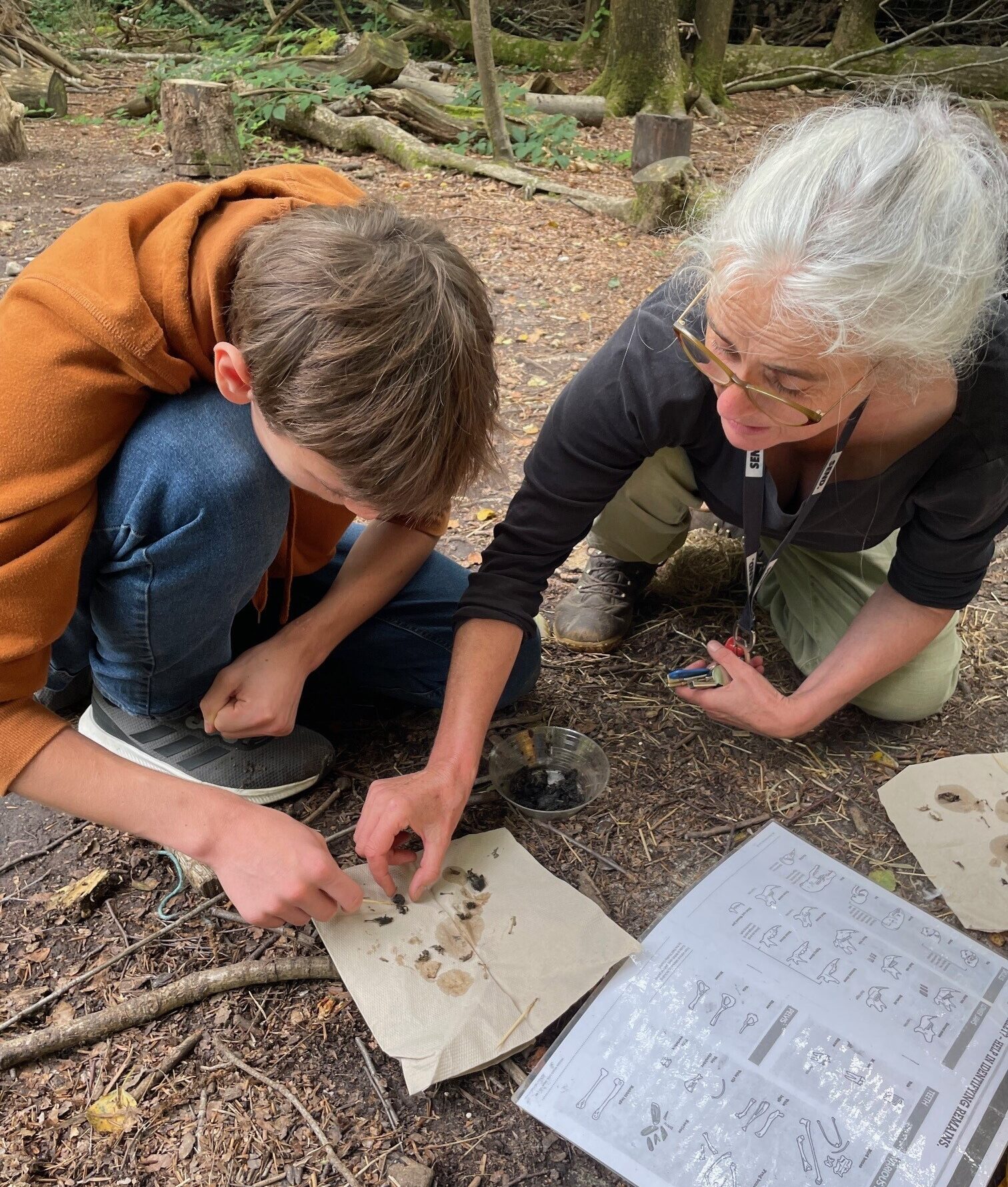
Four interconnected layers will overcome barriers to nature-based learning, taking students from awareness to action and learning to jobs:
1. School-based resourcesEasy-to-access and implement resources will help schools drip-feed local nature recovery knowledge and awareness throughout the academic year, including assemblies, videos, workshops, competitions, careers events, and display resoures.
2. Curriculum-linked lesson plansFree-to-access lesson plans and packs will help teachers explore themes such as biodiversity, climate resilience, and natural processes, using local case studies and data in line with national curriculum requirements across Key Stages 3–5.
3. Landscape-based learningMapping every school on the Weald to Waves corridor to a local nature recovery site, from community allotments to farms and rewilding sites, will make nature-based learning more universally accessible, removing barriers such as transport, time, and cost. These sites will provide repeated, place-based encounters with nature recovery in action.
4. Green skills and job pathwayThrough more mentoring, paid training, work placements, and experience opportunities, young people across Sussex will receive equitable access to the expertise and skills needed to adopt green skills or embark on a green career.
Learning in and from nature
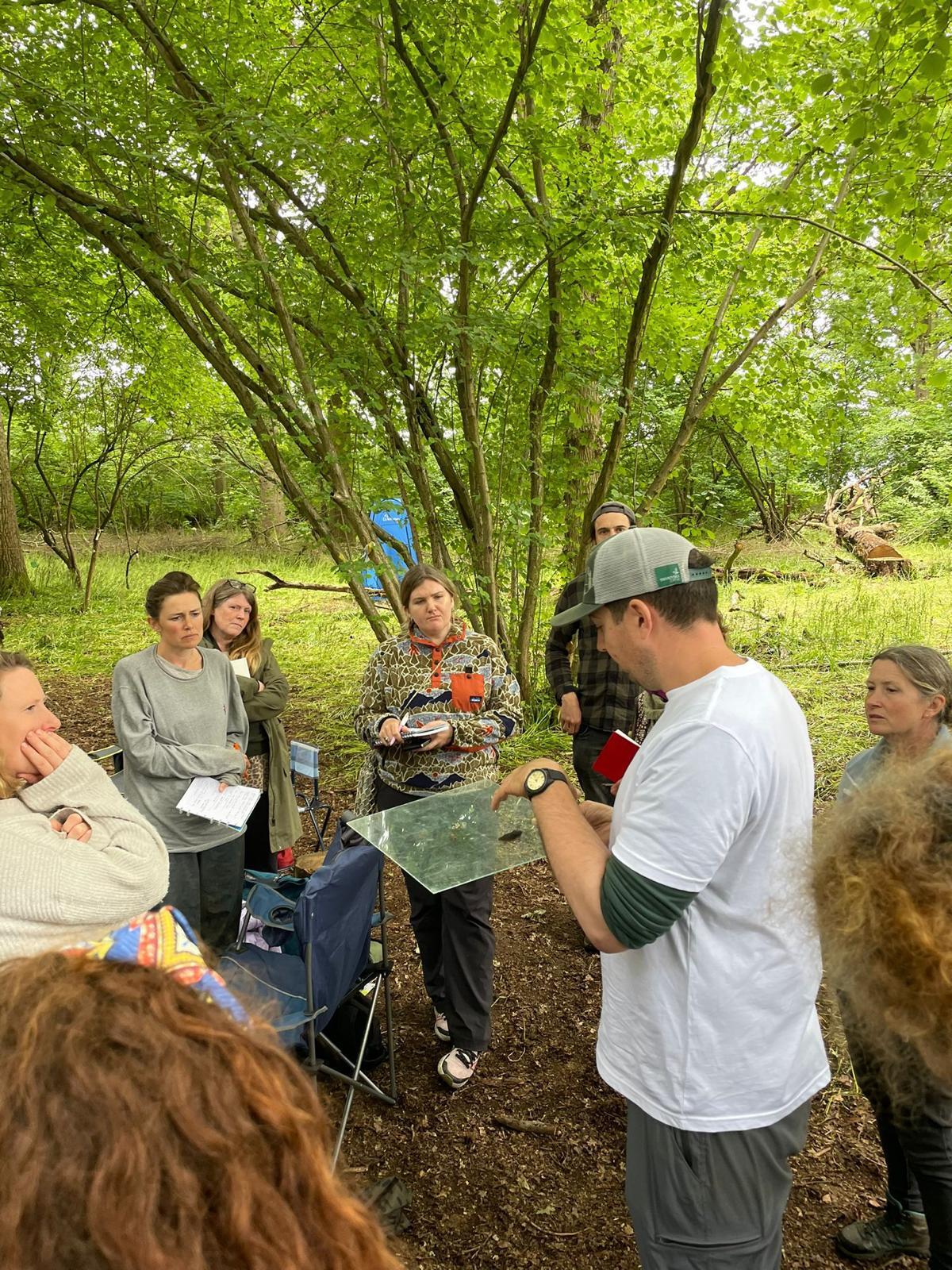
The programme’s core learning sites — including Knepp Wildland, Wiston Estate, Goodwood Education Trust and William Robinson Gravetye Charity —offer themed, high-quality experiences ranging from chalkland biodiversity surveys to regenerative farming workshops. Grants and shared transport options ensure these opportunities are accessible to more state secondary schools and alternative provision groups. New nature learning sites in locations like Littlehampton and Newhaven will increase access for more schools.
Why this matters now
Despite growing urgency around climate and biodiversity, opportunities for schools and colleges to access high-quality nature education remain scarce. With the amount of time children spend outside declining by 50% in a generation (Raising the Nation Play Commission), and a growing mental health crisis among young people, getting more young people to learn from and in nature brings multiple benefits.
Meanwhile, Sussex is emerging as a national leader in nature recovery. Alongside rising youth unemployment, there is an increasing demand for a skilled, confident regional workforce ready to drive that recovery forward. Research from The Prince’s Trust and Public First (2023) shows that fewer than 30 per cent of young people can explain what a “green job” is. For students from rural, low-income, or alternative provision backgrounds, the barriers to entry are even higher.The 100 Mile Classroom aims to change that—by accelerating access to green skills, nurturing curiosity, and giving young people hands-on experience across their local landscapes.
A partnership approach
Working with local partners such as Sussex Bay, the University of Sussex, Sussex Community Transport, and the South Downs National Park, and national ones, like the National Education Nature Park, will be fundamental to the success of 100 Mile Classroom, helping to position Sussex as a national pioneer in youth-led nature recovery.Challenges remain—ensuring access and equity, aligning with curriculum demands, coordinating partners, and securing long-term funding—but the commitment is clear. With collaboration, creativity, and community at its core, the 100 Mile Classroom is preparing the next generation not just to witness the future of nature recovery but to lead it.
Thanks to our funders Garfield Weston Foundation, The Gerald Micklem Charitable Trust, and Swire Charitable Trust. To find out more or get involved, contact holly@kneppwildlandfoundation.org