
GREENstead Planting Project
Introduction
Many of our wonderful community groups across Sussex who work to support nature recovery have often been started by just one or two individuals who feel the drive to take action in their local area and to encourage others to get involved. The GREENstead Climate Action Group in Partridge Green is one such example as community member Rachel Richards explains.
Getting Started
In the autumn of 2019, I was dismayed that trees were being felled in my village, without any strategy to replace them, or offset the loss by planting on another suitable site nearby. I visited the Parish Council meeting to express my concern at the lack of replacement tree planting and was invited to submit plans to make this happen. To do this, I set up the ‘Tree Planting Project’ in 2020, to find other volunteers and raise funds. I became Tree Warden a year later and have since become a Parish Councillor. The Climate Action Group was set up in 2022, and named ‘GREENstead’, which has incorporated the ‘Tree Planting Project’ and inspired more volunteers and projects.
Current Projects
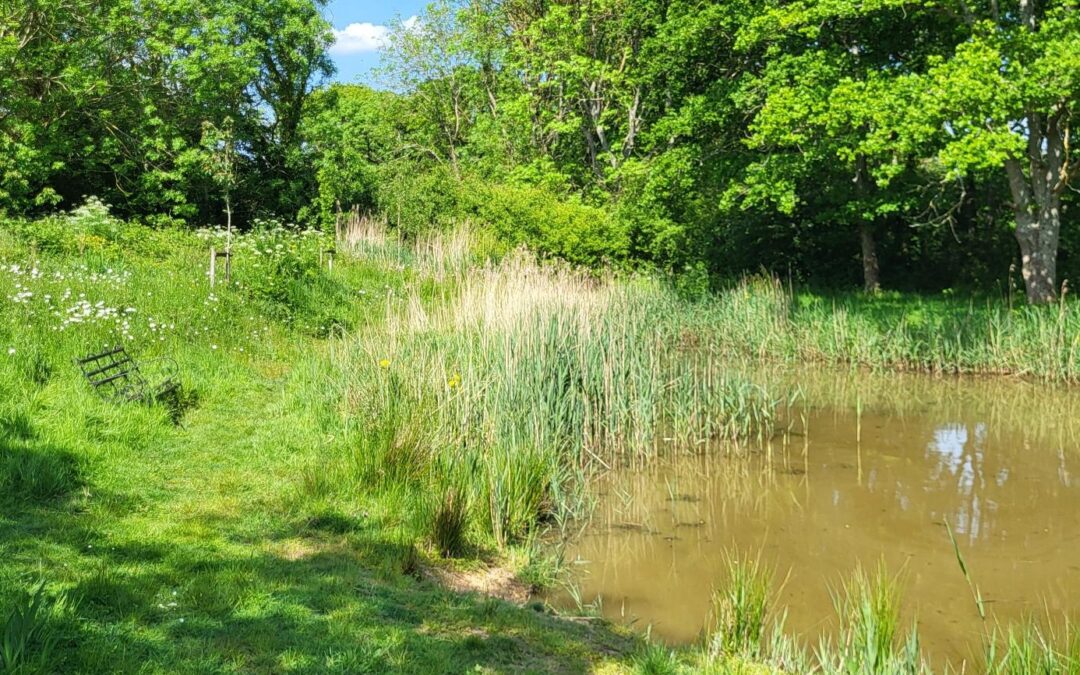
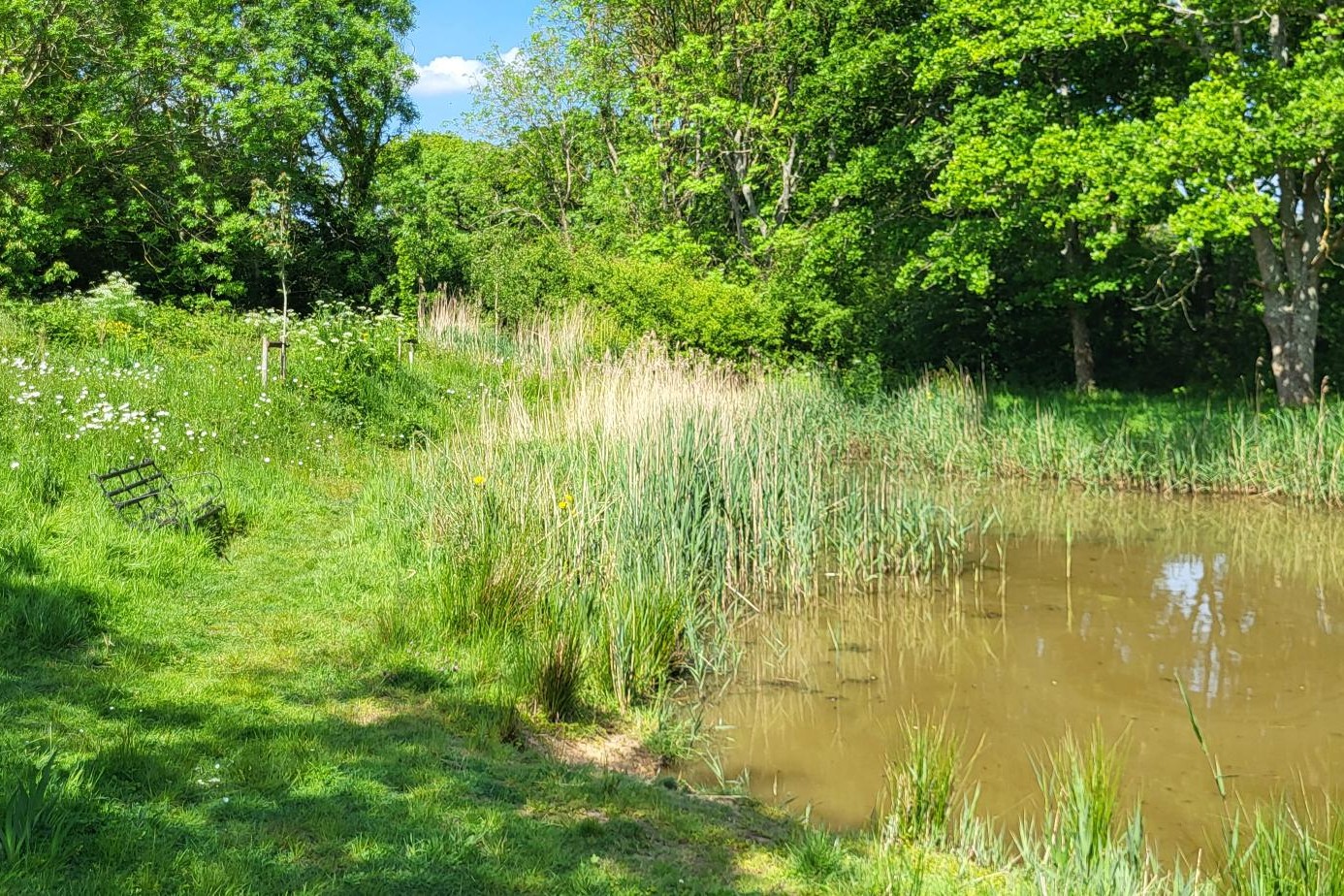
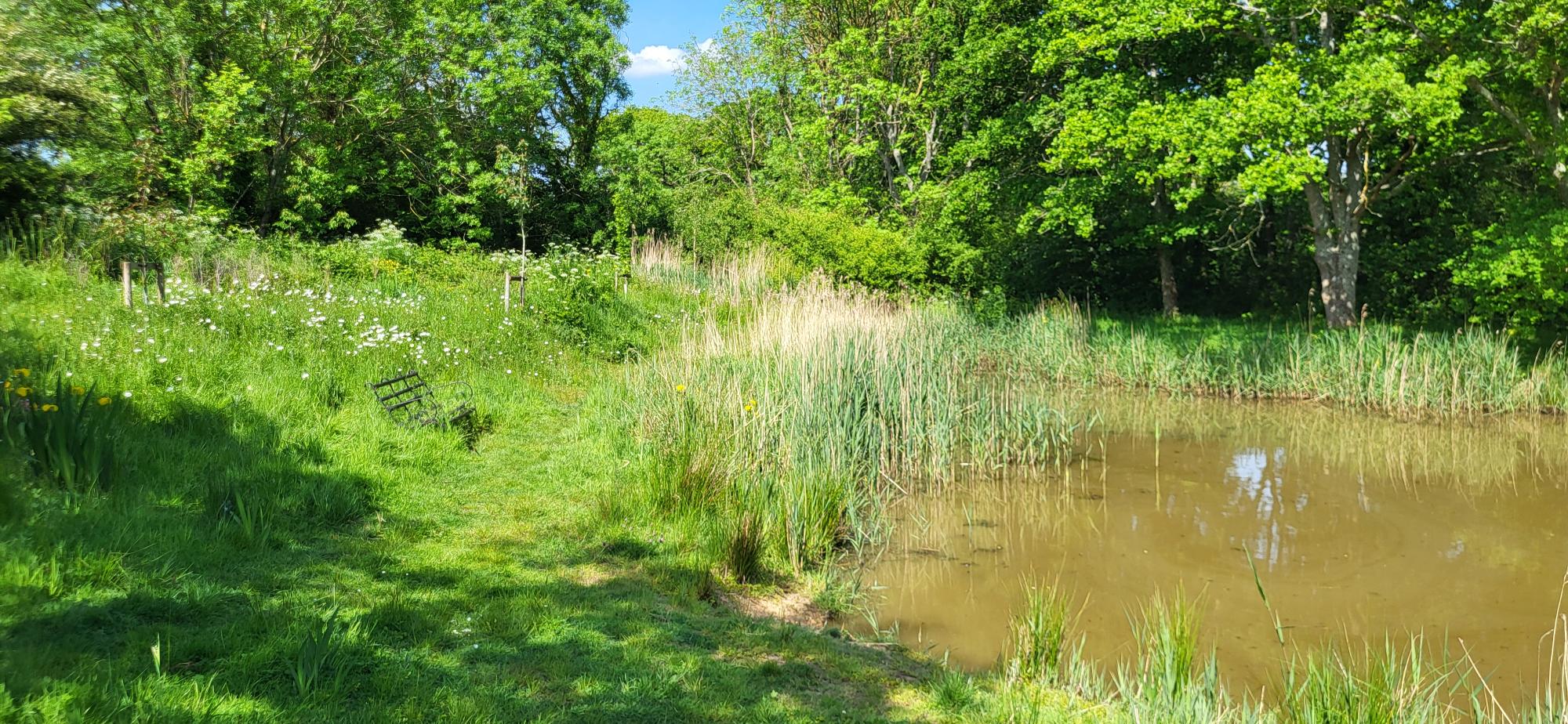
At the King George V Playing Field, we have planted a dozen, mainly native, trees. Some areas of the site are being mowed less, to provide longer grass for insects. The area around the pond is being managed to increase the wildflowers on the raised bank. We are allowing some areas of scrub to thicken up to provide more shelter for wildlife.
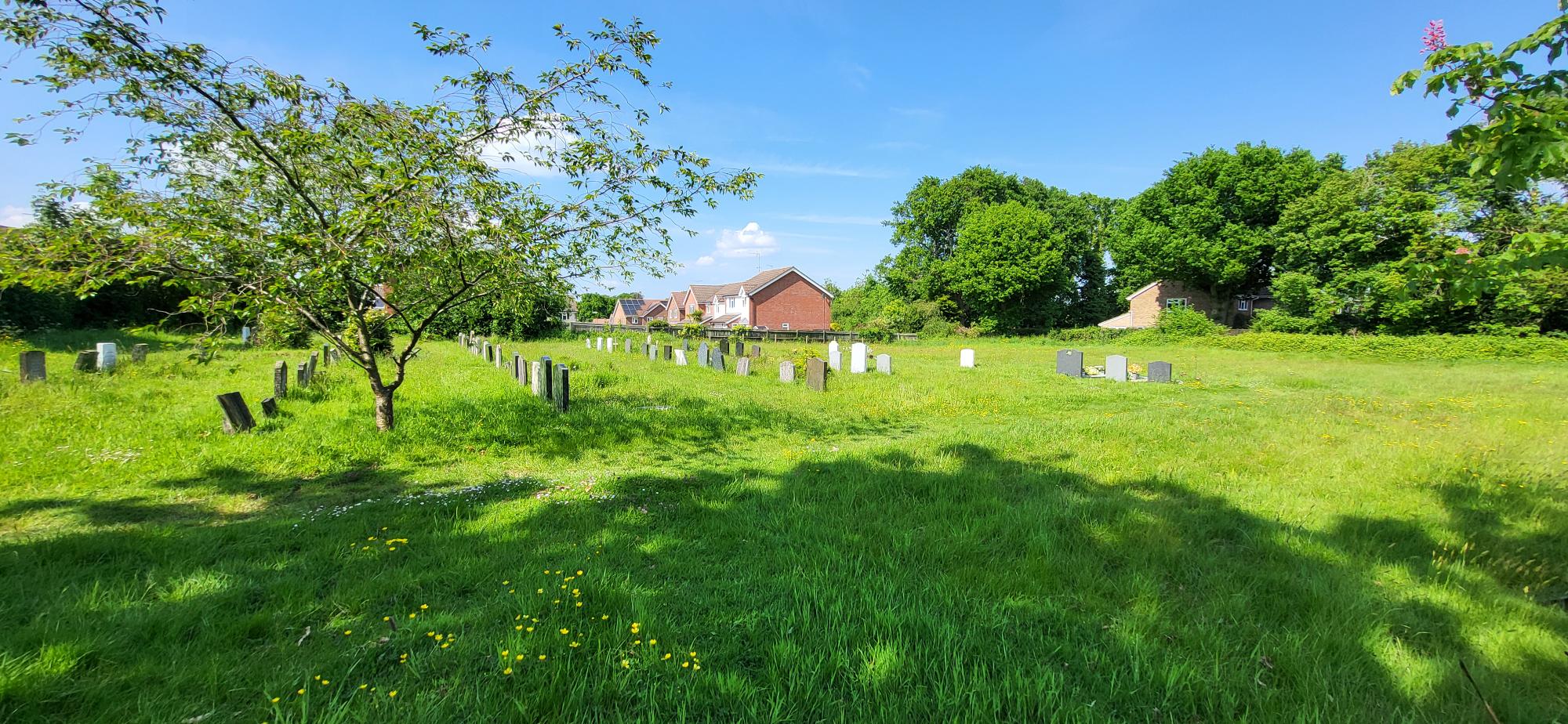
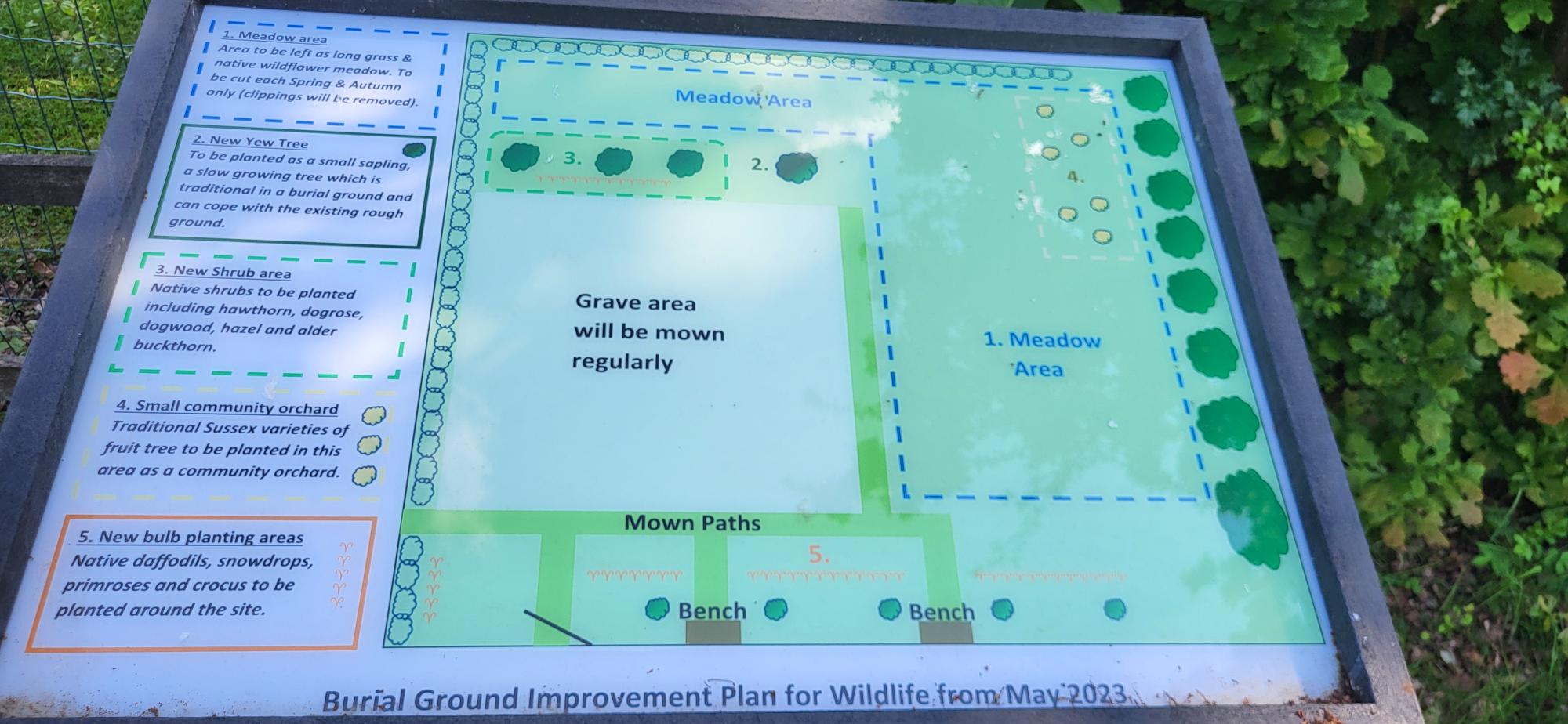
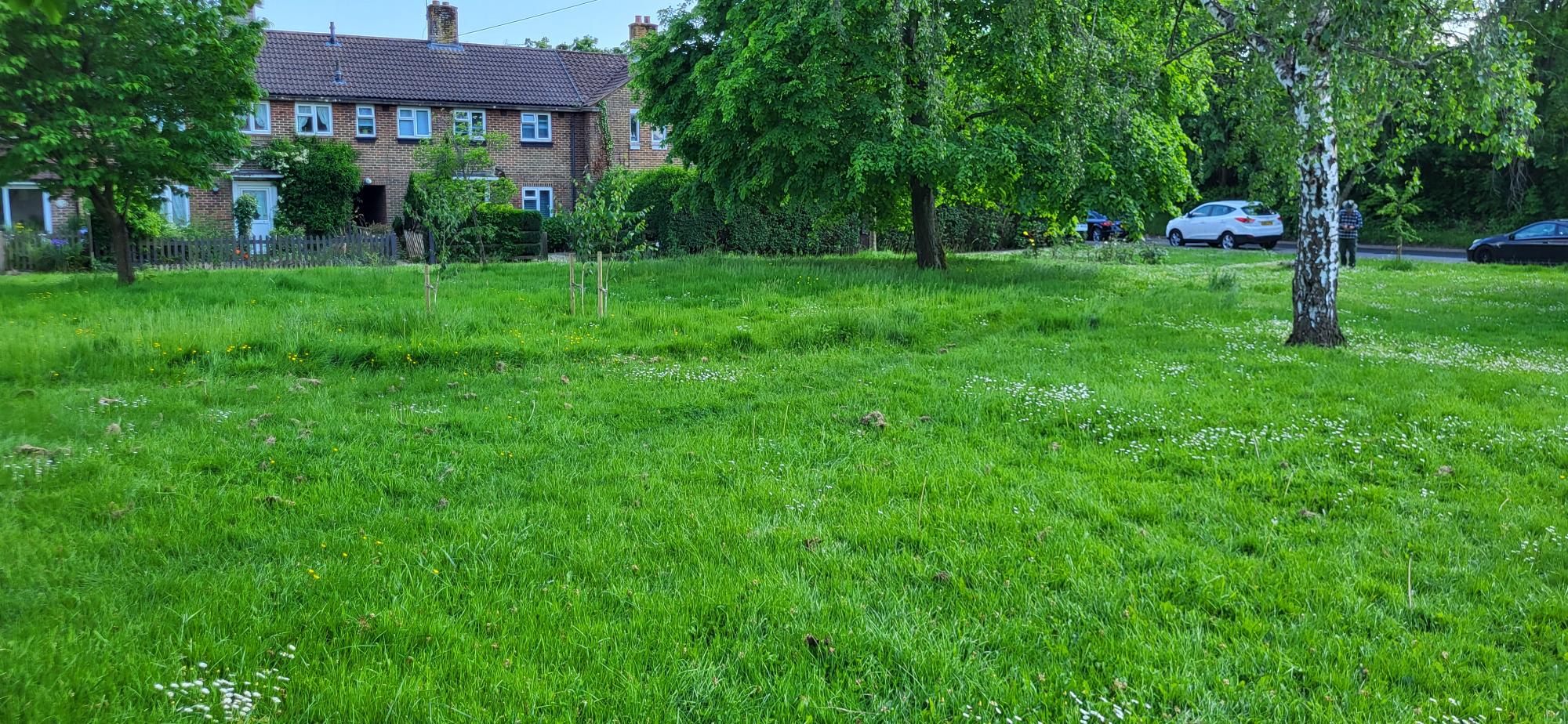
At the Burial Ground we have created a wildflower meadow, planted a new hedge with native saplings rescued from local gardens, and increased the value of the site to pollinators by increasing the naturalising spring bulbs around the site. In 2022 we also changed the grass cutting schedule. We have installed information for the community on site to explain the management changes.
On Jolesfield Common we have thinned out the woodland, opening the canopy to allow more wildflowers, and hopefully improve biodiversity. Our High Street has some raised beds, which we will fill with flowers suitable for pollinators.
Challenges
Initially, there was scepticism about the need to change anything in the parish, but once the Parish Council declared a Climate Emergency, they became supportive and wanted ideas on what could be done. Being on the Parish Council is a good way to help change things.
Locally, there is some resistance to having longer grass, and less manicured sites than in the past. This is gradually changing, as people become more aware of how climate change is affecting our area. Having information at the sites, and in the village newsletter, along with guest speakers at parish events, helps.
Funding is always a challenge for community groups, but I have managed to raise the funds entirely through local support – by advertising locally for donations, asking people to sponsor a tree, asking local charitable groups for donations. With volunteer help, I organised Plant & Seed Swaps to raise more too. The Parish Council also matched the initial fundraising to cover the cost of the first eight trees.
Opportunities and Successes
There are plenty of opportunities in Sussex to seek advice and gain more knowledge for community projects. I reach out to relevant experts (e.g. at Knepp, Sussex Wildlife Trust and the Tree Council), and I have spoken with other volunteer groups in Sussex where appropriate. I attend events organised by Lost Woods, Tree Council, Wildlife Trusts, etc to learn more and locally I use Facebook and write in the village Newsletters to share this knowledge and engage with the wider community.
Our actions are making a difference! We have found slow worms at our Burial Ground site now that the grass is left longer around the headstones. The wildflowers have increased in the meadow, and we found our first common spotted orchid there last summer. There has been an increase in the numbers of moths and butterflies onsite, plus lots of other insects.
The trees are all doing well on all our sites and so far the hedgerow is growing nicely. The woodland area at Jolesfield Common has more bluebells and the oaks there have new side shoots from the trunks, which will improve their health in the longer term. There were plenty of fungal bodies in the autumn too. Some of the felled wood was used to create a giant home for bugs, which we love so much that we are creating another one around our composting bins at the Burial Ground.
We recorded over 100 individual species of wildflower on the wildflower bank at the King George V playing field last year, and it was buzzing with so many winged insects and birds.
What we have learnt?
- It’s good to start with a shopping list of what you would like to do, speak with the people that oversee the sites that you would like to work on, and gather support, including some keen volunteers who share your enthusiasm.
- Prioritise what you want to do, and start with the most easily achievable project, preferably one that is really visible to the wider community. Give yourself time, as it could take two or three years to get things under way.
- Have a plan for each site, and divide it into separate achievable mini projects, so that you can manage things according to funding and volunteer time.
- Remember to reward yourself and your volunteers – celebrate your achievements, and thank everyone involved, as well as sharing your successes with your wider community.
- Try to record things as you go along – before and after photos, groups of volunteers working together – and keep records of how things change, including species that you can identify. It helps to keep the motivation going and is evidence of all the hard work that has gone into the project.
Take simple steps now to support wildlife in your garden or community greenspaces by looking at the Actions for Nature tool in our Members area, including:
- Grow plants and flowers for pollinators and other invertebrates
- Grow larval food plants
- Plant trees
- Leave areas of grass uncut
- Wildlife ponds
- Leaf and log piles
- Standing dead wood and dead hedges