Heene Cemetery
Introduction
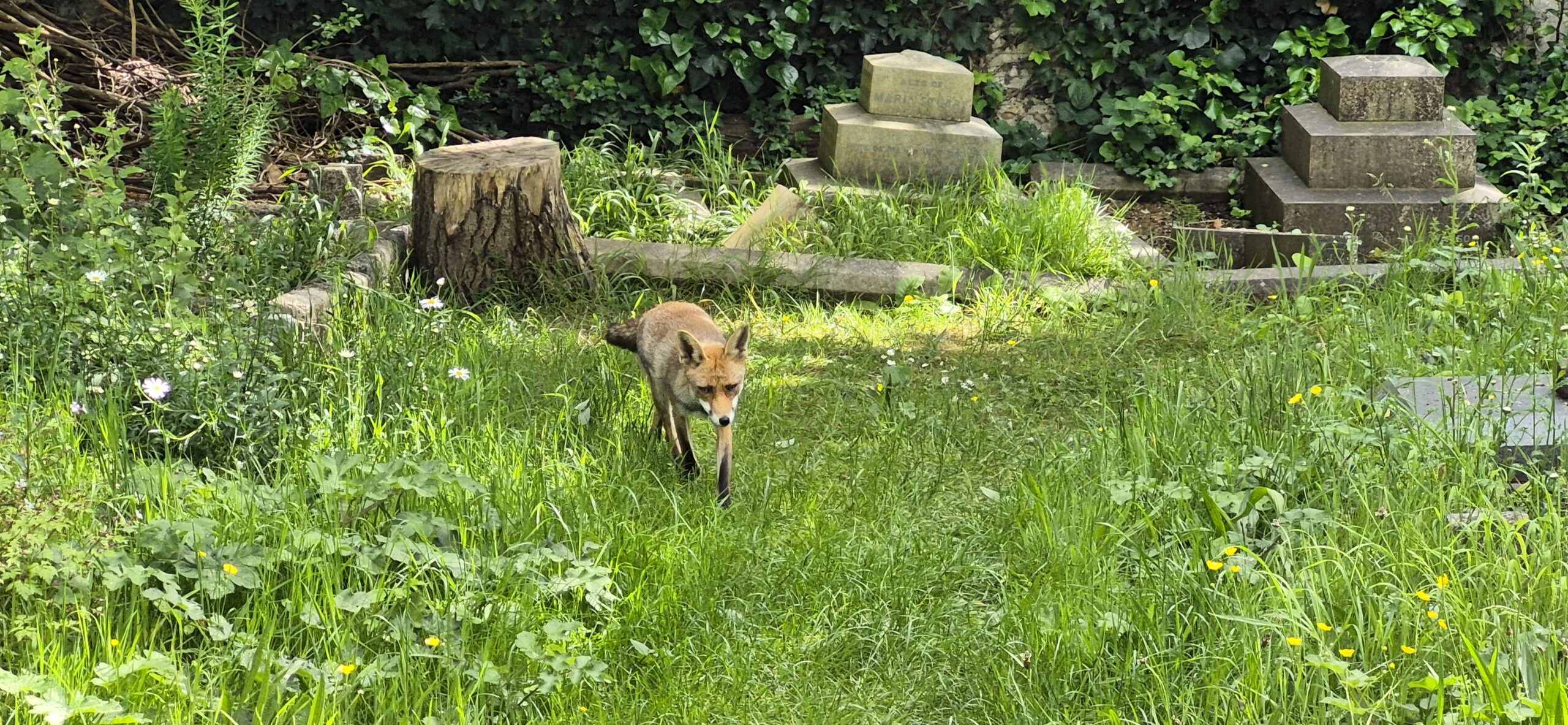
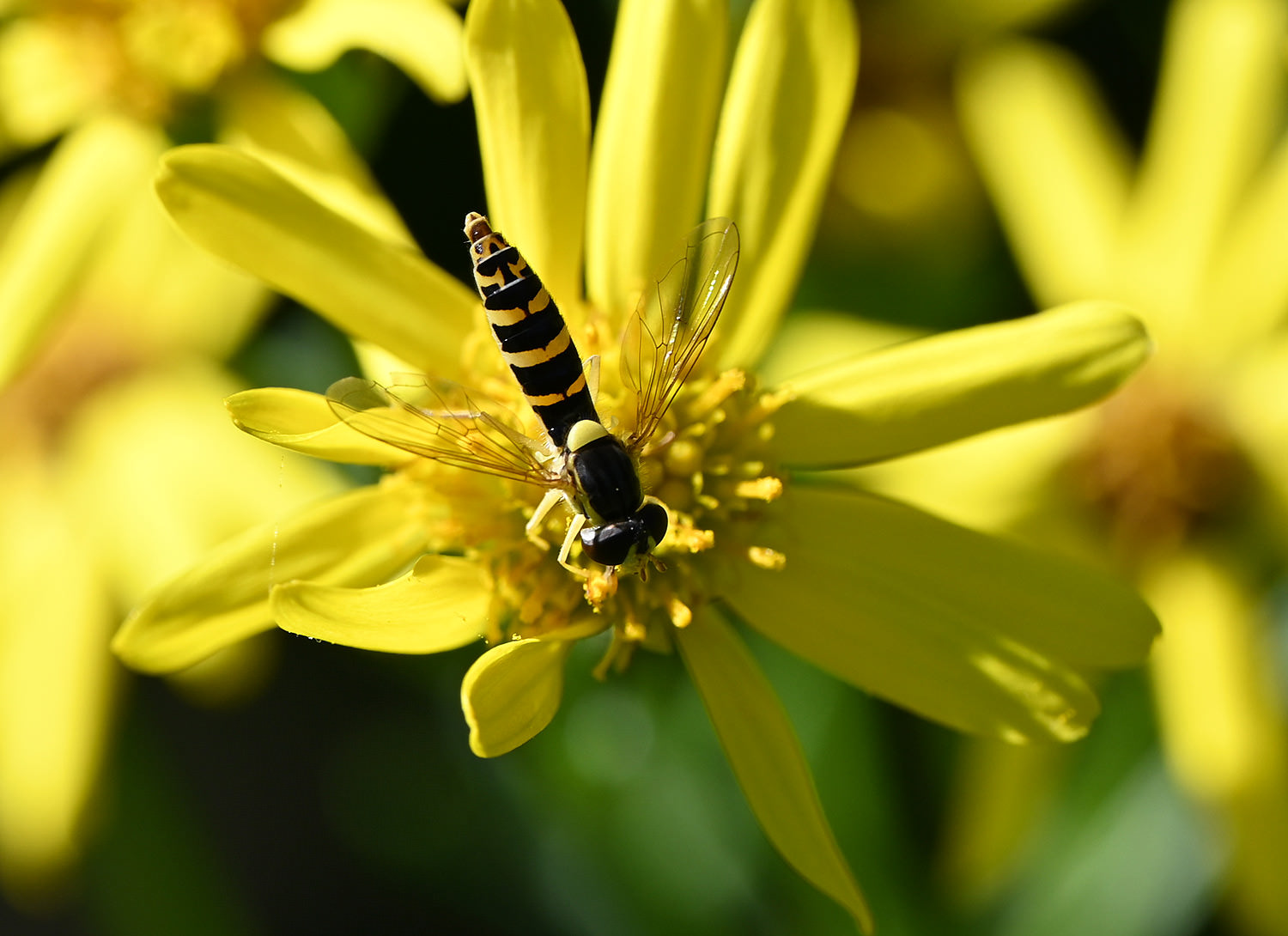
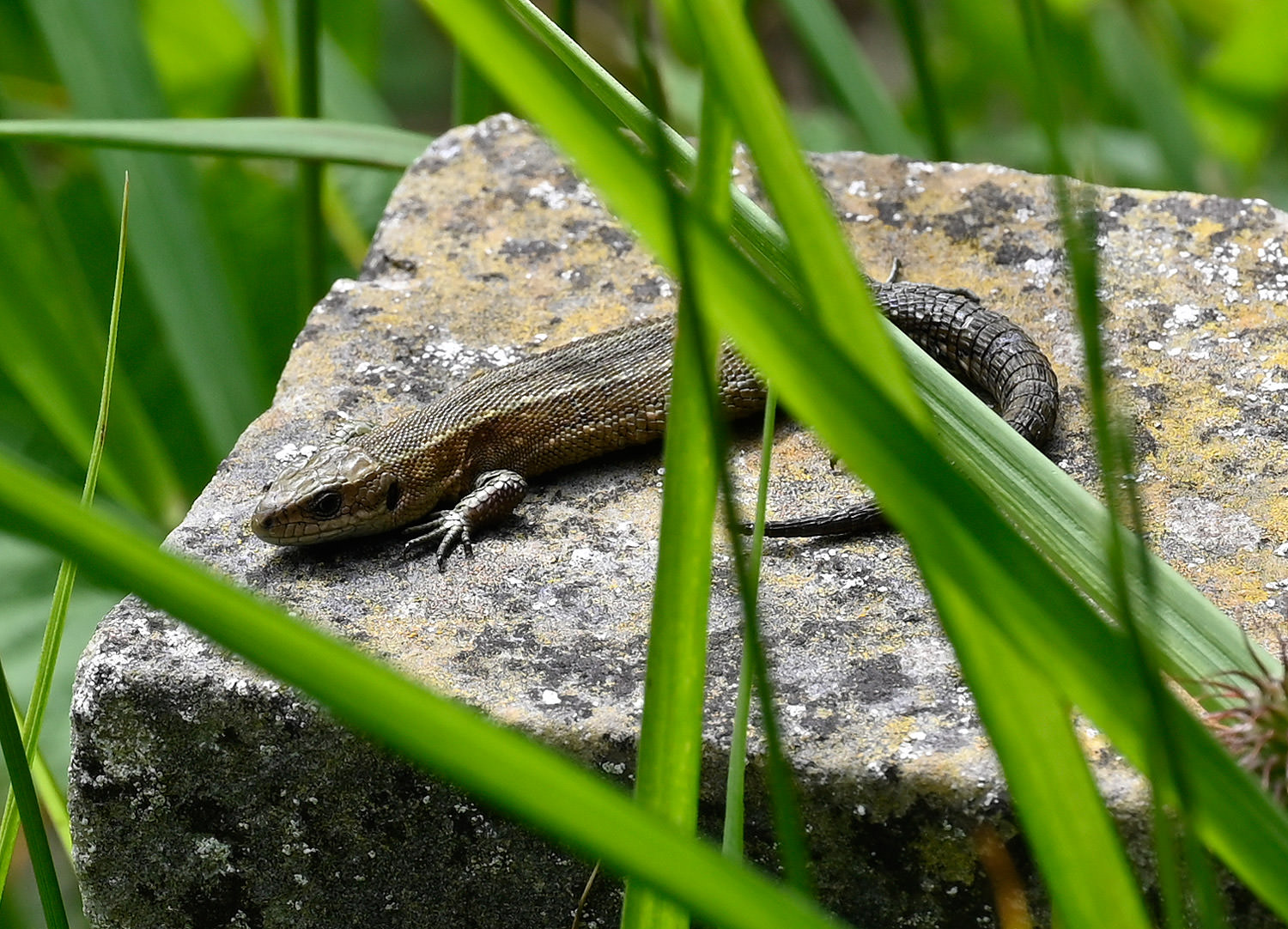
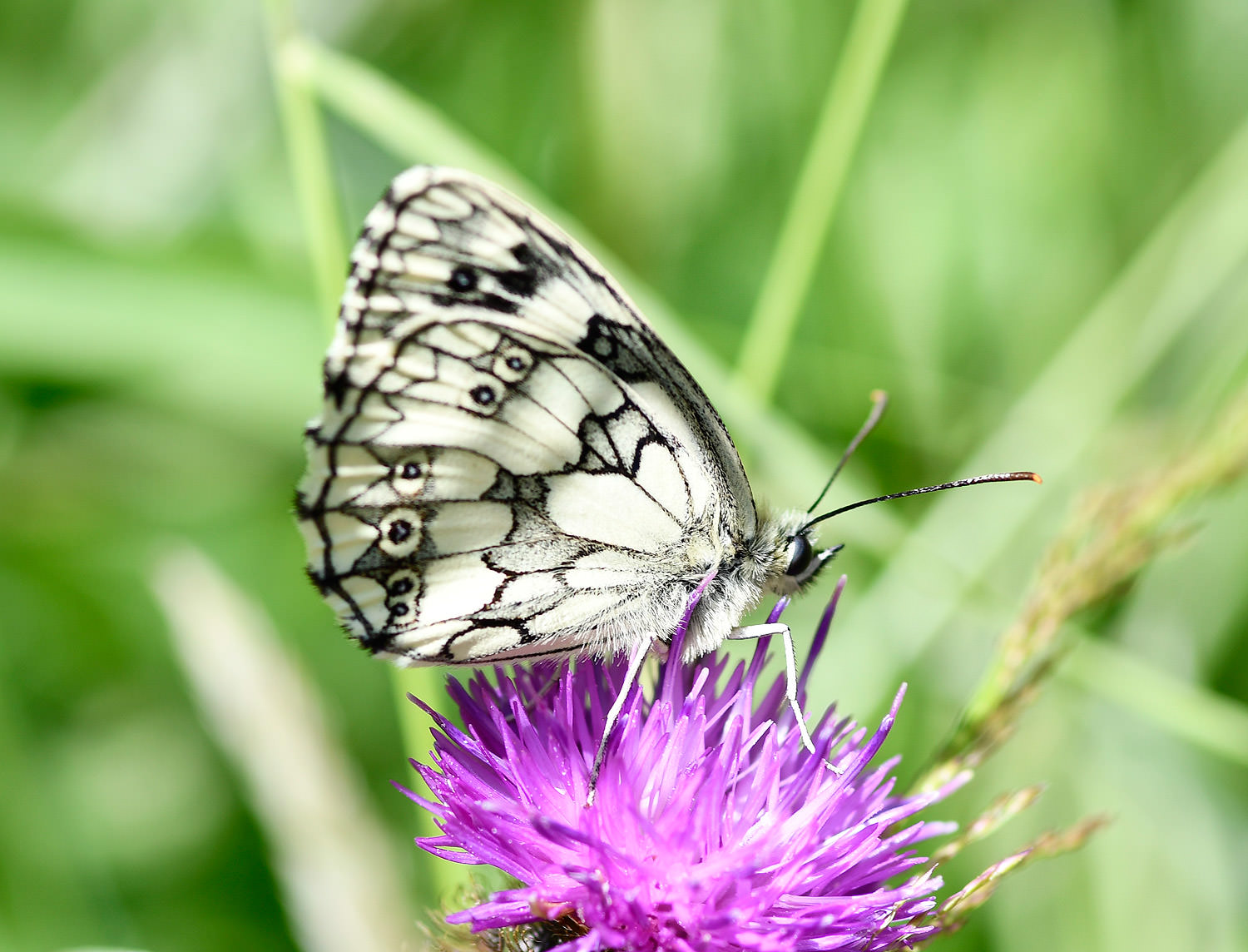
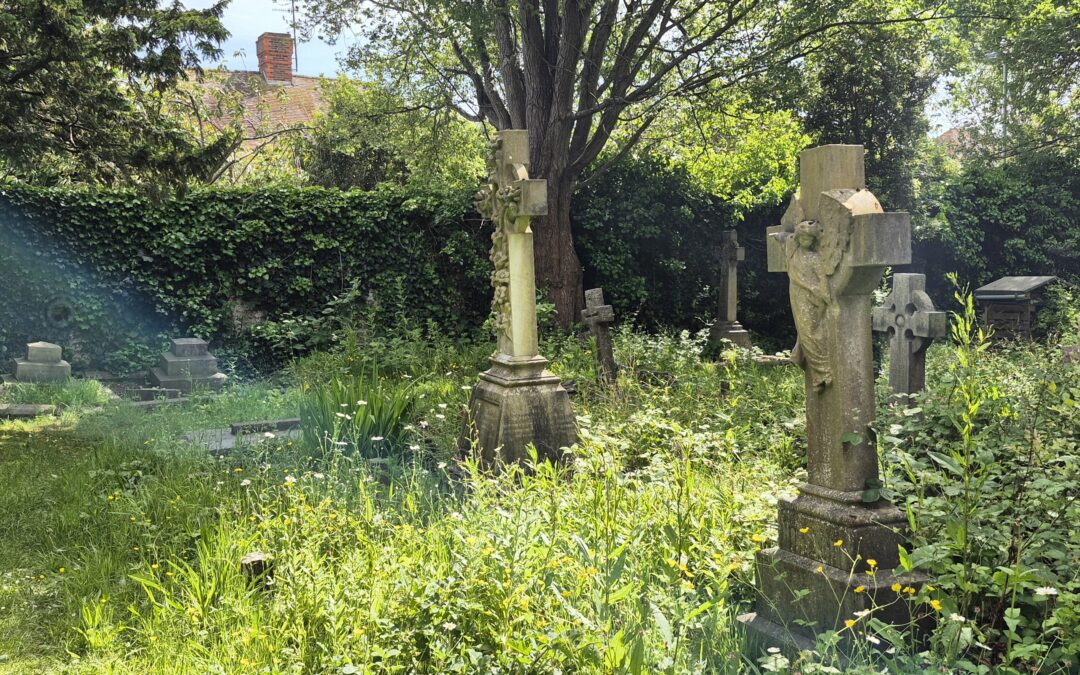
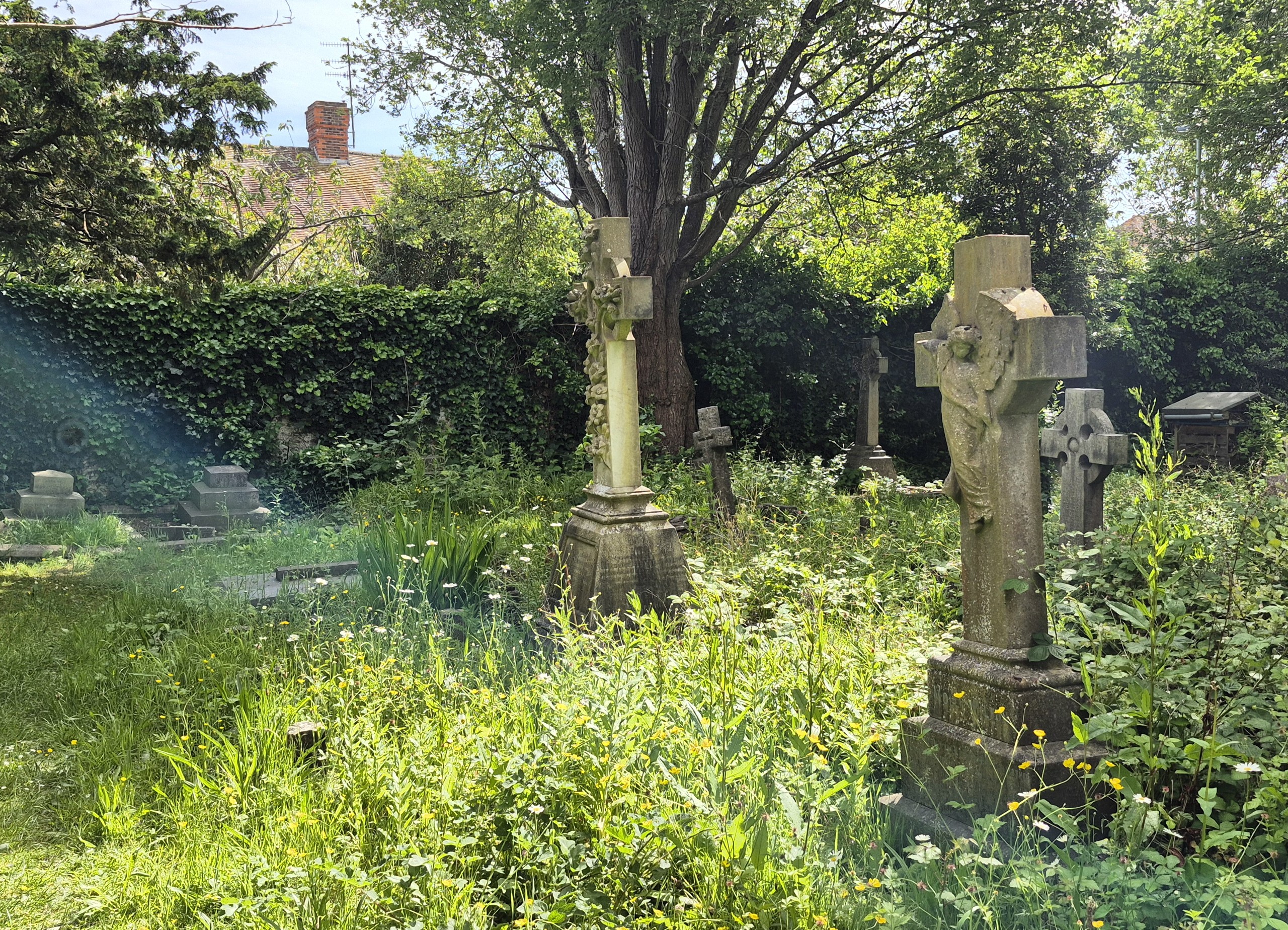
Heene Cemetery sits on a one-acre town-centre site in Worthing. Opened in 1873 and closed in 1977, its origins as ancient meadowland gained its recognition in 1992 as being a green space worth supporting and eventually earning it a formal designation as a Sussex Local Wildlife Site. A volunteer group, formed in 2015, has been managing the cemetery to encourage biodiversity and demonstrate the site’s special character. Citizen science, continuous species recording, supported by recorders working with the Sussex Biodiversity Records Centre – and others, is in place and in June 2025 the species count passed a magnificent 750!

Managing the cemetery
Rescued from neglect, the cemetery has benefitted from a decade of work from the group. We have cleared some of the scrub to reveal graves but have also deliberately left some covered with dense patches of bramble to provide more complexity and opportunities for more wildlife species. It has been challenging with the graves so densely packed, leaving open space only for narrow paths, but in areas cleared from deep shade, the site’s grassland character has now been revealed, and the group has been adopting meadow-management policies that allow wildflowers to thrive.
Sensitive to the need to maintain access to some of the graves, the group works to limit self-planted saplings which would otherwise overwhelm the site. An annual cycle of strimming is in place, operating twice a year. The first in mid-summer aims to control coarser grasses, simulating grazing; the second, marking the end of summer, allows seeds to be set. After both cuts, arisings are removed.
A vital stepping stone for nature
The site’s neutral grassland habitat contains plant species which are associated with unimproved herb-rich meadowlands. An astonishing variety of flowering plants (nearly 230) have been recorded so far, the majority of which have emerged naturally, hinting at the meadowland habitat that predated the Victorian cemetery.
As with many cemeteries and burial grounds across Sussex, with its mix of grassland, trees and scrub, Heene plays a vital role as a wildlife habitat and stepping stone within the mosaic of gardens in this part of Worthing. Being so near the Channel, it also acts as a valuable first landfall for migrating insects, butterflies and birds arriving at the dense urban sprawl of Sussex’s coastline.
The group has taken actions to support as many species as possible, providing log piles, compost heaps, bat boxes, mini ponds and recycled water butts that receive rainwater from a neighbour’s roof. These features often serve as talking points with visitors! Disease-resistant elms have also been planted to support the longer-term presence of the white-letter hairstreak butterfly.
Communicating with the local community
Volunteers come together twice a week to open the gates and do hands-on work. Members of the public are welcomed in and given informal tours and a calendar of Open Days with formal tours is also in place. Some of our volunteers give talks to local groups; others frequently write articles in the town’s local publications.
A series of colour posters on an external noticeboard helps showcase and explain the site’s wealth of biodiversity to passers-by. The group’s website [ www.heenecemetery.org.uk ] includes detailed blog posts on specific species, including photographs taken on site and highlighting species (mostly birds, plants and reptiles) that are vulnerable, threatened or rare – locally or nationally. The website also publishes biographies of the 1,960 people buried in the cemetery.
Future plans
Heene Cemetery is inevitably a work in progress. If it were to be left unmanaged, trees and scrub would eventually dominate, and biodiversity would suffer; but if it were strictly managed as a traditional graveyard, it would offer little for wildlife. We know that visitors come to enjoy its beauty and to appreciate practical steps that can be taken to support nature. Some are undoubtedly amazed and thrilled at the detail that the species surveying has revealed.
With the support of the group’s membership of Caring for God’s Acre, we will continue to manage Heene to get the right balance for biodiversity and ignite a flame of passion for nature recovery beyond the cemetery walls into the wider community.
Take simple steps now to support wildlife in your garden or community greenspaces by looking at the Actions for Nature tool in our Members area, including:
- Cloak walls & fences with climbing plants
- Grow plants and flowers for pollinators and other invertebrates
- Grow larval food plants
- Leave areas of grass uncut
- Leaf and log piles
- Standing dead wood and dead hedges